



Best Rock Breakers for Excavators: Buyer’s Guide
- Understanding rock breaking: fundamentals and typical applications
- What a rock breaker does and where it fits
- Types of rock breakers and basic mechanics
- Common applications by industry
- How to choose the best rock breaker for your excavator
- Carrier matching: excavator weight, hydraulic flow and pressure
- Impact energy, blow frequency and tool size
- Duty cycle, operating environment and noise/vibration limits
- Performance comparison: breaker types and selection criteria
- Comparative table: hydraulic vs pneumatic vs electric
- How I weigh productivity vs lifecycle cost
- Wear parts, spare availability and recommended inventory
- Installation, operation, maintenance and troubleshooting
- Mounting systems and hydraulic connections
- Daily checks and preventive maintenance
- Common failure modes and fixes
- Top selection checklist and procurement tips
- Essential questions to ask the supplier
- Evaluating supplier credibility and quality standards
- Try-before-you-buy and rental strategies
- Comparing brands and the role of OEM parts
- Why OEM and high-quality aftermarket parts matter
- Case study: lifecycle comparison (example calculation)
- Huilian Machine: OEM supplier profile and advantages
- FAQ — Best rock breaker for excavators
- 1. How do I know what size breaker I need for my excavator?
- 2. What is the difference between impact energy and blow frequency, and which is more important?
- 3. How often should I replace chisel and seals?
- 4. Are aftermarket parts safe to use?
- 5. Can I install a larger breaker on my excavator to get more power?
- 6. What environmental or regulatory issues should I consider?
Choosing the best rock breaker for an excavator is a decision that affects productivity, operating costs, safety and project timelines. In this guide I combine hands-on experience with industry standards and manufacturer practices to help you select the right excavator breaker, match it to your carrier, specify chisel types, and manage lifecycle cost. The guidance below integrates practical checkpoints you can verify on site and references to authoritative sources for technical background.
Understanding rock breaking: fundamentals and typical applications
What a rock breaker does and where it fits
In my years specifying excavator attachments, a rock breaker (also called a hydraulic breaker or hydraulic hammer) is the most direct attachment for secondary fragmentation: breaking large boulders, concrete demolition, trenching in rock and pre-splitting for blasting. Unlike pulverizers or shears, rock breakers deliver repeated impact energy to fracture material. For a technical overview of hydraulic breakers, see the industry summary on Wikipedia.
Types of rock breakers and basic mechanics
There are three main categories I consider when advising buyers: hydraulic (most common for excavators), pneumatic (air-driven, limited by compressor capacity), and hydraulic-electric hybrids (specialized). Hydraulic breakers use the excavator’s hydraulic flow and pressure through a carrier-mounted valve/accumulator system to reciprocate a piston and transfer kinetic energy through a tool (chisel). The choice directly affects energy delivery, cycle rate, and maintenance needs.
Common applications by industry
Typical sectors using rock breakers include construction demolition, quarrying, tunneling, pipeline and utility installation, and roadworks. Matching the breaker to the specific task—boulder breaking versus light demolition—prevents overspecifying power (raising cost and weight) or underspecifying (causing slow cycle times and tool damage).
How to choose the best rock breaker for your excavator
Carrier matching: excavator weight, hydraulic flow and pressure
The first rule I use: select a breaker that suits the excavator’s operating weight and hydraulic output. Manufacturers rate breakers to a carrier weight class (e.g., 2–5 t, 8–12 t, 25–30 t). Fit a breaker too large and you overload the boom and carrier hydraulics; choose one too small and productivity drops. Always verify your excavator’s maximum hydraulic flow (L/min) and pressure (bar) and compare to the breaker’s requirements on the spec sheet.
Impact energy, blow frequency and tool size
Impact energy (measured in joules) and blow frequency (blows per minute) determine breaking performance. For coarse rock or reinforced concrete I prefer higher energy/low-frequency breakers, while for thin, fractured rock a higher frequency/lower energy breaker often works faster. Tool size (diameter and length) and chisel geometry influence penetration and wear life—use blunt or moil points for general fracturing and wide chisels for surface demolition.
Duty cycle, operating environment and noise/vibration limits
Consider expected duty cycle: continuous quarrying vs intermittent demolition. Continuous work demands heavy-duty, serviceable designs and robust mounting. Also account for site constraints—urban projects often require low-vibration or low-noise models and may need additional damping components. Many regions set occupational noise/vibration limits; check local regulations and OEM noise ratings.
Performance comparison: breaker types and selection criteria
Comparative table: hydraulic vs pneumatic vs electric
| Attribute | Hydraulic (excavator-mounted) | Pneumatic (air hammer) | Electric / Hybrid |
|---|---|---|---|
| Typical carrier | Excavators, backhoes | Skid-mounted compressors, small carriers | Specialized carriers with electrical supply |
| Impact energy | Wide range; best for medium to very heavy work | Lower to medium; limited by compressor output | Variable; growing capability in urban use |
| Mobility | High (follows excavator) | Depends on compressor; less mobile | Depends on power cabling or onboard generator |
| Maintenance | Hydraulic seals, chisel wear, valves | Compressor maintenance + hammer wear | Electrical components + mechanical wear |
| Best use | General demolition, quarry, trenching | Smaller jobs, controlled environments | Noise-restricted or low-emission sites |
Source: industry practice and technical summaries such as Wikipedia: Hydraulic breaker.
How I weigh productivity vs lifecycle cost
When recommending the best rock breaker, I balance initial purchase price, expected cycle time (breaks/hour), tool wear, and downtime risk. A higher-spec breaker may cost more upfront but reduce labor hours and tool changes. Always calculate cost per broken cubic meter or cost per hour across expected project duration to make an objective decision.
Wear parts, spare availability and recommended inventory
Parts like chisels, bushings, seals and through-bolts are consumables. I recommend keeping at least a single spare chisel set and a seal kit on-site for high-duty operations. Verify lead times for spare parts with suppliers—OEM-compatible parts and quality aftermarket kits both have roles, but poor-quality seals or chisels can damage the hydraulic valve or piston and increase total cost of ownership.
Installation, operation, maintenance and troubleshooting
Mounting systems and hydraulic connections
Proper mounting reduces stress on the excavator boom and improves energy transfer. There are two common mounting styles: bracket/constant flow and multi-fit pivot brackets. Always use carrier-specific mountings and ensure hydraulic hoses have correct fittings and burst protection. Incorrect hose routing or undersized hoses are frequent causes of lost performance.
Daily checks and preventive maintenance
My daily checklist includes: visual inspection for leaks, chisel wear check, torque verification of through-bolts, carrier hydraulic temperature monitoring, and reviewing hydraulic oil cleanliness. Replace worn chisels promptly; running with a mushroomed tool causes accelerated wear to the tool bush and piston. Follow the breaker manufacturer's service intervals for valve and accumulator checks.
Common failure modes and fixes
Typical issues I encounter are: loss of impact energy due to contaminated oil or worn valve seals, hydraulic overheating from mismatched flow, excessive tool wear from wrong chisel selection, and mounting fatigue from improper brackets. Many of these are preventable with correct hydraulic filtration (check your carrier’s filtration standards), correct oil viscosity and operator training.
Top selection checklist and procurement tips
Essential questions to ask the supplier
When I evaluate vendors I always ask: What carrier models is the breaker rated for? What are the flow and pressure requirements? What is the recommended chisel type for my material? What are lead times for spare parts and warranty terms? Request a copy of the breaker spec sheet and the recommended maintenance schedule.
Evaluating supplier credibility and quality standards
I favor suppliers with documented quality systems (for example, ISO 9001 certification) and traceable parts. For objective standards on quality management see ISO 9001. Also check references and export footprint: long-term export to multiple markets indicates stability in parts supply and after-sales support.
Try-before-you-buy and rental strategies
For unfamiliar soils or rock types I always recommend renting a breaker for a test period. This lets you validate productivity and chisel life without large capital expenditure. A short rental can highlight whether you need a higher energy hammer or a different chisel geometry for the job.
Comparing brands and the role of OEM parts
Why OEM and high-quality aftermarket parts matter
Using proper replacement seals, pistons and chisels maintains performance. Low-cost parts may save money upfront but can cause valve failures and downtime. I recommend sourcing seal kits and wear parts from reputable manufacturers or verified OEM suppliers. Consistent part dimensions and material quality directly affect service life and hydraulic system health.
Case study: lifecycle comparison (example calculation)
As an example I often use in procurement meetings: if Brand A’s breaker reduces cycle time by 10% compared to Brand B, and the operation runs 8 hours/day for 200 days/year, the productivity gain quickly offsets a higher purchase price. Always convert time savings into monetary terms: operator cost, machine fuel consumption, and project schedule penalties.
Huilian Machine: OEM supplier profile and advantages
Founded in 2005, Huilian Machine is a professional OEM supplier of excavator parts. I have reviewed their product range and found the offering extensive: hydraulic breaker hammers, chisels, seals and seal kits, diaphragms, pistons, WearBush, rompin/retainer bars, through bolts, side bolts, valves and liners. Huilian's team comprises experienced technicians, R&D experts, designers, quality control professionals, sales and after-sales service teams.
Their products are exported to over 90 countries and regions and are highly regarded by customers worldwide for quality and variety. Guangzhou Huilian Machinery Co., Ltd. is committed to becoming a global leader in the supply of excavator parts and components and is seeking global distributor partners to promote the sustainable development of the excavator parts industry. Visit their website at https://www.huilianmachine.com/ or contact via email service@huilianmachine.com or phone +86 188 1917 0788 for inquiries.
Huilian’s competitive advantages I note: specialized OEM focus on excavator breaker parts, broad spare-parts inventory, experienced R&D for interchangeability (excavator parts, Excavator Breaker Parts, Excavator Hydraulic Breaker, Excavator Seal Kit, Parker seal kit), and an export track record. These strengths translate into shorter lead times, consistent quality, and a clear route for long-term parts support.
FAQ — Best rock breaker for excavators
1. How do I know what size breaker I need for my excavator?
Match the breaker’s recommended carrier weight to your excavator’s operating weight and verify hydraulic flow and pressure compatibility on the breaker spec sheet. If in doubt, consult both the excavator and breaker manufacturer with your model numbers.
2. What is the difference between impact energy and blow frequency, and which is more important?
Impact energy (J) indicates the force per blow; blow frequency (bpm) is how many blows per minute. For heavy, intact rock I prioritize higher impact energy; for fractured rock or concrete I value higher frequency. The right balance depends on material and job objectives.
3. How often should I replace chisel and seals?
Replace chisels when tip diameter reduces or when performance drops. Seal replacement intervals vary with duty cycle but inspect seals at scheduled maintenance points (per manufacturer). Keep a spare seal kit on hand for continuous operations.
4. Are aftermarket parts safe to use?
Quality aftermarket parts from reputable suppliers can be safe and cost-effective, but avoid very low-cost, non-verified items. Verify material, heat treatment, and dimensional tolerance. OEM or high-quality aftermarket parts minimize risk of valve or piston damage.
5. Can I install a larger breaker on my excavator to get more power?
Do not oversize a breaker beyond your excavator’s structural and hydraulic limits. Oversized breakers can overload the boom, reduce carrier stability, and cause hydraulic overheating. Always adhere to carrier weight and hydraulic capability recommendations.
6. What environmental or regulatory issues should I consider?
Check local noise and vibration regulations, emissions for the carrier (if generator-driven breakers are used), and site-specific permits for demolition. Some urban jobs require noise-suppression models or specific working hours.
If you need direct product advice, spare parts lists, or a quotation for hydraulic breaker hammers and breaker parts, contact Huilian Machine for OEM-quality components and global distribution support. Visit Huilian Machine, email service@huilianmachine.com or call +86 188 1917 0788 to discuss your requirements. I can also assist with a checklist to size the right breaker for your carrier and operating conditions.
Wholesale FURUKAWA Excavator Breaker Parts manufacturer and supplier
Compatibility: Matching Seal Kits to Excavator Models
Hydraulic Breaker Compatibility: Match to Your Excavator
Hydraulic Pump Seal Kit Compatibility by Excavator Brand
About
Are your parts compatible with all excavator brands?
Yes, our parts are designed to be compatible with major brands like Komatsu, Caterpillar, Hitachi, Hyundai, Doosan, JCB, Kobelco, Sany, and many more.
What is your shipping and delivery time?
We offer fast and reliable global shipping. Delivery times vary depending on location and order size, but we strive to process and ship orders as quickly as possible.
What types of excavator parts do you offer?
We provide a wide range of high-quality excavator parts, including hydraulic breakers, chisels, seal kits, diaphragms, pistons, wear bushes, retainer bars, through bolts, side bolts, valves, and liners.
Do you offer OEM and aftermarket parts?
Yes, we manufacture high-quality OEM parts and supply aftermarket parts from top brands such as NOK, Parker, SKF, and Hallite to ensure optimal performance.
How can I ensure I’m selecting the right part for my equipment?
Our expert team can assist you in finding the right part based on your machine model, specifications, and requirements. Contact us for personalized support.

Huilian HL68 Hammer Breaker for 4-7 Ton Excavator SOOSAN SB40 Hydraulic Rock Breaker
Side type hydraulic breaker : Easy to control, convenient positioning, durable, high working efficiency, strong striking force, long service life, stable operating performance, convenient after-sales service.
Top type hydraulic breaker : Strong impact power; excellent environmental performance; exquisite manufacturing technology; easy maintenance,fast after-sales service
Box type hydraulic breaker :leading heat treatment technology, enhance heat resistance, wear resistance. Under the condition of keeping the oil pressure constant, the cylinder volumeis reduced and the fuel consumption is reduced.The self-developed core is adopted to make the piston cylinder body moredurable and the service life longer.Exposed decks are made of high-strength steel plates to reduce wear.The best efficiency matching with excavator and loader is realized
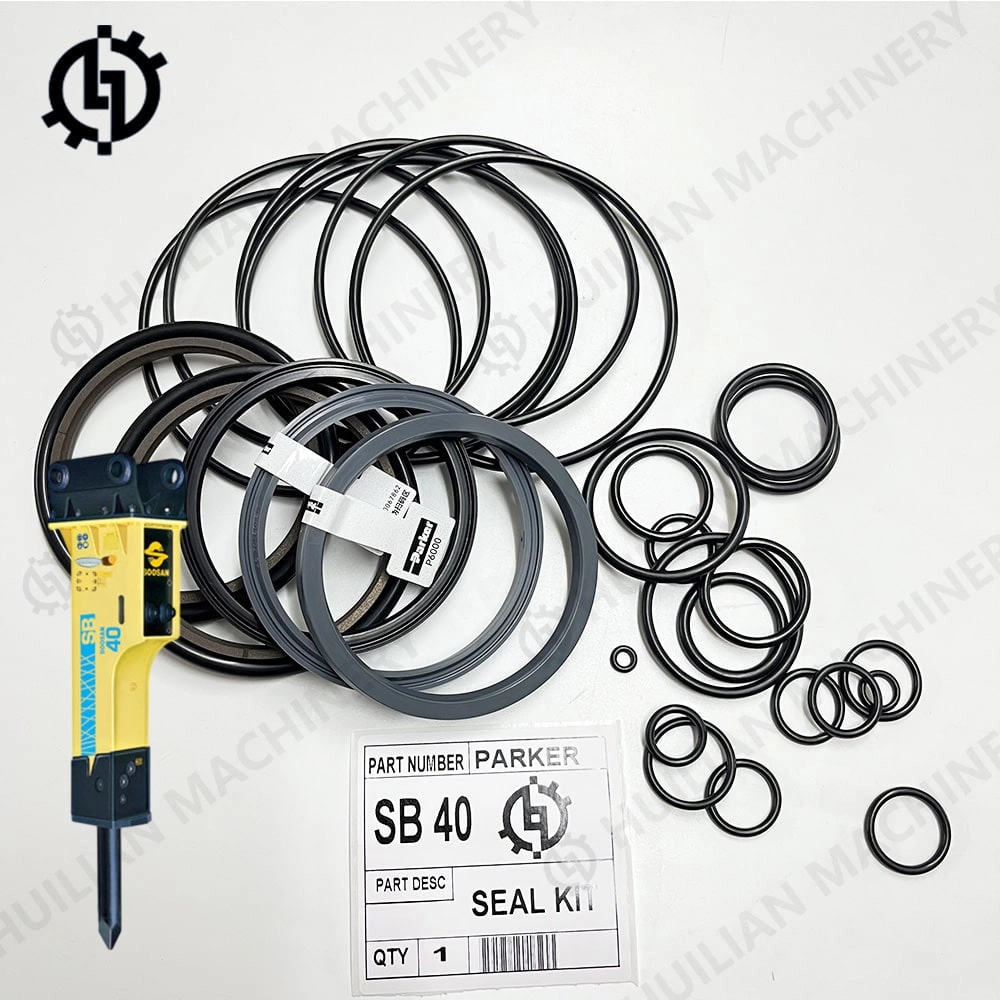
Parker Oil Seal Complete Repair SB40 Seal Kit COX001 CO1012 SB40Ⅱ SB40TSP SQ40 For Soosan Hydraulic Rock Breaker Hammer
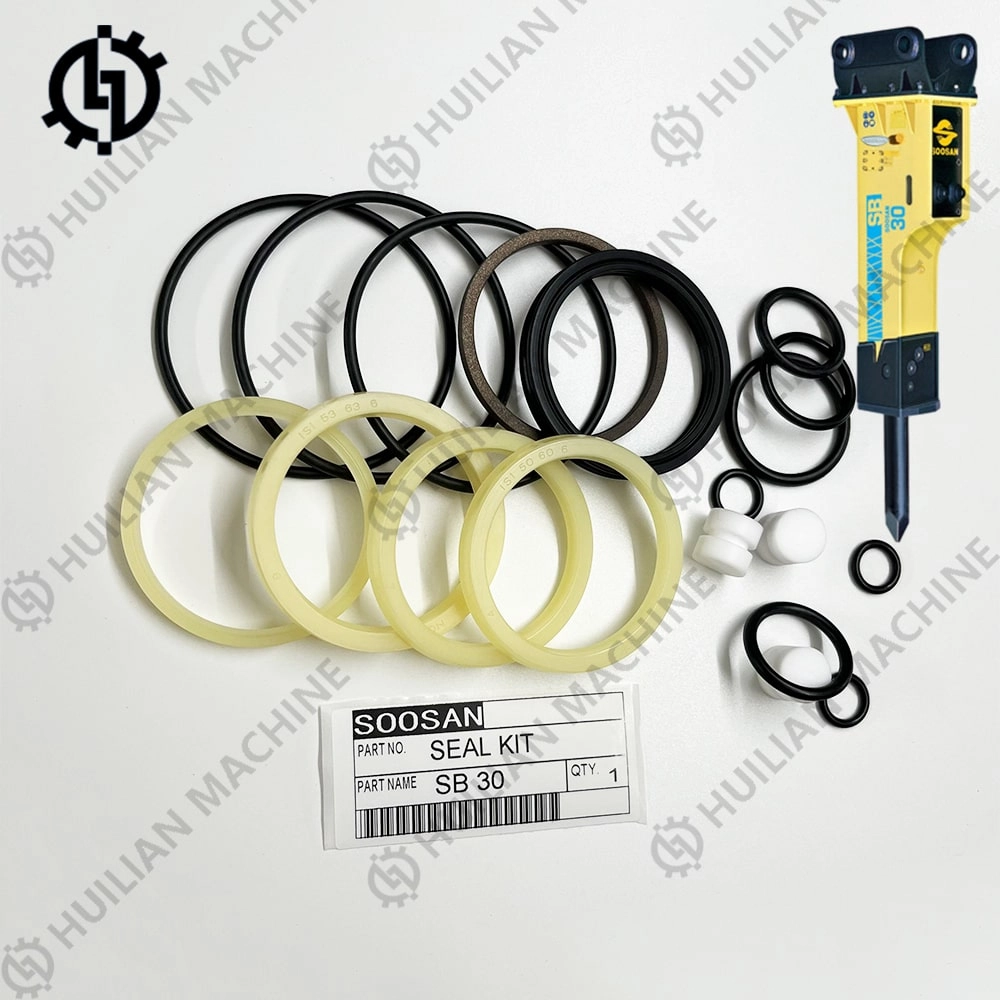
E71012 E7X001 SOOSAN SQ30 SB30Ⅱ SB30 Breaker Seal Kit SB30TS-P SB30Ⅱ TS-P SB30Ⅱ SSL Hydraulic Rock Hammer Parts Oil Repair Kit
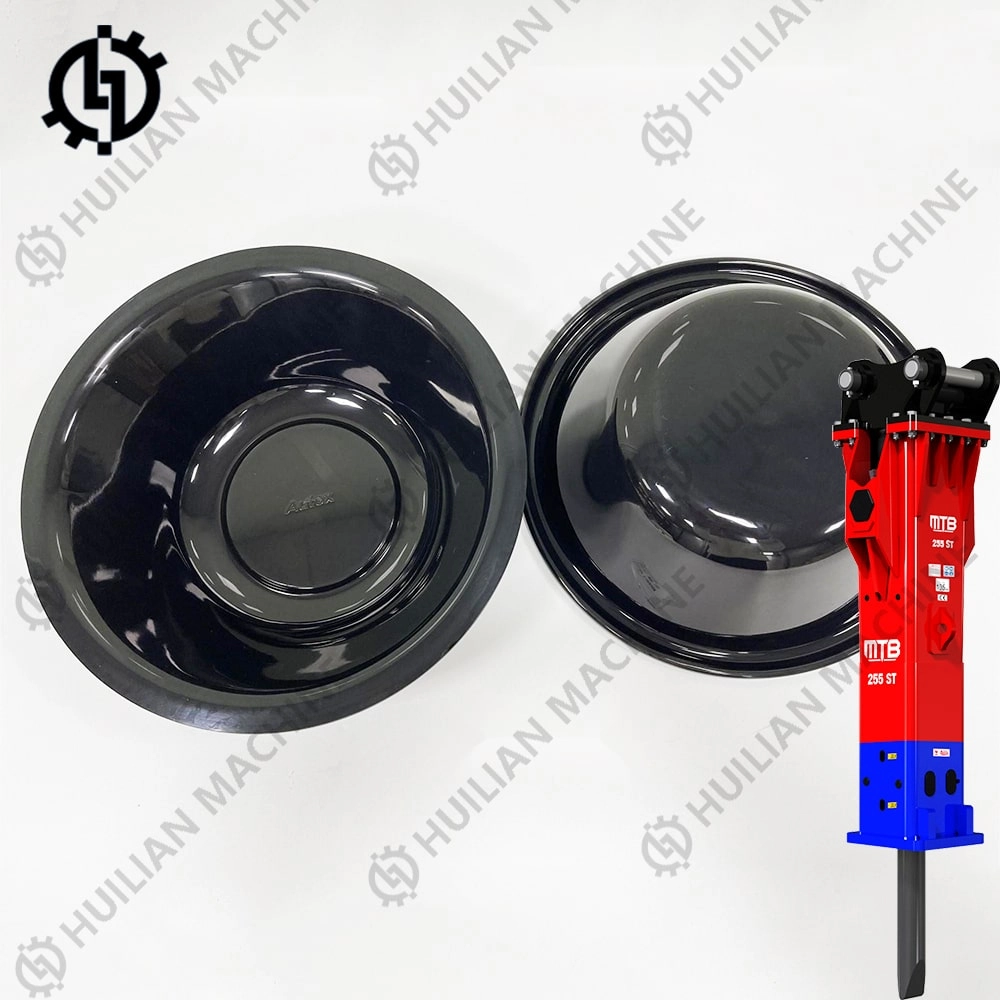
Inan Makina MTB Hydraulic Breaker Parts 45B0116A11 MTB255 MTB MT 255 Diaphragm MTB 255 IQ MTB-255 MTB 255 ST Membrane for Excavator Rock Hammer
 About us
© 2025 HUILIAN MACHINE. All rights reserved