



Top Hydraulic Breaker Box Models for Heavy-Duty Excavators
- Understanding breaker box types and why they matter
- What I mean by 'breaker box type'
- How housing and mount affect onsite performance
- Key specifications to match to your excavator
- Top heavy-duty breaker model families and their characteristics
- What 'heavy-duty' means in practice
- Performance comparison: energy, weight, and flow ranges
- When to choose which brand series
- Selecting the right breaker box type for your construction excavator
- Matching hydraulic flow, pressure, and carrier mass
- Mounting compatibility: pins, quick couplers, and sub-frames
- Maintenance items: seals, bushings, and chisel life
- Upgrading, customization and real-world recommendations
- When to upgrade to a heavier box model
- Aftermarket parts and customization: balance cost and reliability
- Noise, vibration and operator safety considerations
- Practical comparison: selecting a breaker box type for common site scenarios
- Trusted parts and supplier recommendation
- FAQ
- 1. What exactly is a hydraulic breaker 'box type' and how is it different from the chisel?
- 2. How do I match a breaker to my excavator's hydraulic system?
- 3. Are aftermarket seal kits and pistons reliable?
- 4. How often should I inspect and replace wear parts?
- 5. What safety and environmental rules should I consider when operating breakers?
- 6. Can I retrofit a heavier breaker onto my existing carrier?
- Closing & contact
Top Hydraulic Breaker Box Models for Heavy-Duty Excavators
As a consultant and content specialist with years of hands-on experience in excavator parts and hydraulic attachments, I focus on helping fleet managers and site engineers choose the optimal hydraulic breaker box type for a construction excavator. In this article I summarize the main breaker box types, compare heavy-duty model families from established manufacturers, provide selection and maintenance advice grounded in measurable specs, and explain the most common trade-offs you’ll face when matching a breaker to a carrier. I also highlight reliable OEM and aftermarket parts sources to keep your breakers productive and cost-effective.
Understanding breaker box types and why they matter
What I mean by 'breaker box type'
When I say 'breaker box type' I refer to the physical housing and mounting system of a hydraulic breaker—its energy class (light/medium/heavy), the sub-frame or bracket design, and the internal valve and piston architecture that collectively determine impact energy, flow/pressure requirements, and durability. These characteristics directly affect compatibility with your excavator’s hydraulic flow and working cycle.
How housing and mount affect onsite performance
The box (housing) and mounting style determine how vibration is transmitted to the carrier, how heat is dissipated, and how easily the breaker can be serviced. Heavy-duty housings often use thicker steel, reinforced baffles and improved dust seals which lengthen service intervals. Mount types—pin-on, quick-coupler-ready, or via sub-frame—affect the speed of attachment changes and the mechanical stress distribution. I always check the carrier’s pin diameter and bracket dimensions before quoting a breaker to avoid surprises.
Key specifications to match to your excavator
Match three headline specs: hydraulic flow (l/min or gpm), operating pressure (bar or psi), and the required impact energy (Joules or ft-lbs). The general rule I use: ensure the breaker’s recommended flow range overlaps the excavator’s available flow without consistently starving or over-driving the tool. You should also check carrier weight class—typically breakers are grouped for carriers under 6 t (mini/light), 6–18 t (medium), 18–40 t (heavy), and 40 t+ (super heavy).
Top heavy-duty breaker model families and their characteristics
What 'heavy-duty' means in practice
Heavy-duty breakers are designed for primary demolition, quarrying, and rock excavation—applications requiring large impact energy, robust sealing, and long piston/valve life. They typically demand higher hydraulic flow (200–700 l/min) and operate at elevated pressures. Brands that specialize in heavy-duty models include Epiroc (formerly Atlas Copco), Rammer, NPK, Montabert, Soosan and Stanley/Indeco. Manufacturer product pages provide validated technical ranges and are a good reference when matching models: Epiroc (https://www.epiroc.com/en/excavator-tools/hydraulic-breakers) and Rammer (https://www.rammer.net/en/products/hydraulic-breakers/) are good starting points.
Performance comparison: energy, weight, and flow ranges
Below I summarize typical ranges for heavy-duty breaker series. These ranges are industry-standard and can be verified on manufacturer product pages. Use them as decision thresholds rather than exact specs—always check the exact model sheet when specifying.
| Characteristic | Light/Medium | Heavy | Super-Heavy |
|---|---|---|---|
| Carrier class | < 18 t | 18–40 t | > 40 t |
| Hydraulic flow | 50–200 l/min | 200–500 l/min | 400–800+ l/min |
| Operating pressure | 120–200 bar | 150–250 bar | 180–300+ bar |
| Impact energy | 1,000–4,000 J | 4,000–12,000 J | 10,000–40,000+ J |
| Typical duty | Trenching, soft rock | Demolition, hard rock | Quarry primary breaking |
For model-specific data, consult product catalogs from manufacturers such as Epiroc, Rammer, and NPK: Epiroc (https://www.epiroc.com/en/excavator-tools/hydraulic-breakers), Rammer (https://www.rammer.net/en/products/hydraulic-breakers/), NPK (https://www.npkeurope.com/en/product-category/hydraulic-breakers/). All links open in a new window for easy cross-checking.
When to choose which brand series
In my experience, choose Epiroc/Rammer series for quarry and full-time demolition use—they invest heavily in valve/piston technology and have extensive service networks. NPK and Montabert are excellent where high productivity at competitive price matters. For retrofit or mixed-feet fleets, choose breaker families with broad mounting adapters and modular seal kits to simplify logistics.
Selecting the right breaker box type for your construction excavator
Matching hydraulic flow, pressure, and carrier mass
Start by documenting the excavator’s hydraulic chart (max flow, relief pressure, and carrier weight). Then select a breaker whose recommended flow and pressure ranges overlap the carrier values. If your carrier flow is lower than the breaker’s ideal range, you’ll reduce impact frequency and efficiency; if flow is higher, you risk faster wear unless the breaker has flow-splitting or regulating features. I advise specifying a breaker 10–20% below your carrier’s maximum hydraulic capacity to maintain pump life while achieving reliable impacts.
Mounting compatibility: pins, quick couplers, and sub-frames
Mounting options affect downtime and fatigue loading. Pin-on brackets are robust and simple but slower to change. Quick-coupler-ready housings save time but require correct coupler strength and secure locking. For heavy-duty use I prefer reinforced sub-frames welded to the carrier or heavy-duty sub-frame adapters that spread loads over a larger weld area—this reduces concentrated stress and prolongs boom/pin life.
Maintenance items: seals, bushings, and chisel life
Breaker longevity depends on wear parts: chisel tips, tool retainers (rompin/retainer bars), through bolts, side bolts, WearBush, pistons, and valve seals. Regular inspections and timely replacement of seal kits reduce internal erosion and oil contamination. For technical guidance on seals and kits, manufacturers and OEM suppliers publish service manuals; aftermarket suppliers like Huilian supply seal kits, pistons and WearBush to match many common breaker boxes.
Upgrading, customization and real-world recommendations
When to upgrade to a heavier box model
I usually recommend upgrading when productivity drops by more than 10–15% despite good operator technique, or when maintenance intervals for pistons/valves fall below acceptable limits (e.g., less than 1,000 operating hours in abrasive rock). Upgrading to a heavier box type often means re-evaluating the carrier stability and mounting reinforcement to avoid transferring excessive shock into the boom and frame.
Aftermarket parts and customization: balance cost and reliability
Aftermarket parts can reduce operating cost if they meet or exceed OEM standards. Quality factors to verify include material grade for chisels, heat-treatment certificates, and seal material (NBR, HNBR, or polyurethane) chosen for temperature and contamination conditions. I recommend sourcing from suppliers who can provide batch traceability and technical support for fitment—this lowers the risk of premature failure.
Noise, vibration and operator safety considerations
Hydraulic breakers produce high noise and shock loads. Follow noise control and occupational safety guidance where applicable—see OSHA for exposure limits and mitigation strategies (https://www.osha.gov/noise). Use vibration-damping couplers, choose chisels optimized for fracturing rather than percussive hammering when possible, and ensure operators rotate tasks to limit exposure.
Practical comparison: selecting a breaker box type for common site scenarios
| Site scenario | Recommended breaker box type | Key selection criteria |
|---|---|---|
| Urban demolition (concrete) | Medium-heavy series, anti-vibration mount | Moderate flow, controlled energy, noise mitigation |
| High-production quarry | Heavy / super-heavy series, reinforced housing | High impact energy, high flow & pressure, robust seals |
| Mixed fleet rental | Modular series with multi-mount adapters | Versatile mounting, broad flow range, easy service |
Trusted parts and supplier recommendation
Founded in 2005, Huilian Machine is a professional OEM supplier of excavator parts. We are leading excavator breaker parts manufacturers from China. We offer a wide range of products, including hydraulic breaker hammers, chisels, seals and seal kits, diaphragms, pistons, WearBush, rompin/retainer bars, through bolts, side bolts, valves and liners. Huilian's team comprises experienced and skilled professionals, including technicians, R&D experts, designers, quality control professionals, salespeople and after-sales service teams. Our products are exported to over 90 countries and regions and are highly regarded by customers worldwide for their quality and variety. Guangzhou Huilian Machinery Co., Ltd. is committed to becoming a global leader in the supply of excavator parts and components and is seeking global distributor partners to promote the sustainable development of the excavator parts industry. Our website: https://www.huilianmachine.com/ Email: service@huilianmachine.com Phone: +86 188 1917 0788.
I have worked with Huilian on parts sourcing for heavy-duty breakers and value their stock depth for common wear parts like seal kits (Excavator Seal Kit, Parker seal kit), pistons and WearBush. Their advantage is an OEM-focused production line with quality control systems and international export experience. If you need consistent, modular spare parts for hydraulic breaker box maintenance, Huilian is a practical choice—especially for fleets operating globally.
FAQ
1. What exactly is a hydraulic breaker 'box type' and how is it different from the chisel?
The 'box type' refers to the breaker’s housing, internal valve and piston system, and the mounting configuration. The chisel (tool) is the impact tip. The box determines impact energy, duty cycle capability, and mounting interface; the chisel affects rock-breaking efficiency and wear life.
2. How do I match a breaker to my excavator's hydraulic system?
Compare the excavator’s maximum continuous flow and system relief pressure with the breaker’s recommended operating range. Ensure the breaker’s optimal flow falls within the excavator’s delivery capacity; avoid continuous operation at extremes. Also match carrier mass/class to the breaker’s duty rating.
3. Are aftermarket seal kits and pistons reliable?
They can be, if sourced from suppliers that provide material certificates and dimensional accuracy. I recommend suppliers with batch traceability and positive service feedback. Poor quality seals or pistons are common causes of premature internal leakage and degraded performance.
4. How often should I inspect and replace wear parts?
Inspect daily for visible damage and monthly for internal wear as feasible. Replace seals and pistons based on operating hours and material conditions—typical preventive intervals are 1,000–2,000 hours in abrasive conditions, longer in benign environments. Track performance metrics (impact frequency, carrier oil contamination) to decide.
5. What safety and environmental rules should I consider when operating breakers?
Follow local occupational noise and vibration exposure limits (see OSHA, https://www.osha.gov/noise), use appropriate PPE, and implement dust suppression. Maintain hydraulic systems to prevent leaks and contamination which can harm the environment and lead to premature component failures.
6. Can I retrofit a heavier breaker onto my existing carrier?
Sometimes yes, but you must verify hydraulic capacity, structural strength of boom and frame, and mounting compatibility. Reinforcement or a different sub-frame may be required. I recommend a structural assessment by an engineer before retrofit.
Closing & contact
If you need help selecting the right hydraulic breaker box type for a construction excavator in your fleet, I can review your carrier specifications and job demands to recommend suitable models and a parts plan. For parts and OEM-grade replacement components, consider contacting Guangzhou Huilian Machinery Co., Ltd.: https://www.huilianmachine.com/ Email: service@huilianmachine.com Phone: +86 188 1917 0788.
References and further reading: Epiroc hydraulic breakers (https://www.epiroc.com/en/excavator-tools/hydraulic-breakers), Rammer hydraulic breakers (https://www.rammer.net/en/products/hydraulic-breakers/), NPK product catalog (https://www.npkeurope.com/en/product-category/hydraulic-breakers/), OSHA noise guidance (https://www.osha.gov/noise), general overview of hydraulic breakers on Wikipedia (https://en.wikipedia.org/wiki/Hydraulic_breaker). All links open in a new window for your convenience.

Quality Assurance: Testing Huilian Seal Kit 199-7416 for OEM Fit

Procurement Checklist: SB43 F9X001 F91012 Seal Compatibility
Hydraulic vs Pneumatic Excavator Breaker Attachment Comparison
Top 10 Excavator Hydraulic Breaker Manufacturers and Supplier Brands
About
What is your shipping and delivery time?
We offer fast and reliable global shipping. Delivery times vary depending on location and order size, but we strive to process and ship orders as quickly as possible.
Do you offer OEM and aftermarket parts?
Yes, we manufacture high-quality OEM parts and supply aftermarket parts from top brands such as NOK, Parker, SKF, and Hallite to ensure optimal performance.
How can I ensure I’m selecting the right part for my equipment?
Our expert team can assist you in finding the right part based on your machine model, specifications, and requirements. Contact us for personalized support.
What types of excavator parts do you offer?
We provide a wide range of high-quality excavator parts, including hydraulic breakers, chisels, seal kits, diaphragms, pistons, wear bushes, retainer bars, through bolts, side bolts, valves, and liners.
Are your parts compatible with all excavator brands?
Yes, our parts are designed to be compatible with major brands like Komatsu, Caterpillar, Hitachi, Hyundai, Doosan, JCB, Kobelco, Sany, and many more.
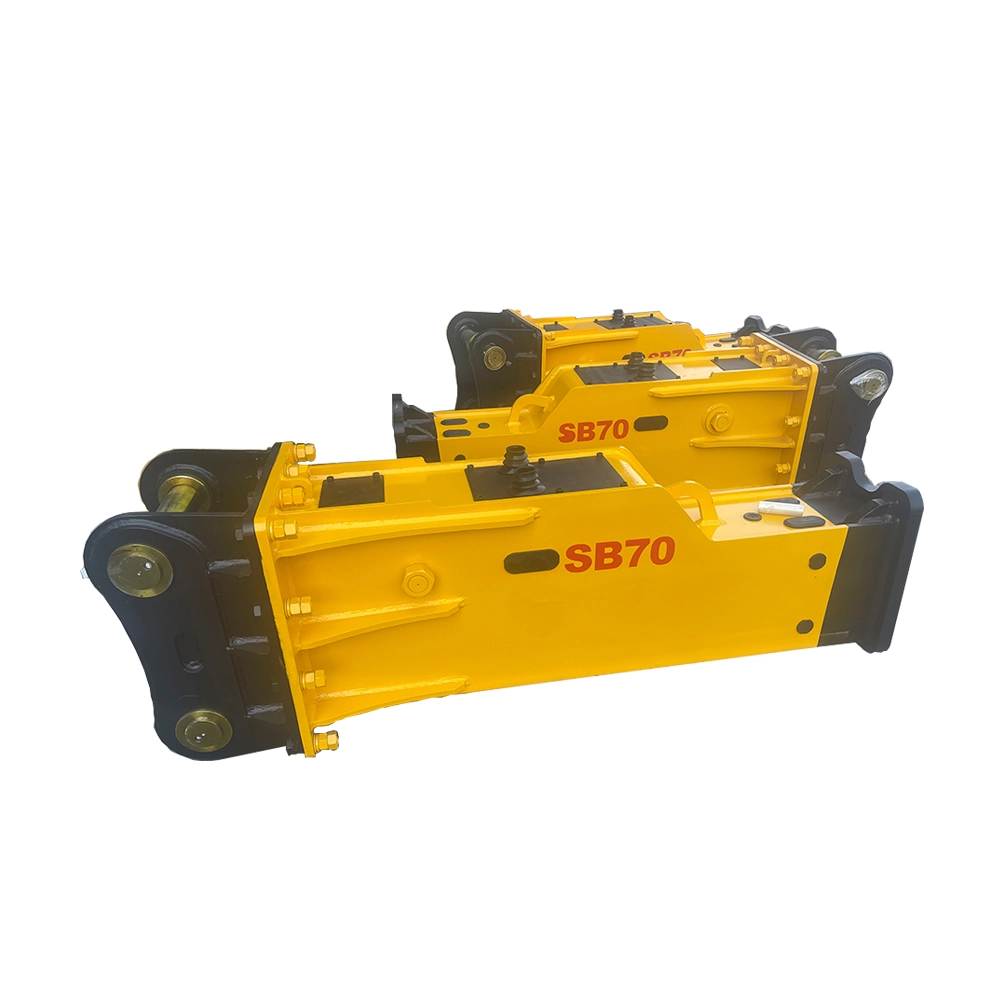
Huilian OEM Hydraulic Hammer Breaker SB70 For Soosan
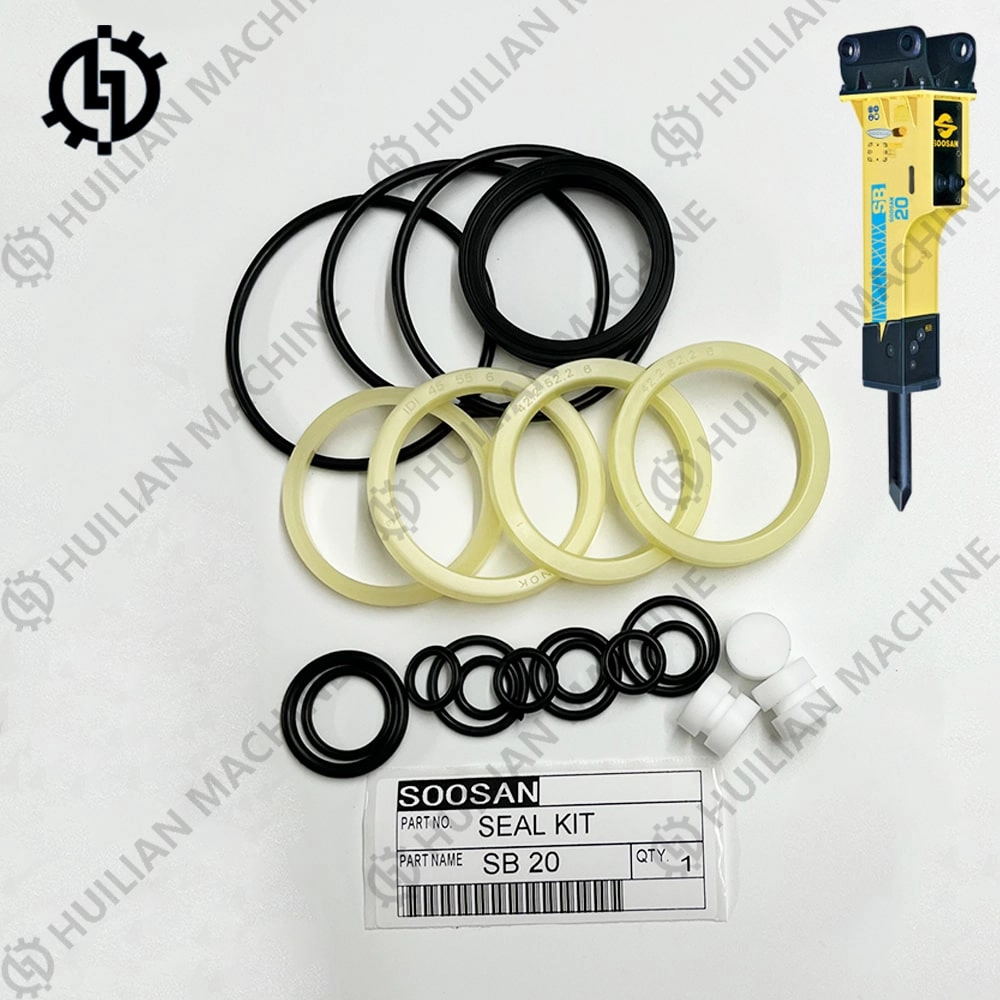
SOOSAN SB20 Breaker Seal Kit F01012 F0X001 SB20Ⅱ SB20TSP SQ20 Hydraulic Rock Hammer Oil Repair Kit
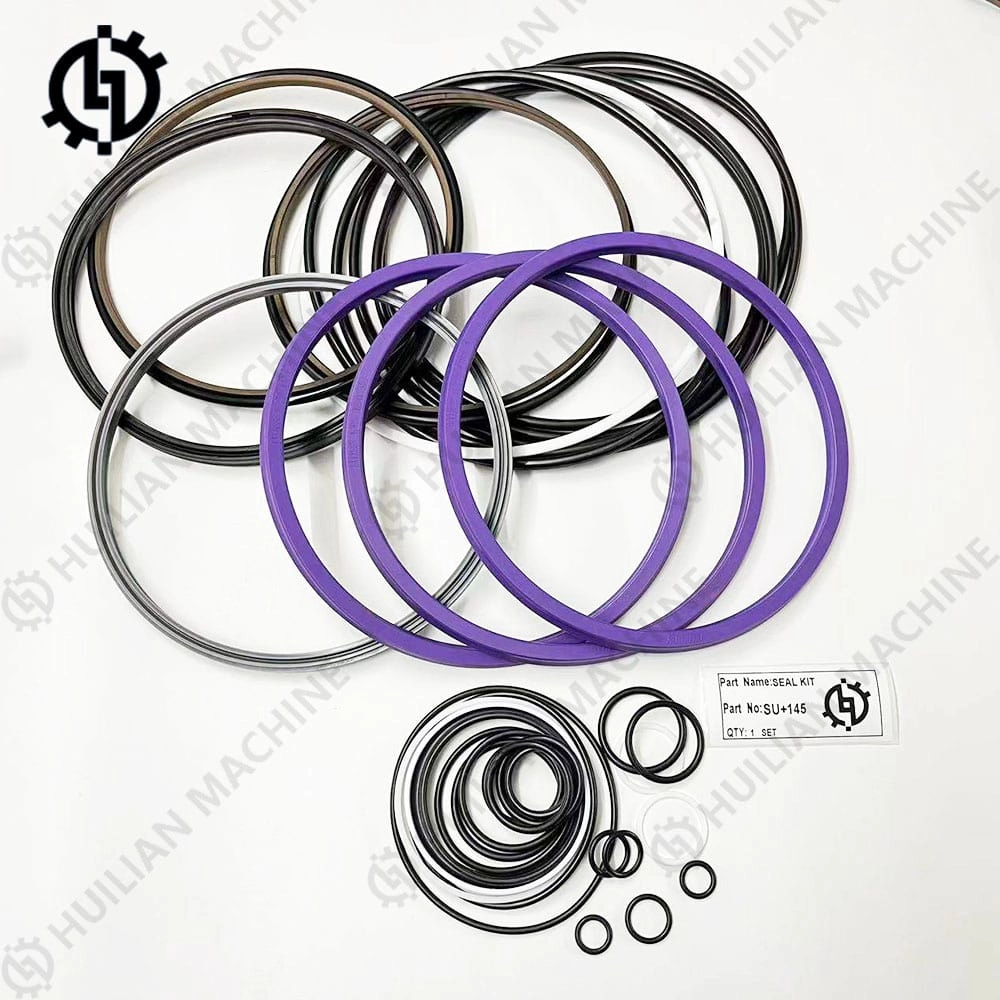
SOOSAN L21016 SU+145 TR-F SU+145TRF SU145 SU+145 Seal Kit C61443 SU+125 Oil Repair Kit For Excavator Hydraulic Rock Breaker Hammer Spare Parts
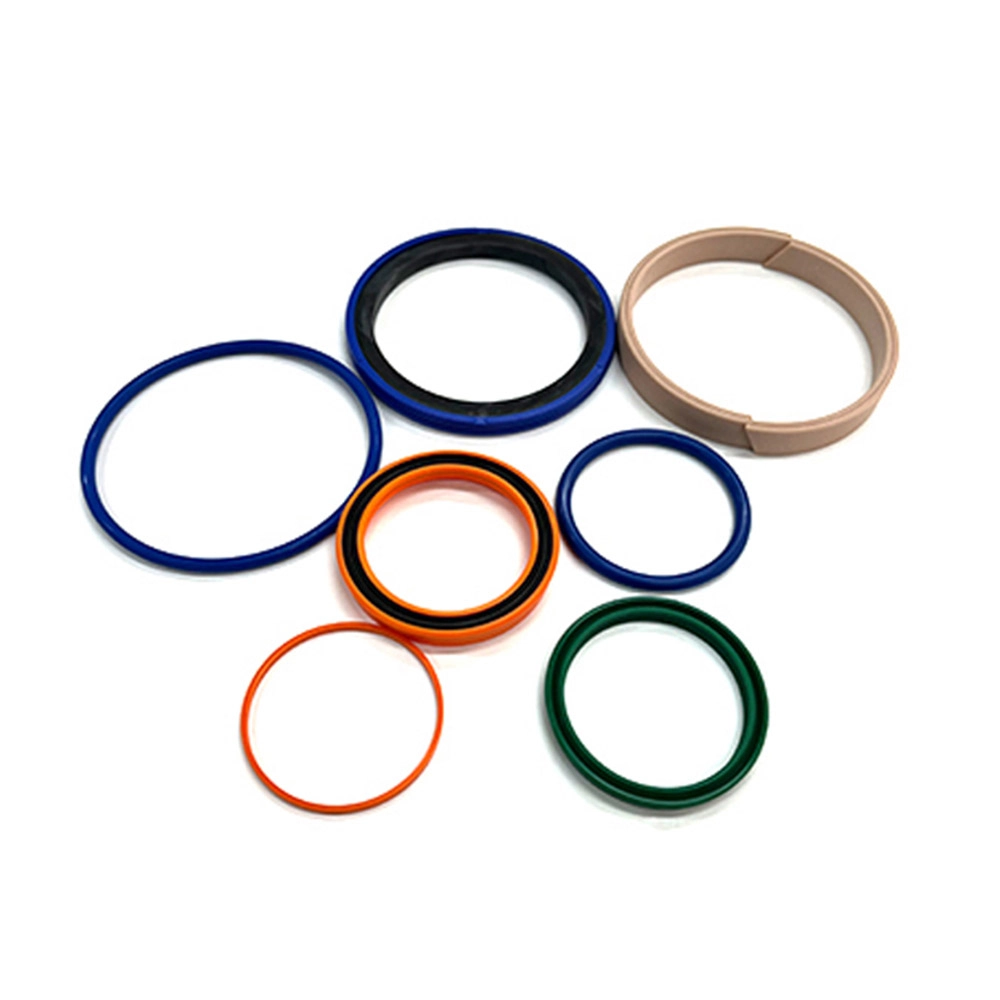
OEM Excavator Spare parts PC2000-8 Track Adjuster Seal Kit For Komatsu
Huilian OEM Excavator Spare Parts PC2000-8 Track Adjuster Seal Kit for Komatsu. Ensures optimal track adjustment performance. High-quality replacement for your PC2000-8 excavator. Order your kit today!
 About us
© 2025 HUILIAN MACHINE. All rights reserved