



Installation Best Practices for Excavator Hydraulic Seals
- Installation Best Practices for Excavator Hydraulic Seals
- Why correct hydraulic seals installation matters for excavator performance
- Understanding hydraulic seals and common types used in excavators
- Huilian OEM Excavator Hydraulic Cylinder Seal Kit 199-7416 For Caterpillar — product overview
- Tools and materials required for professional hydraulic seals installation
- Pre-installation inspection: what to check before putting in new hydraulic seals
- Step-by-step installation procedure for excavator hydraulic seals
- Common installation mistakes and how to avoid them
- Testing and break-in procedures after installation
- Seal material selection and compatibility: choosing the right hydraulic seals
- Routine maintenance and inspection intervals after seal installation
- Troubleshooting common post-installation issues
- Why choose Huilian OEM kits for excavator hydraulic seals
- Cost, downtime and lifecycle considerations: ROI of correct installation
- Frequently Asked Questions (FAQ)
- Q: How often should hydraulic seals be replaced on an excavator cylinder?
- Q: Can I install a hydraulic seal without removing the cylinder?
- Q: What is the best lubricant to use when installing hydraulic seals?
- Q: How do I know if the seal failure is due to installation or material defect?
- Q: Is Huilian OEM Excavator Hydraulic Cylinder Seal Kit 199-7416 compatible with all Caterpillar models?
- Contact & View Product
- References and authoritative resources

Installation Best Practices for Excavator Hydraulic Seals
Why correct hydraulic seals installation matters for excavator performance
Hydraulic seals are small components with a big impact: they maintain pressure, prevent fluid contamination, and protect hydraulic cylinders from wear. Proper installation of hydraulic seals reduces leakage, downtime, and repair costs while maximizing equipment uptime and safety. For heavy-duty machines such as Caterpillar excavators, following proven installation best practices is essential to realize the full life expectancy of seal kits like the Huilian OEM Excavator Hydraulic Cylinder Seal Kit 199-7416.
Understanding hydraulic seals and common types used in excavators
Hydraulic seals include rod seals, piston seals, wipers, guide rings, and O-rings. Each has a distinct function: rod seals prevent external leakage, piston seals maintain pressure separation, wipers exclude dirt and moisture, and guide rings prevent metal-to-metal contact. Selecting and installing the correct type of hydraulic seals directly affects system efficiency and the risk of failure. When specifying replacements, prioritize OEM-compliant kits to ensure dimensional and material compatibility.
Huilian OEM Excavator Hydraulic Cylinder Seal Kit 199-7416 For Caterpillar — product overview
Introducing the Huilian OEM Excavator Hydraulic Cylinder Seal Kit 199-7416, designed specifically for Caterpillar machinery. Ensure optimal performance and longevity with our High Quality Cylinder Seal Kit, crafted for durability and precision. Trust Huilian for reliable, top-quality solutions in hydraulic maintenance. Enhance your equipment's efficiency today!
Tools and materials required for professional hydraulic seals installation
Having the right tools ensures clean, damage-free installation. Typical toolkit for installing excavator hydraulic seals includes:
- Seal pick and removal tools (plastic/nylon tipped to prevent scoring)
- Soft jaw vise or padded clamping fixture
- Torque wrench and calibrated ratchets
- Clean lint-free rags and solvent approved for hydraulic systems
- Micrometer and calipers for verifying dimensions
- Assembly lubricant compatible with hydraulic oil (non-reactive)
- Polishing stones and fine emery pads for light surface correction
- Protective gloves and safety glasses
Using improper tools like metal screwdrivers or pick tools can nick bore surfaces and drastically shorten seal life.
Pre-installation inspection: what to check before putting in new hydraulic seals
A thorough inspection before installing hydraulic seals prevents immediate failure after assembly. Key checks include:
- Rod condition: measure runout, check for pitting, corrosion, or deep scratches. Minor surface imperfections may be polished; deep gouges require rod replacement.
- Bore integrity: inspect cylinder bore for scoring, out-of-roundness, and corrosion. Use a bore gauge if available.
- Dimensions: confirm new seals match OEM dimensions. Use calipers and micrometers to double-check critical diameters.
- Compatibility: check material compatibility with hydraulic fluid and operating temperature range.
Addressing defects before assembly saves time and prevents avoidable failures.
Step-by-step installation procedure for excavator hydraulic seals
Follow a methodical process and avoid rushing. Below is a recommended step-by-step workflow compatible with replacement kits such as the Huilian OEM Excavator Hydraulic Cylinder Seal Kit 199-7416.
- Drain hydraulic fluid and safely support the cylinder. Follow machine manufacturer safety protocols before disassembly.
- Remove cylinder from machine if required and mount it securely with soft jaws or padded fixture.
- Carefully extract old seals using non-metal tools to avoid bore or rod damage. Note orientation and order of components as you remove them for correct reassembly.
- Clean all components with lint-free cloths and an approved solvent. Inspect once more for hidden damage.
- Polish rod and bore surfaces lightly where minor imperfections exist. Remove all debris and wipe with solvent until completely clean and dry.
- Lubricate new seals lightly with hydraulic oil or assembly grease compatible with the system. Excess lubricant can be wiped away, but seals should not be dry.
- Install seals in the correct orientation. Use installation sleeves or mandrels to compress seals evenly as they are seated; do not stretch rubber seals over sharp edges.
- Reassemble the cylinder components in the exact order, torquing fasteners to manufacturer specifications. Ensure guide rings and wipers are aligned properly.
- Refill hydraulic system with the correct fluid grade and bleed air according to OEM procedure.
- Perform pressurization and functional tests at low pressure first, then ramp to operating pressure while checking for leaks and abnormal behavior.
Common installation mistakes and how to avoid them
Many failures are caused by avoidable mistakes during installation. Watch for these pitfalls:
- Using metal tools that nick rod or bore surfaces — always use plastic/nylon tools for seal handling.
- Not verifying seal dimensions — even visually similar seals can have different cross-sections or tolerances.
- Overstretching seals onto a rod — use proper installation sleeves to prevent damage.
- Insufficient cleaning — contamination trapped during assembly will accelerate wear.
- Installing seals in the wrong orientation — mark or photograph components during disassembly.
Implement a standardized checklist for each seal replacement to minimize human error.
Testing and break-in procedures after installation
After installation, progressive testing ensures new hydraulic seals seat correctly and do not leak under load. Recommended sequence:
- Apply low pressure (<25% of nominal) and check for immediate leaks for 5-10 minutes.
- Cycle the cylinder slowly through its range to allow seals to seat; monitor for extraneous sounds or sticking.
- Increase pressure in stages to operating pressure, holding at each stage and checking for leaks.
- Perform load testing under controlled conditions, then re-inspect fastener torque and seal areas.
Document test results and keep a service record for future diagnostics.
Seal material selection and compatibility: choosing the right hydraulic seals
Selecting the correct seal material is as important as correct installation. Below is a concise comparison of commonly used seal materials for excavator hydraulic applications.
| Material | Temperature Range | Fluid Compatibility | Strengths | Limitations |
|---|---|---|---|---|
| Nitrile (NBR) | -30°C to +100°C | Mineral hydraulic oils, general purpose | Cost-effective, good wear resistance | Poor resistance to heat and some synthetic fluids |
| Polyurethane (PU) | -30°C to +110°C | Mineral oils; excellent for high-pressure applications | Excellent abrasion resistance and tensile strength | Sensitive to ozone and certain additives |
| Fluorocarbon (Viton/FKM) | -20°C to +200°C | Wide range including many synthetic fluids | Outstanding heat and chemical resistance | Higher cost; lower elasticity at low temperatures |
| PTFE (Teflon) | -200°C to +260°C | Broad compatibility, including aggressive fluids | Low friction, excellent chemical resistance | Requires backup rings; limited elasticity |
Huilian seal kits typically match OEM material specifications to ensure reliability under the operating conditions expected for Caterpillar equipment.
Routine maintenance and inspection intervals after seal installation
To extend seal life, incorporate regular inspections into your maintenance schedule. Recommended practices include:
- Daily visual checks for visible leaks and rod condition.
- Weekly inspection of hydraulic fluid level and clarity; early contamination detection prevents seal damage.
- Monthly pressure tests and cylinder function checks under load.
- Full hydraulic fluid analysis and system flushing at manufacturer-recommended intervals.
Document observations and corrective actions to build a service history for trend analysis.
Troubleshooting common post-installation issues
Despite best efforts, problems can occur. Typical issues and corrective actions:
- Persistent leakage at rod seal: check rod for unnoticed damage; re-check seal orientation and seating; consider replacing rod if deep scratches are present.
- Contamination-related wear: flush system, replace fluid and filters, install improved wipers and breathers.
- Seal extrusion or blowout: confirm groove dimensions and consider upgrading to a stiffer material or adding backup rings.
- Stiction or delayed cylinder movement: verify seal lubrication, check for misalignment or guide ring wear.
Why choose Huilian OEM kits for excavator hydraulic seals
Choosing an OEM-compatible kit like the Huilian OEM Excavator Hydraulic Cylinder Seal Kit 199-7416 For Caterpillar reduces risk during installation and operation. Huilian's kits are designed to match the dimensional tolerances and material specifications of the original equipment, offering the following advantages:
- Precision fit reduces installation guesswork and improves sealing reliability.
- Material choices tailored to Caterpillar hydraulic fluids and operating temperatures.
- Complete kit packaging provides all necessary components (rod seals, piston seals, wipers, guide rings, O-rings), simplifying maintenance.
- Quality control and traceability for consistent performance in heavy-duty environments.
Cost, downtime and lifecycle considerations: ROI of correct installation
Investing in proper installation and high-quality seals pays dividends. Typical benefits include lower fluid consumption, fewer unscheduled repairs, longer intervals between major overhauls, and less machine downtime. A field-proven, correctly installed seal kit often extends service life multiple times compared to a poorly fitted or low-quality replacement.
Frequently Asked Questions (FAQ)
Q: How often should hydraulic seals be replaced on an excavator cylinder?
A: Replacement interval depends on operating conditions. Under heavy-duty or abrasive conditions, inspect seals annually and replace as required. For typical use, seals may last several years. Always follow signs of leakage, contamination, or diminishing performance rather than time alone.
Q: Can I install a hydraulic seal without removing the cylinder?
A: Some rod seals can be replaced with the cylinder in place if the design allows access and you follow correct safety procedures; however, removal often provides better visibility and quality control. For major repairs and full kit installations like the Huilian 199-7416, cylinder removal is usually recommended.
Q: What is the best lubricant to use when installing hydraulic seals?
A: Use a lubricant that is compatible with the hydraulic fluid and seal material—typically the system hydraulic oil or a manufacturer-approved assembly grease. Avoid petroleum solvents that can degrade certain elastomers.
Q: How do I know if the seal failure is due to installation or material defect?
A: Conduct a root-cause analysis: inspect the seal for cuts, nicks, or extrusion (installation damage) versus chemical attack, swelling, or cracking (material incompatibility). Contaminant patterns and operating logs help determine the cause. OEM-quality kits lower the probability of material defects.
Q: Is Huilian OEM Excavator Hydraulic Cylinder Seal Kit 199-7416 compatible with all Caterpillar models?
A: The Huilian kit is designed for specific Caterpillar cylinder models. Verify part number compatibility with your machine serial number or consult Huilian technical support to confirm fitment.
Contact & View Product
For more details, technical drawings, or to order the Huilian OEM Excavator Hydraulic Cylinder Seal Kit 199-7416 For Caterpillar, contact our sales team or request a quote. Our experts can provide fitment advice and installation guidance to ensure a successful service.
Contact: sales@huilian.com | Phone: +86-xxx-xxxxxxx | View product: Huilian OEM Excavator Hydraulic Cylinder Seal Kit 199-7416
References and authoritative resources
- Hydraulic cylinder — Wikipedia: https://en.wikipedia.org/wiki/Hydraulic_cylinder
- Seal (mechanical) — Wikipedia: https://en.wikipedia.org/wiki/Seal_(mechanical)
- Caterpillar official site (product and parts information): https://www.cat.com
- ISO 3601 O-rings (standard overview): https://www.iso.org/standard/41338.
Top kubota hydraulic cylinder seal kits Manufacturers and Suppliers in China
Hydraulic Hammer & Breaker Sizing Guide
Top hydraulic hammer breaker Manufacturers and Suppliers in China
How to Use Hydraulic Breaker: Step-by-Step Guide
About
What types of excavator parts do you offer?
We provide a wide range of high-quality excavator parts, including hydraulic breakers, chisels, seal kits, diaphragms, pistons, wear bushes, retainer bars, through bolts, side bolts, valves, and liners.
Do you offer OEM and aftermarket parts?
Yes, we manufacture high-quality OEM parts and supply aftermarket parts from top brands such as NOK, Parker, SKF, and Hallite to ensure optimal performance.
How can I ensure I’m selecting the right part for my equipment?
Our expert team can assist you in finding the right part based on your machine model, specifications, and requirements. Contact us for personalized support.
What is your shipping and delivery time?
We offer fast and reliable global shipping. Delivery times vary depending on location and order size, but we strive to process and ship orders as quickly as possible.
Are your parts compatible with all excavator brands?
Yes, our parts are designed to be compatible with major brands like Komatsu, Caterpillar, Hitachi, Hyundai, Doosan, JCB, Kobelco, Sany, and many more.
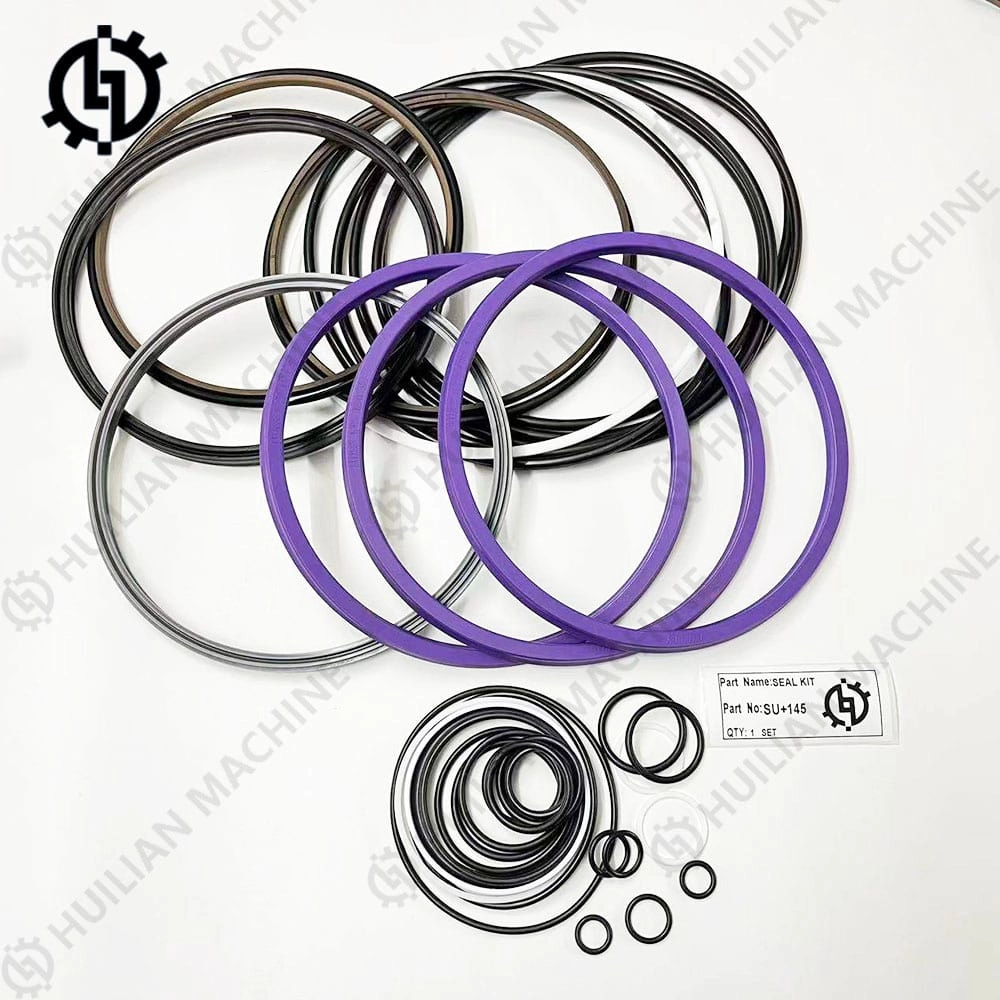
SOOSAN L21016 SU+145 TR-F SU+145TRF SU145 SU+145 Seal Kit C61443 SU+125 Oil Repair Kit For Excavator Hydraulic Rock Breaker Hammer Spare Parts
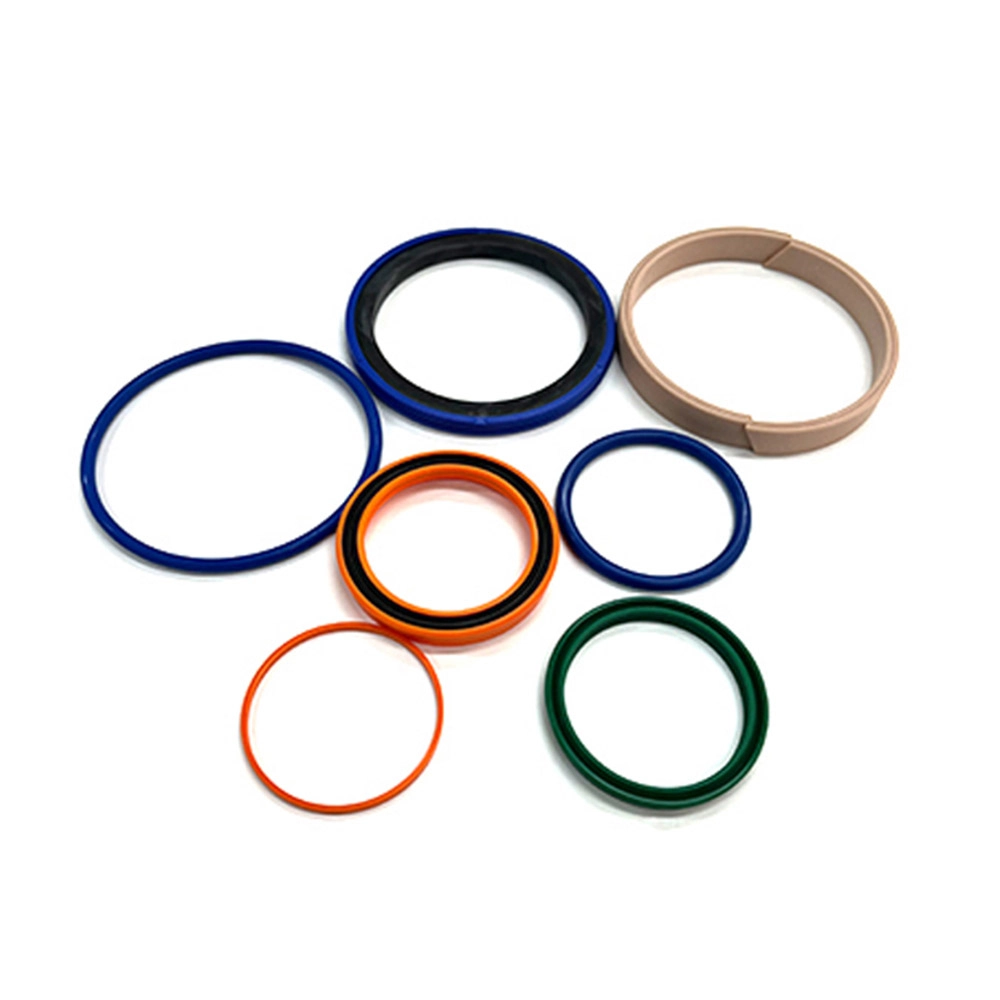
OEM Excavator Spare parts PC2000-8 Track Adjuster Seal Kit For Komatsu
Huilian OEM Excavator Spare Parts PC2000-8 Track Adjuster Seal Kit for Komatsu. Ensures optimal track adjustment performance. High-quality replacement for your PC2000-8 excavator. Order your kit today!
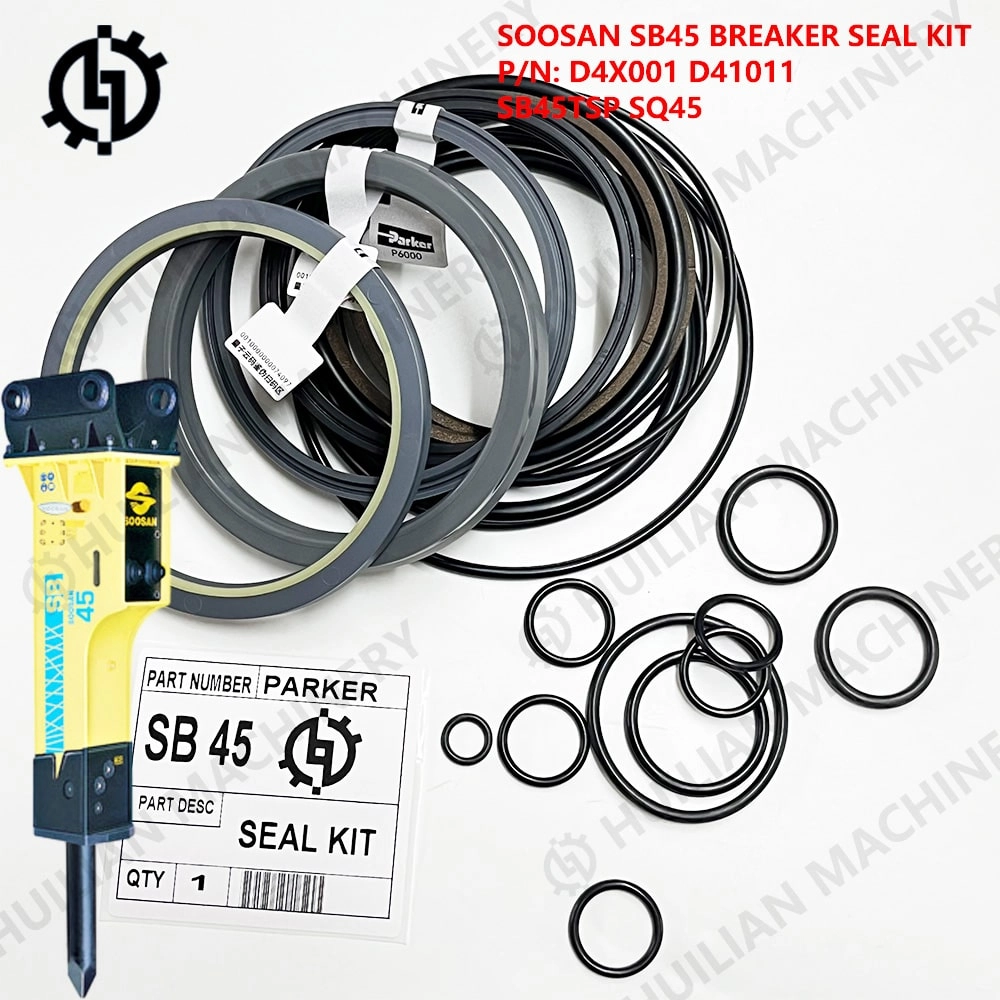
Parker Oil Seal SOOSAN SB45 Hydraulic Rock Hammer Breaker Seal Repair Kit D4X001 D41011 SB45TSP SQ45

Huilian HL68 Hammer Breaker for 4-7 Ton Excavator SOOSAN SB40 Hydraulic Rock Breaker
Side type hydraulic breaker : Easy to control, convenient positioning, durable, high working efficiency, strong striking force, long service life, stable operating performance, convenient after-sales service.
Top type hydraulic breaker : Strong impact power; excellent environmental performance; exquisite manufacturing technology; easy maintenance,fast after-sales service
Box type hydraulic breaker :leading heat treatment technology, enhance heat resistance, wear resistance. Under the condition of keeping the oil pressure constant, the cylinder volumeis reduced and the fuel consumption is reduced.The self-developed core is adopted to make the piston cylinder body moredurable and the service life longer.Exposed decks are made of high-strength steel plates to reduce wear.The best efficiency matching with excavator and loader is realized
 About us
© 2025 HUILIAN MACHINE. All rights reserved