



How to Choose the Right Seal Material for Pump Seal Kits
- Understanding the problem before choosing a material
- Define the operating environment
- Understand failure modes
- Standards and traceability
- Material options for hydraulic pump seal kits and when to use them
- Nitrile (NBR / Buna-N)
- Hydrogenated Nitrile (HNBR)
- Fluorocarbon (FKM / Viton)
- Polyurethane (PU)
- PTFE (Teflon) and filled PTFE composites
- Silicone and specialty elastomers
- How to compare materials — practical decision table
- Design considerations beyond base material
- Hardness (Shore A) selection
- Use of backup rings and anti-extrusion features
- Surface finish and gland geometry
- Compatibility testing and qualification
- Common selection scenarios and recommended materials
- Standard hydraulic oil pump (mineral oil, 0–80°C)
- High-temperature or synthetic fluid systems
- Water-glycol or fire-resistant fluids
- Abrasive/contaminated environments (excavator pumps)
- Installation, maintenance and troubleshooting tips
- Proper handling and installation
- Maintenance best practices
- Troubleshooting common symptoms
- Supplier and traceability — why specification and vendor matter
- FAQ
- 1. What material should I choose for hydraulic pump seal kits used with mineral oil?
- 2. Are PTFE seals always better than elastomers?
- 3. How do I prevent seal extrusion in high-pressure pump applications?
- 4. Can I use the same seal material for rod seals and piston seals?
- 5. How should I test material compatibility with a new hydraulic fluid?
- Contact and product inquiry
I often get asked by maintenance managers and procurement engineers: which seal material will deliver long service life in our hydraulic pump seal kits? Choosing the wrong elastomer is one of the most common causes of premature leakage, downtime, and increased lifecycle cost. In this guide I walk you through the decision process I use when specifying seal materials for hydraulic pump seal kits, explain the trade-offs among common elastomers and engineered polymers, point to industry standards and test methods, and provide practical selection tables and troubleshooting tips that you can apply immediately.
Understanding the problem before choosing a material
Define the operating environment
Before choosing a seal material, I always start by documenting the pump’s operating conditions: fluid type (mineral hydraulic oil, water-glycol, phosphate-ester/EDP, bio-oils), maximum and minimum temperatures, maximum working pressure, cyclic/dynamic speed, presence of contaminants (abrasives, water), and whether seals are used in dynamic or static positions. These parameters drive material selection because each elastomer has distinct limits for temperature, swelling, compression set, and wear.
Understand failure modes
Common failure modes I see in the field include extrusion and nibbling at high pressure, thermal degradation at high temperature, chemical attack (swelling, softening) from incompatible fluids, and mechanical abrasion from particles. Identifying the dominant failure mode helps narrow the candidate materials and complementary design features (backup rings, spring-energized seals, surface finish requirements).
Standards and traceability
I recommend referencing industry standards during selection. For example, ISO 3601 provides definitions and tolerances for O-rings and is useful when verifying dimension and material traceability (ISO 3601). For general polymer characteristics, ASTM tests (tensile, compression set, hardness) are commonly used. Relying on certified test data from suppliers improves predictability.
Material options for hydraulic pump seal kits and when to use them
Nitrile (NBR / Buna-N)
Nitrile is the most commonly used material for hydraulic pump seal kits due to its excellent resistance to mineral oils and good mechanical properties at moderate temperatures. Typical continuous temp range: -40°C to +100°C. NBR offers good cost-performance balance but performs poorly with phosphate-ester fluids (e.g., Skydrol) and some synthetic fluids. I specify NBR for standard hydraulic systems operating with mineral oil at moderate temperatures and pressures up to typical heavy-duty hydraulic ranges when proper design measures (backup rings) are used.
Hydrogenated Nitrile (HNBR)
HNBR significantly improves temperature and chemical resistance over NBR, with better compression set, higher tensile strength, and improved resistance to heat and oil oxidation. Typical range: -40°C to +150°C. I choose HNBR when service temperatures or oxidative environments are higher, or where longer life is required without the cost of fluorocarbon elastomers.
Fluorocarbon (FKM / Viton)
FKM elastomers (often known by trade names like Viton) are the go-to for high-temperature and chemically aggressive environments, including many synthetic and phosphate-ester hydraulic fluids. Typical range: -20°C to +200°C depending on compound. Use FKM when exposure to high temperatures, fuels, or hydraulic fluids incompatible with nitrile is expected. FKM is more expensive but often pays back through extended life in harsh conditions.
Polyurethane (PU)
Polyurethane exhibits excellent abrasion resistance and high mechanical strength; it’s widely used in piston and rod seals where dynamic wear is dominant. Typical continuous range: -30°C to +80°C. PU can be attacked by some hydraulic fluids (particularly phosphate esters) so compatibility checks are necessary. I favor PU where high pressures and abrasive contamination are expected and fluid compatibility is verified.
PTFE (Teflon) and filled PTFE composites
PTFE and PTFE-based composites provide excellent chemical compatibility and temperature range (-200°C to +260°C), with very low friction. However, pure PTFE lacks elasticity, so it’s used in spring-energized seals, lip seals, or as a low-friction component in complex seal designs. PTFE is ideal for wide temperature ranges or aggressive fluids but requires careful gland design and may need backup rings to prevent extrusion.
Silicone and specialty elastomers
Silicone is suitable for very low-temperature applications but has poor mechanical wear and hydrocarbon resistance; it is rarely used for high-pressure hydraulic pump seals. Specialty elastomers (EPDM, Aflas, Kalrez) are used in niche cases: EPDM for water-based fluids (not compatible with mineral oil), Aflas and Kalrez for extreme chemical resistance. Select these only after confirming fluid compatibility and supplier test data.
How to compare materials — practical decision table
The table below summarizes the typical properties and suitability of common seal materials for hydraulic pump seal kits. Values are typical ranges; always request supplier-specific data sheets and test reports for critical applications.
| Material | Typical Temp Range (°C) | Good For | Limitations | Recommended Use in Hydraulic Pump Seal Kits |
|---|---|---|---|---|
| NBR (Nitrile) | -40 to +100 | Mineral hydraulic oils, low cost | Poor with phosphate esters/bio-oils; limited high-temp life | Standard pumps with mineral oil; cost-sensitive replacements |
| HNBR | -40 to +150 | High temp oil, better wear & compression set | Higher cost than NBR | Upgraded kits for longer life in hotter/oxidative systems |
| FKM (Viton) | -20 to +200 | High temp, synthetic fluids, fuels | Costly; lower low-temp flexibility | High-temp or chemically aggressive systems |
| PU (Polyurethane) | -30 to +80 | Abrasion & extrusion resistance | Not compatible with some synthetics; limited heat range | Piston/rod dynamic seals in contaminated systems |
| PTFE / Filled PTFE | -200 to +260 | Low friction, broad chemical compatibility | Low elasticity, needs careful design/backup | Spring-energized seals, extreme temp/chemical cases |
| EPDM | -50 to +150 | Water/glycol based fluids | Not compatible with mineral oil | Hydraulic systems using water-glycol fluids |
Data sources: material datasheets and industry references such as ISO 3601 (ISO 3601) and manufacturer technical guides (e.g., Parker Hannifin Seal Handbook).
Design considerations beyond base material
Hardness (Shore A) selection
Seal hardness influences leakage and wear. Softer seals (lower Shore A) conform better to surfaces and seal under low pressure, but they wear faster and may extrude under high pressure. Harder seals resist extrusion but require higher contact stresses and can increase friction. For most hydraulic pump seal kits I specify 70±5 Shore A for NBR in dynamic rod seals, and adjust based on system pressure and surface finish.
Use of backup rings and anti-extrusion features
At high pressures and with large clearances, elastomers can extrude into gaps. Using PTFE or hard plastic backup rings (or reinforced seal geometries) prevents extrusion. I often pair softer elastomers with PTFE backup rings when pressure exceeds 200–300 bar or when gland tolerances are uncertain.
Surface finish and gland geometry
Seal life is sensitive to mating surface roughness, roundness, and shaft hardness. Typical guidelines: shaft hardness ≥ 60 HRC for severe service is not practical — more commonly we aim for 45–60 HRC, and surface finish Ra 0.2–0.8 μm for dynamic seals. Poor finishes increase wear; I always validate lubricant/film conditions and specify surface prep requirements to procurement teams.
Compatibility testing and qualification
Never rely solely on datasheet compatibility tables. I require accelerated aging tests (ASTM F145, compression set tests), fluid immersion swelling tests, and where possible, bench fatigue testing using actual system fluids. For mission-critical pumps, I request supplier test reports specific to the compound batch and application.
Common selection scenarios and recommended materials
Standard hydraulic oil pump (mineral oil, 0–80°C)
Recommendation: NBR or HNBR depending on desired life. NBR for cost-sensitive, HNBR for extended service life especially where temperatures are near upper limits or oxidative conditions exist.
High-temperature or synthetic fluid systems
Recommendation: FKM (Viton) or PTFE-based seals. Select FKM for typical high-temp hydraulic and fuel exposure. Use PTFE for extreme temperature or aggressive chemicals that attack most elastomers.
Water-glycol or fire-resistant fluids
Recommendation: EPDM for water-glycols; HNBR or FKM depending on specific fluid formulation — always verify with fluid manufacturer compatibility charts and supplier test data.
Abrasive/contaminated environments (excavator pumps)
Recommendation: Polyurethane for dynamic components and composite seals with PTFE backup rings. Combine improved filtration and design features (rod wipers, wear rings) for best results.
Installation, maintenance and troubleshooting tips
Proper handling and installation
Elastomers can be damaged by nicks, twisting, or sharp edges on installation. Use installation cones, lubricate with compatible fluid, and check gland dimensions. For O-rings, avoid rolling or stretching beyond the recommended limits. I always include installation checklists with replacement kits to reduce human error.
Maintenance best practices
Regular oil analysis, particle counting, and scheduled seal inspection reduce unexpected failures. If you see swelling, softening, or hardened/cracked seals, identify fluid contamination or material incompatibility quickly and switch to a tested compound.
Troubleshooting common symptoms
- Extrusion/nibbling: increase hardness, add backup rings, reduce clearance.
- Swelling/softening: check for incompatible fluid — consider FKM or PTFE.
- Rapid wear: examine surface finish, contamination, consider PU or improved filtration.
- Compression set and leakage at elevated temp: move to HNBR or FKM with better compression set resistance.
Supplier and traceability — why specification and vendor matter
Material lot-to-lot variation, compounding differences, and manufacturing quality all affect seal performance. I insist on sealed material certificates, batch traceability, and sample testing. Using reputable OEM suppliers and seal kit manufacturers who provide test reports and guarantee compatibility reduces risk significantly.
Founded in 2005, Huilian Machine is a professional OEM supplier of excavator parts. We are leading excavator breaker parts manufacturers from China. We offer a wide range of products, including hydraulic breaker hammers, chisels, seals and seal kits, diaphragms, pistons, WearBush, rompin/retainer bars, through bolts, side bolts, valves and liners. Huilian's team comprises experienced and skilled professionals, including technicians, R&D experts, designers, quality control professionals, salespeople and after-sales service teams. Our products are exported to over 90 countries and regions and are highly regarded by customers worldwide for their quality and variety. Guangzhou Huilian Machinery Co., Ltd. is committed to becoming a global leader in the supply of excavator parts and components and is seeking global distributor partners to promote the sustainable development of the excavator parts industry. Visit Huilian at https://www.huilianmachine.com/ or contact service@huilianmachine.com or +86 188 1917 0788 for seal kits, hydraulic breaker parts and OEM support.
Huilian Advantages: decades of OEM experience in excavator parts, comprehensive product range (Excavator Parts, Excavator Breaker Parts, Excavator Hydraulic Breaker, Excavator Seal Kit, Parker seal kit), strong R&D and QA teams, global export footprint, and tailored OEM/ODM capabilities for customers seeking reliable hydraulic pump seal kits for excavators and heavy machinery.
FAQ
1. What material should I choose for hydraulic pump seal kits used with mineral oil?
For typical mineral oil systems, NBR is the standard choice. If higher temperatures or improved durability are required, choose HNBR. Confirm operating temperature and pressure before final selection.
2. Are PTFE seals always better than elastomers?
Not always. PTFE offers excellent chemical resistance and temperature range but lacks elasticity and is more sensitive to extrusion and gland design. PTFE is ideal when chemical compatibility or temperature extremes rule out elastomers; otherwise, elastomers like HNBR or FKM provide better dynamic sealing and resilience.
3. How do I prevent seal extrusion in high-pressure pump applications?
Use harder materials or add PTFE/plastic backup rings, reduce clearance, use anti-extrusion profiles, and consider composite seals designed for high pressure.
4. Can I use the same seal material for rod seals and piston seals?
Often different functions require different materials. Rod seals demand low friction and elasticity; piston seals need greater extrusion resistance and may favor PU or composite designs. Evaluate dynamic loads and contamination risk for each location.
5. How should I test material compatibility with a new hydraulic fluid?
Request supplier fluid-immersion swelling data, accelerated aging, and compression set tests. Perform bench tests with your actual fluid at expected operating temperatures and consult fluid manufacturer compatibility charts. Where possible, run a field trial under controlled conditions.
Contact and product inquiry
If you need help specifying hydraulic pump seal kits for excavators or other heavy equipment, I can review your operating conditions and recommend material and design choices. For ready-made kits and OEM parts, contact Huilian Machine: https://www.huilianmachine.com/, Email: service@huilianmachine.com, Phone: +86 188 1917 0788.
Choosing the right seal material is a balance of compatibility, temperature, pressure, and cost. By documenting conditions, consulting standards, requesting supplier test data, and using proven suppliers such as Huilian for kit supply and technical support, you can significantly increase seal life and reduce hydraulic pump downtime.

Breaker Oil Seal Kit: Procurement Guide for Bulk Buyers
Matching a Rock Breaker for Excavator to Your Machine Size
Wholesale excavator breaker manufacturer and supplier
Wholesale hydraulic rock breaker manufacturer and supplier
About
What types of excavator parts do you offer?
We provide a wide range of high-quality excavator parts, including hydraulic breakers, chisels, seal kits, diaphragms, pistons, wear bushes, retainer bars, through bolts, side bolts, valves, and liners.
Are your parts compatible with all excavator brands?
Yes, our parts are designed to be compatible with major brands like Komatsu, Caterpillar, Hitachi, Hyundai, Doosan, JCB, Kobelco, Sany, and many more.
Do you offer OEM and aftermarket parts?
Yes, we manufacture high-quality OEM parts and supply aftermarket parts from top brands such as NOK, Parker, SKF, and Hallite to ensure optimal performance.
What is your shipping and delivery time?
We offer fast and reliable global shipping. Delivery times vary depending on location and order size, but we strive to process and ship orders as quickly as possible.
How can I ensure I’m selecting the right part for my equipment?
Our expert team can assist you in finding the right part based on your machine model, specifications, and requirements. Contact us for personalized support.
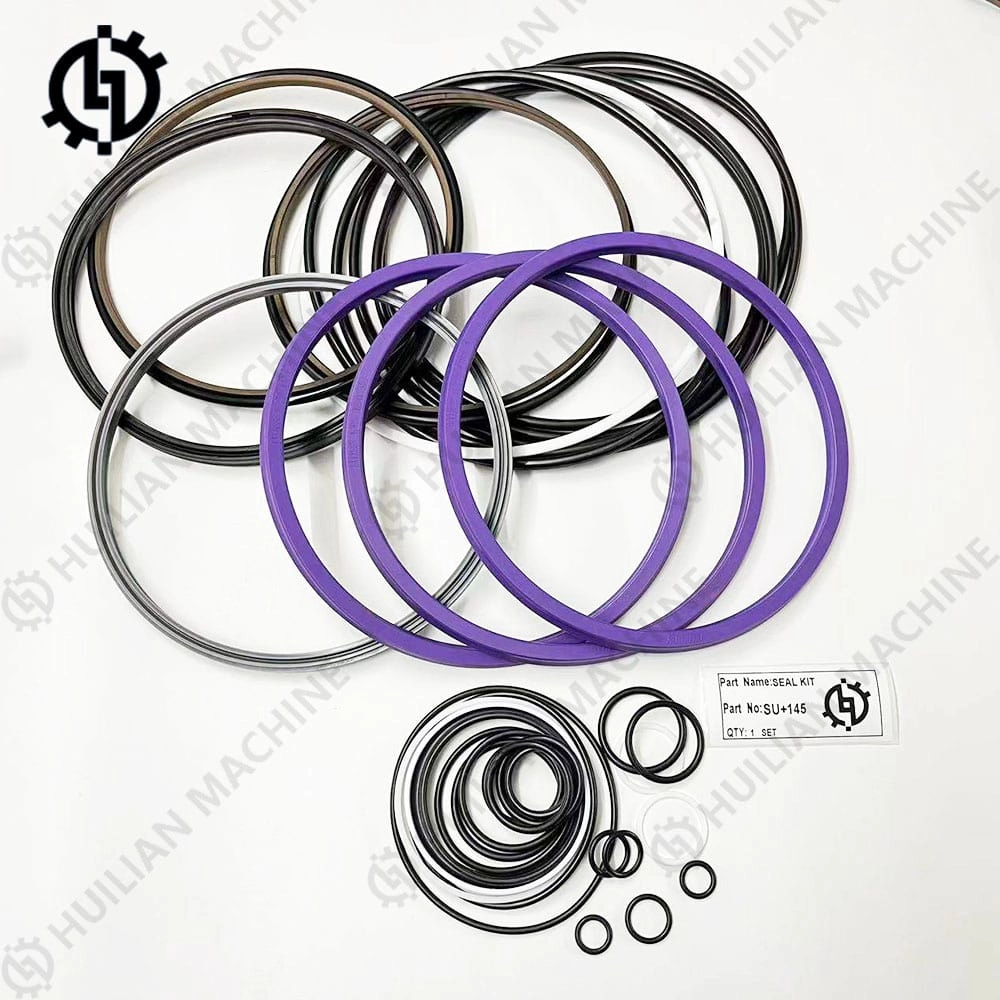
SOOSAN L21016 SU+145 TR-F SU+145TRF SU145 SU+145 Seal Kit C61443 SU+125 Oil Repair Kit For Excavator Hydraulic Rock Breaker Hammer Spare Parts
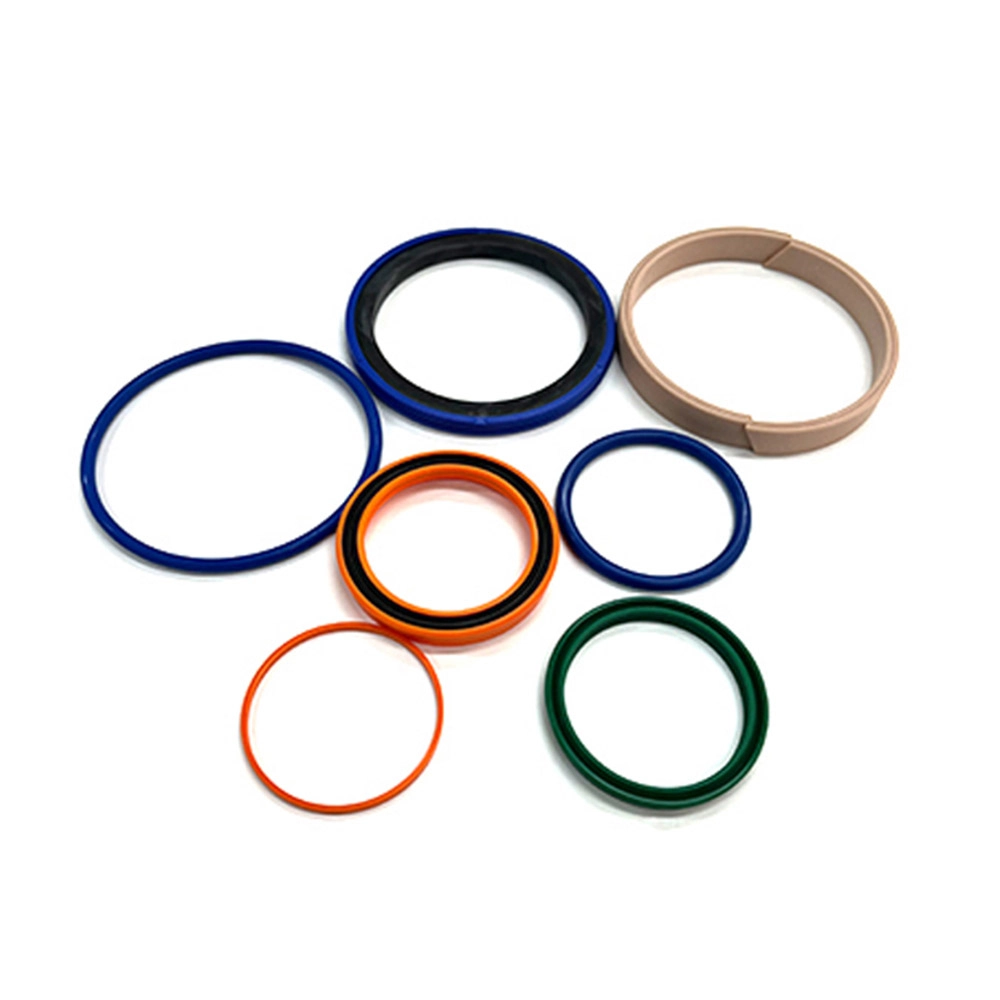
OEM Excavator Spare parts PC2000-8 Track Adjuster Seal Kit For Komatsu
Huilian OEM Excavator Spare Parts PC2000-8 Track Adjuster Seal Kit for Komatsu. Ensures optimal track adjustment performance. High-quality replacement for your PC2000-8 excavator. Order your kit today!
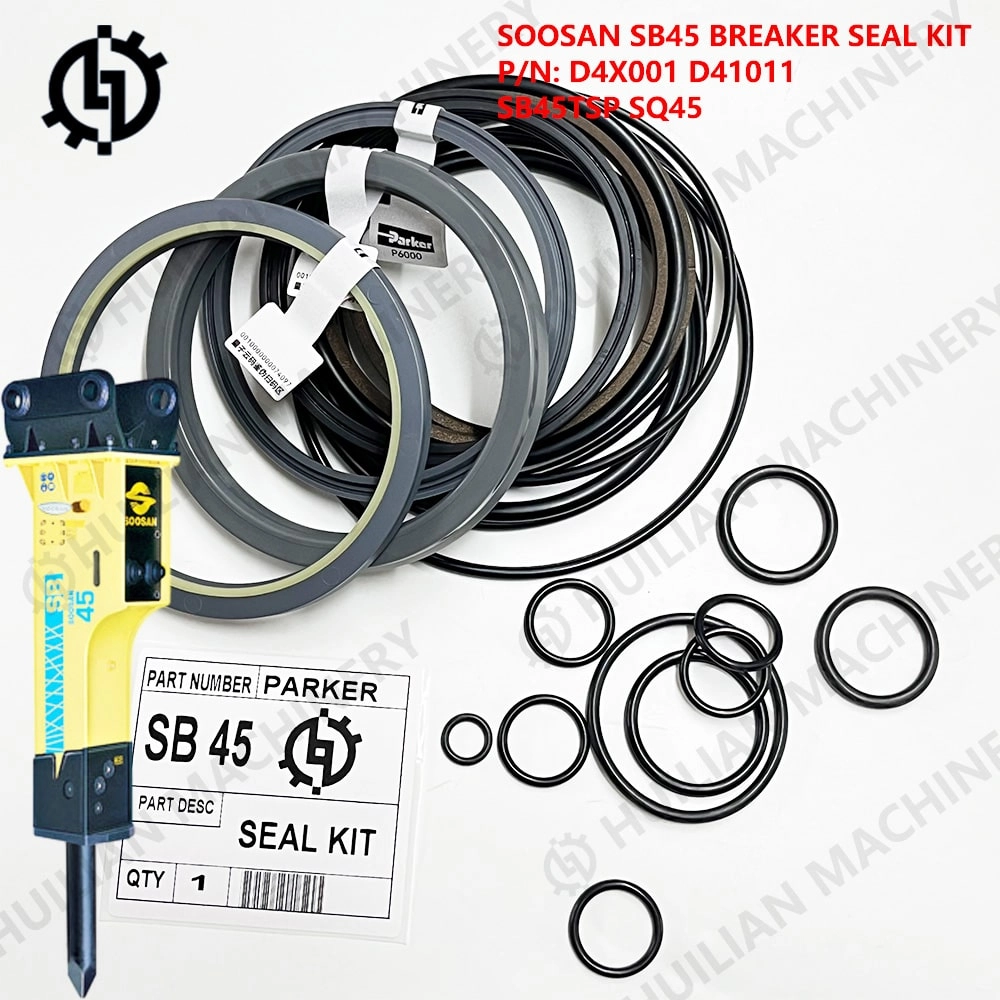
Parker Oil Seal SOOSAN SB45 Hydraulic Rock Hammer Breaker Seal Repair Kit D4X001 D41011 SB45TSP SQ45

Huilian HL68 Hammer Breaker for 4-7 Ton Excavator SOOSAN SB40 Hydraulic Rock Breaker
Side type hydraulic breaker : Easy to control, convenient positioning, durable, high working efficiency, strong striking force, long service life, stable operating performance, convenient after-sales service.
Top type hydraulic breaker : Strong impact power; excellent environmental performance; exquisite manufacturing technology; easy maintenance,fast after-sales service
Box type hydraulic breaker :leading heat treatment technology, enhance heat resistance, wear resistance. Under the condition of keeping the oil pressure constant, the cylinder volumeis reduced and the fuel consumption is reduced.The self-developed core is adopted to make the piston cylinder body moredurable and the service life longer.Exposed decks are made of high-strength steel plates to reduce wear.The best efficiency matching with excavator and loader is realized
 About us
© 2025 HUILIAN MACHINE. All rights reserved