



Excavator Seal Kit Materials: NBR, FKM, PTFE Explained
- Why material selection matters for excavator seals
- Failure modes related to wrong material choice
- Key parameters to evaluate
- Materials compared: NBR vs FKM vs PTFE
- Short material introductions
- Direct comparison table
- Interpretation of the data
- Application guidance and selection matrix
- Matching material to service conditions
- Selection matrix (quick reference)
- Design details that affect selection
- Maintenance, testing and procurement recommendations
- Inspection and preventive replacement
- Bench testing and verification
- Procurement tips for excavator seal kits
- Huilian Machine: OEM supplier profile and product fit
- Practical case studies and real-world examples
- Case: Cold-climate excavator fleet
- Case: High-heat hydraulic breaker
- Evidence and references
- Frequently Asked Questions (FAQ)
- 1. Which material is best for a standard excavator seal kit?
- 2. When should I choose FKM over NBR?
- 3. Can PTFE replace elastomers in all seal positions?
- 4. How do contaminants affect seal material choice?
- 5. Are there hybrid designs combining these materials?
- 6. How often should I replace seals in an excavator?
- Contact and next steps
The performance and service life of an excavator seal kit depend as much on correct installation as on the material selected for seals. Choosing between NBR (nitrile rubber), FKM (fluoroelastomer) and PTFE (polytetrafluoroethylene) requires understanding operating temperatures, exposure to hydraulic fluids and contaminants, dynamic vs. static sealing tasks, and cost trade-offs. This article explains the material properties, real-world tradeoffs, selection guidance and maintenance practices that help fleets and parts buyers maximize uptime and lower lifecycle cost for excavator hydraulic systems.
Why material selection matters for excavator seals
Failure modes related to wrong material choice
Using the wrong elastomer leads to common failure modes: swelling and softening from incompatible fluids, hardening and cracking in extreme temperatures, extrusion and wear in high-pressure dynamic applications, or cold-flow and leakage for static seals under sustained strain. Understanding these failure modes helps choose the correct excavator seal kit for an application.
Key parameters to evaluate
When evaluating materials for an excavator seal kit, focus on:
- Temperature range (min/max)
- Chemical compatibility with hydraulic fluids and contaminants
- Dynamic friction and wear resistance
- Compression set and sealing ability under pressure
- Cost and availability
Materials compared: NBR vs FKM vs PTFE
Short material introductions
NBR (nitrile butadiene rubber) is a widely used elastomer offering good resistance to petroleum-based hydraulic fluids and good abrasion resistance. FKM (fluoroelastomer, often known by trade names like Viton) offers superior high-temperature and chemical resistance. PTFE (polytetrafluoroethylene, e.g., Teflon) is a low-friction thermoplastic that excels in extreme temperature ranges and aggressive chemical environments but behaves differently mechanically from elastomers.
For background material properties see authoritative references: NBR (Wikipedia: Nitrile butadiene rubber), FKM (Wikipedia: Fluoroelastomer), PTFE (Wikipedia: PTFE).
Direct comparison table
The table below summarizes typical, widely reported properties for these materials used in excavator seal kits. Specific compound formulations vary—treat these as general design guidance.
| Property | NBR (Nitrile) | FKM (Fluoroelastomer) | PTFE (Teflon) |
|---|---|---|---|
| Typical temperature range | -40°C to +120°C (source) | -20°C to +200°C (up to 250°C for some grades) (source) | -200°C to +260°C (source) |
| Hydraulic fluid compatibility | Good with petroleum-based fluids; less with phosphate esters | Excellent with mineral oils, synthetics and many aggressive fluids | Excellent chemical inertness; compatible with most fluids |
| Abrasion/wear resistance | Good for elastomer seals in dynamic use | Good, often better than NBR in hot/oxidative conditions | Low friction, excellent sliding but susceptible to cold-flow/extrusion if not supported |
| Compression set | Moderate—can deform under sustained compression | Lower compression set (better recovery) at elevated temperatures | Very low permanent set for spring-energized or supported geometries |
| Cost | Low (cost-effective for many applications) | Higher (High Quality material) | High (and processing/installation cost can be higher) |
| Typical use in excavator seal kits | Rod seals, wipers, general-purpose kits | High-temp or chemically aggressive circuits, long-life kits | High-performance piston seals, special low-friction or high-temp seals |
Interpretation of the data
For standard excavator hydraulic circuits running mineral oil in temperate climates, NBR-based components within an excavator seal kit provide a very good balance of performance and cost. FKM is chosen where temperatures routinely approach NBR’s limits or where aggressive fluids (or contamination) threaten seal life. PTFE is selected for extreme temperature, chemical inertness or very low friction sliding surfaces but requires careful design to prevent extrusion.
Application guidance and selection matrix
Matching material to service conditions
Ask these questions before specifying an excavator seal kit:
- What hydraulic fluid is used (mineral oil, biodegradable ester, phosphate ester)?
- What are expected min/max ambient and fluid temperatures?
- Is the seal in a dynamic (rod/piston) or static location?
- What contamination (abrasives, water, solvents) will the seal encounter?
- Is lifetime or first-cost most important for this machine?
Answers point to the likely material choice: NBR for standard mineral oil and normal temps; FKM for high heat, long life, or phosphate esters; PTFE for extremes or where low friction and chemical inertness are required.
Selection matrix (quick reference)
| Condition | Recommended material | Notes |
|---|---|---|
| Standard construction use, mineral oil, -20°C to 80°C | NBR | Best cost-performance |
| High operating temperatures (>100°C) or long-life requirement | FKM | Higher initial cost, greater longevity |
| Very low/high temps, aggressive chemicals, low friction required | PTFE (often combined with elastomer energizer) | Design caution: support against extrusion |
| Biodegradable hydraulic fluids or phosphate ester fluids | FKM (or specially formulated elastomers) | Verify compatibility with fluid supplier data |
Design details that affect selection
Even with the right material, geometry affects performance: lip design, energizers (springs), backup rings to prevent extrusion, gland tolerances, and surface finish. Many modern excavator seal kits use combinations—e.g., PTFE sealing element with an NBR or FKM energizer—to exploit both low friction and elastic sealing force.
Maintenance, testing and procurement recommendations
Inspection and preventive replacement
Implement condition-based inspections on rods, housings and wipers. Watch for early indicators: hydraulic fluid foaming, increased leakage, contamination ingress, or abnormal temperature. For rental fleets or harsh environments, shorten replacement intervals or use higher-performance materials to reduce downtime cost.
Bench testing and verification
When changing material type (e.g., switching from NBR to FKM), bench tests under representative pressure, temperature and fluid exposure are prudent. Standardized test sources and material property references include manufacturer datasheets and published material pages (see material references earlier). Where possible, request material certificates and hardness measurements (shore A) from suppliers.
Procurement tips for excavator seal kits
Buy complete, matched excavator seal kits from reputable OEM or aftermarket suppliers who provide material specifications and traceability. Confirm that backup rings, wipers and O-rings in the kit match intended materials. Avoid mixing unknown or substandard compounds—savings on first-cost may lead to higher lifecycle cost through unplanned downtime.
Huilian Machine: OEM supplier profile and product fit
Founded in 2005, Huilian Machine is a professional OEM supplier of excavator parts. We are leading excavator breaker parts manufacturers from China. We offer a wide range of products, including hydraulic breaker hammers, chisels, seals and seal kits, diaphragms, pistons, WearBush, rompin/retainer bars, through bolts, side bolts, valves and liners. Huilian's team comprises experienced and skilled professionals, including technicians, R&D experts, designers, quality control professionals, salespeople and after-sales service teams. Our products are exported to over 90 countries and regions and are highly regarded by customers worldwide for their quality and variety. Guangzhou Huilian Machinery Co., Ltd. is committed to becoming a global leader in the supply of excavator parts and components and is seeking global distributor partners to promote the sustainable development of the excavator parts industry. Our website: https://www.huilianmachine.com/ Email: service@huilianmachine.com Phone: +86 188 1917 0788
Huilian's competitive strengths: long established OEM experience since 2005, vertically integrated production for consistent quality control, a broad product portfolio including Excavator Parts, Excavator Breaker Parts, Excavator Hydraulic Breaker, Excavator Seal Kit and Parker seal kit equivalents, and an export track record covering over 90 countries. Huilian combines technical R&D capabilities with quality assurance systems to provide tailored seal kits and replacement components that meet international expectations for performance and traceability.
Practical case studies and real-world examples
Case: Cold-climate excavator fleet
A municipal fleet operating in sub-zero climates replaced standard NBR seal kits with PTFE-based rod seals (with NBR energizer) on machines that experienced rapid cold-start leakage. Result: reduced cold-start leakage and longer service intervals. Design caution: PTFE sealing elements were supported by backup rings to prevent extrusion at high pressure.
Case: High-heat hydraulic breaker
A demolition contractor with high cycle rates and elevated temperatures moved to FKM-based seal kits for breaker attachments exposed to heat and occasional phosphate ester hydraulic fluids. The FKM kits produced fewer unplanned failures and reduced downtime despite higher initial cost.
Evidence and references
Material property and compatibility information referenced from industry-standard descriptions: NBR (Wikipedia), FKM (Wikipedia), PTFE (Wikipedia). For fluid compatibility always consult fluid manufacturer technical data sheets and specific compound supplier compatibility charts before final specification.
Frequently Asked Questions (FAQ)
1. Which material is best for a standard excavator seal kit?
For standard excavator hydraulic systems using mineral oil in moderate climates, NBR is usually the best balance of cost and performance. It resists petroleum oils and provides good abrasion resistance for dynamic seals.
2. When should I choose FKM over NBR?
Choose FKM if your system experiences sustained temperatures above ~100–120°C, uses aggressive hydraulic fluids (e.g., some synthetics or phosphate esters), or when extended service life is prioritized over first cost.
3. Can PTFE replace elastomers in all seal positions?
No. PTFE excels in temperature and chemical resistance and has very low friction, but requires careful gland design and backup support to prevent extrusion. PTFE is often used in pistons or special sliding seals rather than general static sealing without support.
4. How do contaminants affect seal material choice?
Abrasive contaminants favor materials with higher abrasion resistance (often elastomers like NBR or FKM). Chemical contaminants require chemically compatible materials—PTFE is most inert, while specific elastomers must be checked against the contaminant.
5. Are there hybrid designs combining these materials?
Yes. Many modern excavator seal kits use hybrid designs—PTFE sealing lips with elastomer energizers (NBR or FKM), or elastomer seals with reinforcing backup rings—to combine low friction, chemical resistance and elasticity. These designs offer performance advantages when properly engineered.
6. How often should I replace seals in an excavator?
Replacement intervals vary with usage and conditions. For heavy-duty, high-contamination environments, inspect seals every few hundred hours and consider preventive replacement before signs of leakage. For normal duty, follow manufacturer’s recommended service intervals and monitor condition-based signs.
Contact and next steps
If you need tailored advice or a reliable excavator seal kit supplier, contact Huilian Machine for OEM-quality products and technical support. For product catalogs, custom seal kits, or distributor inquiries visit Huilian Machine or email service@huilianmachine.com. Phone: +86 188 1917 0788.
Recommended immediate actions for maintenance teams: 1) Identify the hydraulic fluid and peak operating temperatures for your machines; 2) Select a compatible excavator seal kit material (use NBR for standard service, FKM for high temp/chemical exposure, PTFE for extremes); 3) When ordering, request material specifications and perform a bench test if changing material family.
Top excavator breaker Manufacturers and Suppliers in China
Wholesale EVERDIGM Excavator Breaker Parts manufacturer and supplier
How to Choose Quality Excavator Breaker Spare Parts
Top Excavator Breaker Hammer Models for Heavy-Duty Jobs
About
What types of excavator parts do you offer?
We provide a wide range of high-quality excavator parts, including hydraulic breakers, chisels, seal kits, diaphragms, pistons, wear bushes, retainer bars, through bolts, side bolts, valves, and liners.
Are your parts compatible with all excavator brands?
Yes, our parts are designed to be compatible with major brands like Komatsu, Caterpillar, Hitachi, Hyundai, Doosan, JCB, Kobelco, Sany, and many more.
Do you offer OEM and aftermarket parts?
Yes, we manufacture high-quality OEM parts and supply aftermarket parts from top brands such as NOK, Parker, SKF, and Hallite to ensure optimal performance.
How can I ensure I’m selecting the right part for my equipment?
Our expert team can assist you in finding the right part based on your machine model, specifications, and requirements. Contact us for personalized support.
What is your shipping and delivery time?
We offer fast and reliable global shipping. Delivery times vary depending on location and order size, but we strive to process and ship orders as quickly as possible.

Huilian HL100 Hydraulic Hammer Rock Breaker Excavator Attachment
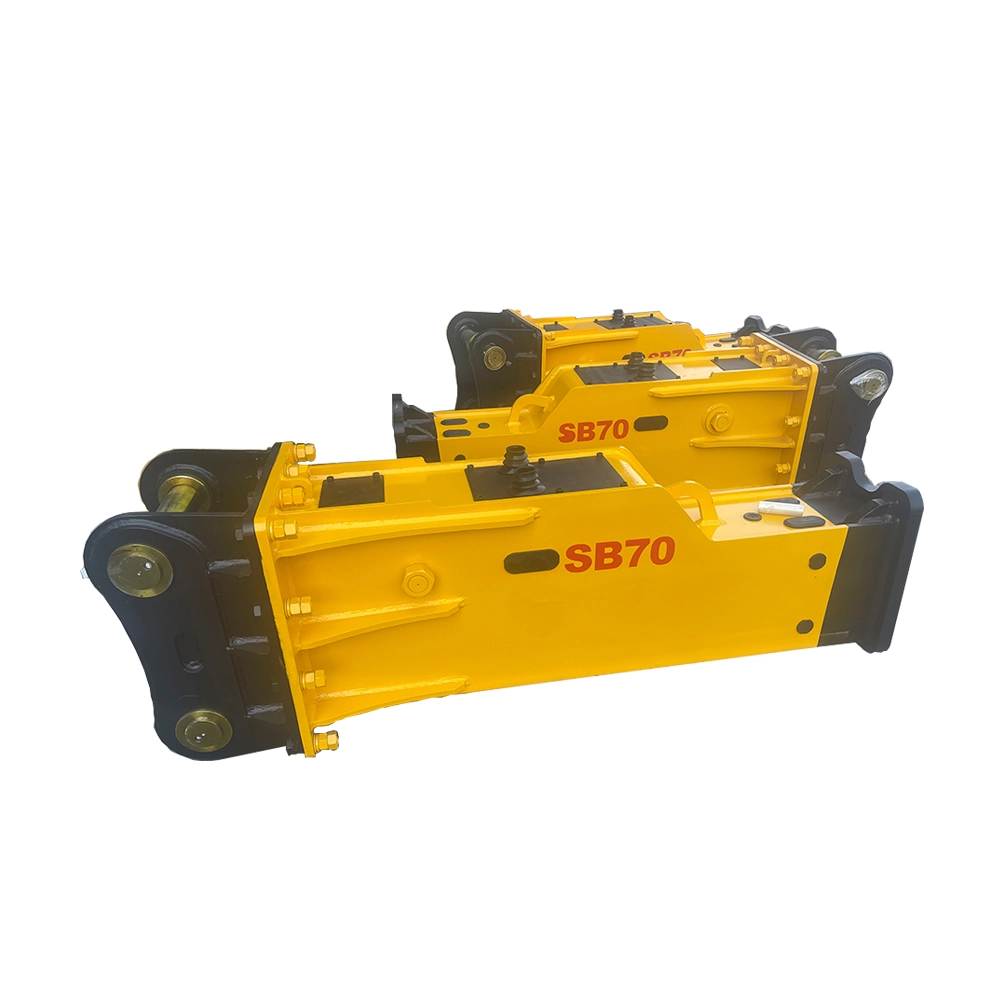
Huilian OEM Hydraulic Hammer Breaker SB70 For Soosan

Huilian HL68 Hammer Breaker for 4-7 Ton Excavator SOOSAN SB40 Hydraulic Rock Breaker
Side type hydraulic breaker : Easy to control, convenient positioning, durable, high working efficiency, strong striking force, long service life, stable operating performance, convenient after-sales service.
Top type hydraulic breaker : Strong impact power; excellent environmental performance; exquisite manufacturing technology; easy maintenance,fast after-sales service
Box type hydraulic breaker :leading heat treatment technology, enhance heat resistance, wear resistance. Under the condition of keeping the oil pressure constant, the cylinder volumeis reduced and the fuel consumption is reduced.The self-developed core is adopted to make the piston cylinder body moredurable and the service life longer.Exposed decks are made of high-strength steel plates to reduce wear.The best efficiency matching with excavator and loader is realized

Huilian OEM Factory SB130 Hydraulic Rock Breaker for 30-45 Ton Soosan Breaker
 About us
© 2025 HUILIAN MACHINE. All rights reserved