



How to Choose the Right Chisel for Hydraulic Breaker Hammers
- Understanding impact tools and their role
- Why chisels matter for hydraulic breaker hammer parts
- How chisels transfer and dissipate energy
- Common terms and parts to know
- Selecting the right chisel for your application
- Match chisel type to the job: moil, blunt, wide flat
- Sizing and compatibility with your breaker
- Matching energy and frequency: power class considerations
- Materials, heat treatment and wear behavior
- What material and heat treatment do I want?
- Heat-treated tip vs. through-hardened tools
- Corrosion protection and coatings
- Installation, inspection and lifecycle management
- Correct installation and torque practices
- Wear indicators and replacement triggers
- Maintenance practices that extend component life
- Supplier selection, quality verification and lifecycle cost
- Evaluating suppliers: what to ask
- Cost vs. lifecycle value: a short comparison
- Standards and quality systems to consider
- Practical checklist and troubleshooting
- Quick pre-job checklist
- Troubleshooting common issues
- When to consult an OEM or technical specialist
- About Huilian Machine and how we can help
- FAQ
- 1. How do I know which chisel type is right for my project?
- 2. How often should chisel tips be inspected or replaced?
- 3. Are aftermarket chisels as reliable as OEM parts?
- 4. What hardness range is appropriate for chisels?
- 5. Can I use the same chisel across different breaker brands?
- 6. What are the most common causes of premature tool failure?
Choosing the correct chisel is one of the most practical decisions you can make to improve productivity and reduce operating costs for excavators and demolition equipment. In this article I explain, from hands-on experience and industry practice, how to select, inspect and maintain chisels that match your hydraulic breaker hammer parts and application needs. I explain differences among chisel geometries, material and heat treatment considerations, sizing and carrier compatibility, wear criteria, common failure modes, and supplier selection—so you can make a verifiable, practical choice rather than guessing.
Understanding impact tools and their role
Why chisels matter for hydraulic breaker hammer parts
Hydraulic breaker hammer parts are only as effective as the tool (chisel) that transmits impact energy to the target. The chisel concentrates and directs the hammer’s kinetic energy. A mismatched or worn chisel causes energy loss, increased rebound, premature bush and retainer wear, and higher fuel and maintenance costs. In my experience, choosing the right chisel reduces per-ton demolition cost and prevents secondary damage to the hammer and carrier.
How chisels transfer and dissipate energy
When the piston strikes the top of the tool (chisel), energy is transmitted down the shank into the tip. The tip geometry influences penetration, fragmentation and fracture patterns in rock or concrete. Correct geometry and hardness balance allow effective fracture while limiting tip mushrooming or brittle breakage. For background on excavator fundamentals, see the Excavator overview on Wikipedia.
Common terms and parts to know
Understand the terms used in hydraulic breaker hammer parts: tool body (shank), tip (working end), retaining system (retainer/rompin bars, through-bolts, side bolts), and bush/wear sleeve. Identifying these items on your breaker helps avoid compatibility and sizing mistakes when ordering chisels.
Selecting the right chisel for your application
Match chisel type to the job: moil, blunt, wide flat
There are three primary chisel geometries I recommend you consider by application:
| Chisel type | Best for | Performance characteristics |
|---|---|---|
| Moil (point) | Rock fragmentation, deep penetration | High penetration, concentrates energy into a small area; faster percussive breaking in hard rock |
| Blunt (tapered/hex) | Rebound-resistant breaking, secondary demolition (concrete) | Distributes impact over larger area; less tip damage in some tasks, good for controllable demolition |
| Wide flat (spade) | Asphalt, frost removal, chiseling slabs | Spreads energy laterally, efficient for cutting and scraping tasks |
Choose moil for deep rock fracturing; blunt when you need controlled breakage and less tip fragmentation; and wide flat for slab cutting, trenching or clearing material across a surface.
Sizing and compatibility with your breaker
Tool diameter, shank length and retaining system must match your hydraulic breaker model and hydraulic breaker hammer parts specifications. Using an undersized shank increases stress and wear on bushings and retainer bars; oversized tools may not seat or will cause installation damage. Always cross-check the breaker model’s tool diameter chart from the OEM or supplier. When in doubt, contact your breaker manufacturer or a reliable excavator parts supplier for the exact tool part number.
Matching energy and frequency: power class considerations
Hydraulic breakers are rated in power class based on carrier weight and impact energy. A high-energy breaker requires a tool of appropriate toughness and shank diameter to absorb repeated impacts. Using a tool intended for lower energy will result in rapid deformation and breakage. Refer to your hammer’s rated impact energy and cycle rate when selecting the tool—this protects both the chisel and the hydraulic breaker hammer parts like piston and seals.
Materials, heat treatment and wear behavior
What material and heat treatment do I want?
Most quality chisels are made from alloy steels (e.g., 4140/4340) with selective heat treatment of the tip and a tougher core in the shank to resist impact fatigue. The tip is often surface-hardened to a hardness range typically around 48–58 HRC (industry typical range) while the shank remains tougher and less brittle. This combination reduces tip wear while preventing brittle failure of the body. While exact hardness and steel grade vary by supplier, reputable OEM data will state heat-treatment specs—look for them in the product datasheet.
Heat-treated tip vs. through-hardened tools
Surface hardening (induction or carburizing) produces a hard wear-resistant tip with a tough core, commonly preferred for breakers. Through-hardened tools can fracture more easily under lateral loads. From my observation, surface-hardened tips give the best lifecycle balance for most excavation and demolition work.
Corrosion protection and coatings
Coatings (e.g., phosphate, black oxide) provide corrosion resistance during storage and initial use, but do not replace proper material selection or heat treatment. For marine or corrosive environments, ensure seals and other hammer parts are protected according to manufacturer guidance.
Installation, inspection and lifecycle management
Correct installation and torque practices
Install tools with clean, lubricated bushings and the correct retainer/through-bolt torque. Incorrect torque can lead to loosening or breakage of through-bolts and retainer bars, and damage to hydraulic breaker hammer parts such as the wear bush and piston. Follow OEM torque charts; where charts are absent, use supplier guidance. Proper installation reduces side-loads and extends bush life.
Wear indicators and replacement triggers
Track these indicators to know when to replace the tool or related components:
- Tip mushrooming or flattening beyond usable geometry
- Visible cracks at the shank-to-tip junction
- Excessive bush or bushing wear (visual clearance increase)
- Increase in vibration, reduced percussive energy, or rising hydraulic temperatures
Replace chisels before catastrophic failure to avoid collateral damage to piston, seals and cylinders. Routine inspections—daily visual checks and weekly dimensional checks—are a cost-effective cadence in heavy operations.
Maintenance practices that extend component life
Regular lubrication, proper storage, correct retainer fitment and using the correct chisel geometry for the job are the most effective maintenance measures. Keep a consumable log (hours on tool, carrier, and task type) to analyze failure modes and improve procurement specifications.
Supplier selection, quality verification and lifecycle cost
Evaluating suppliers: what to ask
When selecting a supplier for hydraulic breaker hammer parts and chisels, ask for:
- Material and heat-treatment certificates
- Hardness maps (HRC) or testing reports
- Traceability and batch numbering
- OEM compatibility statements or cross-reference data
- Warranty and return policies
These documents reduce uncertainty and help you compare total lifecycle cost rather than just purchase price.
Cost vs. lifecycle value: a short comparison
| Factor | Low-cost Tool | High Quality/OEM Tool |
|---|---|---|
| Initial price | Low | Higher |
| Average life (typical) | Shorter | Longer |
| Downtime & secondary damage risk | Higher | Lower |
| Lifecycle cost | Can be higher | Often lower per ton |
Procuring higher-quality tools backed by materials data and a warranty often lowers total cost of ownership—less downtime, fewer replacements, and reduced damage to hydraulic breaker hammer parts.
Standards and quality systems to consider
Prefer suppliers with quality systems such as ISO 9001:2015 certification. ISO describes quality management principles and is helpful when assessing manufacturer processes: ISO 9001 – Quality management. Also review OEM technical bulletins for installation and maintenance practices to ensure compatibility.
Practical checklist and troubleshooting
Quick pre-job checklist
- Confirm chisel type matches task (moil/blunt/wide)
- Verify tool diameter and retaining system fit to breaker model
- Inspect bushings, retainer bars and bolts for wear
- Check tool hardness and supplier datasheet if available
- Lubricate and torque fasteners per guidance
Troubleshooting common issues
If you see frequent tool breakage, check for:
- Incorrect chisel geometry for the job
- Misalignment or excessive side loads from carrier boom positioning
- Inadequate shank diameter for hammer energy
- Faulty retainer or through-bolt securing system
When to consult an OEM or technical specialist
If failures are recurring despite correct chisel selection, bring in a technical specialist to perform a root-cause analysis. They can measure impact energy, check piston face condition, review hydraulic pressures and confirm that other hydraulic breaker hammer parts (seals, pistons, valve) are operating within spec.
About Huilian Machine and how we can help
Founded in 2005, Huilian Machine is a professional OEM supplier of excavator parts. We are leading excavator breaker parts manufacturers from China. We offer a wide range of products, including hydraulic breaker hammers, chisels, seals and seal kits, diaphragms, pistons, WearBush, rompin/retainer bars, through bolts, side bolts, valves and liners. Huilian's team comprises experienced and skilled professionals, including technicians, R&D experts, designers, quality control professionals, salespeople and after-sales service teams. Our products are exported to over 90 countries and regions and are highly regarded by customers worldwide for their quality and variety.
Guangzhou Huilian Machinery Co., Ltd. is committed to becoming a global leader in the supply of excavator parts and components and is seeking global distributor partners to promote the sustainable development of the excavator parts industry. Our website: https://www.huilianmachine.com/. Email: service@huilianmachine.com. Phone: +86 188 1917 0788.
Huilian strengths: deep OEM experience since 2005, broad product range (excavator parts, Excavator Breaker Parts, Excavator Hydraulic Breaker, Excavator Seal Kit, Parker seal kit), vertical control of heat-treatment and machining, and a global logistics network. If you need consistent material certificates, batch traceability, or bespoke tool designs, Huilian provides technical support to match chisels to specific hydraulic breaker hammer parts and carrier systems.
FAQ
1. How do I know which chisel type is right for my project?
Match chisel geometry to the task: moil for hard rock, blunt for controlled demolition in concrete, wide flat for cutting and scraping. Consider energy class, tool diameter and expected wear. If unsure, send application details (carrier, breaker model, material) to a supplier for a recommendation.
2. How often should chisel tips be inspected or replaced?
Daily visual inspections and weekly dimensional checks in heavy use are recommended. Replace when tips mushroom, crack, or when mounting clearances exceed OEM limits. Proactive replacement prevents damage to piston, seals and bushings.
3. Are aftermarket chisels as reliable as OEM parts?
Quality varies. Some aftermarket suppliers match or exceed OEM specs with full material certificates; others do not. Compare material and heat-treatment data, hardness testing and warranty terms. Lifecycle cost—not unit price—is the better comparison metric.
4. What hardness range is appropriate for chisels?
Many proven chisels have hardened tip zones in the approximate range of 48–58 HRC (industry typical), with a tougher, less-hardened shank. Look for supplier hardness maps or test reports to verify.
5. Can I use the same chisel across different breaker brands?
Cross-brand compatibility exists but depends on shank diameter, retaining system and tool length. Always verify compatibility charts or ask the supplier for cross-reference part numbers to avoid fitment and safety issues.
6. What are the most common causes of premature tool failure?
Common causes include improper tool selection (geometry or diameter), incorrect installation torque, excessive side-loads from carrier misuse, and poor material or heat treatment quality. Addressing these factors reduces premature failures.
If you need assistance selecting chisels or replacement parts for your hydraulic breaker hammer parts, contact us for a specification review, material certificates, and recommended spare kits. View our product range or request a quote at Huilian Machine or email service@huilianmachine.com. Phone: +86 188 1917 0788.
Top Wholesale Suppliers for Atlas Copco Excavator Breaker Parts
Wholesale Everdigm hydraulic breaker manufacturer and supplier in China

Inan Makina MTB-210 Oil Seal Kit: Specs & Compatibility

Bulk Procurement Strategies for Hydraulic Breaker Chisel Parts
About
How can I ensure I’m selecting the right part for my equipment?
Our expert team can assist you in finding the right part based on your machine model, specifications, and requirements. Contact us for personalized support.
What is your shipping and delivery time?
We offer fast and reliable global shipping. Delivery times vary depending on location and order size, but we strive to process and ship orders as quickly as possible.
What types of excavator parts do you offer?
We provide a wide range of high-quality excavator parts, including hydraulic breakers, chisels, seal kits, diaphragms, pistons, wear bushes, retainer bars, through bolts, side bolts, valves, and liners.
Are your parts compatible with all excavator brands?
Yes, our parts are designed to be compatible with major brands like Komatsu, Caterpillar, Hitachi, Hyundai, Doosan, JCB, Kobelco, Sany, and many more.
Do you offer OEM and aftermarket parts?
Yes, we manufacture high-quality OEM parts and supply aftermarket parts from top brands such as NOK, Parker, SKF, and Hallite to ensure optimal performance.
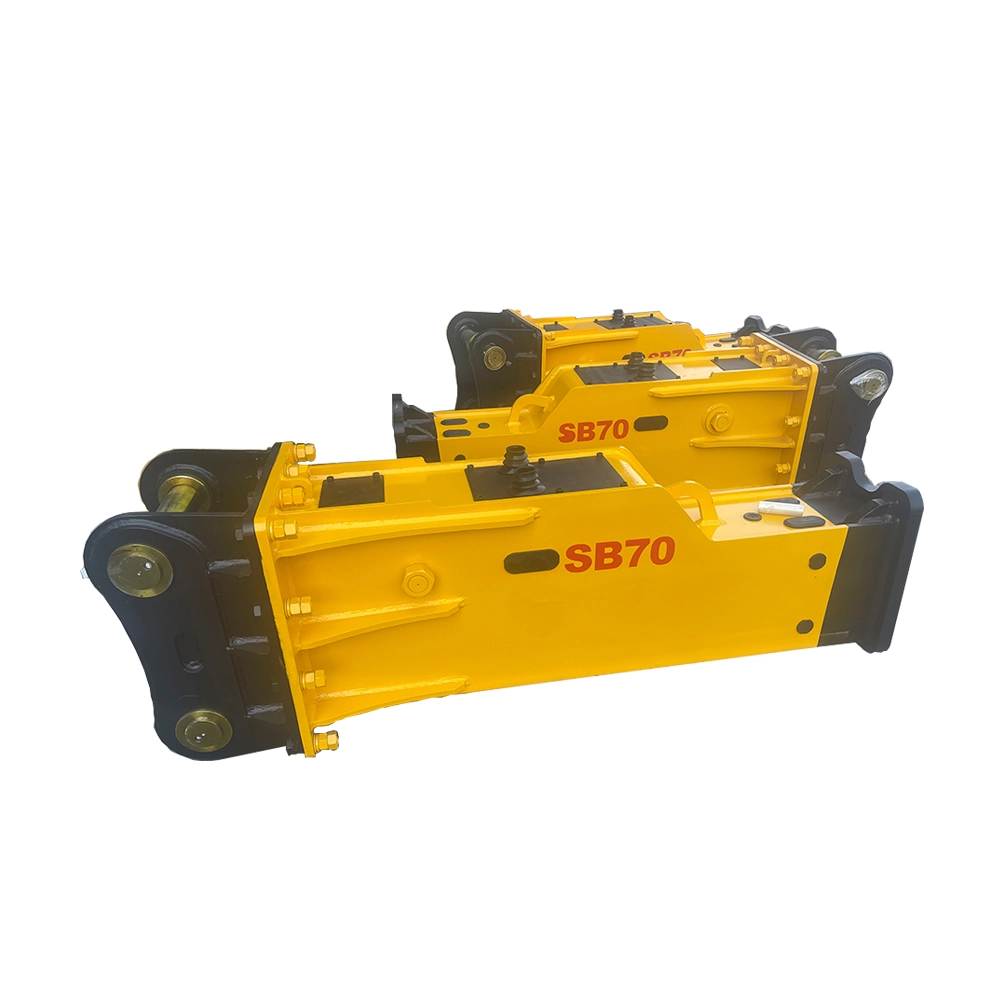
Huilian OEM Hydraulic Hammer Breaker SB70 For Soosan

Huilian HL68 Hammer Breaker for 4-7 Ton Excavator SOOSAN SB40 Hydraulic Rock Breaker
Side type hydraulic breaker : Easy to control, convenient positioning, durable, high working efficiency, strong striking force, long service life, stable operating performance, convenient after-sales service.
Top type hydraulic breaker : Strong impact power; excellent environmental performance; exquisite manufacturing technology; easy maintenance,fast after-sales service
Box type hydraulic breaker :leading heat treatment technology, enhance heat resistance, wear resistance. Under the condition of keeping the oil pressure constant, the cylinder volumeis reduced and the fuel consumption is reduced.The self-developed core is adopted to make the piston cylinder body moredurable and the service life longer.Exposed decks are made of high-strength steel plates to reduce wear.The best efficiency matching with excavator and loader is realized

Huilian OEM Factory SB130 Hydraulic Rock Breaker for 30-45 Ton Soosan Breaker
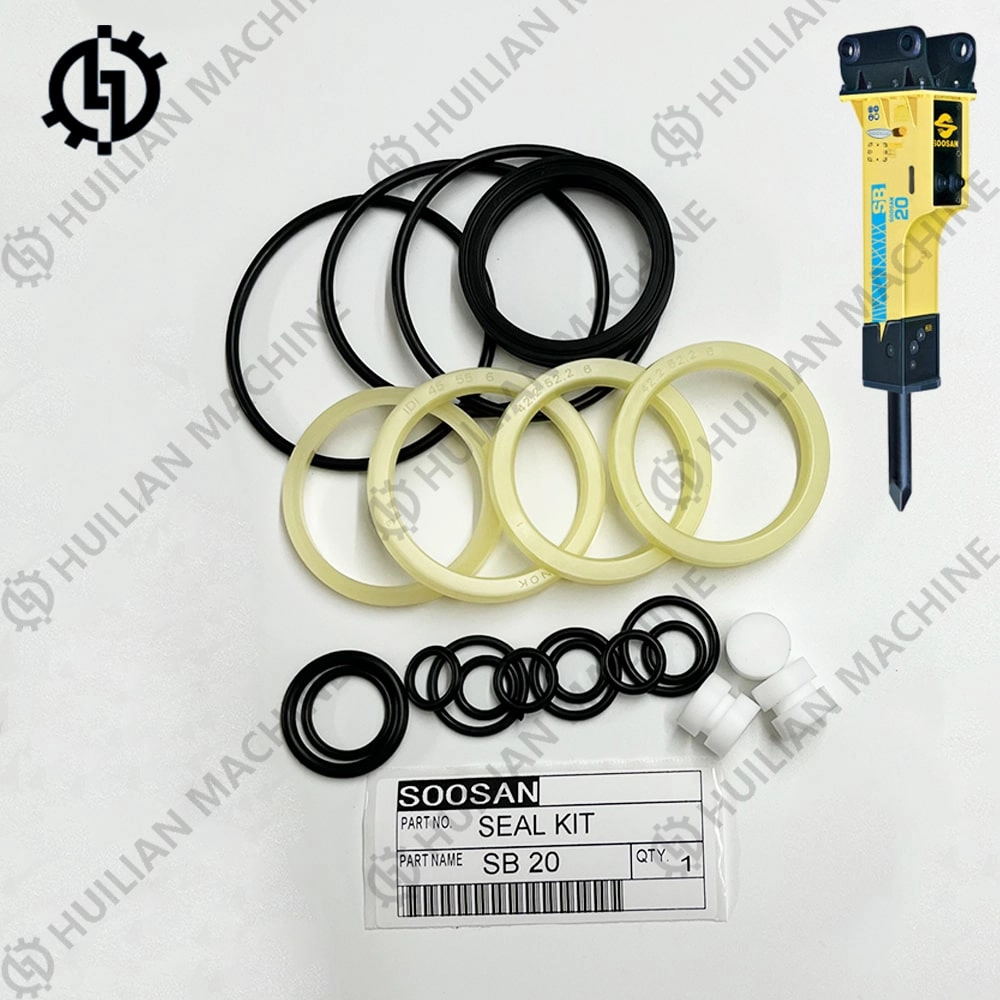
SOOSAN SB20 Breaker Seal Kit F01012 F0X001 SB20Ⅱ SB20TSP SQ20 Hydraulic Rock Hammer Oil Repair Kit
 About us
© 2025 HUILIAN MACHINE. All rights reserved