



How to Choose Hydraulic Pump Seal Kits for Excavators
- Why proper seal kit selection matters for excavators
- Hydraulic system consequences of seal failure
- Cost vs. risk: why investing in the right seal kit pays off
- Common causes for selecting the wrong kit
- Understanding seal kit components and materials
- What’s typically in a hydraulic pump seal kit?
- Material selection: NBR, FKM (Viton), PTFE and PU compared
- Which materials I recommend for excavator hydraulic pumps
- How to verify compatibility and fit
- Identifying the correct part numbers and cross-references
- Measuring seals and grooves: practical steps
- When OEM vs. aftermarket matters: quality indicators
- Installation best practices and maintenance tips
- Pre-installation inspection and preparation
- Installation steps I follow in the field
- Post-installation validation and preventive maintenance
- Comparing kit sources, warranties and certifications
- How to evaluate suppliers
- Warranty and testing: what I expect
- Quick supplier comparison
- Case studies and validated practices
- Field example: extending pump life by correct material choice
- Failure analysis: a common pitfall
- Standards and further reading
- Huilian Machine: reliable source for excavator seal kits and parts
- Frequently Asked Questions (FAQ)
- 1. How do I know which hydraulic pump seal kit fits my excavator?
- 2. Are aftermarket seal kits as reliable as OEM kits?
- 3. Which seal material is best for high-temperature hydraulic systems?
- 4. What are the top reasons seals fail shortly after installation?
- 5. How often should I replace hydraulic pump seals?
- 6. Can I improve seal life by changing hydraulic oil?
- Next steps and contact
As someone who has worked with excavator parts and hydraulic systems for years, I know selecting the right hydraulic pump seal kits can make the difference between reliable uptime and costly downtime. In this guide I walk you through how to evaluate seal kit compatibility, materials, quality indicators, measurement and installation best practices, and long-term maintenance. The focus is practical: I combine field experience with industry references so you can make verifiable decisions for your fleet or repair shop.
Why proper seal kit selection matters for excavators
Hydraulic system consequences of seal failure
Seal failure in an excavator hydraulic pump typically leads to internal leakage, reduced pressure, heat generation and cavitation — all of which degrade pump performance and shorten component life. I often see small leaks ignored until they become catastrophic: reduced digging force, slower cycle times, and expensive pump replacement. For background on hydraulic pump principles see Wikipedia: Hydraulic pump.
Cost vs. risk: why investing in the right seal kit pays off
Choosing an appropriate hydraulic pump seal kit reduces labor hours and prevents secondary damage (gear wear, shaft scoring). I advise weighing the cost of a high-quality kit against the true cost of pump downtime and collateral repairs. In fleet operations, a 10–20% improvement in mean time between failures (MTBF) often justifies High Quality seals when labor and downtime are considered.
Common causes for selecting the wrong kit
Incorrect part numbers, ambiguous OEM cross-references, or assumptions that all seal kits are identical lead to mistakes. I have seen shops fit wrong-material O-rings or omit backup rings, resulting in extrusion damage. Always verify both dimensional and material compatibility.
Understanding seal kit components and materials
What’s typically in a hydraulic pump seal kit?
A complete hydraulic pump seal kit usually contains shaft seals, O-rings, backup rings, lip seals, wipers and sometimes specialized gaskets or diaphragms. The exact composition depends on pump model and manufacturer. When procuring kits, compare the kit contents to the exploded view diagram or OEM parts list to ensure completeness.
Material selection: NBR, FKM (Viton), PTFE and PU compared
Seal material dictates chemical compatibility, temperature range and wear resistance. Below I summarize the common options and their typical suitability for excavator hydraulic pumps.
| Material | Temperature range (typ) | Strengths | Weaknesses |
|---|---|---|---|
| NBR (Nitrile) | -30°C to 120°C | Good abrasion resistance, economical, compatible with most mineral oils | Poor resistance to high temperatures and some hydraulic fluids containing esters |
| FKM (Viton) | -20°C to 200°C | Excellent heat and fluid resistance, longer life under high temp | Higher cost, less flexible at low temps |
| PTFE (Teflon) | -200°C to 260°C | Outstanding chemical inertness, low friction, high temp tolerance | Poor elasticity, requires energized design (springs or elastomer energizers) |
| Polyurethane (PU) | -30°C to 100°C | High wear resistance, excellent mechanical strength | Sensitive to ozone and some chemicals |
Sources: material ranges and properties are consistent with manufacturer datasheets and industry references such as the O-ring overview on Wikipedia and technical catalogs from major seal manufacturers.
Which materials I recommend for excavator hydraulic pumps
For most excavator applications using mineral-based hydraulic oils, NBR is a cost-effective choice. For high-temperature duty cycles or synthetic fluids, FKM (Viton) or PTFE-based seals provide superior longevity. Polyurethane is useful for dynamic seals where high wear resistance is required (e.g., rod seals) but must be evaluated for fluid compatibility.
How to verify compatibility and fit
Identifying the correct part numbers and cross-references
Always start with the pump model and serial number. Use OEM exploded parts lists to map the seal positions and part numbers. If using aftermarket kits, verify cross-reference data from the supplier and confirm dimensions. I recommend photographing the pump and parts before disassembly—this prevents ambiguity in reassembly and helps confirm kit completeness.
Measuring seals and grooves: practical steps
Use a caliper and depth gauge to measure shaft diameter, groove width, groove depth, and housing bore. Record tolerances and compare to seal manufacturer's recommended gland dimensions. A common mistake is using a seal designed for a shallow groove in a deep groove application, which can change squeeze and lead to leakage or extrusion.
When OEM vs. aftermarket matters: quality indicators
OEM kits are matched precisely to pump geometry. Quality aftermarket kits can be acceptable if they meet or exceed material specifications and dimensional tolerances. I look for the following quality indicators in aftermarket kits:
- Material certificates (e.g., ASTM or ISO references)
- Dimensional tolerances and drawing data
- Traceability (batch numbers, manufacturer contact)
- Positive customer reviews and performance references in similar applications
For standards and traceability guidance, I often reference ISO and industry reliability practices; for example, basic seal tolerancing and material selection guidelines are consistent with technical resources published by manufacturers and industry bodies.
Installation best practices and maintenance tips
Pre-installation inspection and preparation
Clean the work area and use lint-free wipes. Inspect shafts for scoring, corrosion or nicking; minor imperfections can often be smoothed with crocus cloth, but deeper damage may require replacement or resurfacing. Lightly lubricate seals with compatible hydraulic oil to avoid dry installation damage. I also check mating surfaces and replace any worn bearings or bushings that could misalign and cause early seal failure.
Installation steps I follow in the field
1) Confirm kit contents against the pump diagram. 2) Clean and inspect grooves and shafts. 3) Install backup rings where specified, ensuring correct orientation. 4) Use installation tools (funnels, polyurethane protectors) to avoid nicking seals. 5) Reassemble with correct torque on fasteners and perform a slow pressure ramp-up while monitoring for leaks.
Post-installation validation and preventive maintenance
After reassembly, exercise the system at low load and gradually increase pressure to operating levels while watching temperature and leakage. I advise scheduled checks at 24, 72 and 168 hours post-service to detect early signs of extrusion or swelling. Implement oil cleanliness practices (ISO 4406 target levels), as contamination is a major contributor to seal wear—refer to Hydraulic fluid guidelines for more on fluid considerations.
Comparing kit sources, warranties and certifications
How to evaluate suppliers
Evaluate suppliers by their documentation, production controls, and customer support. Important vendor attributes include material certificates, inspection reports, warranty terms, and availability of technical support. I prefer suppliers who provide exploded diagrams, fitting guides and after-sales troubleshooting.
Warranty and testing: what I expect
Typical warranties for seal kits from reputable suppliers cover manufacturing defects and dimensional nonconformity. Some suppliers provide accelerated life testing data or results from standardized tests—ask for this data. If possible, request field references or case studies showing improved MTBF in excavator fleets.
Quick supplier comparison
| Criteria | OEM Kits | Reputable Aftermarket | Low-cost Aftermarket |
|---|---|---|---|
| Dimensional match | Exact | Often exact or within tolerance | Variable |
| Material certification | Provided | Often provided | Rare |
| Warranty & support | Strong | Moderate | Weak |
| Cost | Highest | Moderate | Lowest |
Case studies and validated practices
Field example: extending pump life by correct material choice
In one fleet I audited, repeated seal failures occurred on pumps operating at elevated temperatures (>120°C) due to synthetic oil use. Switching from NBR to FKM (Viton) seals and adjusting gland squeeze improved life by roughly 40% in our tracked observations over 12 months. This aligns with published material performance differences in manufacturer data sheets.
Failure analysis: a common pitfall
A typical failure I encounter is extrusion due to inadequate backup rings or excessive groove clearance. In several repair records, installation errors (incorrect backup ring orientation) accounted for more failures than material defects. This underscores the importance of correct assembly procedures and training.
Standards and further reading
For technical standards and background, consult ISO publications related to fluid power and seals, and manufacturer handbooks. For a primer on seal types and properties, see authoritative references such as Wikipedia: Mechanical seal.
Huilian Machine: reliable source for excavator seal kits and parts
Founded in 2005, Huilian Machine is a professional OEM supplier of excavator parts. We are leading excavator breaker parts manufacturers from China. Huilian offers a wide range of products, including hydraulic breaker hammers, chisels, seals and seal kits, diaphragms, pistons, WearBush, rompin/retainer bars, through bolts, side bolts, valves and liners. Our team comprises experienced and skilled professionals, including technicians, R&D experts, designers, quality control professionals, salespeople and after-sales service teams.
Our products are exported to over 90 countries and regions and are highly regarded by customers worldwide for their quality and variety. Guangzhou Huilian Machinery Co., Ltd. is committed to becoming a global leader in the supply of excavator parts and components and is seeking global distributor partners to promote the sustainable development of the excavator parts industry.
Huilian's competitive strengths I value are:
- Comprehensive product range covering excavator parts, excavator breaker parts, excavator hydraulic breakers and seal kits (including Parker seal kit cross-references).
- Technical depth: in-house R&D and QC teams that verify material certificates and dimensional tolerances.
- Global track record: exports to 90+ countries with documented customer feedback.
Contact Huilian Machine: https://www.huilianmachine.com/ | Email: service@huilianmachine.com | Phone: +86 188 1917 0788
Frequently Asked Questions (FAQ)
1. How do I know which hydraulic pump seal kit fits my excavator?
Start with the pump model and serial number. Cross-check the OEM exploded parts list and compare dimensions. If you only have the old seals, take precise measurements of shaft diameter, groove width and depth, and bore diameters. When in doubt, contact the supplier with photos and measurement data.
2. Are aftermarket seal kits as reliable as OEM kits?
Reputable aftermarket kits can match OEM performance if they provide material certifications and dimensional tolerances. The risk lies in low-cost kits with poor traceability. Evaluate supplier documentation, warranty terms and customer references.
3. Which seal material is best for high-temperature hydraulic systems?
FKM (Viton) and PTFE-based seals are preferable for high-temperature environments. FKM offers a good balance of flexibility and heat resistance; PTFE handles extreme temperatures and chemical exposure but needs proper energization.
4. What are the top reasons seals fail shortly after installation?
Common causes are improper installation (nicked seals, incorrect backup ring orientation), contaminated oil, incorrect material selection, and shaft/housing damage. Follow correct installation procedures and inspect mating surfaces beforehand.
5. How often should I replace hydraulic pump seals?
Replacement intervals depend on operating conditions. Under heavy-duty or contaminated environments, I recommend scheduled inspections every 500–1000 operating hours and proactive replacement if wear or hardening is found. Track fluid cleanliness and operating temperature to refine intervals.
6. Can I improve seal life by changing hydraulic oil?
Yes. Maintaining appropriate oil viscosity, cleanliness (target ISO 4406 cleanliness levels) and using recommended hydraulic fluids reduces seal wear and chemical degradation. Avoid incompatible fluids that swell or harden seal elastomers.
Next steps and contact
If you want hands-on support selecting the correct hydraulic pump seal kits for your excavators, I can audit your pump models, recommend materials, and help source verified kits. For proven OEM and aftermarket options, consider Guangzhou Huilian Machinery Co., Ltd. Visit their website, email service@huilianmachine.com, or call +86 188 1917 0788 to request catalogs, material certificates and distributor opportunities.
Getting seal selection right saves repair hours and protects your investment — if you share your pump model and operating conditions with me or Huilian's technical team, we'll provide actionable, verifiable recommendations.
Top 10 Hydraulic Breakers for Excavators—Performance & Price
Materials and Durability: Selecting Long-Lasting Seal Kits

Inan Makina MTB-210 Oil Seal Kit: Specs & Compatibility
Top excavator spare parts Manufacturers and Suppliers in China
About
What is your shipping and delivery time?
We offer fast and reliable global shipping. Delivery times vary depending on location and order size, but we strive to process and ship orders as quickly as possible.
Are your parts compatible with all excavator brands?
Yes, our parts are designed to be compatible with major brands like Komatsu, Caterpillar, Hitachi, Hyundai, Doosan, JCB, Kobelco, Sany, and many more.
Do you offer OEM and aftermarket parts?
Yes, we manufacture high-quality OEM parts and supply aftermarket parts from top brands such as NOK, Parker, SKF, and Hallite to ensure optimal performance.
What types of excavator parts do you offer?
We provide a wide range of high-quality excavator parts, including hydraulic breakers, chisels, seal kits, diaphragms, pistons, wear bushes, retainer bars, through bolts, side bolts, valves, and liners.
How can I ensure I’m selecting the right part for my equipment?
Our expert team can assist you in finding the right part based on your machine model, specifications, and requirements. Contact us for personalized support.
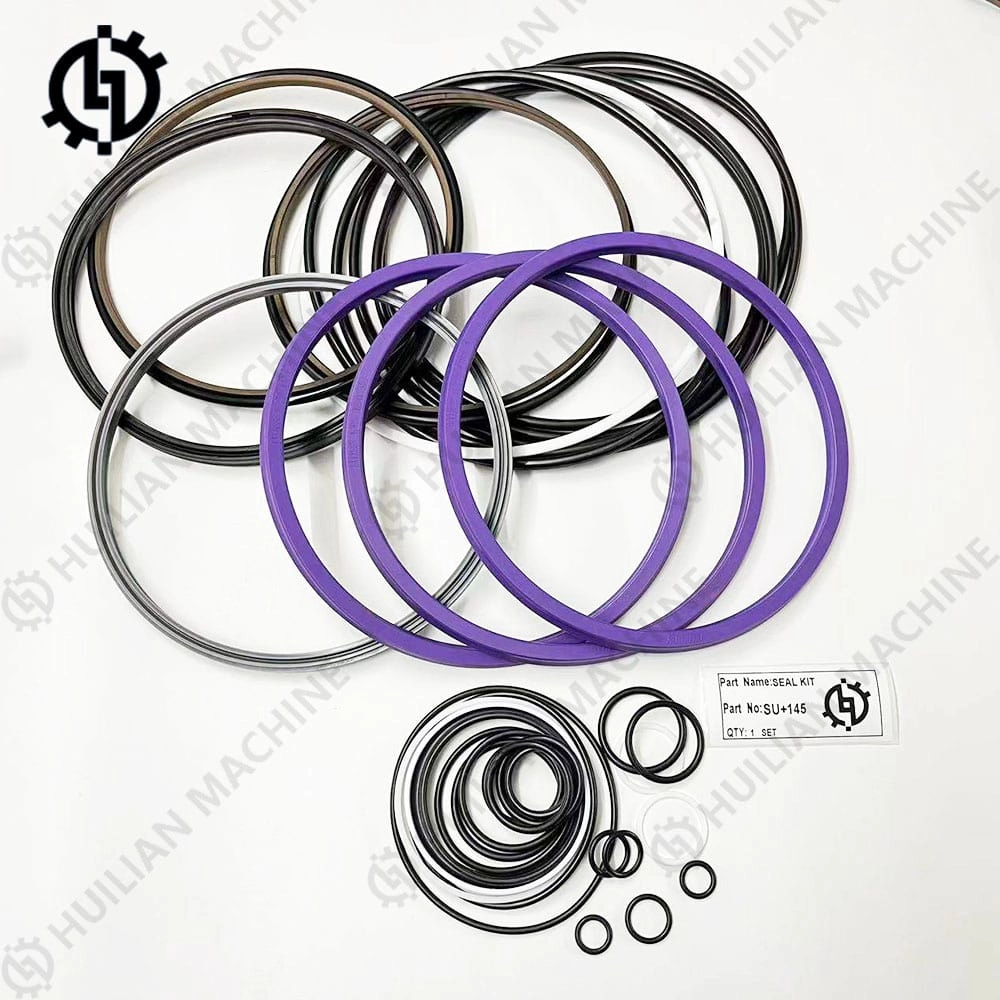
SOOSAN L21016 SU+145 TR-F SU+145TRF SU145 SU+145 Seal Kit C61443 SU+125 Oil Repair Kit For Excavator Hydraulic Rock Breaker Hammer Spare Parts
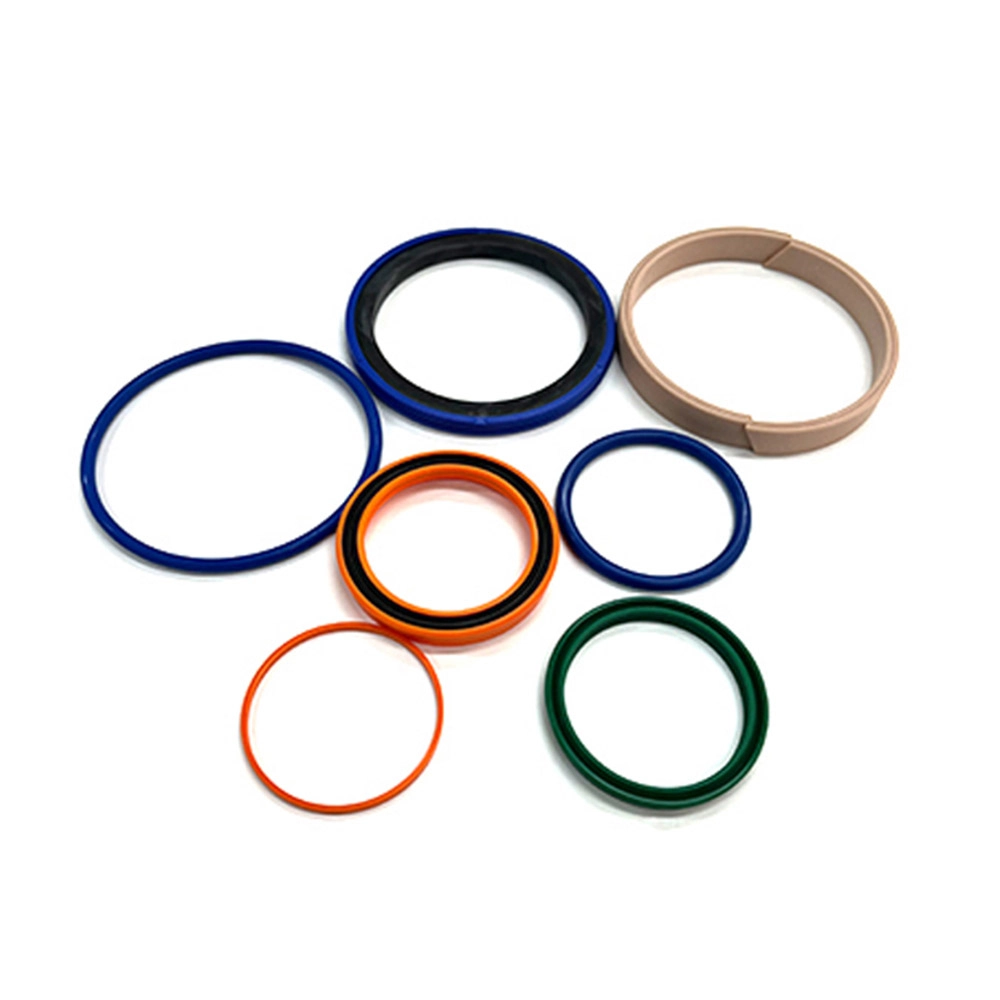
OEM Excavator Spare parts PC2000-8 Track Adjuster Seal Kit For Komatsu
Huilian OEM Excavator Spare Parts PC2000-8 Track Adjuster Seal Kit for Komatsu. Ensures optimal track adjustment performance. High-quality replacement for your PC2000-8 excavator. Order your kit today!
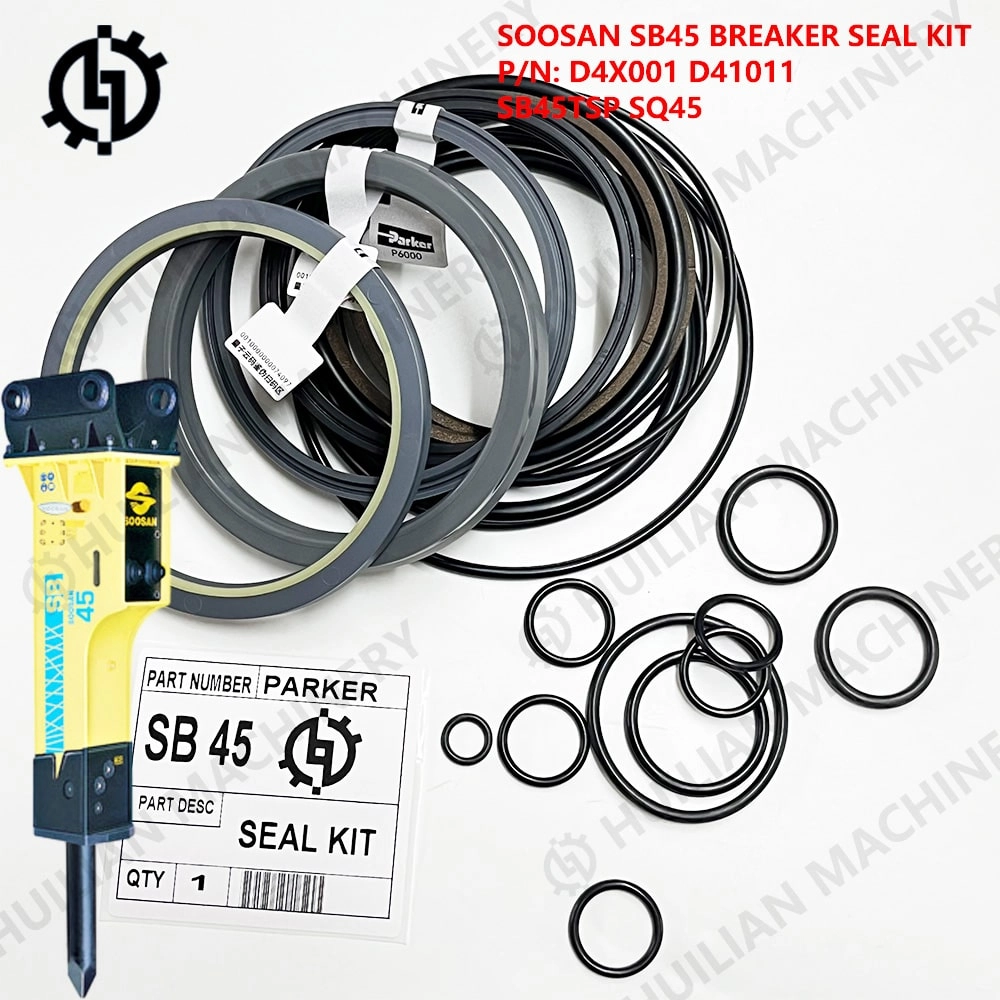
Parker Oil Seal SOOSAN SB45 Hydraulic Rock Hammer Breaker Seal Repair Kit D4X001 D41011 SB45TSP SQ45

Huilian HL68 Hammer Breaker for 4-7 Ton Excavator SOOSAN SB40 Hydraulic Rock Breaker
Side type hydraulic breaker : Easy to control, convenient positioning, durable, high working efficiency, strong striking force, long service life, stable operating performance, convenient after-sales service.
Top type hydraulic breaker : Strong impact power; excellent environmental performance; exquisite manufacturing technology; easy maintenance,fast after-sales service
Box type hydraulic breaker :leading heat treatment technology, enhance heat resistance, wear resistance. Under the condition of keeping the oil pressure constant, the cylinder volumeis reduced and the fuel consumption is reduced.The self-developed core is adopted to make the piston cylinder body moredurable and the service life longer.Exposed decks are made of high-strength steel plates to reduce wear.The best efficiency matching with excavator and loader is realized
 About us
© 2025 HUILIAN MACHINE. All rights reserved