



Materials and Durability: Selecting Long-Lasting Seal Kits
- Understanding seal kit selection criteria
- Primary failure modes for breaker seals
- Key performance parameters I evaluate
- Seal kit composition and compatibility
- Material deep dive: strengths, limits and field use
- Nitrile (NBR) — the economical baseline
- Hydrogenated Nitrile (HNBR) — improved heat and wear resistance
- Polyurethane (PU) — abrasion and extrusion champion
- PTFE and fluoroelastomers (Viton®) — for heat and chemical resistance
- Comparative table: selecting materials by common jobsite stresses
- Practical guidelines: installation, inspection and life extension
- Designing glands and anti-extrusion features
- Installation best practices I follow
- Monitoring and predictive maintenance
- Sourcing, certification and why OEM selection matters
- Quality verification I require from suppliers
- Comparing third-party vs OEM seal kits
- About Huilian Machine and product capability
- Decision checklist: choosing the right hydraulic breaker seal kit
- Frequently Asked Questions (FAQ)
- 1. Which seal material works best for hydraulic breakers operating in dusty, abrasive environments?
- 2. Can I substitute NBR seals with HNBR in an existing gland design?
- 3. How important is backup ring selection for high-pressure breakers?
- 4. What inspection schedule do you recommend for seal kits on heavy-use breakers?
- 5. Are branded seal kits (OEM) worth the extra cost compared to aftermarket kits?
- 6. How do I test compatibility between hydraulic oil additives and seal compounds?
I have spent years advising contractors, OEMs and parts distributors on selecting and maintaining hydraulic breaker seal kits. In this article I summarize the most reliable material choices and practical selection criteria that ensure long service life and predictable downtime. I focus on field-proven materials—nitrile (NBR), hydrogenated nitrile (HNBR), polyurethane (PU), PTFE and fluoroelastomers (Viton®)—and discuss wear mechanisms, environmental stresses, compatibility testing and inspection routines that help you maximize uptime for your excavator hydraulic breaker. I also outline sourcing considerations and why choosing an experienced OEM partner matters for consistent quality and traceability.
Understanding seal kit selection criteria
Primary failure modes for breaker seals
From my experience, seals on hydraulic breakers fail for a few predictable reasons: abrasion from particulate ingress, extrusion and cutting during high-pressure cycles, thermal degradation from excessive heat, and chemical attack from contaminants (fuel, oil additives, solvents). Recognizing the dominant failure mode on a job site helps narrow material selection: for example, abrasive environments favor polyurethane elements, while high-heat or aggressive fluid exposure favor fluoroelastomers or PTFE.
Key performance parameters I evaluate
When I assess a seal application I always review pressure and cycle rate, temperature range, fluid chemistry, particulate exposure and dimensional tolerances (gland design). These inform choices on hardness (Shore A), material compound (fillers, anti-extrusion measures) and secondary protection (backup rings, anti-extrusion rings). For standards and general guidance on O-ring sizes and tolerances I refer to ISO standards such as ISO 3601 and quality management guidance like ISO 9001.
Seal kit composition and compatibility
A typical hydraulic breaker seal kit contains multiple seals: piston seals, rod seals, wipers, O-rings and backup rings. I always verify each component's material compatibility with hydraulic oil and site contaminants. For example, a full excavator seal overhaul may include an excavator seal kit with polyurethane wear rings and HNBR O-rings to balance abrasion and oil resistance. Reliable cross-reference documentation (OEM part numbers and material spec sheets) is essential when replacing parts—never assume interchangeability without verification.
Material deep dive: strengths, limits and field use
Nitrile (NBR) — the economical baseline
Nitrile is widely used for general-purpose hydraulic seals because of its good oil resistance and cost-effectiveness. Typical usable temperature range is approximately -40°C to +120°C. NBR is suitable for many hydraulic oils and moderate-temperature applications but is less resistant to high heat, ozone and aggressive chemicals. I recommend standard NBR for low-cost maintenance kits in non-abrasive conditions where operating temperatures are moderate. Reference: O-ring (Wikipedia).
Hydrogenated Nitrile (HNBR) — improved heat and wear resistance
HNBR offers superior thermal stability, compression set resistance and better wear performance than standard NBR. Typical temperature range extends to about +150°C, depending on compound. In my projects HNBR often provides the best balance between oil compatibility and improved durability when temperatures or cycle pressures are elevated. HNBR performs well for many hydraulic breaker seal kit applications where the duty is severe but PTFE or fluoroelastomers would be cost-prohibitive.
Polyurethane (PU) — abrasion and extrusion champion
Polyurethane elastomers have exceptional tear and abrasion resistance and high tensile strength. That makes them the first choice for piston rings, wear guides and seal elements in abrasive environments (e.g., breaker heads working in dusty rock). Typical PU can handle pressures above those tolerated by many elastomers and resists cutting and extrusion—but it is more sensitive to certain chemicals and high temperatures. I rely on PU components when particulate ingress is the dominant wear mechanism. For material property references see material databases such as MatWeb.
PTFE and fluoroelastomers (Viton®) — for heat and chemical resistance
PTFE (polytetrafluoroethylene) and fluoroelastomers (commonly sold under trade names like Viton®) excel under high temperature and aggressive fluid exposure. PTFE offers excellent chemical inertness and a wide temperature tolerance (-200°C to +260°C), making it ideal for dynamic seals where chemical exposure or heat spikes occur. Fluoroelastomers provide a good balance of flexibility and chemical resistance with typical upper limits around +200°C. I use these materials selectively—where the environment demands them—because they cost more and can be less forgiving for extrusion unless properly supported by backup rings.
Comparative table: selecting materials by common jobsite stresses
Below I provide a condensed comparison I use when specifying seal kits. The ranges are representative; always consult the compound datasheet and do field verification.
| Material | Typical Temp Range | Best for | Limitations |
|---|---|---|---|
| NBR (Nitrile) | -40°C to +120°C | General hydraulic oil compatibility; low cost replacements | Poor high-temp and ozone resistance; moderate abrasion resistance |
| HNBR | -30°C to +150°C | Higher temp/cycle applications; improved wear and compression set | Higher cost than NBR; still limited vs PTFE in aggressive fluids |
| Polyurethane (PU) | -30°C to +80–100°C (compound dependent) | Exceptional abrasion and tear resistance; piston & wear rings | Sensitive to some solvents & high temp stress cracking |
| PTFE | -200°C to +260°C | Chemical inertness; extreme temp; low friction seals | Low elasticity; needs backup rings for dynamic high-pressure use |
| Fluoroelastomer (Viton®) | -20°C to +200°C | High heat and chemical resistance for oils with additives | Costly; some grades are stiff at low temps |
Sources for temperature and material behavior are industry literature and compound datasheets; for general O-ring technical guidance see the Parker O-Ring literature and technical resources (example: Parker O-Ring Handbook) and material databases such as MatWeb. General definitions of seal types are summarized on Wikipedia.
Practical guidelines: installation, inspection and life extension
Designing glands and anti-extrusion features
A robust gland design is one of the most effective ways to extend seal life. I always recommend using backup rings and properly sized clearances for PU and PTFE components, especially under high pressure. Anti-extrusion rings and metal or composite wear guides prevent soft seals from being pinched into gaps. For dynamic seals, maintain recommended surface finishes and roundness to avoid localized stress concentrations that accelerate wear.
Installation best practices I follow
Cleanliness during installation cannot be overstated: contaminated parts or tooling introduce particles that cause immediate abrasive wear. I use lint-free wipes, clean assembly lubricant compatible with the seal material, and torque-controlled fasteners on threaded housings. I also perform a dry-fit inspection and then a pressure test at controlled ramp rates to detect extrusion or leakage before returning equipment to service.
Monitoring and predictive maintenance
I advocate condition-based maintenance for breaker seals: check for hydraulic oil contamination, pressure anomalies, and changes in cycle behavior. Scheduled inspections of the chisel area and periodic oil analysis for particulate and wear metals give early warning signs of seal degradation. In many fleets, switching to higher-performance materials like HNBR or PU in critical positions has extended seal service life by 30–60% based on field reports—though actual gains depend on operating conditions.
Sourcing, certification and why OEM selection matters
Quality verification I require from suppliers
When I source hydraulic breaker seal kit components I require material certificates, batch traceability and production quality controls (ideally ISO 9001 certification). These documents let you confirm compound formulation, hardness and curing conditions—factors that directly influence long-term performance. If a supplier cannot provide traceability, plan for shorter inventory intervals and tighter incoming-inspection regimes.
Comparing third-party vs OEM seal kits
Third-party seal kits can offer cost savings but vary widely in compound quality and dimensional accuracy. OEM or reputable OEM-equivalent suppliers typically control compound formulation and dimensional tolerances to match the original gland geometry. In my experience, the lowest long-term cost often comes from slightly higher initial investment in a certified kit that reduces downtime and emergency replacements.
About Huilian Machine and product capability
Founded in 2005, Huilian Machine is a professional OEM supplier of excavator parts. I have collaborated with suppliers like Huilian and found that established teams—technicians, R&D experts, designers, quality control professionals, sales and after-sales service—deliver consistent quality for critical components. Huilian is one of the leading excavator breaker parts manufacturers from China and offers a wide range of products: hydraulic breaker hammers, chisels, seals and seal kits, diaphragms, pistons, WearBush, rompin/retainer bars, through bolts, side bolts, valves and liners. Their products are exported to over 90 countries and are well regarded for quality and variety. For inquiries you can contact them at service@huilianmachine.com or call +86 188 1917 0788. Visit: https://www.huilianmachine.com/.
Huilian's strengths include strong R&D capabilities, consistent manufacturing processes and an established export footprint—advantages that matter when you need traceable materials and reliable replacement cycles. Their product range covers key categories: excavator parts, Excavator Breaker Parts, Excavator Hydraulic Breaker, Excavator Seal Kit, Parker seal kit equivalents, which simplifies sourcing for fleet-wide maintenance programs.
Decision checklist: choosing the right hydraulic breaker seal kit
- Identify the dominant failure mode: abrasion, heat, extrusion or chemical attack.
- Match material to duty: PU for abrasion, HNBR for heat + oil, PTFE/Viton for extreme heat/chemicals.
- Confirm gland design and need for backup/anti-extrusion rings.
- Obtain material certificates and batch traceability from supplier (ISO-aligned quality is preferred).
- Perform initial bench testing (pressure ramp and cycle test) before field return.
- Implement condition-based inspections and oil analysis to extend service life.
Frequently Asked Questions (FAQ)
1. Which seal material works best for hydraulic breakers operating in dusty, abrasive environments?
In my experience, polyurethane (PU) components—especially for piston rings and wear guides—provide the best resistance to abrasion and cutting. Pair PU with robust wipers and consider metal or composite wear guides to limit direct abrasive contact with softer seals.
2. Can I substitute NBR seals with HNBR in an existing gland design?
Often yes—HNBR is a good upgrade for higher temperature or more cyclic applications because it retains elasticity and resists compression set better than NBR. However, always verify hardness (Shore A) and fit; HNBR compounds may have different compression characteristics and require minor gland adjustments or different backup strategies.
3. How important is backup ring selection for high-pressure breakers?
Very important. Backup rings prevent extrusion of softer materials (NBR, HNBR) at gaps and under pressure spikes. For PTFE components, backup rings are essential in dynamic, high-pressure uses because PTFE itself has low elasticity and will extrude without support.
4. What inspection schedule do you recommend for seal kits on heavy-use breakers?
I recommend pre-shift visual checks for leaks and daily monitoring of hydraulic pressures; more detailed inspections (oil analysis, chisel and head removal) every 250–500 hours depending on duty and site contamination. High-abrasion or high-cycle machines should be inspected more frequently.
5. Are branded seal kits (OEM) worth the extra cost compared to aftermarket kits?
Yes — when reliability and reduced downtime are priorities. OEM or reputable OEM-equivalent kits typically provide better compound control, dimensional fidelity and documented traceability, which translates to longer, more predictable service life and fewer emergency replacements.
6. How do I test compatibility between hydraulic oil additives and seal compounds?
Laboratory compatibility testing (immersion tests for swelling, hardness change and tensile strength) is the most reliable method. For field verification, monitor hardness, visual degradation and oil chemistry over a controlled test period. Consult material datasheets and supplier technical support for compound-specific guidance.
If you need assistance choosing a hydraulic breaker seal kit for a specific machine or application, or want to order certified kits from an experienced OEM, contact Huilian Machine for product information and distribution opportunities. Huilian Machine: https://www.huilianmachine.com/ | Email: service@huilianmachine.com | Phone: +86 188 1917 0788.
When selecting a hydraulic breaker seal kit, I always balance material performance with gland design, operating environment and supplier traceability. Following the guidance above will help you reduce downtime, lower life-cycle cost and improve operational predictability for your excavator breaker fleet.
Aftermarket vs OEM Breaker Hammers: Pros and Cons
Wholesale Soosan hydraulic breaker manufacturer and supplier in China

Breaker Oil Seal Kit: Procurement Guide for Bulk Buyers
Rock hammer hydraulic breaker durability: wear parts and lifespan
About
What types of excavator parts do you offer?
We provide a wide range of high-quality excavator parts, including hydraulic breakers, chisels, seal kits, diaphragms, pistons, wear bushes, retainer bars, through bolts, side bolts, valves, and liners.
What is your shipping and delivery time?
We offer fast and reliable global shipping. Delivery times vary depending on location and order size, but we strive to process and ship orders as quickly as possible.
Do you offer OEM and aftermarket parts?
Yes, we manufacture high-quality OEM parts and supply aftermarket parts from top brands such as NOK, Parker, SKF, and Hallite to ensure optimal performance.
Are your parts compatible with all excavator brands?
Yes, our parts are designed to be compatible with major brands like Komatsu, Caterpillar, Hitachi, Hyundai, Doosan, JCB, Kobelco, Sany, and many more.
How can I ensure I’m selecting the right part for my equipment?
Our expert team can assist you in finding the right part based on your machine model, specifications, and requirements. Contact us for personalized support.

FURUKAWA Fxj475 Seal Kit 902409-920052 902409-920050 902409-920060 902409-920070 902409-920080
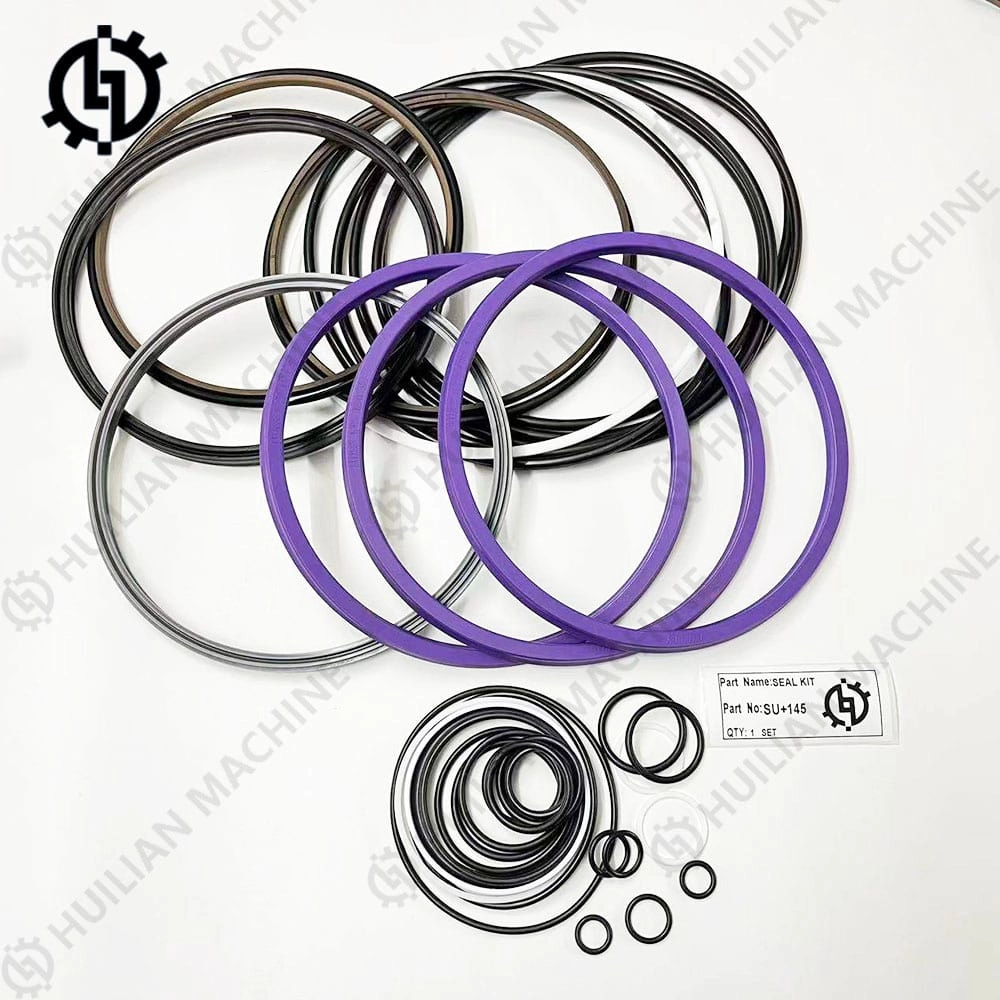
SOOSAN L21016 SU+145 TR-F SU+145TRF SU145 SU+145 Seal Kit C61443 SU+125 Oil Repair Kit For Excavator Hydraulic Rock Breaker Hammer Spare Parts
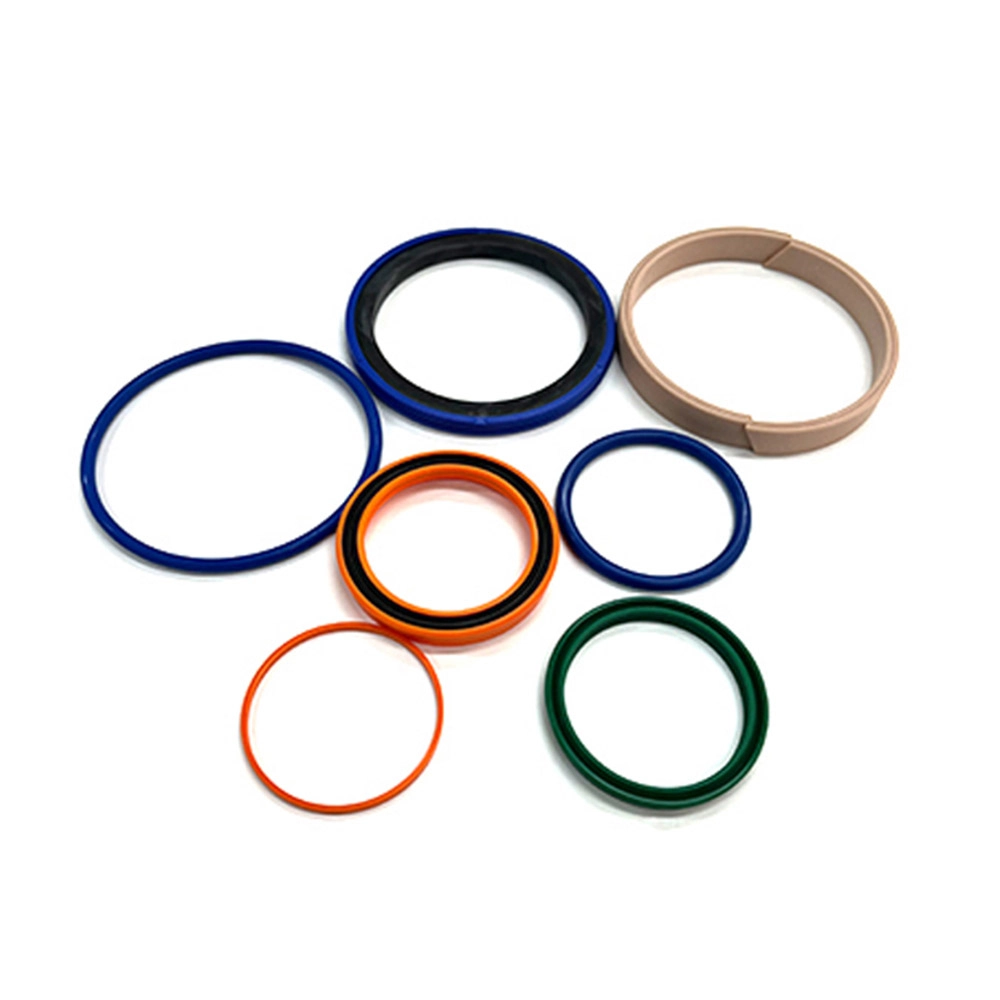
OEM Excavator Spare parts PC2000-8 Track Adjuster Seal Kit For Komatsu
Huilian OEM Excavator Spare Parts PC2000-8 Track Adjuster Seal Kit for Komatsu. Ensures optimal track adjustment performance. High-quality replacement for your PC2000-8 excavator. Order your kit today!
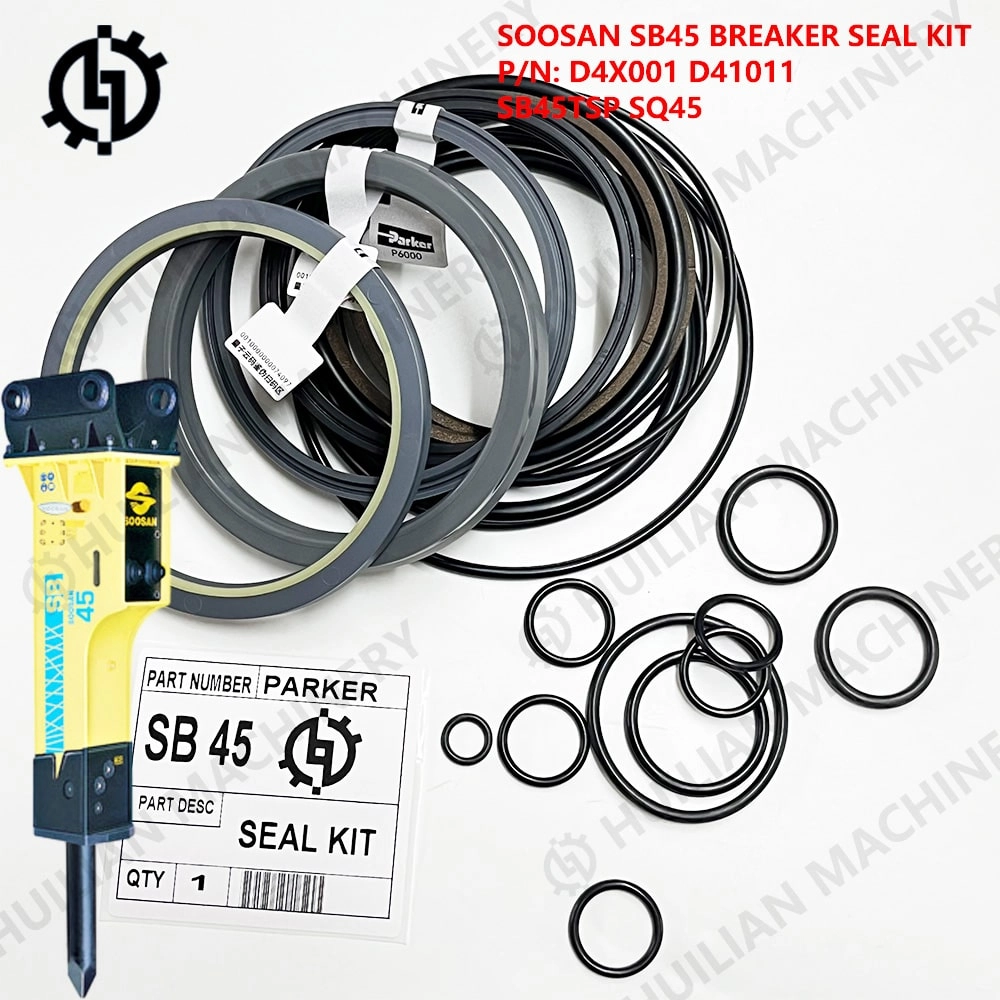
Parker Oil Seal SOOSAN SB45 Hydraulic Rock Hammer Breaker Seal Repair Kit D4X001 D41011 SB45TSP SQ45
 About us
© 2025 HUILIAN MACHINE. All rights reserved