



Hydraulic Breaker's Buyer's Guide: Specs, Power, and Flow Rates
- Understanding What Breaker Specifications Really Mean
- Impact energy, blow rate and how they affect productivity
- Hydraulic flow and pressure: linking power to breaker performance
- How to read a breaker spec sheet
- Matching Breaker Size to Excavator Class and Job
- Small, medium, large: practical ranges and use cases
- How to avoid common sizing mistakes
- Hydraulic circuits and control systems
- Tooling, Wear Parts and Maintenance — Real Costs Beyond Purchase Price
- Chisels, retainer bars, through bolts and wear bushes
- Seals, pistons and seal kits
- Maintenance schedule and spare-parts strategy
- Comparing Breaker Options: Metrics, Tests and Procurement Tips
- How to compare different manufacturers
- Empirical performance tests and what they show
- Cost comparison: purchase price vs lifecycle cost
- Procurement check-list
- Why Parts and Aftermarket Support Matter — Huilian Machine Case Study
- About Huilian Machine and manufacturing strengths
- Product range and global reach
- Technical support, QA and partnership opportunities
- Final Recommendations and Buying Steps I Use With Clients
- Step-by-step buying guide
- Quick reference tips
- Safety and operator training
- FAQs
- 1. How do I know if my excavator has enough flow for a specific breaker model?
- 2. Can I use any chisel with any breaker?
- 3. What flow and pressure range is typical for medium breakers?
- 4. How often should I replace seals and wear bushes?
- 5. What spare parts should I keep on the truck?
- 6. Where can I source high-quality excavator breaker parts and seal kits?
I write this guide from years of hands-on work in the excavator parts and hydraulic attachments industry, helping contractors, rental fleets, and dealers choose the right excavator parts hydraulic breaker for their jobs. In the paragraphs that follow I explain how breaker specs — especially pressure, flow rate and impact energy — translate into on-site performance, how to read manufacturer tables, and how to match a breaker to your excavator and applications. I also cover accessory parts (chisels, seals, pistons, wear bushes, retainer bars and bolts), maintenance priorities, and procurement guidance so you buy the right tool the first time.
Understanding What Breaker Specifications Really Mean
Impact energy, blow rate and how they affect productivity
When I evaluate an excavator breaker, the two most important performance numbers I look for are impact energy (usually expressed in joules or foot-pounds) and blow rate (blows per minute). Impact energy is the energy delivered by each blow; blow rate determines how many blows you get per minute. Together they give you theoretical energy-per-minute that correlates with material removal rate. Manufacturers often provide impact energy as a nominal value; real-world productivity also depends on chisel geometry, operator technique and material properties.
Hydraulic flow and pressure: linking power to breaker performance
Hydraulic breakers are driven by hydraulic power from the host excavator. Two hydraulic parameters matter: pressure (bar or psi) and flow rate (L/min or GPM). Hydraulic power can be estimated with the standard engineering relation: Power (kW) = Pressure (bar) × Flow (L/min) / 600. This formula is widely used in industry and engineering references (see Engineering Toolbox for verification: engineeringtoolbox.com/hydraulic-power).
How to read a breaker spec sheet
On a spec sheet you will commonly find: recommended carrier weight range, operating pressure, required flow rate, impact energy, hammer mass, and recommended tool (chisel) size. I recommend paying attention to the 'recommended carrier' and not just the flow/pressure numbers — mounting mass, hydraulic circuit capacity, and carrier stability affect both performance and equipment life.
Matching Breaker Size to Excavator Class and Job
Small, medium, large: practical ranges and use cases
In practice I divide hydraulic breakers into small, medium and large classes related to the excavator size. Table 1 summarizes typical ranges I use when advising clients. These are industry-typical ranges; always confirm against a specific model's datasheet.
| Breaker Class | Excavator Carrier (ton) | Flow (L/min) | Operating Pressure (bar) | Impact Energy (J) | Typical Use |
|---|---|---|---|---|---|
| Small | 1–5 t | 20–60 | 70–160 | 200–1,500 | Utility, trenching, soft rock |
| Medium | 5–18 t | 60–160 | 100–170 | 1,500–5,000 | Demolition, roadwork, medium rock |
| Large | 18 t+ | 160–400+ | 120–210 | 5,000–30,000+ | Heavy rock, quarry, primary demolition |
The ranges in Table 1 are consistent with manufacturer datasheets and industry references; the Wikipedia entry on hydraulic breakers explains the basic types and mounting methods (Hydraulic breaker - Wikipedia).
How to avoid common sizing mistakes
Common errors I see include undersizing (which leads to slow work and tool stalling) and oversizing (which overloads the carrier hydraulics and can damage the boom or pivot). My rule of thumb: pick a breaker whose recommended carrier range includes your excavator. If your excavator's maximum flow is below the breaker's recommended flow, performance will be poor; if the excavator delivers far more flow than the breaker rating, you may overdrive the tool unless a flow control is fitted.
Hydraulic circuits and control systems
Check whether the breaker requires a dedicated hydraulic circuit, high-flow auxiliary, or specific control valves. Some modern breakers use proportional control and electronic monitoring; others are purely hydraulic. I always ask whether the excavator has a return line with sufficient cooling capacity for continuous use, since heat buildup can reduce hydraulic oil life and breaker efficiency.
Tooling, Wear Parts and Maintenance — Real Costs Beyond Purchase Price
Chisels, retainer bars, through bolts and wear bushes
Chisel selection (pointed, moil, blunt) matters as much as breaker size. For example, moil points are general-purpose; flat chisels are used for concrete cutting or asphalt. Tool retention systems vary; check whether the manufacturer uses through bolts, side bolts, or retainer bars. Properly hardened chisels and correctly specified WearBush parts reduce downtime and repair costs. As a rule I stock common chisels, through bolts and retainer components to minimize machine idle time.
Seals, pistons and seal kits
Hydraulic seals and piston wear determine a breaker's hydraulic efficiency and blow energy. Leakages and worn seals increase oil contamination and reduce performance. I recommend sourcing OEM or high-quality aftermarket excavator seal kit components. Reliable suppliers provide Parker-compatible or equivalent seal kits; seal quality matters because a failed seal can compromise the entire tool. For seal manufacturing and quality standards, see ISO best practices for manufacturing and quality management: ISO 9001 - Quality management.
Maintenance schedule and spare-parts strategy
Planned maintenance makes the biggest difference in total cost of ownership. I advise routines: daily visual checks, weekly lubrication and retainer checks, and scheduled hydraulic inspections for seals and nitrogen accumulators if present. Keep a spare chisel, a seal kit, a set of through bolts and a WearBush in the truck for fast exchange. For rental operations I recommend doubling that stock to minimize turnover delays.
Comparing Breaker Options: Metrics, Tests and Procurement Tips
How to compare different manufacturers
I compare manufacturers using a set of consistent metrics: impact energy, usable blow rate under load, carrier compatibility, service network, spare parts availability, warranty terms, and expected life between overhauls. Third-party test reports and case studies are extremely valuable; request field performance data and references for projects similar to yours.
Empirical performance tests and what they show
Field tests typically measure material removed per unit time on specific materials (concrete, medium-hard rock, asphalt). When vendors present such data I verify test conditions (mass of hammer, chisel type, operator skill, and hydraulic settings). Beware of headline numbers without test context; equivalent field results may vary by 20–50% depending on conditions.
Cost comparison: purchase price vs lifecycle cost
When I build a cost model for clients I include: initial purchase, installation and adaptor costs, expected tool wear and replacement parts, downtime rates, fuel/operational inefficiency due to mismatch, and resale value. Sometimes a higher initial price is justified by lower wear parts consumption and better resale — especially for frequent-use rental units.
| Cost Item | Lower-spec Breaker | Higher-spec Breaker | >
|---|---|---|
| Initial Purchase | Lower | Higher |
| Wear Parts (annual) | Higher | Lower |
| Downtime Risk | Higher | Lower |
| Total Cost 3–5 yrs | Often Higher | Often Lower |
Note: the actual numbers depend on utilization and operating environment. I recommend running a simple 3–5 year total cost of ownership calculation before committing.
Procurement check-list
- Confirm excavator auxiliary flow and maximum pressure.
- Match the breaker's recommended carrier range with your machine.
- Verify tool retention system compatibility (through bolt, side bolt, retainer bar).
- Ask for verified field data and spare parts lead times.
- Request warranty and overhaul schedule details.
Why Parts and Aftermarket Support Matter — Huilian Machine Case Study
About Huilian Machine and manufacturing strengths
Founded in 2005, Huilian Machine is a professional OEM supplier of excavator parts. I include this supplier as an example of a vertically integrated manufacturer that offers both breaker's main components and complementary excavator parts hydraulic breaker spares. We are leading excavator breaker parts manufacturers in China and provide a broad product scope across maintenance and wear parts.
Product range and global reach
Huilian offers a wide range of products, including hydraulic breaker hammers, chisels, seals and seal kits, diaphragms, pistons, WearBush, rompin/retainer bars, through bolts, side bolts, valves and liners. The company exports to over 90 countries and regions, and its products are known for consistent quality and variety. For procurement I find it helpful when suppliers provide clear part numbering and cross-reference charts for excavator breaker parts and related excavator parts like the Excavator Seal Kit or Parker seal kit equivalents.
Technical support, QA and partnership opportunities
Huilian's team comprises experienced and skilled professionals, including technicians, R&D experts, designers, quality control professionals, salespeople and after-sales service teams. Guangzhou Huilian Machinery Co., Ltd. is committed to becoming a global leader in the supply of excavator parts and components and is seeking global distributor partners to promote the sustainable development of the excavator parts industry. For direct inquiries and product details visit Huilian's website: huilianmachine.com or email service@huilianmachine.com. Phone: +86 188 1917 0788.
Final Recommendations and Buying Steps I Use With Clients
Step-by-step buying guide
- Determine the excavator's auxiliary flow and max pressure from the operator manual.
- Choose a breaker class that lists your carrier within the manufacturer recommended range.
- Check tool type and retention system compatibility with your application.
- Request a breakdown of wear parts and lead times (chisels, seal kits, WearBush).
- Plan a spare-parts kit and a maintenance schedule prior to first use.
Quick reference tips
If you have limited hydraulic flow, pick a breaker optimized for low-flow operation rather than attempting to throttle a larger breaker — efficiency and life will suffer. If you work on very abrasive materials, prioritize hardened chisels and fast access to spare wear parts. For rental fleets, prefer models with broad carrier compatibility and readily available excavator breaker parts.
Safety and operator training
Finally, train operators on correct chisel selection, continuous vs intermittent duty, and correct mounting torque for through bolts and retaining hardware. Proper training reduces premature wear and improves productivity. For general safe practice guidelines see authoritative occupational safety sources or equipment manuals; the key is documented training and recorded inspections before each shift.
FAQs
1. How do I know if my excavator has enough flow for a specific breaker model?
Check your excavator's auxiliary hydraulic flow in the operator manual and compare it to the breaker's required flow. If the excavator's max flow is lower than the breaker's required flow, the breaker will be underpowered. If it's much higher, confirm the breaker can safely accept that flow or install a flow control valve.
2. Can I use any chisel with any breaker?
No. Chisel shank diameter and retaining system (through bolt, side bolt, retainer bar) must match the breaker model. Using incorrect chisels risks damage and unsafe tool ejection. Always use chisels specified by the breaker manufacturer or equivalent-quality aftermarket parts such as those provided by established excavator parts hydraulic breaker suppliers.
3. What flow and pressure range is typical for medium breakers?
Medium breakers typically need about 60–160 L/min and operate in the 100–170 bar range. Confirm with the specific model's datasheet; the ranges I use align with multiple manufacturers' published specs and industry summary data (see Hydraulic breaker - Wikipedia).
4. How often should I replace seals and wear bushes?
Replacement intervals depend on duty cycle and material abrasiveness. For heavy daily use in rock, seals and wear bushes may need inspection every 500–1,000 hours; for lighter use, inspections every 1,000–2,000 hours are common. Follow the manufacturer maintenance schedule and use quality seal kits to extend life. ISO quality management principles (ISO 9001) apply to both manufacturing and service practices (ISO 9001 - Quality management).
5. What spare parts should I keep on the truck?
I recommend at minimum: one spare chisel (matching most common work), one seal kit, a set of through bolts and side bolts, one WearBush set, a piston inspection kit, and basic retaining hardware. For rental fleets double that inventory.
6. Where can I source high-quality excavator breaker parts and seal kits?
Established OEMs and reputable aftermarket manufacturers supply parts. For example, Huilian Machine provides a broad selection of excavator parts including Excavator Breaker Parts, Excavator Hydraulic Breaker components and Excavator Seal Kit / Parker seal kit compatible products. Visit huilianmachine.com or contact service@huilianmachine.com for parts lists and distributor opportunities.
If you want tailored help selecting the right excavator parts hydraulic breaker for your fleet or a parts list for a specific model, contact me or reach out to Huilian Machine directly. Huilian's competitive strengths are its comprehensive product range (excavator parts, Excavator Breaker Parts, Excavator Hydraulic Breaker, Excavator Seal Kit, Parker seal kit), experienced technical team, wide export footprint to 90+ countries and focus on OEM-quality components.Contact Huilian Machine:
Website: https://www.huilianmachine.com/
Email: service@huilianmachine.com
Phone: +86 188 1917 0788
I'm available to review your excavator specs and recommend the correct breaker class and spare parts kit — reach out if you'd like a no-obligation compatibility check or a parts quote.
Top 10 hydraulic pump seal kits Manufacturers and Supplier Brands
OEM vs Aftermarket Excavator Breaker Parts: Pros and Cons
Compare OEM vs Aftermarket Hydraulic Pump Seal Kits
The 10 Key Factors in hydraulic rock breaker That Affect Cost
About
Are your parts compatible with all excavator brands?
Yes, our parts are designed to be compatible with major brands like Komatsu, Caterpillar, Hitachi, Hyundai, Doosan, JCB, Kobelco, Sany, and many more.
How can I ensure I’m selecting the right part for my equipment?
Our expert team can assist you in finding the right part based on your machine model, specifications, and requirements. Contact us for personalized support.
What is your shipping and delivery time?
We offer fast and reliable global shipping. Delivery times vary depending on location and order size, but we strive to process and ship orders as quickly as possible.
What types of excavator parts do you offer?
We provide a wide range of high-quality excavator parts, including hydraulic breakers, chisels, seal kits, diaphragms, pistons, wear bushes, retainer bars, through bolts, side bolts, valves, and liners.
Do you offer OEM and aftermarket parts?
Yes, we manufacture high-quality OEM parts and supply aftermarket parts from top brands such as NOK, Parker, SKF, and Hallite to ensure optimal performance.
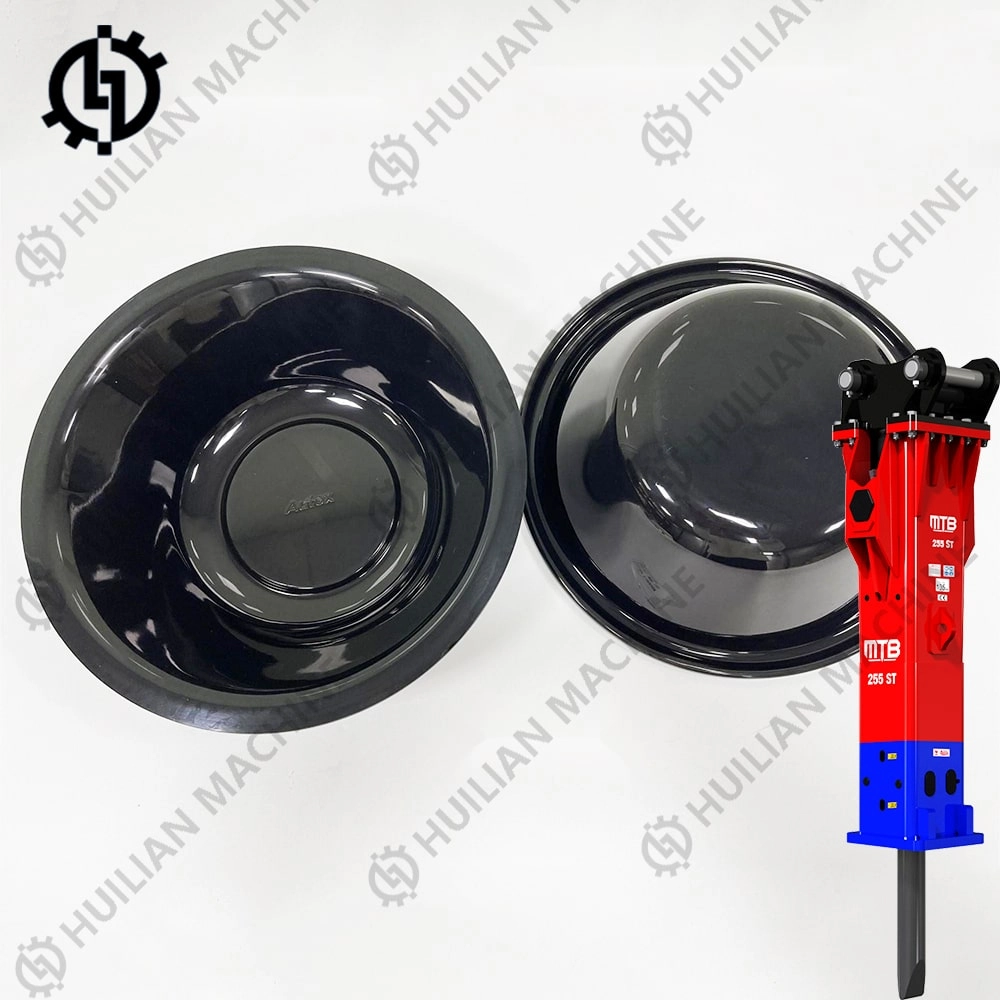
Inan Makina MTB Hydraulic Breaker Parts 45B0116A11 MTB255 MTB MT 255 Diaphragm MTB 255 IQ MTB-255 MTB 255 ST Membrane for Excavator Rock Hammer

Huilian EB-530| SOOSAN Rock Breaker SB30 for 2.5 - 4 Ton Small Excavator
Side type hydraulic breaker : Easy to control, convenient positioning, durable, high working efficiency, strong striking force, long service life, stable operating performance, convenient after-sales service.
Top type hydraulic breaker : Strong impact power; excellent environmental performance; exquisite manufacturing technology; easy maintenance,fast after-sales service
Box type hydraulic breaker :leading heat treatment technology, enhance heat resistance, wear resistance. Under the condition of keeping the oil pressure constant, the cylinder volumeis reduced and the fuel consumption is reduced.The self-developed core is adopted to make the piston cylinder body moredurable and the service life longer.Exposed decks are made of high-strength steel plates to reduce wear.The best efficiency matching with excavator and loader is realized

Huilian Hydraulic Rock Hammer Breaker SB43 for 6-9 Ton SOOSAN Excavator Breaker
Side type hydraulic breaker : Easy to control, convenient positioning, durable, high working efficiency, strong striking force, long service life, stable operating performance, convenient after-sales service.
Top type hydraulic breaker : Strong impact power; excellent environmental performance; exquisite manufacturing technology; easy maintenance,fast after-sales service
Box type hydraulic breaker :leading heat treatment technology, enhance heat resistance, wear resistance. Under the condition of keeping the oil pressure constant, the cylinder volumeis reduced and the fuel consumption is reduced.The self-developed core is adopted to make the piston cylinder body moredurable and the service life longer.Exposed decks are made of high-strength steel plates to reduce wear.The best efficiency matching with excavator and loader is realized
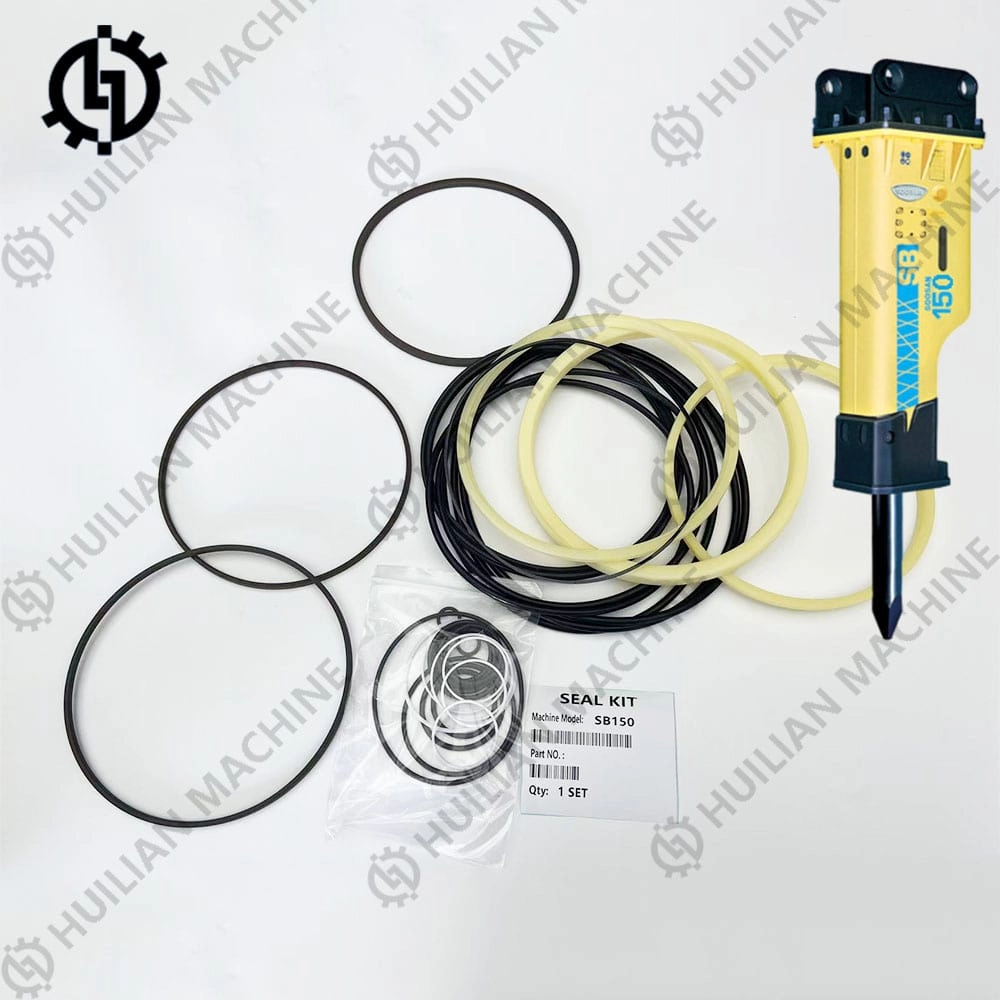
SOOSAN Breaker Spare Parts SB151TSP SQ150 SB151 Seal Kit SB150 SB157TRF SB152 C7X003 C71010 Oil Repair Kit For Excavator Hydraulic Rock Hammer
 About us
© 2025 HUILIAN MACHINE. All rights reserved