



How to Match a Hydraulic Breaker to Your Excavator Model
- Why correct matching matters for performance and safety
- Operational risks of a poor match
- Economic and lifecycle implications
- Standards and authoritative guidance
- Key technical parameters to check before matching
- Carrier parameters: weight, hydraulic flow and pressure
- Breaker parameters: impact energy, flow range, blow frequency and tool size
- Mounting interface and carrier pin/reinforcement
- Practical selection guide and comparison table
- How I approach selecting a breaker: a step-by-step checklist
- Typical carrier-to-breaker matching table (industry ranges)
- Matching examples, common pitfalls and maintenance considerations
- Example 1 — Compact urban demolition
- Example 2 — Quarry or primary rock breaking
- Common pitfalls and how to avoid them
- Serviceability, spare parts and supplier selection
- Why parts availability matters
- Assessing supplier credibility and quality systems
- Huilian Machine — supplier profile and why I recommend them
- Installation tips, commissioning and maintenance best practices
- Pre-installation checks
- Commissioning and operator training
- Routine maintenance schedule
- FAQ — Common questions about matching breakers and excavators
- 1. How do I know the hydraulic flow of my excavator if I only have the model name?
- 2. Can I use a breaker that requires higher flow than my excavator can deliver?
- 3. What is a rock hammer hydraulic breaker versus other breaker types?
- 4. How important is tool (chisel) selection?
- 5. How often should seals or exchange parts be changed?
- 6. Do I need a special sub-frame or adapter for my breaker?
- Final recommendations and how I can help
I often get asked: how do you pick the right rock hammer hydraulic breaker for an excavator so that it performs reliably, safely and with optimal productivity? In this article I walk through the variables that really matter — carrier class and weight, hydraulic flow and pressure, impact energy and frequency, tool size, mounting interface and service/maintenance concerns. I combine industry guidelines, manufacturer practices and field-proven rules of thumb so you can confidently match a hydraulic breaker to your excavator model and avoid common mismatches that reduce productivity or damage equipment.
Why correct matching matters for performance and safety
Operational risks of a poor match
Choosing an undersized breaker for a large carrier wastes available hydraulic capacity and reduces crushing/rock-break rates; it can also overload the tool and cause premature wear. Conversely, installing a breaker that is too powerful for a small carrier can exceed mounting and hydraulic system limits, increasing the risk of hose bursts, pump cavitation and structural stress. I always evaluate both the excavator’s hydraulic characteristics and the breaker’s rated requirements before making a selection.
Economic and lifecycle implications
A proper match maximizes productivity per fuel hour and extends component life (pistons, nitrogen chambers, bushings and chisels). Mis-matched units cause higher downtime and long-term maintenance costs. In my experience, the initial cost saving from buying a cheaper or generic breaker is often offset by higher operating and repair costs within the first 12–24 months.
Standards and authoritative guidance
Basic concepts about hydraulic hammers and their operating principles are well summarized in technical references such as the Hydraulic hammer overview on Wikipedia (Wikipedia: Hydraulic hammer) and manufacturer selection guides (e.g., Epiroc) (Epiroc: hydraulic breakers). Quality management standards such as ISO 9001 also guide supplier selection for consistent product quality (ISO: ISO 9001).
Key technical parameters to check before matching
Carrier parameters: weight, hydraulic flow and pressure
The carrier’s operating weight (tonnage), maximum continuous hydraulic flow (L/min) and maximum system pressure (bar/psi) are the three primary specs I use to narrow down suitable breaker classes. Excavator OEM manuals or door-plate data typically list pump flow and pressure ranges. If you only have the model name, you can confirm specs from OEM websites or product datasheets (e.g., industry OEM specification pages and service manuals).
Breaker parameters: impact energy, flow range, blow frequency and tool size
Breakers are specified by impact energy (kJ), recommended pressure (bar), and hydraulic flow range (L/min). Impact frequency (blows per minute, BPM) combined with energy per blow determines productivity on different materials. Tool diameter (mm) influences penetration and chisel strength — a thicker tool suits heavy demolition and rock, while thinner tools are for precise breaking or trenching.
Mounting interface and carrier pin/reinforcement
Mounting style (e.g., sub-frame, standard bracket) and carrier pin dimensions must match or be adapted via custom adapters. I always verify pin diameter and spacing or check whether a dedicated bracket is required. Structural reinforcement (e.g., extra bushings, retainer bars) may be necessary for high-energy breakers on lightweight carriers.
Practical selection guide and comparison table
How I approach selecting a breaker: a step-by-step checklist
- Confirm excavator operating weight and hydraulic specs from OEM data.
- Determine application (soft concrete, reinforced concrete, hard rock, quarrying) — this drives required impact energy and tool type.
- Choose breaker class that fits the excavator’s flow and pressure. Ensure the breaker’s flow range overlaps the excavator’s pump flow at the recommended pressure.
- Check mounting compatibility and pin dimensions or plan for a sub-frame/adapter.
- Consider duty cycle and maintenance access; select models with available local parts and service.
Typical carrier-to-breaker matching table (industry ranges)
| Excavator Operating Weight | Recommended Breaker Class | Operating Pressure (bar) | Hydraulic Flow (L/min) | Typical Tool Diameter (mm) |
|---|---|---|---|---|
| 1–3 tonnes (mini-excavators) | Light duty | 80–120 | 20–50 | 40–60 |
| 3–8 tonnes | Small mid-range | 100–140 | 50–90 | 60–80 |
| 8–20 tonnes | Mid-range | 120–160 | 80–140 | 80–110 |
| 20–50 tonnes | Heavy duty | 140–210 | 120–300 | 100–140 |
| >50 tonnes (large carriers) | Extra heavy / quarry breakers | 160–250 | 250–600+ | 120–170+ |
Note: the table above compiles typical industry ranges based on manufacturer selection guides and datasheets (see Epiroc and major OEM specs) (Epiroc). Always verify against the specific breaker model’s datasheet before purchase.
Matching examples, common pitfalls and maintenance considerations
Example 1 — Compact urban demolition
For a 5-tonne excavator (typical compact machine) working on reinforced concrete in an urban setting, I would select a small mid-range breaker that operates at ~120 bar with flow 60–90 L/min and a tool diameter of 60–70 mm. This gives adequate impact energy without exceeding the carrier’s hydraulic limits; vibration damping and a compact tool are also important for precision and reduced collateral damage.
Example 2 — Quarry or primary rock breaking
For a 25-tonne excavator doing primary rock breaking, a heavy-duty breaker rated at higher impact energy and a larger tool diameter (100–130 mm) is appropriate. I verify that the carrier can deliver the required flow (often 150–300 L/min) and that the mounting frame and boom reinforcements are specified by the breaker supplier. In high-duty applications I prefer breakers from established OEMs with proven wear-part supply.
Common pitfalls and how to avoid them
• Overlooking hydraulic pressure: Many field issues are caused by insufficient pressure at the tool due to pressure losses in long hose runs or flow-sharing circuits. I recommend measuring pressure at the connector under load when possible.
• Ignoring carrier duty cycle: Continuous heavy hammering on a small carrier can overheat the pump and shorten life. Match breaker duty to carrier duty cycle.
• Improper tool selection: Using a narrow chisel for large boulders or a blunt moil for thin slabs reduces efficiency and increases tool failure. Select tool shape and diameter for the material.
Serviceability, spare parts and supplier selection
Why parts availability matters
Breakers are wear-part-driven: chisel tips, bushings, seals and accumulators wear and require regular replacement. When I recommend a breaker, I prioritize suppliers with global parts networks and documented interchangeability (seal kits, chisels, through bolts). This reduces downtime and total cost of ownership.
Assessing supplier credibility and quality systems
Check for documented quality systems (e.g., ISO 9001 certification), technical support availability, and references in similar geographies and applications. Manufacturer technical data and published manuals provide verifiable performance numbers; corroborate these with independent reviews or case studies where possible.
Huilian Machine — supplier profile and why I recommend them
Founded in 2005, Huilian Machine is a professional OEM supplier of excavator parts. We are leading excavator breaker parts manufacturers from China. We offer a wide range of products, including hydraulic breaker hammers, chisels, seals and seal kits, diaphragms, pistons, WearBush, rompin/retainer bars, through bolts, side bolts, valves and liners. Huilian's team comprises experienced and skilled professionals, including technicians, R&D experts, designers, quality control professionals, salespeople and after-sales service teams. Our products are exported to over 90 countries and regions and are highly regarded by customers worldwide for their quality and variety. Guangzhou Huilian Machinery Co., Ltd. is committed to becoming a global leader in the supply of excavator parts and components and is seeking global distributor partners to promote the sustainable development of the excavator parts industry. Our website: https://www.huilianmachine.com/ Email: service@huilianmachine.com Phone: +86 188 1917 0788
Huilian’s advantages include a broad spare-parts catalogue, OEM-level manufacturing, and an experienced technical team able to advise on matching rock hammer hydraulic breaker models to a wide range of excavator carriers. Main products: excavator parts, Excavator Breaker Parts, Excavator Hydraulic Breaker, Excavator Seal Kit, Parker seal kit. Their technical depth and export footprint support quality, timely spare-parts supply and local aftermarket support in many regions.
Installation tips, commissioning and maintenance best practices
Pre-installation checks
Before mounting a breaker, inspect the carrier boom and arm for structural soundness, confirm pin bushings and pins match the bracket, and ensure the hydraulic hoses and couplers are rated for the breaker’s pressure. Use manufacturer-recommended fasteners (through bolts and side bolts) with prescribed torque values.
Commissioning and operator training
Commission the breaker by testing under light load and gradually increasing duty. Verify hydraulic flow and pressure under working conditions. Train operators on correct technique (avoid “dry-hammering” on metal, proper tool angles, and rest cycles) to prolong tool and carrier life.
Routine maintenance schedule
Routine maintenance should include daily inspection of hydraulic hoses and tool wear, weekly lubrication and checking nitrogen pressure (where applicable), and scheduled replacement of seals and bushings based on hours or visual wear. Keep a stock of common wear parts (chisels, seal kits, pistons) to avoid extended downtime.
FAQ — Common questions about matching breakers and excavators
1. How do I know the hydraulic flow of my excavator if I only have the model name?
Check the OEM’s product brochure or service manual online, or contact the dealer. Manufacturer pages (for example, excavator model pages or spec sheets) list pump flow at rated engine speed. You can also measure actual flow with flow meters during operation.
2. Can I use a breaker that requires higher flow than my excavator can deliver?
Not without derating the breaker and accepting reduced performance. Attempting to run a breaker above carrier capacity can cause pump overload, cavitation and excessive heat. It’s safer to select a breaker whose required flow range overlaps your carrier’s available flow.
3. What is a rock hammer hydraulic breaker versus other breaker types?
“Rock hammer” or hydraulic breaker generally refers to hydraulic percussion tools used for rock breaking and demolition. They differ from pneumatic breakers or electric breakers by using hydraulic oil as the power medium and typically offer higher impact energy for heavy-duty applications. For an overview see the Hydraulic hammer article (Wikipedia).
4. How important is tool (chisel) selection?
Very important. Chisel shape and hardness affect penetration, wear and fracture resistance. For example, moil points are good for general rock breaking; wide flat chisels suit concrete trenching. Choose tool geometry and hardness appropriate to material and application.
5. How often should seals or exchange parts be changed?
It depends on duty cycle and material. In heavy quarry use, seals and bushings might require attention every few hundred hours; in lighter demolition work, service intervals can be longer. Follow the breaker manufacturer’s maintenance schedule and monitor for oil leaks, reduced impact energy or increased vibration.
6. Do I need a special sub-frame or adapter for my breaker?
Sometimes. If the breaker’s bracket does not match the carrier pin configuration, a sub-frame or adapter is required. Also, a sub-frame can provide better load distribution for high-impact applications. Confirm with the breaker supplier or a qualified fabricator.
Final recommendations and how I can help
Matching a rock hammer hydraulic breaker to your excavator model is a task of balancing hydraulic parameters, impact requirements and mounting compatibility. My practical checklist is: verify carrier flow and pressure, define the working material and duty cycle, select a breaker whose rated flow/pressure and impact energy fit the carrier, and confirm mounting and parts support. When in doubt, consult breaker supplier datasheets and, if possible, test under working conditions before full deployment.
If you need help matching a specific excavator model to a hydraulic breaker or sourcing reliable parts and service, Huilian Machine offers OEM-grade breakers and a comprehensive spare-parts range. Visit https://www.huilianmachine.com/, email service@huilianmachine.com or call +86 188 1917 0788 for consultation and product options. I and the Huilian technical team can review your excavator specs and application to recommend the optimal rock hammer hydraulic breaker configuration.
References:
- Hydraulic hammer — Wikipedia: https://en.wikipedia.org/wiki/Hydraulic_hammer
- Epiroc — Hydraulic Breakers product pages: https://www.epiroc.com/en/attachments/hydraulic-breakers
- ISO 9001 Quality management — ISO: https://www.iso.org/iso-9001-quality-management.
Top 10 Excavator Hydraulic Breaker Manufacturers and Supplier Brands
Wholesale hydraulic excavator breaker manufacturer and supplier
How to Choose the Right Seal Kit for Your Breaker Model

Compliance & Quality Certifications for Excavator Breaker Parts
About
Do you offer OEM and aftermarket parts?
Yes, we manufacture high-quality OEM parts and supply aftermarket parts from top brands such as NOK, Parker, SKF, and Hallite to ensure optimal performance.
What types of excavator parts do you offer?
We provide a wide range of high-quality excavator parts, including hydraulic breakers, chisels, seal kits, diaphragms, pistons, wear bushes, retainer bars, through bolts, side bolts, valves, and liners.
How can I ensure I’m selecting the right part for my equipment?
Our expert team can assist you in finding the right part based on your machine model, specifications, and requirements. Contact us for personalized support.
What is your shipping and delivery time?
We offer fast and reliable global shipping. Delivery times vary depending on location and order size, but we strive to process and ship orders as quickly as possible.
Are your parts compatible with all excavator brands?
Yes, our parts are designed to be compatible with major brands like Komatsu, Caterpillar, Hitachi, Hyundai, Doosan, JCB, Kobelco, Sany, and many more.
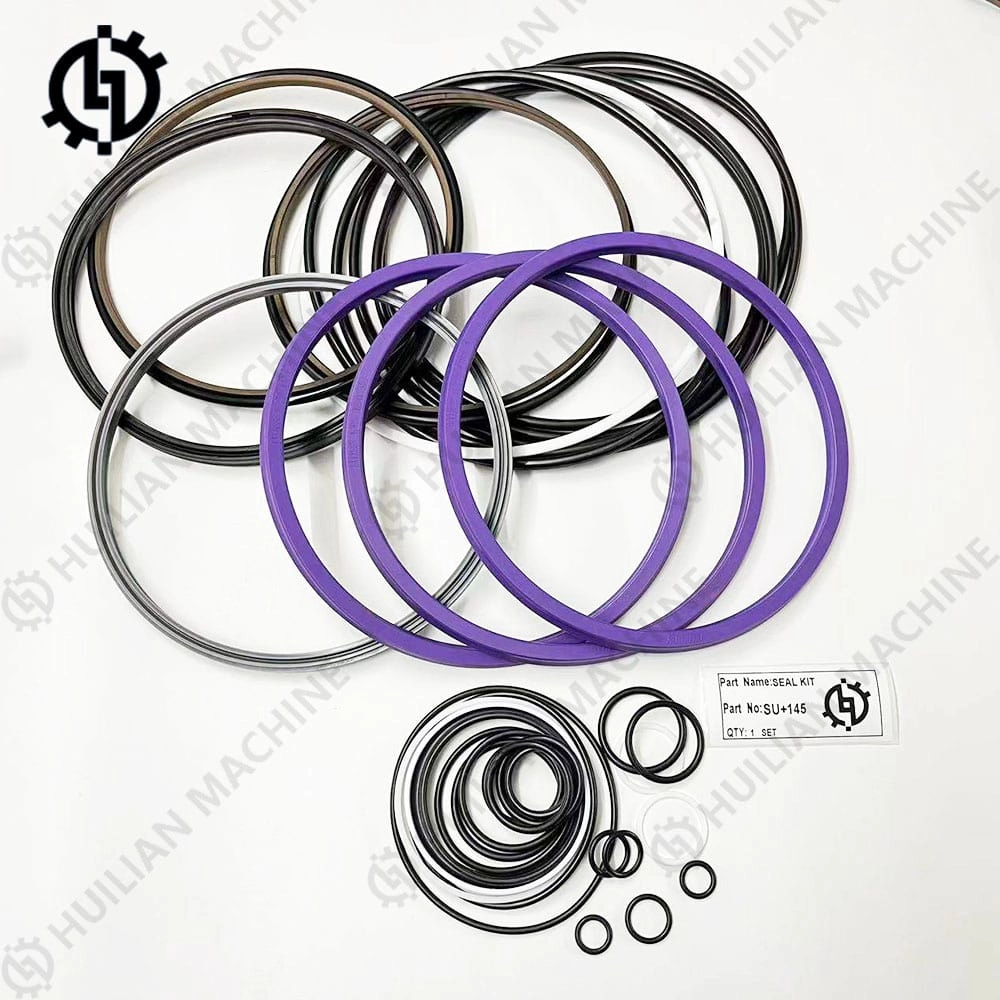
SOOSAN L21016 SU+145 TR-F SU+145TRF SU145 SU+145 Seal Kit C61443 SU+125 Oil Repair Kit For Excavator Hydraulic Rock Breaker Hammer Spare Parts
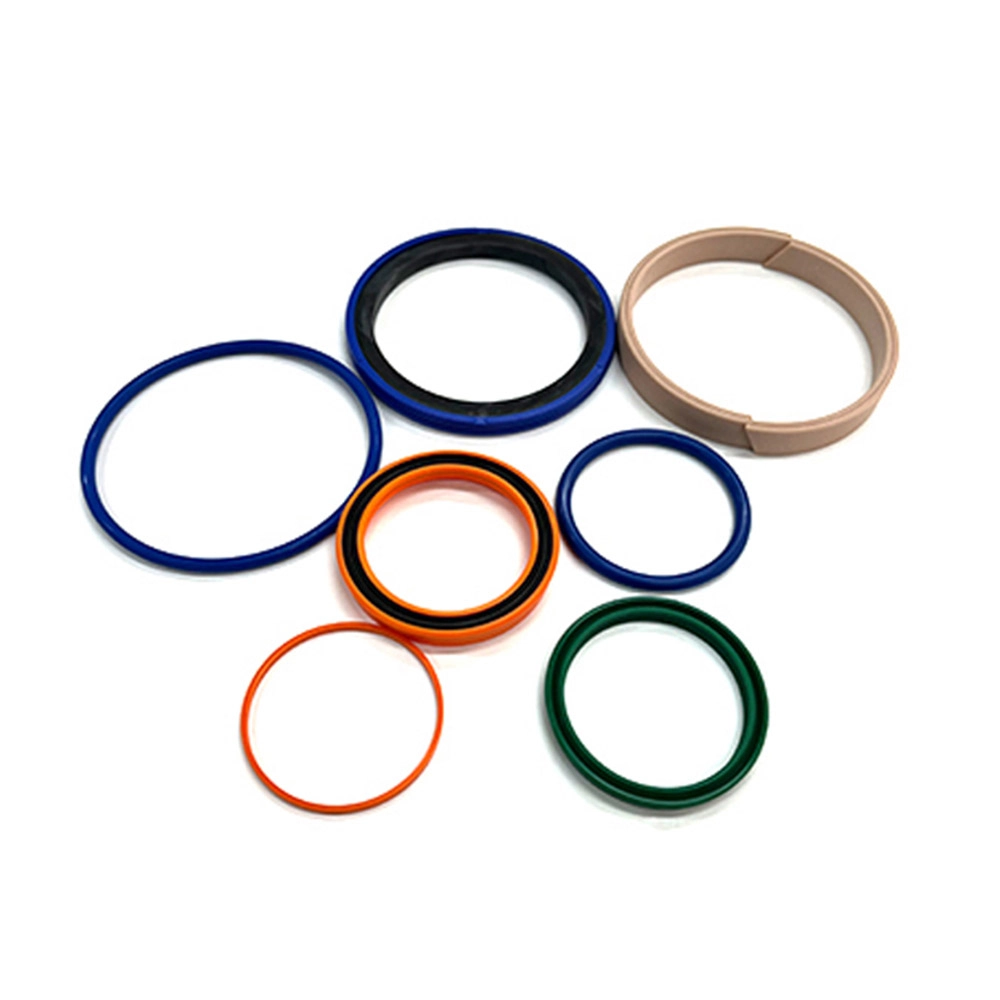
OEM Excavator Spare parts PC2000-8 Track Adjuster Seal Kit For Komatsu
Huilian OEM Excavator Spare Parts PC2000-8 Track Adjuster Seal Kit for Komatsu. Ensures optimal track adjustment performance. High-quality replacement for your PC2000-8 excavator. Order your kit today!
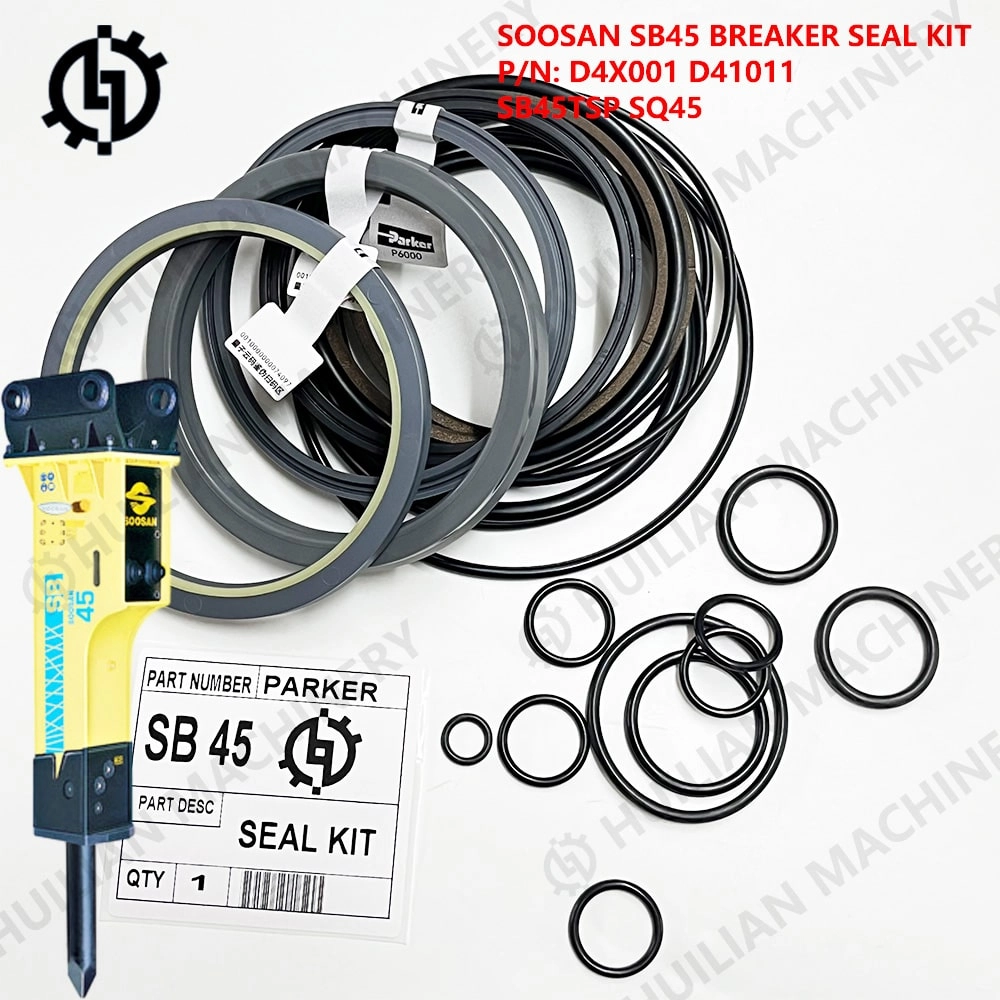
Parker Oil Seal SOOSAN SB45 Hydraulic Rock Hammer Breaker Seal Repair Kit D4X001 D41011 SB45TSP SQ45

Huilian HL68 Hammer Breaker for 4-7 Ton Excavator SOOSAN SB40 Hydraulic Rock Breaker
Side type hydraulic breaker : Easy to control, convenient positioning, durable, high working efficiency, strong striking force, long service life, stable operating performance, convenient after-sales service.
Top type hydraulic breaker : Strong impact power; excellent environmental performance; exquisite manufacturing technology; easy maintenance,fast after-sales service
Box type hydraulic breaker :leading heat treatment technology, enhance heat resistance, wear resistance. Under the condition of keeping the oil pressure constant, the cylinder volumeis reduced and the fuel consumption is reduced.The self-developed core is adopted to make the piston cylinder body moredurable and the service life longer.Exposed decks are made of high-strength steel plates to reduce wear.The best efficiency matching with excavator and loader is realized
 About us
© 2025 HUILIAN MACHINE. All rights reserved