


OEM vs Aftermarket Hydraulic Seal Kits: Cost & Quality
- Understanding Seal Performance in Hydraulic Systems
- Why hydraulic seal kits matter
- Key seal performance parameters
- Standards, testing and traceability
- OEM vs Aftermarket: Cost and Quality Comparison
- Direct cost comparison
- Quality, materials and manufacturing differences
- Fitment, warranty and liability
- How to Choose the Right Hydraulic Seal Kit
- Assessment checklist before purchase
- Matching materials to application
- Inspection and acceptance on delivery
- Lifecycle Economics: Total Cost of Ownership (TCO)
- Beyond purchase price: lifecycle factors
- Illustrative TCO example
- Risk assessment: when savings are not worth it
- Case Studies, Standards and Best Practices
- Real-world examples and lessons
- Installation and preventive maintenance best practices
- Standards and references
- Supplier Due Diligence and Procurement Strategy
- Evaluating suppliers
- When to standardize on OEM vs approved aftermarket
- Procurement checklist
- Huilian Machine: OEM Supplier Profile and How We Support Your Choice
- FAQs
- 1. Are OEM hydraulic seal kits always better than aftermarket?
- 2. How much can I safely save by switching to aftermarket seal kits?
- 3. What material should I choose for excavator hydraulic seals?
- 4. How can I verify an aftermarket supplier's quality?
- 5. Can I mix OEM and aftermarket seals on the same machine?
- 6. What are the most common causes of early seal failure?
- Contact & Next Steps
Overview: Choosing between OEM and aftermarket hydraulic seal kits affects equipment uptime, repair costs, and long-term reliability. This article analyzes cost drivers, material and manufacturing differences, compatibility risks, and lifecycle economics for hydraulic seal kits—especially in excavator and breaker applications—backed by industry references and practical selection guidance.
Understanding Seal Performance in Hydraulic Systems
Why hydraulic seal kits matter
Hydraulic seal kits (including O-rings, piston seals, rod seals, wipers, backup rings and O-ring backups) maintain fluid containment, control leakage, and protect components from contamination. Failure of these elements can lead to reduced efficiency, accelerated wear, or catastrophic hydraulic failure that causes expensive downtime. For excavators and breakers, seal performance directly affects tool impact energy and machine productivity.
Key seal performance parameters
When specifying seal kits, consider: material compatibility (NBR, HNBR, FKM/Viton, PTFE), hardness (Shore A), dynamic vs. static application, operating pressure and speed, temperature range, extrusion resistance, and abrasion resistance. The Parker O-Ring Handbook provides comprehensive material property data and selection guidance (see Parker O-Ring Handbook).
Standards, testing and traceability
Industry standards such as ISO 9001 for quality management and ISO/TC 131 (seals standards) guide manufacturing and quality control. For O-ring vocabulary and dimensions, ISO 3601 is commonly referenced. See ISO's overview for context: ISO 9001. Standards help ensure consistency, but compliance declarations should be verified with traceability documents and material certificates from the supplier.
OEM vs Aftermarket: Cost and Quality Comparison
Direct cost comparison
Upfront kit price is the most visible difference. OEM kits are typically priced higher due to branding, validated fitment, and inclusion of manufacturer-specified materials. Aftermarket kits often cost 20–70% less. Typical market price ranges (illustrative):
| Kit type | Typical price range (example) | Common buyers |
|---|---|---|
| OEM hydraulic seal kits | $200–$1,200 | Fleet owners, OEM warranties, high-spec applications |
| Aftermarket hydraulic seal kits | $80–$600 | Independent workshops, cost-sensitive buyers |
Note: ranges are illustrative and depend on machine type (compact excavator vs. large hydraulic breaker), geographic region, and kit completeness. Obtain quotes for specific part numbers to make direct comparisons.
Quality, materials and manufacturing differences
Differences generally stem from material grade, tolerances, finishing, and quality control. OEM kits are often manufactured to match the original component spec—material compound, Shore hardness, and surface finish—minimizing risk of incompatibility. Aftermarket suppliers can offer high-quality alternatives but variation exists: High Quality aftermarket manufacturers may equal OEM quality; low-cost suppliers may use lower-grade elastomers prone to swelling, extrusion, or accelerated wear.
Fitment, warranty and liability
OEM kits usually guarantee fit and may preserve equipment warranty when used in authorized service. Aftermarket kits may carry their own warranty, but compatibility issues can void OEM warranties in some cases. When purchasing, request written warranty terms and compatibility statements to avoid surprises.
How to Choose the Right Hydraulic Seal Kit
Assessment checklist before purchase
Use this practical checklist to evaluate kits:
- Confirm part numbers and cross-reference dimensions.
- Ask for material data sheets (MDS) and hardness values.
- Request batch traceability and production tolerances.
- Verify shelf-life and recommended storage conditions.
- Check supplier quality certifications (e.g., ISO 9001).
Matching materials to application
Select elastomers based on fluid compatibility and temperature: NBR (nitrile) is common for general hydraulic oils and moderate temperatures; HNBR (hydrogenated NBR) offers improved heat and ozone resistance; FKM (Viton) suits high temperatures and aggressive fluids; PTFE composites offer low friction and high chemical resistance. Parker's technical handbook is a useful reference for material properties (see Parker O-Ring Handbook).
Inspection and acceptance on delivery
On receiving a kit, inspect: physical dimensions vs. drawings, surface finish, evidence of porosity or flash, and packaging integrity. Perform a sample seal fitment or bench test where feasible. Maintain records of acceptance tests and supplier certificates for traceability.
Lifecycle Economics: Total Cost of Ownership (TCO)
Beyond purchase price: lifecycle factors
Consider operating life, replacement interval, labour for replacement, downtime costs, and collateral damage from seal failure (scored rods, contaminated oil, damaged cylinders). A cheaper initial kit that requires more frequent service can cost more over time.
Illustrative TCO example
The following example uses assumed numbers to illustrate lifecycle cost impact. These assumptions are hypothetical; adapt to your fleet data.
| Item | OEM kit (example) | Aftermarket kit (example) |
|---|---|---|
| Unit price | $700 | $300 |
| Expected life (hours) | 2,000 hrs | 1,000 hrs |
| Replacement labour & downtime cost per change | $1,200 | $1,200 |
| Replacements over 6,000 hrs | 3 | 6 |
| Total parts cost (6,000 hrs) | $2,100 | $1,800 |
| Total labor & downtime cost (6,000 hrs) | $3,600 | $7,200 |
| Total lifecycle cost (6,000 hrs) | $5,700 | $9,000 |
Interpretation: even with lower parts cost, shorter life and more frequent replacements can make aftermarket kits more expensive over time. Use your actual replacement intervals, labour rates and downtime costs to model TCO accurately.
Risk assessment: when savings are not worth it
Avoid low-cost kits when failure risks include: safety hazards, risk of secondary damage to high-cost components (cylinders, pistons, liners), or when downtime cost is very high. For frontline fleet equipment where uptime is critical, prioritize reliability; for non-critical tools or training equipment, lower-cost alternatives may be acceptable.
Case Studies, Standards and Best Practices
Real-world examples and lessons
Case reports from maintenance teams commonly show two patterns: (1) High Quality OEM kits installed with proper installation practices yield longer intervals between repairs and fewer secondary failures; (2) reputable aftermarket brands that publish material data and tolerances can match OEM performance at lower cost. Documented lessons emphasize correct installation, clean working environment, and correct lubricant/assembly practices as equally important as kit choice.
Installation and preventive maintenance best practices
Best practices include: cleaning bores and rods thoroughly, inspecting mating surfaces for scoring, using assembly lubricants compatible with seal materials, controlling dust and moisture, and recording replacement details (date, hours). Follow manufacturer torque and sequence instructions for reassembly.
Standards and references
Technical references for specification and testing include Parker's seal literature and ISO quality standards. For general hydraulic system reliability and sealing technology, see Parker and ISO resources: Parker O-Ring Handbook, and ISO 9001. For background on seal types and principles, the Wikipedia entry on hydraulic seals can provide useful context: O-ring (Wikipedia).
Supplier Due Diligence and Procurement Strategy
Evaluating suppliers
Ask suppliers for: ISO certificates, material data sheets, sample test results, dimensional drawings, and references from similar customers. For critical components, consider supplier audits, factory visits, or third-party testing (hardness, composition, dimensional checks).
When to standardize on OEM vs approved aftermarket
Strategy options:
- OEM-first: use OEM kits for critical machines and to preserve warranty.
- Approved aftermarket: qualify one or two reputable aftermarket vendors via trial programs and life tests; use them where they meet or exceed OEM performance.
- Hybrid approach: OEM for primary fleets; aftermarket for secondary or training units to save cost.
Procurement checklist
Include: part number confirmation, cross-reference lists, price-break negotiations for volume purchase, lead time guarantees, warranty terms, and an escalation path for failures (RMA and root-cause analysis process).
Huilian Machine: OEM Supplier Profile and How We Support Your Choice
Founded in 2005, Huilian Machine is a professional OEM supplier of excavator parts. We are leading excavator breaker parts manufacturers from China. We offer a wide range of products, including hydraulic breaker hammers, chisels, seals and seal kits, diaphragms, pistons, WearBush, rompin/retainer bars, through bolts, side bolts, valves and liners. Huilian's team comprises experienced and skilled professionals, including technicians, R&D experts, designers, quality control professionals, salespeople and after-sales service teams. Our products are exported to over 90 countries and regions and are highly regarded by customers worldwide for their quality and variety. Guangzhou Huilian Machinery Co., Ltd. is committed to becoming a global leader in the supply of excavator parts and components and is seeking global distributor partners to promote the sustainable development of the excavator parts industry. Our website: https://www.huilianmachine.com/ Email: service@huilianmachine.com Phone: +86 188 1917 0788
Huilian advantages and core products: excavator parts, Excavator Breaker Parts, Excavator Hydraulic Breaker, Excavator Seal Kit, Parker seal kit. Huilian differentiates itself through: experienced R&D and QC teams, broad product range for excavator breakers, global exports to 90+ countries, and commitment to OEM-level specifications. For fleets needing consistent quality and rapid global support, Huilian provides validated seal kits and technical support for selection and installation.
FAQs
1. Are OEM hydraulic seal kits always better than aftermarket?
No. OEM kits generally match original design and may offer higher assurance for critical equipment, but some high-quality aftermarket kits can equal OEM performance. Qualification testing and supplier documentation are the best ways to determine parity.
2. How much can I safely save by switching to aftermarket seal kits?
Savings depend on part prices and replacement intervals. While parts cost may drop 20–70%, total lifecycle savings depend on durability and downtime. Use a TCO model with your actual replacement intervals, labour, and downtime costs to estimate savings.
3. What material should I choose for excavator hydraulic seals?
Choose based on fluid compatibility and temperature. NBR for standard mineral oils and moderate temperatures; HNBR for higher heat and ozone resistance; FKM (Viton) for high-temperature or aggressive fluids; PTFE for extreme chemical resistance. Confirm with material data sheets and supplier recommendations.
4. How can I verify an aftermarket supplier's quality?
Request ISO certificates, material datasheets, batch traceability, dimensional drawings and sample pieces for bench testing. Consider a pilot installation and track lifetime performance before scaling procurement.
5. Can I mix OEM and aftermarket seals on the same machine?
Mixing is possible but not recommended for critical sealing interfaces. Different materials and tolerances can lead to uneven wear. If mixing, document material types and monitor closely for leakage or unexpected wear.
6. What are the most common causes of early seal failure?
Common causes include improper installation (nicks, twisted seals), contamination (abrasive particles), mismatched materials, extrusion due to high pressure without backup rings, and incompatible fluids. Proper prep and installation reduce these risks.
Contact & Next Steps
If you need assistance selecting hydraulic seal kits (OEM or aftermarket) for excavators or breakers, request a quotation or technical consultation. Huilian Machine provides OEM-level seal kits and technical support for selection, testing and global distribution. Visit huilianmachine.com, email service@huilianmachine.com, or call +86 188 1917 0788 to discuss specifications, sample requests, or distributor opportunities.
References: Parker O-Ring Handbook (parker.com); ISO 9001 overview (iso.org); O-ring background (Wikipedia).
Wholesale Excavator Breaker Part manufacturer and supplier
How to Properly Size Your Hydraulic Hammer
Hydraulic Breaker vs Pneumatic Tools: Best Choice for Excavators
Everything You Need to Know About Hydraulic Hammer cost
About
What types of excavator parts do you offer?
We provide a wide range of high-quality excavator parts, including hydraulic breakers, chisels, seal kits, diaphragms, pistons, wear bushes, retainer bars, through bolts, side bolts, valves, and liners.
Are your parts compatible with all excavator brands?
Yes, our parts are designed to be compatible with major brands like Komatsu, Caterpillar, Hitachi, Hyundai, Doosan, JCB, Kobelco, Sany, and many more.
How can I ensure I’m selecting the right part for my equipment?
Our expert team can assist you in finding the right part based on your machine model, specifications, and requirements. Contact us for personalized support.
Do you offer OEM and aftermarket parts?
Yes, we manufacture high-quality OEM parts and supply aftermarket parts from top brands such as NOK, Parker, SKF, and Hallite to ensure optimal performance.
What is your shipping and delivery time?
We offer fast and reliable global shipping. Delivery times vary depending on location and order size, but we strive to process and ship orders as quickly as possible.

Huilian HL68 Hammer Breaker for 4-7 Ton Excavator SOOSAN SB40 Hydraulic Rock Breaker
Side type hydraulic breaker : Easy to control, convenient positioning, durable, high working efficiency, strong striking force, long service life, stable operating performance, convenient after-sales service.
Top type hydraulic breaker : Strong impact power; excellent environmental performance; exquisite manufacturing technology; easy maintenance,fast after-sales service
Box type hydraulic breaker :leading heat treatment technology, enhance heat resistance, wear resistance. Under the condition of keeping the oil pressure constant, the cylinder volumeis reduced and the fuel consumption is reduced.The self-developed core is adopted to make the piston cylinder body moredurable and the service life longer.Exposed decks are made of high-strength steel plates to reduce wear.The best efficiency matching with excavator and loader is realized
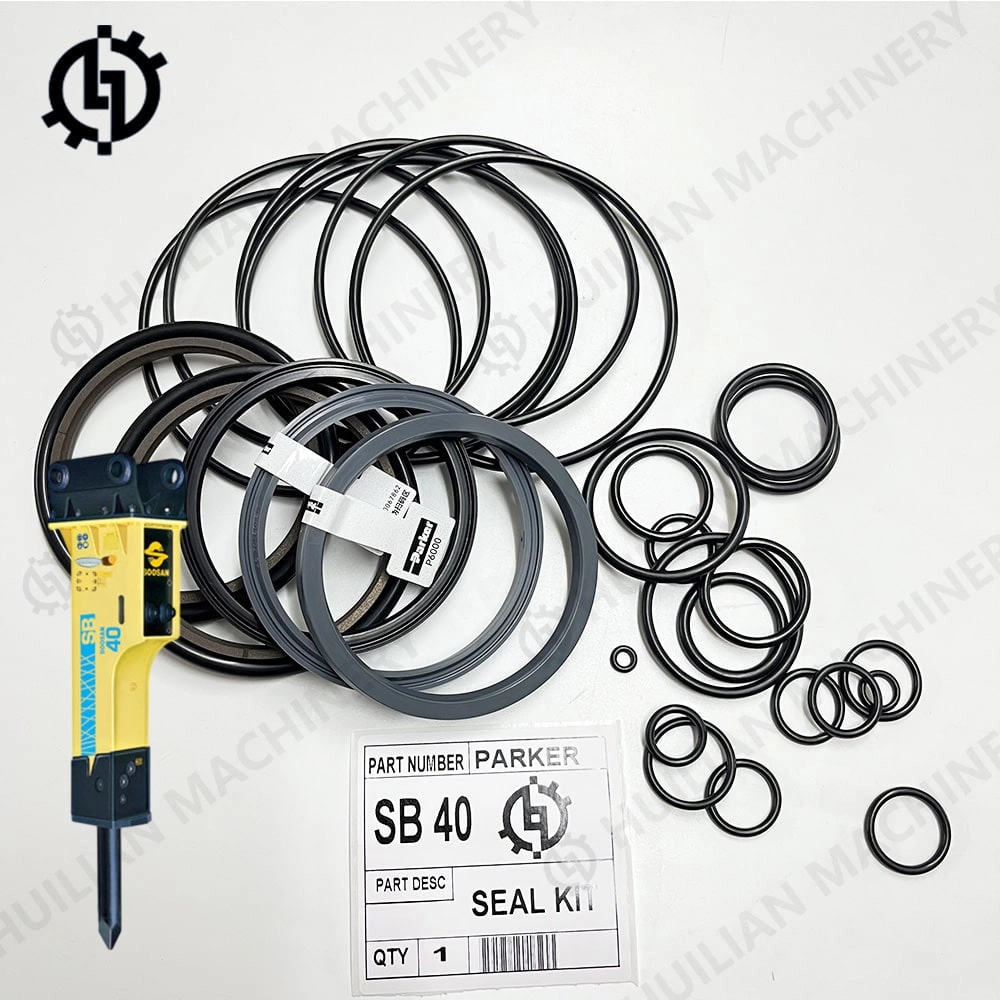
Parker Oil Seal Complete Repair SB40 Seal Kit COX001 CO1012 SB40Ⅱ SB40TSP SQ40 For Soosan Hydraulic Rock Breaker Hammer
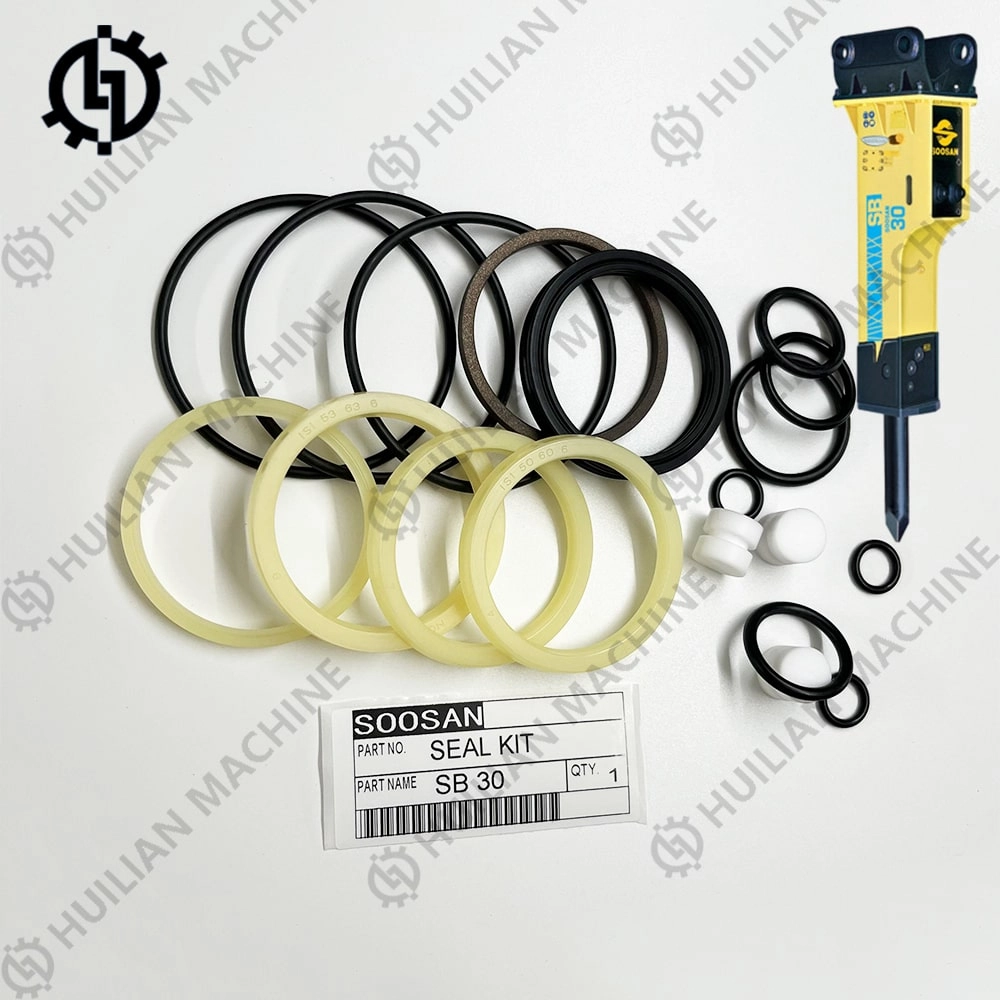
E71012 E7X001 SOOSAN SQ30 SB30Ⅱ SB30 Breaker Seal Kit SB30TS-P SB30Ⅱ TS-P SB30Ⅱ SSL Hydraulic Rock Hammer Parts Oil Repair Kit
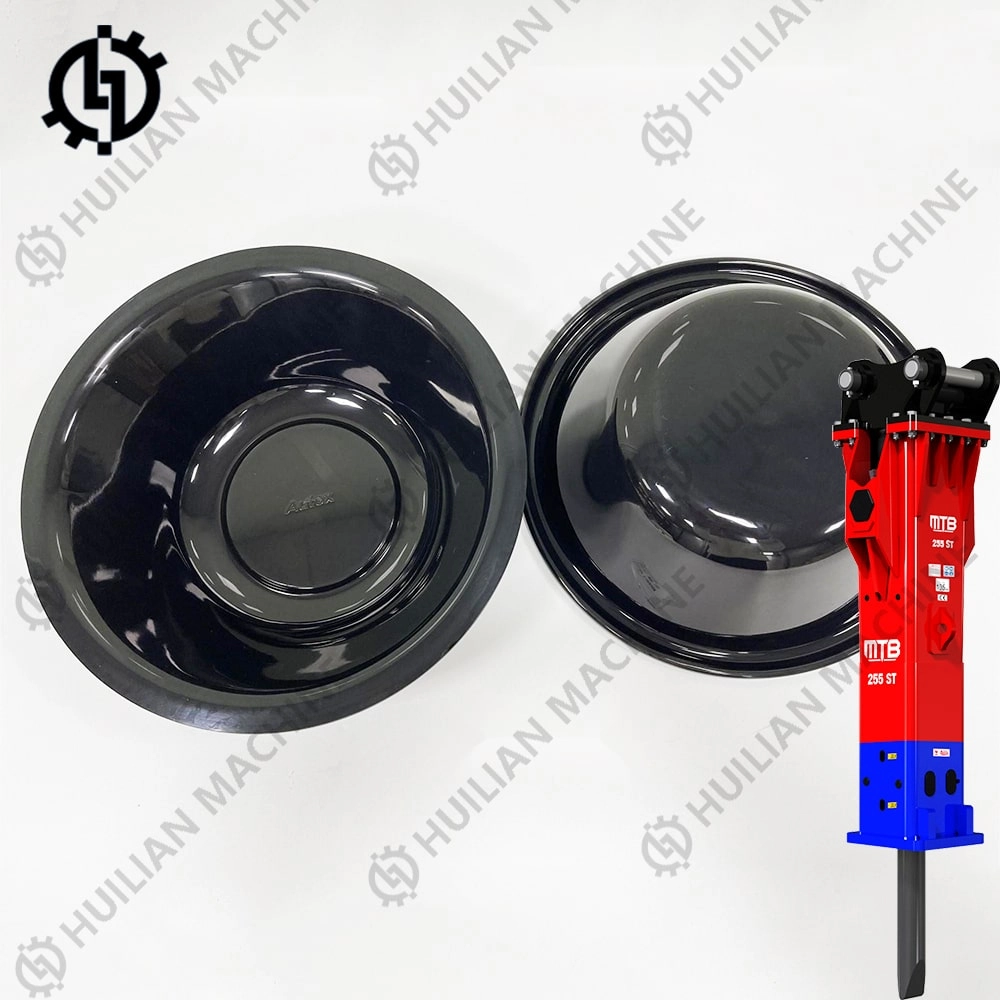
Inan Makina MTB Hydraulic Breaker Parts 45B0116A11 MTB255 MTB MT 255 Diaphragm MTB 255 IQ MTB-255 MTB 255 ST Membrane for Excavator Rock Hammer
 About us
© 2025 HUILIAN MACHINE. All rights reserved