



Top Signs Your Rock Breaker Needs a New Seal Kit
- Why Seals Fail: Common Mechanisms
- Abrasion and particulate erosion
- Chemical degradation, heat, and oil compatibility
- Impact, misalignment and installation damage
- Top Signs Your Rock Breaker Needs a New Seal Kit
- Visible external oil leaks
- Loss of impact energy or slower blow rate
- Contaminated or foamy hydraulic oil
- Diagnosing the Problem: How I Assess Seal Condition
- Visual inspection checklist
- Pressure and flow testing
- Measuring chisel and piston wear
- Repair vs Replace: Choosing the Right Seal Kit and Maintenance Strategy
- When to replace the entire kit
- How to choose seal material and compatibility
- Preventive measures and installation tips
- Symptoms, Causes and Recommended Actions (Quick Reference)
- Why OEM-Quality Seal Kits Matter: My Experience
- Matched components reduce failure risk
- Quality control and traceability
- Huilian Machine — OEM Support and Products
- Practical Steps I Recommend Right Now
- 1. Conduct a short diagnostic session
- 2. Collect an oil sample
- 3. Use a full OEM-quality seal kit and inspect wear hardware
- FAQ — Common Questions About Rock Breaker Seal Kits
- 1. How often should I replace my rock breaker seal kit?
- 2. Can I replace only one or two seals instead of a full kit?
- 3. What seal material should I choose?
- 4. Will a new seal kit fix a damaged piston or cylinder?
- 5. How important is oil cleanliness after installing new seals?
- 6. Where can I source reliable rock breaker seal kits?
When I inspect hydraulic breakers in the field, the single most overlooked component that causes downtime and performance loss is the seal system. A compromised rock breaker seal kit can cause oil leaks, loss of impact energy, contaminated hydraulic oil and, ly, expensive secondary damage to pistons, valves and housings. In this article I share practical indicators that your excavator breaker needs a new seal kit, how I verify the diagnosis, and what to consider when replacing seals so you can minimize downtime and protect your hammer investment.
Why Seals Fail: Common Mechanisms
Abrasion and particulate erosion
One of the primary failure modes I see is mechanical abrasion. Rock breakers operate in extremely dusty, abrasive environments; grit and fines can enter the breaker housing through worn retainer bars, side bolts or poorly sealed joints. Abrasive particles grind on seals and mating surfaces, causing rapid wear of rubber lips and accelerated extrusion. This mechanism is consistent with explanations of how hydraulic systems are compromised by contamination (see the general discussion of hydraulic breakers on Wikipedia: https://en.wikipedia.org/wiki/Hydraulic_breaker).
Chemical degradation, heat, and oil compatibility
Seals exposed to high temperatures, oxidation by degraded hydraulic fluid, or incompatible fluids (e.g., phosphate esters vs. mineral oil) will harden, crack or swell. I always verify the hydraulic oil specifications against the seal compound recommendations — common seal materials include NBR (nitrile), HNBR, and polyurethane, each with different temperature and chemical tolerances. For general background on sealing elements such as O-rings, see https://en.wikipedia.org/wiki/O-ring.
Impact, misalignment and installation damage
Improper installation or repeated shock loading causes extrusion, nicking and displacement of seals. I often find seals damaged during service when technicians install new pistons or retainers without paying attention to chamfers or lubrication. Mechanical impact to the breaker housing or chisel misalignment can also deform sealing surfaces and accelerate failure.
Top Signs Your Rock Breaker Needs a New Seal Kit
Visible external oil leaks
Visible oil on the housing, around side bolts, or pooling beneath the attachment is the most obvious sign. I differentiate between fresh hydraulic oil (dark amber to brown depending on age) and residual grease or dirt. If leakage is steady after warm-up and under load, internal seals are likely compromised and require replacement.
Loss of impact energy or slower blow rate
When seals start to fail internally — for example when piston seals leak or valve seals bleed — blow energy drops and the breaker rhythm becomes sluggish. Operators report needing more hammer blows to break the same rock volume. I confirm this with a simple performance test: comparing blows per minute and penetration per blow to baseline specifications from the hammer OEM or service history.
Contaminated or foamy hydraulic oil
Seals that allow ingress of air or abrasive particles often coincide with aeration (foamy oil) or high particle counts. Regular oil analysis (viscosity, acid number, particle count) can flag early seal degradation. I recommend periodic oil sampling to a recognized lab for meaningful trending rather than relying on sight alone.
Diagnosing the Problem: How I Assess Seal Condition
Visual inspection checklist
My routine includes: remove side plates and check for scoring on the piston and cylinder, inspect retainer bars and through bolts, check O-ring condition on the hose connections, and look for extrusion marks on seal lips. I document wear patterns with photos to compare over time.
Pressure and flow testing
I use a pressure gauge and a flow meter when feasible. Loss of pressure under load, or unusual pressure fluctuations during hammer strokes, point to internal leakage in the valve or piston seals. These measurements should be compared to the breaker’s service manual tolerances.
Measuring chisel and piston wear
Dimension checks are essential. A tapered or mushroomed chisel, or a scored piston surface, will accelerate seal failure. I measure diameters with micrometers and compare to manufacturer wear limits. If the piston or cylinder bore exceeds the wear tolerance, installing a new seal kit alone will produce short-lived results.
Repair vs Replace: Choosing the Right Seal Kit and Maintenance Strategy
When to replace the entire kit
I recommend replacing the entire seal kit when more than one seal element is damaged, or when seals are older than a planned service interval and the hammer shows performance degradation. Partial replacements often lead to mixed-material incompatibilities and uneven wear. A full OEM-quality rock breaker seal kit ensures matched compounds and dimensions.
How to choose seal material and compatibility
Select seals based on expected temperature range, hydraulic fluid type, and contamination level. For example, HNBR performs better at higher temperatures and with mineral oils, while polyurethane offers excellent abrasion resistance but may be sensitive to certain fluids. Consult seal compound datasheets and the hammer OEM for compatibility. Quality certifications such as ISO 9001 indicate robust production standards (see https://www.iso.org/iso-9001-quality-management.).
Preventive measures and installation tips
Prevention saves downtime. I always: use clean bench procedures during installation, pre-lubricate seals with compatible hydraulic oil, inspect mating surfaces for burrs, and use the correct torque sequence for through bolts and side bolts. Replace associated wear items (like WearBush or retainer bars) that show damage to protect the new seals.
Symptoms, Causes and Recommended Actions (Quick Reference)
| Symptom | Probable Cause | Recommended Action |
|---|---|---|
| External oil leakage | Worn O-rings/shaft seals, damaged side bolts | Replace full seal kit, inspect and replace damaged bolts/retainers |
| Reduced impact power | Internal piston/valve leakage | Pressure test, replace piston seals/valve seals, inspect piston surface |
| Foamy or aerated oil | Air ingress due to leaking seals or suction issues | Check suction lines, install new seals, perform oil analysis |
| Contaminated oil (high particle count) | Ingress through damaged seals or worn housing joints | Replace seals, flush system, fit contamination control measures |
Why OEM-Quality Seal Kits Matter: My Experience
Matched components reduce failure risk
In my experience, seal kits from reputable OEM suppliers use matched compounds and correct tolerances. Using aftermarket or mismatched seals can save money upfront but often requires repeat repairs. A complete, quality seal kit reduces the chance of uneven wear that leads to premature failure.
Quality control and traceability
Suppliers with robust quality control (material certificates, batch traceability) allow me to verify material performance and anticipate service life. Certification to standards such as ISO 9001 provides additional assurance in manufacturing and inspection processes.
Huilian Machine — OEM Support and Products
Founded in 2005, Huilian Machine is a professional OEM supplier of excavator parts. I frequently recommend suppliers with broad product lines and consistent quality control; Huilian is one such partner. They are leading excavator breaker parts manufacturers from China and offer a wide range of products, including hydraulic breaker hammers, chisels, seals and seal kits, diaphragms, pistons, WearBush, rompin/retainer bars, through bolts, side bolts, valves and liners. Their team comprises experienced and skilled professionals — technicians, R&D experts, designers, quality control professionals, salespeople and after-sales service teams.
Huilian's products are exported to over 90 countries and regions and are highly regarded by customers worldwide for their quality and variety. Guangzhou Huilian Machinery Co., Ltd. is committed to becoming a global leader in the supply of excavator parts and components and is seeking global distributor partners to promote the sustainable development of the excavator parts industry.
Why I trust Huilian: they combine decades of market experience with a wide spare-parts catalogue so you can often source a complete rock breaker seal kit and associated wear parts (pistons, chisels, WearBush) from a single supplier. That reduces compatibility issues and shortens lead times. For more details or to request parts, visit their website: https://www.huilianmachine.com/. Contact: Email service@huilianmachine.com | Phone +86 188 1917 0788.
Practical Steps I Recommend Right Now
1. Conduct a short diagnostic session
Run the breaker under no-load and load conditions. Note leaks, listen for irregular valve chatter, and compare blow rate to historical performance.
2. Collect an oil sample
Send hydraulic oil to a lab for particle count and viscosity. This gives objective evidence of contamination and helps justify replacing seals before catastrophic damage.
3. Use a full OEM-quality seal kit and inspect wear hardware
Order a complete rock breaker seal kit from a trusted supplier. Replace worn WearBush, retainer bars, and any bolts that show wear or corrosion. Ensure proper installation procedures are followed to avoid early failure.
FAQ — Common Questions About Rock Breaker Seal Kits
1. How often should I replace my rock breaker seal kit?
Replacement intervals vary by operating conditions, but I typically plan a seal kit change every 1,000–2,000 operating hours under heavy use, sooner if signs of leakage, loss of impact, or oil contamination appear. Trending oil analysis data can provide a more informed schedule.
2. Can I replace only one or two seals instead of a full kit?
While possible, I advise replacing the full seal kit when multiple seals are worn or the breaker shows systemic symptoms. Full kits ensure material compatibility and longer, more predictable service life.
3. What seal material should I choose?
Choose based on hydraulic fluid type, operating temperature and contamination levels. HNBR is a common choice for higher temperature and oil compatibility; polyurethane is durable against abrasion. Consult manufacturer datasheets and the breaker OEM recommendations.
4. Will a new seal kit fix a damaged piston or cylinder?
Not always. If the piston or cylinder bore is scored, grooved, or out of tolerance, replacing seals alone is a temporary fix. Measure components and if they exceed wear limits, repair or replace the worn parts in addition to sealing elements.
5. How important is oil cleanliness after installing new seals?
Crucial. Installing new seals into a contaminated system shortens their life. Thoroughly flush the hydraulic lines, replace filters, and ensure oil cleanliness targets are met before returning the breaker to service.
6. Where can I source reliable rock breaker seal kits?
I recommend sourcing from established OEM suppliers with proven traceability and product range. For example, Guangzhou Huilian Machinery Co., Ltd. (founded in 2005) offers a wide selection of excavator parts including seal kits and related wear parts. Visit their site or email service@huilianmachine.com for quotations.
If you need help diagnosing a suspected seal failure, arranging oil analysis or sourcing a complete rock breaker seal kit and related parts (pistons, WearBush, chisels, retainer bars), contact Huilian Machine: Phone +86 188 1917 0788 or email service@huilianmachine.com. I’ve found that working with a single, experienced OEM supplier significantly reduces downtime and simplifies parts compatibility issues. For product inquiries and distributor opportunities, visit https://www.huilianmachine.com/.
How to Choose the Right Breaker Hammer for Your Excavator
Wholesale Sandvik hydraulic breaker manufacturer and supplier in China
Top concrete breaker for mini excavator Manufacturers and Suppliers in China
Top Hydraulic Breaker Box Models for Heavy-Duty Excavators
About
What is your shipping and delivery time?
We offer fast and reliable global shipping. Delivery times vary depending on location and order size, but we strive to process and ship orders as quickly as possible.
How can I ensure I’m selecting the right part for my equipment?
Our expert team can assist you in finding the right part based on your machine model, specifications, and requirements. Contact us for personalized support.
Are your parts compatible with all excavator brands?
Yes, our parts are designed to be compatible with major brands like Komatsu, Caterpillar, Hitachi, Hyundai, Doosan, JCB, Kobelco, Sany, and many more.
Do you offer OEM and aftermarket parts?
Yes, we manufacture high-quality OEM parts and supply aftermarket parts from top brands such as NOK, Parker, SKF, and Hallite to ensure optimal performance.
What types of excavator parts do you offer?
We provide a wide range of high-quality excavator parts, including hydraulic breakers, chisels, seal kits, diaphragms, pistons, wear bushes, retainer bars, through bolts, side bolts, valves, and liners.

Huilian HL68 Hammer Breaker for 4-7 Ton Excavator SOOSAN SB40 Hydraulic Rock Breaker
Side type hydraulic breaker : Easy to control, convenient positioning, durable, high working efficiency, strong striking force, long service life, stable operating performance, convenient after-sales service.
Top type hydraulic breaker : Strong impact power; excellent environmental performance; exquisite manufacturing technology; easy maintenance,fast after-sales service
Box type hydraulic breaker :leading heat treatment technology, enhance heat resistance, wear resistance. Under the condition of keeping the oil pressure constant, the cylinder volumeis reduced and the fuel consumption is reduced.The self-developed core is adopted to make the piston cylinder body moredurable and the service life longer.Exposed decks are made of high-strength steel plates to reduce wear.The best efficiency matching with excavator and loader is realized
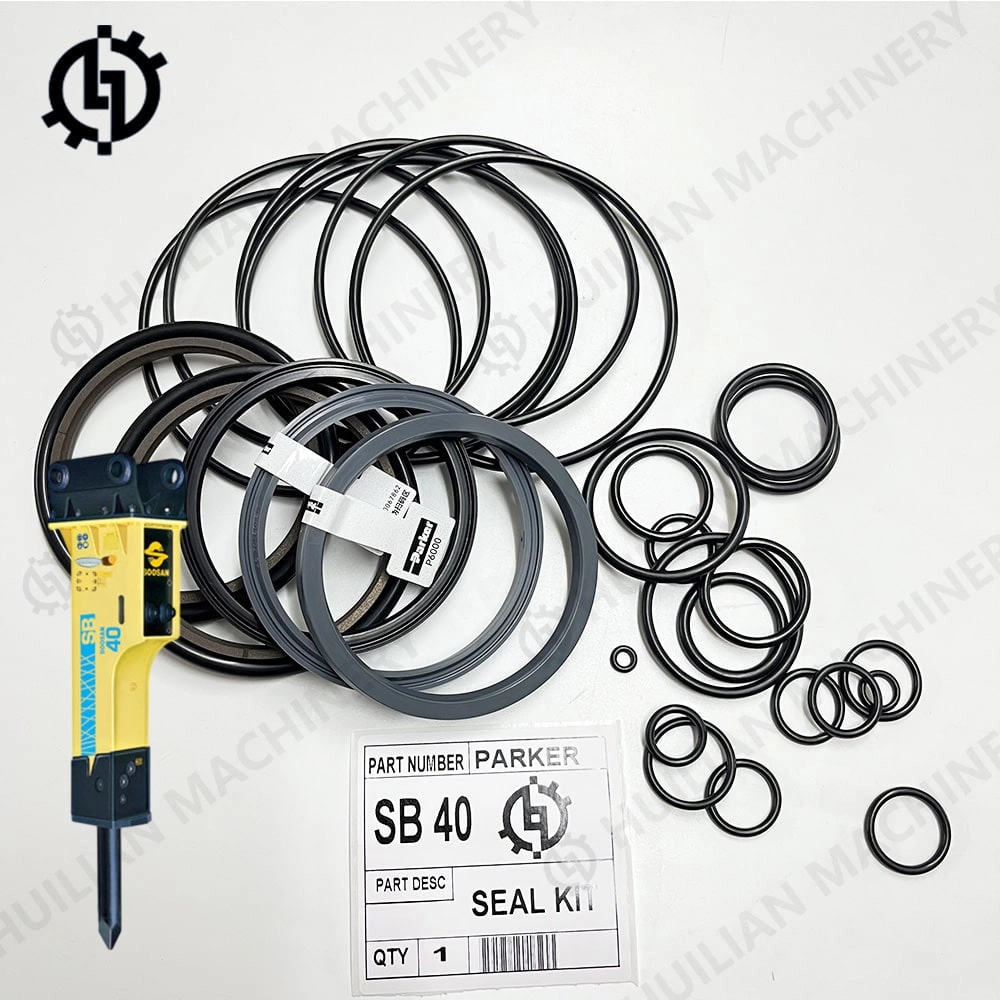
Parker Oil Seal Complete Repair SB40 Seal Kit COX001 CO1012 SB40Ⅱ SB40TSP SQ40 For Soosan Hydraulic Rock Breaker Hammer
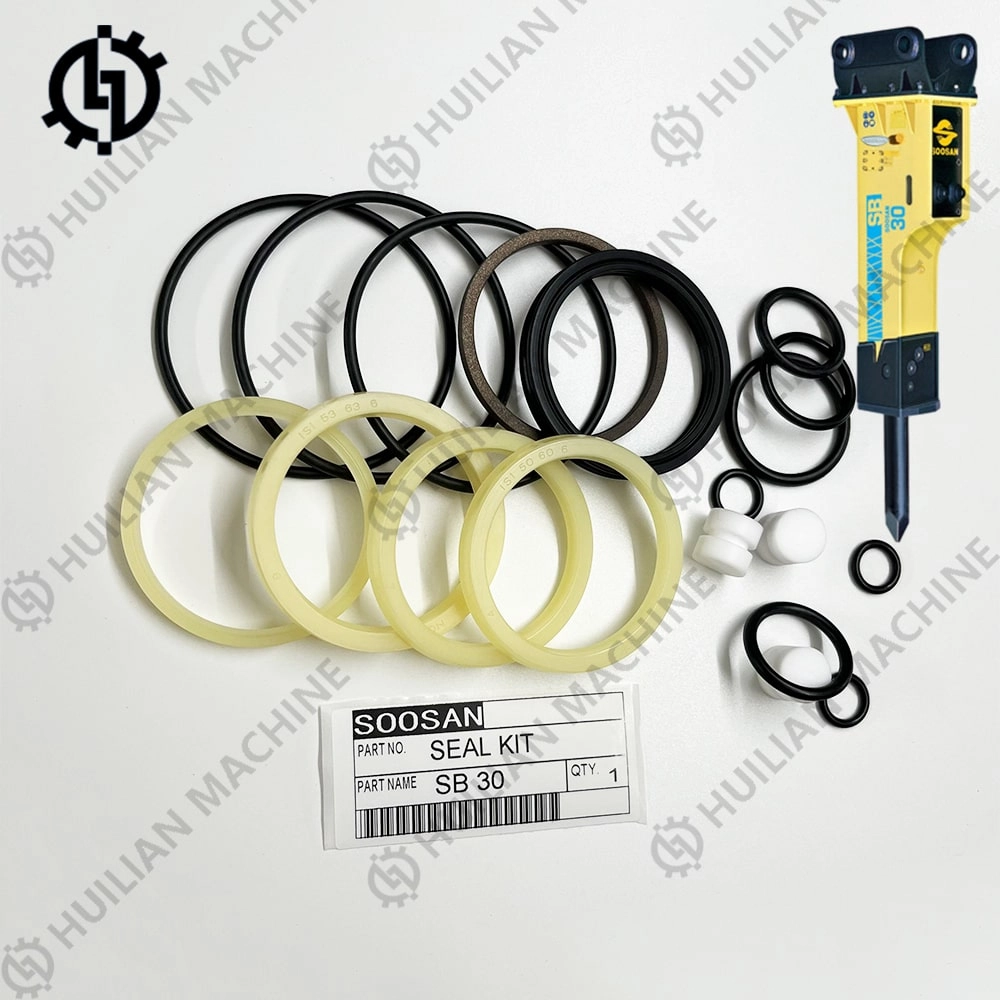
E71012 E7X001 SOOSAN SQ30 SB30Ⅱ SB30 Breaker Seal Kit SB30TS-P SB30Ⅱ TS-P SB30Ⅱ SSL Hydraulic Rock Hammer Parts Oil Repair Kit
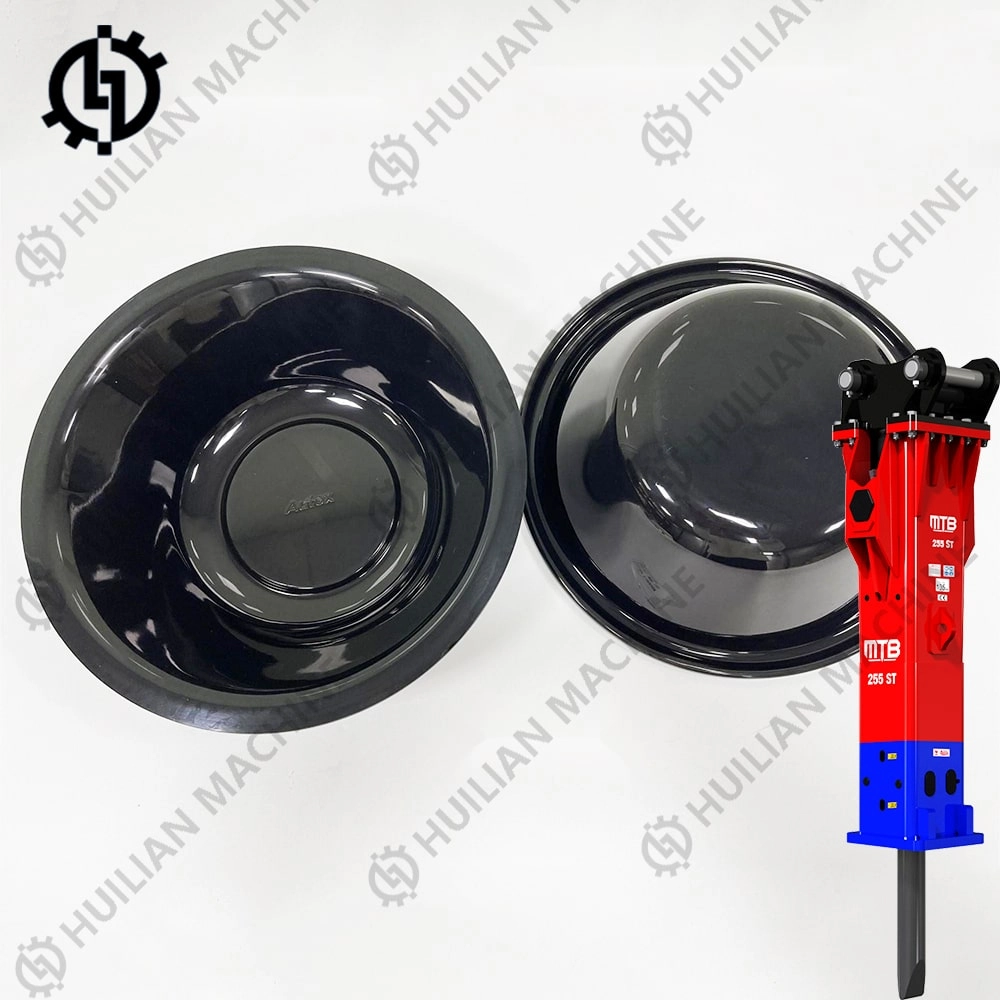
Inan Makina MTB Hydraulic Breaker Parts 45B0116A11 MTB255 MTB MT 255 Diaphragm MTB 255 IQ MTB-255 MTB 255 ST Membrane for Excavator Rock Hammer
 About us
© 2025 HUILIAN MACHINE. All rights reserved