



Box Type vs. Side Type Breakers: Which Design Actually Maximizes Your Excavator’s ROI?
- What is a hydraulic breaker box type for a construction excavator?
- Side Type vs. Box Type: The Engineering Differences
- 1. Structural Rigidity
- 2. Vibration Damping
- ROI Factor 1: Initial Cost vs. Long-Term Durability
- ROI Factor 2: Noise Regulations and Project Eligibility
- ROI Factor 3: Maintenance and Resale Value
- Future-Proofing Your Fleet: 2026 Compliance Standards
- Expert Tips: Matching the Breaker to Your Excavator
- Industry Solution: Huilian Box Type Advantages
- Conclusion & Call to Action
Choosing between a hydraulic breaker box type for a construction excavator and a standard side type is not just a preference—it is a financial strategy. While side-type breakers offer a lower upfront price tag, modern construction economics favor the longevity and compliance of box-type designs. This guide analyzes the Total Cost of Ownership (TCO) to determine which attachment truly drives profit.
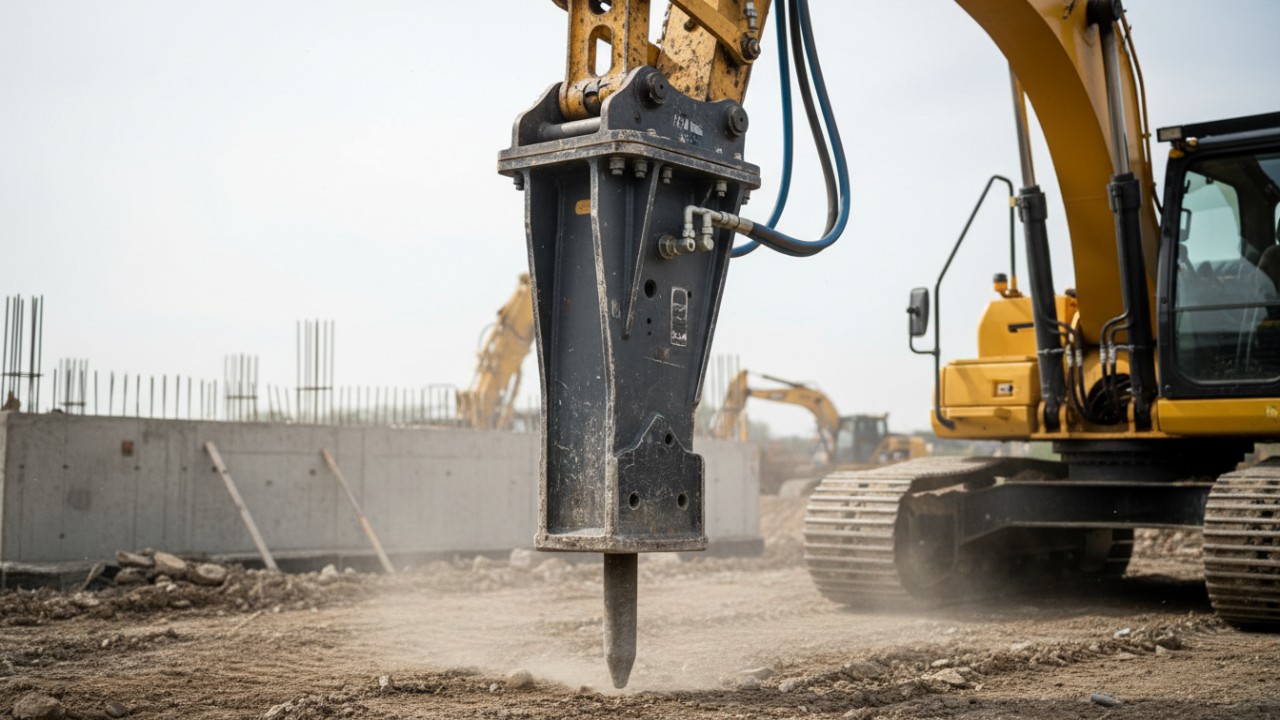
What is a hydraulic breaker box type for a construction excavator?
A hydraulic breaker box type for a construction excavator is a percussion attachment where the hydraulic cell is fully enclosed within a protective steel housing, rather than exposed between two side plates. This design utilizes internal polyurethane buffers to dampen noise and vibration, effectively isolating the impact mechanism from the external environment.
The "Box" design is not merely aesthetic; it is a functional shield. By encasing the piston and cylinder, the breaker is protected from the ingress of abrasive dust and rock debris, which are the primary causes of premature seal failure. Furthermore, the enclosed structure significantly reduces decibel levels, classifying these units as "silenced" breakers, a critical requirement for urban operating permits.
- Key Characteristic: Fully enclosed steel shell.
- Primary Benefit: Noise reduction (up to 10-15 dB) and internal component protection.
- Application: Urban demolition, residential areas, and tunnel construction.
Side Type vs. Box Type: The Engineering Differences
The fundamental difference lies in the frame architecture. Side-type breakers clamp the hydraulic body between two heavy steel plates using long tie rods. Box-type breakers float the hydraulic body inside a sealed box using shock absorbers.
1. Structural Rigidity
- Side Type: The open design leaves the tie rods exposed to lateral stress. If the operator pries with the breaker (a common misuse), the side bolts can stretch or snap, leading to catastrophic failure of the main body.
- Box Type: The box housing absorbs lateral forces, protecting the sensitive hydraulic cell and tie rods from twisting motions.
2. Vibration Damping
- Side Type: Vibrations are transmitted directly from the chisel to the excavator boom. This accelerates wear on the carrier’s pins and bushings.
- Box Type: Internal dampers absorb recoil energy. This protects the excavator’s hydraulic system and improves operator comfort, leading to longer shifts with less fatigue.
ROI Factor 1: Initial Cost vs. Long-Term Durability
While a side-type vs. silenced breaker cost analysis often shows the side type is 15-20% cheaper initially, the long-term data tells a different story. The excavator hammer's total cost of ownership is heavily influenced by the lifespan of the attachment and the carrier machine.
The "Hidden" Costs of Side Types:
- Carrier Wear: High vibration transmission shortens the life of the excavator’s boom and arm.
- Tie Rod Failure: Exposed bolts require frequent retorquing and replacement.
- Resale Value: Open breakers depreciate faster due to visible wear and perceived obsolescence.
The Financial Advantage of Box Types:
- Extended Service Life: The hydraulic cell remains cleaner and cooler, extending seal life by up to 30%.
- Higher Resale Value: Used box breakers command a premium in the secondary market.
- Reduced Carrier Repairs: Protecting the excavator from shock saves thousands in boom repairs over 5 years.
ROI Factor 2: Noise Regulations and Project Eligibility
Compliance is the new currency. As we approach 2026, low-noise rock breaker 2026 regulations are becoming the standard for securing lucrative government and urban contracts.
According to the Occupational Safety and Health Administration (OSHA), permissible noise exposure is strictly limited, with action levels starting at 85 dBA. Traditional side-type breakers frequently exceed 115 dBA, which can legally force a job site to shut down or restrict operating hours to short windows, destroying productivity.
Why Silence Equals Profit:
- Extended Hours: Silenced box breakers often qualify for 12-hour work windows in cities, compared to 6-hour windows for standard breakers.
- Site Access: Hospitals, schools, and residential zones strictly ban non-silenced equipment.
- Future Proofing: The European Commission is continuously updating the Outdoor Noise Directive (2000/14/EC), and global markets follow these trends. Investing in a loud breaker today risks owning an asset you cannot use tomorrow.
ROI Factor 3: Maintenance and Resale Value
A comprehensive hydraulic breaker maintenance comparison reveals that while side types offer easier visual inspection, they require more frequent intervention.
Maintenance Breakdown:
- Greasing: Both types require auto-greasing or manual intervals every 2 hours.
- Seal Kits: Box types prevent dust entry, significantly prolonging the life of the hydraulic seals.
- Dampers: Box types utilize top and side buffers. These must be checked every 500 hours but are inexpensive to replace compared to a cracked side plate.
Resale Reality: In the used equipment market, buyers associate "Box Type" with "Modern" and "Side Type" with "Outdated." A well-maintained box breaker can retain 50-60% of its value after 3 years, whereas a side type often drops to 30-40% due to cosmetic and structural degradation.
Future-Proofing Your Fleet: 2026 Compliance Standards
The construction industry is pivoting toward sustainability and reduced noise pollution. By 2026, many metropolitan tenders will likely mandate "Green Site" certifications, which penalize noise pollution as heavily as carbon emissions.
Risks of Ignoring Trends:
- Fines: Increasing penalties for noise violations.
- Obsolescence: Inability to resell loud equipment to reputable contractors.
- Contract Disqualification: Automatic exclusion from bids requiring <90 dBA at the perimeter.
Contractors who standardize on box-type breakers today are effectively buying an insurance policy against future regulatory tightening.
Expert Tips: Matching the Breaker to Your Excavator
To maximize the ROI of your box-type breaker, proper matching is non-negotiable. It is not just about weight; it is about hydraulic flow and pressure.
Selection Checklist:
- Flow Rate (L/min): Ensure your excavator's auxiliary pump matches the breaker's requirement. Too much flow causes overheating; too little causes low impact power.
- Operating Pressure: Set the relief valve correctly. Excess pressure blows seals instantly.
- Application:
- Demolition: Box type is mandatory to protect against falling concrete.
- Quarrying: Side Type is acceptable if the site is remote and cooling is the primary concern, though Box is still preferred for durability.
Industry Solution: Huilian Box Type Advantages
At Guangzhou Huilian Machines Co., Ltd., we have optimized the box-type design to deliver maximum impact energy with minimal recoil. Founded in 2005, Huilian has spent nearly two decades refining the balance between power and protection.
Our Huilian Box Series features:
- Enhanced Soundproofing: Proprietary damping materials that exceed standard noise reduction metrics.
- Reinforced Housing: High-grade steel shells designed to withstand the harshest demolition environments.
- OEM Compatibility: We manufacture our own seal kits, pistons, and wear bushes, ensuring that replacement parts are always available and perfectly fitted.
Contractors using Huilian box breakers report a 40% reduction in carrier vibration and significantly lower long-term maintenance costs compared to generic side-type alternatives.
Conclusion & Call to Action
While the side-type breaker may save you money on day one, the box-type breaker wins the marathon. Through superior protection, compliance with 2026 noise regulations, and higher resale value, the box design delivers a far superior total cost of ownership. For contractors serious about profitability and fleet longevity, the choice is clear.
Contact Huilian today to discuss your specific needs and secure the right attachment for your fleet.


About
How can I ensure I’m selecting the right part for my equipment?
Our expert team can assist you in finding the right part based on your machine model, specifications, and requirements. Contact us for personalized support.
What is your shipping and delivery time?
We offer fast and reliable global shipping. Delivery times vary depending on location and order size, but we strive to process and ship orders as quickly as possible.
What types of excavator parts do you offer?
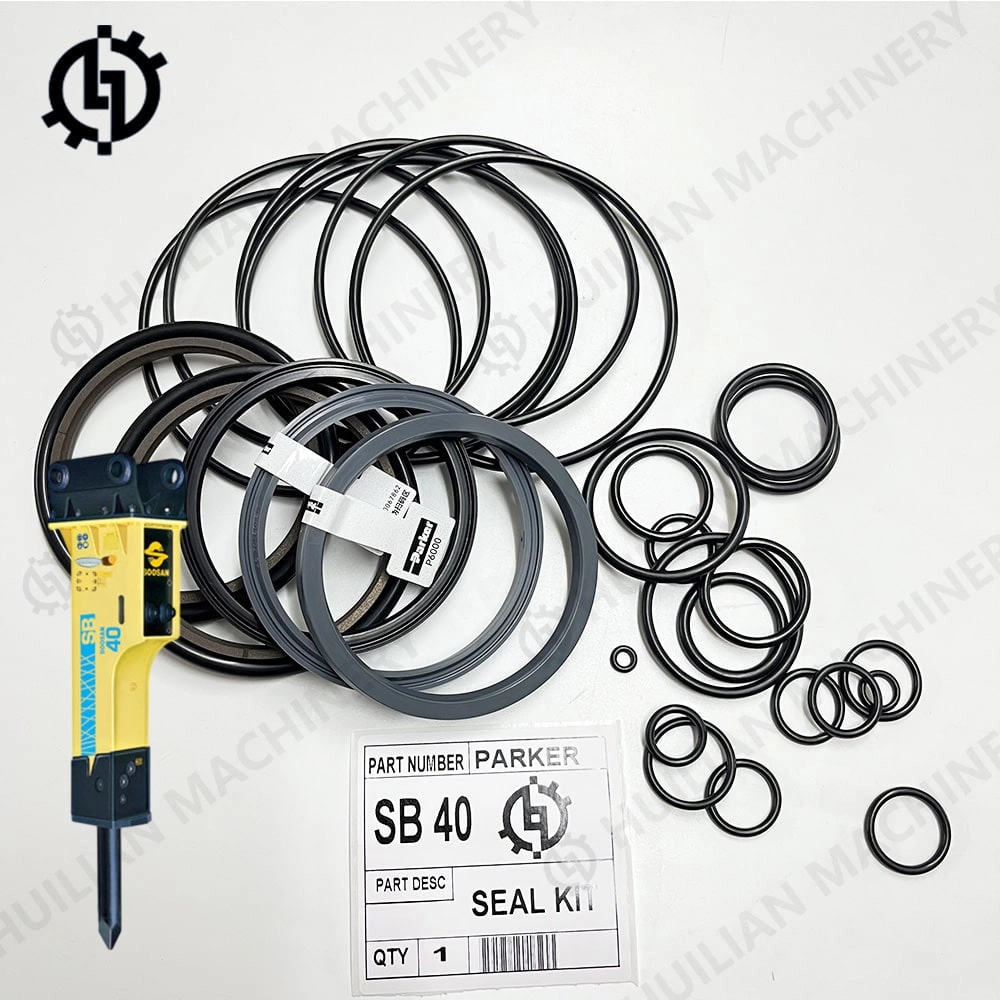
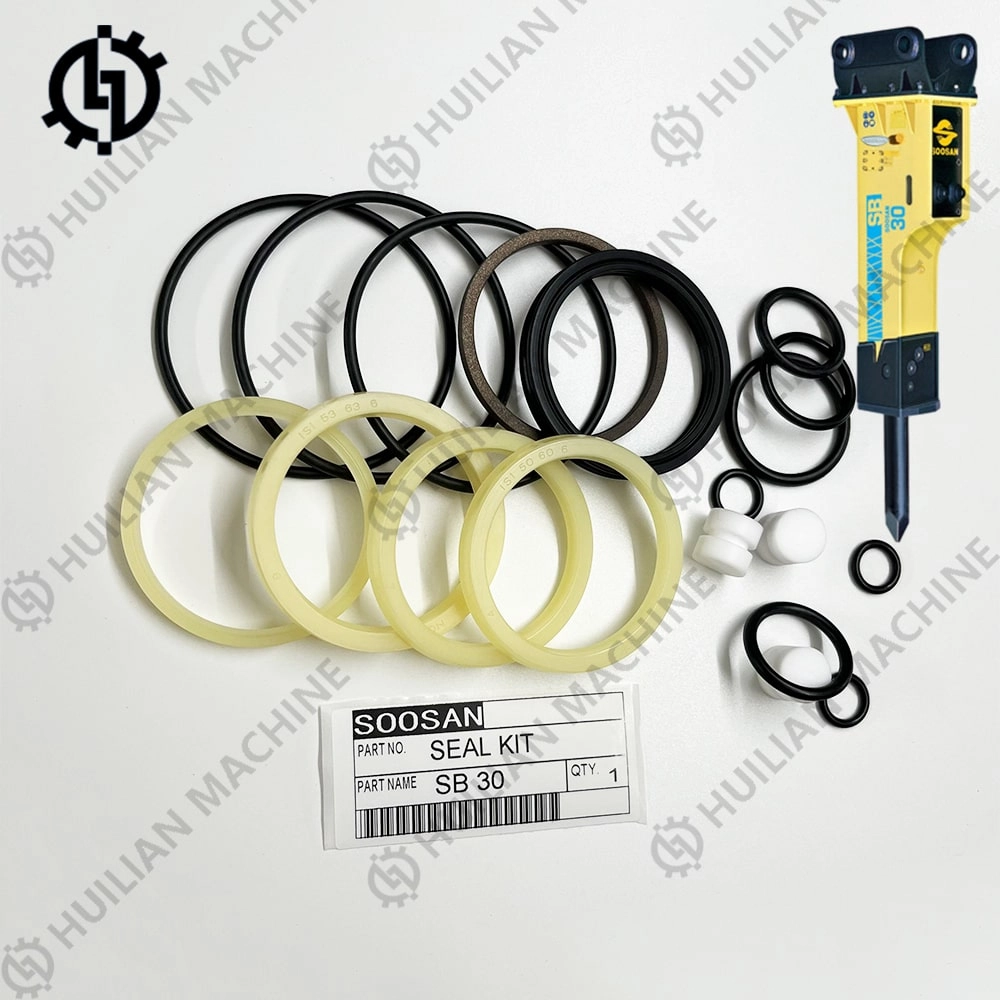
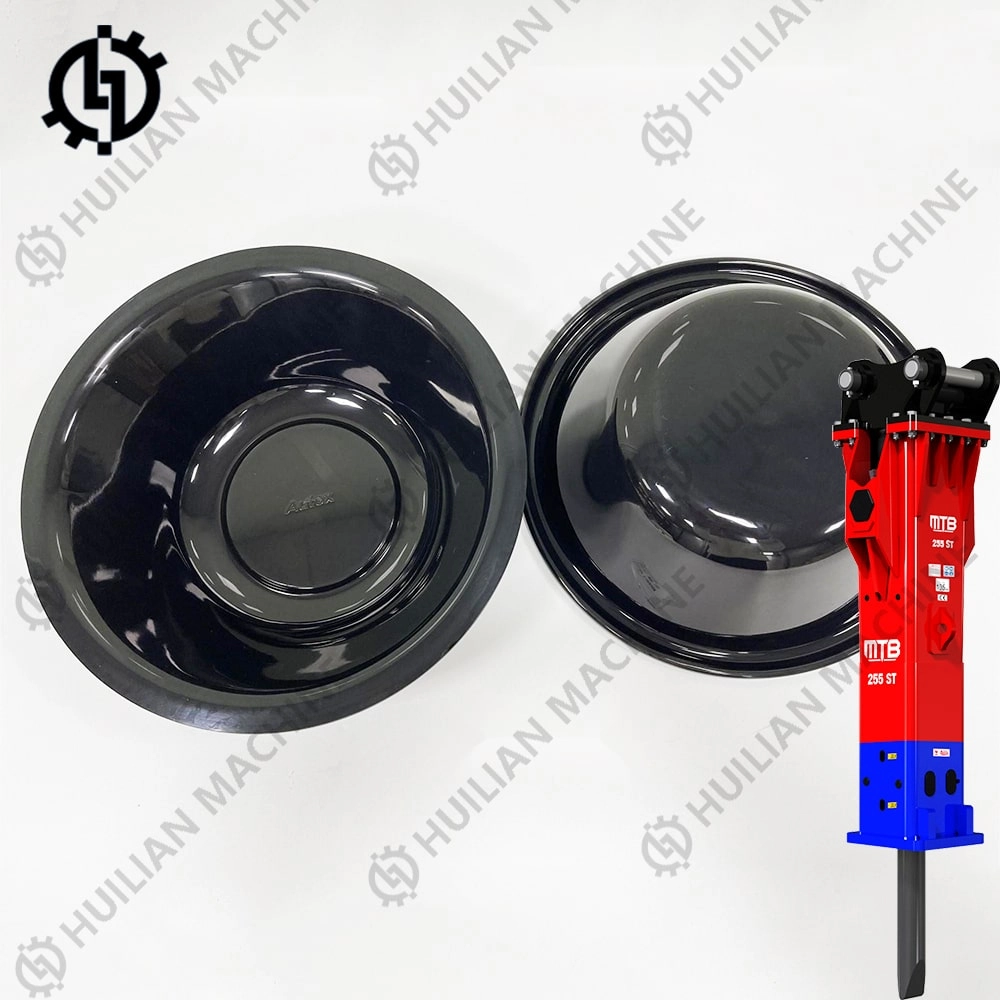
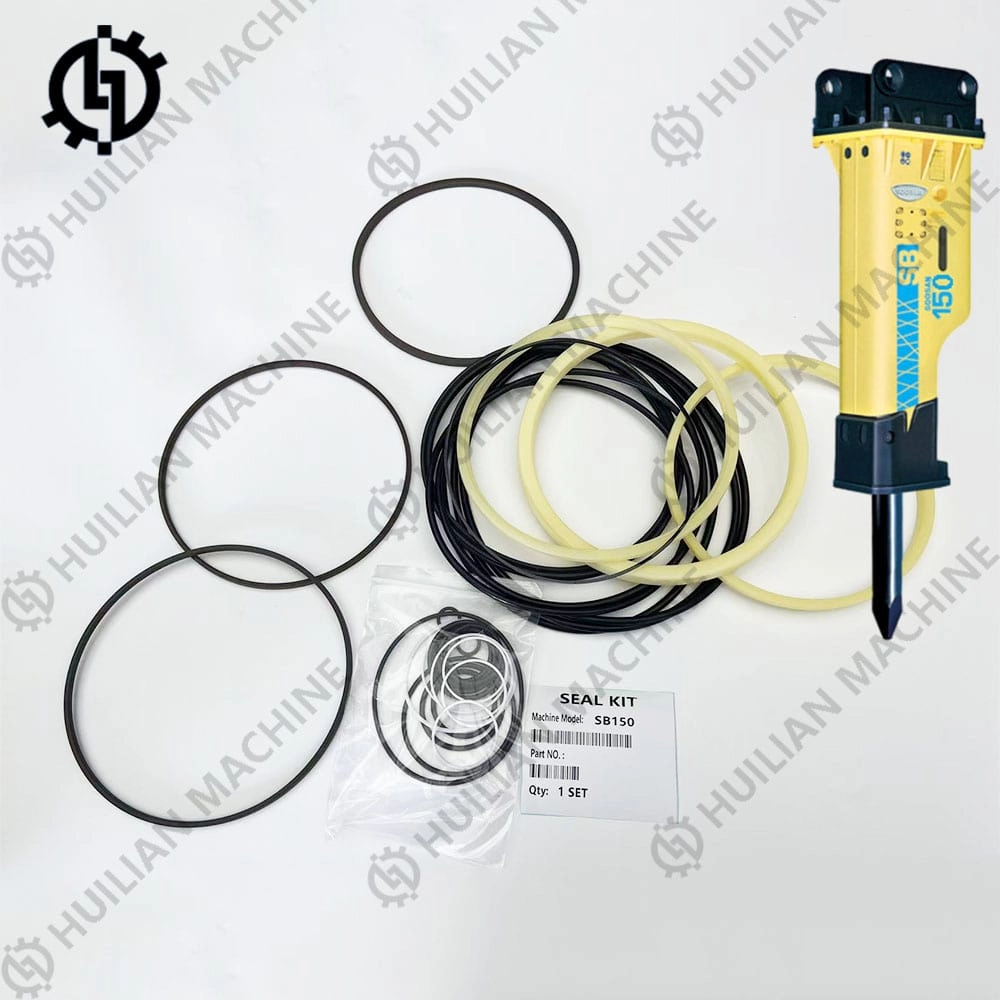
We provide a wide range of high-quality excavator parts, including hydraulic breakers, chisels, seal kits, diaphragms, pistons, wear bushes, retainer bars, through bolts, side bolts, valves, and liners.
Are your parts compatible with all excavator brands?
Yes, our parts are designed to be compatible with major brands like Komatsu, Caterpillar, Hitachi, Hyundai, Doosan, JCB, Kobelco, Sany, and many more.
Do you offer OEM and aftermarket parts?
Yes, we manufacture high-quality OEM parts and supply aftermarket parts from top brands such as NOK, Parker, SKF, and Hallite to ensure optimal performance.




Getting started is easy 
Contact with our experts to find the best excavator parts solutions for your needs. Discover how Huilian can enhance your equipment's performance and efficiency.


Get in touch
 About us
© 2025 HUILIAN MACHINE. All rights reserved