



7 Must-Have Spare Excavator Breaker Parts to Prevent Costly Job Site Downtime
- What Are Excavator Breaker Parts?
- Quick Summary: The True Cost of Breaker Downtime
- 1. Seal Kits: The First Line of Defense
- 2. Spare Chisels and Working Tools
- 3. Retainer Pins (Chisel Pins)
- 4. Accumulator Diaphragms and Bladders
- 5. Tie Rods (Through Bolts)
- 6. Wear Bushings
- 7. Hydraulic Hoses and Quick Connect Fittings
- Expert Tips & Common Mistakes When Managing Spares
- 2026 Trends: The Future of Predictive Breaker Maintenance
- Industry Leading Solutions: Sourcing Reliable Spares
- Frequently Asked Questions (FAQ)
- How often should excavator breaker parts be replaced?
- What happens if a hydraulic breaker runs out of nitrogen?
- Can I use aftermarket spare parts for my rock breaker?
- How do I know if my breaker seal kit is blown?
- What is the best grease to use for excavator breakers?
- Conclusion
Heavy construction and demolition environments demand relentless reliability from your heavy machinery. When a hydraulic hammer fails on a demanding job site, operations grind to a devastating halt, burning through wages and project timelines. To maintain consistent productivity and project profitability, proactively stocking the right hydraulic hammer components is absolutely essential. This comprehensive guide reveals the seven critical spare parts you need to keep on hand, helping you transition from a reactive repair strategy to an optimized, highly profitable operation.
What Are Excavator Breaker Parts?
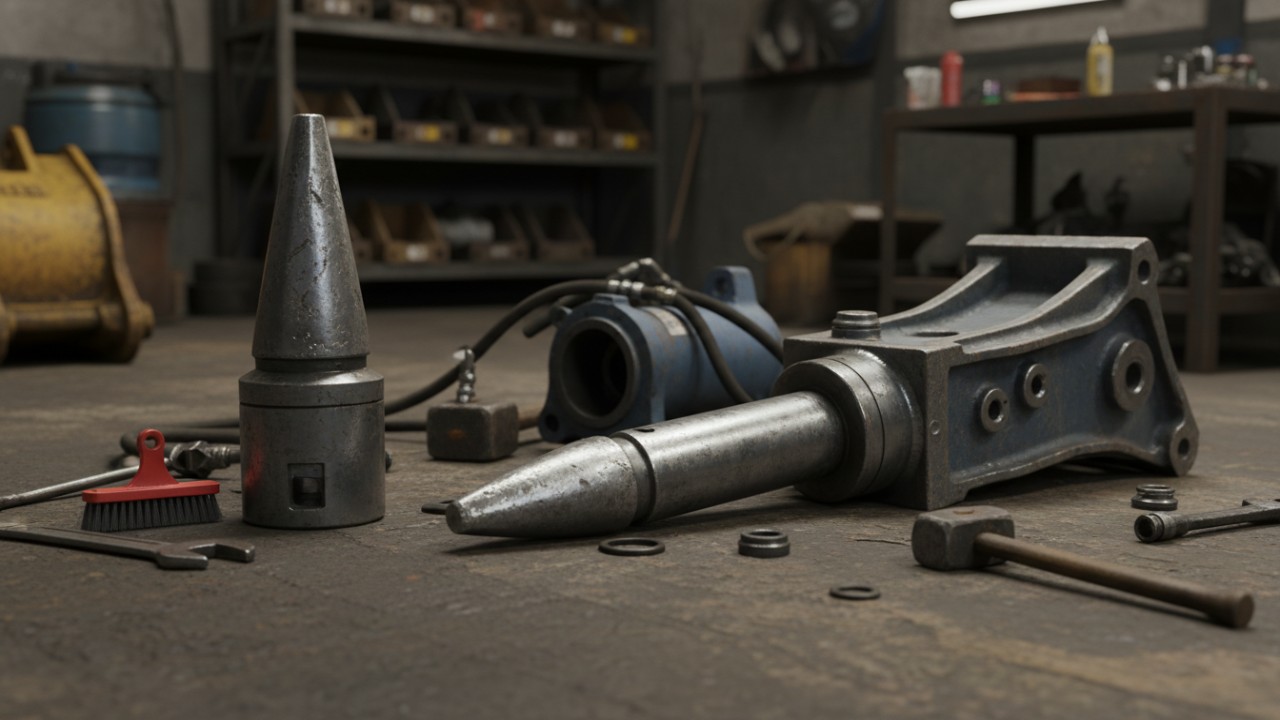
Excavator breaker parts are the individual hydraulic and mechanical components—such as pistons, seal kits, chisels, and tie rods—that assemble into a functional hydraulic hammer attachment used for breaking tough concrete and rock on job sites.
These highly stressed elements work in perfect synchronization to convert pressurized hydraulic fluid into intense kinetic impact energy. Regularly replacing these critical wear parts prevents catastrophic attachment failure, protects the main carrier machine, and significantly extends the operational lifespan of your heavy equipment. Understanding how these parts function is the first step in effective fleet management.
- Hydraulic Conversion: Transforms fluid flow from the excavator into mechanical striking force.
- Wear Resistance: Built from hardened steel and high-temperature elastomers to survive extreme physical abuse.
- Modular Design: Allows for the rapid on-site replacement of damaged components without needing to replace the entire attachment.
Quick Summary: The True Cost of Breaker Downtime
The true cost of breaker downtime is the severe financial loss—often ranging from hundreds to thousands of dollars per hour—caused by an idle excavator waiting for emergency replacement parts, which ultimately destroys project margins and delays critical milestones.
Waiting for emergency overnight shipping on a blown seal kit or a snapped tie rod introduces crippling delays to your workflow. Proactively investing in a dedicated on-site spare parts kit yields a massive return on investment (ROI) by converting days of logistical nightmares into mere hours of routine maintenance.
- Lost Productivity: An idle machine means operators and ground crews are paid to wait while earthmoving tasks stall.
- Emergency Fees: Rush shipping and expedited dealer service calls carry massive premium price tags.
- Schedule Penalties: Missing critical path deadlines can trigger harsh contractual fines and damage your company's reputation.
1. Seal Kits: The First Line of Defense
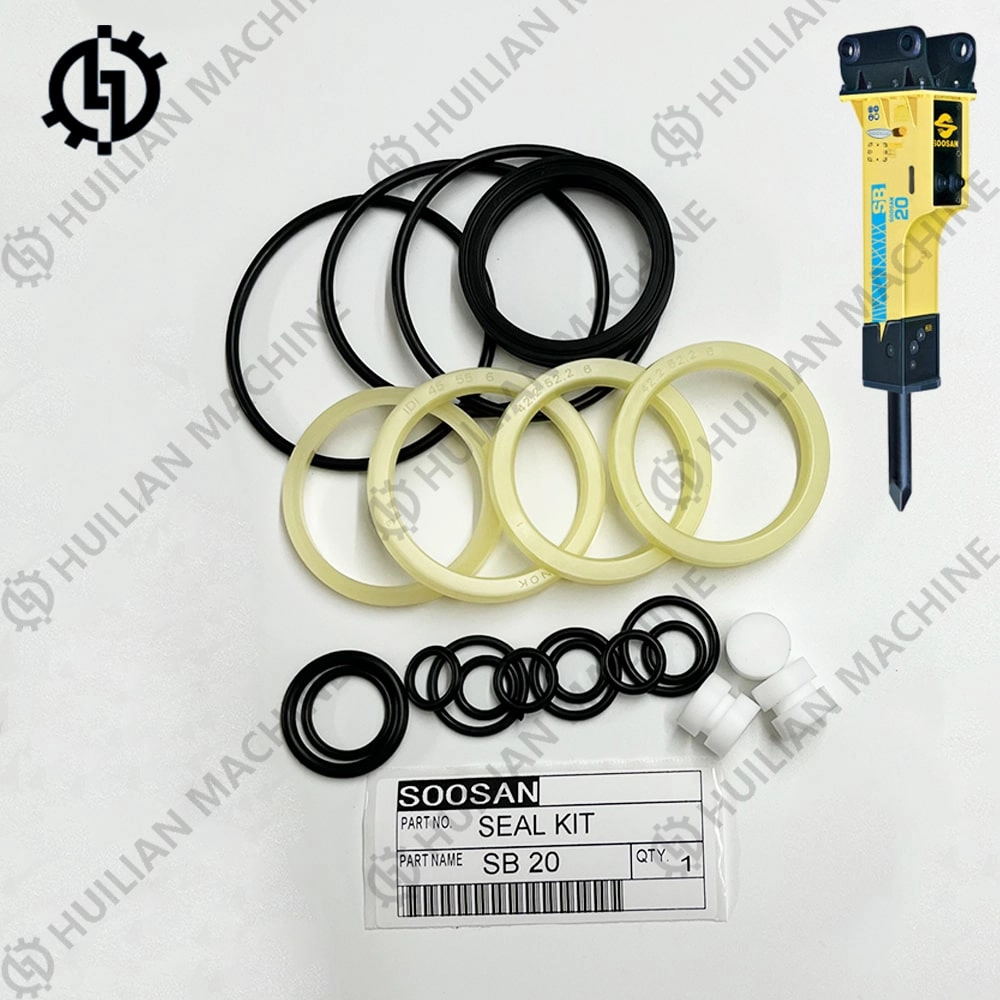
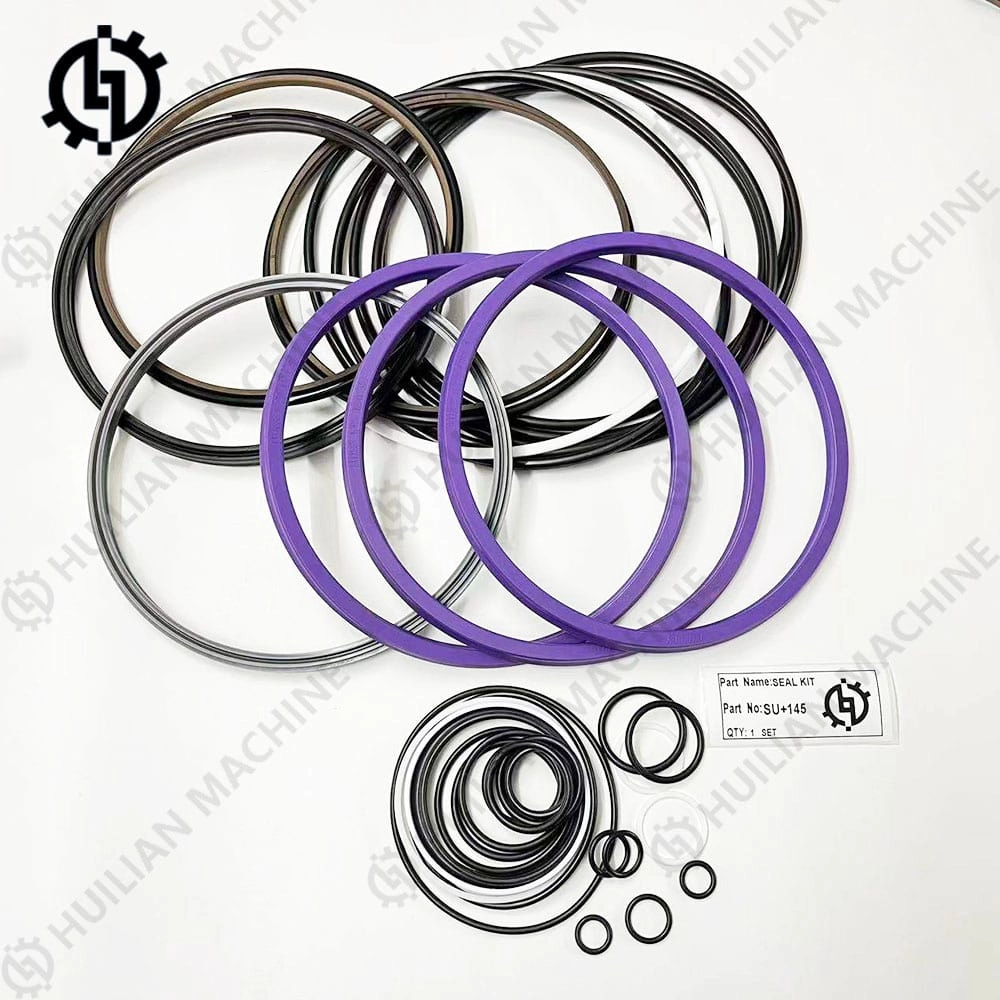
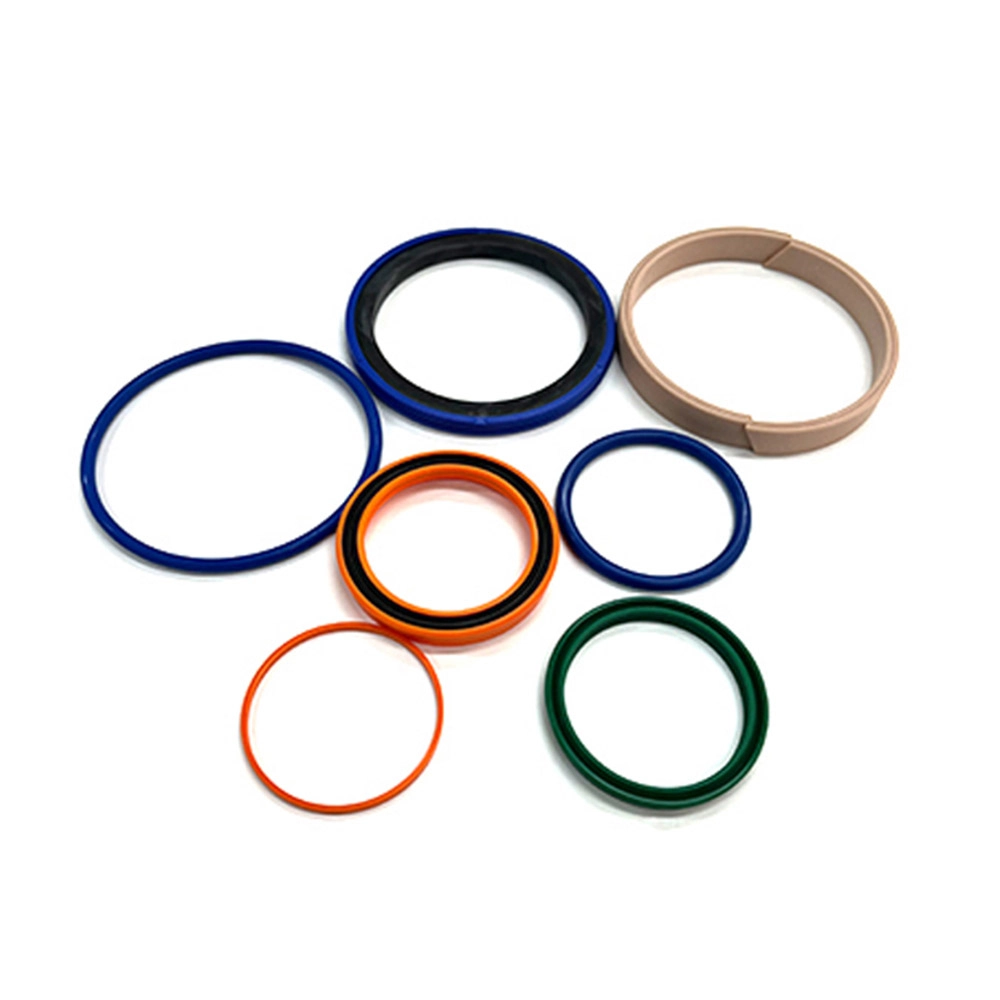
A rock breaker seal kit is a collection of high-temperature rubber and polyurethane O-rings, wipers, and step seals designed to contain pressurized hydraulic fluid and prevent abrasive job site dust from contaminating the hammer's internal cylinder.
Hydraulic breakers operate under extreme fluid pressure and intense friction, making seals highly susceptible to blowout, thermal degradation, or physical tearing. Replacing worn seals promptly protects the primary piston and cylinder from catastrophic metal-on-metal scoring.
- Leak Prevention: Ensures minor oil leaks can be patched immediately before system pressure drops.
- Contamination Barrier: Keeps destructive silica dust, dirt, and moisture out of the hydraulic oil.
- Cost Efficiency: A low-cost seal kit saves thousands of dollars in major internal cylinder repairs.
2. Spare Chisels and Working Tools
The chisel, or working tool, is the primary impact component of the breaker that makes direct physical contact with the material, taking the absolute brunt of the kinetic force generated by the hydraulic piston.
Stocking spare moil, blunt, and conical points allows operators to rapidly adapt to changing rock or concrete conditions without ever leaving the site. Rotating working tools routinely prevents uneven wear and dangerous mushrooming of the strike face.
- Moil Points: Ideal for general trenching, utility work, and breaking standard concrete slabs.
- Blunt Tools: Best for the secondary breaking of large boulders and highly abrasive igneous rock.
- Chisel (Flat) Points: Perfect for precision cutting, trench profiling, and scaling operations.
3. Retainer Pins (Chisel Pins)
Retainer pins are hardened steel locking bars that secure the working tool inside the lower breaker housing while simultaneously absorbing massive downward and lateral shock during continuous hammering operations.
These pins wear down steadily over time due to intense friction. A heavily worn or galled pin can cause the chisel to strike out of alignment, severely damaging the internal piston. Swapping out flattened chisel pins and bushings takes only minutes but saves thousands in internal rebuild costs.
- Tool Retention: Prevents the heavy chisel from falling out of the housing during operation.
- Shock Absorption: Takes the lateral stress off the main cylinder housing to prevent cracking.
- Alignment Protection: Maintains the strict striking tolerances required for optimal energy transfer.
4. Accumulator Diaphragms and Bladders
An accumulator diaphragm is a flexible rubber membrane housed within the breaker's gas chamber that separates pressurized nitrogen gas from the hydraulic fluid, acting as a crucial shock absorber and power amplifier.
The accumulator stores nitrogen gas to absorb hydraulic spikes and power the downward stroke of the piston. A ruptured diaphragm completely halts breaker operation and causes erratic, weak striking. Keeping a spare bladder and a nitrogen charging kit ensures the hammer maintains optimal striking power at all times.
- Power Amplification: Delivers the rapid burst of energy needed for the crushing impact stroke.
- Shock Mitigation: Protects the excavator's main hydraulic pump from destructive back-pressure spikes.
- Consistent Operation: Prevents the hammer from "chattering" or losing its baseline striking force.
5. Tie Rods (Through Bolts)
Tie rods, also known as through bolts, are the four long, high-strength structural fasteners that hold the entire hydraulic hammer assembly—including the upper, middle, and lower cylinders—tightly clamped together.
Extreme vibration inevitably causes metal fatigue, leading to sudden and violent tie rod snapping. Having a spare set of tie rods allows operators to safely torque the hammer back to factory specifications without waiting for dealer parts. According to safety guidelines published by the Occupational Safety and Health Administration (OSHA), strict adherence to hydraulic maintenance and proper torque procedures is mandatory to prevent dangerous structural failures and high-pressure fluid hazards.
- Structural Integrity: Prevents the heavy cylinder blocks from separating under extreme internal pressure.
- Fatigue Resistance: Specifically heat-treated to stretch slightly and absorb continuous shockwaves.
- Safety Assurance: Reusing slightly stretched or fatigued tie rods during a rebuild severely compromises operator safety.
6. Wear Bushings
Wear bushings are cylindrical, hardened steel sleeves pressed into the lower housing of the breaker that guide the chisel up and down, maintaining the strict dimensional tolerances required for a perfectly centered piston strike.
Excessive clearance due to worn bushings allows the chisel to tilt and misalign with the piston strike face, leading to devastating internal galling and piston failure. On-site replacement of wear bushings preserves the core structural integrity of the cylinder and ensures maximum energy transfer.
- Precision Guidance: Keeps the working tool perfectly aligned with the descending piston.
- Friction Reduction: Provides a smooth, continuously greased surface for the chisel to slide against.
- Housing Protection: Takes the physical wear so the expensive lower hammer block remains undamaged.
7. Hydraulic Hoses and Quick Connect Fittings
Hydraulic hoses are the reinforced, flexible rubber conduits that deliver highly pressurized hydraulic fluid from the carrier excavator directly into the breaker attachment's power cell.
Flying rock debris, sharp rebar, and constant mechanical vibration make breaker hoses highly vulnerable to slicing, rubbing, or bursting. A blown hose immediately stops production and creates hazardous environmental oil spills. Keeping pre-made spare hoses and high-pressure fittings guarantees a rapid fix for the most common job site failure.
- Fluid Delivery: Ensures the uninterrupted, high-pressure flow of hydraulic oil to the hammer.
- Burst Protection: Built with multiple layers of braided steel wire to handle extreme pressure spikes.
- Spill Prevention: Quick-connect fittings prevent catastrophic fluid loss and environmental hazards during attachment swaps.
Expert Tips & Common Mistakes When Managing Spares
Managing excavator attachment spares involves the systematic storage, cataloging, and preservation of replacement parts on a job site to ensure they remain in pristine condition until the exact moment they are needed.
Many operators fail to realize that improper storage ruins parts before they are ever installed. Storing rubber seal kits in hot, unventilated service trucks causes them to dry rot and crack. Proper inventory management is a critical component of professional hydraulic breaker maintenance.
- Climate Control: Keep seal kits and rubber diaphragms in a temperature-controlled environment away from direct UV light.
- Rust Prevention: Generously coat spare chisels, retainers, and tie rods in anti-seize paste or heavy oil before long-term storage.
- Hardware Integrity: Never reuse stretched tie rods, crushed washers, or cracked bolts during a routine hammer rebuild.
2026 Trends: The Future of Predictive Breaker Maintenance
Predictive breaker maintenance is the advanced, data-driven approach of using IoT sensors and machine learning algorithms to monitor equipment health and accurately forecast component failures before they cause unplanned downtime.
By 2026, IoT-enabled impact sensors will become standard on job sites, pinging operators' smartphones when a chisel pin is nearing the end of its fatigue life. As defined by enterprise software leaders like SAP, predictive maintenance works by capturing and analyzing equipment data in real-time to forecast potential issues before they lead to catastrophic mechanical failure.
- IoT Sensors: Rugged devices that track vibration, heat generation, and total impact hours in real-time.
- Fluid Analysis: Smart diagnostics that detect microscopic rubber particulates, accurately predicting seal blowouts weeks in advance.
- Automated Inventory: Cloud-based software that automatically orders spare parts based on predictive wear data and usage trends.
Industry Leading Solutions: Sourcing Reliable Spares
High-quality aftermarket replacement parts are precision-machined components designed to meet or exceed strict Original Equipment Manufacturer (OEM) specifications, ensuring maximum durability in brutal demolition environments.
Not all aftermarket parts can withstand the brutal operating environment of a rock quarry or demolition site. Cheap, unverified parts often cause rapid wear and severe misalignments. Partnering with a proven manufacturer like Guangzhou Huilian Machines Co., Ltd ensures your fleet is equipped with industry-leading reliability. Founded in 2005, Huilian is a professional OEM supplier and a leading manufacturer of excavator breaker parts in China, proudly exporting to over 90 countries worldwide.
- Comprehensive Inventory: Access a wide range of premium products including Huilian hydraulic breaker hammers, chisels, seal kits, diaphragms, pistons, WearBush, and retainer bars.
- Global Reach: Trusted by construction and demolition professionals in over 90 countries for uncompromised quality and variety.
- Expert Support: Backed by highly skilled technicians, R&D experts, and a dedicated 24/7 after-sales service team.
Frequently Asked Questions (FAQ)
How often should excavator breaker parts be replaced?
Replacement frequency depends entirely on usage intensity, operator skill, and material hardness. Wear items like retainer pins and bushings should be inspected weekly and replaced when tolerances exceed manufacturer specifications. Meanwhile, seal kits generally require replacement every 600 to 1,000 operating hours to prevent internal fluid leaks.
What happens if a hydraulic breaker runs out of nitrogen?
If a breaker loses nitrogen, it immediately loses its striking power and energy efficiency. Running without proper nitrogen pressure forces the excavator's hydraulic system to absorb the full, violent shock of the impact, which often leads to severe, expensive damage to both the excavator's hydraulic pump and the breaker's internal components.
Can I use aftermarket spare parts for my rock breaker?
Yes, high-quality aftermarket parts can be used safely if they are precision-machined to match exact OEM specifications. However, cheap or unverified aftermarket parts can cause rapid wear, internal misalignments, and catastrophic failures. Always source aftermarket parts from reputable, specialized suppliers with a track record of quality.
How do I know if my breaker seal kit is blown?
The most obvious indicator of a blown seal kit is hydraulic fluid actively leaking down the working tool or pooling around the lower housing of the hammer. Operators may also experience a sudden, noticeable drop in striking power, or detect excessive heat buildup in the hammer block due to internal friction and fluid bypass.
What is the best grease to use for excavator breakers?
Always use a specialized, high-temperature chisel paste or molybdenum disulfide (moly) grease. Standard chassis grease will simply melt away under the extreme heat and friction of a hydraulic hammer. Proper breaker grease contains solid lubricants like copper or graphite that physically stay in place under intense pressure.
Conclusion
Maximizing job site profitability means anticipating mechanical failures before they happen and having the right contingency plans in place. By actively keeping critical excavator breaker parts—such as seal kits, chisels, retainer pins, tie rods, and hydraulic hoses—in stock, you guarantee your machines keep hammering away, completely bypassing the catastrophic costs of unplanned downtime. Transitioning from reactive repairs to a proactive, well-stocked maintenance strategy is the ultimate key to dominating your project timelines and protecting your bottom line.
Contact Guangzhou Huilian Machines Co., Ltd today to discuss your specific excavator parts needs and secure your on-site spare inventory.


About
Do you offer OEM and aftermarket parts?
Yes, we manufacture high-quality OEM parts and supply aftermarket parts from top brands such as NOK, Parker, SKF, and Hallite to ensure optimal performance.
What types of excavator parts do you offer?
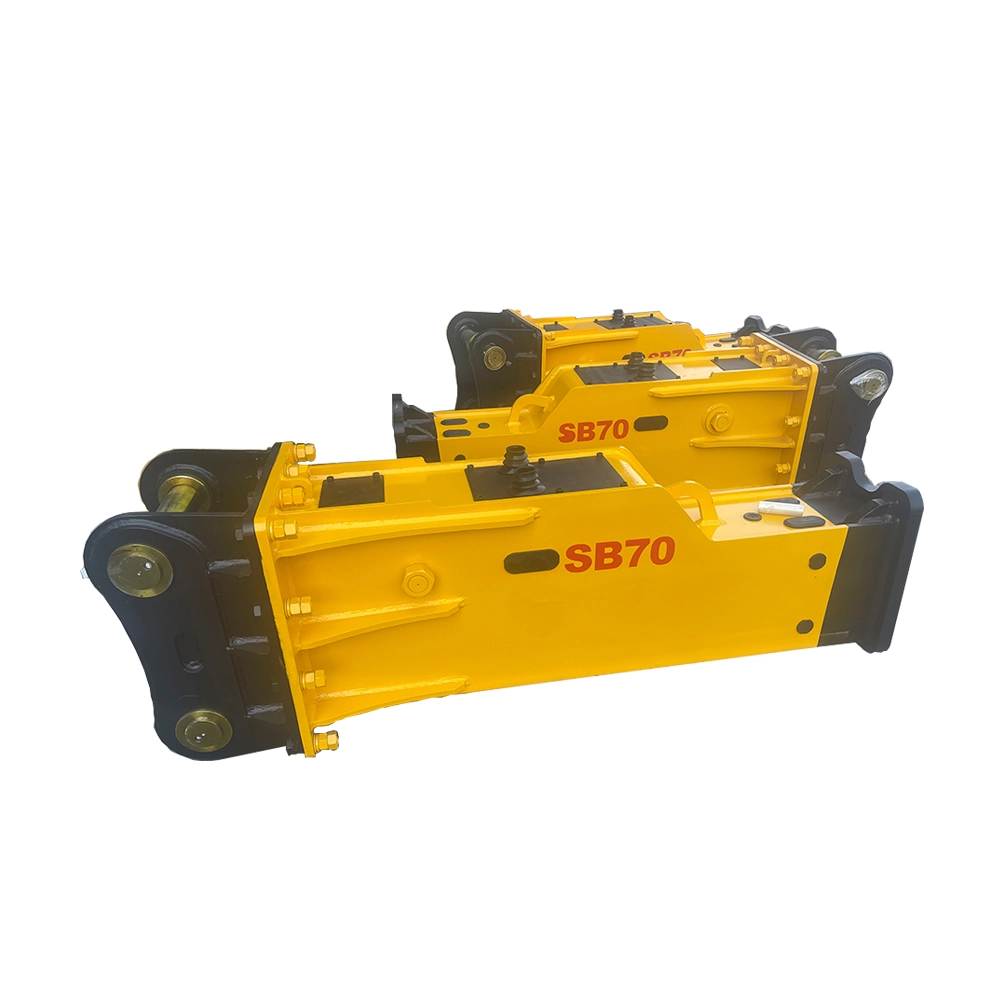
We provide a wide range of high-quality excavator parts, including hydraulic breakers, chisels, seal kits, diaphragms, pistons, wear bushes, retainer bars, through bolts, side bolts, valves, and liners.
What is your shipping and delivery time?
We offer fast and reliable global shipping. Delivery times vary depending on location and order size, but we strive to process and ship orders as quickly as possible.
How can I ensure I’m selecting the right part for my equipment?
Our expert team can assist you in finding the right part based on your machine model, specifications, and requirements. Contact us for personalized support.
Are your parts compatible with all excavator brands?
Yes, our parts are designed to be compatible with major brands like Komatsu, Caterpillar, Hitachi, Hyundai, Doosan, JCB, Kobelco, Sany, and many more.



Getting started is easy 
Contact with our experts to find the best excavator parts solutions for your needs. Discover how Huilian can enhance your equipment's performance and efficiency.


Get in touch
 About us
© 2025 HUILIAN MACHINE. All rights reserved