



Excavator Rock Breaker vs. Blasting: Which Method is More Cost-Effective for Your Project in 2026?
- What is the Difference Between an Excavator Rock Breaker and Blasting?
- Key Takeaways: Quick Summary for Project Managers
- Cost Breakdown: Excavator Rock Breaker vs. Traditional Blasting
- How Rock Hardness Levels Impact Your Choice
- Expert Tips and Common Mistakes in Rock Excavation
- Industry-Leading Solutions: Optimizing Your Excavation Fleet
- Frequently Asked Questions (FAQ)
- How does an excavator rock breaker work?
- Is rock breaking cheaper than blasting?
- What size excavator do I need for a rock breaker?
- How many cubic meters can a rock breaker break in a day?
- Can a hydraulic breaker replace drilling and blasting completely?
- What is the 15-second rule for hydraulic rock breakers?
- How do you maintain an excavator rock breaker?
- What are the environmental advantages of a rock breaker over blasting?
- Conclusion
What is the Difference Between an Excavator Rock Breaker and Blasting?
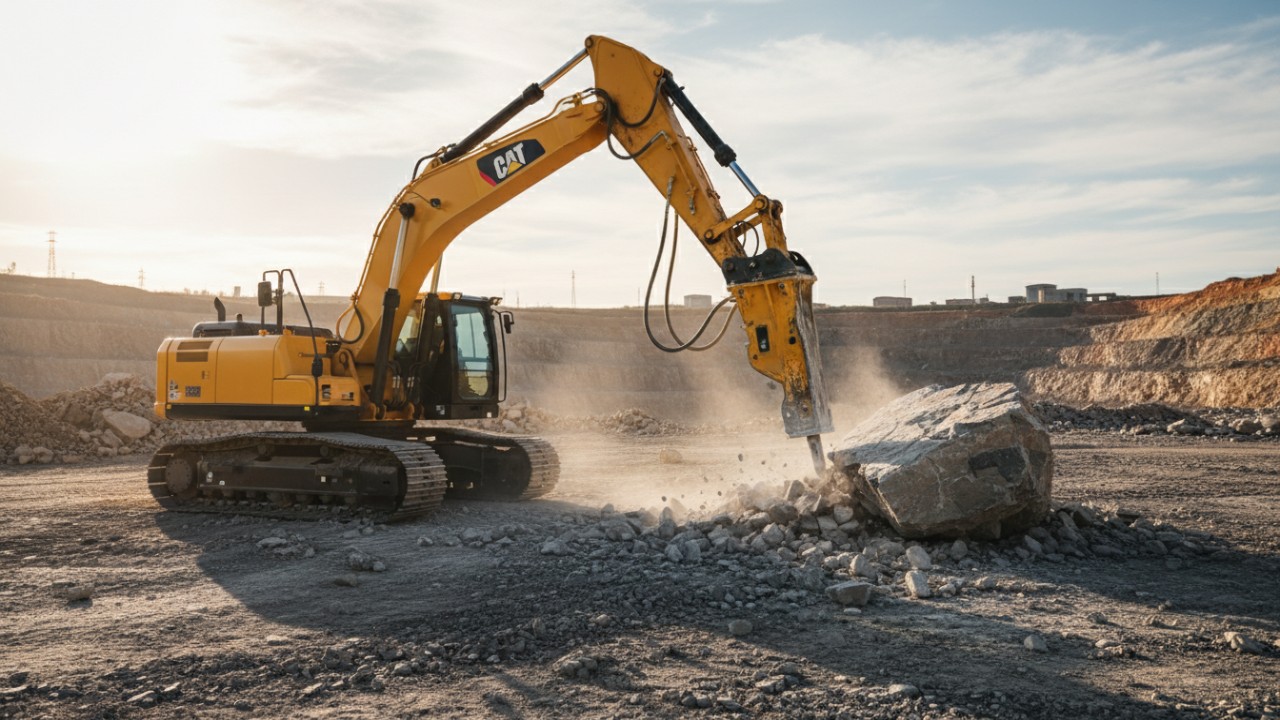
An excavator rock breaker is a heavy-duty hydraulic attachment that uses pressurized fluid to strike a chisel, systematically fracturing rock, whereas blasting utilizes explosive materials to instantly fracture massive volumes of earth across a wide area.
While blasting has traditionally been the go-to method for massive open-pit mining operations, mechanical breakers provide precise, controlled excavation without generating dangerous seismic shockwaves. This unmatched precision makes them the premier blasting alternative construction method, particularly ideal for urban environments, environmentally sensitive areas, or highly targeted utility trenching projects. Understanding the mechanical foundations of both approaches is the essential first step in performing a comprehensive rock excavation cost analysis.
- Excavator Rock Breakers: Utilize continuous mechanical and hydraulic force to dismantle rock piece by piece safely.
- Drill and Blast: Relies on volatile chemical reactions to move massive bulk volumes simultaneously, requiring extreme caution and planning.
Key Takeaways: Quick Summary for Project Managers
Rock breakers offer lower regulatory costs and eliminate explosive-related safety downtime, while traditional blasting is faster for bulk volume removal but incurs exceptionally high permit, security, and environmental compliance expenses.
The ultimate cost-effectiveness of either method depends heavily on the scale of your operation, the exact rock hardness, and strict site location restrictions. As urban expansion continues, strict noise and vibration regulations increasingly dictate project feasibility.
- Safety and Compliance: According to the Mine Safety and Health Administration (MSHA), flyrock is responsible for a large proportion of blasting-related injuries, necessitating strict site clearance and costly safety barricades.
- Timeline Stability: Mechanical breaking completely avoids the unpredictable, multi-day delays associated with acquiring municipal blasting permits and scheduling certified blast engineers.
- Volume vs. Precision: Blasting wins in sheer volume reduction, but hydraulic breakers win in targeted accuracy and environmental preservation.
Cost Breakdown: Excavator Rock Breaker vs. Traditional Blasting
Evaluating the true financial difference requires analyzing initial setup fees, daily operational expenses, and hidden liabilities, where hydraulic breakers generally boast lower upfront permit costs compared to the expensive certified crews required for explosives.
A thorough rock excavation cost analysis reveals that traditional drill-and-blast methods carry compounding indirect costs. While the raw materials for explosives may seem reasonably priced, the logistics required to use them safely inflate the budget rapidly.
- Initial Setup & Permitting: Blasting demands expensive local and federal permits, certified blasters, specialized insurance, and heavy security cordons. Conversely, a hydraulic breaker simply requires standard heavy equipment transport to the site.
- Operational Costs: Explosives require drill-and-blast crews, specialized magazine storage, and complete site evacuation downtime. Breakers involve straightforward fuel consumption, routine maintenance, and standard operator wages.
- Hidden Costs: Blasting frequently triggers severe indirect financial burdens related to managing seismic vibrations, mitigating extensive dust clouds, and settling potential structural damage claims from neighboring communities.
How Rock Hardness Levels Impact Your Choice
The density and compressive strength of the rock directly dictate the ideal excavation method; soft to medium rock is rapidly cleared by high-frequency rock breakers, while extra-hard rock may initially favor bulk blasting or specialized heavy-duty breakers.
Selecting the right tool depends on understanding exactly how hydraulic breaker impact energy interacts with specific geological formations. Modern hydraulic systems allow operators to dynamically adjust the stroke and frequency of the internal piston based on the material they are facing.
- Soft to Medium Rock: Excavator rock breakers are highly efficient in these conditions, utilizing high frequency and low impact to clear material continuously without over-penetrating.
- Extra-Hard Rock: While bulk blasting might seem superior for solid granite or basalt, pairing a massive breaker with a low-frequency, high-impact setting often yields a better hydraulic rock breaker ROI when working in restricted urban zones.
- Secondary Reduction: Even when primary blasting is utilized to loosen the earth, secondary breaking techniques rely heavily on hydraulic breakers to size oversized boulders down before they enter the jaw crusher.
Expert Tips and Common Mistakes in Rock Excavation
The most common mistake in rock excavation is blank firing the breaker, which severely damages internal hydraulic components, while the best practice is implementing the 15-second rule to prevent localized tool overheating and preserve equipment life.
Operator behavior drastically impacts the longevity and efficiency of your heavy equipment fleet. Blank firing occurs when the piston strikes the chisel without the tool being firmly pressed against the rock, sending massive, destructive kinetic energy back into the breaker housing rather than into the material.
- Mistake - Blank Firing: Failing to apply proper down-pressure leads to internal stress fractures and premature failure of critical components like tie rods, pistons, and retaining pins.
- Tip - The 15-Second Rule: If the rock does not crack within 15 seconds of continuous hammering, the operator must immediately stop and reposition the chisel. This prevents the tip from overheating, mushrooming, and losing its structural temper.
- Mistake - Ignoring Regulations: Underestimating the strict environmental regulations of urban blasting can lead to massive fines. For instance, the Occupational Safety and Health Administration (OSHA) enforces strict occupational noise exposure limits, capping an 8-hour shift at 90 dBA, making the silenced box configurations of modern rock breakers highly advantageous for compliance.
Industry-Leading Solutions: Optimizing Your Excavation Fleet
Choosing the right attachment dictates overall project profitability, which is why sourcing high-quality, auto-lubricated rock breakers designed for maximum joule impact is an essential strategy for modern construction and demolition contractors.
At Guangzhou Huilian Machines Co., Ltd (operating under the trusted brand name Huilian), we understand that equipment reliability is the absolute cornerstone of a successful build. Founded in 2005, we have grown into a professional OEM supplier and a leading manufacturer of excavator breaker parts in China. Our extensive experience serving clients across more than 90 countries ensures that our attachments meet the grueling demands of modern construction sites.
- Advanced Technology: Our automated anti-blank firing technology and fully silenced box configurations easily meet the strict urban noise regulations expected on modern jobsites.
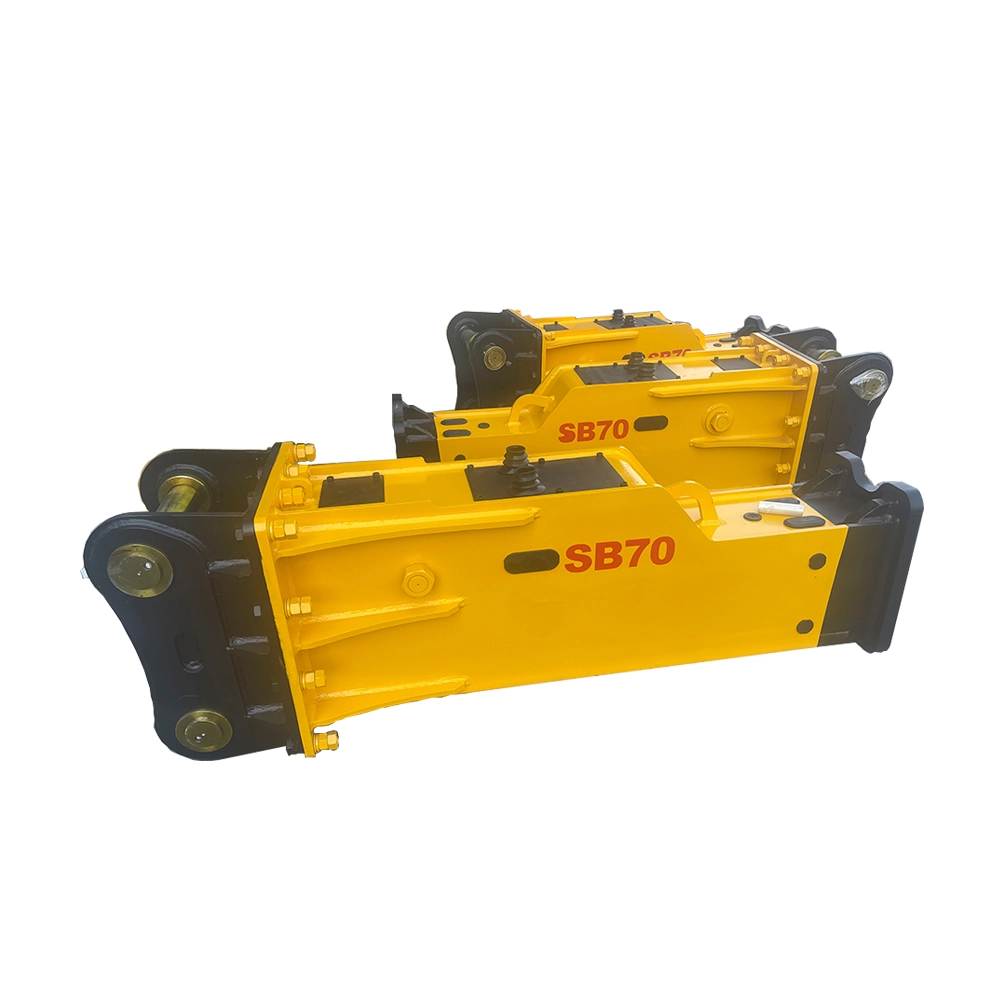
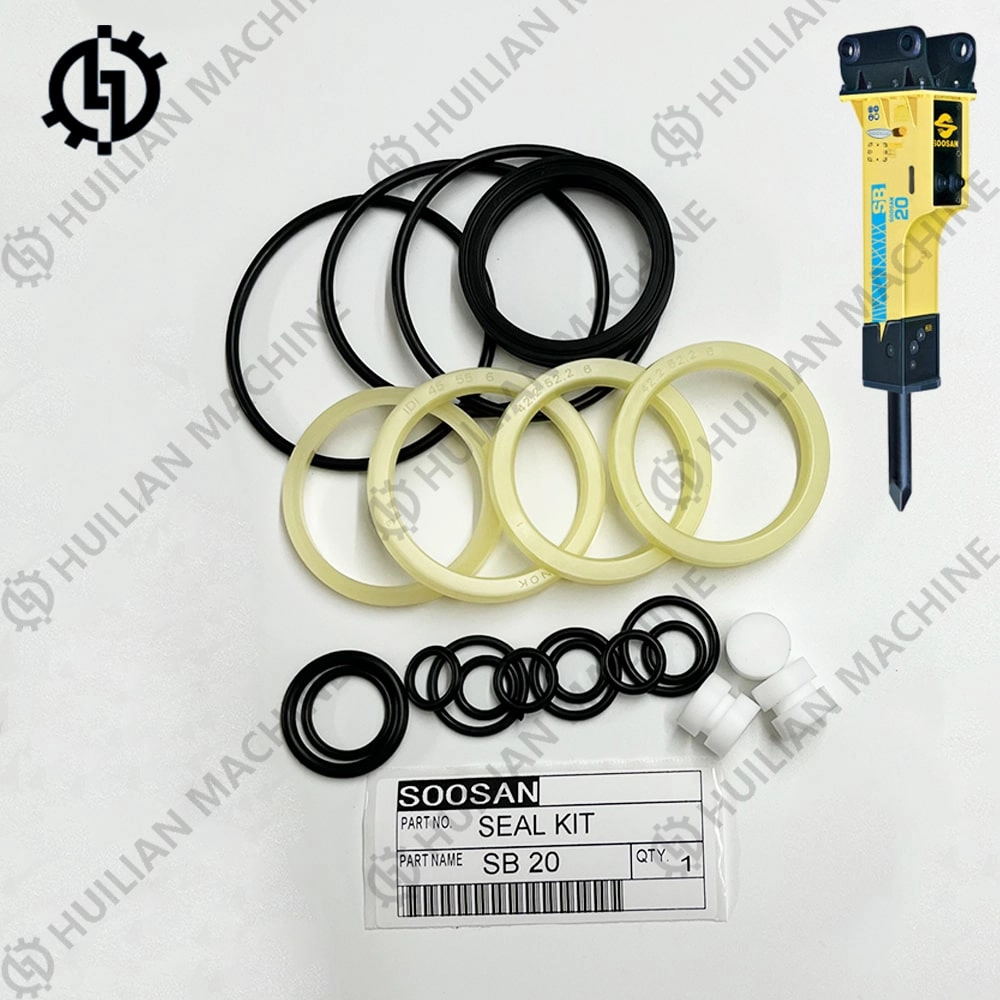
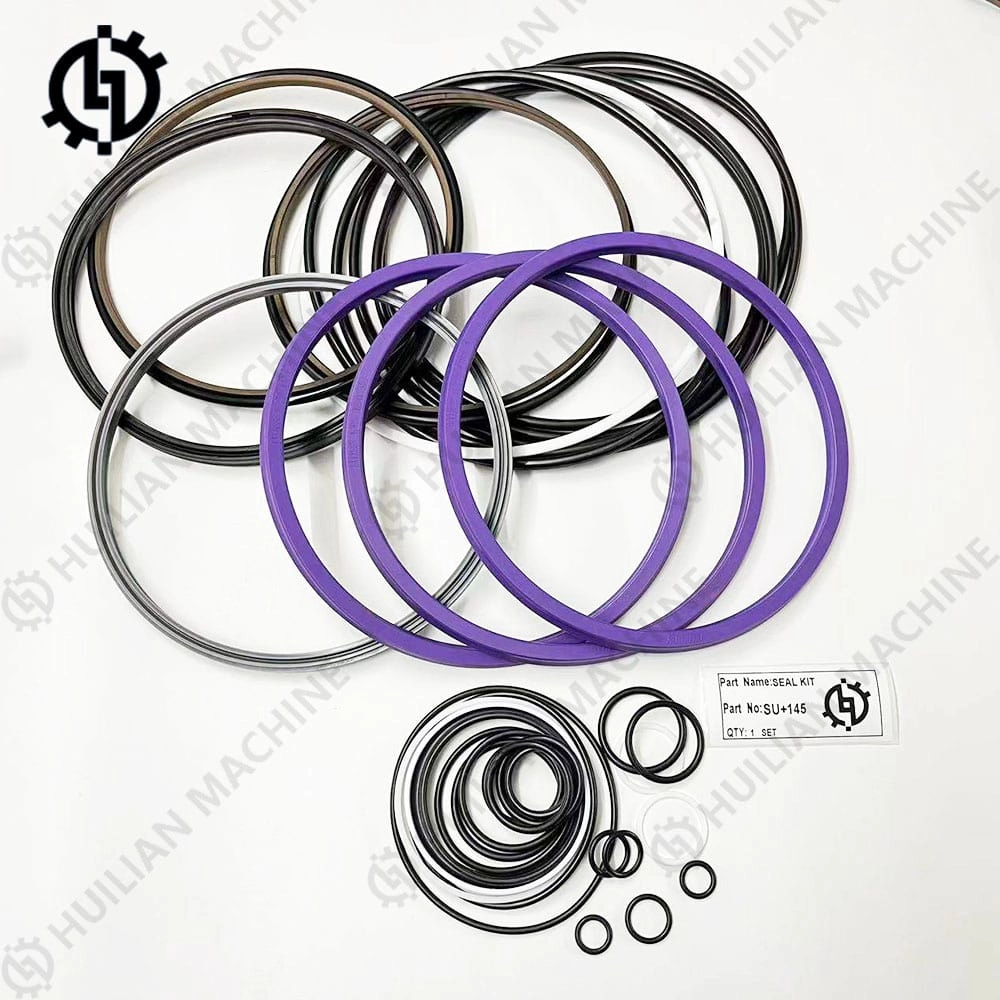
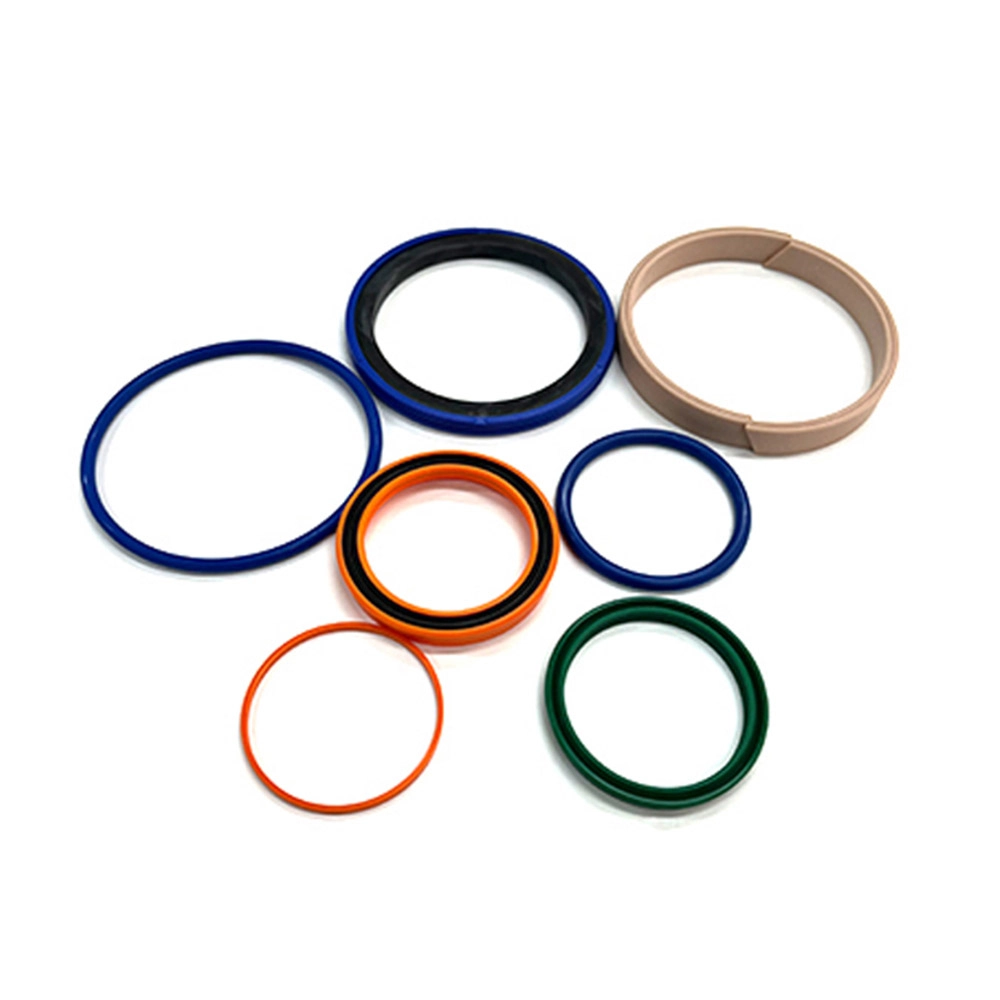
- Premium Components: We supply an extensive variety of top-tier hydraulic rock breaker parts, including heavy-duty chisels, seals and Parker seal kits, diaphragms, pistons, wear bushes, and through bolts to keep your fleet running without interruption.
- Efficiency Gains: By integrating our premium Excavator Hydraulic Breaker systems, contractors routinely experience up to a 30% reduction in operational costs compared to standard market alternatives.
Whether you need complete assemblies or specialized replacement valves and liners, Huilian’s dedicated team of R&D experts, technicians, and quality control professionals are committed to promoting the sustainable development of the excavator parts industry globally.
Frequently Asked Questions (FAQ)
How does an excavator rock breaker work?
An excavator rock breaker works by utilizing the carrier machine's hydraulic system to power an internal piston that strikes a specialized steel chisel at extremely high speeds. This rapid percussion transfers immense kinetic energy into the rock, causing it to fracture along its natural fault lines.
- Hydraulic Power: Pressurized fluid drives the heavy internal piston.
- Kinetic Transfer: The piston violently impacts the steel tool.
- Fracturing: The target material breaks apart systematically and predictably.
Is rock breaking cheaper than blasting?
For small to medium projects in urban areas, rock breaking is significantly cheaper because it avoids the high costs of explosive permits, blast engineers, and site evacuations. However, for massive, remote open-pit mining operations, bulk drill-and-blast methods typically offer a lower cost per ton due to the sheer volume of material moved at once.
- Urban Sites: Hydraulic breakers are far more cost-effective.
- Massive Mines: Bulk blasting offers necessary economies of scale.
What size excavator do I need for a rock breaker?
The excavator size must correctly match the breaker's operating weight and hydraulic flow requirements to ensure safe and efficient equipment operation. Mini excavators (1-5 tons) utilize small breakers for light demolition, whereas large mining excavators (30+ tons) require heavy-duty breakers capable of handling massive hydraulic pressure.
- Compact Carriers: Best suited for residential demolition and light trenching.
- Heavy Carriers: Mandatory for quarrying and deep hard-rock excavation.
How many cubic meters can a rock breaker break in a day?
A mid-sized breaker operating in medium-hard rock can typically break between 50 to 150 cubic meters per day, though absolute production rates vary significantly based on rock hardness. Operator skill, the correct choice of chisel, and maintaining optimal hydraulic pressure are all vital factors that maximize daily output.
- Material Density: Softer rock yields a much higher daily volume.
- Attachment Optimization: Proper tuning increases the cubic meters broken.
Can a hydraulic breaker replace drilling and blasting completely?
In sensitive urban environments, narrow utility trenching, and tunneling, hydraulic breakers often completely replace blasting to eliminate the dangerous risks of flyrock and severe vibrations. Conversely, in large-scale commercial quarries, they are usually paired with blasting for secondary reduction rather than acting as a full replacement.
- Full Replacement: Common in city limits, residential zones, and utility corridors.
- Partial Replacement: Used heavily as secondary sizing in major global mines.
What is the 15-second rule for hydraulic rock breakers?
The 15-second rule is a crucial operator guideline stating that if a rock does not fracture within 15 seconds of continuous hammering, the operator must stop immediately. The chisel must then be repositioned to a new angle to avoid localized overheating, which can blunt the tool and cause severe internal damage.
- Prevents Overheating: Stops the steel tool from losing its metallurgical temper.
- Maximizes Efficiency: Encourages the operator to find better natural fracture points.
How do you maintain an excavator rock breaker?
Maintaining an excavator rock breaker requires performing daily visual inspections for hydraulic leaks, loose tie rods, and excessive tool wear before commencing any operation. Operators must also grease the tool bushings regularly (often every 2 hours during continuous use) and periodically check the nitrogen gas pressure in the accumulator to ensure optimal impact energy.
- Daily Visuals: Always check heavy-duty hoses and tool retainers.
- Frequent Greasing: Absolutely essential for bushing and chisel longevity.
- Nitrogen Checks: Maintains peak striking power and protects internal seals.
What are the environmental advantages of a rock breaker over blasting?
Rock breakers produce significantly less dust and noise pollution than explosives, completely eliminating the release of toxic chemical gases associated with chemical detonations. Furthermore, mechanical breaking minimizes massive ground vibrations, which is absolutely essential for protecting nearby historic structures, underground utilities, and local wildlife habitats.
- No Toxic Fumes: Zero chemical fallout or hazardous atmospheric venting.
- Vibration Control: Safe for neighboring foundations and buried municipal utilities.
- Dust Reduction: Generates far less airborne particulate matter than surface explosions.
Conclusion
Deciding between an excavator rock breaker and blasting ultimately comes down to your project's exact location, specific rock type, and total volume requirements for cost-effective material removal.
For urban environments, strict compliance zones, or targeted utility trenching, hydraulic breakers present a clear, highly cost-effective advantage over the logistical nightmare of handling explosives. They offer unmatched precision, protect the surrounding environment from severe vibrations, and keep your operators highly productive without the need for constant, disruptive site evacuations.
Contact Guangzhou Huilian Machinery Co., Ltd. today to discuss your specific needs.


About
What types of excavator parts do you offer?
We provide a wide range of high-quality excavator parts, including hydraulic breakers, chisels, seal kits, diaphragms, pistons, wear bushes, retainer bars, through bolts, side bolts, valves, and liners.
Do you offer OEM and aftermarket parts?
Yes, we manufacture high-quality OEM parts and supply aftermarket parts from top brands such as NOK, Parker, SKF, and Hallite to ensure optimal performance.
How can I ensure I’m selecting the right part for my equipment?
Our expert team can assist you in finding the right part based on your machine model, specifications, and requirements. Contact us for personalized support.
What is your shipping and delivery time?
We offer fast and reliable global shipping. Delivery times vary depending on location and order size, but we strive to process and ship orders as quickly as possible.
Are your parts compatible with all excavator brands?
Yes, our parts are designed to be compatible with major brands like Komatsu, Caterpillar, Hitachi, Hyundai, Doosan, JCB, Kobelco, Sany, and many more.



Getting started is easy 
Contact with our experts to find the best excavator parts solutions for your needs. Discover how Huilian can enhance your equipment's performance and efficiency.


Get in touch
 About us
© 2025 HUILIAN MACHINE. All rights reserved