



How to Increase Your Mini Excavator's Breaking Power by 40%: The Pro Operator's Secret
- Key Takeaways: The Fast Track to Maximum Impact
- What Determines a Mini Excavator Breaker's Actual Breaking Power?
- The Pro Secret: Tuning Flow and Pressure for a 40% Gain
- Steps to Optimize Hydraulic Flow:
- The Nitrogen Factor: The Hidden Energy Booster
- Nitrogen Maintenance Protocol:
- Geometry Matters: Selecting the Right Tool for the Rock
- Tool Selection Guide:
- Pro Operator Techniques to Eliminate Energy Waste
- The Golden Rules of Operation:
- Common Mistakes That Kill Breaking Performance
- Critical Performance Killers:
- Future-Proofing: Advanced Breaker Tech for 2026 and Beyond
- Emerging Technologies:
- Conclusion & Call to Action
Key Takeaways: The Fast Track to Maximum Impact
- Hydraulic Harmony: Power is not just weight; it is the perfect balance of hydraulic flow optimization and pressure settings.
- The 40% Boost: Achieved by fine-tuning the auxiliary valve, optimizing nitrogen levels, and selecting the correct tool geometry.
- Operator Technique: Proper down-pressure and the 90-degree rule prevent energy loss through vibration.
- Maintenance: Regular nitrogen checks and seal integrity are non-negotiable for sustained high output.
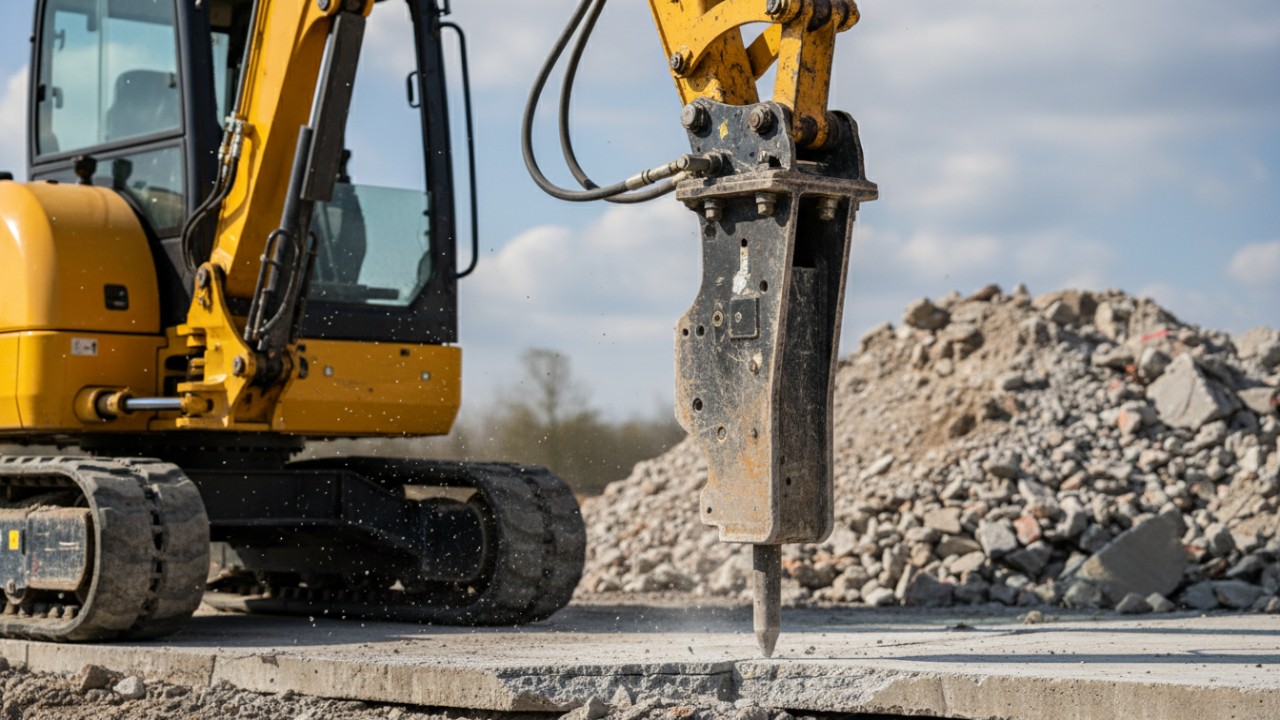
What Determines a Mini Excavator Breaker's Actual Breaking Power?
Hydraulic breaking power is the result of 'impact energy' (measured in Joules), determined by the precise combination of the carrier's hydraulic oil flow (GPM) and operating pressure (PSI) acting upon the piston.
Many operators mistakenly believe that a heavier breaker automatically equals more power. However, the true measure of performance is how efficiently the system transfers kinetic energy from the piston to the rock. This process is heavily influenced by mini excavator attachment settings and the condition of the internal components. If the hydraulic flow is too low, the piston cannot reach its full stroke speed; if it is too high, it creates erratic cycling and heat waste.
According to the Association of Equipment Manufacturers, understanding the specific operating range of your attachment is critical for both safety and performance. The goal is impact energy (Joules) maximization, where every drop of hydraulic fluid contributes to the destructive force at the tool tip rather than being lost as heat or noise.
The Pro Secret: Tuning Flow and Pressure for a 40% Gain
To achieve a 40% increase in breaking efficiency, you must adjust your mini excavator's auxiliary flow to the breaker's specific 'sweet spot,' often found just below the maximum rated output.
Most operators simply turn the flow dial to the maximum, assuming "more is better." This is a fatal error in hydraulic tuning. Excessive flow creates back-pressure in the return line, which acts like a brake on the piston's return stroke. This resistance overheats the oil and reduces the frequency of impact.
Steps to Optimize Hydraulic Flow:
- Identify the Range: Consult your breaker's manual for the optimal GPM (gallons per minute). For example, if the range is 10-15 GPM, aim for 12-13 GPM.
- Adjust the Relief Valve: Ensure the carrier's relief pressure is set 200-300 PSI higher than the breaker's operating pressure. If they are too close, the relief valve will open constantly, dumping power back to the tank.
- Monitor Return Pressure: High back-pressure is the silent killer of power. Ensure your return line filters are clean and hoses are sized correctly (typically larger than the pressure line) to allow free oil flow.
At Guangzhou Huilian Machines Co., Ltd., we have seen firsthand how precise valve timing can transform a sluggish machine into a powerhouse. Our high-efficiency valve designs focus on minimizing internal pressure drops, ensuring that the hydraulic force is directed entirely into the rock.
The Nitrogen Factor: The Hidden Energy Booster
The nitrogen accumulator acts as a pneumatic spring that stores energy during the piston's upstroke and releases it explosively during the downstroke, amplifying the impact force.
Nitrogen accumulator charging is the most overlooked maintenance task that directly affects power. A low nitrogen charge results in a "lazy" breaker that feels like it is pushing rather than striking. Conversely, an overcharged accumulator effectively locks the piston, preventing it from cycling at all.
Nitrogen Maintenance Protocol:
- Check Frequency: Verify gas pressure every 50 to 100 operating hours.
- Temperature Compensation: Gas expands with heat. Always check pressure when the tool is cool (ambient temperature) to get an accurate reading.
- Visual Signs: If the hydraulic hoses vibrate excessively (jiggle) during operation, your nitrogen charge is likely low, causing hydraulic spikes.
Keeping the nitrogen level at the manufacturer's precise upper specification limit ensures the piston gets that extra "snap" at the end of the stroke, delivering maximum Joules to the material.
Geometry Matters: Selecting the Right Tool for the Rock
Selecting the correct tool shape—moil, chisel, or blunt—based on the material's hardness and structure can instantly increase effective breaking speed by over 30%.
Using a point (moil) tool on hard, igneous rock often leads to the tool drilling a hole rather than fracturing the material. This creates heat but no breakage. Conversely, using a blunt tool on soft concrete wastes energy as it bounces off the surface.
Tool Selection Guide:
- Moil Point (Pyramid): The penetrator. Best for soft to medium sedimentary rock, concrete, and asphalt.
- Chisel (Wedge): The splitter. Ideal for trenching and sedimentary rock where you can exploit layers or faults.
- Blunt Tool: The crusher. Essential for igneous rock (granite, basalt) and boulders. It transmits energy as a shockwave to shatter the object rather than penetrating it.
Pro Operator Techniques to Eliminate Energy Waste
Professional operators maximize power transfer by maintaining a strict 90-degree angle to the work surface and applying just enough down-pressure to lift the front tracks 2-4 inches.
Improper technique dissipates energy. If the tool is not perpendicular, the impact force is split into vector components, with a significant portion wasted as shear force that damages the bushing. Furthermore, anti-blank firing technology relies on the tool being firmly pressed against the rock to engage the piston.
The Golden Rules of Operation:
- The 90-Degree Rule: Always strike perpendicular to the surface. If the tool slips, you are wasting power.
- Proper Down-Force: Lean the machine forward until the front tracks raise slightly. This transfers the carrier's mass into the breaker, preventing recoil.
- The 15-Second Rule: Never strike the same spot for more than 15 seconds. If it doesn't break, move the tool to a new angle or spot to allow dust pockets to clear.
- Avoid Prying: Never use the breaker as a lever. This puts a side load on the piston and destroys the seals.
Common Mistakes That Kill Breaking Performance
The most common performance killer is 'blank firing,' which occurs when the operator cycles the breaker without the tool resting firmly on the material.
Blank firing sends the piston's massive kinetic energy directly into the tool retaining pin and the breaker housing, rather than the rock. This causes micro-fractures in the steel and rapid seal failure.
Critical Performance Killers:
- Ignored Filters: Contaminated hydraulic oil acts like sandpaper on the piston and liners. It also thickens, slowing down the cycle rate.
- Greasing Errors: Too little grease causes friction welding; too much causes "hydraulic lock" inside the bushing. Use proper high-temp chisel paste.
- Undersized Hoses: Restricting flow with narrow hoses is like trying to run a marathon while breathing through a straw.
For safety regarding hydraulic injection and hose maintenance, always refer to guidelines from the Occupational Safety and Health Administration (OSHA). High-pressure leaks are not just a maintenance issue; they are a severe safety hazard.
Future-Proofing: Advanced Breaker Tech for 2026 and Beyond
Future hydraulic breakers are evolving into 'smart' attachments featuring auto-adjusting valves and integrated sensors that optimize frequency based on rock hardness.
As we look toward 2026, the industry is shifting from purely mechanical systems to digitally integrated ones. Anti-blank firing technology is becoming a standard feature, automatically stopping the piston if the tool is not engaged with the rock, preserving the life of the attachment.
Emerging Technologies:
- Auto-Adjusting Valving: Systems that detect resistance and automatically switch between high-frequency/low-energy (for soft rock) and low-frequency/high-energy (for hard rock).
- Telematics: Real-time monitoring of impact energy, nitrogen levels, and service intervals directly to your smartphone.
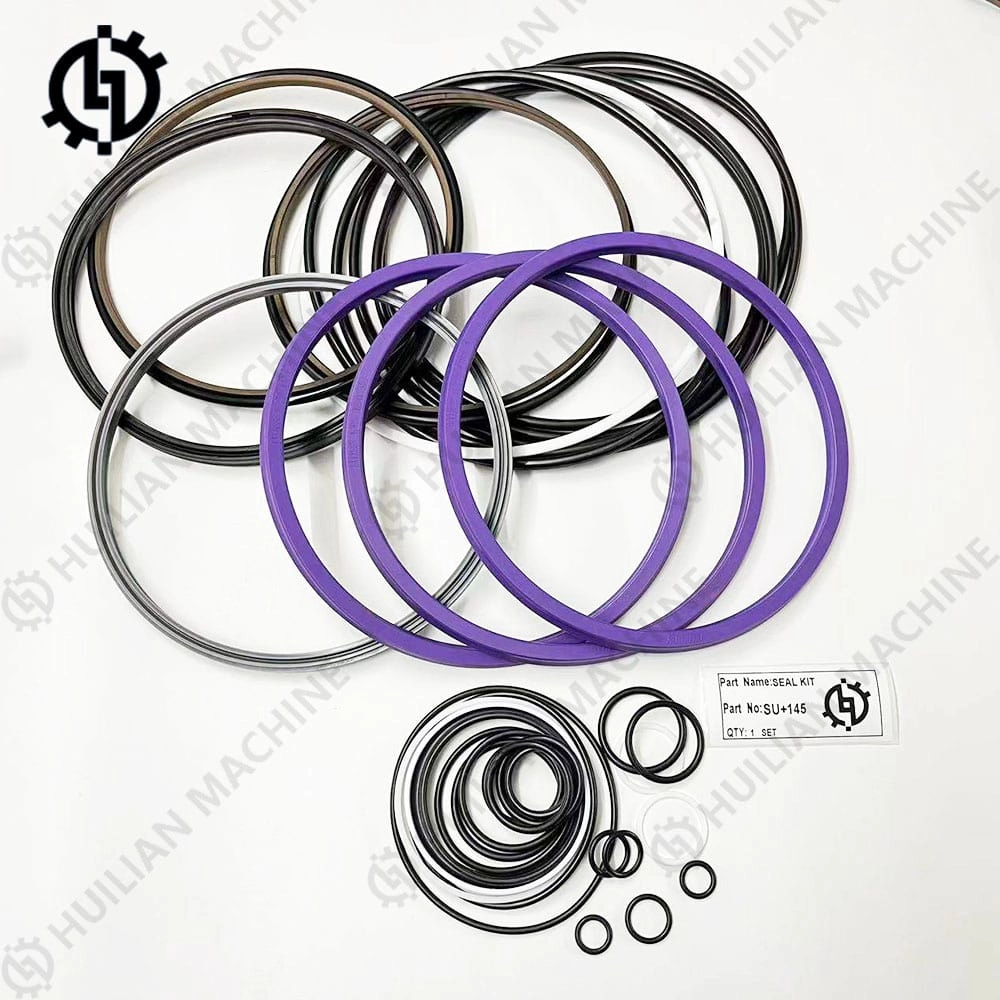
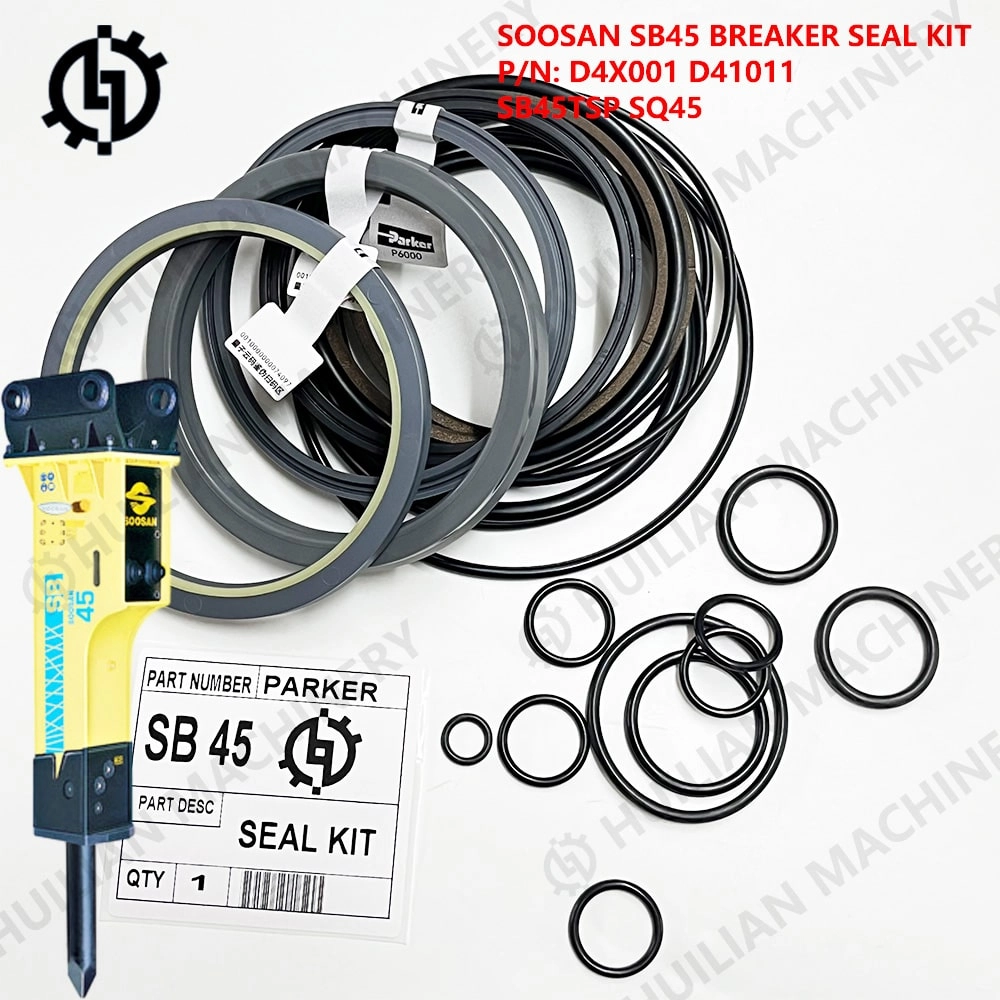
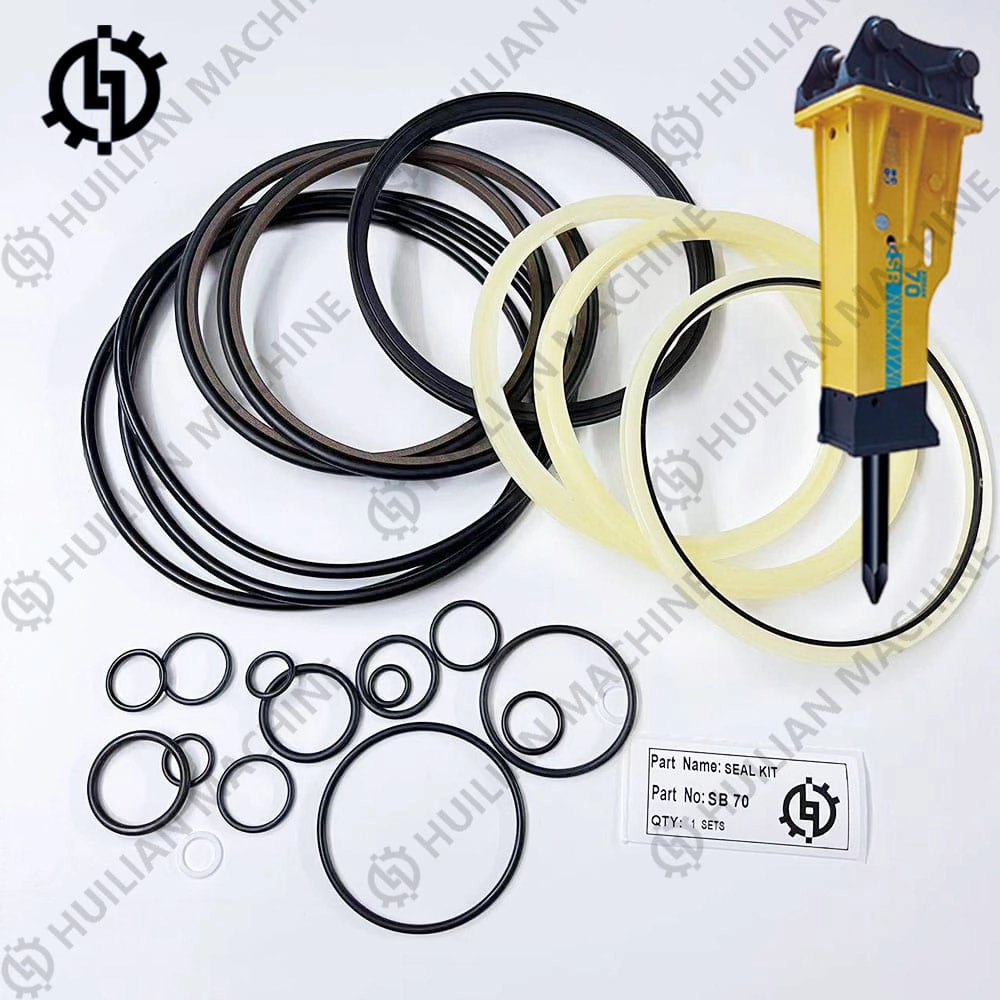
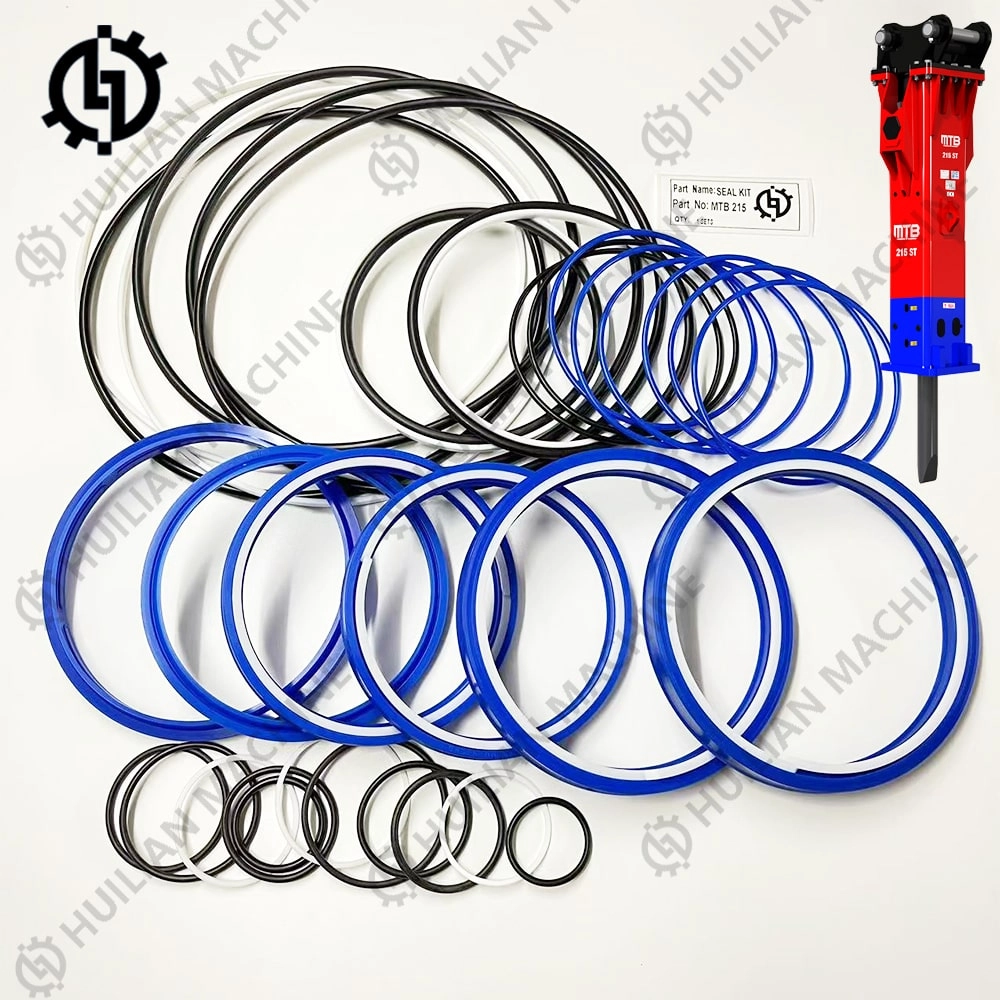
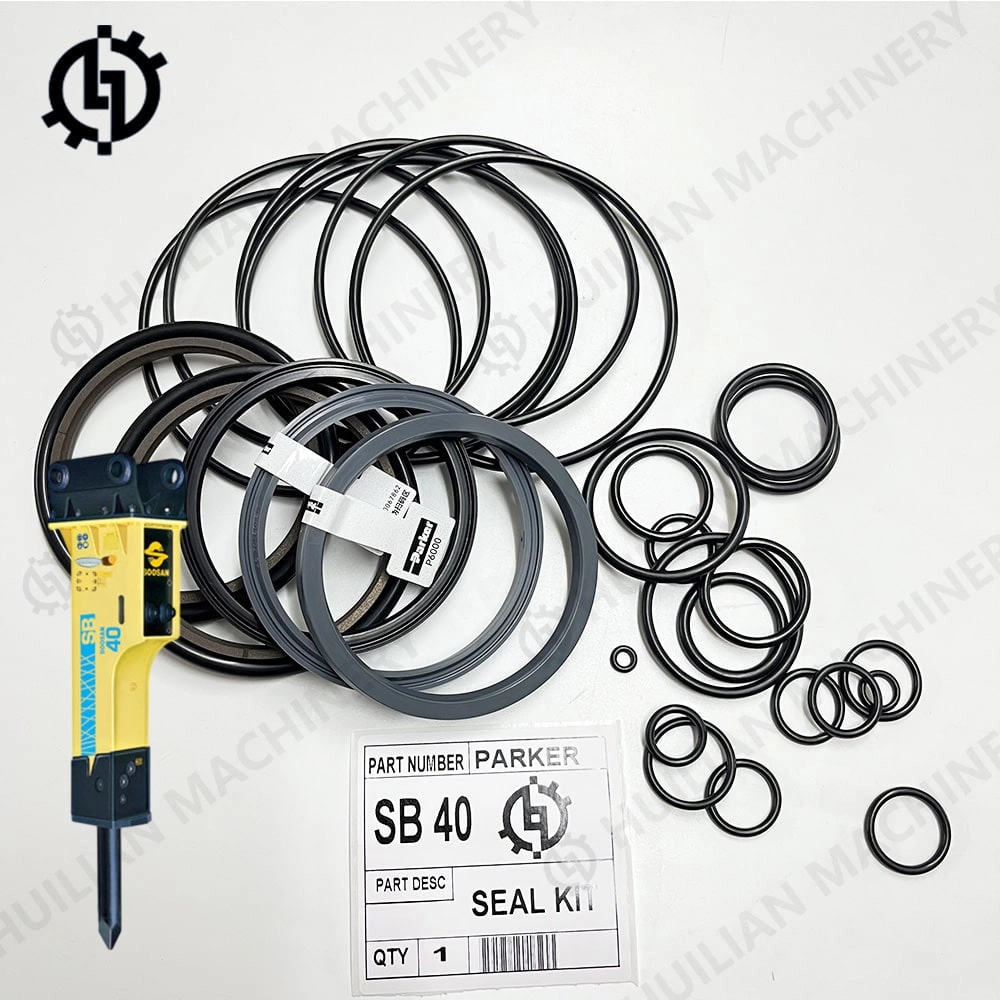
- Huilian Innovations: We are currently integrating advanced Parker seal kits and heat-resistant piston alloys into our 2026 product lines to ensure our breakers handle the higher pressures of modern Tier-4 excavators.
Conclusion & Call to Action
Maximizing your mini excavator's breaking power requires a holistic approach: precise hydraulic tuning, correct tool geometry, and disciplined operator technique. By addressing the "Pro Secrets" of nitrogen management and flow optimization, you can unlock up to 40% more efficiency without buying a larger machine. Don't let incorrect settings slow down your job site productivity.
Contact Guangzhou Huilian Machines Co., Ltd. today to discuss your specific needs and find the perfect high-performance parts to upgrade your breaker.


About
Do you offer OEM and aftermarket parts?
Yes, we manufacture high-quality OEM parts and supply aftermarket parts from top brands such as NOK, Parker, SKF, and Hallite to ensure optimal performance.
What is your shipping and delivery time?
We offer fast and reliable global shipping. Delivery times vary depending on location and order size, but we strive to process and ship orders as quickly as possible.
How can I ensure I’m selecting the right part for my equipment?
Our expert team can assist you in finding the right part based on your machine model, specifications, and requirements. Contact us for personalized support.
Are your parts compatible with all excavator brands?
Yes, our parts are designed to be compatible with major brands like Komatsu, Caterpillar, Hitachi, Hyundai, Doosan, JCB, Kobelco, Sany, and many more.
What types of excavator parts do you offer?
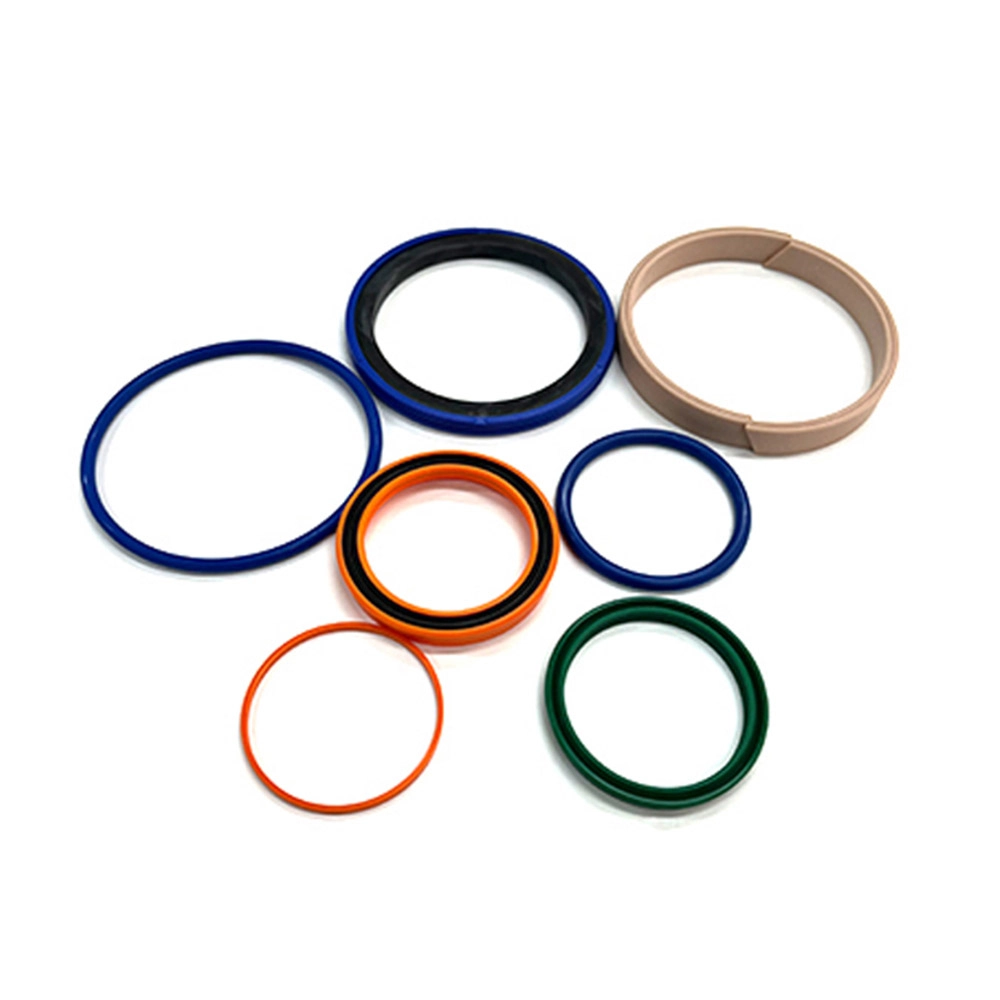
We provide a wide range of high-quality excavator parts, including hydraulic breakers, chisels, seal kits, diaphragms, pistons, wear bushes, retainer bars, through bolts, side bolts, valves, and liners.


Getting started is easy 
Contact with our experts to find the best excavator parts solutions for your needs. Discover how Huilian can enhance your equipment's performance and efficiency.


Get in touch
 About us
© 2025 HUILIAN MACHINE. All rights reserved