



Nitrogen vs. Fully Hydraulic Breakers: Which Is the Best Attachment for Your Excavator?
A technical comparison of nitrogen-assisted versus fully hydraulic breakers, analyzing impact energy, maintenance costs, and ROI for excavator operators.
- Quick Summary: Key Takeaways for Decision Makers
- What Is the Difference Between Nitrogen and Fully Hydraulic Breakers?
- How the Power Source Defined Performance
- The Nitrogen Breaker: Pros, Cons, and Best Use Cases
- Why Choose Nitrogen?
- The Fully Hydraulic Breaker: Pros, Cons, and Best Use Cases
- Why Choose Fully Hydraulic?
- Head-to-Head Comparison: Performance & ROI Analysis
- 1. Impact Energy Consistency
- 2. Recoil & Excavator Wear
- 3. Maintenance Costs
- Expert Tips: Avoiding Common Selection Mistakes
- Critical Checks Before Buying
- Future Trends: 2026 and Beyond in Hydraulic Technology
- Conclusion
Quick Summary: Key Takeaways for Decision Makers
Nitrogen breakers offer high initial impact power at a lower price point, while fully hydraulic breakers provide consistent energy and longevity for continuous heavy-duty work. If your project requires short-term, high-intensity demolition, nitrogen is cost-effective; for long-term mining, hydraulic systems deliver better ROI.
- Nitrogen Breakers: Best for rental fleets and general construction due to simplicity and lower startup costs.
- Fully Hydraulic Breakers: Best for mining, trenching, and sensitive environments requiring blank-firing protection.
- Efficiency: Hydraulic systems maintain demolition attachment efficiency regardless of temperature, whereas nitrogen units fluctuate.
-
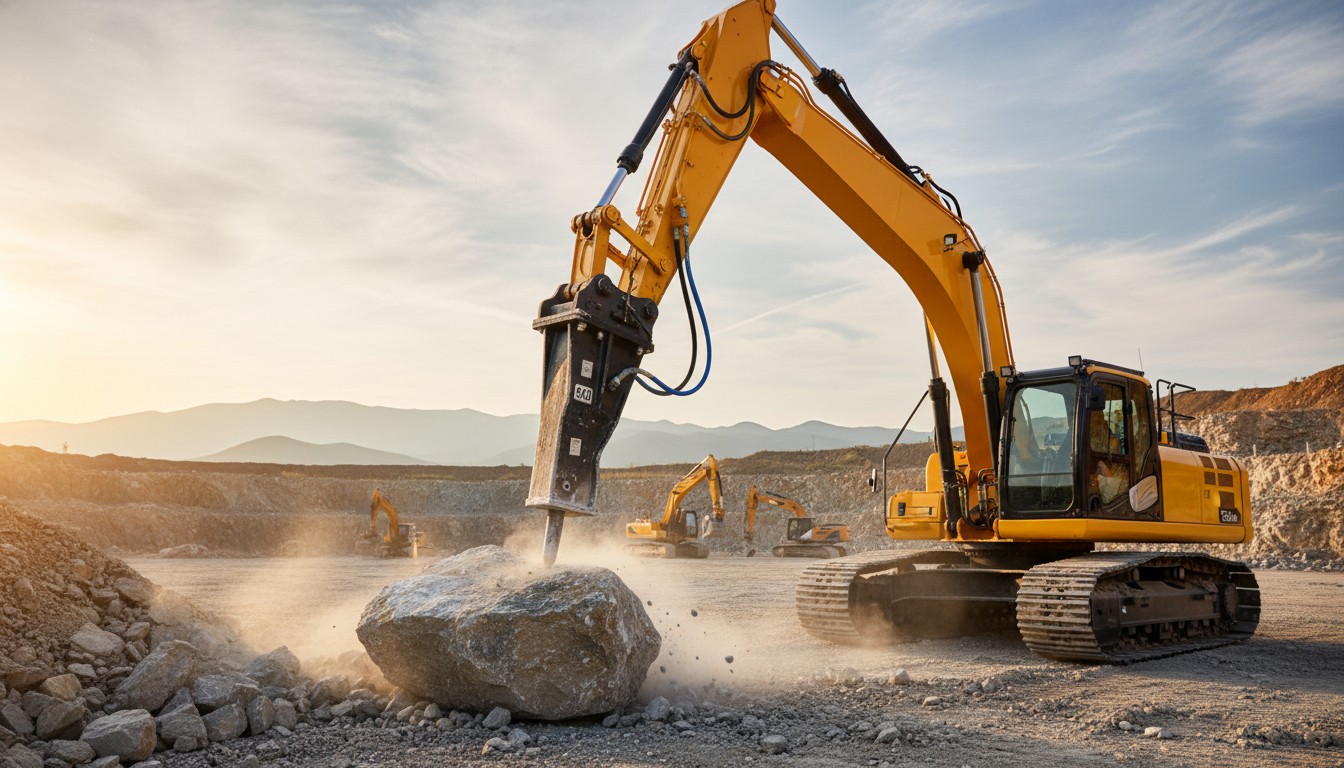
What Is the Difference Between Nitrogen and Fully Hydraulic Breakers?
The primary difference is that nitrogen (gas-assisted) breakers rely on compressed gas expansion to drive the piston, whereas fully hydraulic breakers use a closed-loop oil cycle with a nitrogen accumulator solely for dampening. This fundamental distinction dictates their performance stability and maintenance needs.
How the Power Source Defined Performance
In a nitrogen breaker vs. hydraulic breaker comparison, the "muscle" comes from different sources.
- Gas-Assisted: The hydraulic oil lifts the piston, compressing a gas chamber. The gas expansion pushes the piston down. If gas leaks, power drops.
- Fully Hydraulic: High-pressure oil drives both the upward and downward strokes. The hydraulic accumulator function here is to absorb pressure spikes, not to power the hit.
The Nitrogen Breaker: Pros, Cons, and Best Use Cases
A nitrogen breaker utilizes a sealed gas chamber at the top of the piston to generate the majority of its impact energy during the downward stroke. This design reduces the demand on the excavator’s hydraulic pump but increases dependency on gas pressure.
Why Choose Nitrogen?
Many operators prefer these excavator hammer types for their explosive initial power. The gas acts like a compressed spring, delivering a massive knockout punch.
Pros:
- Simpler Design: Fewer internal moving parts mean easier roadside repairs.
- Lower Initial Cost: generally 20-30% cheaper than fully hydraulic equivalents.
- High Impact: Excellent for breaking brittle material like concrete.
Cons:
- Performance Fade: As the gas heats up or leaks, impact energy decreases.
- Higher Recoil: More vibration is transmitted back to the excavator boom.
- Maintenance: Requires frequent gas recharging.
The Fully Hydraulic Breaker: Pros, Cons, and Best Use Cases
Fully hydraulic breakers maintain constant blow energy by using the carrier’s oil flow as the primary driving force, ensuring consistent performance throughout the entire shift. They are engineered for precision and protection rather than just raw explosive force.
Why Choose Fully Hydraulic?
For contractors prioritizing rock breaker maintenance cost control over five years, this is the superior choice. According to safety guidelines from the Association of Equipment Manufacturers (AEM), matching the correct hydraulic flow to the breaker is critical for preventing carrier damage—a task fully hydraulic systems manage efficiently through internal valving.
Pros:
- Consistent Energy: Hits with the same force at 8:00 AM and 5:00 PM.
- Blank Firing Protection: Auto-stop valves prevent the piston from cycling without a target, saving seals.
- Quiet Operation: The oil cushion reduces metal-on-metal noise.
Cons:
- Complex Maintenance: Requires clean oil and precise flow calibration.
- Initial Price: Higher upfront investment.
Head-to-Head Comparison: Performance & ROI Analysis
Fully hydraulic systems generally offer a superior Return on Investment (ROI) for long-term ownership due to reduced wear on the carrier and longer service intervals. While nitrogen breakers save money upfront, the long-term costs of efficiency loss can add up.
1. Impact Energy Consistency
- Nitrogen: Power fluctuates with ambient temperature. In cold weather, they may struggle to start.
- Hydraulic: Once the oil is warm, performance is flat-line consistent.
2. Recoil & Excavator Wear
Fully hydraulic units act as shock absorbers. Nitrogen units, by contrast, rely on the gas to cushion the blow. If the gas is low, the recoil transmits directly to the boom pins and bushings.
3. Maintenance Costs
At Guangzhou Huilian Machines Co., Ltd., we have observed that clients using fully hydraulic breakers typically spend less on unplanned downtime. While parts like diaphragms and flow valves are more technical to replace, they fail less often than the seals in a gas-dependent system.
Expert Tips: Avoiding Common Selection Mistakes
The most common mistake is undersizing the breaker or ignoring the back-pressure rating of the excavator, leading to overheating and premature seal failure. Proper matching is not just about weight; it is about hydraulic flow compatibility.
Critical Checks Before Buying
- Check Back Pressure: Ensure your excavator's return line can handle the breaker's flow.
- Evaluate Duty Cycle: If you are breaking rock 8 hours a day, avoid nitrogen units due to heat buildup.
- Safety Compliance: Always ensure your attachment setup adheres to OSHA standards for demolition equipment stability and operator protection.
Future Trends: 2026 and Beyond in Hydraulic Technology
The future of hydraulic breaking lies in variable-speed technology and IoT integration, allowing breakers to automatically adjust their frequency based on material hardness. This shift will render static gas-charged systems obsolete for high-end applications.
- Smart Sensors: Real-time monitoring of oil temperature and impact intervals.
- Variable Speed: Breakers that sense the rock density and switch between "hard hit/slow speed" and "soft hit/fast speed."
- Eco-Efficiency: New designs will focus on reducing hydraulic waste to extend the battery life of electric excavators.
Conclusion
Selecting between nitrogen and fully hydraulic breakers depends on your project scope, budget, and material density. Nitrogen offers cost-effective power for general tasks, while fully hydraulic systems deliver unmatched consistency and carrier protection for heavy industry.
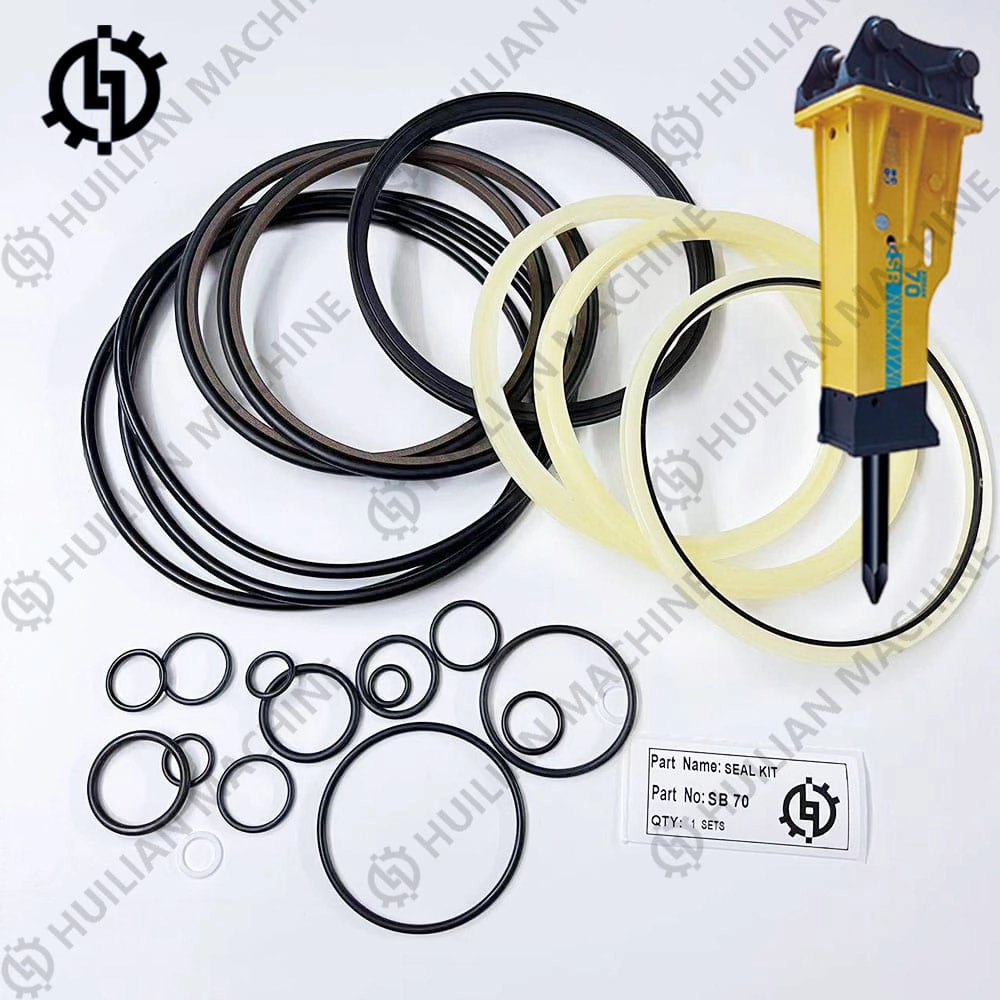
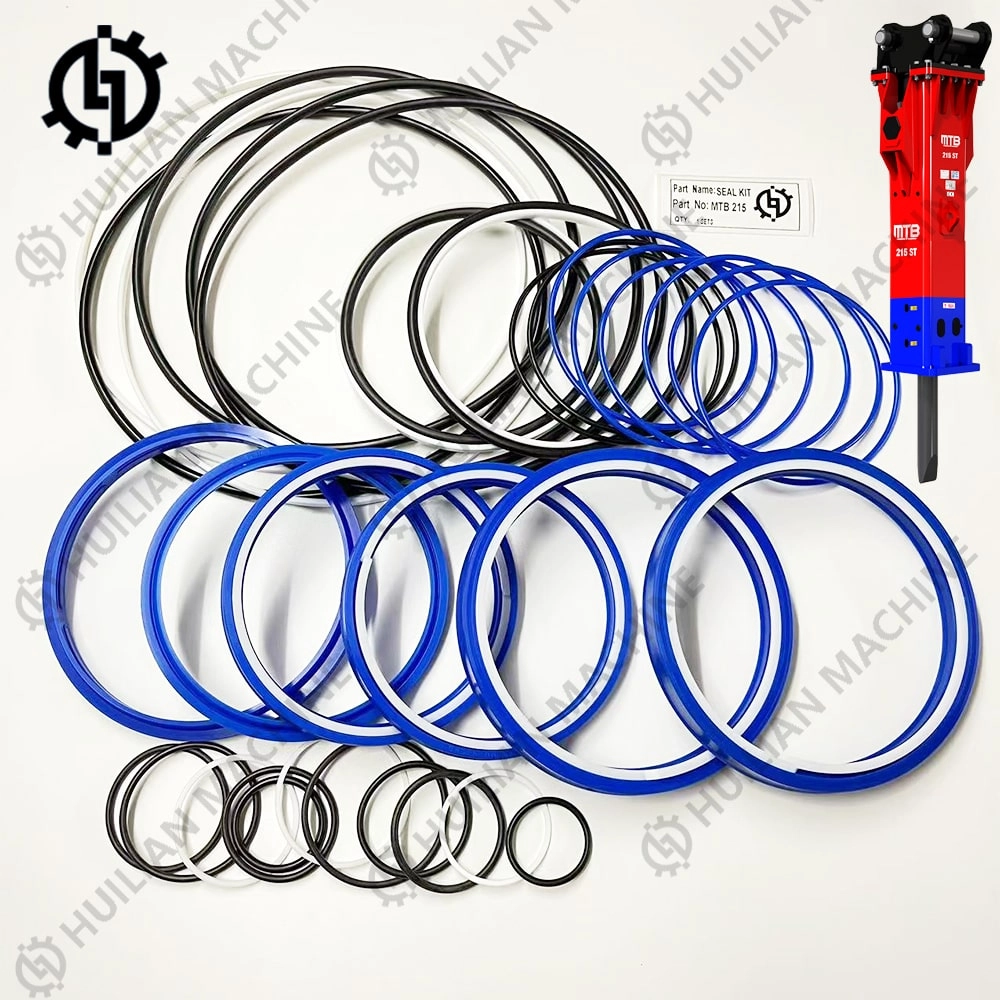
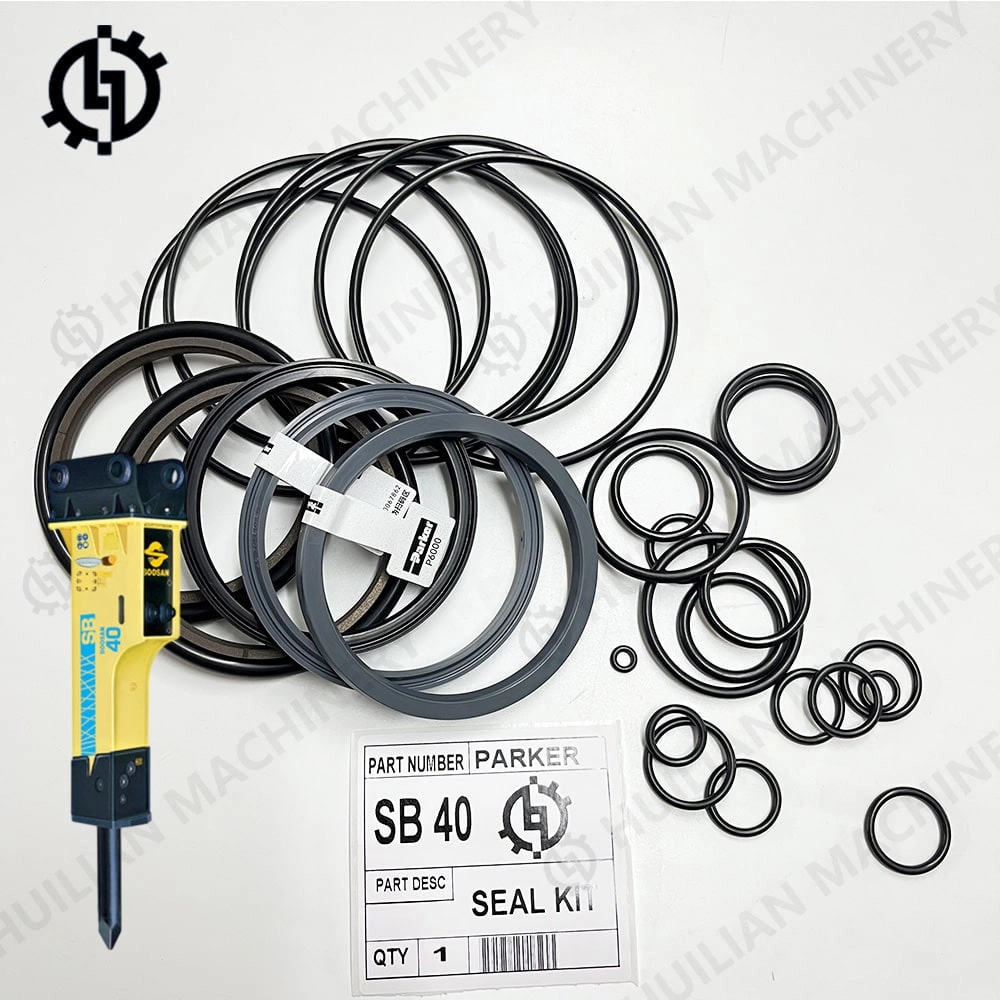
Investing in the right technology now prevents costly downtime and maximizes your excavator's lifespan. Whether you need robust seal kits, diaphragms, or a complete hydraulic assembly, Guangzhou Huilian Machines Co., Ltd. (Huilian) offers the OEM-quality parts and expertise you need to keep your equipment running.
Contact us today to discuss your specific needs and find the perfect solution for your fleet.


About
Do you offer OEM and aftermarket parts?
Yes, we manufacture high-quality OEM parts and supply aftermarket parts from top brands such as NOK, Parker, SKF, and Hallite to ensure optimal performance.
How can I ensure I’m selecting the right part for my equipment?
Our expert team can assist you in finding the right part based on your machine model, specifications, and requirements. Contact us for personalized support.
Are your parts compatible with all excavator brands?
Yes, our parts are designed to be compatible with major brands like Komatsu, Caterpillar, Hitachi, Hyundai, Doosan, JCB, Kobelco, Sany, and many more.
What types of excavator parts do you offer?
We provide a wide range of high-quality excavator parts, including hydraulic breakers, chisels, seal kits, diaphragms, pistons, wear bushes, retainer bars, through bolts, side bolts, valves, and liners.
What is your shipping and delivery time?
We offer fast and reliable global shipping. Delivery times vary depending on location and order size, but we strive to process and ship orders as quickly as possible.
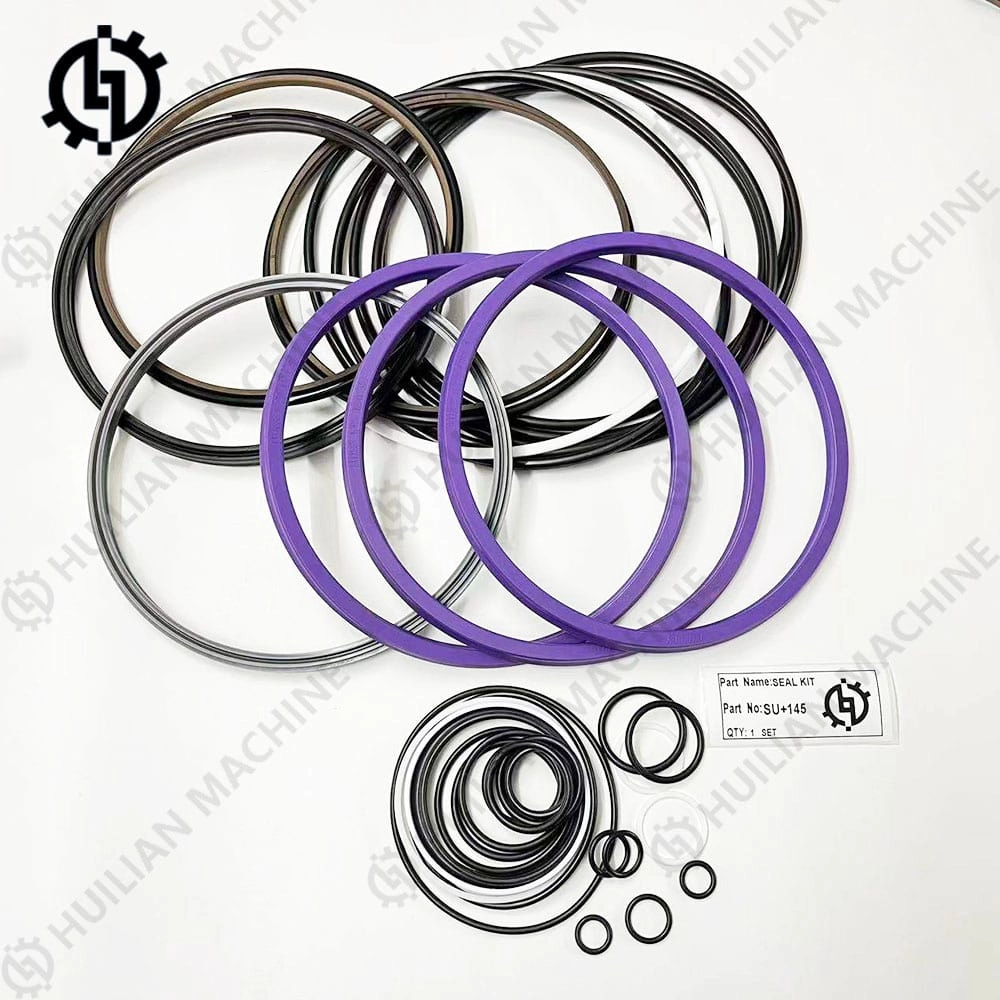
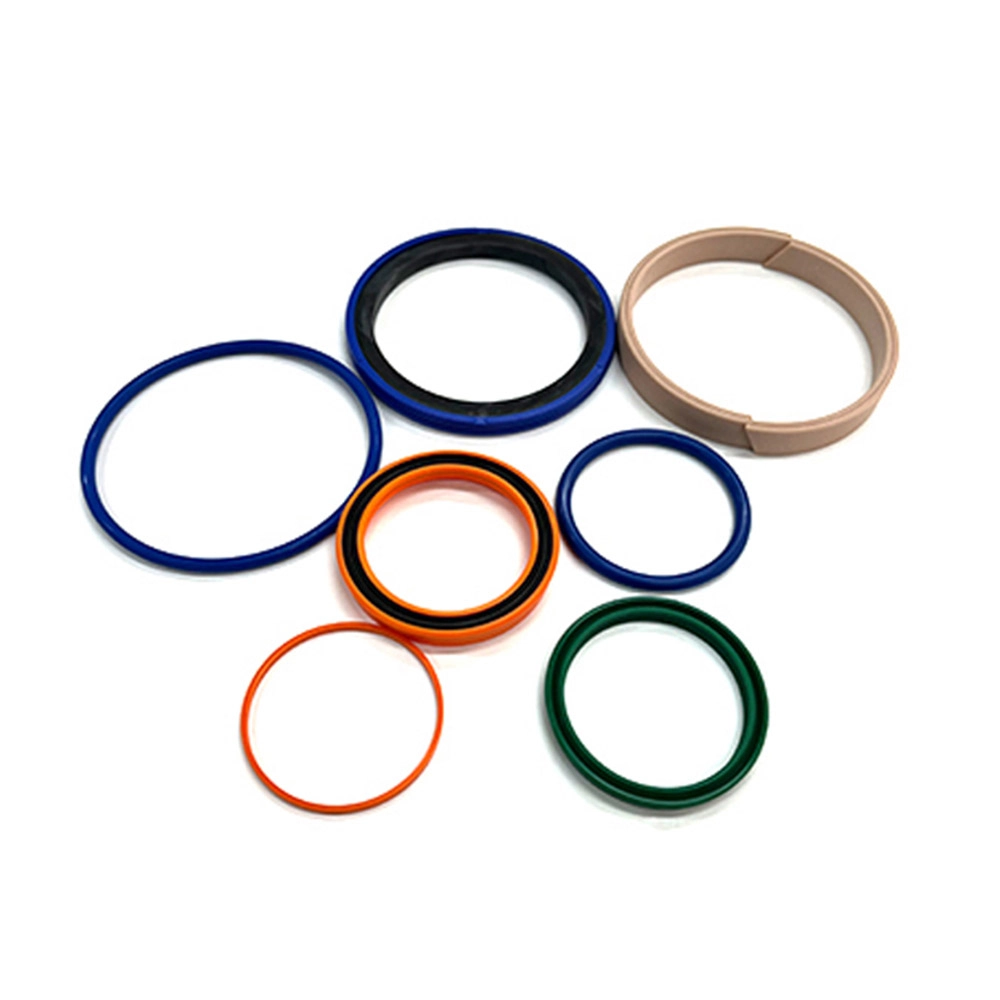
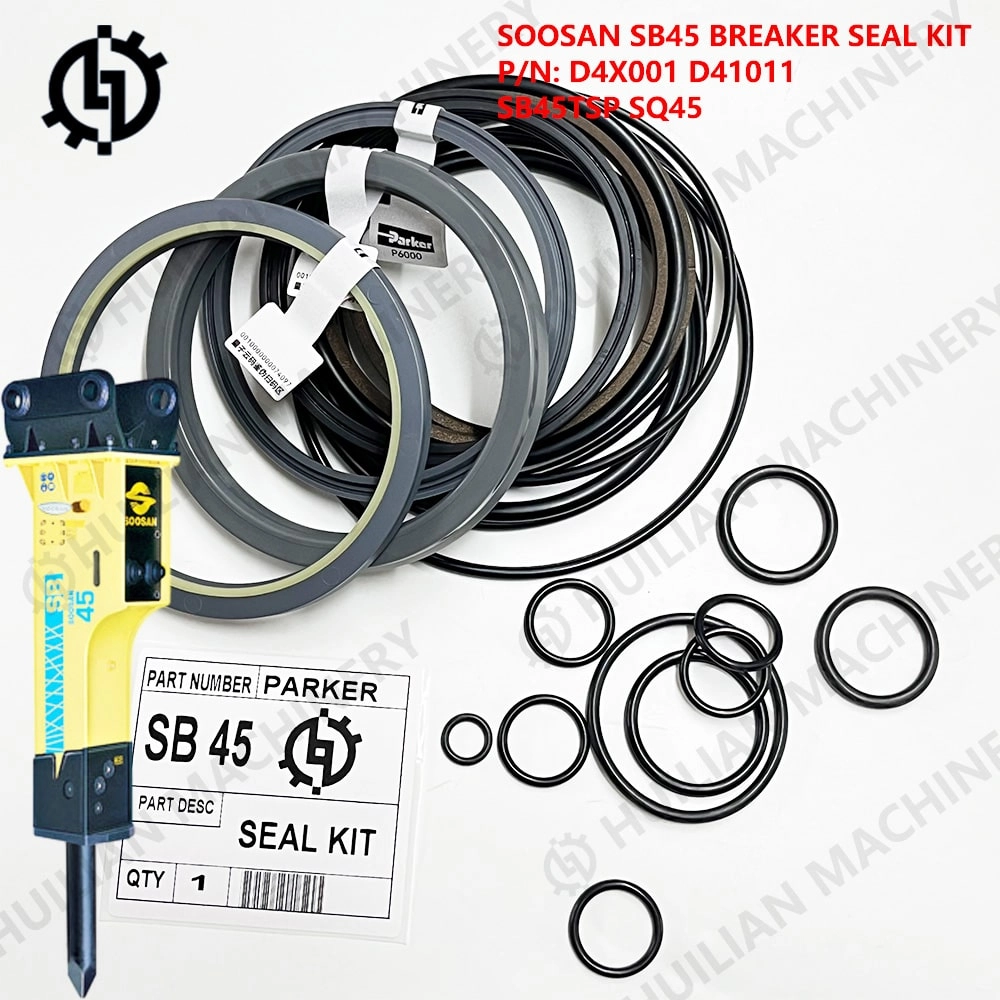


Getting started is easy 
Contact with our experts to find the best excavator parts solutions for your needs. Discover how Huilian can enhance your equipment's performance and efficiency.


Get in touch
 About us
© 2025 HUILIAN MACHINE. All rights reserved