



DIY vs professional repair: when to install excavator spare parts yourself
- Common failure modes and the parts most often replaced
- Hydraulic and sealing failures
- Wear items: bushings, chisels and pins
- Structural and hydraulic components
- When to consider DIY: parts, tools and best practices
- Parts that are suitable for most competent DIYers
- Essential tools and skills for safe DIY work
- DIY best practices to protect warranties and safety
- When to hire a professional: complexity, warranty and risk
- Complex repairs requiring specialist equipment
- Warranty, compliance and quality assurance
- High-risk scenarios and fleet-level decisions
- Making the decision: cost, downtime and a practical checklist
- Comparative summary table: DIY vs Professional
- Decision checklist I use when advising clients
- Case study: replacing a breaker seal kit vs piston replacement
- Cost and value considerations (practical guidance, not absolute pricing)
- Estimating direct costs vs hidden risks
- When fleet scale changes the calculus
- Choosing parts: OEM vs aftermarket and quality checks
- How I evaluate excavator spare parts suppliers
- Verifying part quality on delivery
- About Huilian Machine and why I recommend vetted suppliers
- FAQs
- 1. Can I install an excavator seal kit myself?
- 2. How do I know whether a piston or liner needs replacement?
- 3. Will replacing wear parts like chisels and WearBush void my warranty?
- 4. What are the risks of using aftermarket excavator spare parts?
- 5. How often should I inspect hydraulic breaker components?
- 6. What documentation should I keep after a DIY repair?
I write this as someone who has spent years working with excavator spare parts, from seal kits and chisels to pistons and valves, and advising fleet owners on maintenance strategy. This article helps you decide—based on part type, risk, tools, cost and downtime—whether to attempt a DIY installation or call a professional. My guidance is grounded in industry practice, safety standards and hands-on experience with hydraulic breaker hammers, Parker-style seal kits and WearBush replacements.
Common failure modes and the parts most often replaced
Hydraulic and sealing failures
One of the most frequent causes of excavator downtime is hydraulic leaks and seal deterioration. Seals, O-rings, diaphragms and seal kits (including Parker seal kit variants) wear due to contamination, heat and pressure cycling. These are typically visible as external leaks or gradual loss of hydraulic performance.
Wear items: bushings, chisels and pins
Wear components such as WearBush, pins & bushes, chisels and retainer/rompin bars degrade with abrasive contact and impact. These parts are designed as replaceable items and routine inspection schedules often identify them before catastrophic failure.
Structural and hydraulic components
Components like pistons, liners, valves, through bolts, side bolts and hydraulic cylinders can suffer fatigue, scoring or internal damage. These failures often require disassembly, pressures tests and precision machining to repair or replace.
When to consider DIY: parts, tools and best practices
Parts that are suitable for most competent DIYers
From my experience, the following excavator spare parts are often suitable for DIY replacement by a competent technician with basic tools and a clean workspace:
- Filters and routine consumables
- Seal kits, O-rings and simple hydraulic seals (when instructions and proper seal kits are available)
- Wear items: chisels, retainer bars, side bolts, through bolts and WearBush replacements
- Simple electrical sensors and cab components
These tasks typically do not require specialized press fittings or pressure calibration beyond the machine's standard checks.
Essential tools and skills for safe DIY work
Attempting DIY installation of excavator spare parts requires proper tools and adherence to safety protocols. At minimum, you should have:
- Appropriate torque wrenches and impact tools
- Hydraulic test gauges and bleed equipment
- Seal installation tools and clean bench/areas to avoid contamination
- Lifting equipment rated for the machine's components (hoists, slings)
- Manufacturer service manual and parts diagrams
Follow safety guidance such as lockout-tagout and hydraulic pressure release (see OSHA guidance: https://www.osha.gov/).
DIY best practices to protect warranties and safety
If you choose to DIY, document the work, use OEM or high-quality aftermarket parts (for example, hydraulic breaker hammers and complete seal kits), and test the machine under controlled conditions. Avoid improvised repairs that could void warranties or create safety hazards. When replacing parts like Parker seal kits, cleanliness and correct orientation are critical to longevity.
When to hire a professional: complexity, warranty and risk
Complex repairs requiring specialist equipment
I recommend professional repair for jobs that require press-fitting, precise machining, valve bench testing, or internal hydraulic diagnostics. Examples include:
- Piston and liner replacement on hydraulic breakers
- Valve body servicing or cartridge valve replacement requiring bench calibration
- Structural boom or frame repairs involving welding and NDT
Professionals have access to specialized test benches, machining centers and certified welders.
Warranty, compliance and quality assurance
Manufacturers and some OEM suppliers require authorized service for warranty-covered repairs. Using certified professionals preserves warranty coverage and ensures adherence to standards like ISO 9001 for quality management (https://www.iso.org/iso-9001-quality-management.).
High-risk scenarios and fleet-level decisions
If a failure could cause safety incidents, environmental release or extended downtime for a fleet, professional intervention is prudent. For example, major hydraulic system ruptures, boom structural issues, or failures that risk adjacent systems should be handled by certified technicians who can provide liability coverage and documented QA.
Making the decision: cost, downtime and a practical checklist
Comparative summary table: DIY vs Professional
| Factor | DIY | Professional |
|---|---|---|
| Suitable parts | Seals, chisels, wear bushings, bolts | Pistons, valves, cylinders, structural repairs |
| Tooling required | Basic hydraulic tools, torque wrenches | Test benches, presses, machining tools |
| Risk of additional damage | Low–moderate (with skill) | Low (with professional QA) |
| Warranty impact | Possible void if not authorized | Usually preserved |
| Typical turnaround | Faster for simple parts | May be longer but more thorough |
Decision checklist I use when advising clients
- Is the failed part a wear item or a core hydraulic/structural component?
- Do you have the correct OEM or high-quality aftermarket excavator spare parts available?
- Do you have the necessary tools and a clean workspace to prevent contamination?
- Will a DIY attempt jeopardize warranty or safety compliance?
- What is the cost of downtime versus the repair bill from a professional?
If more than two answers flag risk (warranty loss, high-risk part, lack of tools), plan for professional service.
Case study: replacing a breaker seal kit vs piston replacement
In one fleet I advised, a recurring leak on a hydraulic breaker was traced to a worn Parker-style seal kit. A trained on-site technician replaced the seal kit and the unit returned to service within a day. Contrast that with a scored piston on another breaker where professional piston replacement and regrinding were required—the job took longer but restored full impact performance and avoided repeat failures.
Cost and value considerations (practical guidance, not absolute pricing)
Estimating direct costs vs hidden risks
Direct costs for DIY include the part price (seal kit, chisel, bolts) and any expendables. Hidden costs—incorrect installation, contaminant-induced failure, or voided warranty—can exceed initial savings. I recommend factoring a conservative contingency (e.g., 20–40% of part cost) for potential rework if you are new to a procedure.
When fleet scale changes the calculus
For single machines, DIY can often be economical. For fleets, standardized professional maintenance contracts can reduce total cost of ownership by minimizing repeat failures and managing parts inventory like hydraulic breaker hammers, liners and valves more efficiently.
Choosing parts: OEM vs aftermarket and quality checks
How I evaluate excavator spare parts suppliers
Key criteria I use: documented material specs, dimensional tolerances, quality control (e.g., ISO certification), spare parts range (seals, pistons, wear parts, breakers), and after-sales support. Reliable suppliers provide drawings, material certificates and clear return policies.
Verifying part quality on delivery
Inspect parts for packaging integrity, dimensional conformity against manuals, and any certifications supplied. For hydraulic components like valve kits and pistons, request batch traceability to ensure metallurgical consistency.
About Huilian Machine and why I recommend vetted suppliers
Founded in 2005, Huilian Machine is a professional OEM supplier of excavator parts. They are among the leading excavator breaker parts manufacturers in China, offering a wide range of products including hydraulic breaker hammers, chisels, seals and seal kits, diaphragms, pistons, WearBush, rompin/retainer bars, through bolts, side bolts, valves and liners. Huilian's team comprises experienced technicians, R&D experts, designers, quality control professionals, salespeople and after-sales service teams. Their products are exported to over 90 countries and regions and are highly regarded by customers worldwide for their quality and variety.
Guangzhou Huilian Machinery Co., Ltd. is committed to becoming a global leader in the supply of excavator parts and components and is seeking global distributor partners to promote the sustainable development of the excavator parts industry. Huilian's strengths include deep domain expertise in excavator breaker parts, a comprehensive product catalogue (excavator parts, Excavator Breaker Parts, Excavator Hydraulic Breaker, Excavator Seal Kit, Parker seal kit), and an integrated team supporting R&D and quality control. For inquiries, visit their website https://www.huilianmachine.com/, email service@huilianmachine.com or call +86 188 1917 0788.
FAQs
1. Can I install an excavator seal kit myself?
Yes, if you have the correct seal kit (OEM or equivalent), a clean workspace, the right installation tools and the manufacturer’s service manual. Follow torque specs and contamination control. If the seal replacement is part of deeper internal damage (scoring, spalling), consult a professional.
2. How do I know whether a piston or liner needs replacement?
Look for scoring, deep scratches, abnormal wear patterns, and loss of hydraulic performance. If damage is internal or affects clearances, professional measurement and possibly machining are needed.
3. Will replacing wear parts like chisels and WearBush void my warranty?
Routine wear-part replacement typically does not void warranties. However, incorrect installation or using substandard parts that cause secondary failures can. Keep records and use approved parts when warranty is a concern.
4. What are the risks of using aftermarket excavator spare parts?
Risks include dimensional mismatch, inferior materials, and reduced service life. Reputable aftermarket suppliers with certifications and positive references reduce risk. When in doubt, compare material certificates and tolerances.
5. How often should I inspect hydraulic breaker components?
Inspection frequency depends on usage intensity, but a good rule is daily visual checks, weekly functional checks for active units, and comprehensive inspections every 250–500 operating hours for breakers and excavator attachments. Adopting a preventive maintenance schedule reduces unexpected downtime.
6. What documentation should I keep after a DIY repair?
Retain the service manual pages used, part invoices, photos of the replacement, torque and pressure test records, and any calibration data. This helps with warranty claims and future diagnostics.
If you need assistance selecting parts, verifying fitment (seal kits, pistons, chisels, valves, liners) or want a quote for professional repair or OEM-quality parts, contact Huilian Machine via their website, email service@huilianmachine.com or call +86 188 1917 0788. I can also help you evaluate the repair complexity and decide whether DIY is appropriate for your situation.
References: Excavator overview (Wikipedia), Hydraulic hammer/breaker (Wikipedia), ISO quality management (ISO), OSHA safety guidance (OSHA).
Top 10 Excavator Hydraulic Breaker Manufacturers & Supplier Brands
How to Choose the Right Hydraulic Seal Kit for Excavators
Performance Metrics for Rock Breaker for Excavator Buyers
How to Choose the Right Hydraulic Breaker for Your Excavator
About
Do you offer OEM and aftermarket parts?
Yes, we manufacture high-quality OEM parts and supply aftermarket parts from top brands such as NOK, Parker, SKF, and Hallite to ensure optimal performance.
Are your parts compatible with all excavator brands?
Yes, our parts are designed to be compatible with major brands like Komatsu, Caterpillar, Hitachi, Hyundai, Doosan, JCB, Kobelco, Sany, and many more.
How can I ensure I’m selecting the right part for my equipment?
Our expert team can assist you in finding the right part based on your machine model, specifications, and requirements. Contact us for personalized support.
What is your shipping and delivery time?
We offer fast and reliable global shipping. Delivery times vary depending on location and order size, but we strive to process and ship orders as quickly as possible.
What types of excavator parts do you offer?
We provide a wide range of high-quality excavator parts, including hydraulic breakers, chisels, seal kits, diaphragms, pistons, wear bushes, retainer bars, through bolts, side bolts, valves, and liners.
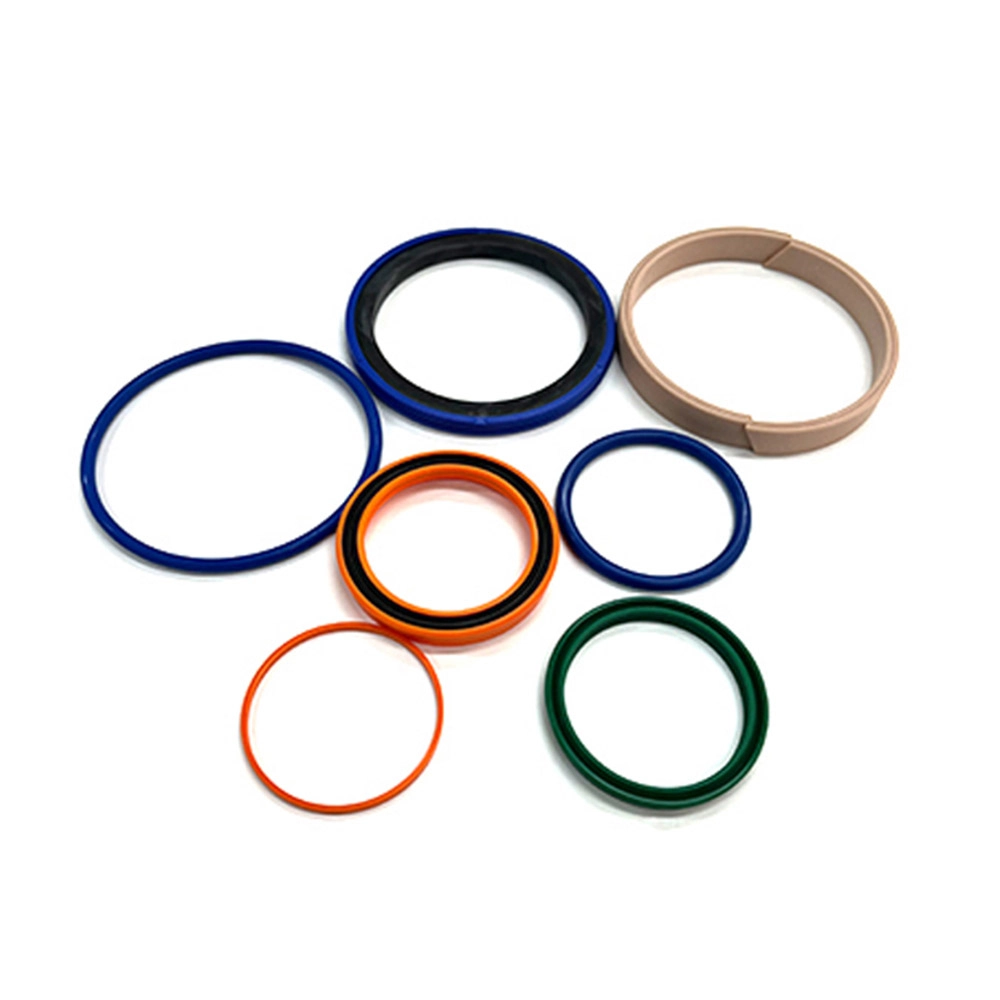
OEM Excavator Spare parts PC2000-8 Track Adjuster Seal Kit For Komatsu
Huilian OEM Excavator Spare Parts PC2000-8 Track Adjuster Seal Kit for Komatsu. Ensures optimal track adjustment performance. High-quality replacement for your PC2000-8 excavator. Order your kit today!

Huilian HL68 Hammer Breaker for 4-7 Ton Excavator SOOSAN SB40 Hydraulic Rock Breaker
Side type hydraulic breaker : Easy to control, convenient positioning, durable, high working efficiency, strong striking force, long service life, stable operating performance, convenient after-sales service.
Top type hydraulic breaker : Strong impact power; excellent environmental performance; exquisite manufacturing technology; easy maintenance,fast after-sales service
Box type hydraulic breaker :leading heat treatment technology, enhance heat resistance, wear resistance. Under the condition of keeping the oil pressure constant, the cylinder volumeis reduced and the fuel consumption is reduced.The self-developed core is adopted to make the piston cylinder body moredurable and the service life longer.Exposed decks are made of high-strength steel plates to reduce wear.The best efficiency matching with excavator and loader is realized
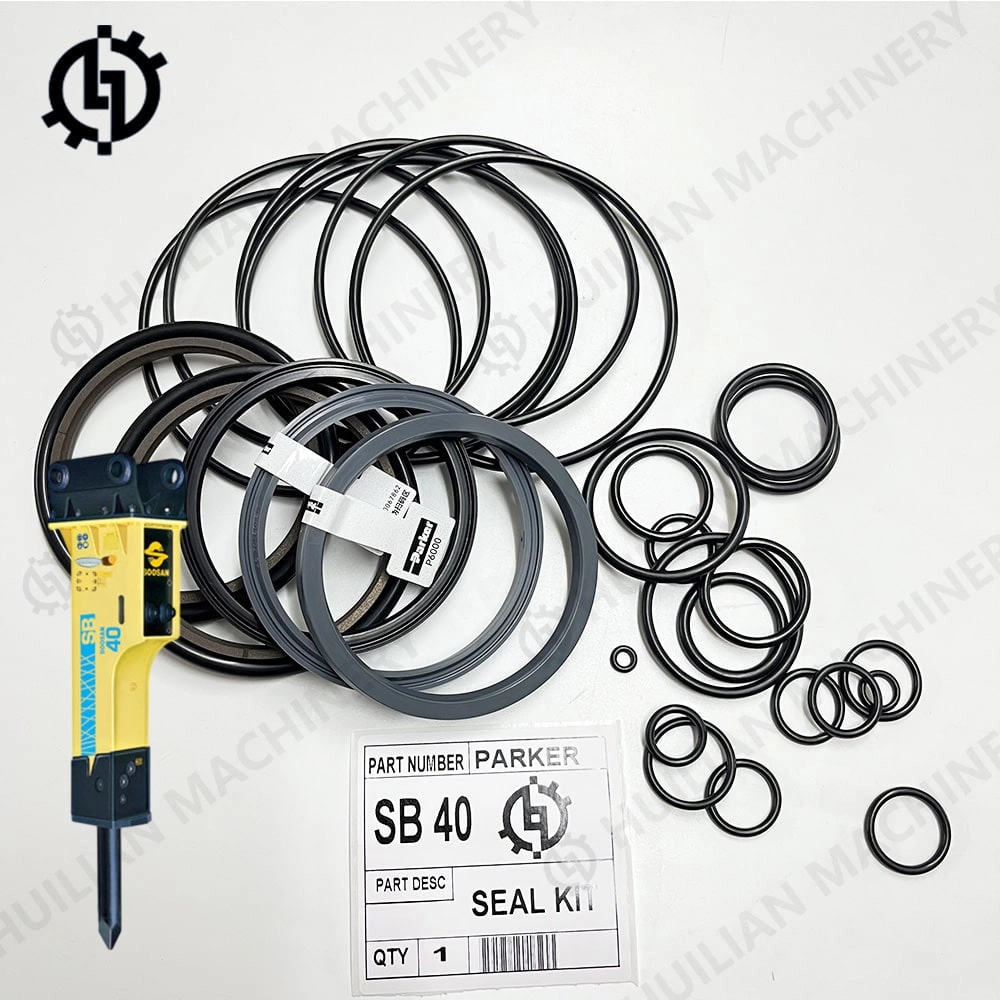
Parker Oil Seal Complete Repair SB40 Seal Kit COX001 CO1012 SB40Ⅱ SB40TSP SQ40 For Soosan Hydraulic Rock Breaker Hammer
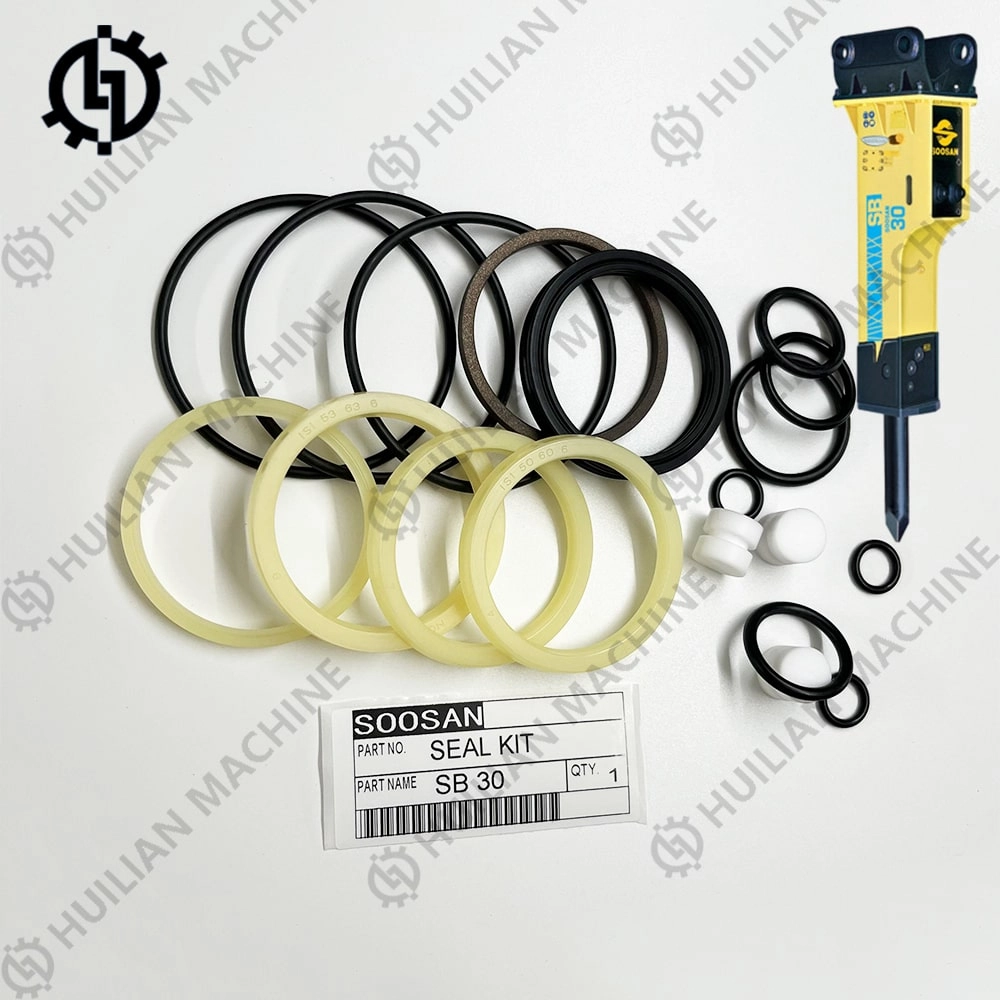
E71012 E7X001 SOOSAN SQ30 SB30Ⅱ SB30 Breaker Seal Kit SB30TS-P SB30Ⅱ TS-P SB30Ⅱ SSL Hydraulic Rock Hammer Parts Oil Repair Kit
 About us
© 2025 HUILIAN MACHINE. All rights reserved