



Inspection and Maintenance Tips to Extend Chisel Lifespan
- Understanding Chisel Wear and Failure Modes
- Common wear mechanisms
- How impact energy and operating conditions affect chisel life
- Material, heat treatment and design influences
- Routine Inspection Procedures
- Daily visual checks — quick pass that prevents big failures
- Weekly and monthly detailed inspections
- Measuring wear: practical metrics to track
- Maintenance Practices to Extend Chisel Lifespan
- Lubrication and seal maintenance
- Bolts, retainers and WearBush checks
- Hydraulic system health and impact control
- Replacement Strategies and Choosing Parts
- When to regrind vs replace the chisel
- OEM vs aftermarket parts: what I recommend
- Material choices, coatings and design features
- Practical Field Tips I Use with Clients
- Log operating hours and application data
- Component pairing matters
- Use torque and assembly controls
- About Sourcing and Supplier Quality
- Company & Product Information — Huilian Machine
- References and Further Reading
- FAQ (Frequently Asked Questions)
- 1) How often should I replace a chisel?
- 2) Can I regrind a chisel indefinitely?
- 3) Which parts should I change when I replace the chisel?
- 4) Does lubrication really matter for breaker chisels?
- 5) How do I choose between OEM and aftermarket chisels?
- 6) What are early signs of chisel failure I should watch for?
- 7) Who should I contact for technical support or parts?
I write from years of hands-on work with excavator breaker systems and as a consultant advising fleets on component life-cycle optimization. In this article I explain how targeted inspection and maintenance practices can significantly extend the lifespan of the hydraulic breaker spare parts chisel, reduce whole-tool costs, and improve jobsite productivity. The recommendations combine field-tested procedures, industry best practices and references to standards and technical literature so you can verify and adapt them for your equipment.
Understanding Chisel Wear and Failure Modes
Common wear mechanisms
Chisels in hydraulic breakers face complex wear: abrasive wear from rock and concrete, impact-induced plastic deformation, fatigue cracks from repeated loading, and corrosion where moisture and salts are present. These mechanisms are widely described in tribology literature; for a technical overview of friction, wear and lubrication fundamentals see Tribology on Wikipedia.
How impact energy and operating conditions affect chisel life
Impact energy (stroke and frequency) and application type (rock demolition vs asphalt breaking) are the biggest determinants of chisel life. Higher impact energies accelerate both plastic deformation and microcrack initiation. In practice, chisel life can vary by an order of magnitude between light-duty and heavy-duty applications, so inspection cadence and spare planning must reflect duty cycle.
Material, heat treatment and design influences
Chisels are typically forged from high-alloy tool steels and heat-treated to achieve a hard working tip with a tougher shank. Improper heat treatment, poor material quality, or design mismatches (e.g., wrong profile for the application) shorten life. When I evaluate failures, I look for heat-affected-zone issues and hardness gradients as primary clues to improper processing.
Routine Inspection Procedures
Daily visual checks — quick pass that prevents big failures
Every shift you should perform a 5–10 minute visual and functional check: examine the chisel tip and shaft for obvious cracks, check for loose through bolts or side bolts, verify the retainer/rompin is seated, and listen for abnormal acoustics during operation. I recommend adding a short checklist to daily pre-start routines to ensure consistency across operators.
Weekly and monthly detailed inspections
On a weekly or monthly basis (depending on use intensity) perform detailed inspections: measure chisel length versus new-spec, inspect the wear bush and bushing bores for ovality, check piston and tool clearances, and assess seals for extrusion or leakage. For machinery maintenance planning guidance see the UK Health & Safety Executive’s maintenance recommendations: HSE — Maintenance.
Measuring wear: practical metrics to track
Key measurable indicators I record are:
- Remaining chisel length (from reference shoulder to tip)
- Tip diameter and conicity
- Bushing bore diameter and ovality
- Through-bolt elongation or thread condition
Consistent measurement lets you plot wear rate and decide on regrind vs replacement before sudden failure. Where possible, keep a log with operating hours and application notes.
Maintenance Practices to Extend Chisel Lifespan
Lubrication and seal maintenance
Proper lubrication reduces galling between chisel and bushing and prevents accelerated wear. Use the grease type and intervals recommended by your breaker OEM or a high-quality grease compatible with Parker-type seals and breakers. Seal health is critical; replace worn seal kits before they allow abrasive ingress. For seal quality frameworks see ISO guidance on supplier quality systems: ISO 9001.
Bolts, retainers and WearBush checks
Loose or damaged through bolts, rompin/retainer bars and side bolts cause movement and shock misalignment, rapidly increasing chisel and bushing wear. I torque-check bolts after the initial 10 operating hours following a rebuild and then per the schedule below. Inspect WearBush (wear bushings) for scoring and ovality and replace when bore wear exceeds manufacturer limits.
Hydraulic system health and impact control
Breaker performance tightly couples with excavator hydraulics. Contaminated fluid, incorrect pressure, or worn piston components increase harsh impacts and reduce chisel life. Maintain hydraulic filters and fluid cleanliness per OEM intervals; contamination is one of the main root causes of premature component wear in hydraulic systems.
| Duty Type | Daily | Weekly | Monthly / 100 hrs |
|---|---|---|---|
| Light (concrete, occasional use) | Visual & bolt check | Measure chisel length, seals | Full inspection, lubrication, bolt torque |
| Medium (general demolition) | Visual, grease | Measure, inspect bushing & retainer | Replace seals/wear bush if >50% worn |
| Heavy (hard rock, continuous) | Visual, grease, acoustic check | Measure, check clearances weekly | Component rebuild or replace based on wear trends |
Note: These are practical schedules based on field experience and OEM practices; adjust to your machine hours and environment.
Replacement Strategies and Choosing Parts
When to regrind vs replace the chisel
Regrinding restores profile and can extend service life when tip mass and geometry are within allowable limits. However, repeated regrinds reduce cross-section and edge strength. I use a simple rule: if regrinding would reduce the working diameter below the manufacturer-specified minimum or the shank shows cracking or work-hardening, replace the chisel.
OEM vs aftermarket parts: what I recommend
Choosing between OEM and aftermarket chisels involves cost, traceability, and material/process assurance. OEM parts typically guarantee heat treatment, hardness and fitment. High-quality aftermarket parts can be cost-effective, but demand material certificates and hardness reports. When sourcing hydraulic breaker spare parts chisel components, insist on supplier quality documentation and, when possible, independent hardness verification.
Material choices, coatings and design features
Common chisel materials include chromium-molybdenum tool steels, often hardened to 50–60 HRC at the working tip. Some chisels use surface coatings (nitriding or thermal spray) to improve abrasion resistance. Below I summarize practical comparisons:
| Material / Feature | Advantages | Typical Applications |
|---|---|---|
| Hardened tool steel (quenched & tempered) | Good toughness + wear resistance | General demolition, variable loads |
| Nitrided surface | Improved surface hardness, wear resistance | Abrasive environments |
| Carbide tips / inserts | Excellent wear life at tip | Very abrasive rock; but higher cost |
Material performance is subject to correct heat treatment and manufacturing control. Request material certificates and hardness maps from suppliers and validate on receipt.
Practical Field Tips I Use with Clients
Log operating hours and application data
A chisel’s wear rate is meaningful only when tied to operating context. I require fleets to log hours, material being broken, ambient conditions and any incidents. This data allows predictive ordering and reduces emergency downtime.
Component pairing matters
Replacing a chisel without addressing a worn WearBush, piston or seals is a common mistake. A new chisel in a worn housing will wear quickly. Always inspect and, if necessary, replace mating components (bush, retainer, bolts, seals) as part of your chisel replacement process.
Use torque and assembly controls
Correct torque on through bolts and retainer hardware is essential to prevent fretting and movement. I keep a calibrated torque wrench on maintenance trucks and record torque values after repairs as part of quality control.
About Sourcing and Supplier Quality
Reliable sourcing of hydraulic breaker spare parts chisel and related components (seals, pistons, WearBush, retainers, through bolts) is critical. When evaluating suppliers, I look for traceability, material certifications, documented heat treatment processes, and a quality management system (e.g., ISO 9001). These criteria reduce the risk of premature failures.
In practice I also audit a supplier’s testing: hardness testing, dimensional inspection, and sample destructive testing reports are helpful. For guidance on quality management systems refer to ISO’s overview: ISO 9001.
Company & Product Information — Huilian Machine
Founded in 2005, Huilian Machine is a professional OEM supplier of excavator parts. We are leading excavator breaker parts manufacturers in China. We offer a wide range of products, including hydraulic breaker hammers, chisels, seals and seal kits, diaphragms, pistons, WearBush, rompin/retainer bars, through bolts, side bolts, valves and liners. Huilian’s team comprises experienced and skilled professionals, including technicians, R&D experts, designers, quality control professionals, salespeople and after-sales service teams.
Our products are exported to over 90 countries and regions and are highly regarded by customers worldwide for their quality and variety. Guangzhou Huilian Machinery Co., Ltd. is committed to becoming a global leader in the supply of excavator parts and components and is seeking global distributor partners to promote the sustainable development of the excavator parts industry.
Huilian advantages: long OEM experience since 2005, integrated production and quality control, broad product portfolio (excavator parts, Excavator Breaker Parts, Excavator Hydraulic Breaker, Excavator Seal Kit, Parker seal kit), and a global export footprint. These enable competitive pricing without sacrificing technical consistency and traceability. Learn more at Huilian Machine or contact service@huilianmachine.com / +86 188 1917 0788.
References and Further Reading
- Hydraulic breaker — Wikipedia (general overview of breaker systems)
- Excavator — Wikipedia (context for carrier machine interactions)
- Tribology — Wikipedia (friction, wear and lubrication fundamentals)
- ISO 9001 — Quality management (supplier quality framework)
- HSE — Equipment maintenance guidance
FAQ (Frequently Asked Questions)
1) How often should I replace a chisel?
There is no one-size-fits-all interval. Replace when the chisel tip diameter reduces below manufacturer limits, when cracks appear, or when repeated regrinds would reduce structural integrity. Use wear-rate logs (operating hours vs length loss) to predict replacement timing.
2) Can I regrind a chisel indefinitely?
No. Each regrind reduces cross-section and shortens edge life. Follow manufacturer minimum dimensions; when you reach or approach these, replace the chisel rather than regrind further.
3) Which parts should I change when I replace the chisel?
Always inspect and, where necessary, replace the WearBush (bushing), seals/seal kits, rompin/retainer bar, through bolts and side bolts. Replacing a chisel into a worn mating assembly leads to premature failure.
4) Does lubrication really matter for breaker chisels?
Yes. Proper grease reduces metal-to-metal contact, prevents abrasive ingress and reduces fretting. Regular lubrication is a low-cost, high-impact maintenance action that I prioritize across fleets.
5) How do I choose between OEM and aftermarket chisels?
Choose based on documented material properties, heat treatment records, fitment guarantees and warranty. OEM parts usually offer traceability; reputable aftermarket suppliers can be acceptable if they provide certifications and testing data.
6) What are early signs of chisel failure I should watch for?
Listen for unusual noise, reduced impact efficiency, visible tip cracking, sudden increase in vibration, and accelerated wear on bushing. Address these immediately to avoid secondary damage to pistons and housings.
7) Who should I contact for technical support or parts?
For OEM-quality hydraulic breaker spare parts chisel and related components, contact Huilian Machine — website: https://www.huilianmachine.com/, Email: service@huilianmachine.com, Phone: +86 188 1917 0788.
If you want a tailored inspection checklist, wear-trend template, or help selecting chisels and seal kits for your fleet, contact me through Huilian Machine’s service channels above. I can help audit your current maintenance program and propose a cost-optimized spare parts plan.
Choosing the Best Hydraulic Breaker by Excavator Size and Weight
Wholesale hydraulic breaker hammer attachment manufacturer and supplier
Upgrading Breaker Parts for Heavy-Duty Excavation Tasks
Top Excavator Breaker Hammers for Heavy-Duty Demolition Projects
About
Are your parts compatible with all excavator brands?
Yes, our parts are designed to be compatible with major brands like Komatsu, Caterpillar, Hitachi, Hyundai, Doosan, JCB, Kobelco, Sany, and many more.
Do you offer OEM and aftermarket parts?
Yes, we manufacture high-quality OEM parts and supply aftermarket parts from top brands such as NOK, Parker, SKF, and Hallite to ensure optimal performance.
What is your shipping and delivery time?
We offer fast and reliable global shipping. Delivery times vary depending on location and order size, but we strive to process and ship orders as quickly as possible.
What types of excavator parts do you offer?
We provide a wide range of high-quality excavator parts, including hydraulic breakers, chisels, seal kits, diaphragms, pistons, wear bushes, retainer bars, through bolts, side bolts, valves, and liners.
How can I ensure I’m selecting the right part for my equipment?
Our expert team can assist you in finding the right part based on your machine model, specifications, and requirements. Contact us for personalized support.

Huilian Hydraulic Rock Hammer Breaker SB10 for 0.5-1.2 Ton Mini Excavator Breaker
Side-type hydraulic breaker : Easy to control, convenient positioning, durable, high working efficiency, strong striking force, long service life, stable operating performance, and convenient after-sales service.
Top type hydraulic breaker : Strong impact power; excellent environmental performance; exquisite manufacturing technology; easy maintenance, fast after-sales service
Box-type hydraulic breaker: leading heat treatment technology, enhanced heat resistance, and wear resistance. Under the condition of keeping the oil pressure constant, the cylinder volume is reduced and the fuel consumption is reduced. The self-developed core is adopted to make the piston cylinder body durable and the service life longer. Exposed decks are made of high-strength steel plates to reduce wear. The best efficiency matching with excavator and loader is realized

Huilian HL100 Hydraulic Hammer Rock Breaker Excavator Attachment

Huilian HL68 Hammer Breaker for 4-7 Ton Excavator SOOSAN SB40 Hydraulic Rock Breaker
Side type hydraulic breaker : Easy to control, convenient positioning, durable, high working efficiency, strong striking force, long service life, stable operating performance, convenient after-sales service.
Top type hydraulic breaker : Strong impact power; excellent environmental performance; exquisite manufacturing technology; easy maintenance,fast after-sales service
Box type hydraulic breaker :leading heat treatment technology, enhance heat resistance, wear resistance. Under the condition of keeping the oil pressure constant, the cylinder volumeis reduced and the fuel consumption is reduced.The self-developed core is adopted to make the piston cylinder body moredurable and the service life longer.Exposed decks are made of high-strength steel plates to reduce wear.The best efficiency matching with excavator and loader is realized
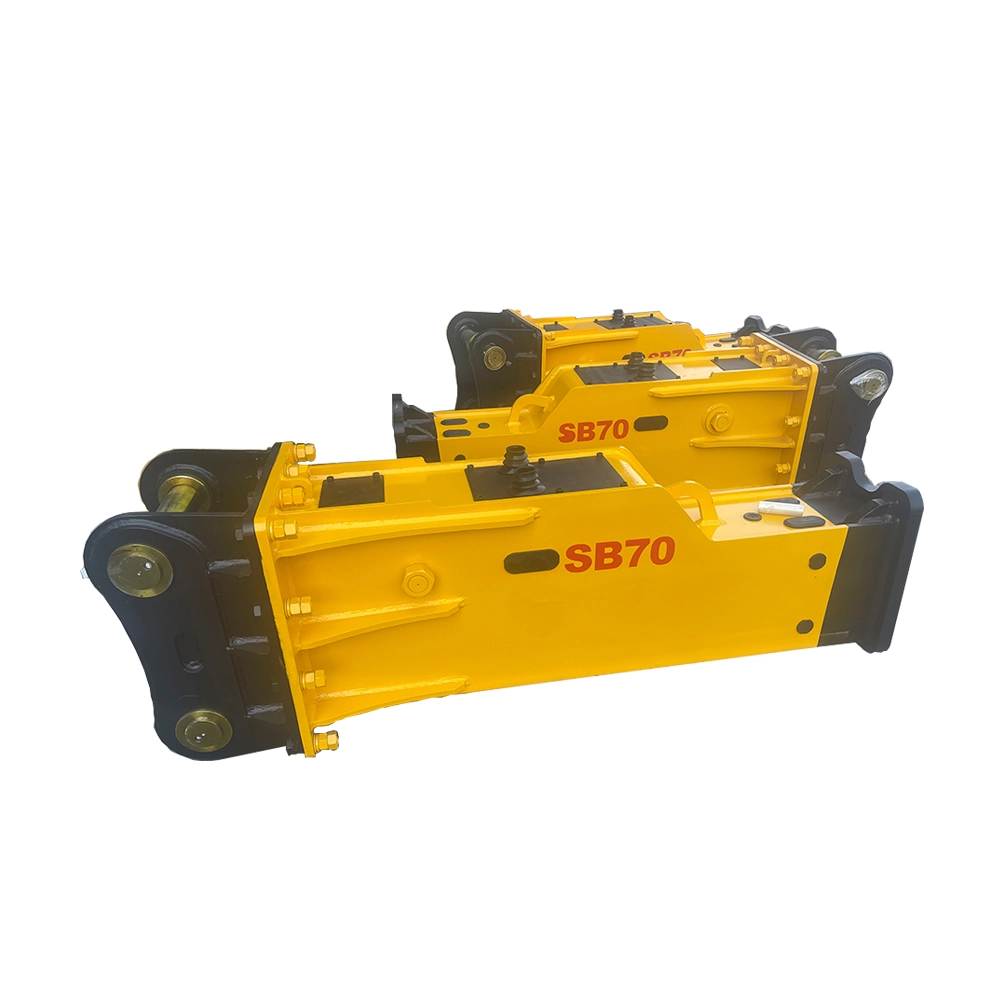
Huilian OEM Hydraulic Hammer Breaker SB70 For Soosan
 About us
© 2025 HUILIAN MACHINE. All rights reserved