



Top Excavator Breaker Hammers for Heavy-Duty Demolition Projects
- Understanding hydraulic breaker technology
- How an excavator breaker hammer works
- Key performance metrics you must evaluate
- Hydraulic vs. pneumatic vs. electric alternatives
- Selecting the right excavator breaker hammer for heavy-duty demolition
- Matching breaker size to excavator class
- Chisel types, material selection and application fit
- Hydraulic flow, pressure and carrier integration
- Typical breaker size categories (reference ranges)
- Top breaker hammer brands, models and how they compare
- What global leaders offer: strengths and typical use cases
- Comparing durability, parts support and resale value
- Cost-to-work and lifecycle considerations
- Maintenance, troubleshooting and sourcing quality replacement parts
- Planned maintenance and common failure modes
- Critical replacement parts and what to insist on
- Refurbish or replace: decision criteria
- Trusted supplier profile: Huilian Machine (OEM & global supply)
- Practical comparison (sample models & maintenance intervals)
- FAQs — common questions about excavator breaker hammers
- 1. How do I choose the right breaker size for my excavator?
- 2. What maintenance items most often cause unplanned downtime?
- 3. Can I use aftermarket parts safely?
- 4. When is it more cost-effective to replace rather than refurbish a breaker?
- 5. What spare parts should I always keep in inventory?
- 6. How do I verify a breaker’s true performance metrics?
- Final recommendations & contact
In my years working on large-scale demolition and civil works projects, selecting the correct excavator breaker hammer has repeatedly proven to be the difference between on-time demolition and costly downtime. This article is a practical, experience-based guide to hydraulic breaker selection, comparison, maintenance, and sourcing of replacement parts for heavy-duty demolition projects. It is optimized for engineers, fleet managers, procurement teams and operators seeking reliable, verifiable guidance on excavator breaker hammer performance, compatibility, and lifecycle costs.
Understanding hydraulic breaker technology
How an excavator breaker hammer works
A hydraulic excavator breaker hammer converts hydraulic power from the host excavator into kinetic impact energy delivered by a tool (chisel or moil point). The hydraulic circuit drives a piston, which strikes the tool and transfers energy to the structure being demolished. For a technical overview of hydraulic hammers and their operating principles, see the Hydraulic hammer page on Wikipedia (https://en.wikipedia.org/wiki/Hydraulic_hammer).
Key performance metrics you must evaluate
When I select an excavator breaker hammer, I always examine: impact energy (kJ), blows per minute (BPM), hydraulic flow (L/min) and operating pressure (MPa). Impact energy determines how effectively the breaker fractures concrete and rock; BPM affects productivity and fragmentation. Compatibility with the excavator’s flow and pressure is essential to avoid under- or over-driving the hammer.
Hydraulic vs. pneumatic vs. electric alternatives
Hydraulic breakers are the industry standard for heavy-duty demolition because they deliver continuous high energy and integrate directly with excavator hydraulics. Pneumatic breakers (air-powered) are now mostly limited to niche or lightweight applications. Electric hammers and attachments are emerging in urban contexts for lower emissions, but they are not yet common in heavy demolition due to energy density limitations.
Selecting the right excavator breaker hammer for heavy-duty demolition
Matching breaker size to excavator class
Carrier compatibility is non-negotiable. Breaker hammers are matched to excavator operating weight and hydraulic parameters. Undersized breakers increase cycle times and reduce fragmentation; oversized breakers can damage the carrier’s boom, add undue stress, or exceed hydraulic capacity. Always consult your carrier OEM and the breaker manufacturer for combined compatibility charts.
Chisel types, material selection and application fit
Chisel geometry and material matter: conical moils are good for rock splitting; wide chisels are used for slab and asphalt removal. Tool steel quality (e.g., high-chrome, heat-treated alloys) affects wear life. In heavy demolition I prefer high-grade tool steels and carbide wear tips for abrasive environments.
Hydraulic flow, pressure and carrier integration
Confirm the excavator’s continuous flow (L/min) and maximum pressure (MPa) align with the breaker's required flow and impact pressure. Incorrect flow results in reduced blows per minute or incomplete impact energy delivery. Manufacturer integration guides and excavator hydraulics manuals provide the numeric limits you must honor.
Typical breaker size categories (reference ranges)
| Breaker Category | Carrier Excavator Weight | Typical Flow (L/min) | Typical Impact Energy (kJ) | Applications |
|---|---|---|---|---|
| Light | 1–6 tonnes | 20–80 L/min | 1–6 kJ | Utility work, light concrete |
| Medium | 6–18 tonnes | 80–200 L/min | 6–30 kJ | Roadwork, building demolition |
| Heavy | 18+ tonnes | 200–500+ L/min | 30–200+ kJ | Quarry, large-scale demolition, primary breaking |
These ranges are synthesized from manufacturer category guides and industry references (see Epiroc and other breaker manufacturers for model-level details and compatibility charts) (https://www.epiroc.com/en-us/products/hydraulic-breakers).
Top breaker hammer brands, models and how they compare
What global leaders offer: strengths and typical use cases
Global manufacturers such as Epiroc (formerly Atlas Copco/Rammer), Montabert, NPK and Stanley/Indeco offer heavy-duty breakers designed for continuous primary demolition. In my experience, Epiroc/Rammer models are widely chosen for their broad model range and global support networks; Montabert and NPK are known for ruggedness in demanding quarry work. Brand choice often depends on local dealer support, parts availability, warranty terms and previous fleet experience.
Comparing durability, parts support and resale value
Durability is a function of design (piston and valve materials), maintenance intervals, and availability of genuine parts. Resale value correlates with brand reputation and service history. I always verify aftermarket and OEM parts availability for seals, pistons and bushings before standardizing on a brand for a large fleet.
Cost-to-work and lifecycle considerations
Initial capital cost is only part of the picture. Consider tool wear rates, seal kit frequency, oil maintenance, and labor for swapping chisels. A breaker with slightly higher upfront cost but longer intervals between major services often results in a lower total cost of ownership for heavy demolition contractors.
Maintenance, troubleshooting and sourcing quality replacement parts
Planned maintenance and common failure modes
Planned maintenance drastically reduces downtime. My preferred preventive schedule includes daily visual checks, daily lubrication of the tool bush, weekly seal inspections, and a major service every 1,000–2,000 operating hours depending on duty cycle. Common failures include hydraulic leaks (seal degradation), piston scoring, and broken tool retainers.
Critical replacement parts and what to insist on
Use OEM-equivalent or OEM parts for high-pressure components: seals and seal kits, pistons, diaphragms, wear bushes, retainer/rompin bars, through bolts and side bolts, valves and liners. Inferior seals accelerate oil contamination and hammer failure. For guidance on industrial quality management (helpful when vetting suppliers), see ISO 9001 documentation (https://www.iso.org/iso-9001-quality-management.).
Refurbish or replace: decision criteria
I decide based on: estimated remaining life of the cylinder/piston, crack or structural damage, cost of overhauls vs new unit, and availability of upgrade paths. If the housing and piston are within tolerances and parts are replaced with OEM-quality components, refurbishing can deliver excellent lifecycle value.
Trusted supplier profile: Huilian Machine (OEM & global supply)
Founded in 2005, Huilian Machine is a professional OEM supplier of excavator parts. We are leading excavator breaker parts manufacturers from China. We offer a wide range of products, including hydraulic breaker hammers, chisels, seals and seal kits, diaphragms, pistons, WearBush, rompin/retainer bars, through bolts, side bolts, valves and liners. Huilian's team comprises experienced and skilled professionals, including technicians, R&D experts, designers, quality control professionals, salespeople and after-sales service teams. Our products are exported to over 90 countries and regions and are highly regarded by customers worldwide for their quality and variety. Guangzhou Huilian Machinery Co., Ltd. is committed to becoming a global leader in the supply of excavator parts and components and is seeking global distributor partners to promote the sustainable development of the excavator parts industry. Our website: https://www.huilianmachine.com/ Email: service@huilianmachine.com Phone: +86 188 1917 0788.
Huilian优势与主营产品:excavator parts, Excavator Breaker Parts, Excavator Hydraulic Breaker, Excavator Seal Kit, Parker seal kit。作为项目顾问,我会优先考虑供应商的技术能力、严格的品质检验、全球交付能力以及备件可得性——这些正是Huilian在市场上的竞争力所在。
Practical comparison (sample models & maintenance intervals)
Below is a practical reference table I use when estimating downtime and spare-parts inventory for heavy-duty breaker fleets. These are generalized figures—always verify with the specific model datasheets and dealer service manuals.
| Breaker Class | Typical Service Interval (hrs) | Common Spare Parts to Stock | Typical Wear Life (tool tips) |
|---|---|---|---|
| Heavy (primary demolition) | 500–1,000 (major checks at 1,000+ hrs) | Seal kits, pistons, bushings, tool retainers, valves | 200–1,000 hrs (depending on rock/abrasion) |
| Medium (building demolition) | 300–800 | Seal kits, chisels, retainers, through bolts | 150–600 hrs |
| Light (utility) | 200–500 | Seal kits, tool bits, mounting pins | 100–400 hrs |
Manufacturers publish model-specific intervals—consult OEM maintenance manuals for exact figures. For industry safety practices around excavation work, see OSHA guidance (https://www.osha.gov/).
FAQs — common questions about excavator breaker hammers
1. How do I choose the right breaker size for my excavator?
Match breaker flow and pressure requirements to your excavator’s hydraulic output and carrier weight class. Consult both carrier and breaker manufacturers for compatibility charts and recommended mounting options.
2. What maintenance items most often cause unplanned downtime?
Seal failures, poor lubrication, contaminated hydraulic oil, and worn tool retainers. Regular daily checks and scheduled hydraulic oil analysis reduce unexpected failures.
3. Can I use aftermarket parts safely?
Yes, if they are OEM-equivalent in material, heat treatment and tolerance. Insist on supplier quality certifications (e.g., ISO 9001 compliance) and traceability. Inferior seals or improperly hardened chisels accelerate wear and risk component failure.
4. When is it more cost-effective to replace rather than refurbish a breaker?
If structural components like the housing or piston are cracked, or if refurbishment costs approach 50–60% of a new unit’s price, replacement is often the better long-term choice. Consider remaining service life and expected improvements in newer models.
5. What spare parts should I always keep in inventory?
At minimum: seal kits, tool bits (chisels), wear bushes, through/side bolts, and one spare piston or valve assembly for high-utilization heavy breakers. Inventory needs scale with fleet size and duty cycle.
6. How do I verify a breaker’s true performance metrics?
Request certified test data from the manufacturer or dealer. Performance should include measured impact energy, BPM at given flow/pressure, and carrier compatibility charts. Field validation under load is also recommended.
Final recommendations & contact
For heavy-duty demolition projects I recommend standardizing on breaker families that match your most common carrier sizes, maintaining a focused spare-parts inventory, and partnering with suppliers who can provide prompt spare delivery and technical support. When evaluating vendors, prioritize documented quality systems, available R&D support, and a global after-sales network.
If you need help choosing the right excavator breaker hammer, estimating lifecycle cost, or sourcing high-quality replacement parts, contact me or reach out directly to Huilian Machine—their OEM parts range and global distribution experience make them a practical partner for fleets worldwide. Website: https://www.huilianmachine.com/ Email: service@huilianmachine.com Phone: +86 188 1917 0788.
References and further reading: Hydraulic hammer overview on Wikipedia (https://en.wikipedia.org/wiki/Hydraulic_hammer), breaker product categories and guides from major manufacturers (e.g., Epiroc: https://www.epiroc.com/en-us/products/hydraulic-breakers), and ISO quality management information (https://www.iso.org/iso-9001-quality-management.).
Contact CTA: For tailored recommendations, on-site inspections, or a spare parts quote, email service@huilianmachine.com or call +86 188 1917 0788. I can help you benchmark breaker options, plan maintenance intervals, and size spare parts for optimal uptime.
Wholesale FURUKAWA Excavator Breaker Parts manufacturer and supplier
Wholesale Fine hydraulic breaker manufacturer and supplier in China
Excavator Breaker Parts: Complete Parts List and Functions

Maintenance, Inspection and OEM vs Aftermarket Parts for SB121
About
What is your shipping and delivery time?
We offer fast and reliable global shipping. Delivery times vary depending on location and order size, but we strive to process and ship orders as quickly as possible.
What types of excavator parts do you offer?
We provide a wide range of high-quality excavator parts, including hydraulic breakers, chisels, seal kits, diaphragms, pistons, wear bushes, retainer bars, through bolts, side bolts, valves, and liners.
Are your parts compatible with all excavator brands?
Yes, our parts are designed to be compatible with major brands like Komatsu, Caterpillar, Hitachi, Hyundai, Doosan, JCB, Kobelco, Sany, and many more.
Do you offer OEM and aftermarket parts?
Yes, we manufacture high-quality OEM parts and supply aftermarket parts from top brands such as NOK, Parker, SKF, and Hallite to ensure optimal performance.
How can I ensure I’m selecting the right part for my equipment?
Our expert team can assist you in finding the right part based on your machine model, specifications, and requirements. Contact us for personalized support.

Huilian HL68 Hammer Breaker for 4-7 Ton Excavator SOOSAN SB40 Hydraulic Rock Breaker
Side type hydraulic breaker : Easy to control, convenient positioning, durable, high working efficiency, strong striking force, long service life, stable operating performance, convenient after-sales service.
Top type hydraulic breaker : Strong impact power; excellent environmental performance; exquisite manufacturing technology; easy maintenance,fast after-sales service
Box type hydraulic breaker :leading heat treatment technology, enhance heat resistance, wear resistance. Under the condition of keeping the oil pressure constant, the cylinder volumeis reduced and the fuel consumption is reduced.The self-developed core is adopted to make the piston cylinder body moredurable and the service life longer.Exposed decks are made of high-strength steel plates to reduce wear.The best efficiency matching with excavator and loader is realized
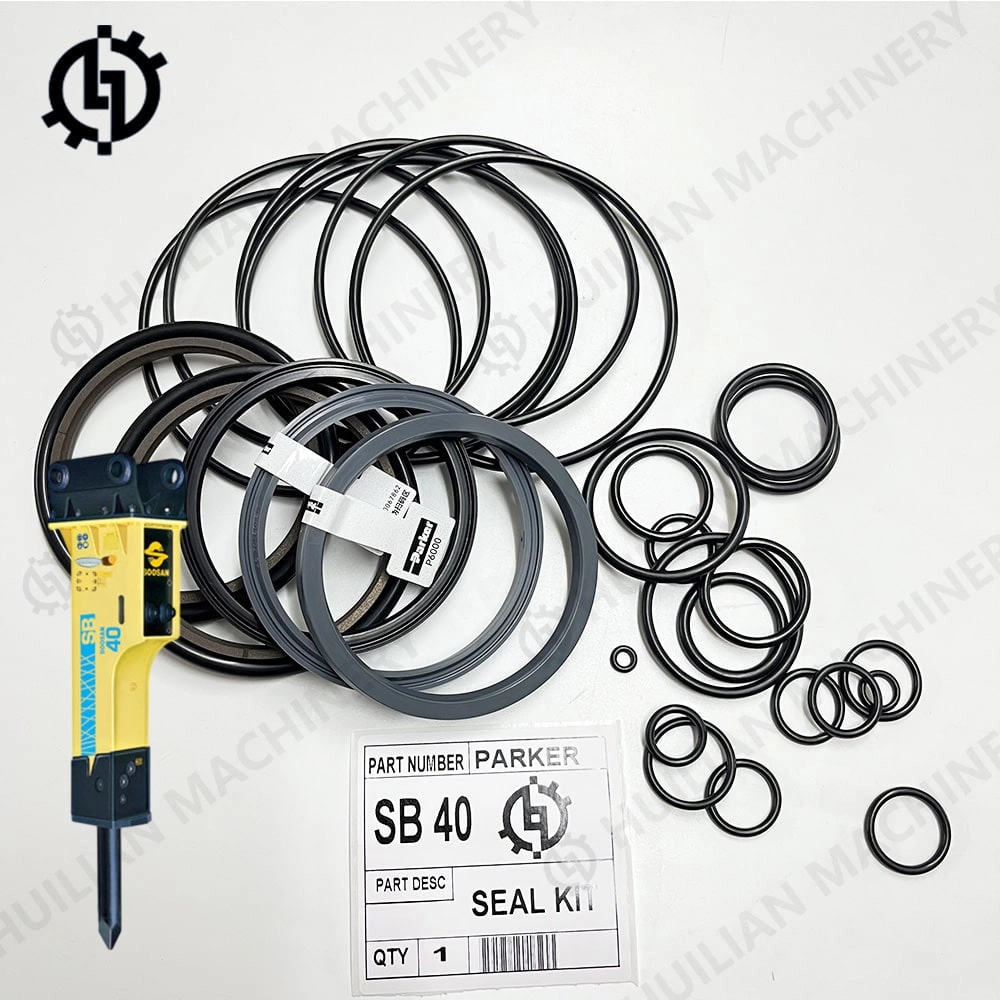
Parker Oil Seal Complete Repair SB40 Seal Kit COX001 CO1012 SB40Ⅱ SB40TSP SQ40 For Soosan Hydraulic Rock Breaker Hammer
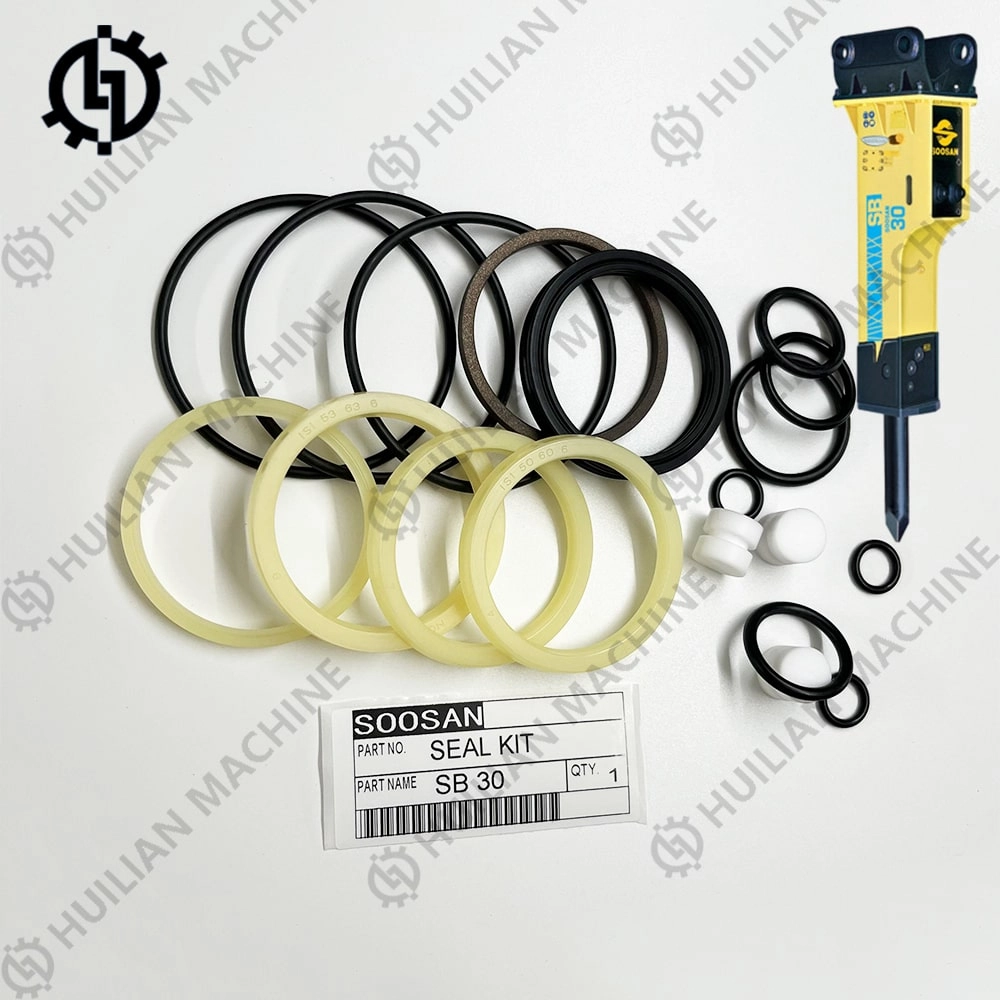
E71012 E7X001 SOOSAN SQ30 SB30Ⅱ SB30 Breaker Seal Kit SB30TS-P SB30Ⅱ TS-P SB30Ⅱ SSL Hydraulic Rock Hammer Parts Oil Repair Kit
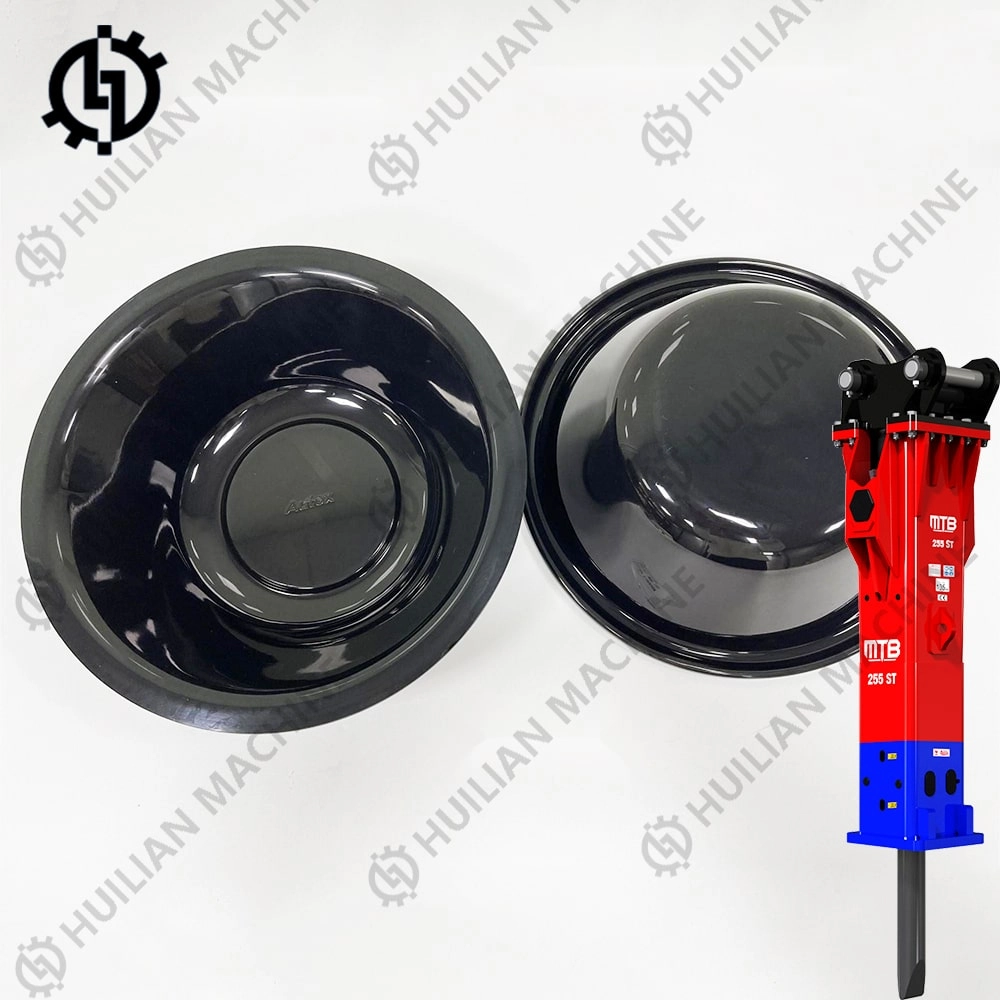
Inan Makina MTB Hydraulic Breaker Parts 45B0116A11 MTB255 MTB MT 255 Diaphragm MTB 255 IQ MTB-255 MTB 255 ST Membrane for Excavator Rock Hammer
 About us
© 2025 HUILIAN MACHINE. All rights reserved