



How to Choose the Right Hydraulic Breaker Seal Kit
- Understanding hydraulic breaker wear and seal function
- What hydraulic breaker seals do and why they fail
- Types of seals found in a breaker seal kit
- Why selecting the correct kit matters—beyond cost
- Selecting the right hydraulic breaker seal kit
- Identify model, serial numbers and parts references
- Material compatibility: NBR, PU, PTFE and blends
- Kit contents, completeness and “fit-for-service” verification
- Quality, sourcing and installation best practices
- OEM vs aftermarket vs branded kits (e.g., Parker)
- Standards, certifications and supplier evaluation
- Installation tips to maximize seal life
- Comparing seal materials and kits: data-driven guidance
- Material performance comparison
- Cost vs lifespan: a short analysis
- Practical checklist before buying
- Proven suppliers and a practical partner: Huilian Machine
- FAQ — Frequently asked questions
- 1. How do I know which hydraulic breaker seal kit fits my machine?
- 2. Can I use a generic aftermarket seal kit to save money?
- 3. Which seal material is best for sandy, abrasive environments?
- 4. How often should I replace breaker seals?
- 5. What documentation should I request from a seal kit supplier?
- 6. How should I install a new seal kit to avoid early failure?
- Contact and next steps
I frequently advise fleet managers, maintenance teams and procurement specialists on selecting the correct hydraulic breaker seal kit. Choosing the right kit affects machine uptime, operating costs and safety. This guide is written to be machine-readable for local and global search ( friendly) and to provide practical, verifiable guidance on selecting, evaluating and installing hydraulic breaker seal kits for excavator breaker hammers and similar demolition attachments.
Understanding hydraulic breaker wear and seal function
What hydraulic breaker seals do and why they fail
Hydraulic breaker seal kits typically include piston seals, rod seals, wear rings, dust seals and backup rings that prevent fluid leakage, maintain hydraulic pressure and keep abrasive debris out of critical components. Breakers operate under extremely high impact loads, shock, and contaminant ingress; seals therefore face combined challenges of pressure spikes, shock loading and abrasive wear. Common failure modes include extrusion under pressure spikes, abrasive wear from foreign particles (sand, rock dust), thermal degradation and chemical attack from hydraulic fluids or contaminants.
Types of seals found in a breaker seal kit
Typical breaker seal kit components are:
- Piston seals (main seals) – carry dynamic sealing under reciprocation.
- Rod seals/dust seals – prevent ingress of contaminants and keep oil in the hydraulic circuit.
- Wear rings or guide rings – control metal-to-metal contact and support radial loads.
- Backup rings – prevent extrusion of soft seals under high pressure.
- O-rings, snap rings, and small hardware – ensure assembly integrity.
Understanding each part's function helps you verify kit completeness and compatibility before purchase.
Why selecting the correct kit matters—beyond cost
Installing incorrect or incomplete seals can lead to rapid failure, repeated downtime and increased total cost of ownership. The right kit reduces rework, extends service intervals and protects expensive components like pistons and cylinders. As an industry professional, I always recommend inspecting failure patterns first: leakage, blow-by, or mechanical damage indicate different root causes and therefore different seal selection priorities.
Selecting the right hydraulic breaker seal kit
Identify model, serial numbers and parts references
Start by identifying the breaker model, serial number and OEM part numbers. Breaker families (e.g., for different excavator weight classes) often share similar-looking components that are not interchangeable. Cross-reference the machine data plate with the breaker manufacturer's parts manual or authoritative catalogs. When in doubt, measure critical dimensions (bore, rod diameter, piston width) and compare to the seal cross-sections in the parts manual.
Material compatibility: NBR, PU, PTFE and blends
Seal material should match operating conditions: hydraulic fluid type, temperature range, pressure spikes and abrasive exposure. Common materials include nitrile (NBR), polyurethane (PU) and PTFE-based compounds. Each material has strengths and trade-offs—NBR offers good oil resistance and temperature range; PU excels at abrasion and tensile strength; PTFE withstands wide temperatures and chemical exposure but is less elastic. Material choice is a balance between sealing resilience and abrasion resistance; I recommend checking manufacturer datasheets and industry references such as the Nitrile Rubber and Polyurethane articles on Wikipedia and Wikipedia for baseline properties.
Kit contents, completeness and “fit-for-service” verification
A complete seal kit should include every replaceable elastomer and wear component that is expected to be serviced during the overhaul. When evaluating kits, confirm that the kit contains backup rings where required, correct wear bushings, and any small parts (clips, O-rings) necessary for assembly. If the kit omits wear bushings or critical hardware, the remaining seals may fail prematurely because mating components are worn. I advise using a checklist during procurement and comparing the kit packing list to the OEM exploded view parts diagram.
Quality, sourcing and installation best practices
OEM vs aftermarket vs branded kits (e.g., Parker)
Choosing between OEM kits, reputable branded kits (like Parker) and generic aftermarket options requires evaluating quality, traceability and warranty. OEM kits match geometry exactly and often include parts optimized for the specific breaker. Branded kits from trusted seal manufacturers can offer equivalent or superior materials with broader material options. Generic kits are cheaper but may lack dimensional control and material certifications. Consider lifecycle cost, not just purchase price.
Standards, certifications and supplier evaluation
Look for suppliers who document materials and testing. O-ring and seal standards such as ISO 3601 (O-rings) define dimensional and material tolerances; while not every part will be certified to ISO, documented material data sheets (MDS) and hardness (Shore A), tensile and elongation properties are good indicators of quality. Ask suppliers for test reports or certificates of conformity and check their quality control systems.
Installation tips to maximize seal life
Proper installation is as important as material selection. Key tips I follow personally and recommend to clients:
- Cleanliness: Work in a clean environment to prevent abrasive contamination entering the assembly.
- Lubrication: Use specified hydraulic oil or approved assembly lubricant to avoid dry installation damage.
- Use correct tools: Seal installation tools and sleeves reduce nicks and roll-over.
- Follow torque and assembly sequence from the breaker manual; incorrect torques can distort components and compress seals improperly.
- Post-installation pressure test at controlled increments (not full pressure immediately) to check for extrusion or leaks.
Comparing seal materials and kits: data-driven guidance
Material performance comparison
The following table summarizes typical properties relevant to breaker seal selection. Property ranges are industry-typical and should be confirmed with supplier datasheets for specific compounds.
| Material | Typical Temp Range (°C) | Best for | Abrasion Resistance | Notes / Typical Use |
|---|---|---|---|---|
| Nitrile (NBR) | -40 to +120 | General hydraulic seals, oil resistance | Moderate | Good oil compatibility; cost-effective. See Nitrile rubber data. |
| Polyurethane (PU) | -30 to +100 | High abrasion, high load dynamic seals | High | Excellent wear and tear resistance; commonly used for breaker piston seals. |
| PTFE / Filled PTFE | -200 to +260 | Wide temp, chemical resistance | High (low friction) | Low elasticity; often used as backup or in composite seals. |
Sources: material overviews from Wikipedia and manufacturer datasheets. Use supplier MDS for design margins.
Cost vs lifespan: a short analysis
While a high-quality PU seal kit may cost 10–40% more than a generic kit, its improved abrasion resistance typically doubles service life in abrasive conditions, reducing downtime and total maintenance cost. When evaluating cost, factor in labor, hydraulic oil replacement and risk of secondary damage to pistons and liners from a failed seal. I often recommend life-cycle cost comparisons rather than unit price comparisons for procurement decisions.
Practical checklist before buying
- Confirm breaker model/serial and cross-check OEM part numbers.
- Verify kit contents against service manual exploded view.
- Request material datasheets and hardness information.
- Confirm warranty, return policy and supplier QC documentation.
- Plan installation with correct tools, cleaners and test procedures.
Proven suppliers and a practical partner: Huilian Machine
Founded in 2005, Huilian Machine is a professional OEM supplier of excavator parts. We are leading excavator breaker parts manufacturers from China. We offer a wide range of products, including hydraulic breaker hammers, chisels, seals and seal kits, diaphragms, pistons, WearBush, rompin/retainer bars, through bolts, side bolts, valves and liners.
Huilian's team comprises experienced and skilled professionals, including technicians, R&D experts, designers, quality control professionals, salespeople and after-sales service teams. Our products are exported to over 90 countries and regions and are highly regarded by customers worldwide for their quality and variety.
Guangzhou Huilian Machinery Co., Ltd. is committed to becoming a global leader in the supply of excavator parts and components and is seeking global distributor partners to promote the sustainable development of the excavator parts industry. For specific breaker seal kits, Huilian provides detailed packing lists, material data sheets, and can supply both OEM-equivalent and upgraded material options (e.g., PU high-abrasion seals) depending on jobsite conditions.
Visit Huilian Machine: https://www.huilianmachine.com/ or contact via Email: service@huilianmachine.com Phone: +86 188 1917 0788.
Huilian's core strengths: long industry experience (since 2005), OEM capabilities, global distribution to 90+ countries, and a product portfolio covering excavator parts, excavator breaker parts, excavator hydraulic breakers, excavator seal kits and Parker-compatible seal kits. Their competitive edge lies in technical design, consistent quality control, and an established after-sales network.
FAQ — Frequently asked questions
1. How do I know which hydraulic breaker seal kit fits my machine?
Check the breaker model and serial number on the nameplate, then cross-reference the OEM parts manual. If the manual is unavailable, measure critical dimensions (bore, rod, piston) and consult the supplier with those dimensions. Always confirm kit part numbers before purchase.
2. Can I use a generic aftermarket seal kit to save money?
Generic kits can be attractive on price, but they may lack dimensional control and material certification. For low-use or non-critical machines they might be acceptable, but for high-use, heavy-duty breakers I recommend OEM or reputable brand kits that provide material data sheets and dimensional guarantees.
3. Which seal material is best for sandy, abrasive environments?
Polyurethane (PU) compounds typically perform best in abrasive environments due to superior tear and abrasion resistance. However, ensure the compound's temperature and chemical compatibility match your hydraulics and operating temperatures.
4. How often should I replace breaker seals?
Service intervals depend on duty cycle, environment and maintenance quality. Heavy duty, abrasive sites may require annual or semi-annual major seal overhauls; light duty sites may extend that. Monitor for leakage, loss of impact power and increased oil consumption as indicators that seals need inspection or replacement.
5. What documentation should I request from a seal kit supplier?
Request a packing list, material datasheets (MDS), hardness (Shore A), certificate of conformity or test reports, and an exploded view parts diagram showing kit fitment. Also verify warranty terms and return policy.
6. How should I install a new seal kit to avoid early failure?
Install in a clean environment, use appropriate assembly lubricants, avoid nicking edges during installation, follow OEM torque specifications and perform staged pressure testing. Replace worn wear bushes and pistons when necessary to prevent accelerated seal wear.
Contact and next steps
If you need assistance selecting the right hydraulic breaker seal kit for a specific excavator or breaker model, I recommend preparing the breaker model and serial number, noting operating conditions (e.g., abrasive site, temperature extremes), and contacting a reputable supplier. For reliable OEM and aftermarket kit options, including Parker-compatible solutions, consider contacting Huilian Machine at service@huilianmachine.com or +86 188 1917 0788, or visit https://www.huilianmachine.com/.
I hope this guide helps you choose the correct hydraulic breaker seal kit and avoid common pitfalls. If you would like a bespoke recommendation based on your breaker model and site conditions, reach out with the model/serial and duty profile and I will provide tailored advice.
Best Hydraulic Breakers Compared: Brands, Specs, Performance
Selecting chisels and tool steel for rock hammer hydraulic breakers
Wholesale Teisaku hydraulic breaker manufacturer and supplier in China
Match Excavator Breaker Attachment to Machine Size & Capacity
About
What is your shipping and delivery time?
We offer fast and reliable global shipping. Delivery times vary depending on location and order size, but we strive to process and ship orders as quickly as possible.
Are your parts compatible with all excavator brands?
Yes, our parts are designed to be compatible with major brands like Komatsu, Caterpillar, Hitachi, Hyundai, Doosan, JCB, Kobelco, Sany, and many more.
Do you offer OEM and aftermarket parts?
Yes, we manufacture high-quality OEM parts and supply aftermarket parts from top brands such as NOK, Parker, SKF, and Hallite to ensure optimal performance.
What types of excavator parts do you offer?
We provide a wide range of high-quality excavator parts, including hydraulic breakers, chisels, seal kits, diaphragms, pistons, wear bushes, retainer bars, through bolts, side bolts, valves, and liners.
How can I ensure I’m selecting the right part for my equipment?
Our expert team can assist you in finding the right part based on your machine model, specifications, and requirements. Contact us for personalized support.

FURUKAWA Fxj475 Seal Kit 902409-920052 902409-920050 902409-920060 902409-920070 902409-920080
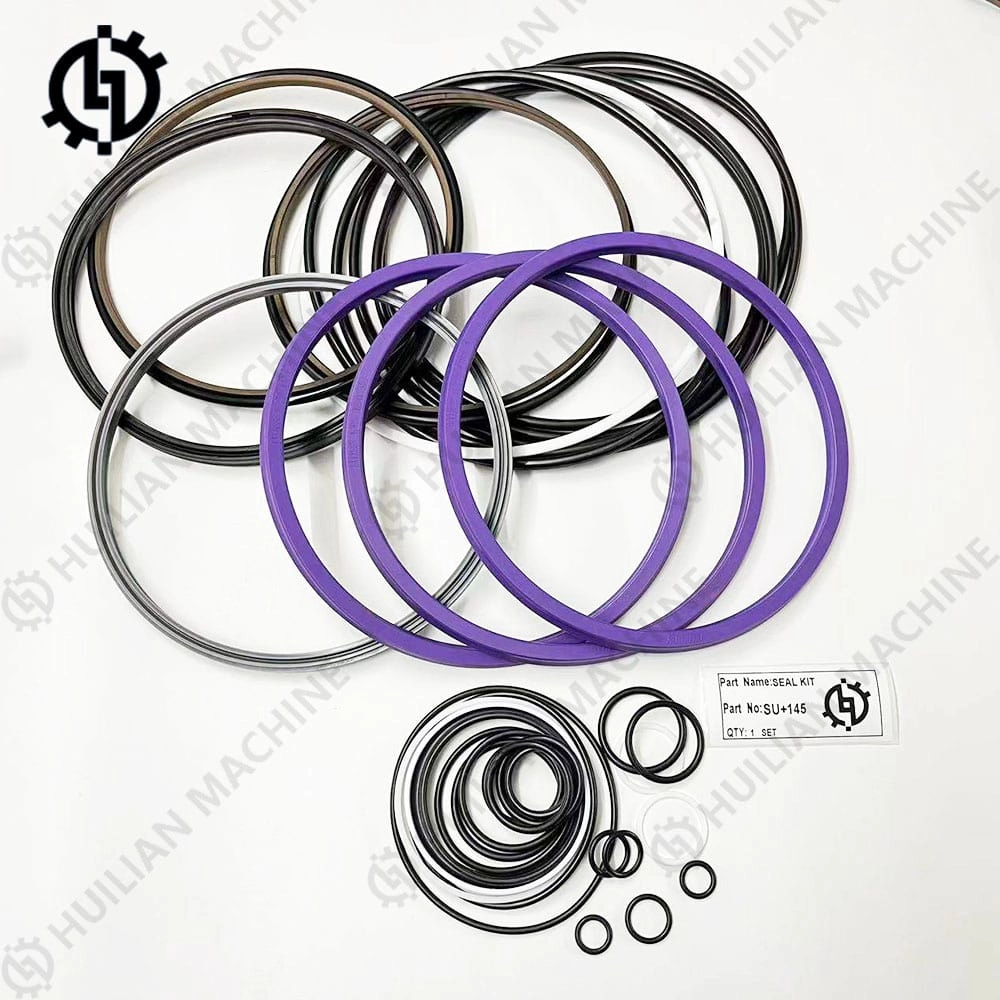
SOOSAN L21016 SU+145 TR-F SU+145TRF SU145 SU+145 Seal Kit C61443 SU+125 Oil Repair Kit For Excavator Hydraulic Rock Breaker Hammer Spare Parts
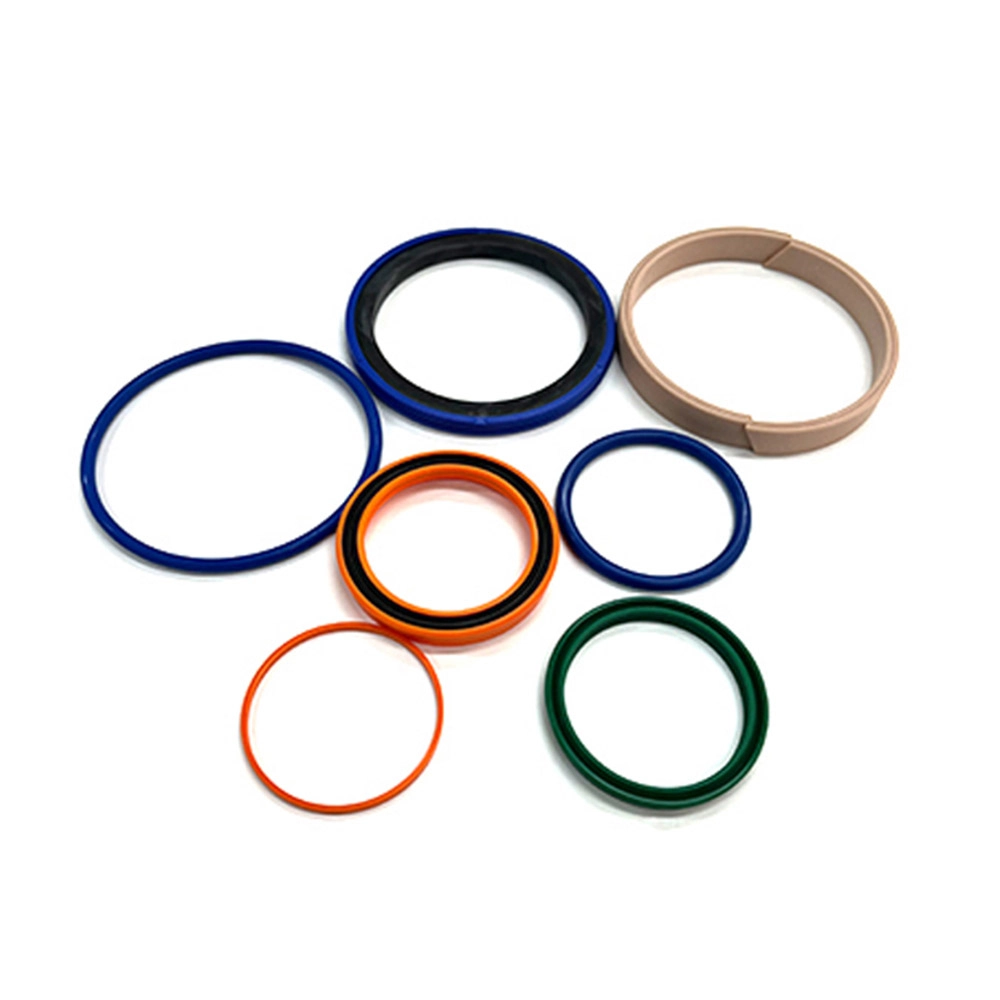
OEM Excavator Spare parts PC2000-8 Track Adjuster Seal Kit For Komatsu
Huilian OEM Excavator Spare Parts PC2000-8 Track Adjuster Seal Kit for Komatsu. Ensures optimal track adjustment performance. High-quality replacement for your PC2000-8 excavator. Order your kit today!
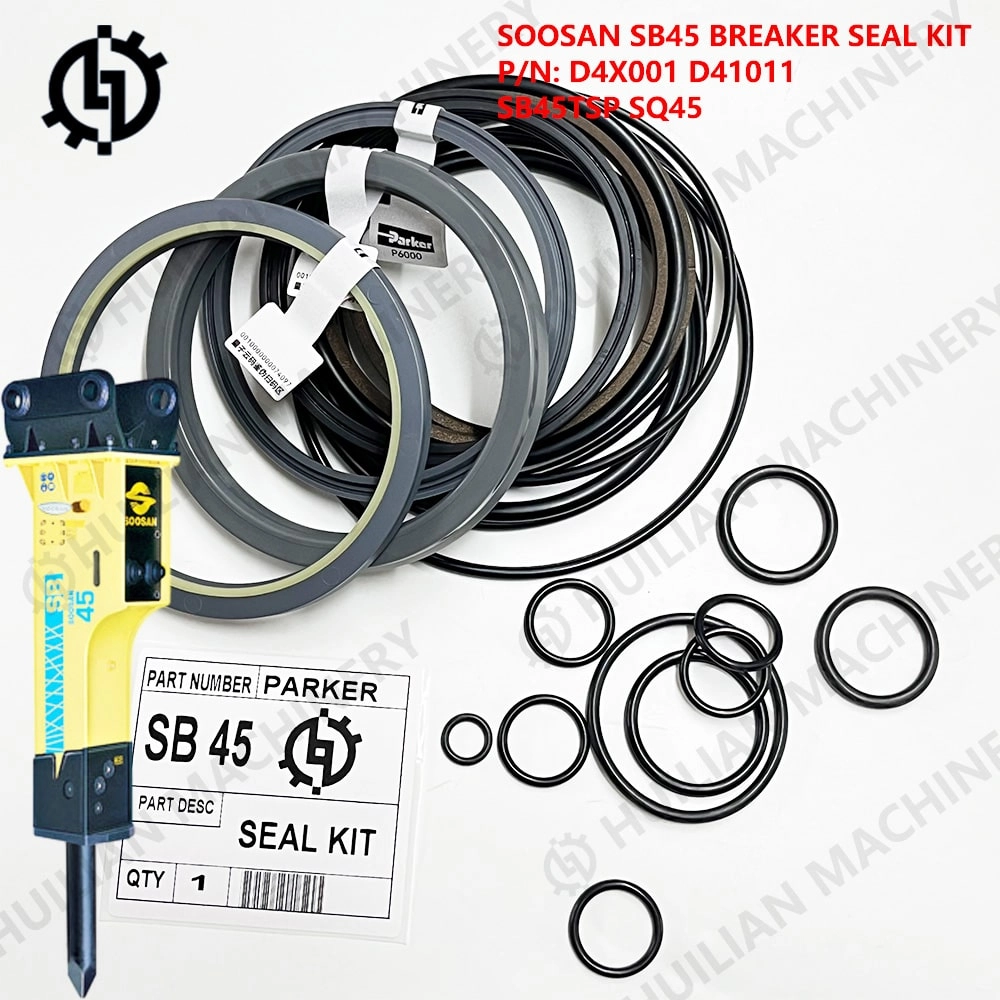
Parker Oil Seal SOOSAN SB45 Hydraulic Rock Hammer Breaker Seal Repair Kit D4X001 D41011 SB45TSP SQ45
 About us
© 2025 HUILIAN MACHINE. All rights reserved