



Maintenance Best Practices for Excavator Hydraulic Breakers in Fleets
- Maintenance Best Practices for Excavator Hydraulic Breakers in Fleets
- Why fleet managers must prioritize excavator hydraulic breaker maintenance
- Core components of excavator hydraulic breaker maintenance
- Daily and pre-shift inspections for excavator hydraulic breaker reliability
- Scheduled preventive maintenance: weekly to quarterly tasks for fleets
- Hydraulic system care: oil, filtration, and contamination control
- Accumulator and nitrogen charging: what fleets must know
- Tool selection, taper fit and rotation practices for longer tool life
- Troubleshooting common failure modes for excavator hydraulic breakers
- Inventory and spare parts strategy for fleets using excavator hydraulic breaker attachments
- Training, documentation and digital maintenance tracking
- Why choose the Huilian HB20G Excavator Hydraulic Rock Breaker Hammer for fleet applications
- Comparison: Typical fleet maintenance intervals and expected actions
- FAQ — Excavator hydraulic breaker maintenance in fleets
- Contact and product call-to-action
- Authoritative references and further reading

Maintenance Best Practices for Excavator Hydraulic Breakers in Fleets
Why fleet managers must prioritize excavator hydraulic breaker maintenance
An excavator hydraulic breaker is a high-impact attachment that does heavy-duty demolition, rock breaking, and secondary demolition work. For fleets, unplanned downtime from a failed breaker can quickly escalate operating costs, affect project timelines, and reduce machine utilization. Regular, structured maintenance preserves performance, extends service life, and keeps safety risks low. This article provides practical, field-tested maintenance practices tailored for fleet operators and highlights how a robust product like the Huilian HB20G Excavator Hydraulic Rock Breaker Hammer (designed for Furukawa 18–21 ton machines) can be integrated into a disciplined maintenance program.
Core components of excavator hydraulic breaker maintenance
Effective maintenance targets these primary systems: the tool and toolholder (chisel/bit and bushing), hydraulic supply (hoses, couplers, fittings), accumulator and nitrogen charging, control valves and shock absorption, mounting bracket and coupler interface, and routine lubrication/fastener checks. Regular inspection of each component prevents small issues from becoming catastrophic failures—and preserves the breaker’s energy transfer efficiency, which is crucial for productivity.
Daily and pre-shift inspections for excavator hydraulic breaker reliability
Make daily checks part of standard operating procedures for every shift. A short pre-shift checklist reduces risk and often finds issues that would otherwise cause downtime mid-job.
- Visual inspection for cracks, deformation, and loose fasteners on the housing and tool retainer.
- Check hydraulic hoses, couplers, and quick-connects for leaks, abrasions, and proper routing.
- Inspect the tool (chisel/point) and bushing for excessive wear; rotate or replace if needed.
- Confirm correct nitrogen accumulator pressure where applicable and look for audible changes in operation that may indicate loss of gas charge.
- Verify hydraulic oil temperature and return-line cleanliness after initial operation—overheating or discolored oil can indicate contamination or inadequate cooling.
Scheduled preventive maintenance: weekly to quarterly tasks for fleets
Beyond daily checks, implement scheduled tasks that address wear items and system health:
- Weekly: Torque check of mounting bolts, inspect and grease any recommended service points, and tighten tool retaining mechanisms.
- Monthly: Inspect internal valve components (if serviceable on-site), service or replace filters in the breaker’s hydraulic supply line, and test accumulator nitrogen pressure.
- Quarterly: Hydraulic oil sampling and analysis, full inspection of the mounting interface and carrier boom pins, and a detailed examination of internal piston and valve wear with a qualified technician.
Following a calendar-based preventive maintenance schedule (with log entries for each breaker) helps fleets forecast parts needs and budget for major overhauls.
Hydraulic system care: oil, filtration, and contamination control
Hydraulic contamination is one of the leading causes of breaker and carrier hydraulic-system failures. Best practices include:
- Use the carrier manufacturer’s recommended hydraulic oil type and viscosity. Deviating to lower-quality fluids increases wear.
- Install and maintain high-quality filtration in both supply and return lines; replace filters per manufacturer intervals or sooner if oil analysis indicates elevated particulate counts.
- Perform regular oil sampling and particle count analysis (ISO 4406 cleanliness codes). Track trends rather than single samples to detect early degradation.
- Minimize open-time during coupling and hose changes; use dust caps and keep couplers clean.
Accumulator and nitrogen charging: what fleets must know
Many hydraulic breakers use nitrogen-charged accumulators to cushion blow impact and to assist piston return. Improper gas pressure leads to inefficient impact, increased stress on internal components, and potential mechanical damage.
- Check accumulator pressure against the breaker manufacturer’s spec (perform when the system is cold). Keep a calibrated nitrogen charging kit in fleet service trucks.
- Only qualified personnel should handle gas charging—adhere to safety protocols to prevent injury from accidental release or overcharging.
- Record pressures each month; a gradual drop typically indicates gas seal wear and predicts maintenance need before failure.
Tool selection, taper fit and rotation practices for longer tool life
Tool (chisel) selection affects productivity and wear. Matching tool hardness and shape to the application (rock breaking vs. concrete demolition) reduces stress and keeps impact energy focused where needed.
- Use the correct taper size and ensure the tool-seat face is clean. A loose tool increases wear on the bushing and retainer.
- Rotate tools regularly—some fleets use a rotation schedule to spread wear evenly across a set of tools.
- Replace tools before the shank reaches minimum diameter. Running a worn tool risks damage to the bushing and housing.
Troubleshooting common failure modes for excavator hydraulic breakers
Understanding common failure modes helps field crews perform quick, effective troubleshooting:
- Loss of impact force: check hydraulic flow/pressure, accumulator charge, worn piston or tool, and internal valve issues.
- Oil contamination and overheating: inspect filters, verify heat exchanger function on the carrier, and test hydraulic oil condition.
- Tool retention failures: verify retainer mechanism, check tool taper fit, and inspect for groove wear.
- Excessive vibration or unusual noises: could indicate loose mounting hardware, cracked housings, or worn internal components—stop operation immediately until diagnosed.
Inventory and spare parts strategy for fleets using excavator hydraulic breaker attachments
A well-planned spare-parts inventory reduces repair lead time. For each breaker model in the fleet, maintain stock levels for fast-moving items and critical spares:
| Spare Part | Suggested Minimum Stock per 5 breakers | Why |
|---|---|---|
| Tools (chisel/point) | 10–15 | High wear item; quick replacement keeps breaker productive |
| Tool bushings / retainers | 5–8 | Bushing wear leads to tool slippage and housing damage |
| Hydraulic hoses & couplers | 3–5 sets | Damage from abrasion or accidental strikes—fast replacement reduces downtime |
| Seals and piston kits | 2–4 | For midlife repairs and to address leakage/pressure loss |
| Accumulator service kit | 1–2 | Needed when nitrogen seals age or gas charge is lost |
Training, documentation and digital maintenance tracking
Human factors often determine whether maintenance policies succeed. Provide structured training for operators and mechanics on daily checks, safe nitrogen handling, correct coupling, and symptom recognition. Use digital maintenance logs (CMMS or simple cloud spreadsheets) to record inspections, oil analyses, and parts replacements. These records support warranty claims and help predict overhaul intervals using real operating-hour data.
Why choose the Huilian HB20G Excavator Hydraulic Rock Breaker Hammer for fleet applications
The Huilian HB20G is engineered for Furukawa 18–21 ton class carriers and aims to balance power, durability and serviceability—qualities fleets require. Key fleet-focused advantages include straightforward mounting compatibility for Furukawa carriers, robust tool-holder design for demanding quarry or demolition work, and a service profile that matches routine fleet maintenance cycles. Integrating the HB20G into a fleet program is straightforward: follow the breaker’s maintenance schedule, maintain parts inventory as listed above, and use scheduled oil and accumulator checks to ensure long-term reliability.
Comparison: Typical fleet maintenance intervals and expected actions
| Interval | Typical Actions | Objective |
|---|---|---|
| Daily | Visual checks, hose/coupler inspection, tool quick check | Prevent immediate failures and ensure safe operation |
| Weekly | Torque checks, grease points, bushing wear check | Maintain mechanical integrity and reduce vibration |
| Monthly | Hydraulic filter check, accumulator pressure check | Control contamination and preserve hydraulic function |
| Quarterly | Oil sample analysis, detailed valve & piston inspection | Detect internal wear and optimize overhaul timing |
FAQ — Excavator hydraulic breaker maintenance in fleets
Q: How often should I change hydraulic oil for breakers operating in dusty, hot environments?
A: Perform oil sampling monthly in harsh conditions and consider a full oil change every 3–6 months depending on particle counts and oxidation readings. Increase filter change frequency as needed.
Q: What are the signs my breaker’s accumulator needs servicing?
A: Reduced impact power, unusual rebound on the carrier, or audible gas leaks indicate accumulator issues. Monitor recorded nitrogen pressure and service if pressure drifts from specification.
Q: Can operators perform tool replacement on-site?
A: Yes—tool replacement is a routine field task if the operator is trained, follows safety steps (proper tool restraint, shutdown procedures), and uses correct torque and retention checks afterward.
Q: Is it worth stocking spare HB20G-specific parts for a small fleet?
A: Yes—maintaining critical spares (tools, bushings, hydraulic hoses) reduces repair lead times and keeps utilization high, especially when working in remote areas.
Q: How do I decide between repair and full overhaul?
A: Use operational hours, oil analysis, internal inspection results, and repair history. If piston, valve or housing wear is extensive, overhaul may be more cost-effective than repeated repairs.
Contact and product call-to-action
If you manage a fleet and need a reliable excavator hydraulic breaker solution, consider the Huilian HB20G Excavator Hydraulic Rock Breaker Hammer for Furukawa 18–21 ton machines. For quotes, spare parts, technical integration guidance, or maintenance support, contact our sales and service team—we can help specify the right tools, spare kits, and preventive schedules for your operations. Click to contact us or view the HB20G product page for full specifications and service resources.
Authoritative references and further reading
- Hydraulic breaker — Wikipedia
- U.S. Occupational Safety and Health Administration (OSHA) — general safety standards and guidance
- HSE — Demolition and excavation guidance (UK)
- Epiroc — hydraulic rock breaker product and maintenance resources
- Furukawa Rock Drill — manufacturer resources and carrier compatibility
- ISO — standards catalogue (search applicable hydraulic and safety standards)
References above provide additional technical details on safety, maintenance best practices, and product guidance. For model-specific specifications and service intervals, always consult the breaker manufacturer’s service manual.
Preventive Maintenance Schedule for Excavator Breaker Parts
Compatibility Guide: Match Parts to Your Hammer Model
How to Evaluate Breaker Hammer Suppliers, Service and Warranty
How to Match a Hydraulic Breaker to Your Excavator Model
About
Are your parts compatible with all excavator brands?
Yes, our parts are designed to be compatible with major brands like Komatsu, Caterpillar, Hitachi, Hyundai, Doosan, JCB, Kobelco, Sany, and many more.
What is your shipping and delivery time?
We offer fast and reliable global shipping. Delivery times vary depending on location and order size, but we strive to process and ship orders as quickly as possible.
Do you offer OEM and aftermarket parts?
Yes, we manufacture high-quality OEM parts and supply aftermarket parts from top brands such as NOK, Parker, SKF, and Hallite to ensure optimal performance.
How can I ensure I’m selecting the right part for my equipment?
Our expert team can assist you in finding the right part based on your machine model, specifications, and requirements. Contact us for personalized support.
What types of excavator parts do you offer?
We provide a wide range of high-quality excavator parts, including hydraulic breakers, chisels, seal kits, diaphragms, pistons, wear bushes, retainer bars, through bolts, side bolts, valves, and liners.
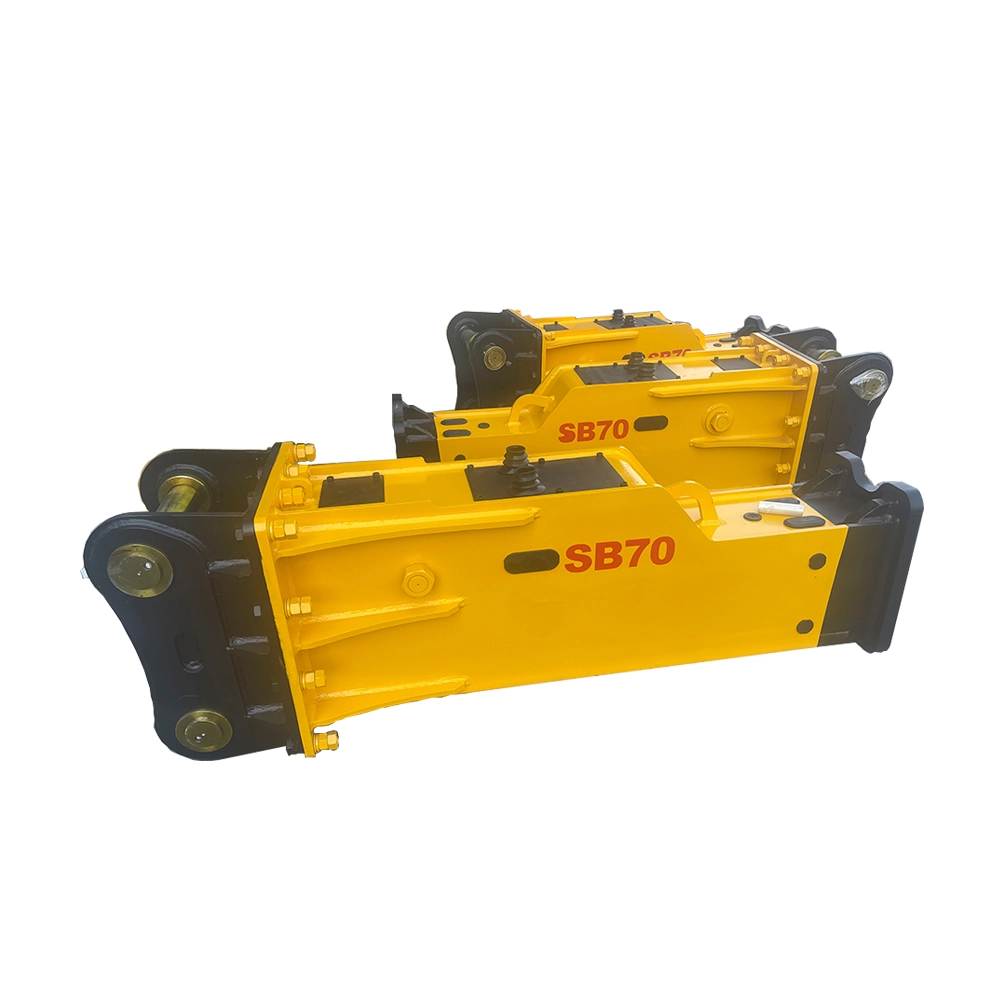
Huilian OEM Hydraulic Hammer Breaker SB70 For Soosan
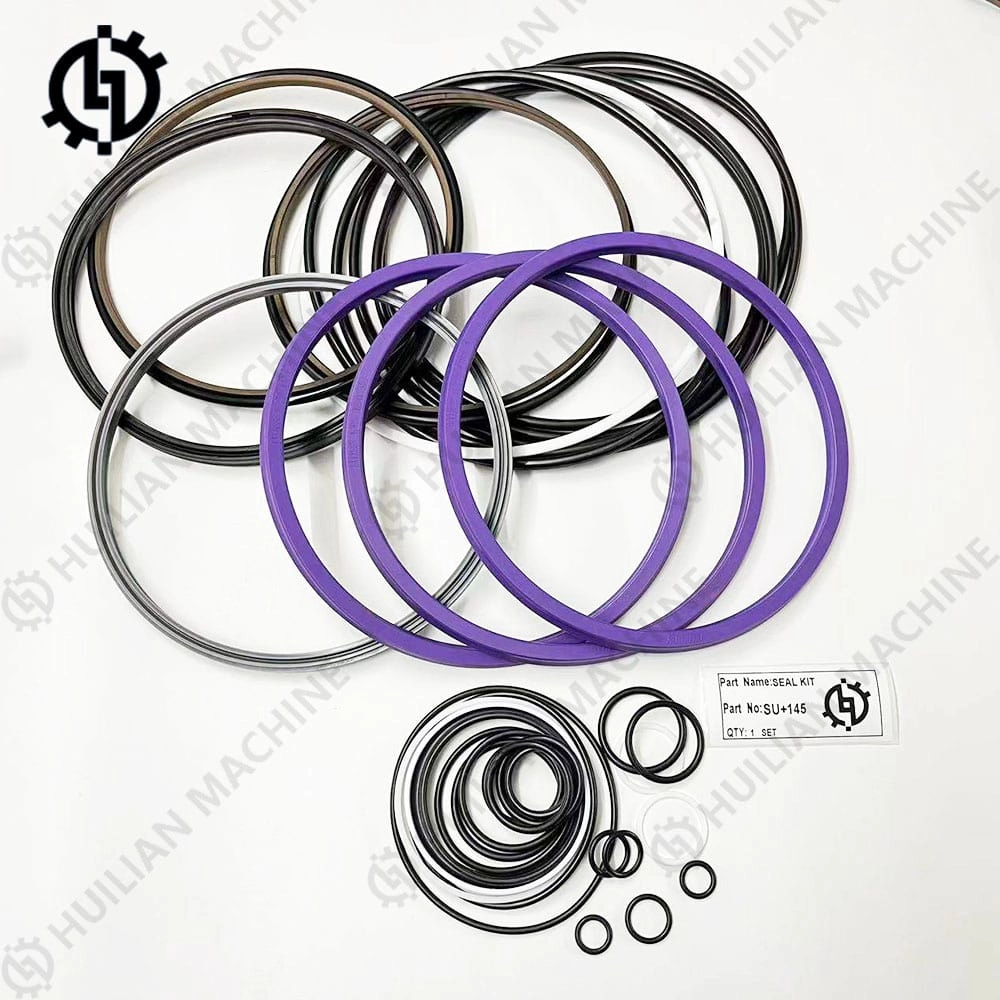
SOOSAN L21016 SU+145 TR-F SU+145TRF SU145 SU+145 Seal Kit C61443 SU+125 Oil Repair Kit For Excavator Hydraulic Rock Breaker Hammer Spare Parts
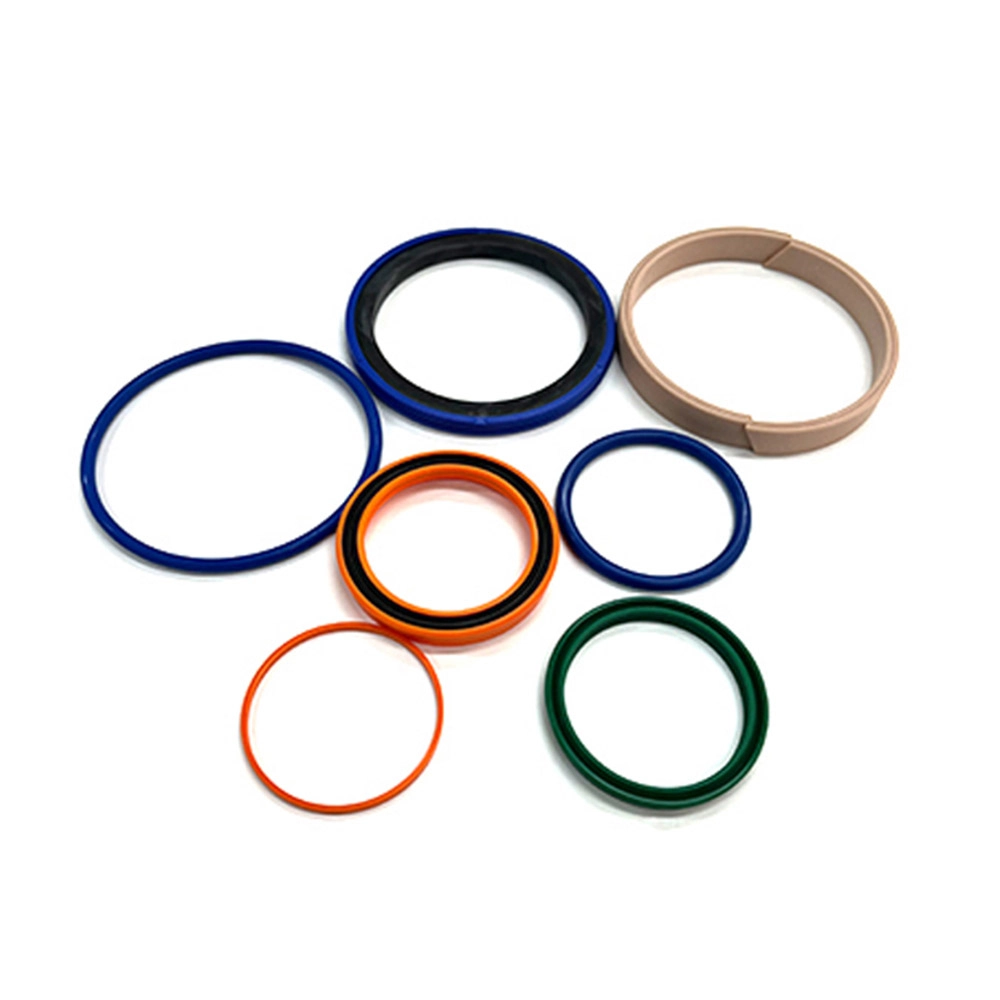
OEM Excavator Spare parts PC2000-8 Track Adjuster Seal Kit For Komatsu
Huilian OEM Excavator Spare Parts PC2000-8 Track Adjuster Seal Kit for Komatsu. Ensures optimal track adjustment performance. High-quality replacement for your PC2000-8 excavator. Order your kit today!
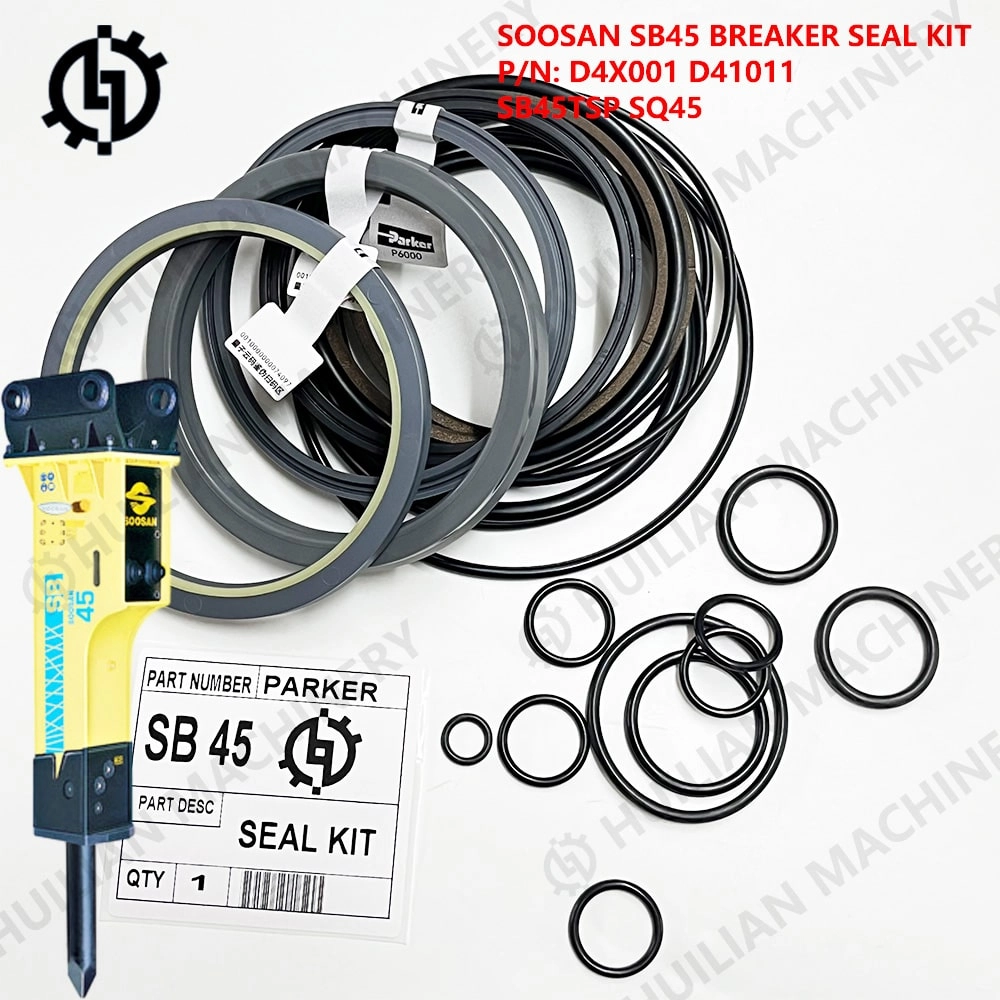
Parker Oil Seal SOOSAN SB45 Hydraulic Rock Hammer Breaker Seal Repair Kit D4X001 D41011 SB45TSP SQ45
 About us
© 2025 HUILIAN MACHINE. All rights reserved