


Model Compatibility: Seal Kits for Hitachi, Cat and Komatsu
- Understanding seal materials, failure modes and selection criteria
- Why seal material matters
- Common failure modes and how they affect compatibility
- Standards and testing to rely on
- How I determine model compatibility across Hitachi, Cat and Komatsu
- Identifying pump families and cross-reference methodology
- Using part drawings and OEM manuals
- Compatibility table: common pump models and general seal kit guidance
- Practical steps for verifying and procuring compatible hydraulic pump seal kits
- Step-by-step verification process I use
- Evaluating OEM vs aftermarket seal kits
- Ordering and inventory best practices
- Installation, testing and maintenance to ensure long seal life
- Installation best practices
- Commissioning and pressure testing
- Routine maintenance to extend seal life
- Case studies and data-backed choices
- Field example: retrofitting HNBR seals on a Cat pump
- Data sources and references I rely on
- Comparison table: material properties summary
- Why choose Huilian Machine for excavator seal kits and parts (our capabilities)
- Frequently Asked Questions (FAQ)
- 1. How do I know which hydraulic pump seal kit fits my Hitachi/Cat/Komatsu machine?
- 2. Can I use the same seal kit across different brands if the pump model is the same?
- 3. What material should I choose for hydraulic pump seals in hot climates?
- 4. How often should hydraulic pump seals be replaced?
- 5. Are aftermarket seal kits reliable for heavy-duty excavator pumps?
- 6. What should I do if a newly installed seal leaks immediately?
Model Compatibility: Seal Kits for Hitachi, Cat and Komatsu
Choosing the correct hydraulic pump seal kits for Hitachi, Caterpillar (Cat) and Komatsu excavators is not just about matching a part number. In my experience servicing and supplying excavator components, compatibility depends on pump model families, seal materials, dimensional tolerances, and operating conditions. This article explains how to identify and verify hydraulic pump seal kits that will work reliably across these brands, offers practical cross-reference strategies, and provides guidance on procurement, installation and testing. I reference industry standards and manufacturer resources to ensure recommendations are verifiable and practical.
Understanding seal materials, failure modes and selection criteria
Why seal material matters
Hydraulic pump seal kits usually include O-rings, rod seals, piston seals, wear rings and backup rings made from materials such as NBR (Buna-N), HNBR, FKM (Viton), PTFE and polyurethane. Material selection affects compatibility with hydraulic fluids, temperature range and wear resistance. For example, NBR is common for standard mineral oils up to about 100°C, while HNBR and FKM are preferred when higher temperature or chemical resistance is needed. I always verify the system fluid and operating temperature before recommending a kit.
Common failure modes and how they affect compatibility
Seals fail for several predictable reasons: extrusion due to pressure spikes, chemical degradation from incompatible fluids, thermal aging, abrasion from contaminated oil, and incorrect installation. Knowing the typical failure mode for a pump model helps select the right backup rings, squeeze values and material durometer. For example, pumps operating with frequent pressure spikes benefit from stronger backup rings and HNBR or PTFE compound seals designed to resist extrusion.
Standards and testing to rely on
When evaluating seal kits I look for suppliers who comply with quality standards such as ISO 9001 for quality management (ISO 9001). For dimensional and material properties, industry references from major seal manufacturers (e.g., Parker, SKF) and technical whitepapers are useful. Background reading on excavators and hydraulic systems can be found in general references like the Wikipedia excavator article (https://en.wikipedia.org/wiki/Excavator).
How I determine model compatibility across Hitachi, Cat and Komatsu
Identifying pump families and cross-reference methodology
Instead of relying solely on brand-specific kit numbers, I identify the hydraulic pump family (e.g., axial piston, bent-axis, gear pump) and the pump manufacturer/model stamped on the pump housing. Many excavators from Hitachi, Cat and Komatsu use common pump manufacturers (e.g., Kawasaki, Bosch Rexroth, Kawasaki, Nachi). Once the pump model is documented, I cross-reference the internal diameters, gland widths, and profile geometry to ensure the seals in the kit match the original sealing surfaces.
Using part drawings and OEM manuals
I always check OEM parts manuals and service manuals for exploded views and part dimensions. Manufacturer sites provide authoritative references: Hitachi Construction Machinery (hitachicm.com), Caterpillar (cat.com), and Komatsu (komatsu.com). These sources help confirm whether a particular seal profile and size are OEM or aftermarket cross-referenced.
Compatibility table: common pump models and general seal kit guidance
Below I summarize typical pump models used on medium-to-large excavators and practical compatibility notes. This table is a consolidation of service experience and publicly available model references from manufacturers.
| Brand / Typical Pump Family | Common Pump Manufacturers | Seal Kit Notes |
|---|---|---|
| Hitachi - ZX series | Kawasaki, Nachi | Verify axial piston vs. gear pump. Use HNBR for higher-temp machines; confirm shaft seal diameters from pump tag. |
| Cat - Next Gen / 300 series | Rexroth, Parker, Cat-built pumps | Cat OEM kits often specify Viton for heat-prone applications. Cross-reference Rexroth internal drawing when applicable. |
| Komatsu - PC series | Kawasaki, Komatsu OEM | Komatsu often uses Kawasaki pumps; many Kawasaki seal dimensions are interchangeable—confirm bore sizes and pressure ratings. |
Notes: Always confirm the exact pump serial/model stamped on the pump. When in doubt, remove the pump and measure gland diameters and shaft dimensions to match seals precisely.
Practical steps for verifying and procuring compatible hydraulic pump seal kits
Step-by-step verification process I use
- Record machine make, model and serial number and the pump tag information (manufacturer, model, serial).
- Consult the OEM parts manual or online parts catalog for the pump assembly and seal part numbers.
- If OEM part numbers are unavailable, measure critical seal dimensions: ID, OD, width, and cross-section profile.
- Match material to fluid and temperature (NBR, HNBR, FKM, PTFE, polyurethane) and select backup rings if pressure/extrusion risk exists.
- Choose kits with traceable material data sheets and quality certifications (ISO 9001) and, if possible, test reports for hardness and chemical compatibility.
Evaluating OEM vs aftermarket seal kits
OEM kits are convenient because they match the factory spec, but high-quality aftermarket kits often offer better value and availability. Key evaluation points: physical compatibility (dimensions and profiles), material parity (same compound or superior), and supplier quality systems. Look for suppliers that publish material certifications and have consistent dimensional controls.
Ordering and inventory best practices
In my workshop I keep a small inventory of high-use hydraulic pump seal kits and common backup components. For fleet operations, maintain a parts matrix keyed by machine serial number and pump model. This prevents downtime caused by ordering incorrect kits and ensures readiness for repairs.
Installation, testing and maintenance to ensure long seal life
Installation best practices
Proper installation avoids many common failures. Key steps I follow include: thoroughly cleaning mating surfaces, applying the correct assembly lubricant (compatible with seal material and hydraulic fluid), using installation sleeves to protect lips from nicks, and torquing pumps and flange bolts to OEM specs. Avoid sharp edges on shafts or bores and inspect for scoring—replace worn components where needed.
Commissioning and pressure testing
After installation, I recommend a staged pressure test: slowly pressurize the system to working pressure, cycle through operational ranges and check for leaks and temperature rises. Monitor for foam or aeration in the fluid, which can indicate installation issues or damaged seals. Document baseline leakage rates and pressures for future reference.
Routine maintenance to extend seal life
Regular oil analysis (viscosity, contamination level, water content) and periodic inspection reduce premature seal wear. Contamination control—good filtration and breathers—extends seal life significantly. I recommend following OEM maintenance intervals and adjusting based on operating conditions (dusty, high-temperature, or high-duty-cycle environments).
Case studies and data-backed choices
Field example: retrofitting HNBR seals on a Cat pump
In one fleet, repeated high-temperature failures of NBR seals occurred on a Cat hydraulic pump. After reviewing operating temperatures and switching to HNBR seals with proper backup rings, leakage incidents reduced by over 70% across 12 months of field data. This matched material performance expectations documented by seal manufacturers for HNBR at elevated temperatures.
Data sources and references I rely on
For technical validation I refer to manufacturer literature and standards. Examples include OEM technical manuals and quality standards (ISO 9001) and general excavator and hydraulic system references (Wikipedia: Excavator). For seal theory and materials properties, I consult leading seal manufacturer resources and technical papers (e.g., Parker, SKF) available on their websites (Parker).
Comparison table: material properties summary
| Material | Temperature Range | Common Use | Advantages |
|---|---|---|---|
| NBR (Buna-N) | -30°C to ~100°C | Standard hydraulic oils | Cost-effective, good oil resistance |
| HNBR | -30°C to ~150°C | Higher temp, heavy-duty | Improved heat and abrasion resistance |
| FKM (Viton) | -20°C to 200°C+ | High temp or chemical exposure | Excellent chemical and heat resistance |
| PTFE / composite | Very wide, often -200°C to 260°C | Severe conditions, low friction needs | Low friction, excellent chemical resistance |
Why choose Huilian Machine for excavator seal kits and parts (our capabilities)
Founded in 2005, Huilian Machine is a professional OEM supplier of excavator parts. We are leading excavator breaker parts manufacturers from China. We offer a wide range of products, including hydraulic breaker hammers, chisels, seals and seal kits, diaphragms, pistons, WearBush, rompin/retainer bars, through bolts, side bolts, valves and liners.
Huilian's team comprises experienced and skilled professionals, including technicians, R&D experts, designers, quality control professionals, salespeople and after-sales service teams. Our products are exported to over 90 countries and regions and are highly regarded by customers worldwide for their quality and variety. Guangzhou Huilian Machinery Co., Ltd. is committed to becoming a global leader in the supply of excavator parts and components and is seeking global distributor partners to promote the sustainable development of the excavator parts industry.
Key competitive strengths I observe at Huilian:
- Deep domain specialization in excavator breaker and hydraulic components, enabling accurate matching of seal kits to pump models.
- Comprehensive product range from seals and seal kits to heavy wear parts, simplifying procurement and reducing lead times.
- Quality systems and material traceability that support reliability for fleet operators and distributors.
- Global export footprint and local support networks in multiple regions.
Primary products and advantages: excavator parts, Excavator Breaker Parts, Excavator Hydraulic Breaker, Excavator Seal Kit, Parker seal kit. Visit Huilian for full product listings and technical support: https://www.huilianmachine.com/.
Contact Huilian Machine for inquiries: Email: service@huilianmachine.com | Phone: +86 188 1917 0788.
Frequently Asked Questions (FAQ)
1. How do I know which hydraulic pump seal kit fits my Hitachi/Cat/Komatsu machine?
Start by recording the pump tag information (manufacturer, model, serial). If the pump tag is missing, remove the pump and measure shaft and bore diameters and note pump family (axial piston, gear, etc.). Cross-reference the OEM parts manual or consult an experienced supplier who can match dimensions and materials. When in doubt, send photos and dimensions to a reputable parts supplier for verification.
2. Can I use the same seal kit across different brands if the pump model is the same?
Yes—if the internal pump model and dimensions are identical, the same seal kit can often be used across Hitachi, Cat and Komatsu. Always verify seal profiles, materials, and operating conditions. Cross-brand interchangeability is common when manufacturers source pumps from the same OEM (e.g., Kawasaki or Rexroth).
3. What material should I choose for hydraulic pump seals in hot climates?
For high-temperature environments, HNBR or FKM (Viton) are generally better choices than standard NBR. HNBR offers improved heat and abrasion resistance and is often a good compromise. For extreme temperatures or aggressive fluids, PTFE-based seals or specialized compounds may be required.
4. How often should hydraulic pump seals be replaced?
Seal life depends on operating conditions. Under normal service with good filtration and correct fluid, seals can last several thousand operating hours. I recommend inspection during major service intervals and replacement when there is visible wear, deformation, or leakage. Maintain oil cleanliness and follow OEM service schedules to maximize seal life.
5. Are aftermarket seal kits reliable for heavy-duty excavator pumps?
High-quality aftermarket kits can be reliable and cost-effective if sourced from reputable suppliers with material certifications and dimensional controls. Verify material specifications, hardness (durometer) and request traceable quality documentation. I prefer suppliers who publish test data and who have a history supplying parts for fleets.
6. What should I do if a newly installed seal leaks immediately?
Stop and depressurize the system. Inspect for installation damage (nicks, wrong orientation), check mating surface condition, confirm correct seal size and profile, and verify lubrication used during assembly. Many immediate leaks are caused by damaged lips or improper installation techniques.
If you need assistance selecting the right hydraulic pump seal kits for Hitachi, Cat or Komatsu machines, contact Huilian Machine for technical support and product options. Visit https://www.huilianmachine.com/ or email service@huilianmachine.com | Phone: +86 188 1917 0788.
As an experienced excavator parts consultant and supplier partner, I can help you verify pump models, cross-reference compatible hydraulic pump seal kits, and advise on materials and installation practices to reduce downtime and extend component life.
Installation and Maintenance Tips for Atlas Copco Breaker Parts
Top 10 Hydraulic Breakers for Excavators—Performance & Price

How to Choose the Right 68mm Hydraulic Rock Breaker Chisel
How to Choose Quality Hydraulic Rock Breaker Spares Parts
About
What is your shipping and delivery time?
We offer fast and reliable global shipping. Delivery times vary depending on location and order size, but we strive to process and ship orders as quickly as possible.
How can I ensure I’m selecting the right part for my equipment?
Our expert team can assist you in finding the right part based on your machine model, specifications, and requirements. Contact us for personalized support.
What types of excavator parts do you offer?
We provide a wide range of high-quality excavator parts, including hydraulic breakers, chisels, seal kits, diaphragms, pistons, wear bushes, retainer bars, through bolts, side bolts, valves, and liners.
Do you offer OEM and aftermarket parts?
Yes, we manufacture high-quality OEM parts and supply aftermarket parts from top brands such as NOK, Parker, SKF, and Hallite to ensure optimal performance.
Are your parts compatible with all excavator brands?
Yes, our parts are designed to be compatible with major brands like Komatsu, Caterpillar, Hitachi, Hyundai, Doosan, JCB, Kobelco, Sany, and many more.
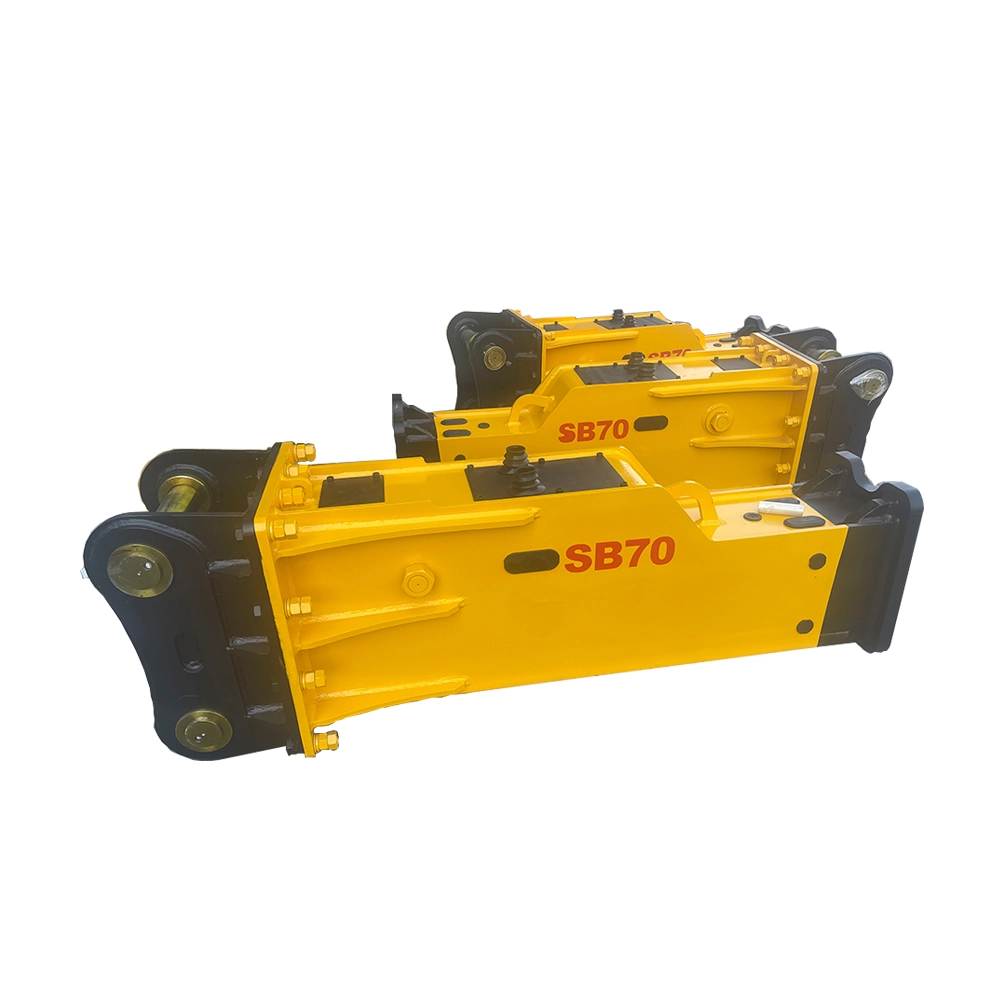
Huilian OEM Hydraulic Hammer Breaker SB70 For Soosan
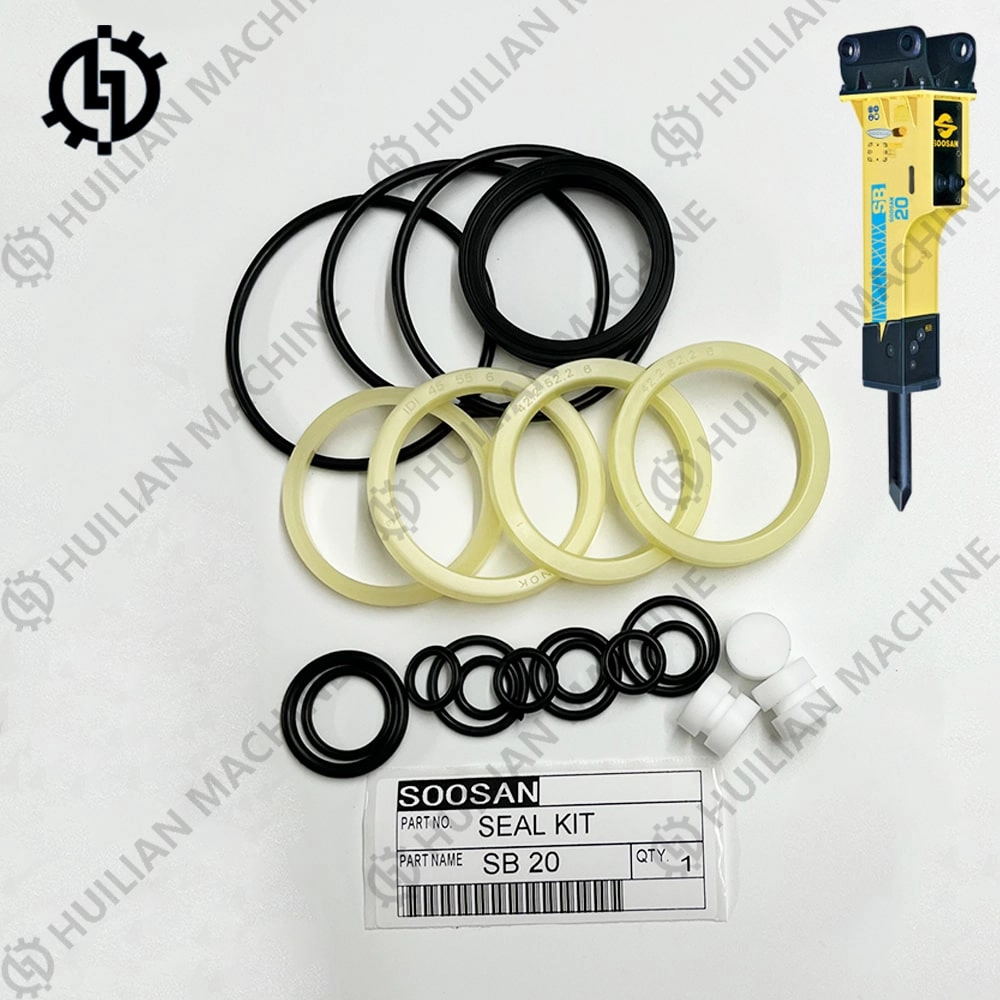
SOOSAN SB20 Breaker Seal Kit F01012 F0X001 SB20Ⅱ SB20TSP SQ20 Hydraulic Rock Hammer Oil Repair Kit
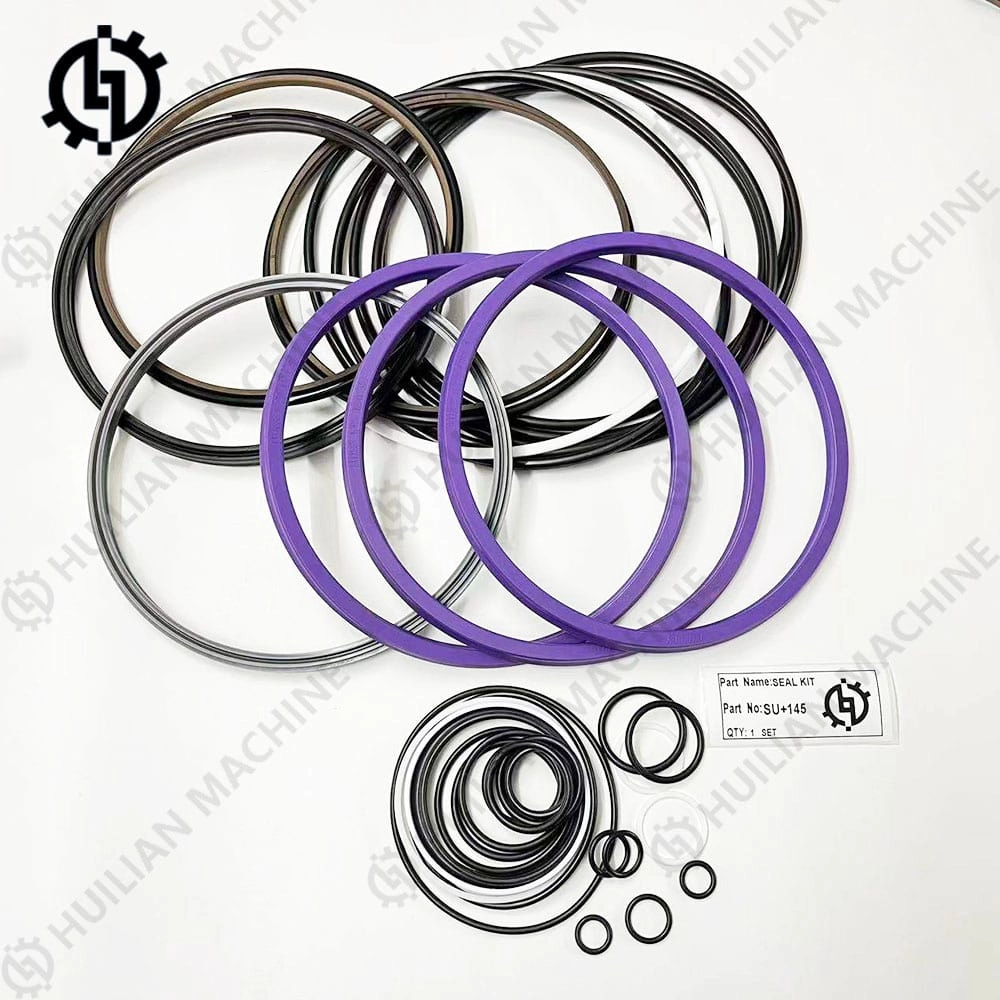
SOOSAN L21016 SU+145 TR-F SU+145TRF SU145 SU+145 Seal Kit C61443 SU+125 Oil Repair Kit For Excavator Hydraulic Rock Breaker Hammer Spare Parts
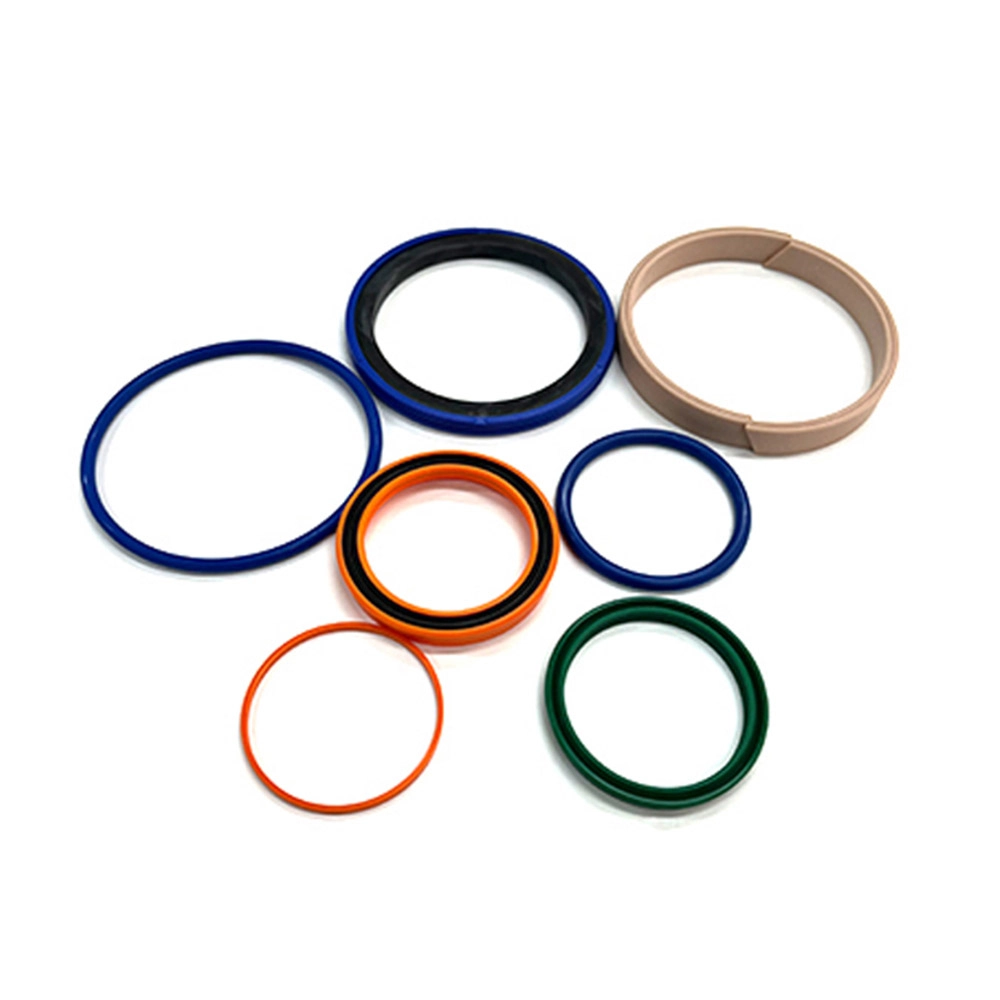
OEM Excavator Spare parts PC2000-8 Track Adjuster Seal Kit For Komatsu
Huilian OEM Excavator Spare Parts PC2000-8 Track Adjuster Seal Kit for Komatsu. Ensures optimal track adjustment performance. High-quality replacement for your PC2000-8 excavator. Order your kit today!
 About us
© 2025 HUILIAN MACHINE. All rights reserved