



Top Replacement Parts for Hydraulic Breaker Hammers
- Understanding Hydraulic Breaker Hammer Systems
- How hydraulic breakers work
- Common wear mechanisms and failure modes
- Key system components
- Essential Replacement Parts for Hydraulic Breakers
- Pistons, cylinder liners and wear bushes
- Chisels, tool bits and retainers
- Seals, diaphragms and seal kits
- Choosing Quality Spares: OEM vs Aftermarket
- Material and manufacturing standards
- Performance, warranty and lifecycle cost
- Cost‑benefit comparison
- Maintenance, Installation and Troubleshooting Best Practices
- Installation tips and alignment
- Preventive maintenance schedule
- Diagnosing common failures
- Parts Selection Checklist & Practical Recommendations
- Checklist before ordering spares
- When to rebuild vs replace
- Supplier evaluation and traceability
- About Huilian Machine — OEM Supplier Recommendation
- FAQ — Common Questions About Breaker Spares
- 1. How often should I replace seals on a hydraulic breaker?
- 2. What is the typical lifespan of a chisel or tool bit?
- 3. Can I mix OEM and aftermarket parts?
- 4. How do I reduce vibration and premature retainer failure?
- 5. What hydraulic oil and filtration should I use?
- 6. How can I verify the quality of replacement pistons or liners?
- Closing & Contact
I write from years of hands‑on experience with excavator attachments and hydraulic breaker maintenance. In this article I present a practical, evidence‑based guide to the top replacement components for hydraulic rock breaker hammer spares parts, how they fail, how to select quality spares, and best practices for installation and preventive maintenance. This summary is designed to be friendly to search and to help procurement, maintenance teams and operators quickly locate the right spares and service strategies to maximize productivity and reduce total cost of ownership.
Understanding Hydraulic Breaker Hammer Systems
How hydraulic breakers work
Hydraulic rock breakers (also called hydraulic hammers) convert hydraulic energy from an excavator or carrier into impact energy to break rock, concrete and other materials. The essential principle is a high‑pressure hydraulic flow actuating a piston; that piston delivers percussive strikes to a tool bit (chisel). The design is robust but operates under heavy shock loading, abrasive dust and contamination—conditions that drive part wear and failures. For a technical overview, see the Hydraulic breaker entry on Wikipedia.
Common wear mechanisms and failure modes
Wear mechanisms include abrasive wear (from dust and grit), adhesive wear (metal‑to‑metal contact), fatigue (repeated shock cycles) and hydraulic seal failure (contamination, extrusion, thermal degradation). Knowing these modes helps prioritize replacement parts: seals, pistons, bushings, tool bits, and valves are the high‑risk items that determine uptime.
Key system components
The primary components I monitor for predictive replacement are: piston and cylinder/liner, tool bit (chisel), front head and retainers (retainer/rompin bars and through bolts), wear bushes, hydraulic valves and accumulators, and seal kits (diaphragms, O‑rings, Parker‑type seals). Each of these components plays a discrete role in energy transfer and containment of hydraulic pressure.
Essential Replacement Parts for Hydraulic Breakers
Pistons, cylinder liners and wear bushes
The piston and cylinder liner form the heart of impact energy. Piston surface hardness, concentricity and lubrication are critical. Liner scoring, distortion or excessive clearance reduces efficiency and increases stress on other components. Wear bushes (bushing) at the front of the housing provide a replaceable bearing surface for the tool and absorb lateral stresses. When I inspect breakers, piston and liner condition determines whether a rebuild or simple part replacement is recommended.
Chisels, tool bits and retainers
Tool bits (moil points, chisel points, blunt tools) wear quickly depending on application. For rock breaking, hardened tool steel and correct geometry extend life. Retainer systems—including rompin/retainer bars, through bolts and side bolts—secure the tool and front head. Failure of retainers often causes catastrophic damage to housing and even to the carrier.
Seals, diaphragms and seal kits
Seals and diaphragms control hydraulic pressure and protect internal components from contamination. A comprehensive seal kit typically includes O‑rings, backup rings, lip seals and a diaphragm. I recommend replacing seals at the first sign of leakage or when disassembling for piston/liner replacement. For industry standard guidance on hydraulic seals and materials, consult technical resources such as Parker's hydraulic sealing information or ISO quality standards (see ISO 9001).
Choosing Quality Spares: OEM vs Aftermarket
Material and manufacturing standards
Material specification (e.g., heat treatment, surface hardening, carbide content for chisels) and machining tolerances are where quality is visible. OEM parts are engineered to original tolerances and often use proprietary metallurgy. Many reputable aftermarket manufacturers provide parts that meet or exceed OEM specs; however, verification is necessary—request material certificates and hardness test reports.
Performance, warranty and lifecycle cost
A higher initial cost for OEM often translates into longer service life and lower downtime risk. Conversely, quality aftermarket parts can offer competitive lifecycle costs when sourced from certified suppliers. I assess total cost of ownership (TCO) — part price, expected life (hours), downtime cost per hour, and warranty terms—before recommending a supplier.
Cost‑benefit comparison
Below is a practical comparison I use when advising clients. These are typical ranges; adjust for your asset, application and supplier data.
| Factor | OEM Parts | Quality Aftermarket | Low‑cost Aftermarket |
|---|---|---|---|
| Unit cost | High | Medium | Low |
| Typical life (hours) | 1,000–3,000 (dependent on part) | 800–2,500 | 300–1,200 |
| Quality & tolerance | Engineered to spec | Often meets spec (verify) | Variable |
| Warranty & support | Strong | Moderate | Weak or none |
For technical background on recommended service intervals and manufacturer guidance, see OEM resource pages such as Atlas Copco or major manufacturers' technical notes.
Maintenance, Installation and Troubleshooting Best Practices
Installation tips and alignment
Correct installation reduces premature failures. Key checks I perform: verify chisel seating and retaining bolt torque, inspect and lubricate bushes with correct grease, confirm piston stroke and free travel, and bleed hydraulic lines to avoid trapped air. Use manufacturer torque specs for through bolts and side bolts; over‑torque can distort front heads and under‑torque can allow tool ejection.
Preventive maintenance schedule
A practical PM schedule I implement for hydraulic rock breakers includes daily, weekly and monthly checks:
- Daily: Visual check for leaks, tool condition, and retainer security.
- Weekly: Check and grease bushes, inspect hydraulic hoses and fittings, verify mounting bolts.
- Monthly or every 250–500 hours: Inspect piston and liner for scoring, replace seals if softening or leaking, measure chisel wear and replace when below recommended diameter.
Service intervals vary by operating conditions. Extremely abrasive environments require shorter intervals. Technical manufacturer manuals provide specific guidance—see OEM documentation for exact timing.
Diagnosing common failures
Common symptoms and likely causes I routinely diagnose:
- Reduced impact energy: worn piston/liner, lost hydraulic pressure, or damaged internal valve.
- Hydraulic oil contamination or foam: failed seals, air ingress, or poor filtration.
- Excessive front head wear or tool looseness: worn bushes, damaged retainers, or incorrect chisel fit.
Use oil analysis and hardness checks as objective measures; oil condition monitoring can detect ingestion of abrasives or metal particles before catastrophic failure.
Parts Selection Checklist & Practical Recommendations
Checklist before ordering spares
When sourcing hydraulic rock breaker hammer spares parts, I follow a strict checklist to avoid costly mismatches:
- Confirm carrier model and breaker serial number.
- Match part numbers and cross‑reference with supplier catalogs.
- Request material certificates/hardness reports for wear components.
- Verify warranty and return policy.
- Check lead time and shipping options for critical downtime parts.
When to rebuild vs replace
I typically recommend a rebuild (replace piston, liner, seals, bushes, and retainers) when piston scoring or liner ovality exceeds manufacturer tolerances or when multiple components show wear. For isolated failures (e.g., a single damaged chisel or a leaking seal), targeted replacement is more economical.
Supplier evaluation and traceability
Traceability is a key indicator of a reliable supplier. I prefer suppliers who can provide batch numbers, material certificates, and inspection reports. If evaluating new suppliers, request sample parts for destructive testing (hardness, microstructure) and run field trials.
About Huilian Machine — OEM Supplier Recommendation
Founded in 2005, Huilian Machine is a professional OEM supplier of excavator parts. We are leading excavator breaker parts manufacturers in China. We offer a wide range of products, including hydraulic breaker hammers, chisels, seals and seal kits, diaphragms, pistons, WearBush, rompin/retainer bars, through bolts, side bolts, valves and liners. Huilian's team comprises experienced and skilled professionals, including technicians, R&D experts, designers, quality control professionals, salespeople and after‑sales service teams. Our products are exported to over 90 countries and regions and are highly regarded by customers worldwide for their quality and variety. Guangzhou Huilian Machinery Co., Ltd. is committed to becoming a global leader in the supply of excavator parts and components and is seeking global distributor partners to promote the sustainable development of the excavator parts industry. Our website: https://www.huilianmachine.com/ Email: service@huilianmachine.com Phone: +86 188 1917 0788.
As someone who has audited several manufacturers, I find Huilian's advantages include vertical integration (controls metallurgy and heat treatment), a documented quality control process, and broad product coverage from simple wear parts to complex hydraulic components. Their product range covers excavator parts, Excavator Breaker Parts, Excavator Hydraulic Breaker, Excavator Seal Kit, Parker seal kit equivalents, which simplifies procurement for fleet owners seeking a single supplier for hydraulic rock breaker hammer spares parts.
FAQ — Common Questions About Breaker Spares
1. How often should I replace seals on a hydraulic breaker?
A good rule: inspect seals every 250–500 service hours and replace them during major overhauls or at the first sign of external leakage. Operating conditions may require shorter intervals. For seal material guidance, consult supplier datasheets and ISO quality processes (ISO 9001).
2. What is the typical lifespan of a chisel or tool bit?
Chisel life varies widely: 300–2,000 hours depending on rock hardness, tool material and operator technique. Hard, abrasive rock significantly reduces life. Monitor chisel length and point geometry; replace when wear changes performance or tool diameter is below manufacturer limits.
3. Can I mix OEM and aftermarket parts?
Yes, but exercise caution. Critical internal components like pistons and liners should ideally be OEM‑equivalent quality. Mixing parts can be acceptable when aftermarket suppliers can demonstrate equivalent metallurgy and tolerances. Always maintain traceability for warranty purposes.
4. How do I reduce vibration and premature retainer failure?
Ensure correct tool fitment, maintain bushings and front head alignment, use correct retaining bolts torqued to spec, and replace worn bushes promptly. Imbalanced or loose tools amplify lateral loads and accelerate retainer and housing wear.
5. What hydraulic oil and filtration should I use?
Use OEM‑recommended hydraulic oil viscosity and change intervals. Filtration is crucial—aim for ISO cleanliness levels recommended by the breaker manufacturer (commonly ISO 18/16/13 or better depending on system sensitivity). Contaminated oil accelerates seal and valve wear.
6. How can I verify the quality of replacement pistons or liners?
Ask for material certificates, hardness test reports, dimensional inspection reports, and if possible, third‑party metallurgical analysis. Field testing in controlled conditions before fleet‑wide adoption reduces risk.
Closing & Contact
If you manage a fleet or maintain hydraulic breakers, selecting the correct hydraulic rock breaker hammer spares parts and following disciplined inspection and replacement practices will greatly reduce downtime and lifecycle cost. For reliable OEM‑quality spares, I recommend contacting Huilian Machine for catalogs, technical data sheets and OEM cross references.
Contact Huilian Machine: https://www.huilianmachine.com/ | Email: service@huilianmachine.com | Phone: +86 188 1917 0788. Browse their product range for excavator parts, Excavator Breaker Parts, Excavator Hydraulic Breaker, Excavator Seal Kit and Parker seal kit equivalents. Request certificates and sample parts to validate fit and metallurgy before placing volume orders.
If you need help creating a parts list from breaker serial numbers or want a maintenance plan tailored to your operating environment, contact me or Huilian's technical team and we can design a pragmatic spare parts strategy to keep your breakers working reliably.
OEM vs Aftermarket Hydraulic Seal Kits: Cost & Quality
How to Use Hydraulic Breaker: Step-by-Step Guide
How to Properly Size Your Hydraulic Hammer for Excavators
How to Choose the Right Chisel for Hydraulic Breaker Hammers
About
What types of excavator parts do you offer?
We provide a wide range of high-quality excavator parts, including hydraulic breakers, chisels, seal kits, diaphragms, pistons, wear bushes, retainer bars, through bolts, side bolts, valves, and liners.
How can I ensure I’m selecting the right part for my equipment?
Our expert team can assist you in finding the right part based on your machine model, specifications, and requirements. Contact us for personalized support.
Do you offer OEM and aftermarket parts?
Yes, we manufacture high-quality OEM parts and supply aftermarket parts from top brands such as NOK, Parker, SKF, and Hallite to ensure optimal performance.
Are your parts compatible with all excavator brands?
Yes, our parts are designed to be compatible with major brands like Komatsu, Caterpillar, Hitachi, Hyundai, Doosan, JCB, Kobelco, Sany, and many more.
What is your shipping and delivery time?
We offer fast and reliable global shipping. Delivery times vary depending on location and order size, but we strive to process and ship orders as quickly as possible.

Huilian Hydraulic Rock Hammer Breaker SB10 for 0.5-1.2 Ton Mini Excavator Breaker
Side-type hydraulic breaker : Easy to control, convenient positioning, durable, high working efficiency, strong striking force, long service life, stable operating performance, and convenient after-sales service.
Top type hydraulic breaker : Strong impact power; excellent environmental performance; exquisite manufacturing technology; easy maintenance, fast after-sales service
Box-type hydraulic breaker: leading heat treatment technology, enhanced heat resistance, and wear resistance. Under the condition of keeping the oil pressure constant, the cylinder volume is reduced and the fuel consumption is reduced. The self-developed core is adopted to make the piston cylinder body durable and the service life longer. Exposed decks are made of high-strength steel plates to reduce wear. The best efficiency matching with excavator and loader is realized

Huilian HL100 Hydraulic Hammer Rock Breaker Excavator Attachment

Huilian HL68 Hammer Breaker for 4-7 Ton Excavator SOOSAN SB40 Hydraulic Rock Breaker
Side type hydraulic breaker : Easy to control, convenient positioning, durable, high working efficiency, strong striking force, long service life, stable operating performance, convenient after-sales service.
Top type hydraulic breaker : Strong impact power; excellent environmental performance; exquisite manufacturing technology; easy maintenance,fast after-sales service
Box type hydraulic breaker :leading heat treatment technology, enhance heat resistance, wear resistance. Under the condition of keeping the oil pressure constant, the cylinder volumeis reduced and the fuel consumption is reduced.The self-developed core is adopted to make the piston cylinder body moredurable and the service life longer.Exposed decks are made of high-strength steel plates to reduce wear.The best efficiency matching with excavator and loader is realized
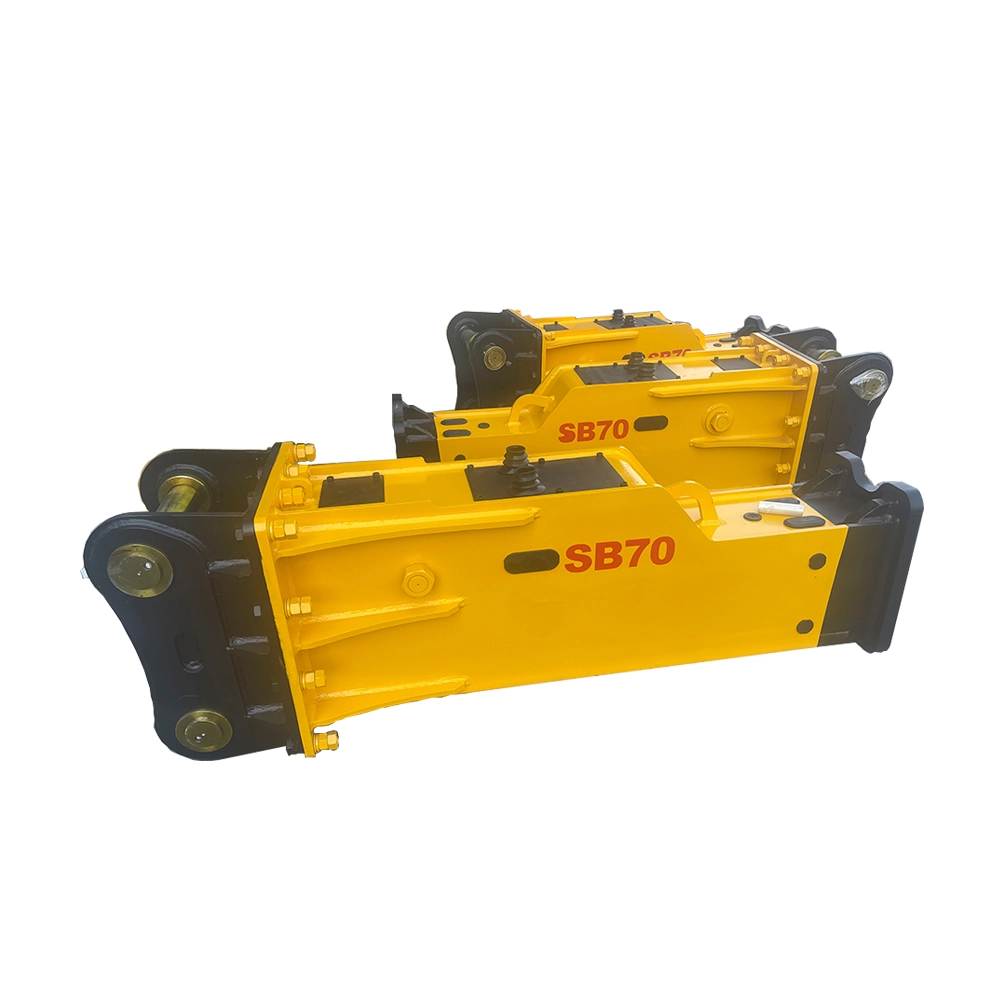
Huilian OEM Hydraulic Hammer Breaker SB70 For Soosan
 About us
© 2025 HUILIAN MACHINE. All rights reserved