



Top Replacement Parts for Hydraulic Rock Breaker Hammers
- Understanding failure modes and diagnostics
- Common signs that a spare part needs replacement
- Inspection checklist and diagnostic sequence
- Tools and measurements I recommend
- Top replacement parts: what to prioritize
- 1) Chisels / tool bits
- 2) Pistons, pistons rods and wear bushings
- 3) Seals, diaphragms and seal kits
- Choosing quality spares and maintenance best practices
- OEM vs aftermarket: decision framework
- Seal selection, lubrication and installation tips
- Storage, inventory and economical spares strategy
- Cost, lifecycle and supplier selection
- Comparing parts by lifecycle impact
- Supplier audits and quality assurance steps
- Warranty, traceability and counterfeit risk
- Practical case examples and maintenance schedules
- Example: Preventive swap schedule I use in mixed quarry fleets
- Oil cleanliness and its impact on spares life
- Field repair tips that save time
- About Huilian Machine — OEM capacity and why I recommend OEM parts from reputable suppliers
- Frequently asked questions (FAQ)
- 1. How often should I replace the chisel on a hydraulic breaker?
- 2. Are full seal kits necessary, or can I replace single O-rings?
- 3. Can I use aftermarket parts to save cost?
- 4. What causes hydraulic oil contamination and how does it affect spares?
- 5. How should I prioritize spare parts inventory for a small fleet?
- 6. Where can I find model-specific part numbers and service manuals?
As someone who has specified, repaired and sourced excavator breaker parts for years, I know that the right hydraulic rock breaker hammer spares parts directly determine machine uptime, productivity and total cost of ownership. In this article I summarize the critical replacement parts, how to spot failures early, selection criteria for OEM vs aftermarket spares, and practical maintenance and inventory strategies you can implement today to keep your breakers running reliably.
Understanding failure modes and diagnostics
Common signs that a spare part needs replacement
Before recommending replacement parts, I always start with symptoms. Typical warning signs include reduced blow energy, increasing hydraulic oil contamination, unusual noise or vibration, and leaking oil around the tool head. These symptoms almost always map to a limited set of components: chisels (tool bits) that are worn or mushroomed, pistons and bushings with scoring, valve components sticking or leaking, and degraded seals or diaphragms.
Inspection checklist and diagnostic sequence
Use a consistent checklist when diagnosing a breaker: visual inspection of the chisel and tool retainer, measuring piston and bush clearances, hydraulic oil analysis for particulate and water, leak checks at housing joints, and valve function tests. I follow a simple sequence: visual -> static measurements -> dynamic test (run under no-load and low-load) -> oil analysis. Regular inspections (daily quick checks and detailed monthly checks) dramatically reduce unexpected failures.
Tools and measurements I recommend
Basic tools I keep handy are a bore gauge, feeler gauges, a tachometer for hydraulic motor-driven testers, and an oil particle counter or third-party oil analysis service. For design understanding and general background on hydraulic impact tools, see the overview on Hydraulic hammer — Wikipedia.
Top replacement parts: what to prioritize
1) Chisels / tool bits
Chisels are the interface between the breaker and the rock—wear here is inevitable. When a chisel becomes mushroomed or develops a pronounced taper, impact efficiency drops and the housing absorbs extra shock. I replace the chisel at the first sign of edge deformation or when tool length tolerance exceeds the manufacturer's limit. For most applications, keep at least one spare per breaker in active fleets and consider different tip geometries for rock type.
2) Pistons, pistons rods and wear bushings
The piston transfers hydraulic energy into impact. Scoring, flattening or pitting on the piston face or excessive clearance in the wear bush will reduce blow energy and increase stress on seals. I inspect piston faces after any abnormal operation and replace pistons or bushings when surface finish scores or wear exceeds recommended tolerances. Wear bush replacement is often paired with seal kits to ensure reassembly provides a reliable pressure boundary.
3) Seals, diaphragms and seal kits
Seals are the unsung heroes of breaker reliability. Degraded seals or diaphragms lead to internal leakage and contamination ingress. I favor complete seal kits (which include all O-rings, backup rings, wipers and diaphragms) rather than piecemeal O-rings because replacing the full kit restores proper clearances and materials compatibility. Many OEMs and reputable suppliers publish seal kit part numbers for each breaker model; I often cross-reference Parker and OEM catalogs when specifying replacements (Parker).
Choosing quality spares and maintenance best practices
OEM vs aftermarket: decision framework
When choosing between OEM and aftermarket hydraulic rock breaker hammer spares parts, evaluate: material specification (heat treatment, metallurgy), dimensional tolerances, warranty and traceability, and field performance history. OEM parts typically provide guaranteed fit and traceability; quality aftermarket parts can be cost-effective but require vendor vetting. For quality management guidance, see ISO standards such as ISO 9001 on supplier quality systems.
Seal selection, lubrication and installation tips
Always use the correct seal material for the operating temperature and hydraulic fluid. Nitrile (NBR) is common, but in high-temperature or abrasive conditions you may need Viton (FKM) or polyurethane. Use the recommended assembly lubricant to avoid dry installation damage. I also emphasize clean-room practices during replacement: clean components, filtered oil, and contamination control reduce early seal failure.
Storage, inventory and economical spares strategy
Critical spares (chisels, seal kits, pistons, valves) should be stocked in a controlled environment. I recommend a 1–2 breaker equivalent parts stock for critical fleet sizes, and rotating inventory with FIFO. Track usage rates and mean time between failures (MTBF) to tune reorder points. In many operations, a simple kanban card system for high-turnover items improves availability without excessive capital tied up in spares.
Cost, lifecycle and supplier selection
Comparing parts by lifecycle impact
When planning purchases, consider not just unit cost but lifecycle cost: downtime per failure, labor to replace, and collateral damage risk. Below I provide a comparative table I use when advising clients. The qualitative wear-rate and criticality entries reflect typical field experience across multiple breaker models and are intended to guide prioritization.
| Part | Primary function | Relative wear rate | Typical failure mode | Operational criticality |
|---|---|---|---|---|
| Chisel / Tool bit | Energy transfer to rock | High | Edge wear, mushrooming, breakage | High |
| Piston & Wear Bush | Impact transmission & guidance | Medium–High | Scoring, flattening, excessive clearance | High |
| Seals & Diaphragms | Hydraulic pressure retention | Medium | Hardening, extrusion, leakage | High |
| Valves & Liners | Control of hydraulic flow | Low–Medium | Sticking, erosion | Medium |
| Bolts / Retainers | Mechanical fixation | Low | Fatigue, loosening | Medium |
These qualitative assessments align with general industry understanding of breaker service behavior; for a technical overview of hydraulic hammer components see Wikipedia.
Supplier audits and quality assurance steps
When qualifying a supplier I look for: traceable material certificates (mill test certificates), documented heat-treatment processes for wear parts, dimensional inspection reports, and an accessible warranty policy. On-site factory audits or third-party lab tests offer additional assurance. ISO 9001 certification often indicates a formal quality management system.
Warranty, traceability and counterfeit risk
Counterfeit or substandard parts create safety and cost risk. Insist on batch traceability and serialized critical components where applicable. Maintain records of part numbers, vendor lot numbers and certificates of conformity. This is particularly important for parts that fail catastrophically, such as pistons and bolts.
Practical case examples and maintenance schedules
Example: Preventive swap schedule I use in mixed quarry fleets
For a mixed fleet of breakers I typically recommend:
- Chisel inspection: daily; replace on visible deformation or every 200–500 operating hours depending on rock abrasivity.
- Seal kits: replace at first sign of internal leakage or during major rebuilds (commonly 1,000–2,000 hours in normal conditions).
- Piston & wear bush: inspect during major service intervals; replace if scoring is visible or clearance exceeds spec.
Exact intervals should be directly referenced from the breaker OEM manual. Manufacturer intervals and repair procedures provide the authoritative baseline—consult your model's service manual when planning overhauls.
Oil cleanliness and its impact on spares life
Hydraulic oil contamination dramatically shortens seal and valve life. I recommend oil filtration to ISO cleanliness targets (commonly ISO 4406 ratings are used in hydraulic systems) and periodic oil analysis from a certified lab. Maintaining proper filtration and regular fluid replacement reduces spare parts consumption and extends component life.
Field repair tips that save time
When performing field repairs, use correct torque specs, new fasteners where torque-to-yield parts are used, and always replace the seal kit after any disassembly that exposes hydraulic circuits. Use threadlocker where recommended and retorque after a short operational break-in period to avoid loosening due to vibration.
About Huilian Machine — OEM capacity and why I recommend OEM parts from reputable suppliers
Founded in 2005, Huilian Machine is a professional OEM supplier of excavator parts. We are leading excavator breaker parts manufacturers from China. We offer a wide range of products, including hydraulic breaker hammers, chisels, seals and seal kits, diaphragms, pistons, WearBush, rompin/retainer bars, through bolts, side bolts, valves and liners. Huilian's team comprises experienced and skilled professionals, including technicians, R&D experts, designers, quality control professionals, salespeople and after-sales service teams. Our products are exported to over 90 countries and regions and are highly regarded by customers worldwide for their quality and variety. Guangzhou Huilian Machinery Co., Ltd. is committed to becoming a global leader in the supply of excavator parts and components and is seeking global distributor partners to promote the sustainable development of the excavator parts industry. Our website: https://www.huilianmachine.com/ Email: service@huilianmachine.com Phone: +86 188 1917 0788
In my experience, a supplier like Huilian brings several advantages: direct OEM manufacturing reduces intermediary markups and improves traceability; a broad product range simplifies procurement (from breaker hammers to Parker-style seal kits); and an experienced technical team helps with cross-referencing parts and providing aftermarket support. Their focus on export quality and global distribution means they can support large fleets with consistent parts availability.
Frequently asked questions (FAQ)
1. How often should I replace the chisel on a hydraulic breaker?
Replace the chisel when you see edge deformation (mushrooming), a loss of length beyond tolerance, or a measurable drop in productivity. For many applications that means frequent inspection and replacement intervals that depend on rock abrasiveness—daily visual checks and replacement as soon as damage is noted is best practice.
2. Are full seal kits necessary, or can I replace single O-rings?
I recommend full seal kits when opening the breaker for service. Mixed-age seals create uneven wear and re-assembly with old seals increases risk of early failure. A complete kit restores designed clearances and material compatibility.
3. Can I use aftermarket parts to save cost?
Quality aftermarket parts can be cost-effective, but you must vet suppliers for material specs, manufacturing process, and warranty. For critical components like pistons and bolts, OEM or certified-equivalent parts minimize safety and downtime risk.
4. What causes hydraulic oil contamination and how does it affect spares?
Contamination sources include environmental ingress during servicing, worn seals, and abrasive particulates from chisel wear. Contamination shortens seal and valve life and accelerates wear on pistons and bushings. Implement filtration, clean servicing, and oil analysis to control this risk. For ISO cleanliness guidelines, see ISO.
5. How should I prioritize spare parts inventory for a small fleet?
Prioritize chisels/tool bits, a seal kit per breaker, and one set of piston/wear bush spares for the fleet as a baseline. Use MTBF and usage data to scale inventory; for remote sites increase critical spares stock to avoid long downtime due to shipping delays.
6. Where can I find model-specific part numbers and service manuals?
Model-specific parts and service manuals are typically available from the original breaker manufacturer or authorized OEM suppliers (like Huilian Machine). Always cross-check part numbers across catalogs and request traceability documents for critical parts.
If you need help selecting specific hydraulic rock breaker hammer spares parts for your fleet, or want OEM-quality seal kits and chisels, contact me or reach out directly to Huilian Machine via their website https://www.huilianmachine.com/, email service@huilianmachine.com, or phone +86 188 1917 0788. I can help you audit current spares, create a prioritized procurement plan, or recommend maintenance intervals tailored to your operating conditions.
Compare top rock hammer hydraulic breaker brands and models
How to Install Hydraulic Breaker: Step-by-Step Guide
Wholesale CAT hydraulic breaker manufacturer and supplier in China
How Seal Kit Quality Affects Excavator Downtime and ROI
About
What is your shipping and delivery time?
We offer fast and reliable global shipping. Delivery times vary depending on location and order size, but we strive to process and ship orders as quickly as possible.
What types of excavator parts do you offer?
We provide a wide range of high-quality excavator parts, including hydraulic breakers, chisels, seal kits, diaphragms, pistons, wear bushes, retainer bars, through bolts, side bolts, valves, and liners.
How can I ensure I’m selecting the right part for my equipment?
Our expert team can assist you in finding the right part based on your machine model, specifications, and requirements. Contact us for personalized support.
Are your parts compatible with all excavator brands?
Yes, our parts are designed to be compatible with major brands like Komatsu, Caterpillar, Hitachi, Hyundai, Doosan, JCB, Kobelco, Sany, and many more.
Do you offer OEM and aftermarket parts?
Yes, we manufacture high-quality OEM parts and supply aftermarket parts from top brands such as NOK, Parker, SKF, and Hallite to ensure optimal performance.
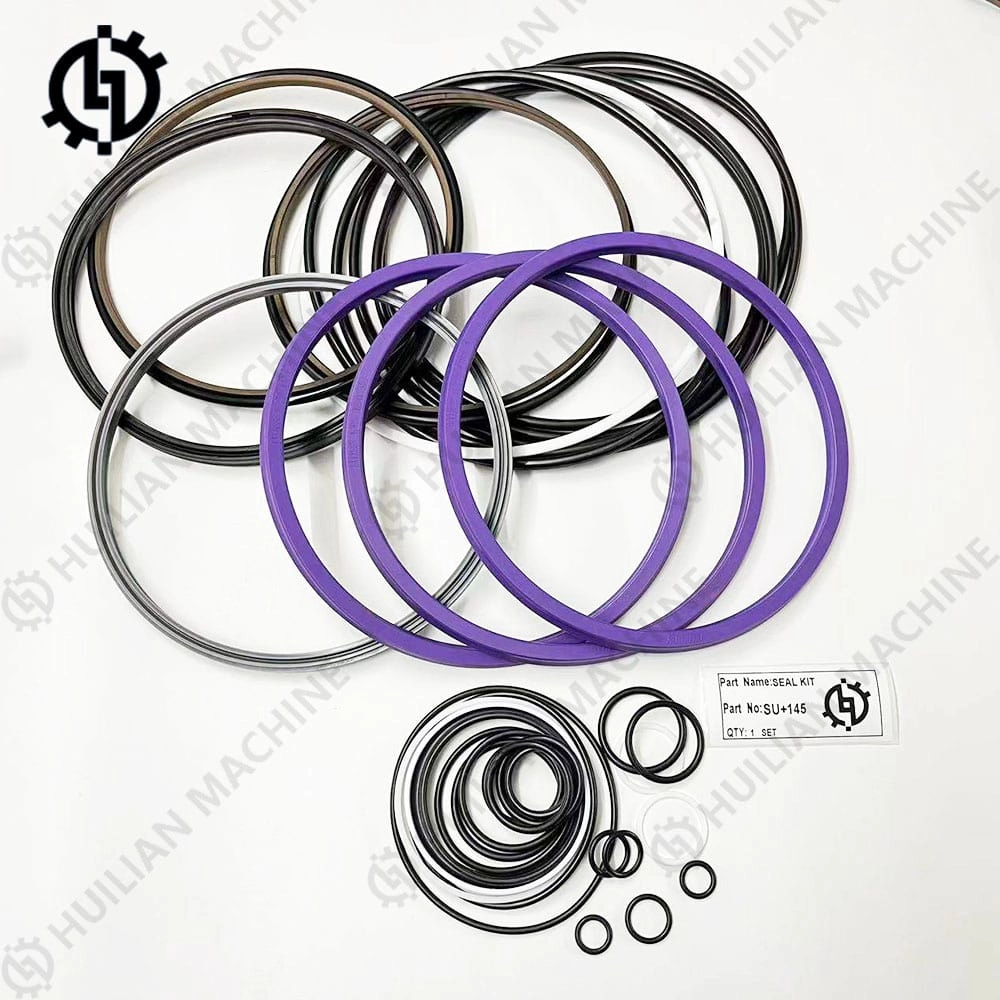
SOOSAN L21016 SU+145 TR-F SU+145TRF SU145 SU+145 Seal Kit C61443 SU+125 Oil Repair Kit For Excavator Hydraulic Rock Breaker Hammer Spare Parts
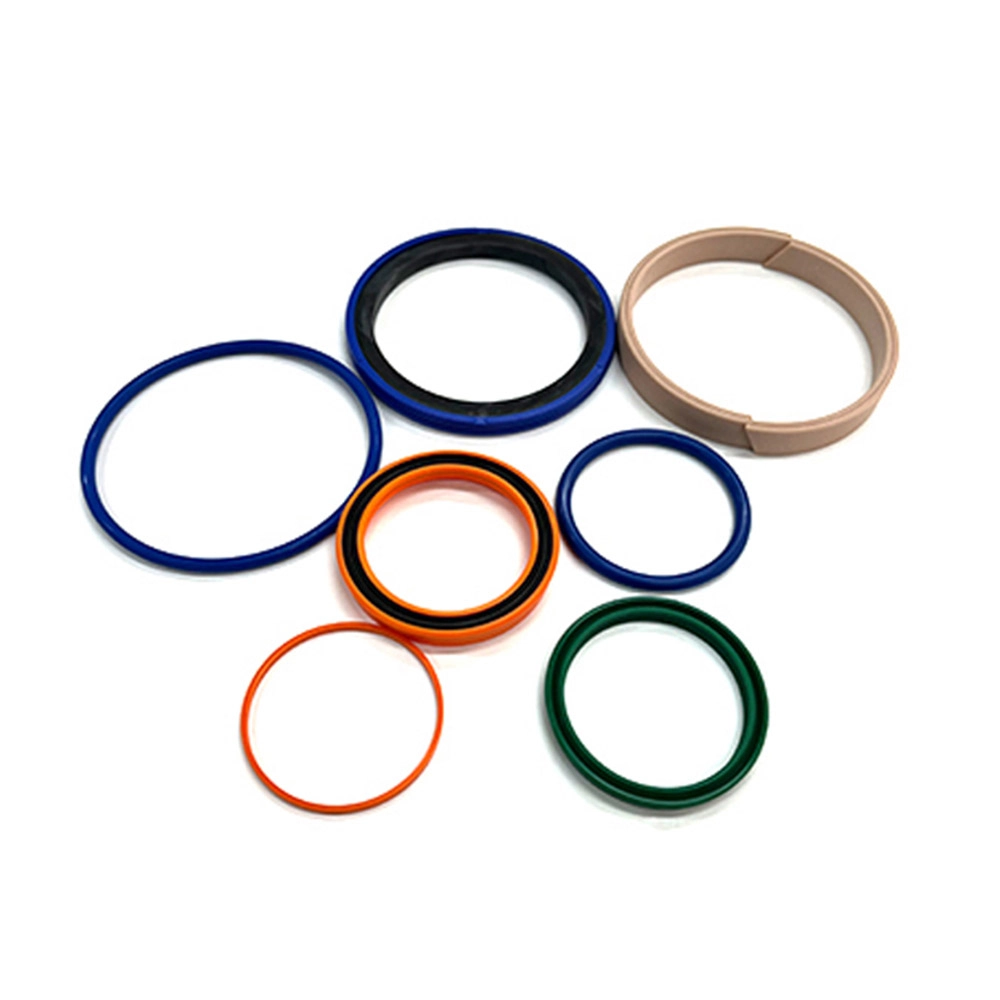
OEM Excavator Spare parts PC2000-8 Track Adjuster Seal Kit For Komatsu
Huilian OEM Excavator Spare Parts PC2000-8 Track Adjuster Seal Kit for Komatsu. Ensures optimal track adjustment performance. High-quality replacement for your PC2000-8 excavator. Order your kit today!
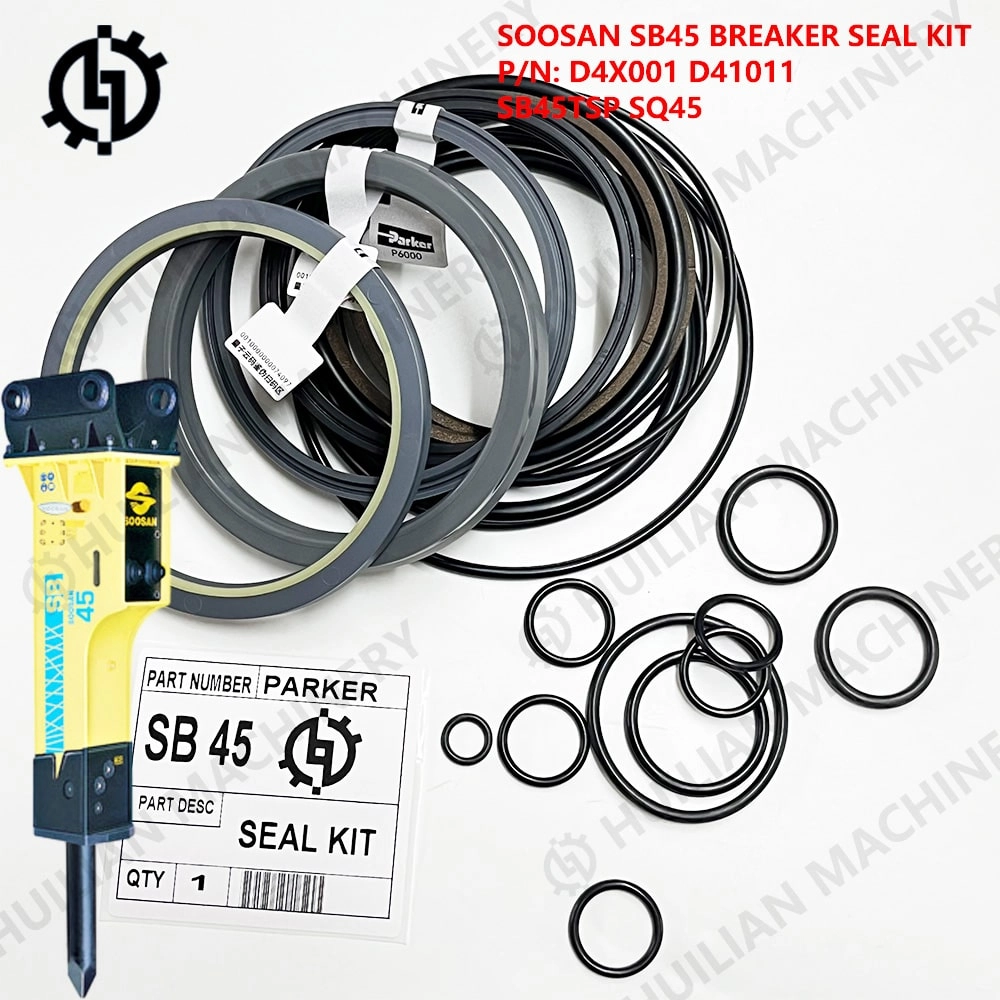
Parker Oil Seal SOOSAN SB45 Hydraulic Rock Hammer Breaker Seal Repair Kit D4X001 D41011 SB45TSP SQ45

Huilian HL68 Hammer Breaker for 4-7 Ton Excavator SOOSAN SB40 Hydraulic Rock Breaker
Side type hydraulic breaker : Easy to control, convenient positioning, durable, high working efficiency, strong striking force, long service life, stable operating performance, convenient after-sales service.
Top type hydraulic breaker : Strong impact power; excellent environmental performance; exquisite manufacturing technology; easy maintenance,fast after-sales service
Box type hydraulic breaker :leading heat treatment technology, enhance heat resistance, wear resistance. Under the condition of keeping the oil pressure constant, the cylinder volumeis reduced and the fuel consumption is reduced.The self-developed core is adopted to make the piston cylinder body moredurable and the service life longer.Exposed decks are made of high-strength steel plates to reduce wear.The best efficiency matching with excavator and loader is realized
 About us
© 2025 HUILIAN MACHINE. All rights reserved