



Concrete Breaker Attachment Excavator: The Ultimate 2026 Buyer's and ROI Guide
- What is a concrete breaker attachment for an excavator?
- Core Components & Functionality
- Quick Summary: Key Takeaways for Fleet Managers
- The 2026 Sizing Matrix: Matching Breaker to Carrier
- Critical Sizing Factors
- Tool Bit Selection: Choosing the Right Geometry for the Job
- Common Tool Bit Types
- Preventing Equipment Failure: Expert Maintenance Tips
- The Maintenance Protocol
- The 2026 Future of Attachments: AI and Telematics
- Emerging Trends for 2026
- FAQ
- How do I choose the right size concrete breaker for my excavator?
- What causes a hydraulic breaker to lose power?
- How often should I grease my excavator breaker?
- Can I use a concrete breaker underwater?
- What is 'blank firing' and why is it dangerous?
- What are the signs that a breaker bushing needs replacement?
- How does nitrogen pressure affect breaker performance?
- What is the lifespan of a hydraulic breaker attachment?
- References
In the high-stakes world of heavy demolition, the concrete breaker attachment excavator (or hydraulic hammer) is the difference between profit and downtime. Yet, industry data suggests that up to 30% of attachment failures stem from improper carrier matching or neglected hydraulic hygiene.
As we approach 2026, the market is shifting. With the global hydraulic breaker market projected to reach nearly $5.9 billion by 2032 (Maximize Market Research, 2025), fleet managers must look beyond simple impact force. Today, success depends on mastering excavator attachment compatibility matrix data, integrating AI telematics, and adhering to strict new silica dust regulations.
At Guangzhou Huilian Machines Co., Ltd (Huilian), we have spent over two decades manufacturing precision breaker parts—from Parker seal kits to heavy-duty pistons. This guide combines our OEM engineering experience with the latest 2025-2026 market trends to help you make data-driven buying decisions.
What is a concrete breaker attachment for an excavator?
A concrete breaker attachment is a hydraulic percussion tool mounted on an excavator that converts the carrier’s hydraulic flow into kinetic impact energy to demolish rock and concrete.
It functions similarly to a giant jackhammer. Inside the cylinder, a piston powered by high-pressure oil strikes a tool bit (chisel) at high velocity. This energy transfer creates a shockwave capable of fracturing materials with compressive strengths exceeding 20,000 PSI.
Core Components & Functionality
- The Power Cell: The heart of the hammer containing the piston and nitrogen gas chamber.
- The Accumulator: Dampens pressure spikes and stores energy to boost hydraulic hammer impact energy.
- The Tool Bit: The replaceable steel rod that physically strikes the material.
At Huilian, we design our pistons and cylinders to withstand extreme heat, ensuring that the kinetic energy transfer remains efficient even during prolonged demolition cycles.

Quick Summary: Key Takeaways for Fleet Managers
To maximize ROI, fleet managers must match breaker weight to 10% of the carrier’s operating weight and prioritize flow compatibility over simple impact rate.
Making the right choice prevents catastrophic boom failure and optimizes fuel consumption. Here is your executive cheat sheet for 2026:
- Stability Rule: Ensure the breaker weight does not exceed the excavator's lifting capacity at full reach.
- Flow Matching: Your excavator’s hydraulic pump must deliver the exact GPM (Gallons Per Minute) required by the breaker. Too little flow equals low power; too much causes overheating.
- Vibration Damping: Look for "silenced" or boxed-housing models to protect the excavator boom and operator.
- Auto-Lube: Automated greasing systems can extend bushing life by 30%, reducing manual labor costs.
The 2026 Sizing Matrix: Matching Breaker to Carrier
Proper sizing requires consulting an excavator attachment compatibility matrix to align the breaker's operating pressure and flow with the carrier machine's hydraulic output.
Ignoring these specs is the fastest way to destroy a hydraulic pump. In 2026, compatibility goes beyond weight class—it involves excavator hydraulic flow requirements and back-pressure limits.
Critical Sizing Factors
- Carrier Weight Ratio: The breaker should generally weigh between 10% to 15% of the carrier excavator. A 20-ton excavator is best suited for a 2-3 ton breaker.
- Hydraulic Flow (GPM/LPM): The most critical metric. If a breaker needs 150 LPM but the carrier supplies 200 LPM, you need a flow control valve. Excess flow creates heat, which destroys seals—a common issue we see in Huilian's repair shop.
- Operating Pressure: Ensure the excavator's relief valve is set slightly higher than the breaker's operating pressure to prevent constant bypassing.
- Return Line Back Pressure: High back pressure slows the piston's return stroke, reducing impact frequency and overheating the oil.
Expert Tip: "Bigger is not always better. An oversized breaker on a small carrier causes hydraulic instability, while an undersized breaker leads to excessive idle firing and low productivity."
Tool Bit Selection: Choosing the Right Geometry for the Job
Demolition tool bit selection dictates breaking efficiency; use moil points for general penetration and blunt tools for shattering high-hardness igneous rock.
Using the wrong bit increases wear on the bushing and piston. We manufacture a wide range of chisels at Huilian, and we advise clients to swap bits based on the material density.
Common Tool Bit Types
- Moil Point (Conical):
- Best For: General demolition, reinforced concrete, and sedimentary rock.
- Mechanism: Penetrates like a wedge to split material.
- Chisel Point (Wedge/Cross):
- Best For: Trenching and cutting precise lines in asphalt or concrete floors.
- Mechanism: Directs force laterally to control the break line.
- Blunt Tool:
- Best For: Boulder busting, slag removal, and hard abrasive rock (granite/trap rock).
- Mechanism: Delivers a shockwave to shatter the object without penetrating.
- Pyramid Point:
- Trend: Gaining popularity for ultra-reinforced concrete where standard moils get stuck.
Preventing Equipment Failure: Expert Maintenance Tips
Predictive maintenance for hydraulic breakers involves monitoring nitrogen levels and bushing wear intervals to prevent piston seizure and internal contamination.
Reactive maintenance is costly. Data indicates that 80% of hydraulic failures are due to contamination. Implementing a strict protocol is essential.
The Maintenance Protocol
- The 15-Second Rule: Never fire the breaker in one spot for more than 15 seconds. If it doesn't break, move the tool. Prolonged firing creates heat pockets that damage the piston tip.
- Nitrogen Charging: Check the backhead nitrogen pressure weekly. Low pressure causes the hydraulic system to work harder, reducing impact energy.
- Greasing: Manual greasing every 2 hours is standard, but auto-lube systems are superior. Important: Always grease the breaker while it is vertical with down-pressure applied to prevent grease from entering the strike chamber.
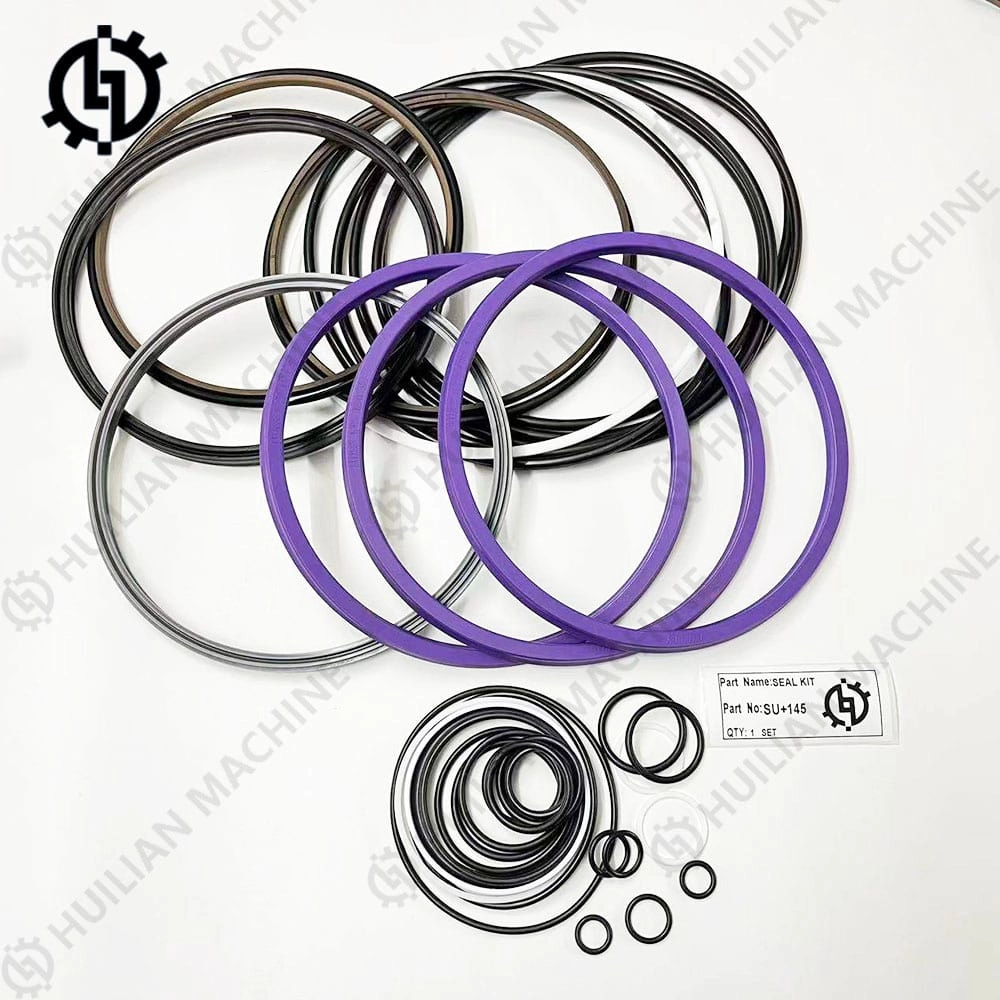
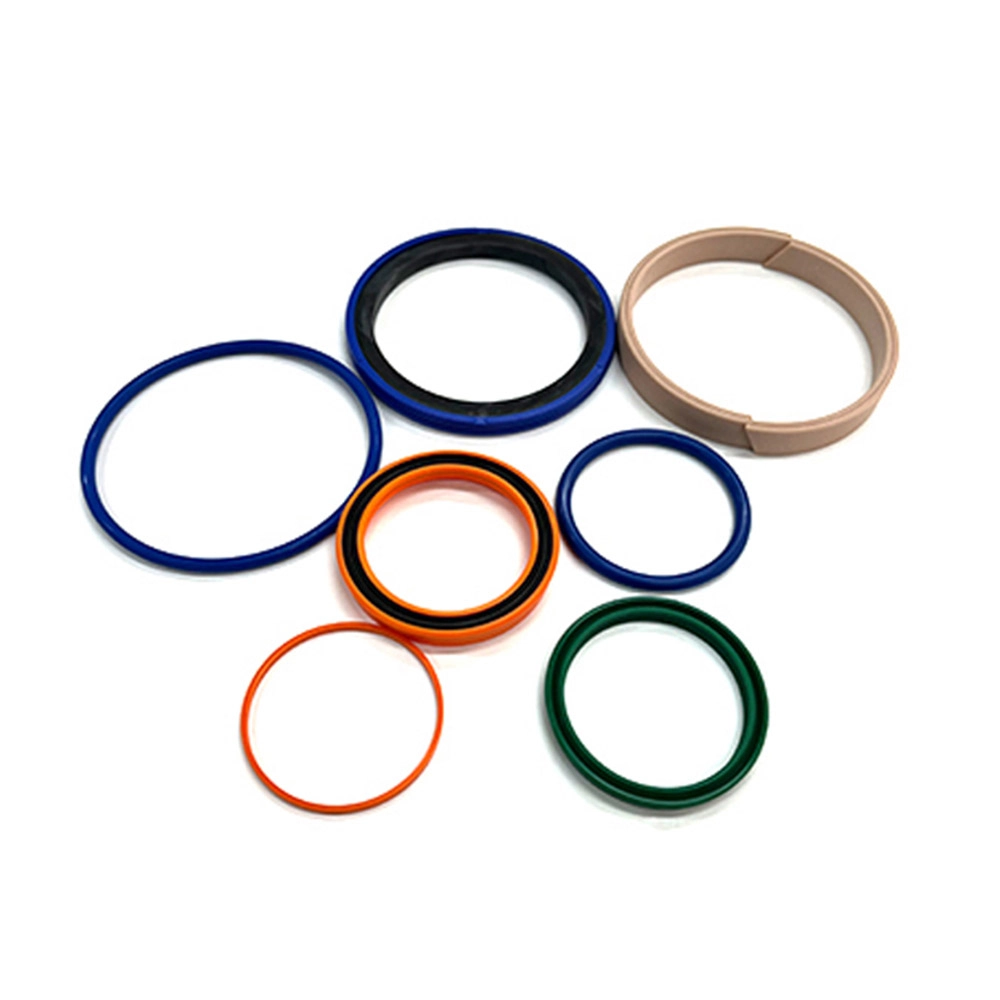
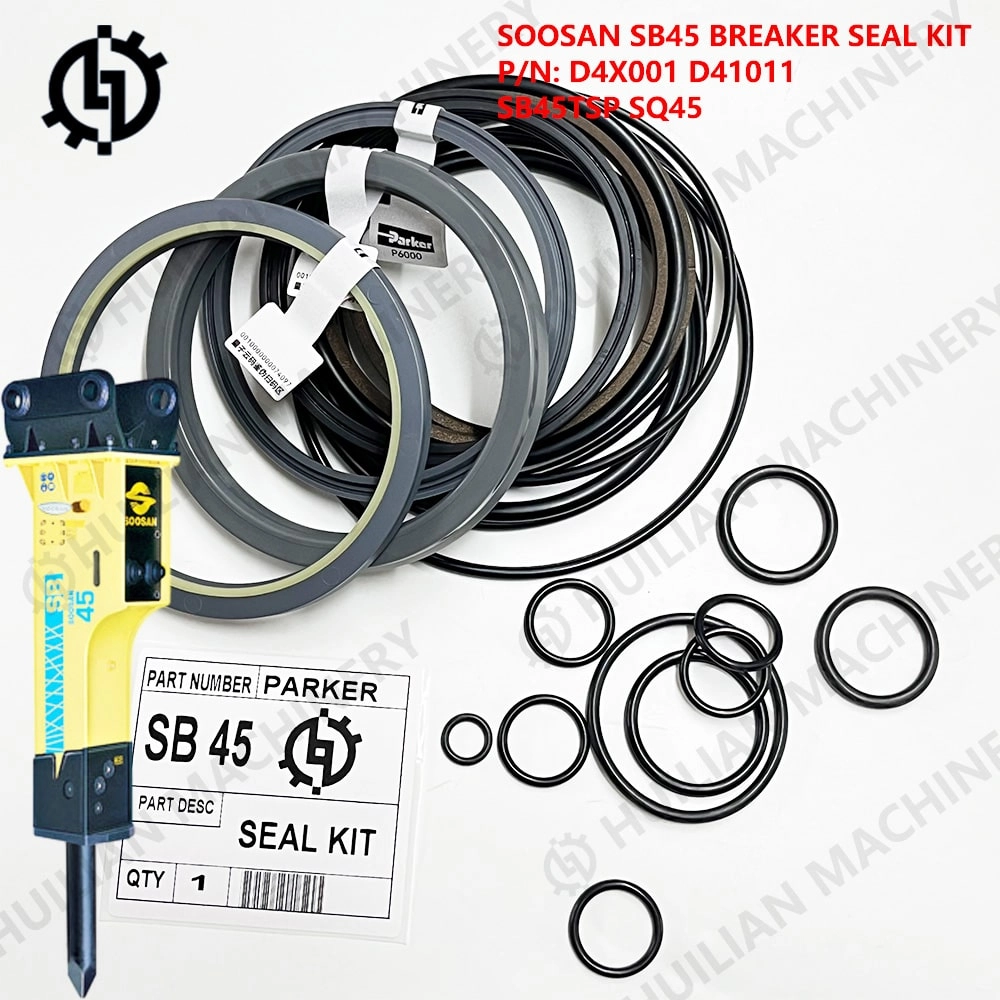
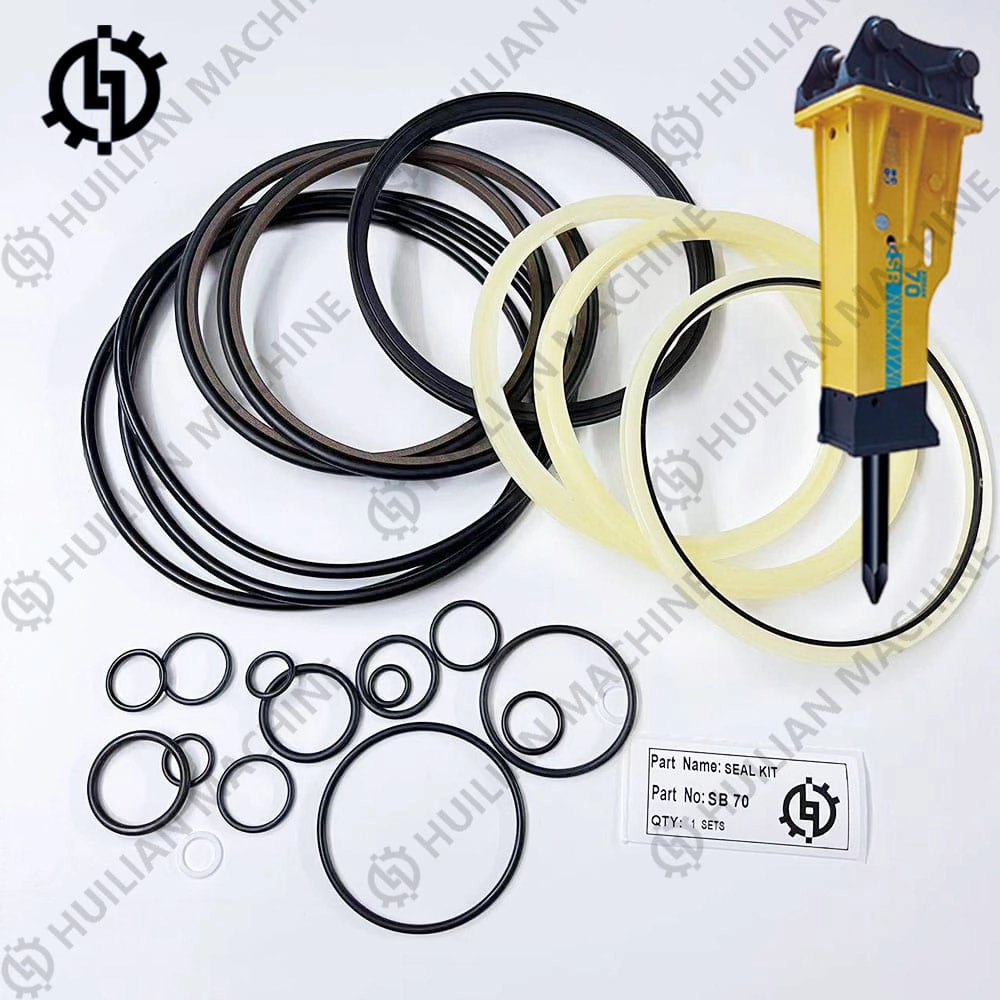
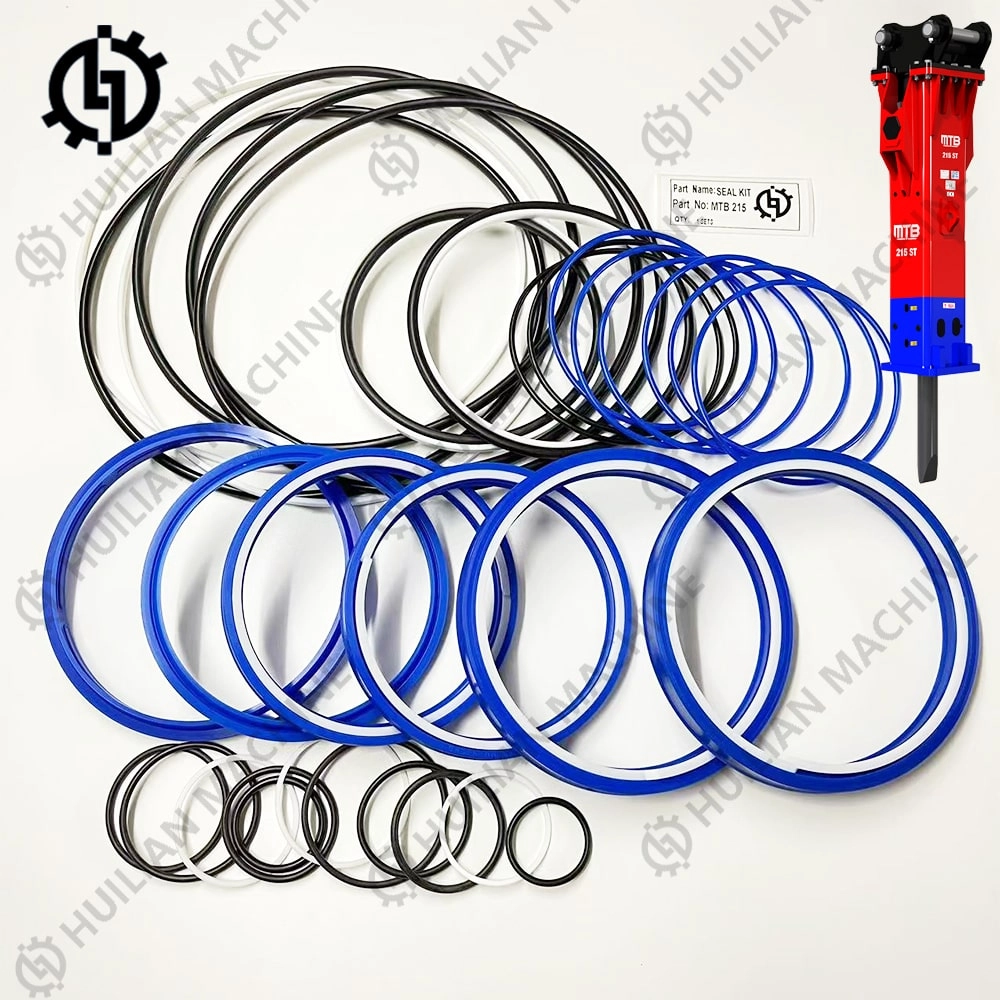
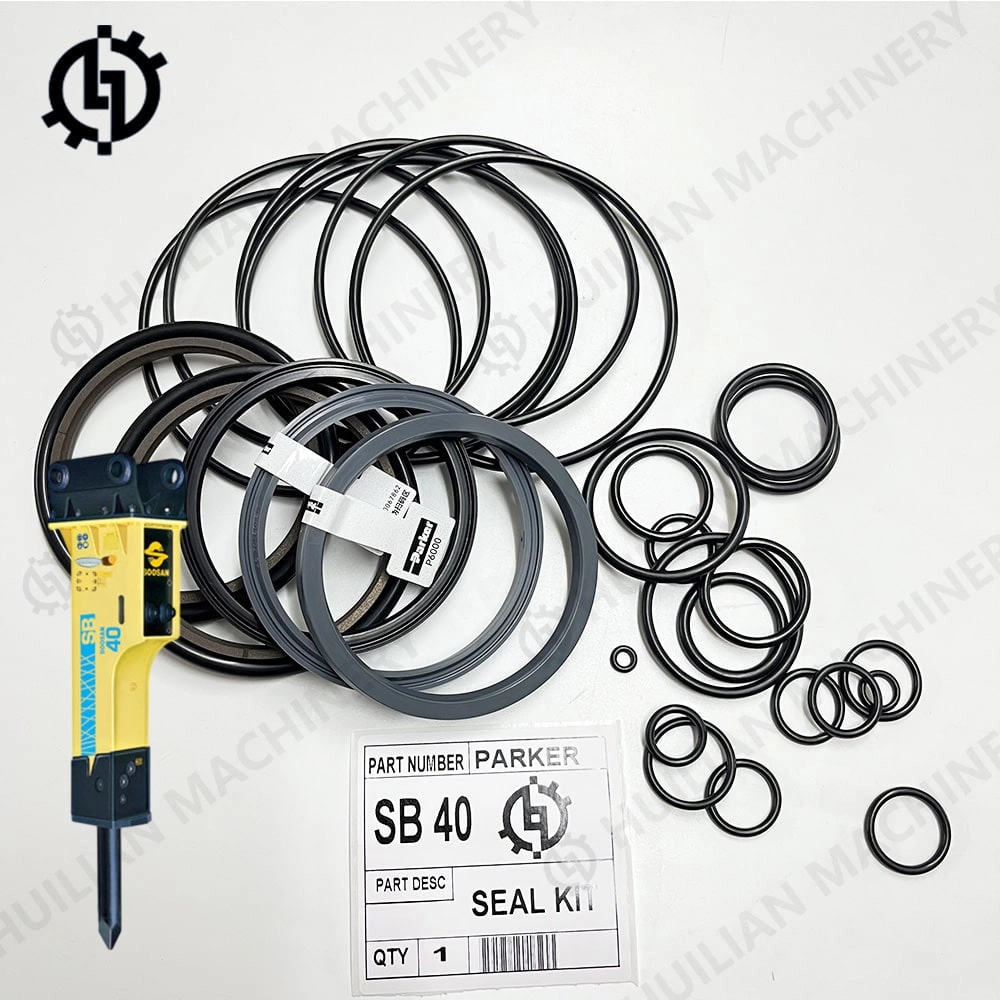
- Seal Replacement: Replace seal kits every 1,000 hours. At Huilian, we use high-grade Parker seals to ensure longevity, as worn seals allow oil to bypass the piston, killing power.
- Blank Firing Prevention: Avoid "blank firing" (striking air). This sends the piston crashing into the retainer pins, causing major structural damage.
The 2026 Future of Attachments: AI and Telematics
The future of demolition lies in AI-driven telematics that monitor hydraulic hammer impact energy and predict seal failure before it stops the job.
As the construction equipment telematics market grows (forecasted to reach $3.8 billion by 2032), smart breakers are becoming standard. These tools communicate directly with the operator's cab and the fleet manager's dashboard.
Emerging Trends for 2026
- Real-Time Monitoring: Sensors now track oil temperature, BPM (blows per minute), and operating hours. If the breaker overheats, the system alerts the operator immediately.
- Predictive Maintenance: Algorithms analyze pressure spikes to predict when a seal or diaphragm is about to fail, allowing you to order parts from suppliers like Huilian before downtime occurs.
- Electric Excavator Integration: With the rise of electric carriers, new breakers are designed with optimized hydraulic circuits to minimize power draw and extend battery life.
- Silica Dust Compliance: With strict 2024/2025 OSHA regulations, modern breakers are increasingly fitted with integrated water spray systems to suppress dangerous silica dust at the source.
FAQ
How do I choose the right size concrete breaker for my excavator?
Consult the carrier weight class guidelines provided by the manufacturer. Generally, the breaker should weigh 10% of the carrier. Verify that your excavator's excavator hydraulic flow requirements and pressure ratings meet the breaker's minimum specs.
What causes a hydraulic breaker to lose power?
Common causes include low nitrogen pressure in the accumulator, insufficient hydraulic oil flow from the carrier, internal seal wear allowing oil to bypass the piston, or high back pressure in the return line.
How often should I grease my excavator breaker?
Manually grease the tool shank every 2 hours of active use. Ideally, install an auto-lube system for continuous lubrication. Always grease the breaker while it is standing vertically with down pressure applied.
Can I use a concrete breaker underwater?
Only if the breaker is specifically modified with an underwater kit. A compressed air line must be connected to the strike chamber to prevent water ingress. Operating a standard breaker underwater without this causes immediate vacuum damage.
What is 'blank firing' and why is it dangerous?
Blank firing occurs when the piston strikes the tool bit without it being pressed against a surface. This energy is not absorbed by the rock but by the breaker's internal components (retainer pins and front head), leading to rapid failure.
What are the signs that a breaker bushing needs replacement?
Look for excessive side-to-side play in the tool bit, oil leaking down the tool shank, or visible galling on the bit surface. Huilian recommends checking bushing wear limits weekly.
How does nitrogen pressure affect breaker performance?
Nitrogen acts as a spring, storing energy for the piston's downstroke. Low pressure results in weak blows, while excessive pressure can prevent the breaker from cycling or damage the diaphragm.
What is the lifespan of a hydraulic breaker attachment?
With proper maintenance, a high-quality breaker can last 5 to 10 years. Lifespan depends on material hardness and maintenance. Regular overhaul of seal kits (every 1,000 hours) significantly extends life.
References


About
Are your parts compatible with all excavator brands?
Yes, our parts are designed to be compatible with major brands like Komatsu, Caterpillar, Hitachi, Hyundai, Doosan, JCB, Kobelco, Sany, and many more.
Do you offer OEM and aftermarket parts?
Yes, we manufacture high-quality OEM parts and supply aftermarket parts from top brands such as NOK, Parker, SKF, and Hallite to ensure optimal performance.
How can I ensure I’m selecting the right part for my equipment?
Our expert team can assist you in finding the right part based on your machine model, specifications, and requirements. Contact us for personalized support.
What types of excavator parts do you offer?
We provide a wide range of high-quality excavator parts, including hydraulic breakers, chisels, seal kits, diaphragms, pistons, wear bushes, retainer bars, through bolts, side bolts, valves, and liners.
What is your shipping and delivery time?
We offer fast and reliable global shipping. Delivery times vary depending on location and order size, but we strive to process and ship orders as quickly as possible.


Getting started is easy 
Contact with our experts to find the best excavator parts solutions for your needs. Discover how Huilian can enhance your equipment's performance and efficiency.


Get in touch
 About us
© 2025 HUILIAN MACHINE. All rights reserved