



Concrete Breaker vs. Hydraulic Hammer: Which Mini Excavator Attachment Is Right for Your Job?
While often used interchangeably, 'Concrete Breaker' and 'Hydraulic Hammer' can refer to distinct internal mechanisms. This guide explores nitrogen vs. hydraulic systems, sizing charts for mini excavators, and 2026 maintenance standards to help you choose the right demolition attachment.
- Quick Summary: The Verdict on Breakers vs. Hammers
- What is the Difference Between a Concrete Breaker and a Hydraulic Hammer?
- 1. Nitrogen-Assisted (Gas-Fire d) Breakers
- 2. Fully Hydraulic Hammers
- Matching the Attachment to Your Mini Excavator: The 2026 Standards
- Key Sizing Metrics
- Performance Showdown: Which is Right for Your Job?
- ROI & Cost Analysis: Rent vs. Buy in 2026
- Expert Tips: Preventing Failure & Extending Lifespan
- Conclusion
If you are searching for a hydraulic breaker for mini excavator projects, you have likely encountered two common terms: "concrete breaker" and "hydraulic hammer." Are they the same tool, or do they serve different purposes?
In the world of mini excavator demolition attachments, these terms are often used interchangeably, yet they can imply significant technical differences depending on the manufacturer and the internal firing mechanism. Understanding these nuances is critical to avoiding equipment mismatches and maximizing your Return on Investment (ROI).
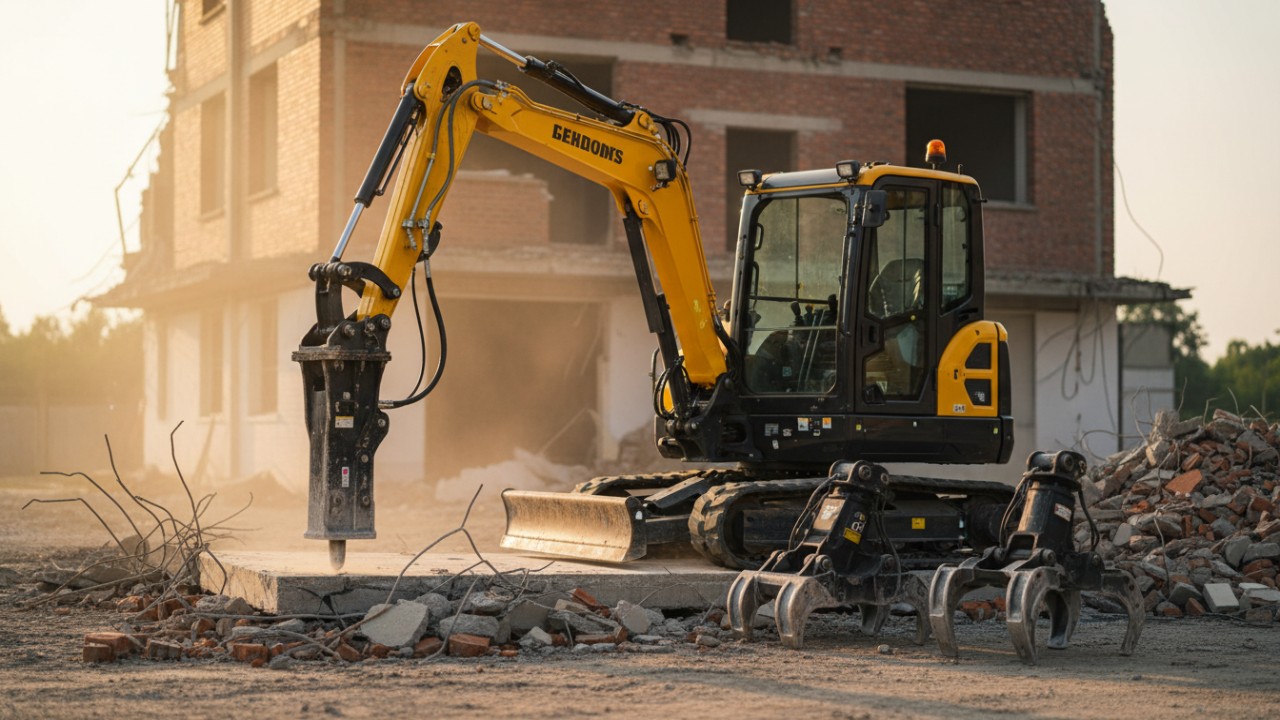
Quick Summary: The Verdict on Breakers vs. Hammers
Technically, "concrete breaker" and "hydraulic hammer" are industry synonyms for the same percussive attachment, but the choice really lies between gas-fired (nitrogen) and fully hydraulic systems.
When selecting a tool, ignore the semantic confusion and focus on the power source:
- Gas-Fired Breakers: Rely on a nitrogen charge for impact power.
- Fully Hydraulic Hammers: Rely on the excavator's hydraulic flow for continuous energy.
- Selection Criteria: Prioritize carrier weight compatibility, hydraulic flow (GPM), and impact energy class.
What is the Difference Between a Concrete Breaker and a Hydraulic Hammer?
Core Definition: While often used interchangeably, "Concrete Breaker" can refer to general handheld pneumatic tools, whereas "Hydraulic Hammer" specifically denotes the heavy-duty percussion attachment powered by an excavator's auxiliary hydraulics.
To make an informed decision for 2026, you must understand the two distinct internal mechanisms often hidden behind these names:
1. Nitrogen-Assisted (Gas-Fire d) Breakers
These units use a compressed nitrogen gas chamber to create the downward striking force.
- Pros: High impact power per blow; excellent for breaking hard rock and dense concrete.
- Cons: Requires regular nitrogen recharges; performance drops if gas pressure leaks.
2. Fully Hydraulic Hammers
These units use the excavator’s hydraulic oil flow to drive the piston in both directions.
- Pros: Constant energy output regardless of temperature; quieter operation; generally easier maintenance.
- Cons: Extremely sensitive to hydraulic flow fluctuations.
According to the Association of Equipment Manufacturers, operators should consult the manufacturer's specific safety manual to determine which mechanism matches their carrier's hydraulic capabilities, as mismatched pressures can lead to catastrophic seal failure.
Matching the Attachment to Your Mini Excavator: The 2026 Standards
The Golden 10% Rule: As a general industry standard, the breaker weight should be approximately 10% of the mini excavator's operating weight (e.g., a 350 lb breaker for a 3,500 lb machine).
Failing to consult a proper breaker hammer sizing chart is the leading cause of structural damage to mini excavators. If the breaker is too heavy, it can tip the machine; if it is too light, the excessive back-pressure will overheat your hydraulic pump.
Key Sizing Metrics
- Hydraulic Flow (GPM): Ensure your auxiliary circuit meets the tool's gallons per minute requirement. Too much flow causes overheating; too little results in slow, weak strikes.
- Operating Pressure: Verify that your machine's relief valve settings match the hammer's maximum PSI to prevent internal seal blowouts.
- Mounting Systems: Choose between top-mount (direct downward force, best for trenches) and side-mount (lower profile, better for tight spaces).
Performance Showdown: Which is Right for Your Job?
Residential Concrete: For driveways and sidewalks, a standard 300-500 ft-lb energy class hammer is sufficient, where precision outweighs raw power.
When evaluating concrete demolition tools in 2026, consider the specific density of the material you are breaking:
- Reinforced Concrete & Foundations: These require a heavy-duty breaker, preferably with anti-blank firing technology, to handle the variable resistance of rebar without damaging the piston.
- Trenching & Rock Breaking: Gas-assisted hammers often perform better here due to their high-impact versatility.
- Urban/Noise-Sensitive Areas: Regulatory bodies like OSHA are increasingly strict regarding construction noise and silica dust. In these zones, you should opt for "silenced" or "boxed" housing brackets—a growing trend for 2026—which dampen noise and often include ports for dust suppression water kits.
ROI & Cost Analysis: Rent vs. Buy in 2026
Purchase Justification: If you intend to use the breaker more than 15 times a year, purchasing usually offers a significantly better ROI than renting.
For small contractors, the decision often comes down to long-term value:
- Resale Value: Quality hydraulic hammers from reputable brands hold their value well.
- Maintenance Costs: Compare the cost of wear parts. Nitrogen models require gas recharges, while fully hydraulic models rely on seal integrity.
- Efficiency Gains: Owning allows for immediate deployment, eliminating the downtime associated with rental logistics.
Expert Tips: Preventing Failure & Extending Lifespan
Avoid Blank Firing: Never operate the hammer without solid contact against the material, as this sends destructive shockwaves back into the hammer's body.
Implementing a strict routine is essential for longevity. Here are the top hydraulic hammer maintenance tips utilized by professional fleet managers:
- Greasing Protocol: Grease the tool manually every 2 hours of continuous operation using high-temp moly paste. For high-volume jobs, automated lubrication systems are highly recommended.
- Warm-Up Routine: Just like the engine, hydraulic fluid needs to reach operating temperature before full-throttle breaking to prevent seal shock.
- Storage: Always store the breaker upright. Laying it flat for months can cause piston deformation and seal compression, leading to leaks upon restart.
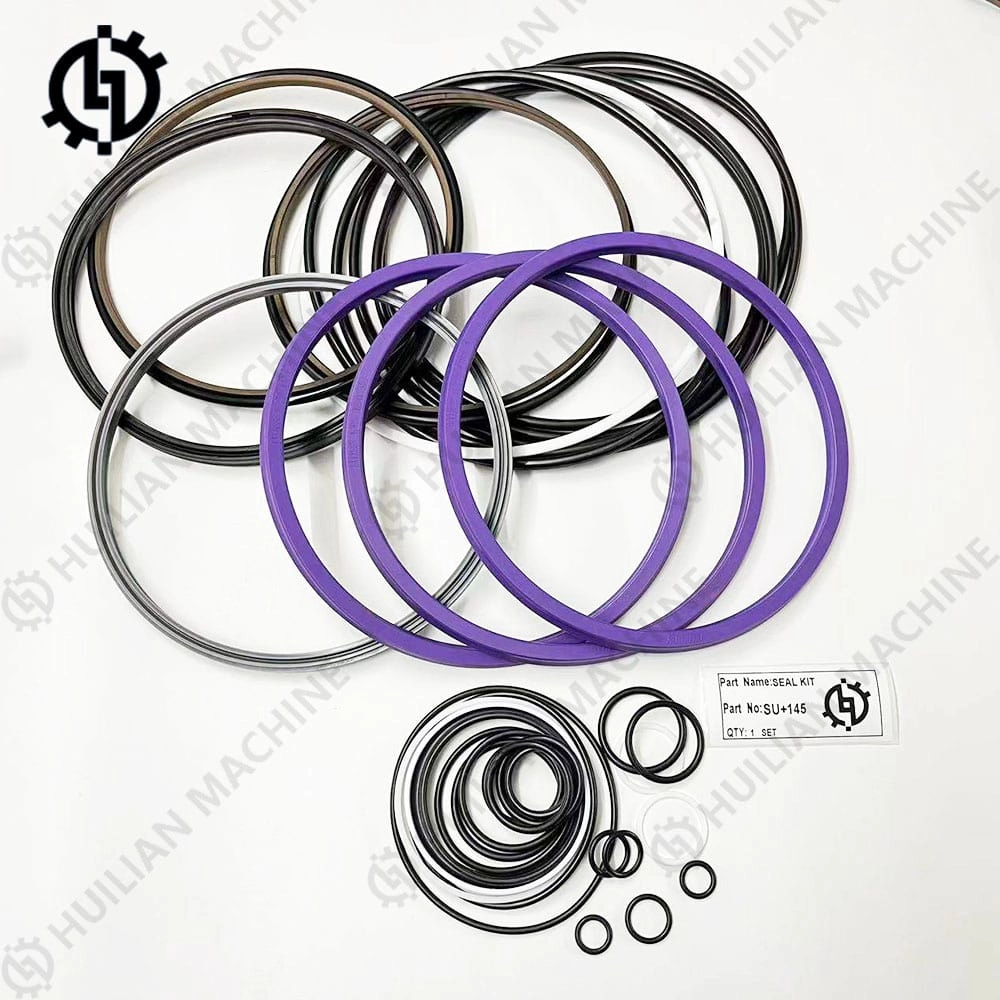
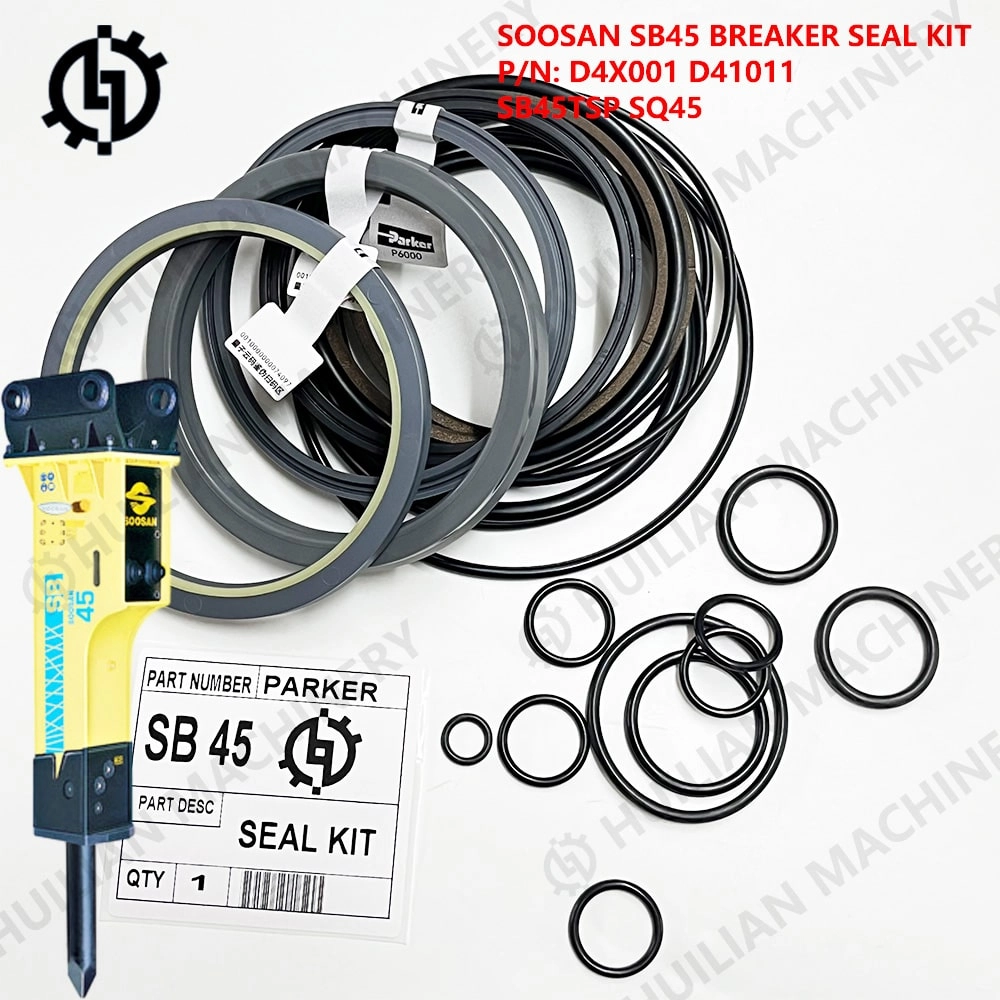
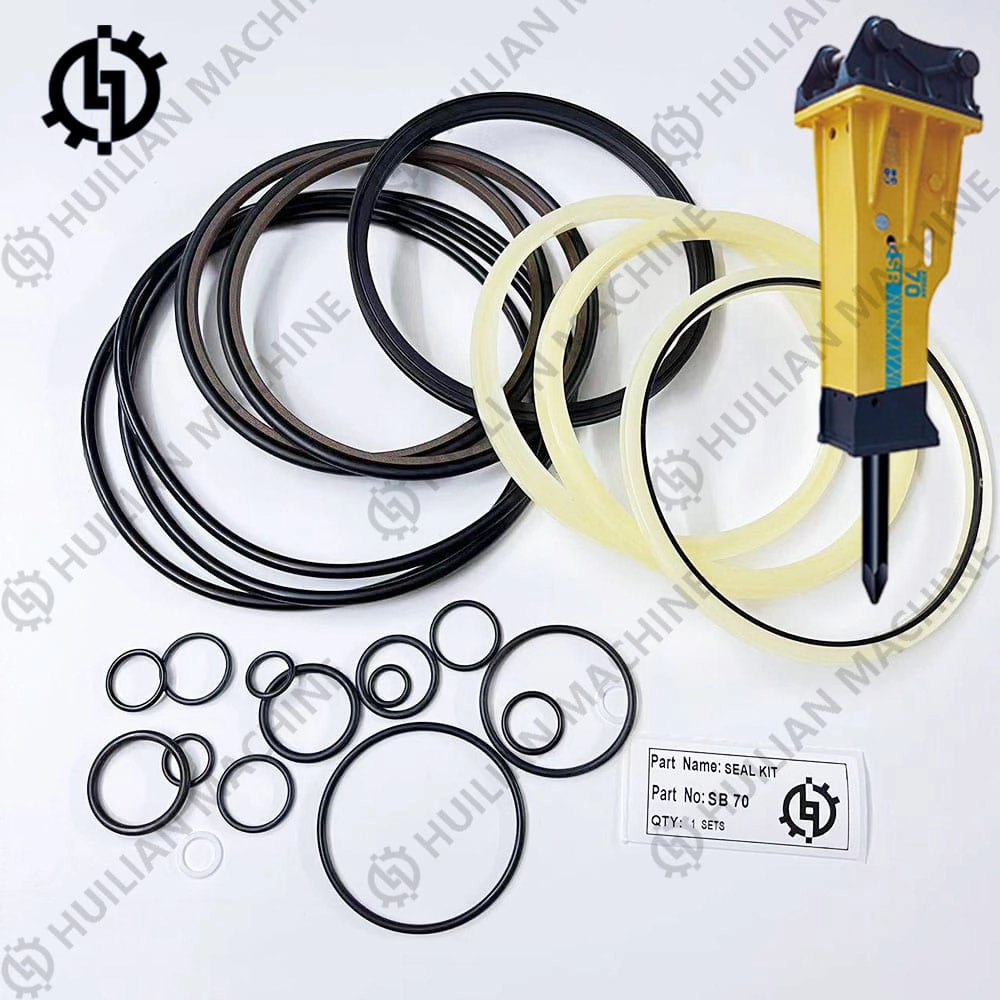
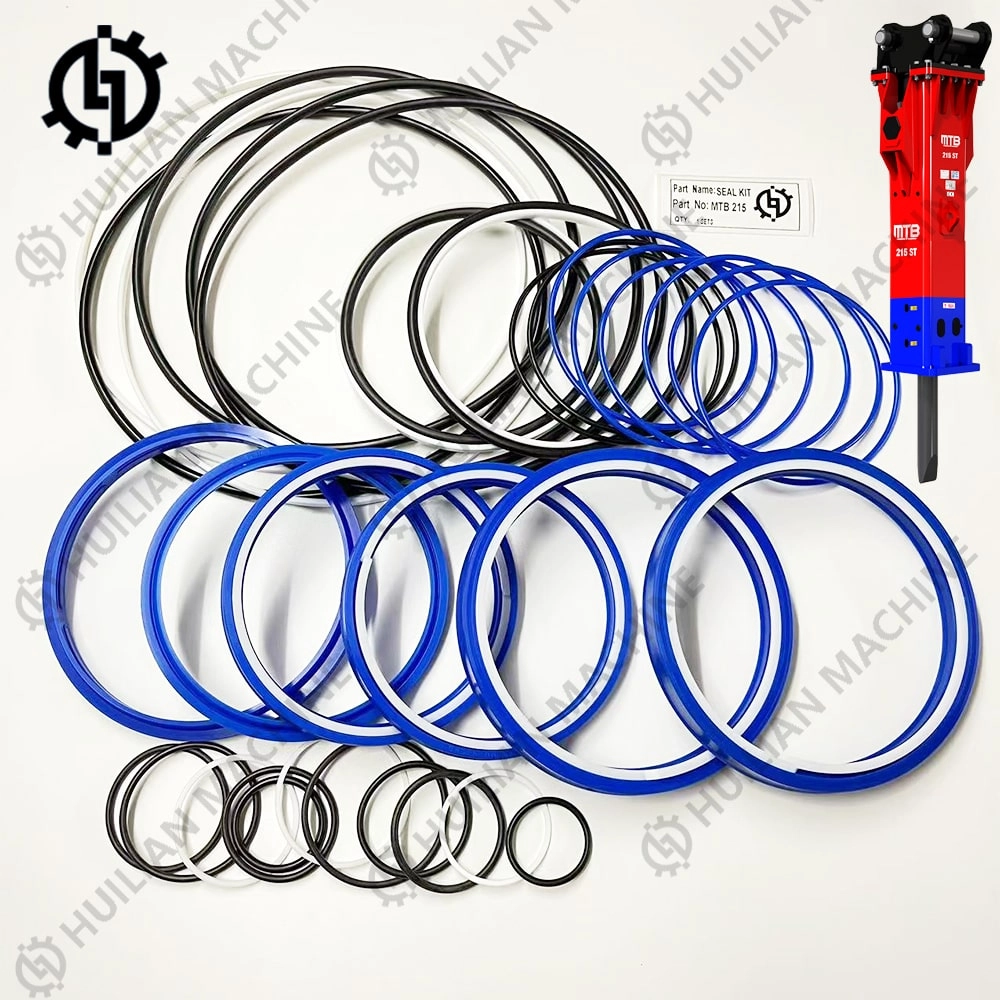
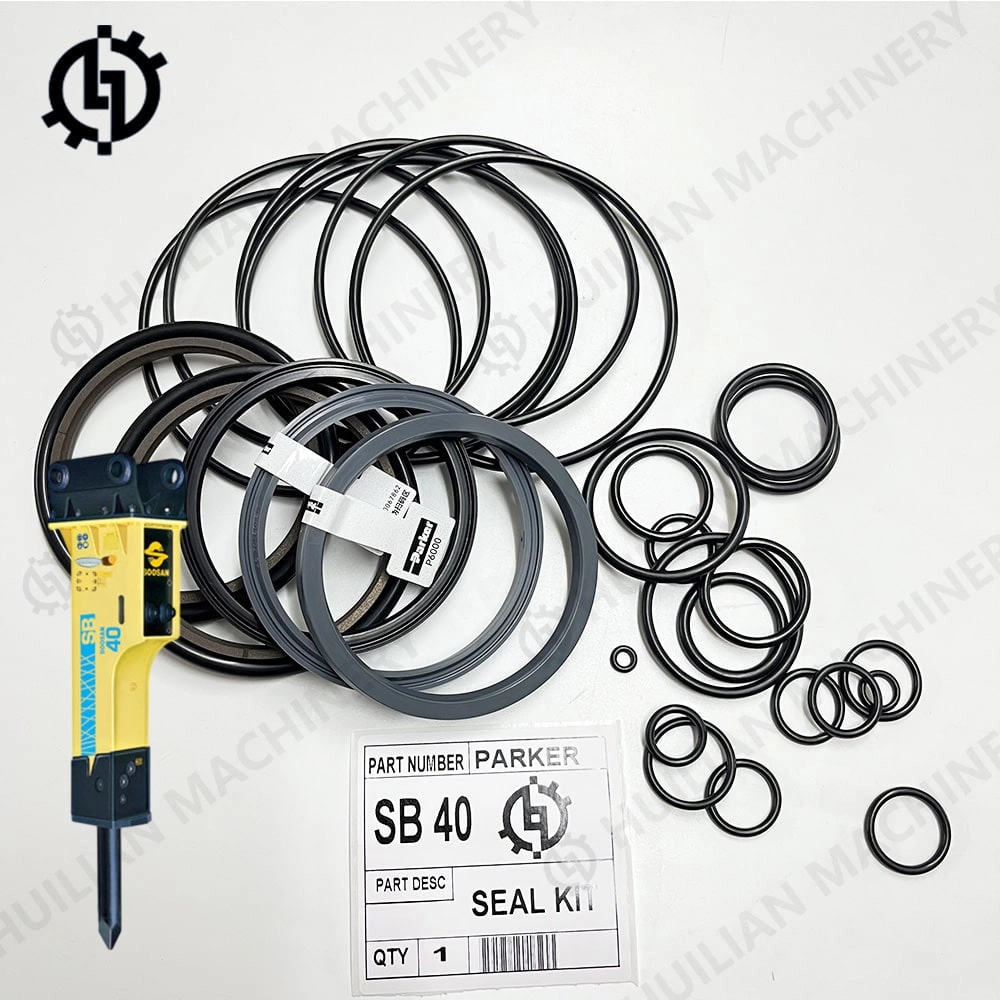
Experience matters when sourcing parts. Companies like Guangzhou Huilian Machines Co., Ltd. have been specializing in this field since 2005. As a professional OEM supplier, Huilian provides a wide range of critical components—from seal kits to pistons and through-bolts—that are exported to over 90 countries. Using high-quality aftermarket parts from established manufacturers ensures your equipment remains operational without the premium price tag of dealership replacements.
Conclusion
Selecting between a concrete breaker and a hydraulic hammer ultimately comes down to understanding your job site geology and your mini excavator's specific flow capabilities. Whether you choose the high-impact power of a gas-fired unit or the consistent efficiency of a fully hydraulic model, ensuring you match the weight class and maintain the tool correctly is the only way to guarantee profitability.
Contact Huilian today to discuss your specific needs and find the perfect attachment parts for your machinery.


About
Do you offer OEM and aftermarket parts?
Yes, we manufacture high-quality OEM parts and supply aftermarket parts from top brands such as NOK, Parker, SKF, and Hallite to ensure optimal performance.
What types of excavator parts do you offer?
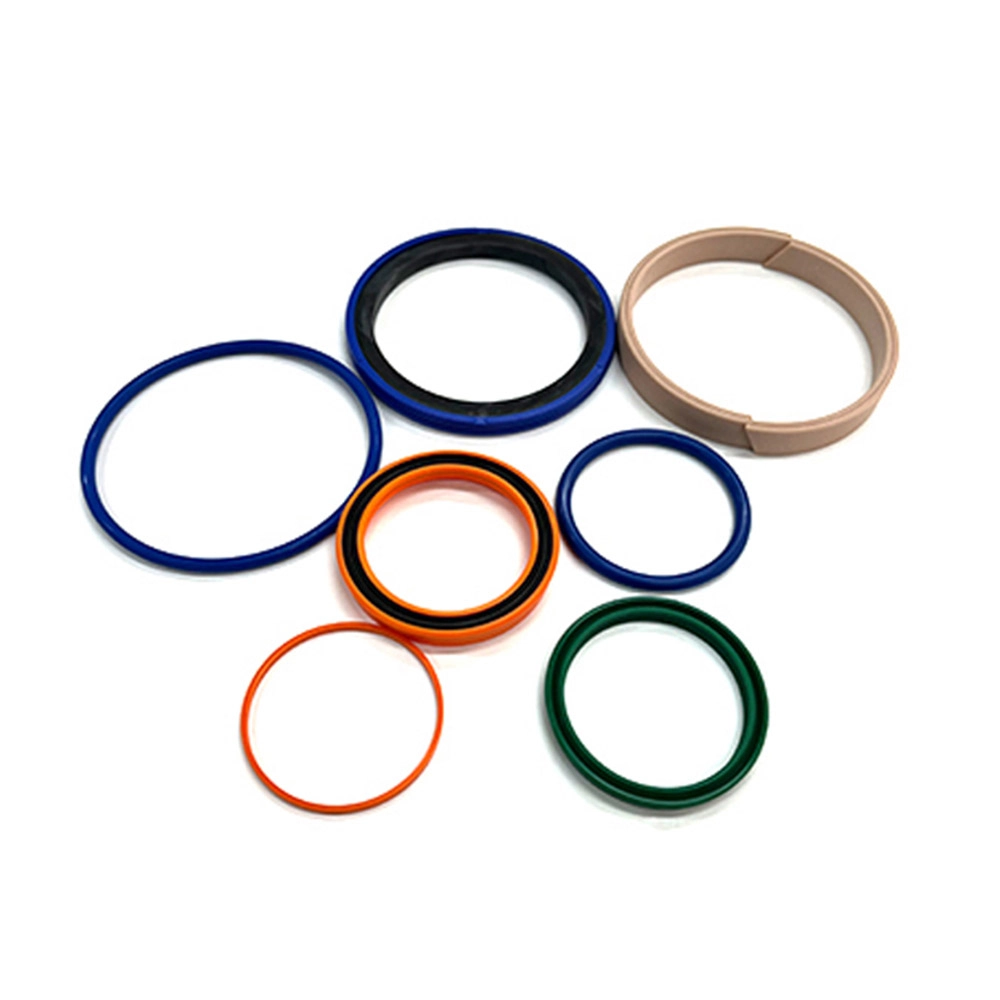
We provide a wide range of high-quality excavator parts, including hydraulic breakers, chisels, seal kits, diaphragms, pistons, wear bushes, retainer bars, through bolts, side bolts, valves, and liners.
How can I ensure I’m selecting the right part for my equipment?
Our expert team can assist you in finding the right part based on your machine model, specifications, and requirements. Contact us for personalized support.
Are your parts compatible with all excavator brands?
Yes, our parts are designed to be compatible with major brands like Komatsu, Caterpillar, Hitachi, Hyundai, Doosan, JCB, Kobelco, Sany, and many more.
What is your shipping and delivery time?
We offer fast and reliable global shipping. Delivery times vary depending on location and order size, but we strive to process and ship orders as quickly as possible.


Getting started is easy 
Contact with our experts to find the best excavator parts solutions for your needs. Discover how Huilian can enhance your equipment's performance and efficiency.


Get in touch
 About us
© 2025 HUILIAN MACHINE. All rights reserved