



Ultimate Productivity: How to Match Your Machine to the Best Excavator Breaker for Sale
- What Should You Look For When Finding an Excavator Breaker for Sale?
- Quick Summary & Key Takeaways
- The Engineering Basics: Flow, Pressure, and Impact Energy
- Competitor Gap: 2026 Pricing Trends and True ROI Analysis
- Expert Tips: Common Mistakes When Buying an Excavator Breaker
- Industry-Leading Solutions: Perfect Matching with Our Attachments
- Frequently Asked Questions (FAQ)
- What is the 10-15% rule for excavator breakers?
- How much does a new excavator breaker for sale cost?
- How do I match hydraulic flow to my breaker?
- What size breaker do I need for a 20-ton excavator?
- Can a breaker be too big for an excavator?
- How often should I grease my hydraulic breaker?
- What is the difference between side, top, and box type breakers?
- How is impact energy measured in hydraulic hammers?
- Conclusion & Call to Action
What Should You Look For When Finding an Excavator Breaker for Sale?
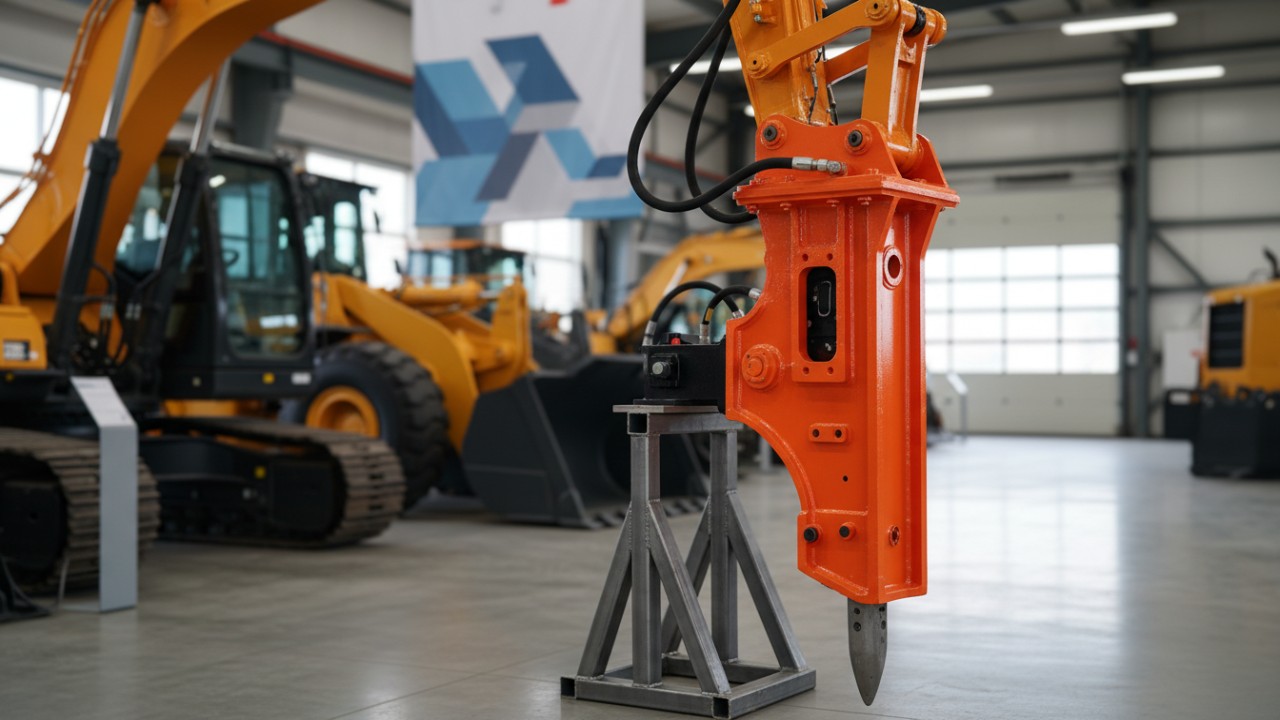
An excavator breaker is a powerful percussion hammer fitted to a carrier machine used for demolishing concrete, rocks, and hard structures. When searching for an excavator breaker for sale, the most critical factors are matching the carrier operating weight, hydraulic flow, and operating pressure.
Finding the perfect attachment requires a meticulous approach to equipment compatibility. The foundational rule of any reliable excavator breaker sizing guide is understanding how the attachment interacts with the carrier's physical limits and hydraulic circuit. Ensuring a proper 10-15% excavator carrier weight ratio between the breaker and the excavator guarantees maximum hydraulic breaker impact energy without risking the stability of the machine. If a breaker is too heavy, the machine becomes prone to tipping and structural fatigue; if it is too light, the attachment will simply bounce off hard materials, sending damaging vibrations back into the excavator's boom and undercarriage. By strictly adhering to industry sizing benchmarks, fleet managers can confidently invest in attachments that deliver relentless breaking power while preserving the long-term integrity of their primary earthmoving equipment.
Quick Summary & Key Takeaways
The essential takeaways for breaker matching include strictly following the 10-15% weight rule, ensuring hydraulic compatibility, matching the tool to the application, and evaluating the total cost of ownership beyond the initial purchase price.
To ensure your next heavy equipment investment yields maximum productivity, keep these foundational principles in mind:
- The 10-15% Rule: Always ensure your breaker's weight is approximately 10 to 15 percent of your excavator's total operating weight. This balance is non-negotiable for job site safety and mechanical longevity.
- Hydraulic Compatibility: Proper hydraulic flow LPM matching prevents severe component failure or sluggish performance. Mismatched flow can instantly overheat the hydraulic fluid, leading to catastrophic seal degradation.
- Application Matters: Trenching, quarrying, and urban demolition require different chisel types and breaker configurations. For instance, a silenced box-type breaker is highly recommended for city environments, whereas a rugged side-bracket breaker might suffice for open quarry work.
- Total Cost of Ownership: Upfront price is secondary to long-term maintenance costs and productivity ROI. Factoring in the cost of wear parts, scheduled downtime, and fuel consumption provides a much clearer picture of your attachment's true value.
The Engineering Basics: Flow, Pressure, and Impact Energy
Engineering basics dictate that hydraulic flow determines the striking speed of the breaker, while operating pressure serves as the driving force behind the hammer's overall impact energy and destructive power.
Mastering the interplay between your machine's hydraulic capabilities and the breaker's requirements is the secret to ultimate productivity.
- Understanding Hydraulic Flow (LPM): The hydraulic flow rate, measured in Liters Per Minute (LPM) or Gallons Per Minute (GPM), directly determines the striking speed (blows per minute) of the breaker. If the flow is too low, the breaker will operate sluggishly, drastically reducing daily output. If the flow is too high, the internal components will over-speed, causing excessive heat buildup and inevitable failure.
- Operating Pressure Limits: Pressure acts as the driving force behind the hammer's impact energy (traditionally measured in Joules or Foot-Pounds). According to engineering data from the National Fluid Power Association, optimizing fluid power efficiency and minimizing pressure drops is critical; converting excess hydraulic energy into heat contributes to overall system inefficiency and can drastically shorten the lifespan of hydraulic pumps.
- The Danger of Oversizing: Why installing a massive breaker on a light carrier causes excessive wear on pins, bushings, and hydraulic pumps. An oversized breaker draws too much hydraulic power, forcing the excavator's engine to work harder than necessary, which spikes fuel consumption and risks blowing crucial hydraulic seals.
Competitor Gap: 2026 Pricing Trends and True ROI Analysis
Accurate ROI analysis for hydraulic breakers requires evaluating production rates against fuel consumption and scheduled downtime, while keeping up with current market pricing tiers and future-proofing your fleet.
Many equipment guides fail to address the financial realities of modern fleet management. When evaluating an excavator breaker for sale, buyers must look beyond the sticker price.
- Current Market Pricing Tiers: What to expect when budgeting for small, medium, and heavy-duty hydraulic breakers. Mini-excavator breakers can range from a few thousand dollars, whereas heavy-duty mining attachments run well into the tens of thousands. However, premium brands often include reinforced wear plates and advanced dampening systems that justify the higher initial capital outlay.
- Calculating Return on Investment (ROI): Factoring in production rates (tons per hour) versus fuel consumption and scheduled downtime. A cheaper breaker that constantly requires new chisels, through bolts, and diaphragms will rapidly erode your profit margins. True ROI is calculated by dividing the total operational cost by the volume of material successfully processed over the attachment's lifecycle.
- Future-Proofing Your Fleet: How 2026 technology innovations, such as auto-greasing systems and anti-blank firing tech, lower the total cost of ownership. Anti-blank firing mechanisms prevent the piston from striking when the chisel is not firmly pressed against the material, saving the internal retainers and tie rods from immense internal stress.
Expert Tips: Common Mistakes When Buying an Excavator Breaker
Common mistakes when purchasing an excavator breaker include buying based purely on upfront costs, ignoring essential hydraulic circuit compatibility, and neglecting environmental noise regulations when selecting the bracket type.
Avoiding these widespread procurement errors can save contractors thousands of dollars in premature repairs and legal liabilities.
- Mistake 1: Purchasing an attachment based purely on upfront cost without verifying hydraulic circuit compatibility. Connecting an incompatible breaker can contaminate the entire hydraulic system with metal shavings if the internal components disintegrate due to over-pressurization.
- Mistake 2: Ignoring environmental noise regulations and choosing a side-bracket breaker instead of a silenced box-type in urban areas. For example, the Occupational Safety and Health Administration enforces an 8-hour permissible noise exposure limit of 90 dBA. Utilizing enclosed, silenced breakers is often a legal requirement for inner-city demolition projects to protect both the operators and the surrounding public.
- Pro Tip: Always review the manufacturer's maintenance schedule and nitrogen charging requirements before finalizing your purchase. A breaker that loses its nitrogen charge will suffer a massive drop in impact energy. Ensuring you have the right tools and knowledge to top up the nitrogen backhead is crucial for uninterrupted performance.
Industry-Leading Solutions: Perfect Matching with Our Attachments
Partnering with experienced manufacturers guarantees your hydraulic breaker integrates seamlessly with major excavator brands, maximizing daily productivity through precise carrier-to-breaker sizing and comprehensive post-purchase technical support.
Founded in 2005, Guangzhou Huilian Machines Co., Ltd is a professional OEM supplier globally recognized for superior quality. We are a leading manufacturer in China, exporting our Huilian brand to over 90 countries and regions.
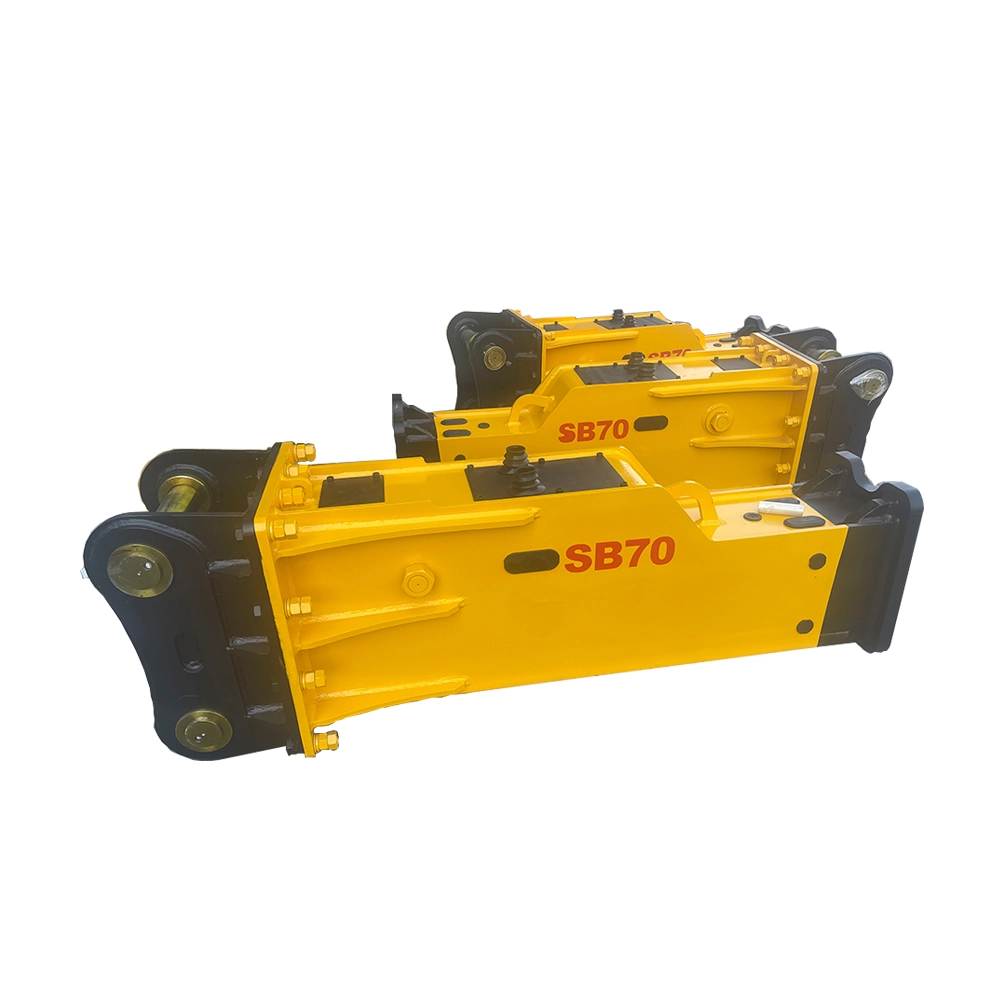
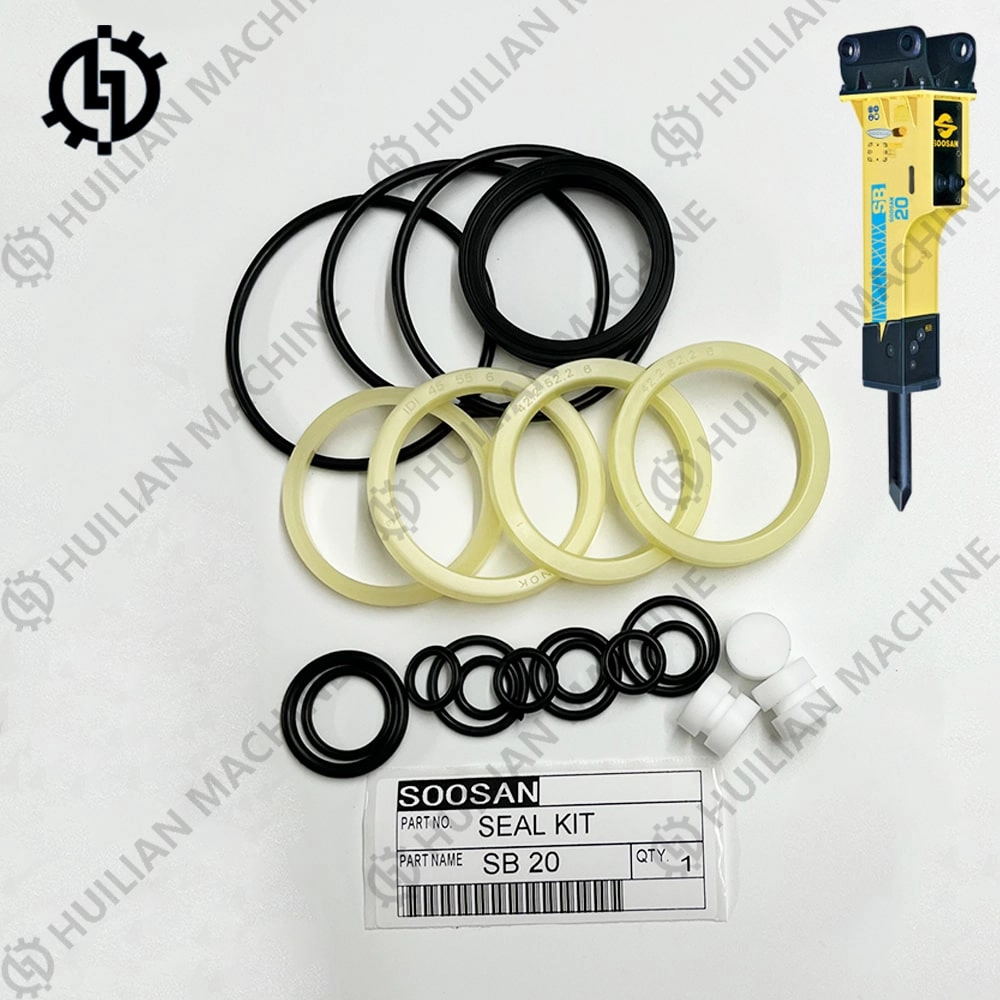
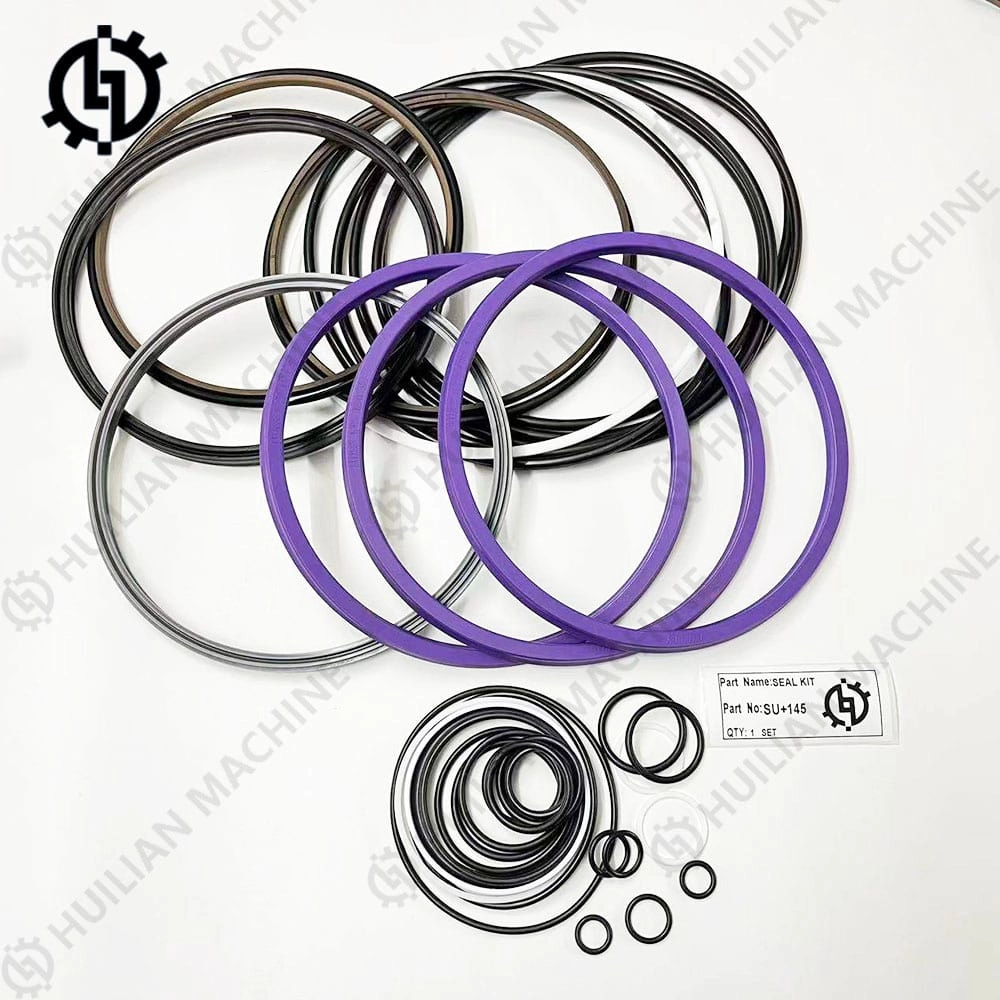
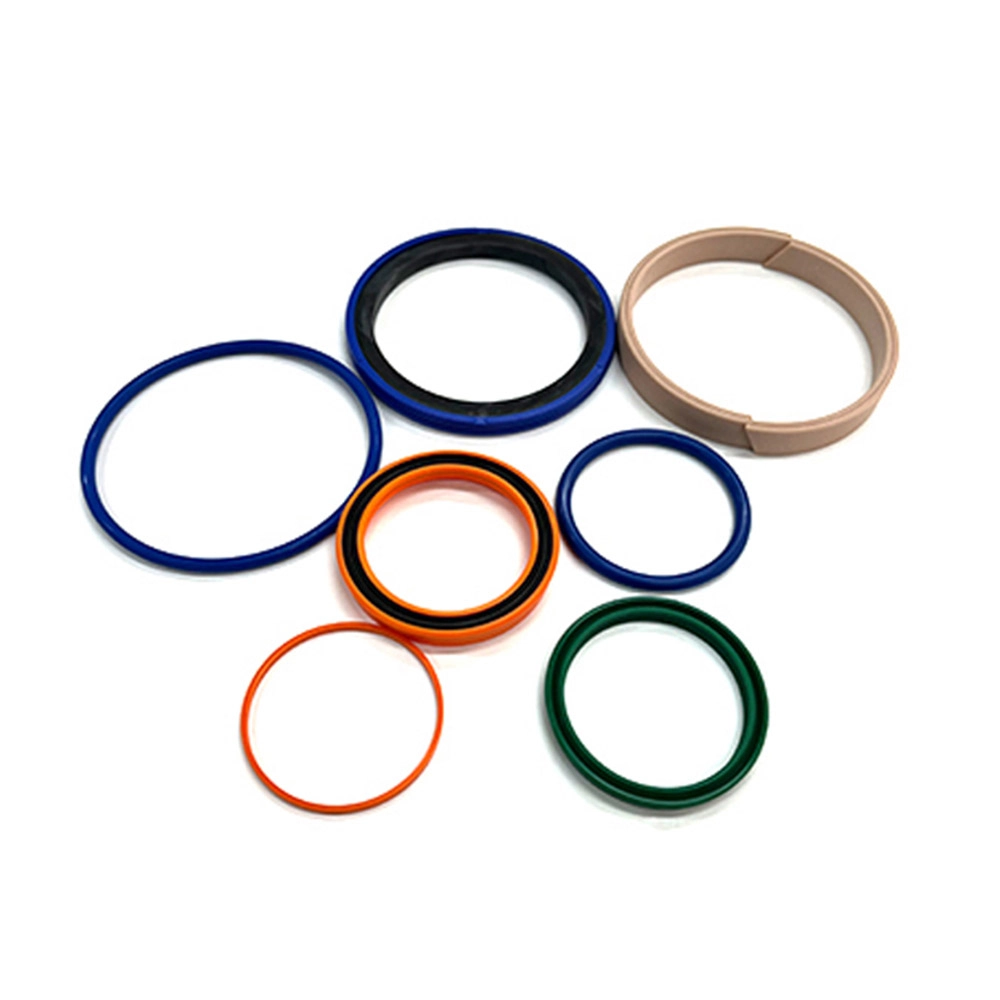
- Seamless Integration: Our premium lineup of hydraulic breakers is engineered to integrate seamlessly with all major excavator brands. We offer an extensive inventory of Excavator Breaker Parts, including high-durability chisels, premium seal kits, diaphragms, pistons, and wear bushes, ensuring your attachment is never waiting on a back-ordered component.
- Case Study: A contractor working on a demanding road reconstruction project recently achieved 30% higher daily productivity by utilizing our precise carrier-to-breaker sizing charts. By upgrading to a Huilian silenced box-type breaker that perfectly matched their 20-ton carrier's hydraulic flow, they minimized fuel burn while maximizing material throughput.
- Comprehensive Post-Purchase Support: Accessing our expert technicians for hydraulic calibration, installation, and preventative maintenance. Huilian's dedicated R&D experts, designers, and quality control professionals are committed to promoting the sustainable development of the excavator parts industry, ensuring you have reliable technical backing long after your initial purchase.
Frequently Asked Questions (FAQ)
What is the 10-15% rule for excavator breakers?
The 10-15% rule states that the operating weight of the hydraulic breaker should be between 10% and 15% of the excavator's total operating weight.
This ensures optimal stability, safety, and efficient power transfer without overworking the machine's hydraulics. Sticking to this ratio prevents the carrier from becoming front-heavy and ensures the boom cylinders can comfortably lift and position the attachment even at maximum reach.
How much does a new excavator breaker for sale cost?
The cost varies significantly based on size, impact energy, and features, typically ranging from a few thousand dollars for mini-excavators to tens of thousands for heavy-duty mining breakers.
When evaluating price, you should also factor in the cost of mounting brackets, hoses, and potential hydraulic plumbing upgrades. Investing in high-quality OEM parts initially can drastically reduce the secondary costs associated with unexpected breakdowns.
How do I match hydraulic flow to my breaker?
Check your excavator's auxiliary hydraulic flow output in Liters Per Minute (LPM) or Gallons Per Minute (GPM).
Compare this figure to the breaker manufacturer's required flow range to ensure it operates at the correct blows per minute without overheating. Utilizing a flow meter during installation is highly recommended to calibrate the carrier's output exactly to the breaker's sweet spot.
What size breaker do I need for a 20-ton excavator?
Following the 10-15% rule, a 20-ton (40,000 lbs) excavator typically requires a breaker weighing between 2 tons and 3 tons.
Always cross-reference the exact hydraulic pressure and flow specs of both the 20-ton carrier and the breaker. Double-checking these metrics prevents the installation of a hammer that is physically the right weight but hydraulically incompatible.
Can a breaker be too big for an excavator?
Yes. If a breaker is too heavy, it can cause the excavator to become unbalanced or tip over during operation.
An oversized breaker will also draw too much hydraulic power, leading to overheating, sluggish performance, and premature pump failure. It creates unsafe working conditions and places undue stress on the excavator's boom and stick linkages.
How often should I grease my hydraulic breaker?
Most hydraulic breakers require greasing every 2 hours of continuous operation using specialized high-temperature, molybdenum-based grease.
Failure to maintain this lubrication schedule is the leading cause of premature bushing and tool wear. Many modern units are now fitted with auto-lube systems to ensure a constant supply of grease to the vital friction points.
What is the difference between side, top, and box type breakers?
Side-type breakers are versatile and easier to maintain but offer less protection to internal components.
Top-type breakers provide a larger operating radius, while Box-type (silenced) breakers are fully enclosed to reduce noise and vibration, making them ideal for urban areas and strict environmental compliance zones.
How is impact energy measured in hydraulic hammers?
Impact energy is typically measured in Joules or Foot-Pounds, indicating the destructive force of a single blow.
While impact energy is important, total productivity is actually a combination of impact energy multiplied by the striking rate (blows per minute). A hammer with a slightly lower impact energy but a significantly higher strike rate often outperforms a slower, heavier-hitting alternative in brittle rock applications.
Conclusion & Call to Action
Selecting the ideal excavator breaker requires a strategic balance of carrier weight, hydraulic flow, and specific job site applications. By strictly following the 10-15% sizing rule and investing in regular preventative maintenance, fleet managers can dramatically extend attachment lifespan and ensure maximum job site efficiency.
Contact Guangzhou Huilian Machines Co., Ltd today to discuss your specific needs.


About
What is your shipping and delivery time?
We offer fast and reliable global shipping. Delivery times vary depending on location and order size, but we strive to process and ship orders as quickly as possible.
How can I ensure I’m selecting the right part for my equipment?
Our expert team can assist you in finding the right part based on your machine model, specifications, and requirements. Contact us for personalized support.
What types of excavator parts do you offer?
We provide a wide range of high-quality excavator parts, including hydraulic breakers, chisels, seal kits, diaphragms, pistons, wear bushes, retainer bars, through bolts, side bolts, valves, and liners.
Do you offer OEM and aftermarket parts?
Yes, we manufacture high-quality OEM parts and supply aftermarket parts from top brands such as NOK, Parker, SKF, and Hallite to ensure optimal performance.
Are your parts compatible with all excavator brands?
Yes, our parts are designed to be compatible with major brands like Komatsu, Caterpillar, Hitachi, Hyundai, Doosan, JCB, Kobelco, Sany, and many more.



Getting started is easy 
Contact with our experts to find the best excavator parts solutions for your needs. Discover how Huilian can enhance your equipment's performance and efficiency.


Get in touch
 About us
© 2025 HUILIAN MACHINE. All rights reserved