



Excavator Seal Kits Explained: 2026 Maintenance and Selection Guide
- What is an Excavator Parts Seal Kit and Why is it Critical?
- Classification of Excavator Seal Kits by Function
- How to Choose the Right Excavator Seal Kit
- Signs That Your Excavator Seal Kit Needs Replacement
- Common Materials Used in Excavator Seal Kits
- OEM vs Aftermarket Seal Kits: Making the Choice
- Excavator Maintenance Schedules and Shelf Life
- Future Trends in Excavator Seal Kit Technology (2026)
- FAQ
- References
Hydraulic system failures cost American excavator operators an average of $95,000 per breakdown, with emergency repairs costing up to 200% more than planned maintenance. Since 2005, Guangzhou Huilian Machines Co., Ltd has observed that nearly 80% of these failures are traceable to seal deterioration and fluid contamination. This guide provides the technical insights needed to select the correct excavator seal kits, optimize maintenance schedules, and prevent costly downtime in 2026.
What is an Excavator Parts Seal Kit and Why is it Critical?
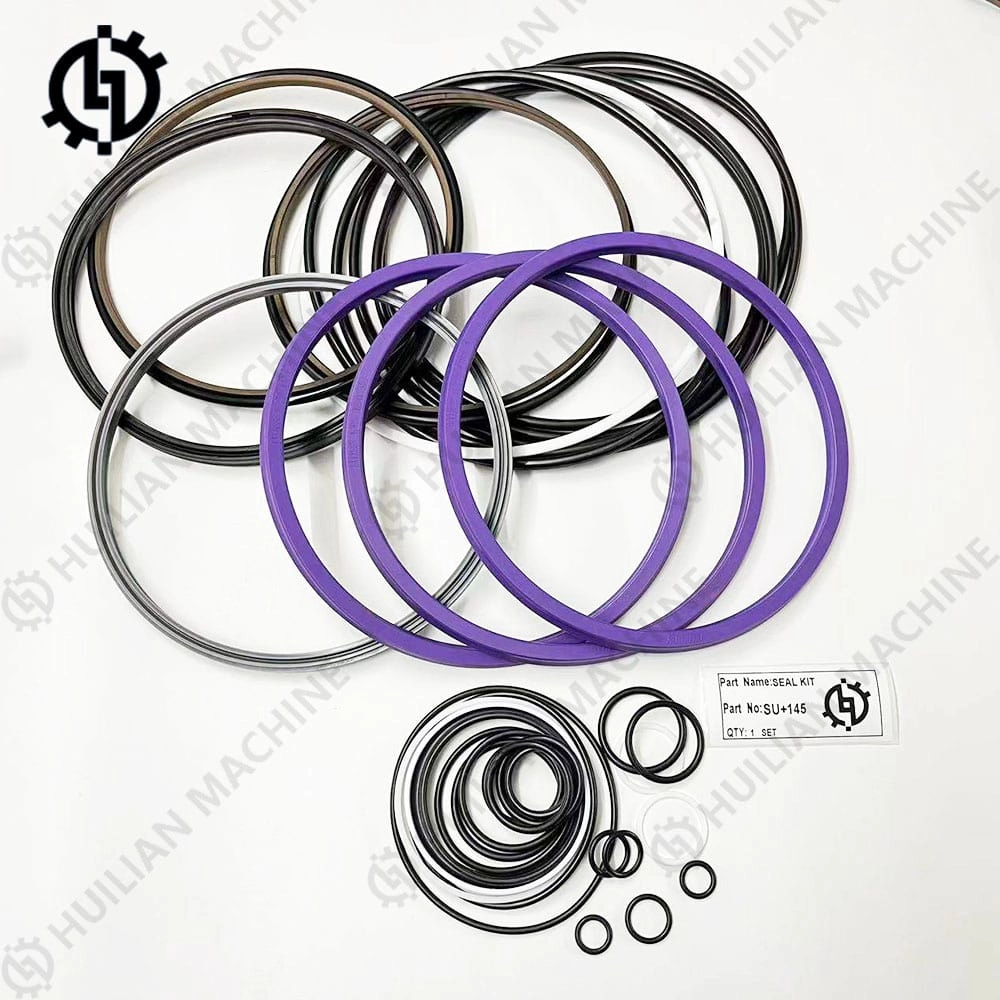
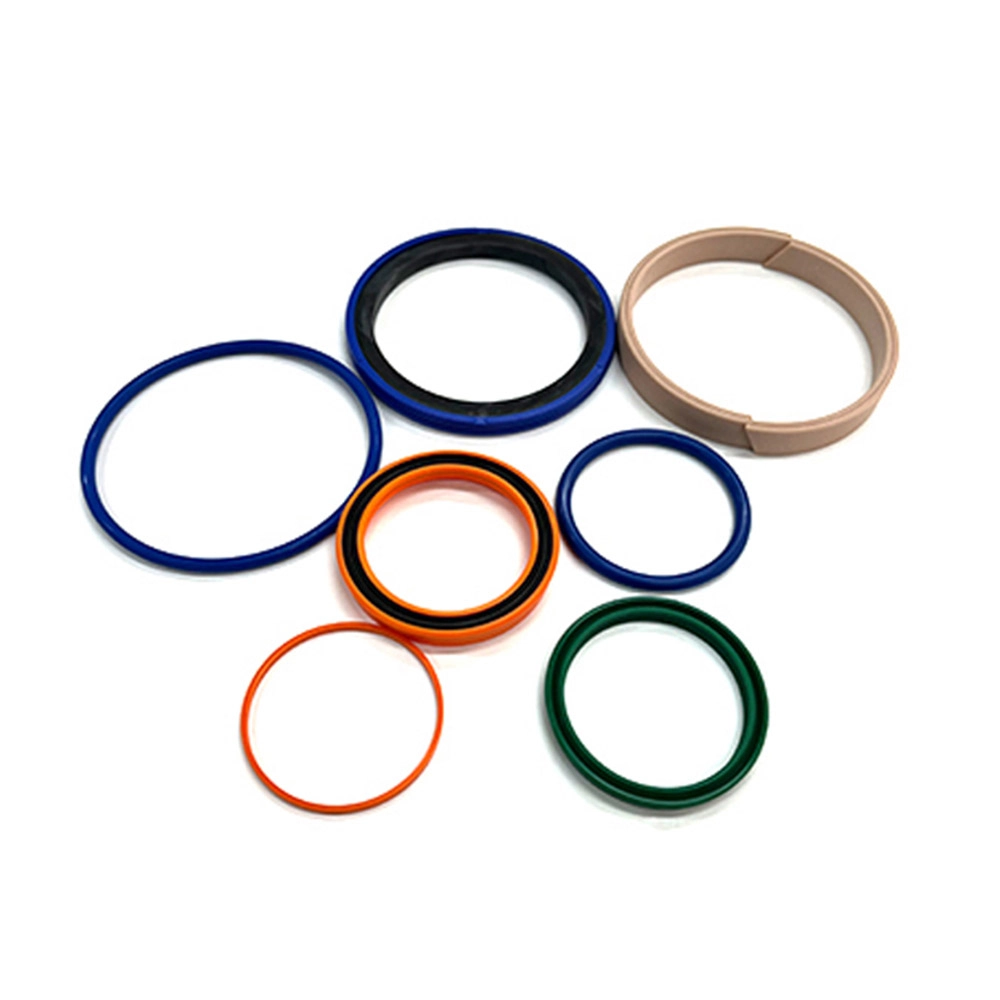
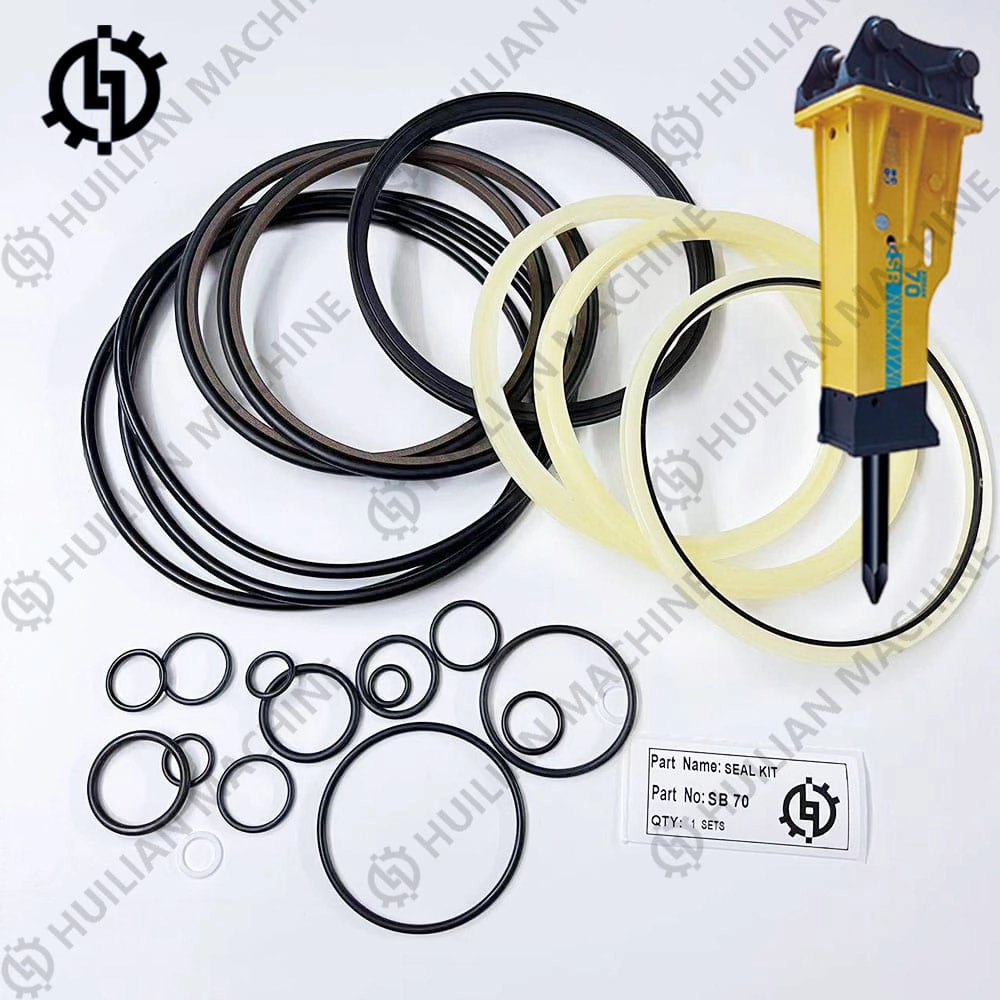
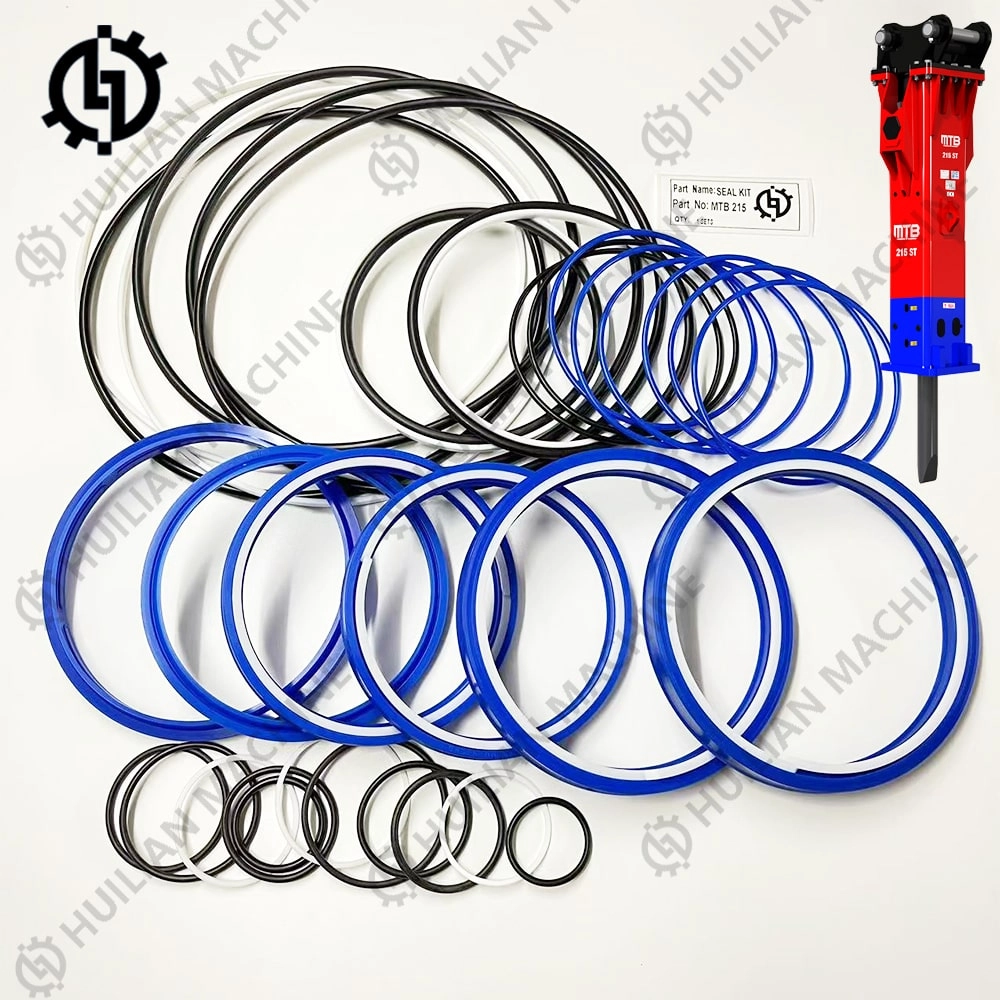
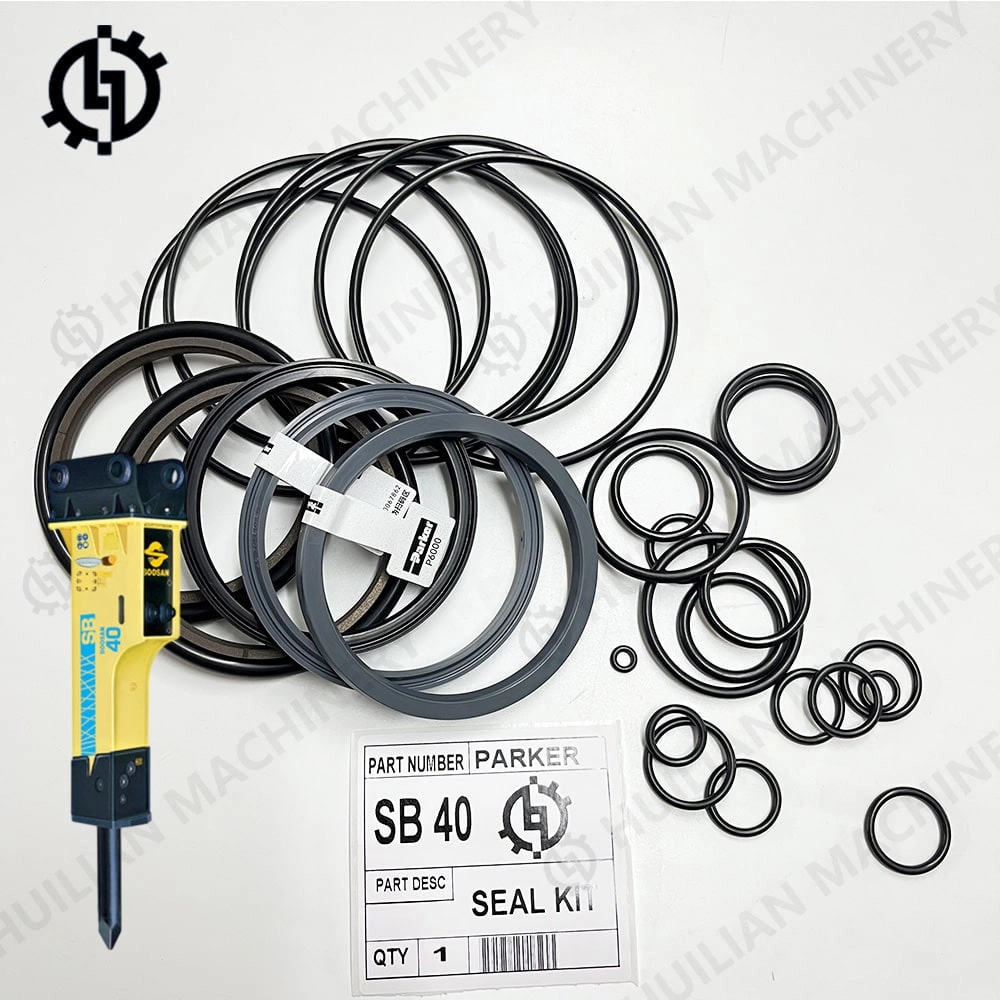
An excavator seal kit is a comprehensive package of specialized components—including rod seals, piston seals, and wipers—engineered to maintain hydraulic pressure and prevent fluid loss.
These kits are the first line of defense against environmental contaminants like dust, moisture, and abrasive grit. Without a functioning seal kit, the hydraulic fluid that powers the machine's lifting capacity leaks out, leading to catastrophic pressure loss. For a hydraulic breaker or arm cylinder, the seal kit ensures structural integrity under immense pressure. Brands like Huilian, which export to over 90 countries, emphasize that high-quality seals are vital for safeguarding both the machinery and the operator.
- Pressure Maintenance: Keeps hydraulic fluid pressurized to lift heavy loads.
- Contamination Barrier: Stops dirt from entering the cylinder and scoring the rod.
- Leak Prevention: Mitigates the risk of environmental hazards from oil spills.
- Component Protection: Reduces wear on expensive metal components like pistons and glands.
Classification of Excavator Seal Kits by Function
Excavator seal kits are classified by their operational role: Dynamic seals handle moving parts, Static seals secure stationary joints, and Rotary seals manage circular motion.
Understanding these categories is essential for correct part identification. A specialized hydraulic breaker requires a different seal composition than a standard bucket cylinder due to the intense vibration frequencies involved. Huilian specializes in these high-impact applications, providing kits that withstand the extreme punishment of demolition work.
- Dynamic Seals: Installed on moving parts like rods and pistons to seal fluid between reciprocating surfaces.
- Static Seals: Located in stationary connections like flange joints and cylinder heads to prevent leaks.
- Rotary Seals: Critical for swing motors and central joints, managing the continuous 360-degree motion of the cab.
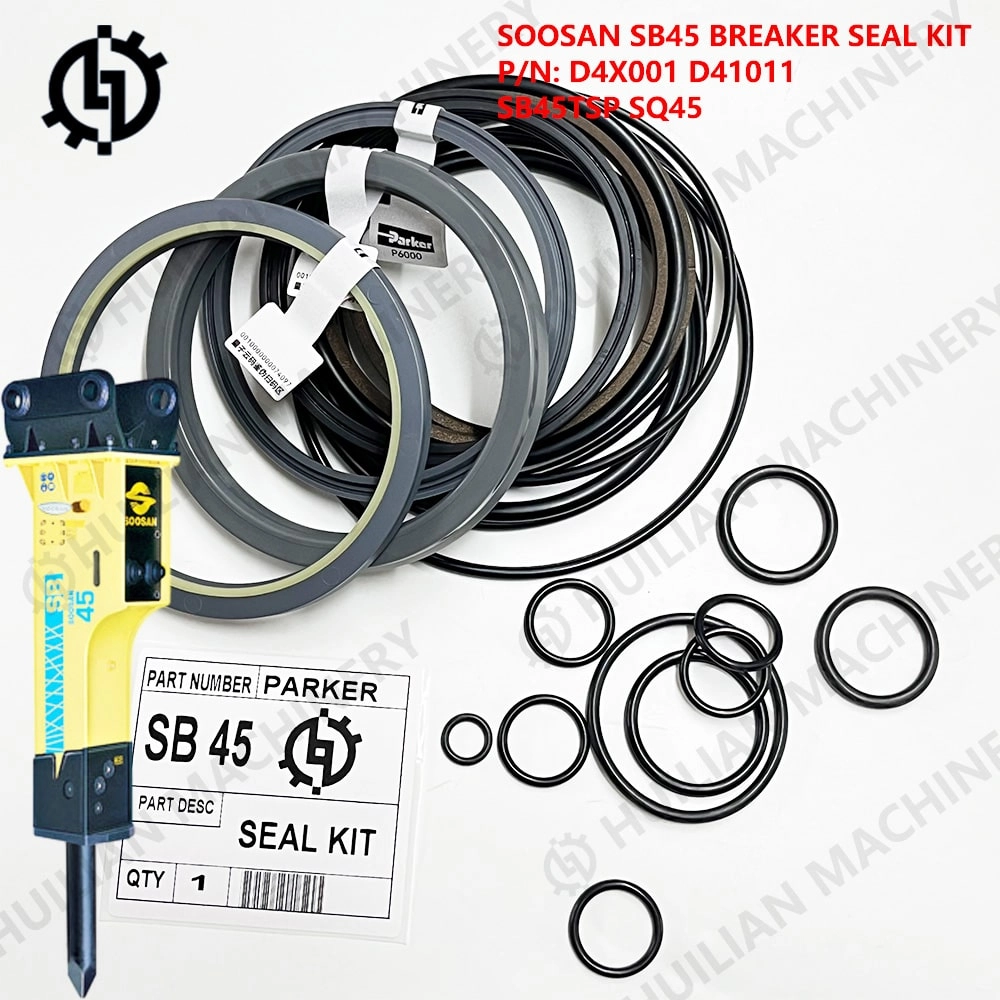
- High-Impact Kits: Specialized sets for hydraulic breakers and hammers, featuring reinforced materials to resist shock loads.
How to Choose the Right Excavator Seal Kit
To choose the right kit, match the seal material's thermal and chemical resistance properties to your machine's operating environment and specific hydraulic pressure ratings.
Selecting the wrong kit is a primary cause of premature failure. Seal kit material science has evolved, and understanding the interaction between hydraulic fluid types and seal compounds is mandatory. For instance, Huilian recommends checking compatibility not just with the machine model, but with the specific attachment being used.
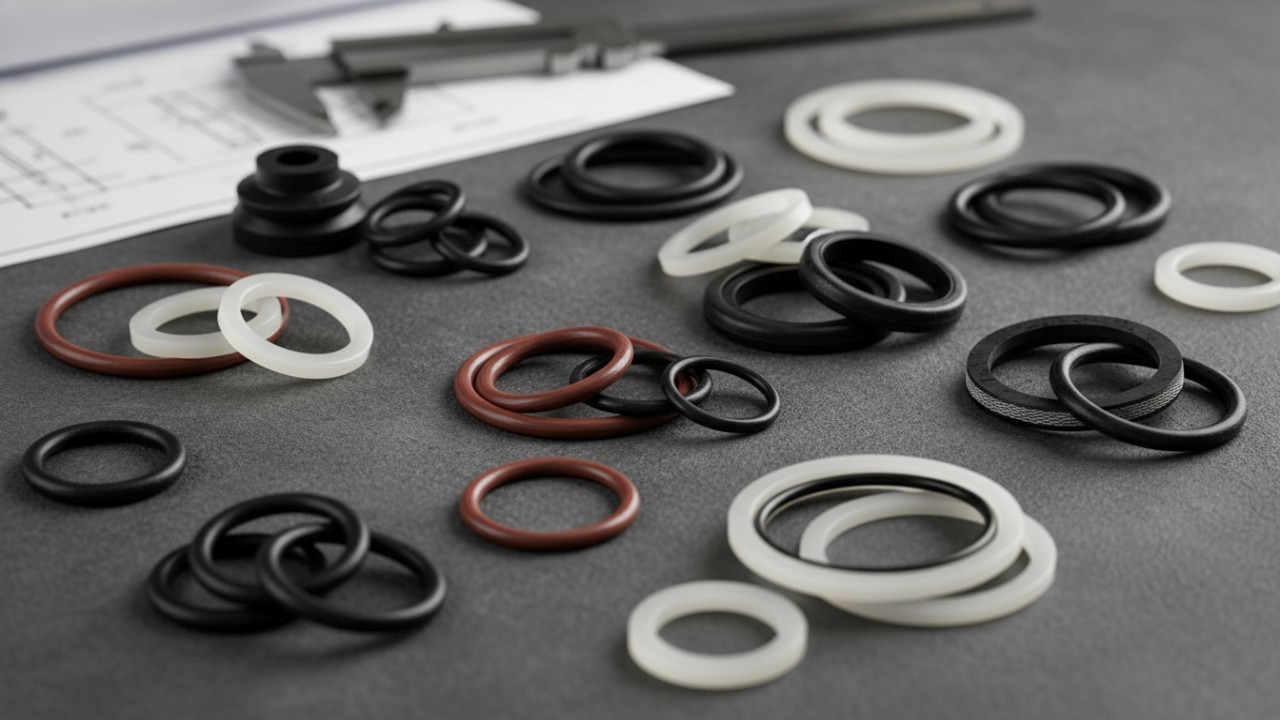
- Verify Model Compatibility: Always cross-reference the cylinder part number, not just the excavator model.
- Assess Operating Conditions: High-temperature environments require Fluorocarbon (Viton) seals rather than standard Nitrile.
- Check Pressure Ratings: High-pressure applications (above 3,000 PSI) need seals with anti-extrusion rings.
- Consult Manufacturer Guidelines: Prioritize recommendations from established OEM suppliers like Huilian to ensure fitment accuracy.
Signs That Your Excavator Seal Kit Needs Replacement
Immediate replacement is required if you observe external fluid leakage on the cylinder rod, cylinder drift under load, or discolored hydraulic fluid.
Ignoring these signs leads to compounded damage. A leaking seal allows dirt to enter the system, turning the hydraulic fluid into an abrasive compound that destroys pumps and valves. Hydraulic cylinder repair is significantly cheaper when addressed at the first sign of a leak rather than after a catastrophic failure. Recent data suggests a single leak can cost up to $76,000 annually in fluid loss and efficiency drops.
- Visible Leakage: Wetness or dripping oil on the chrome rod is the most obvious indicator.
- Cylinder Drift: If the boom lowers slowly on its own while the machine is off, internal piston seals are bypassing.
- Abnormal Noise: Squealing or grinding sounds suggest increased friction due to seal lubrication failure.
- Hot Spots: Localized heat on the cylinder barrel indicates blow-by, where fluid is rushing past a damaged seal.
Common Materials Used in Excavator Seal Kits
Modern seal kits utilize Polyurethane for wear resistance, PTFE for low friction and chemical immunity, and NBR rubber for general-purpose elasticity.
Seal kit material science dictates performance. While standard rubber is cost-effective, it fails under the high heat generated by modern high-speed hydraulics. Huilian utilizes advanced compounds to extend service life in harsh climates.
- Polyurethane (PU): The gold standard for rod seals; offers exceptional abrasion resistance and high tensile strength.
- Polytetrafluoroethylene (PTFE): Known as Teflon; practically frictionless and chemically inert, ideal for high-speed piston rings.
- Nitrile Rubber (NBR): Excellent oil resistance and elasticity; commonly used for static O-rings and cover seals.
- Viton (FKM): A high-performance rubber that withstands extreme heat (up to 200°C) and aggressive bio-oils.
OEM vs Aftermarket Seal Kits: Making the Choice
OEM kits provide a guaranteed exact match at a premium price, while high-quality aftermarket kits offer comparable performance at a reduced cost if they meet ISO standards.
The debate of OEM vs aftermarket seal kits often comes down to budget and availability. Established aftermarket manufacturers, such as Huilian (founded 2005), often source raw materials from the same global suppliers as OEMs. The key is ensuring the aftermarket kit adheres to ISO 3601 standards for dimensions and material quality.
- OEM Pros: Guaranteed fitment, warranty support, and peace of mind for new machines.
- OEM Cons: Significantly higher cost and potentially longer lead times.
- Aftermarket Pros: Cost-effective (often 30-50% less), wide availability, and customizable material options.
- Aftermarket Cons: Quality varies wildly; essential to buy from reputable suppliers like Huilian with a proven export history.
Excavator Maintenance Schedules and Shelf Life
Regular inspection of hydraulic seals should occur every 600 to 1,000 operating hours, with complete preventative replacement recommended every 3,000 to 5,000 hours.
Adhering to strict excavator maintenance schedules is the only way to prevent unscheduled downtime. Furthermore, managing the inventory of spare kits is critical. Seals have a shelf life; rubber degrades over time even when not in use.
- Daily Check: Visual inspection of rods for oil film thickness and leaks.
- 1000-Hour Service: Detailed inspection of wiper seals and drift tests on cylinders.
- Shelf Life Management:
- Nitrile (NBR): 5-7 years.
- Polyurethane (PU): 5-10 years.
- Viton/PTFE: Up to 15 years.
- Storage Rules: Keep kits in UV-proof bags, away from sunlight and ozone sources (like electric motors).
Future Trends in Excavator Seal Kit Technology (2026)
By 2026, seal technology will focus on self-lubricating materials, smart seals with embedded wear sensors, and biodegradable compounds for eco-friendly operations.
The industry is moving toward predictive maintenance. Huilian is monitoring these trends to support the next generation of global infrastructure projects.
- Smart Sealing: Integration of microscopic sensors to alert operators of seal wear before leakage occurs.
- Eco-Materials: Development of bio-based elastomers compatible with biodegradable hydraulic fluids.
- Extended Lifecycles: New polymer blends aiming to double the current service life, reducing waste.
- Modular Designs: Universal seal profiles that fit a wider range of cylinder glands to simplify inventory.
FAQ
How do I identify the correct seal kit for my excavator?
- Locate the cylinder part number stamped on the barrel.
- Check the machine's parts manual for the specific kit code.
- Measure the rod and bore diameter if the part number is missing.
What is the shelf life of a typical excavator seal kit?
- Nitrile seals generally last 5-10 years if stored correctly.
- Polyurethane and Viton seals can last up to 15 years.
- Keep kits in UV-protected bags to prevent hardening.
Can I replace just one seal instead of the whole kit?
- It is not recommended; once a cylinder is open, the labor cost outweighs the kit cost.
- Internal seals usually wear at similar rates, so one failure indicates others are near.
What are the signs that my excavator seal kit needs replacing?
- Visible external oil leaks on the cylinder rod.
- Cylinder 'drifting' or losing position while under load.
- Discoloration or burnt smell in the hydraulic fluid.
Is there a difference between OEM and aftermarket seal kits?
- OEM kits guarantee exact fitment but come at a premium price.
- High-end aftermarket kits often use the same material suppliers as OEM.
- Ensure aftermarket kits meet or exceed ISO 3601 standards.
What tools are required for installing a hydraulic seal kit?
- Seal pick set for removal without scratching the metal.
- Cylinder gland nut wrench.
- Seal installation tools or 'bullets' for rod seals.
- Non-marring soft hammers.
Why do seals fail prematurely even after replacement?
- Contamination in the hydraulic fluid acting as an abrasive.
- Improper installation causing 'nicks' in the seal lip.
- Warped or bent cylinder rods creating uneven pressure.
Are seal kits different for hydraulic breakers vs. standard cylinders?
- Yes, breaker kits use high-shock resistant materials like reinforced nylon.
- They are designed to handle much higher frequency vibrations than arm cylinders.
References


About
How can I ensure I’m selecting the right part for my equipment?
Our expert team can assist you in finding the right part based on your machine model, specifications, and requirements. Contact us for personalized support.
What types of excavator parts do you offer?
We provide a wide range of high-quality excavator parts, including hydraulic breakers, chisels, seal kits, diaphragms, pistons, wear bushes, retainer bars, through bolts, side bolts, valves, and liners.
Are your parts compatible with all excavator brands?
Yes, our parts are designed to be compatible with major brands like Komatsu, Caterpillar, Hitachi, Hyundai, Doosan, JCB, Kobelco, Sany, and many more.
What is your shipping and delivery time?
We offer fast and reliable global shipping. Delivery times vary depending on location and order size, but we strive to process and ship orders as quickly as possible.
Do you offer OEM and aftermarket parts?
Yes, we manufacture high-quality OEM parts and supply aftermarket parts from top brands such as NOK, Parker, SKF, and Hallite to ensure optimal performance.


Getting started is easy 
Contact with our experts to find the best excavator parts solutions for your needs. Discover how Huilian can enhance your equipment's performance and efficiency.


Get in touch
 About us
© 2025 HUILIAN MACHINE. All rights reserved