


OEM vs. Aftermarket Hydraulic Breaker Hammer Parts: Which Actually Saves You More Money?
- Quick Summary: Key Takeaways for Smart Sourcing
- What is the Difference Between OEM and Aftermarket Hydraulic Breaker Parts?
- The Price Tag: Upfront Savings vs. Long-Term Value
- The "Cost Per Hour" Formula
- Quality & Metallurgy: Are You Paying for the Brand or the Steel?
- Risk Assessment: Warranties and Machine Integrity
- The Magnuson-Moss Warranty Act
- Strategic Sourcing: When to Buy OEM vs. Aftermarket
- 1. The "Wear Part" Strategy (Go Aftermarket)
- 2. The "Critical Core" Strategy (Go Hybrid or OEM)
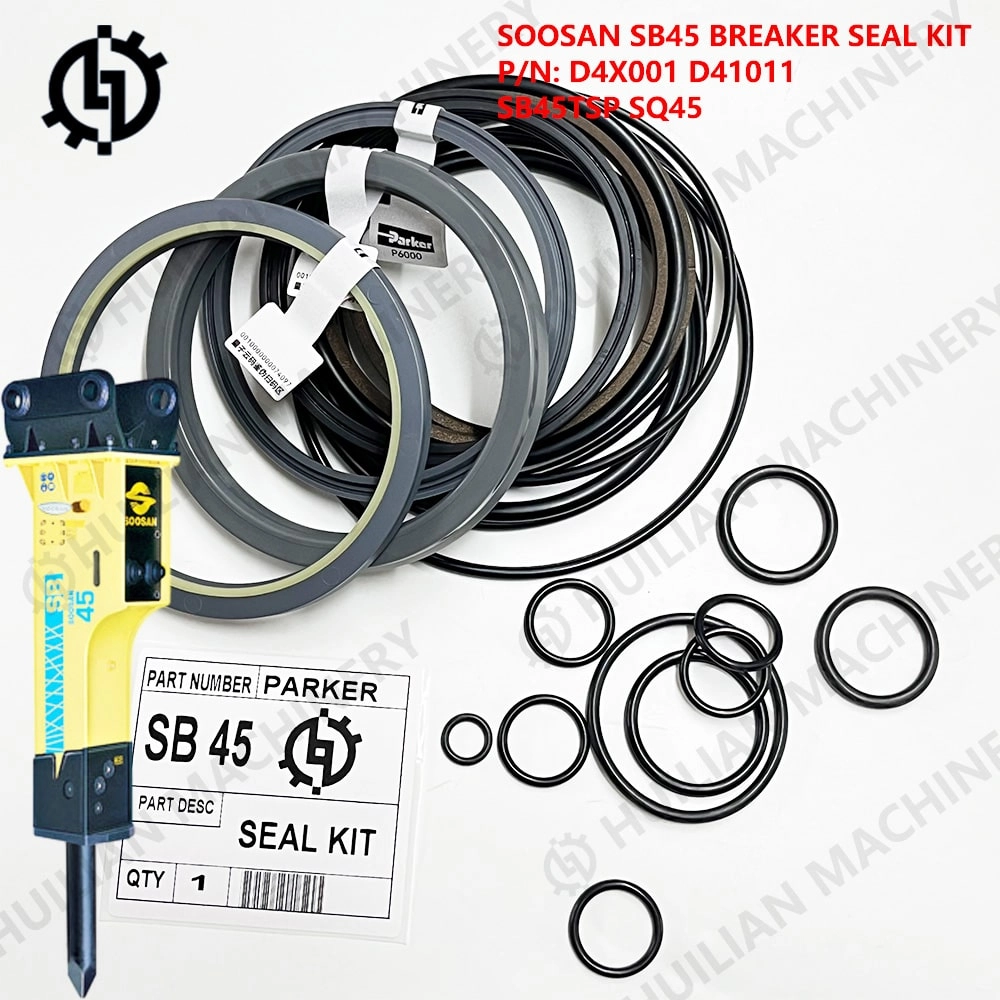
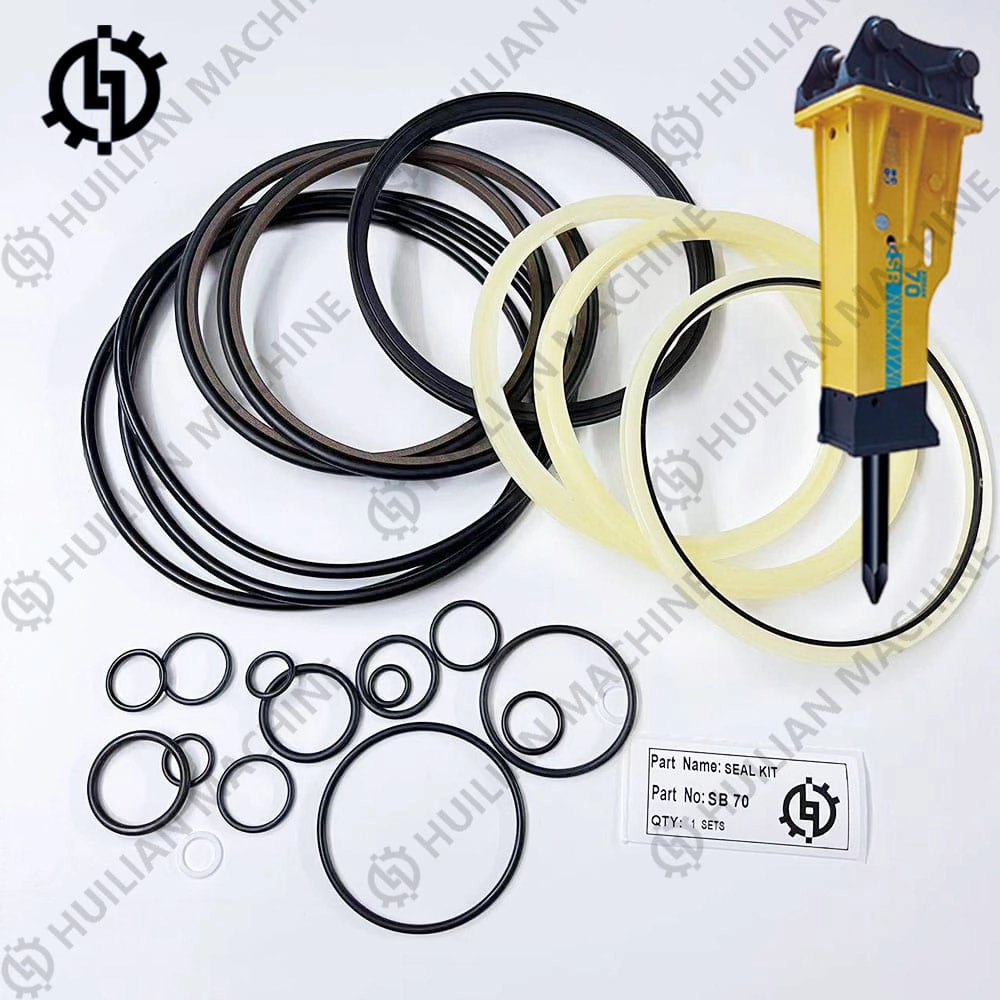
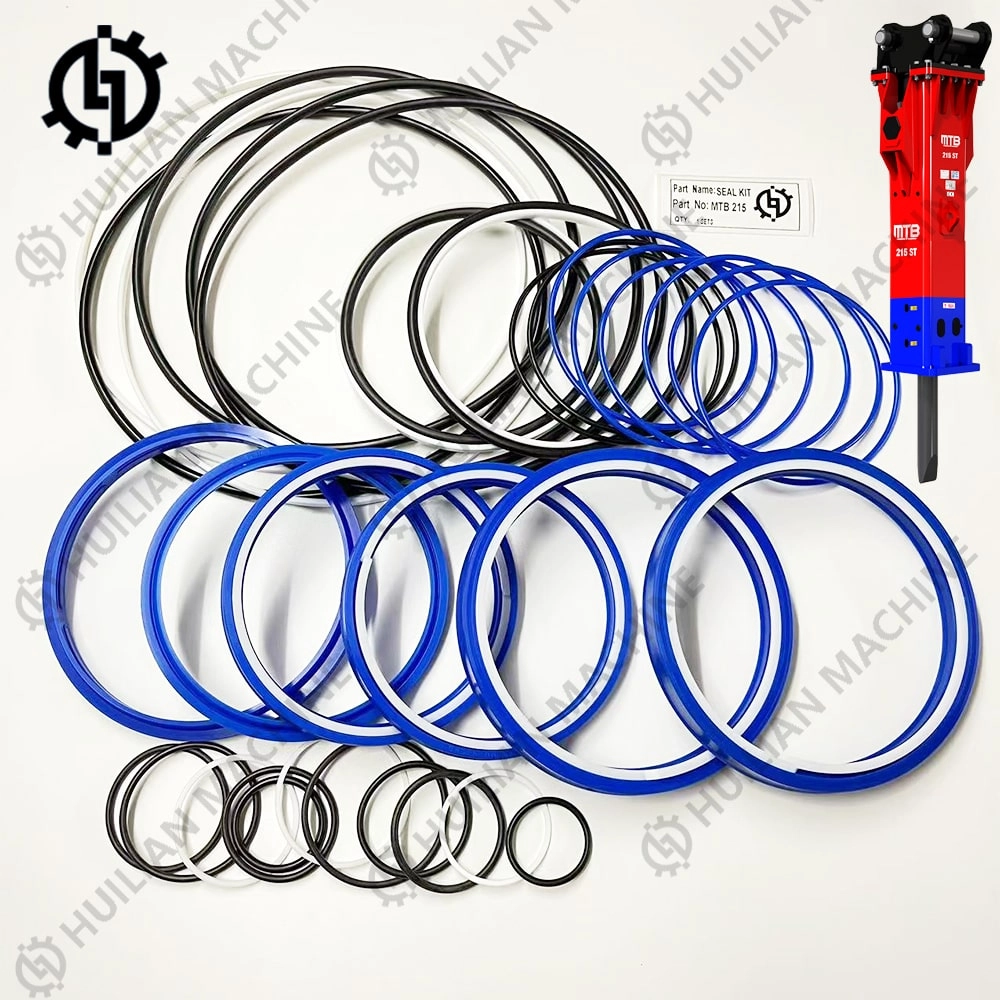
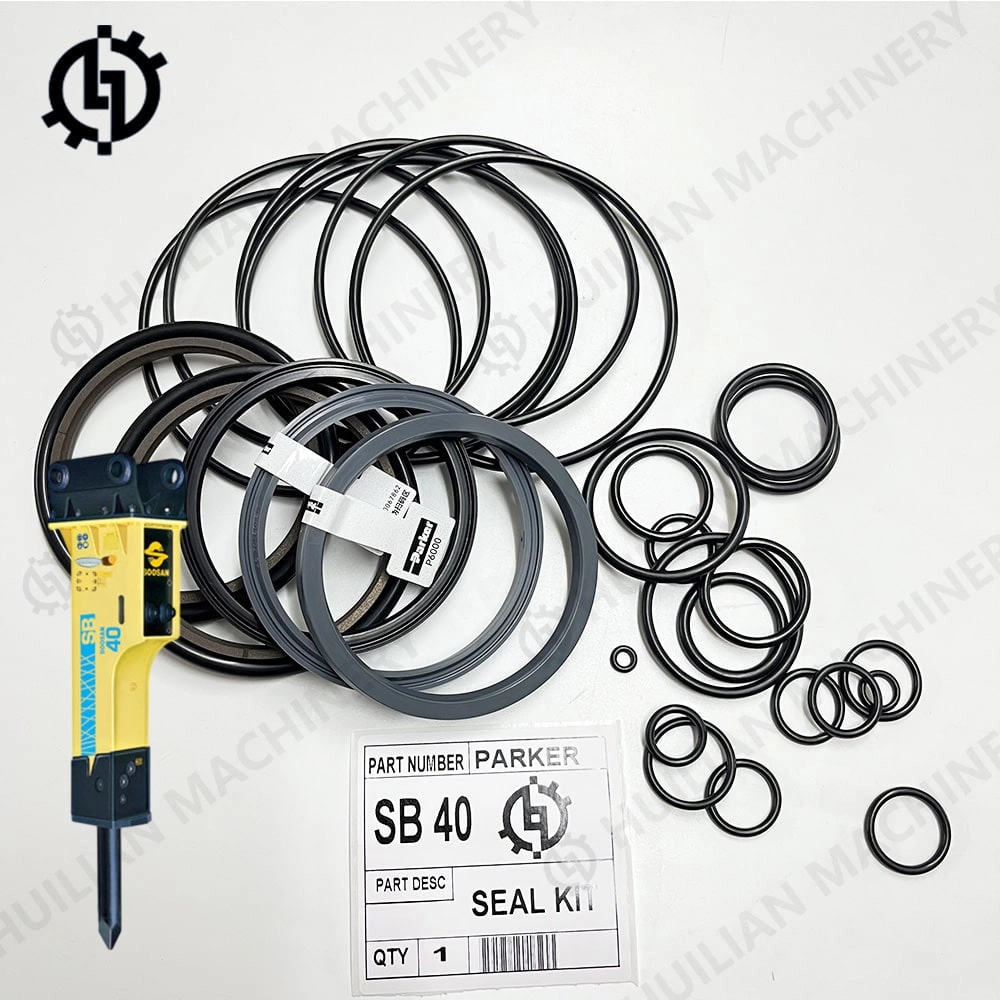
- 3. Seal Kits and Diaphragms (Go Premium Aftermarket)
- Expert Tips: How to Vet Aftermarket Suppliers
- Conclusion & Call to Action
Every fleet manager eventually faces the same dilemma: pay a premium for Original Equipment Manufacturer (OEM) branding or risk a cheaper alternative. When managing hydraulic breaker replacement parts' cost, the decision isn't just about the sticker price—it's about calculating the risk of downtime versus the reward of savings. With hydraulic hammers striking rock at 400-800 blows per minute, a single sub-par component can turn a $500 saving into a $15,000 failure.
Quick Summary: Key Takeaways for Smart Sourcing
OEM parts provide guaranteed fitment and material consistency, while aftermarket parts offer significant cost reductions that vary in quality.
To maximize profitability without risking your equipment, consider these core principles:
- Upfront vs. Long-term: High-quality aftermarket parts can save 30-60% upfront, but low-grade knockoffs increase the hydraulic hammer's total cost of ownership due to frequent replacements.
- Component Hierarchy: Critical internal components (pistons and valves) require stricter tolerances than external wear parts (chisels and bushings).
- Warranty Rights: Using aftermarket parts does not automatically void your machine's warranty, provided they meet specific standards.
- Sourcing Matters: The factory reputation matters more than the box; many "OEM" parts are actually white-labeled from high-end aftermarket factories.
What is the Difference Between OEM and Aftermarket Hydraulic Breaker Parts?
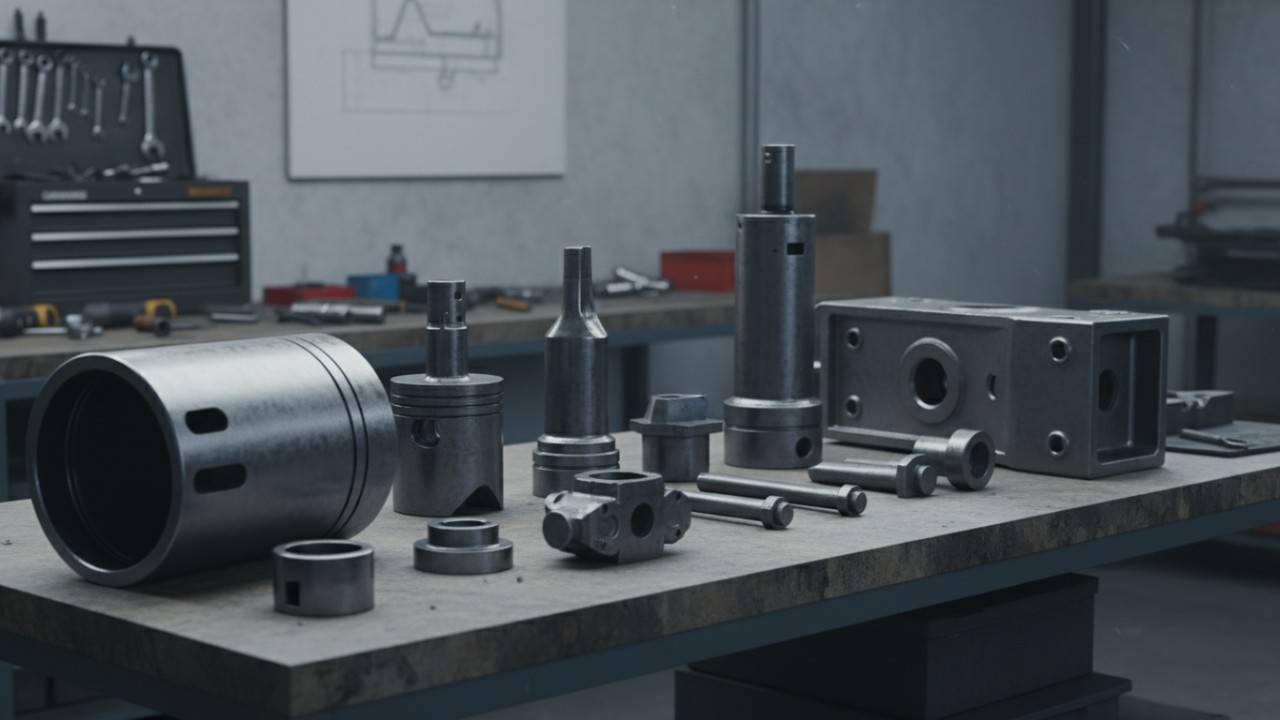
OEM parts are components manufactured by the original hydraulic hammer brand, whereas aftermarket parts are produced by third-party companies to fit those same machines.
While the function remains the same, the engineering philosophy often differs.
- OEM (Original Equipment Manufacturer): These parts are built to the exact blueprint of the hammer design. You are paying for R&D, brand markup, and the assurance of 100% compatibility. For example, brands like Soosan or Furukawa establish rigorous QC standards that their vendors must meet.
- Aftermarket: These are reverse-engineered or manufactured by the same factories that supply OEMs but sold under a different label. The quality spectrum is massive—ranging from "OEM-equivalent" to "scrap metal."
- The Gap: The primary differentiator is often the quality assurance process rather than the manufacturing capability itself.
The Price Tag: Upfront Savings vs. Long-Term Value
Total Cost of Ownership (TCO) is the only metric that matters, calculated by adding the purchase price to maintenance costs and lost production time.
Analyzing hydraulic breaker replacement parts cost requires looking beyond the invoice. If a $200 aftermarket seal kit fails in two weeks, causing a $2,000 cylinder leak and three days of downtime, it is infinitely more expensive than the $400 OEM kit.
The "Cost Per Hour" Formula
To accurately compare value, use this simple formula:
- Part Cost + Installation Labor + Freight = Total Investment
- Total Investment ÷ Hours of Service Life = Cost Per Hour
Case Study Example:
- OEM Chisel: $1,200 cost ÷ 400 hours life = $3.00/hour
- Cheap Aftermarket Chisel: $600 cost ÷ 150 hours life = $4.00/hour
- Premium Aftermarket Chisel: $800 cost ÷ 350 hours' life = $2.28/hour
As shown, the premium aftermarket option offers the best OEM vs aftermarket durability comparison and financial return.
Quality & Metallurgy: Are You Paying for the Brand or the Steel?
Material science dictates the lifespan of a breaker part, with heat treatment and steel grade being the non-negotiable factors of durability.
Not all steel is created equal. Hydraulic breakers operate under immense pressure standards, often outlined in technical specifications like ISO 16417:2020, which governs hydraulic breaker terminology and commercial specs.
- Pistons & Cylinders: These require high-grade alloy steel with precise heat treatment. If the core hardness is off by even a few HRC (Rockwell Scale) points, the piston can shatter inside the cylinder.
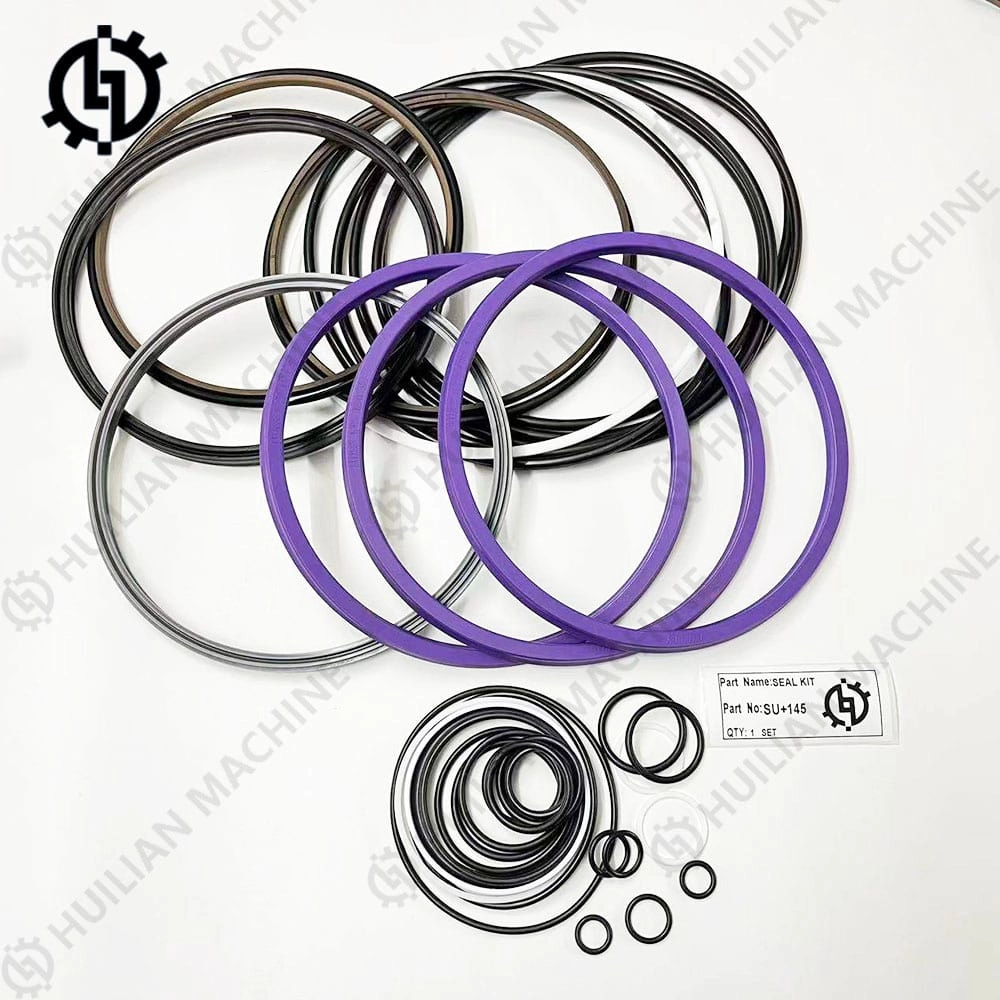
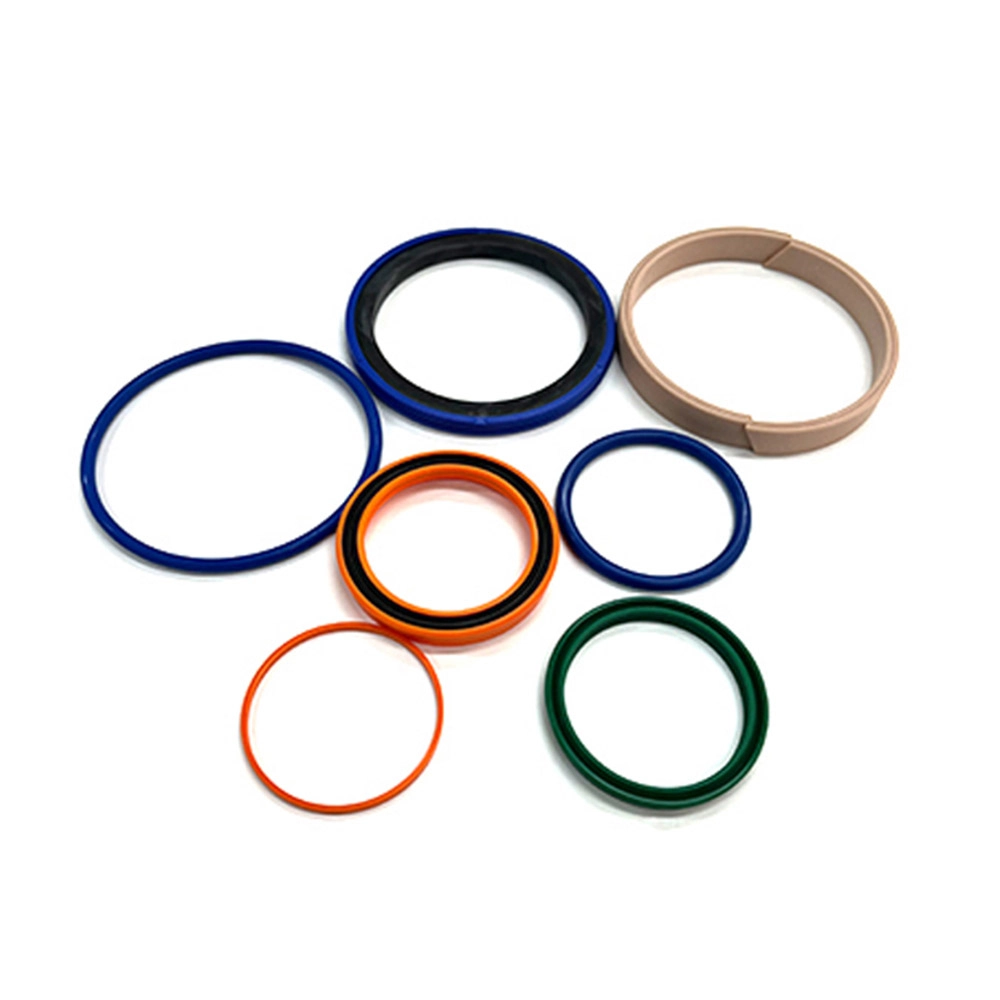
- Seal Kits: Aftermarket rock hammer seal kits must use materials capable of withstanding temperatures up to 110°C (230°F). Cheap rubber seals melt or become brittle, leading to hydraulic fluid contamination.
- Precision Tolerances: A variance of just 0.05mm in a control valve can cause the hammer to lose power or overheat.
At Guangzhou Huilian Machines Co., Ltd., we utilize strict metallurgical testing to ensure our aftermarket pistons and seals match the material density and thermal resistance of major OEM brands, a practice developed since our founding in 2005.
Risk Assessment: Warranties and Machine Integrity
Using aftermarket parts generally does not void your equipment warranty in the United States unless the part itself causes the failure.
Many fleet managers fear that using non-branded parts will leave them unprotected. However, consumer protection laws provide specific safeguards.
The Magnuson-Moss Warranty Act
According to the Federal Trade Commission (FTC), specifically under the Magnuson-Moss Warranty Act, a manufacturer cannot deny warranty coverage solely because an aftermarket part was used. They must prove that the aftermarket part caused the damage.
- The Reality: If you install a cheap piston and it scratches the cylinder, the manufacturer will deny the claim for the cylinder.
- The Solution: Only source excavator attachment spare parts warranty coverage from vendors who back their products. Reliable aftermarket suppliers will offer a warranty that mirrors the OEM terms.
Strategic Sourcing: When to Buy OEM vs. Aftermarket
A hybrid sourcing strategy is the most effective way to balance budget and performance, prioritizing OEM for critical cores and aftermarket for wear items.
Not every part carries the same risk profile. Smart buyers segment their inventory purchases:
1. The "Wear Part" Strategy (Go Aftermarket)
Components that are designed to wear out should be sourced from high-quality aftermarket suppliers to lower operating costs.
- Items: Chisels, Moil Points, Blunt Tools, Lower Bushings, Wear Plates.
- Reasoning: These are high-turnover items. Saving 40% here significantly impacts your bottom line without endangering the hydraulic system.
2. The "Critical Core" Strategy (Go Hybrid or OEM)
Internal components that govern power and fluid containment require extreme caution.
- Items: Main Control Valve, Cylinder Block, Accumulator.
- Reasoning: If you cannot verify the factory source, stick to OEM. However, established aftermarket leaders like Huilian now produce these cores with identical Japanese/Korean material standards, offering a safe "hybrid" alternative.
3. Seal Kits and Diaphragms (Go Premium Aftermarket)
- Reasoning: Aftermarket rock hammer seal kits are often manufactured by the same seal specialists (like Parker or NOK) that supply the OEMs. As long as you verify the material (e.g., polyurethane vs. nitrile), you can save 70% with zero performance loss.
Expert Tips: How to Vet Aftermarket Suppliers
Vetting a supplier requires verifying their manufacturing consistency, export history, and material certification reports.
Don't just buy from the cheapest online listing. Demand proof of quality.
- Ask for Material Reports: Request the steel grade and hardness test results for chisels and pistons.
- Check Global Reach: A supplier exporting to rigorous markets (like Europe or North America) usually adheres to higher standards. Huilian, for instance, exports to over 90 countries, ensuring our parts meet diverse global operational standards.
- Inquire About R&D: Does the supplier have an in-house technical team? Suppliers who only resell without understanding the engineering often lack quality control.
- Verify Return Policies: Avoid "all sales final" vendors. A confident manufacturer stands behind their fitment guarantee.
Conclusion & Call to Action
Choosing between OEM and aftermarket parts isn't just about price; it's about balancing risk, performance, and application. While OEM offers peace of mind for critical internal components, high-quality aftermarket solutions for wear parts and seal kits can significantly lower your operating costs. By adopting a hybrid sourcing strategy and vetting your suppliers for metallurgy and warranty support, you can maintain peak breaker efficiency without overspending.
Contact Guangzhou Huilian Machines Co., Ltd. today to discuss your specific needs and access premium hydraulic breaker parts that rival OEM performance at a fraction of the cost.


About
Do you offer OEM and aftermarket parts?
Yes, we manufacture high-quality OEM parts and supply aftermarket parts from top brands such as NOK, Parker, SKF, and Hallite to ensure optimal performance.
What types of excavator parts do you offer?
We provide a wide range of high-quality excavator parts, including hydraulic breakers, chisels, seal kits, diaphragms, pistons, wear bushes, retainer bars, through bolts, side bolts, valves, and liners.
How can I ensure I’m selecting the right part for my equipment?
Our expert team can assist you in finding the right part based on your machine model, specifications, and requirements. Contact us for personalized support.
What is your shipping and delivery time?
We offer fast and reliable global shipping. Delivery times vary depending on location and order size, but we strive to process and ship orders as quickly as possible.
Are your parts compatible with all excavator brands?
Yes, our parts are designed to be compatible with major brands like Komatsu, Caterpillar, Hitachi, Hyundai, Doosan, JCB, Kobelco, Sany, and many more.


Getting started is easy 
Contact with our experts to find the best excavator parts solutions for your needs. Discover how Huilian can enhance your equipment's performance and efficiency.


Get in touch
 About us
© 2025 HUILIAN MACHINE. All rights reserved