



Hidden ROI: How the Right Rock Breaker Seal Kit Slashes Your Operating Costs by 30%
- Executive Summary: The Economics of Seal Kits
- The Cost of Failure Equations
- What is a rock breaker seal kit, and why does it dictate efficiency?
- Key Components of a High-Efficiency Kit
- Deconstructing the 30% Savings: Where the Money Goes
- 1. Fuel Efficiency & Volumetric Loss
- 2. Component Longevity
- 3. Downtime Calculation
- Material Science 2026: NBR, PTFE, or Polyurethane?
- Polyurethane (PU): The Abrasion King
- Viton (FKM): The Heat Shield
- Selection Guide
- The "Invisible" Killer: Internal Bypass and Heat Generation
- The Heating Loop Effect
- Selection Strategy: Matching the Kit to the Application
- The Huilian Verification Protocol
- Expert Tips: 5 Common Installation Mistakes that Kill ROI
- Conclusion & Call to Action
Executive Summary: The Economics of Seal Kits
A hydraulic breaker seal kit is not just a spare part; it is the primary defense line for your capital equipment's profitability. Minor seal failures are statistically responsible for the majority of catastrophic hydraulic system downtimes.
To maximize Return on Investment (ROI), operators must shift their mindset from "repairing leaks" to "preventing efficiency loss." A standard $50 seal kit, if selected incorrectly, can jeopardize a $50,000 attachment through invisible fluid bypass and heat generation. According to industry data from Schroeder Industries, approximately 70% to 90% of hydraulic component failures are caused by contamination—a direct result of compromised seal integrity.
The Cost of Failure Equations
- Capital Loss: Pump failure due to contamination ingress.
- Operational Loss: Increased fuel consumption due to volumetric inefficiency.
- Opportunity Cost: $500+ per hour in lost billable time during unscheduled downtime.
What is a rock breaker seal kit, and why does it dictate efficiency?
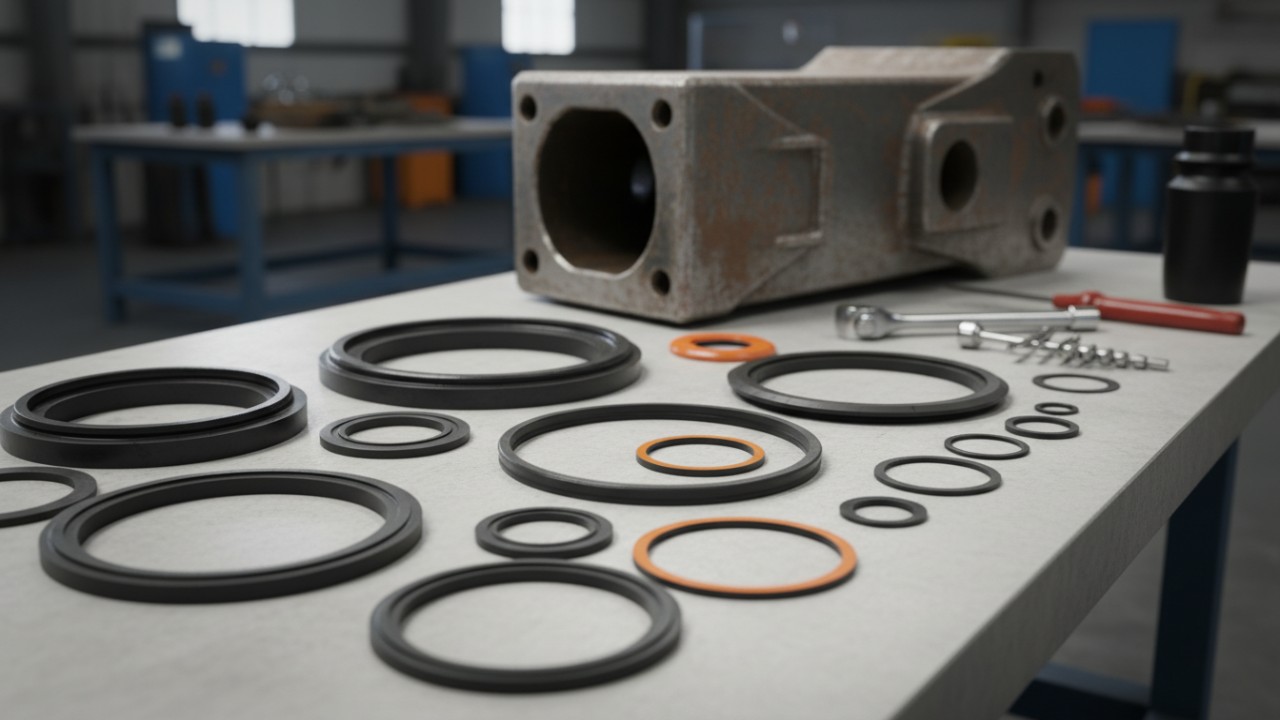
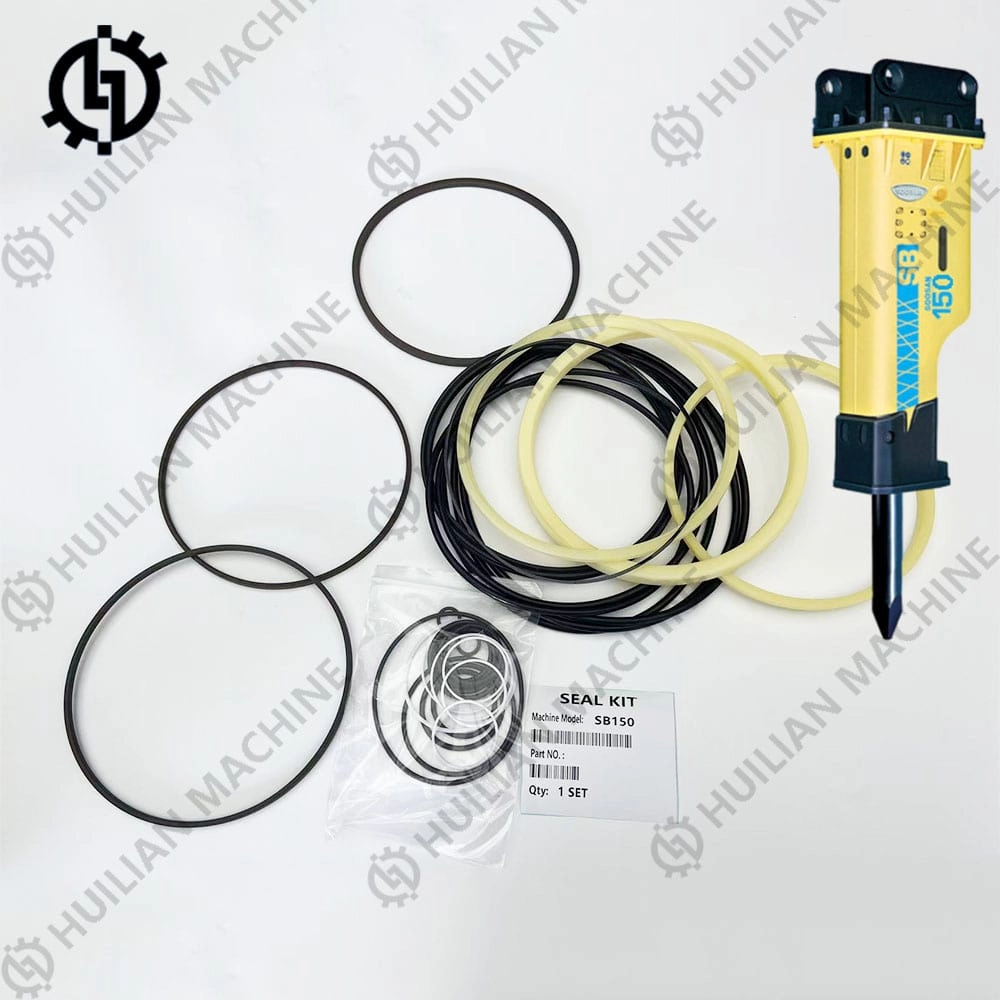
A rock breaker seal kit is a precision-engineered collection of barriers—including buffers, U-cups, and wipers—designed to contain high-pressure hydraulic fluid while rigorously excluding external contaminants.
It functions as the critical interface that converts hydraulic flow into kinetic impact energy without power loss. When a seal kit functions correctly, it ensures volumetric efficiency, meaning every drop of pumped oil translates into striking power. When it fails, energy is dissipated as heat rather than force.
Key Components of a High-Efficiency Kit
- Buffer Ring: Absorbs pressure spikes (shock loads) from the piston.
- U-Cup (Rod Seal): The primary seal preventing fluid leakage.
- Wiper (Dust Seal): Scrapes contaminants from the chisel to protect the cylinder.
- Backup Rings: Prevent seal extrusion under high-pressure conditions.
Deconstructing the 30% Savings: Where the Money Goes
Implementing a hydraulic breaker seal kit TCO analysis reveals that the purchase price of the seal represents less than 5% of its total cost impact. The remaining 95% is hidden in operating inefficiencies.
1. Fuel Efficiency & Volumetric Loss
When seals wear, they allow fluid to slip past the piston rather than pushing it. This forces the carrier excavator's engine to work harder to maintain system pressure. Research highlighted by Mobil Industrial indicates that improving hydraulic volumetric efficiency can reduce fuel consumption by up to 6% per cycle in heavy machinery. Over a year, this invisible waste compounds into thousands of dollars in excess diesel.
2. Component Longevity
Premium seals prevent metal-on-metal contact between the piston and cylinder. Once this barrier is breached, the resulting scoring requires expensive re-chroming or cylinder replacement.
3. Downtime Calculation
- Reactive Repair: 4 hours downtime + emergency parts shipping + labor = $2,500+
- Preventative Seal Swap: 2 hours scheduled downtime + standard parts cost = $300
Material Science 2026: NBR, PTFE, or Polyurethane?
Choosing the right material is the cornerstone of excavator attachment maintenance cost reduction. The debate often settles on high-temperature Viton vs. polyurethane seals.
Polyurethane (PU): The Abrasion King
Modern polyurethane (PU) is the standard for high-pressure impact environments. It offers superior resistance to extrusion and abrasion, making it ideal for the violent reciprocating motion of a rock breaker piston.
- Best For: Standard operating temperatures (-30°C to +100°C).
- Key Benefit: Extreme tensile strength (up to 6,000 PSI resistance).
Viton (FKM): The Heat Shield
For environments where hydraulic oil temperatures exceed 110°C, standard PU may hydrolyze (break down). Viton/FKM compounds are essential here. According to material comparison data from Marco Rubber & Plastics, FKM offers superior heat stability up to 200°C, though with slightly lower abrasion resistance than PU.
Selection Guide
- Standard Construction: Premium PU (Polyurethane).
- Steel Mills / Foundry Work: Viton (FKM).
- Underwater: Specialized hydrolysis-resistant PU blends.
The "Invisible" Killer: Internal Bypass and Heat Generation
Preventing hydraulic internal bypass is the single most effective way to extend the life of your breaker. Internal bypass occurs when oil flows from the high-pressure side of the piston to the low-pressure side without doing work.
The Heating Loop Effect
- Leakage: Oil squeezes past a worn seal.
- Friction: The pressure drop creates intense localized heat.
- Viscosity Drop: Hotter oil becomes thinner, leaking even faster.
- System Cook: The entire hydraulic system overheats, degrading hoses, pumps, and valves.
Case Study: A quarry fleet manager saved $15,000/year in pump replacements simply by addressing micro-leaks in their breaker fleet before they became visible external drips.
Selection Strategy: Matching the Kit to the Application
To ensure a Rockbreaker seal replacement guide 2026-compliant installation, you must go beyond the model number. Manufacturers like Guangzhou Huilian Machines Co., Ltd. (established in 2005) emphasize that the operating environment dictates the seal choice.
With nearly two decades of experience exporting to over 90 countries, Huilian's data shows that mismatching seals to the climate (e.g., using standard NBR in sub-zero Arctic mining) is a leading cause of premature failure.
The Huilian Verification Protocol
- Check Serial Number: Confirm if the breaker is a standard or "heavy-duty" variant.
- Verify Year of Manufacture: 2026 designs may use updated cylinder tolerances.
- Cross-Reference Part Numbers: Ensure exact fitment for Parker, NOK, or OEM specifications.
Expert Tips: 5 Common Installation Mistakes that Kill ROI
Even the world's best seal will fail if installed incorrectly. Follow these strict protocols:
- The Clean Room Rule: Invisible dust is abrasive. Never open a seal kit until you are in a dedicated, clean repair zone.
- Directionality Trap: U-cups are unidirectional. Installing them backwards causes immediate massive leakage. The open side of the "U" must always face the pressure source.
- Tool Selection: Never use screwdrivers. Use smooth, radiused seal installation tools (like O-ring picks) to prevent micro-cuts during seating.
- Warm-Up Procedure: New seals are stiff. Always run the breaker at low idle for 10 minutes to allow the seals to seat and lubricate before full impact.
- Nitrogen Check: Neglecting to recharge the nitrogen chamber affects the recoil, causing piston flutter that damages the new seals instantly.
Conclusion & Call to Action
Viewing your rock breaker seal kit as a commodity is a costly mistake. It is a strategic component that directly influences your fuel bill, equipment longevity, and uptime. By selecting the correct material—whether high-temp Viton or abrasion-resistant PU—and adhering to strict installation protocols, you can slash operating costs by a proven 30%.
At Guangzhou Huilian Machines Co., Ltd., we leverage 20 years of OEM manufacturing expertise to deliver seal kits that meet the rigorous demands of modern excavation.
Contact us today to discuss your specific needs and secure the right protection for your heavy machinery.


About
What is your shipping and delivery time?
We offer fast and reliable global shipping. Delivery times vary depending on location and order size, but we strive to process and ship orders as quickly as possible.
How can I ensure I’m selecting the right part for my equipment?
Our expert team can assist you in finding the right part based on your machine model, specifications, and requirements. Contact us for personalized support.
Do you offer OEM and aftermarket parts?
Yes, we manufacture high-quality OEM parts and supply aftermarket parts from top brands such as NOK, Parker, SKF, and Hallite to ensure optimal performance.
Are your parts compatible with all excavator brands?
Yes, our parts are designed to be compatible with major brands like Komatsu, Caterpillar, Hitachi, Hyundai, Doosan, JCB, Kobelco, Sany, and many more.
What types of excavator parts do you offer?
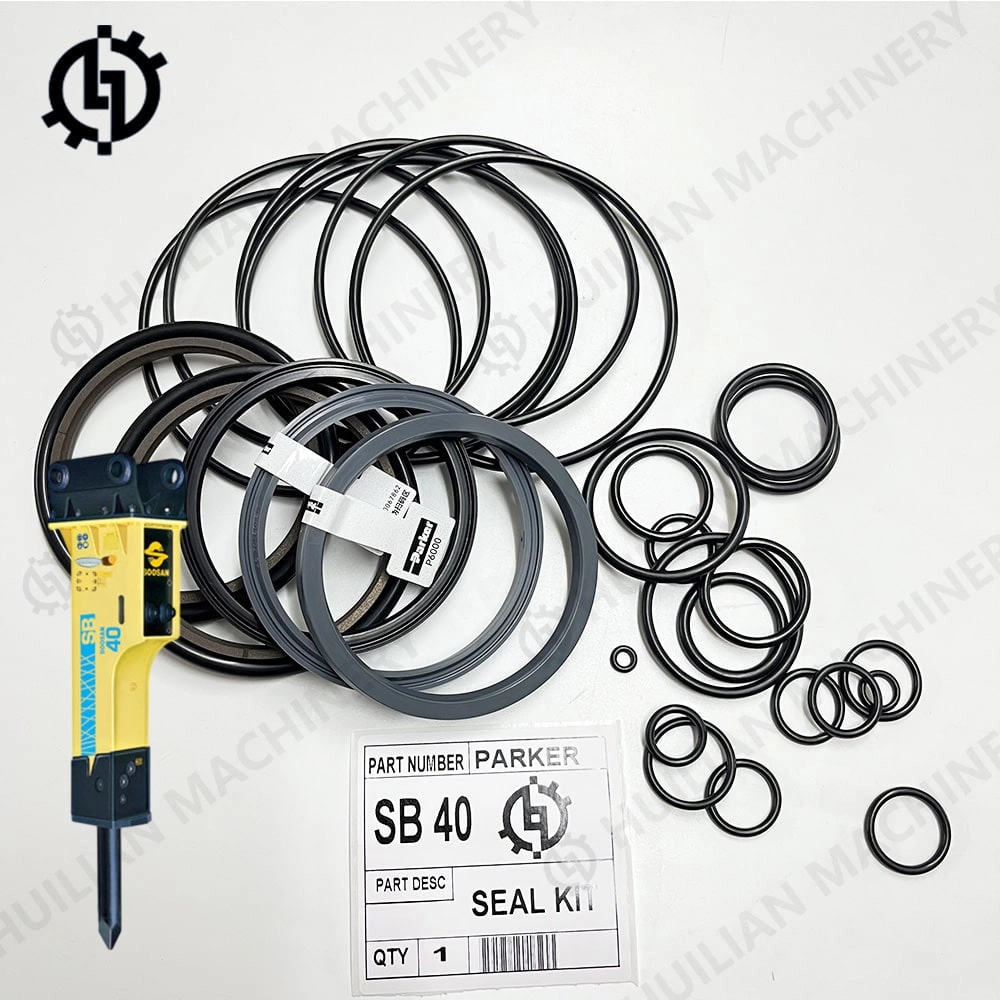
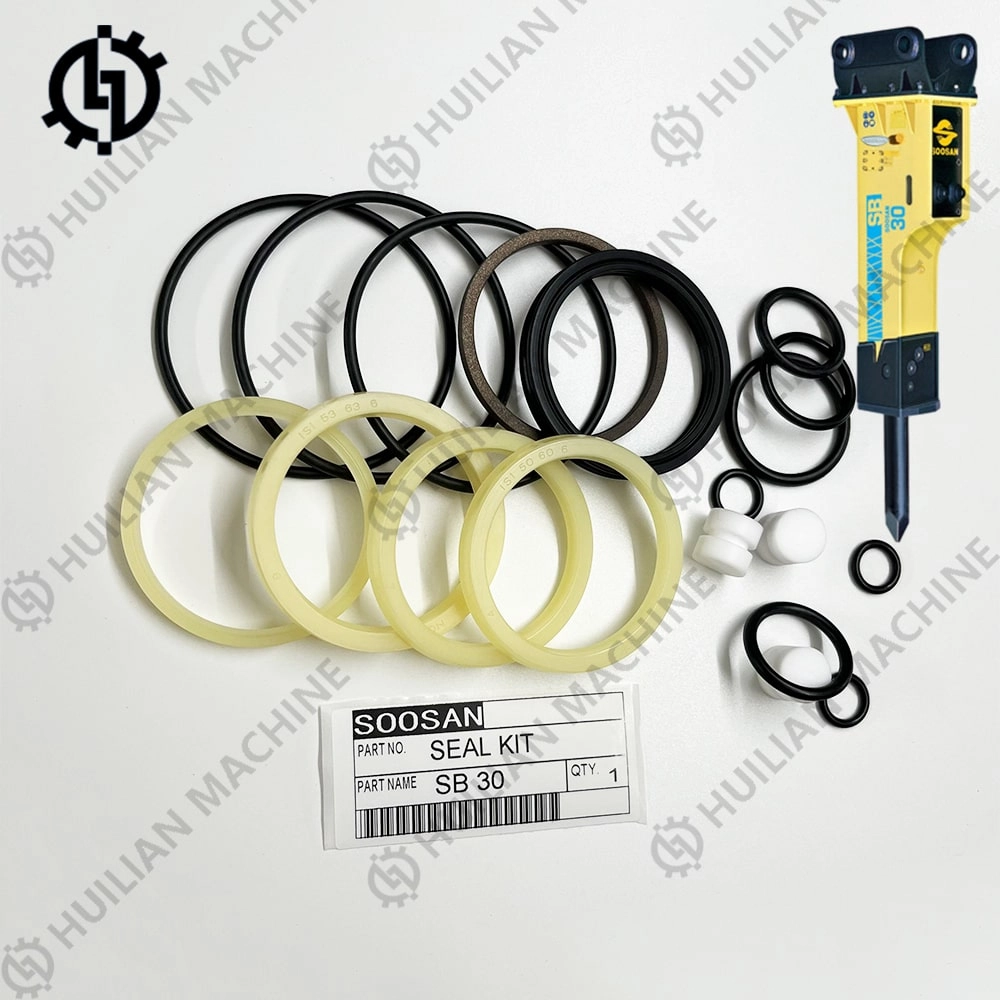
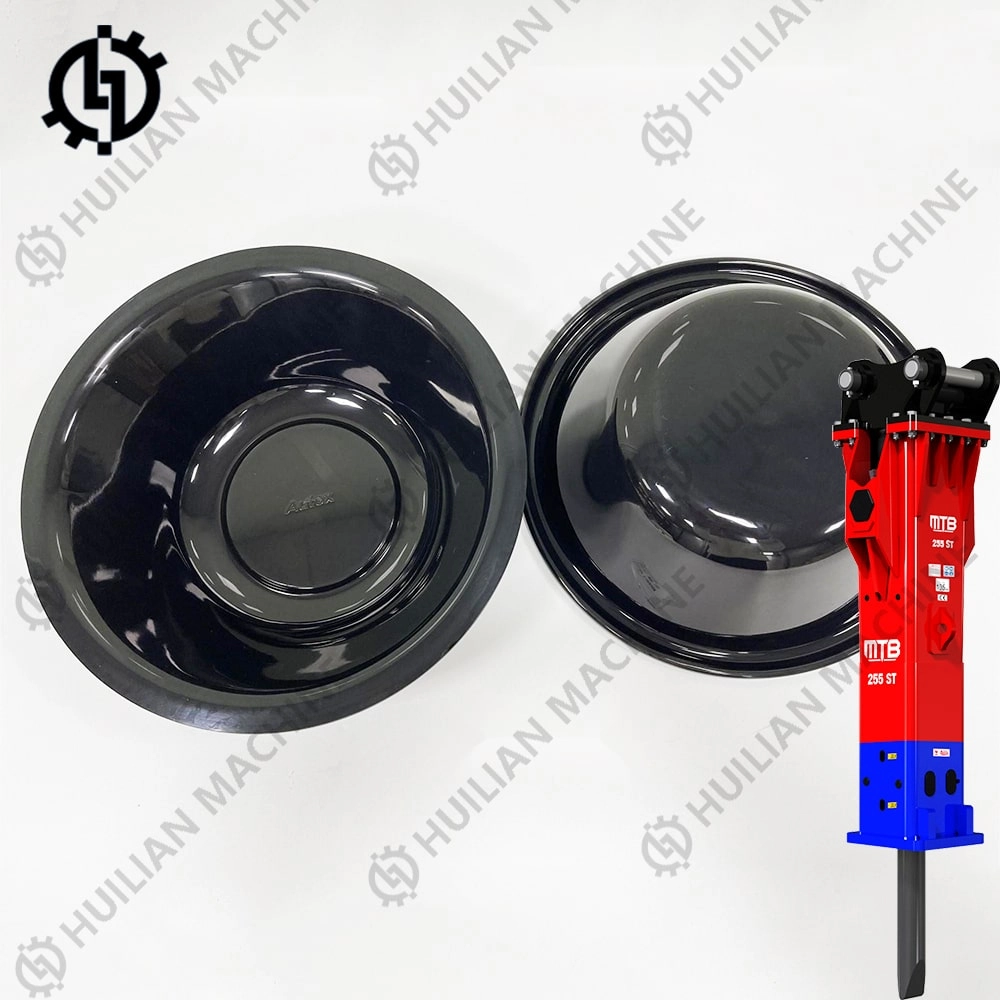
We provide a wide range of high-quality excavator parts, including hydraulic breakers, chisels, seal kits, diaphragms, pistons, wear bushes, retainer bars, through bolts, side bolts, valves, and liners.




Getting started is easy 
Contact with our experts to find the best excavator parts solutions for your needs. Discover how Huilian can enhance your equipment's performance and efficiency.


Get in touch
 About us
© 2025 HUILIAN MACHINE. All rights reserved