



How to evaluate excavator breaker hammer performance and ROI?
- 1. How do I determine the appropriate size of an excavator breaker hammer for my machine?
- 2. What are the key factors to consider when matching a hydraulic breaker to an excavator?
- 3. How can I assess the performance and return on investment (ROI) of an excavator breaker hammer?
- 4. What are the common operational mistakes to avoid when using an excavator breaker hammer?
- 5. How do I maintain an excavator breaker hammer to ensure optimal performance?
- 6. What are the safety considerations when operating an excavator breaker hammer?
1. How do I determine the appropriate size of an excavator breaker hammer for my machine?
Selecting the right size breaker hammer is crucial for both performance and safety. The breaker’s weight should align with the excavator’s lifting capacity and tipping load limits. An oversized breaker can destabilize the machine, increasing the risk of tipping, while an undersized breaker may not effectively utilize the excavator's downforce, leading to inefficient operation. Industry standards suggest that the breaker weight should be properly balanced with the carrier weight. For example, a 2-ton hammer typically suits a 20-25 ton excavator.
2. What are the key factors to consider when matching a hydraulic breaker to an excavator?
When matching a hydraulic breaker to an excavator, consider the following factors:
Hydraulic Flow and Pressure: Ensure the excavator's hydraulic system can provide the necessary flow and pressure for the breaker. Too much oil or pressure can cause the hammer to overspeed, reducing seal life and damaging internal components. Conversely, insufficient flow reduces the breaker’s impact power.
Weight Compatibility: The breaker’s weight should be compatible with the excavator’s lifting capacity and tipping load to maintain stability and prevent structural damage.
Mounting Bracket Compatibility: Verify that the breaker’s mounting bracket matches the excavator’s specifications to ensure a secure attachment.
Auxiliary Hydraulic Circuit Requirements: Some breakers require dedicated flow control valves or specific hydraulic circuits; ensure your excavator can accommodate these needs.
3. How can I assess the performance and return on investment (ROI) of an excavator breaker hammer?
To evaluate the performance and ROI of an excavator breaker hammer:
Fuel Consumption per Cubic Meter: Calculate the fuel consumption per cubic meter of material broken to assess operational efficiency.
Chisel Replacement Frequency: High-quality chisels last 3-5 times longer than standard ones, reducing downtime and maintenance costs.
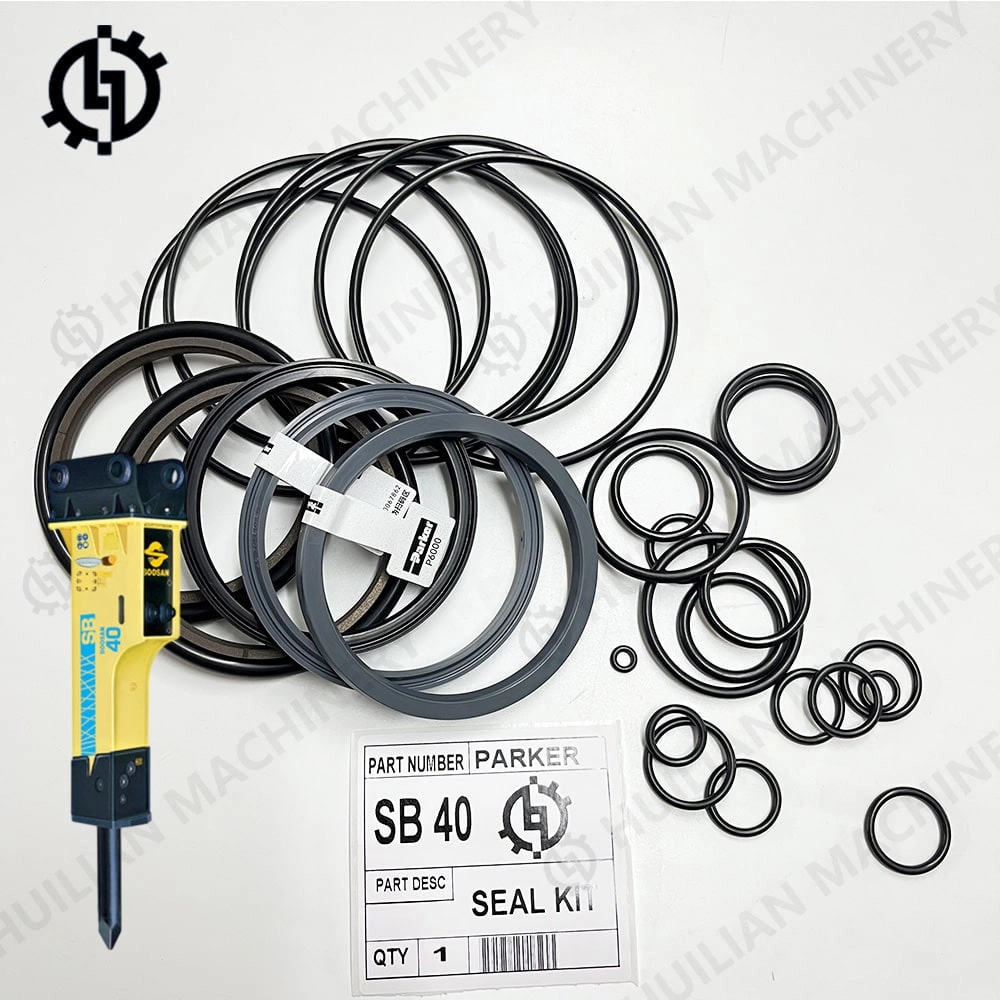
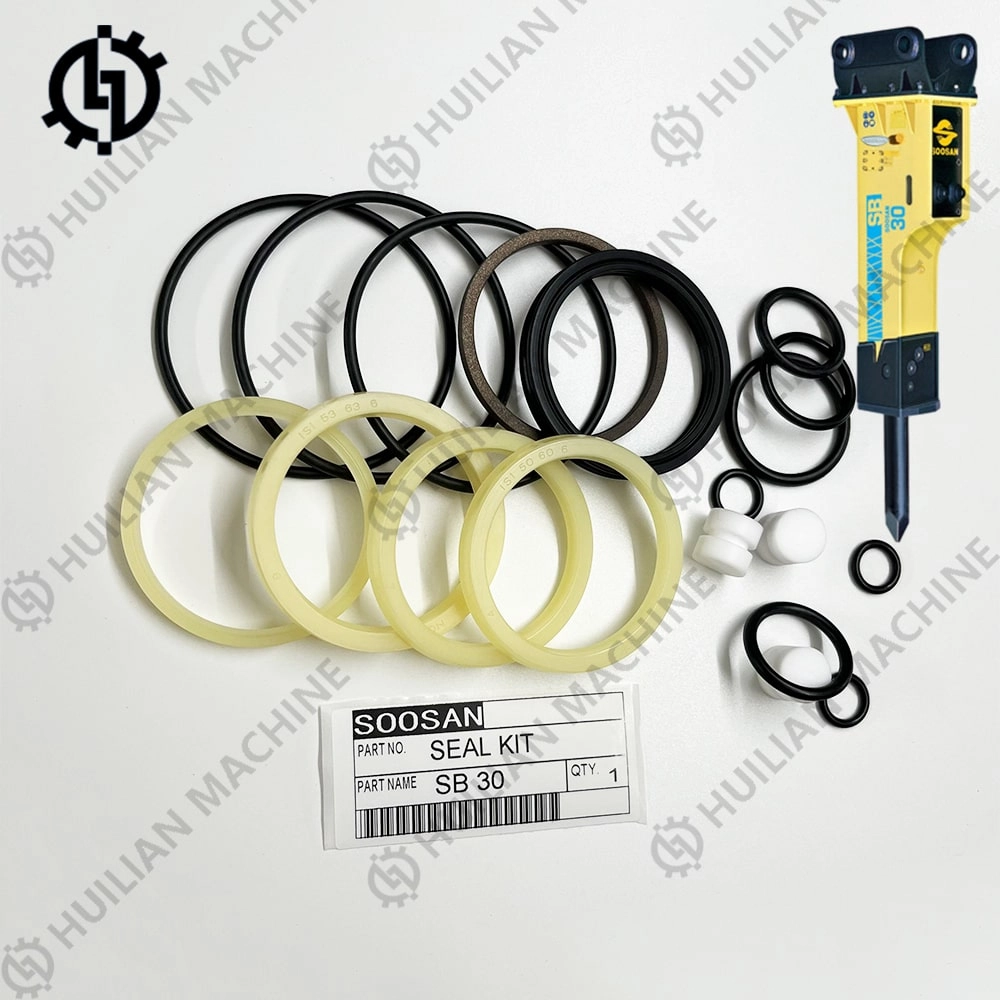
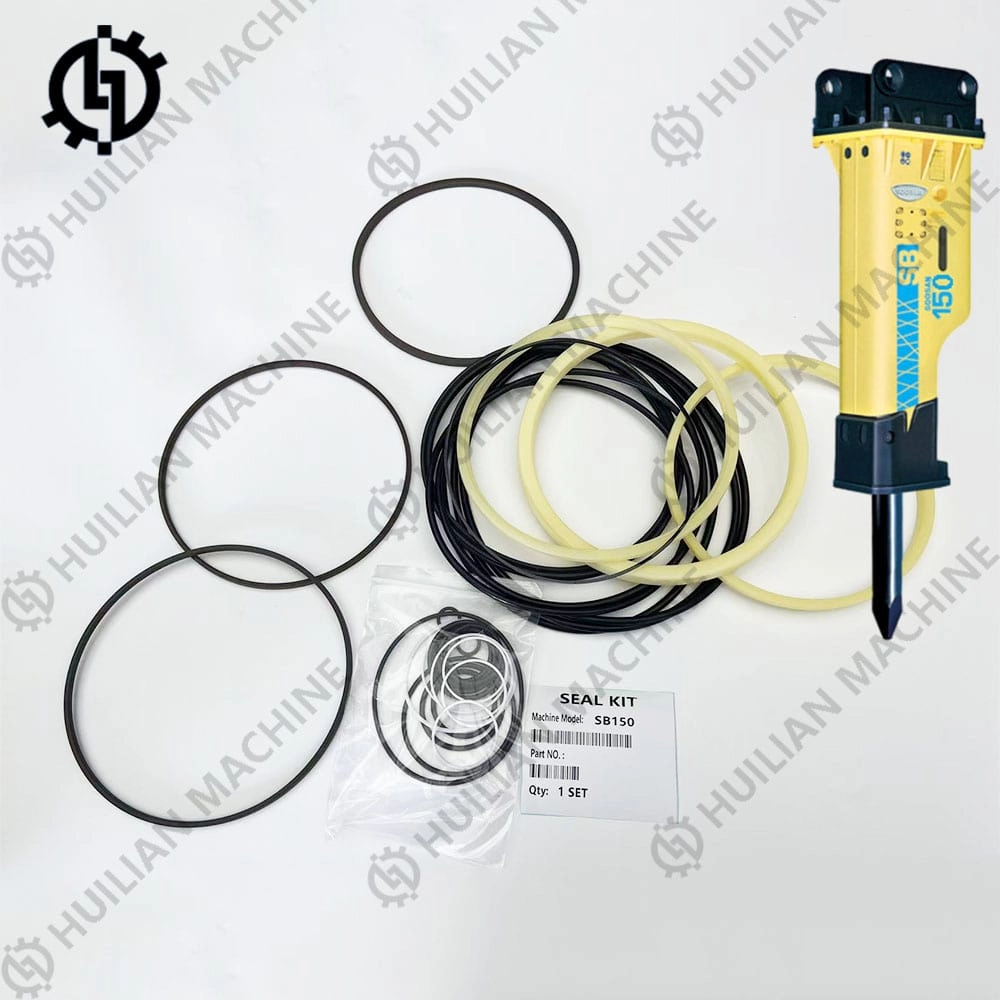
Seal Kit Maintenance Cycles: Premium models may offer seal kits with maintenance cycles exceeding 500 hours, lowering maintenance frequency and costs.
Warranty Coverage: Opt for breakers with comprehensive warranties (e.g., 12 months or 1,500+ working hours) to mitigate potential repair expenses.
After-Sales Support: Evaluate suppliers based on their after-sales support, including emergency parts dispatch, on-site technician availability, and operator training programs.
4. What are the common operational mistakes to avoid when using an excavator breaker hammer?
Common operational mistakes include:
Overloading the Breaker: Using a breaker that is too heavy for the excavator can lead to instability and potential tipping.
Incorrect Hydraulic Settings: Improper hydraulic flow and pressure can cause the breaker to overheat, damaging internal components.
Blank Firing: Operating the breaker without contact (blank firing) can damage the chisel and internal parts.
Using the Breaker as a Prying Tool: Using the breaker for prying or lifting can cause tool breakage and damage to other components.
Continuous Hammering in One Spot: Hammering in the same spot for extended periods can overheat the breaker and reduce efficiency.
5. How do I maintain an excavator breaker hammer to ensure optimal performance?
To maintain optimal performance:
Regular Inspections: Conduct daily inspections to check for signs of wear and tear, focusing on the piston, rock bit, and hydraulic system.
Lubrication: Ensure the breaker is properly lubricated to minimize friction and wear.
Tool Bit Maintenance: Regularly inspect and replace worn-out tool bits to maintain efficient operation.
Hydraulic System Care: Keep the hydraulic system clean and well-maintained to prevent leaks and ensure smooth operation.
Operator Training: Train operators on proper techniques to minimize misuse and extend the breaker’s lifespan.
6. What are the safety considerations when operating an excavator breaker hammer?
Safety considerations include:
Proper Positioning: Keep the breaker perpendicular to the material to avoid side loading and premature failure.
Avoid Blank Firing: Ensure the breaker is in contact with the material before operation to prevent internal damage.
Use Appropriate Down Pressure: Apply enough down pressure to allow the breaker to penetrate the material without causing excessive stress on the excavator.
Avoid Using the Breaker as a Prying Tool: Do not use the breaker for prying or lifting, as this can cause damage to the tool and excavator.
Regular Maintenance: Perform routine maintenance to ensure all components are in good working condition and to prevent accidents.
In conclusion, selecting the right excavator breaker hammer involves careful consideration of compatibility, performance, and operational practices. By adhering to these guidelines, you can enhance productivity, ensure safety, and achieve a favorable return on investment. For personalized recommendations and quotes, please contact us at service@huilianmachine.com or visit our website at www.huilianmachine.com.


About
What types of excavator parts do you offer?
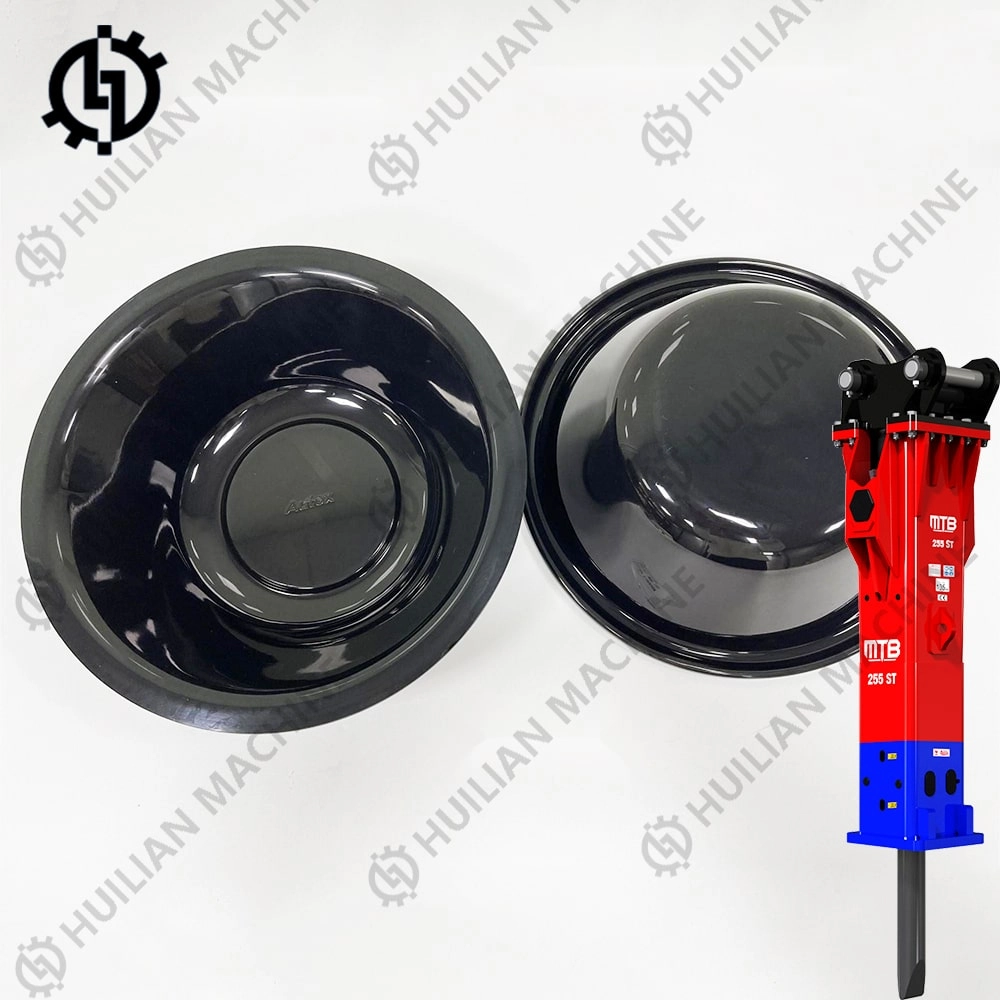
We provide a wide range of high-quality excavator parts, including hydraulic breakers, chisels, seal kits, diaphragms, pistons, wear bushes, retainer bars, through bolts, side bolts, valves, and liners.
What is your shipping and delivery time?
We offer fast and reliable global shipping. Delivery times vary depending on location and order size, but we strive to process and ship orders as quickly as possible.
Do you offer OEM and aftermarket parts?
Yes, we manufacture high-quality OEM parts and supply aftermarket parts from top brands such as NOK, Parker, SKF, and Hallite to ensure optimal performance.
Are your parts compatible with all excavator brands?
Yes, our parts are designed to be compatible with major brands like Komatsu, Caterpillar, Hitachi, Hyundai, Doosan, JCB, Kobelco, Sany, and many more.
How can I ensure I’m selecting the right part for my equipment?
Our expert team can assist you in finding the right part based on your machine model, specifications, and requirements. Contact us for personalized support.




Getting started is easy 
Contact with our experts to find the best excavator parts solutions for your needs. Discover how Huilian can enhance your equipment's performance and efficiency.


Get in touch
 About us
© 2025 HUILIAN MACHINE. All rights reserved