



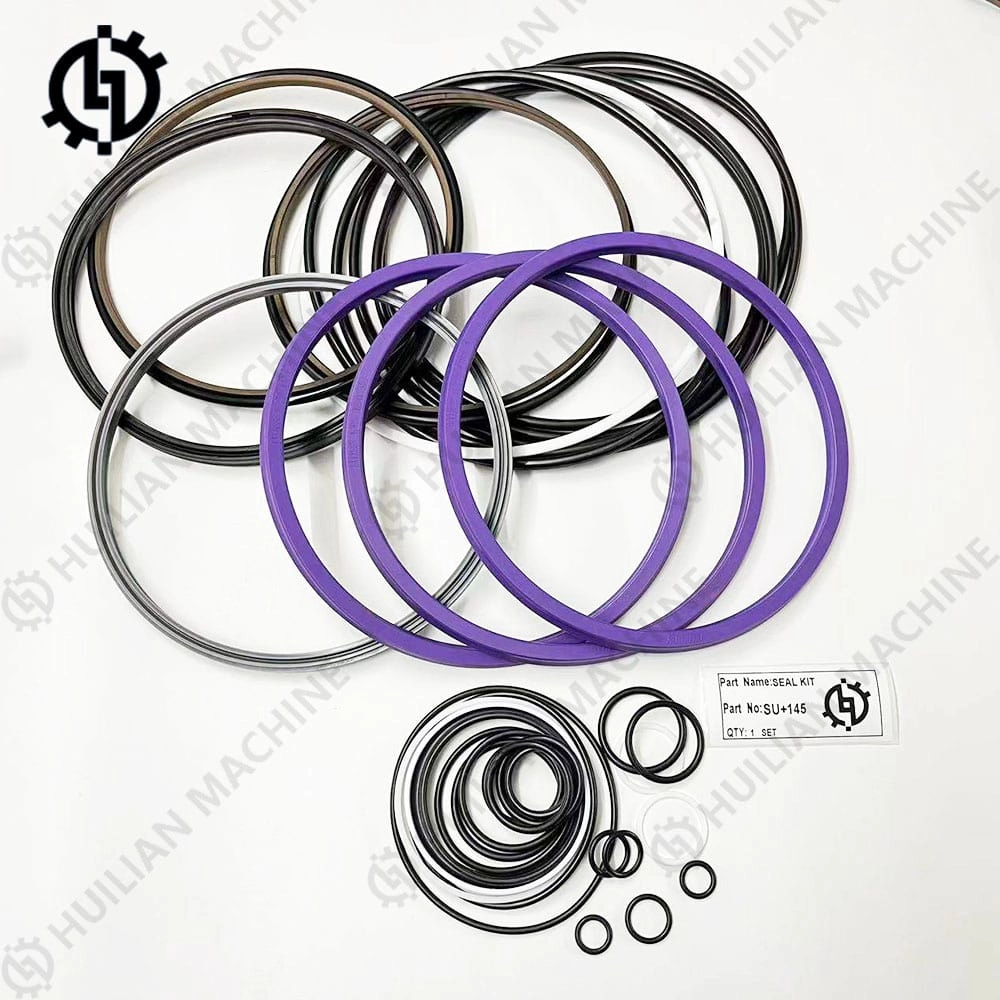
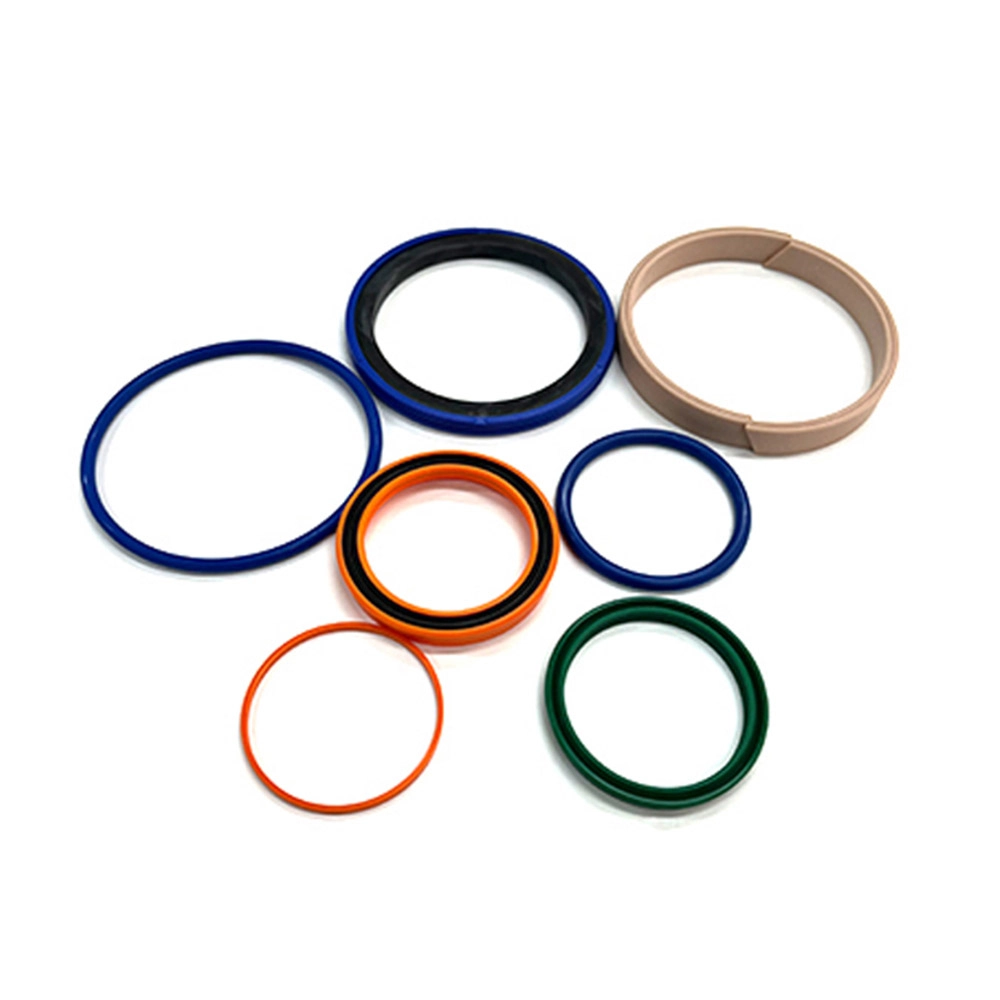
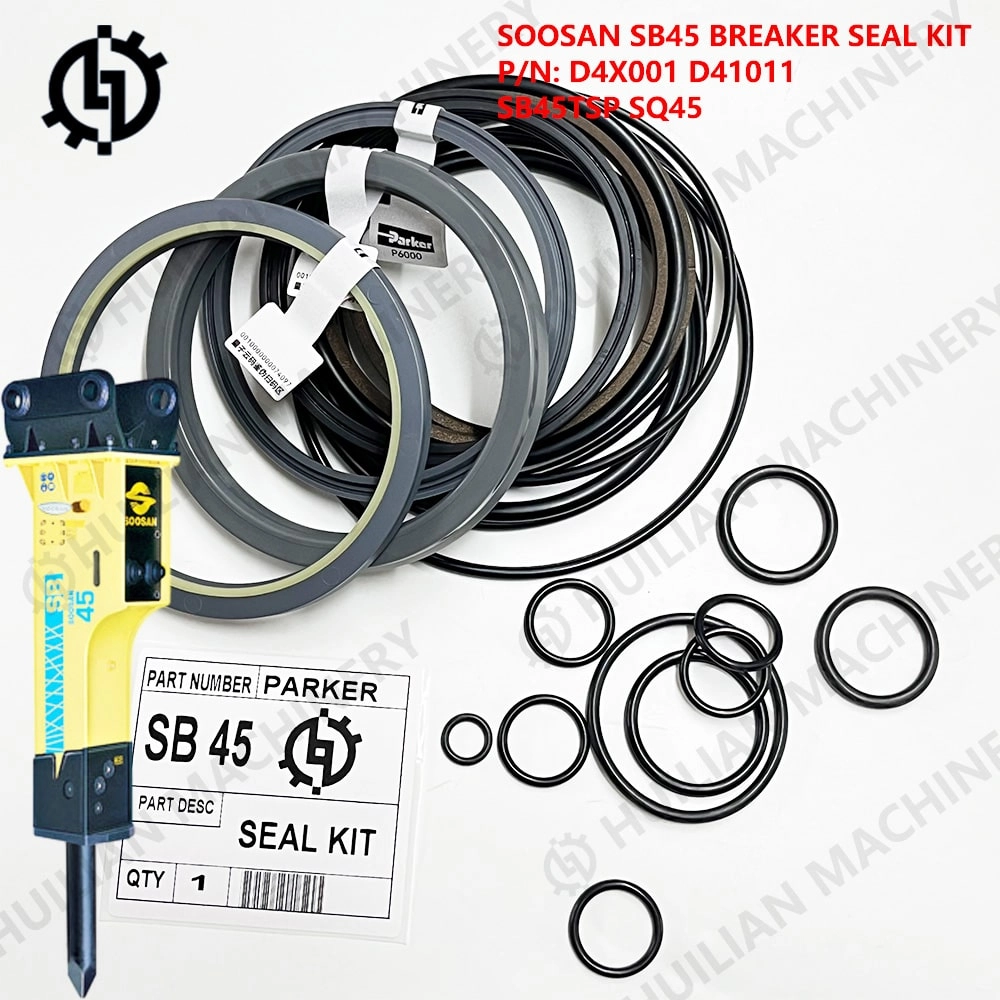
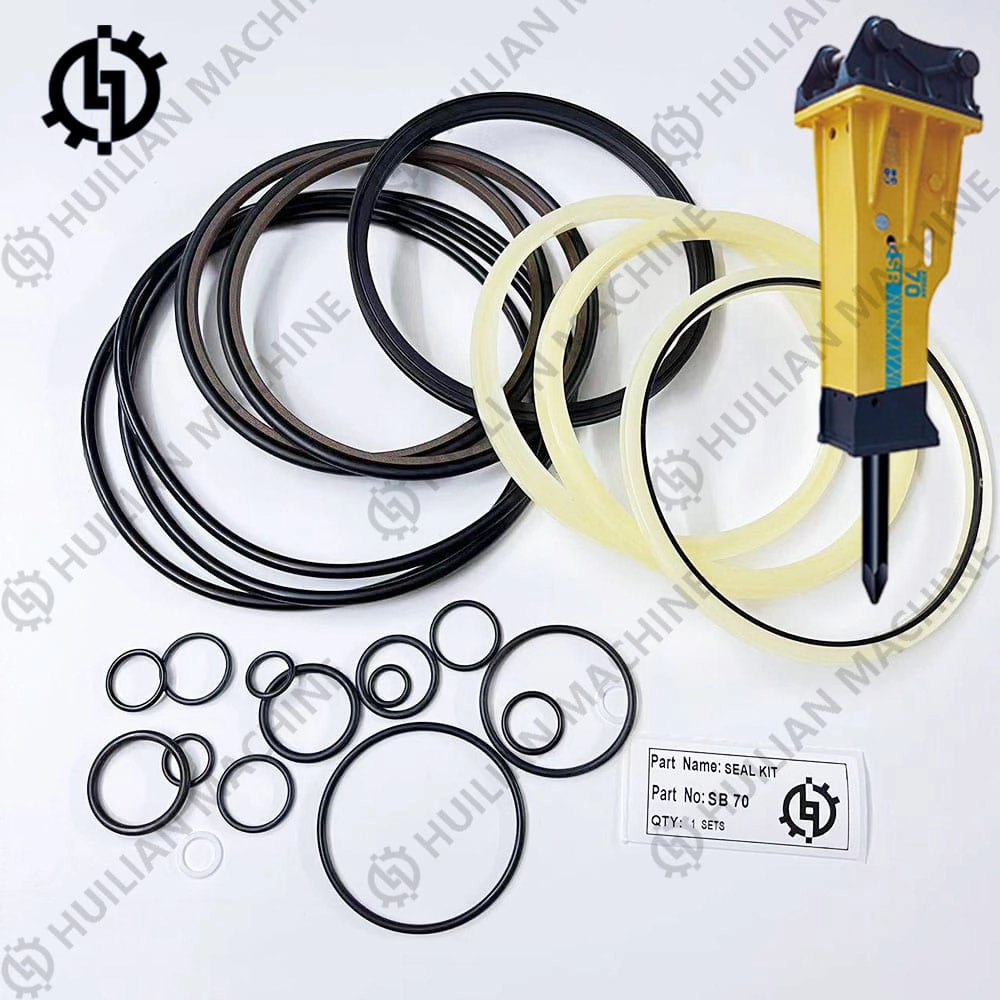
What components are included in an excavator seal kit?
- 1. What are the primary components included in an excavator seal kit?
- 2. How do I identify the correct seal kit for my excavator model?
- 3. What are the common causes of seal kit failures in excavators?
- 4. How can I prevent hydraulic leaks caused by excavator vibration?
- 5. What are the signs that my excavator's seal kit needs replacement?
- 6. How do I choose the best excavator seal kit for my equipment?
1. What are the primary components included in an excavator seal kit?
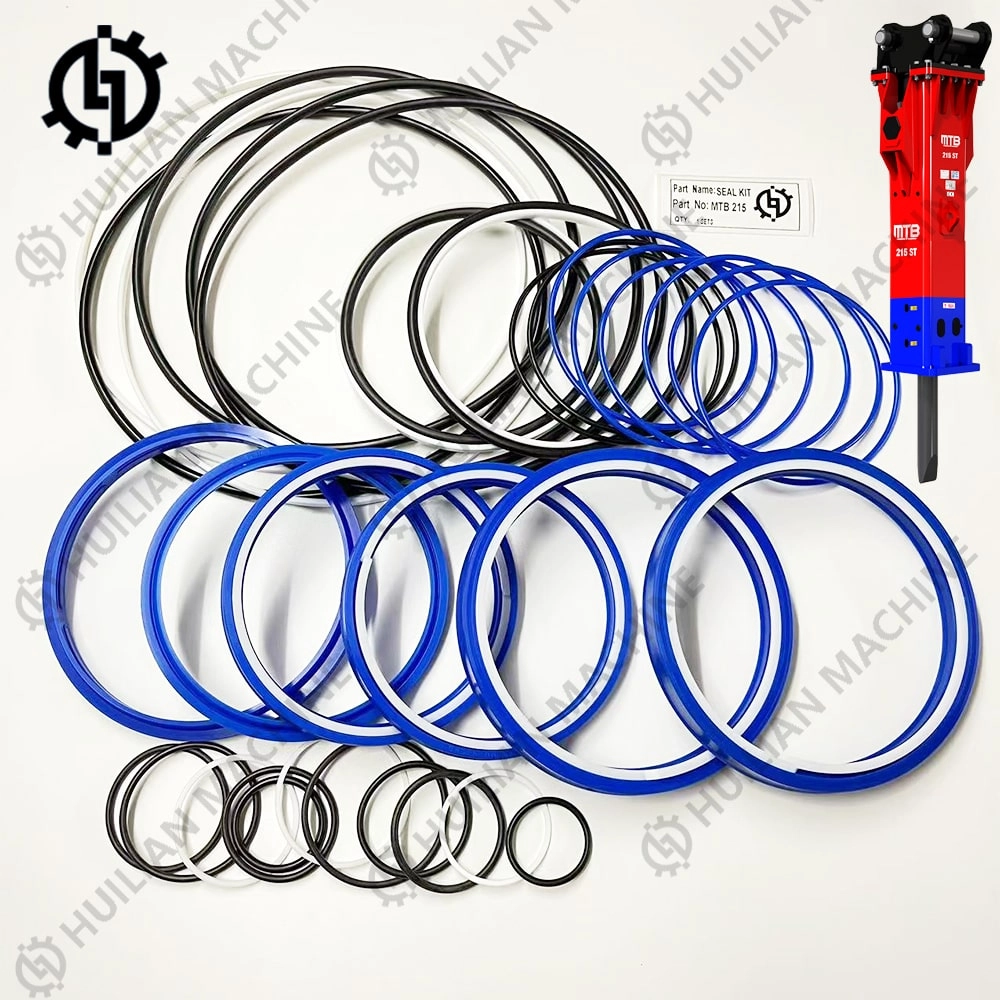
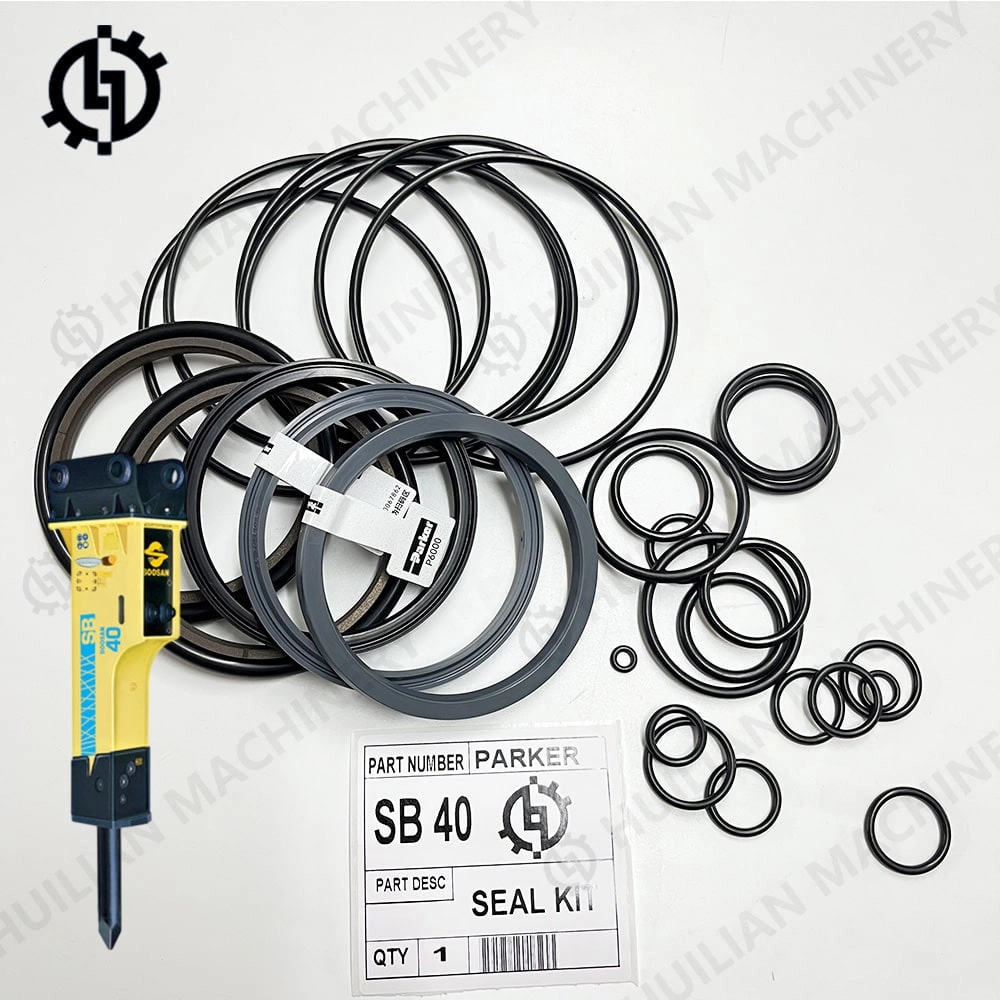
An excavator seal kit is meticulously designed to maintain the integrity of hydraulic systems by preventing fluid leaks and contamination. The essential components typically include:
- Rod Seals: Positioned on the piston rod, these seals prevent hydraulic fluid from leaking along the rod's surface, ensuring efficient operation.
- Piston Seals: Located within the cylinder, piston seals create a barrier between different pressure chambers, maintaining the necessary pressure differentials for optimal performance.
- Dust/Wiper Seals: These seals are the first line of defense against external contaminants such as dirt, dust, and water, protecting internal components from abrasive materials that can cause wear and tear.
- Wear Rings & Guide Rings: Serving as buffers, these components reduce metal-to-metal contact, guiding the piston and rod smoothly within the cylinder and minimizing friction-induced damage.
- O-Rings & Backup Rings: O-Rings provide primary sealing, while backup rings prevent extrusion under high-pressure conditions, enhancing the durability and reliability of the seal.
Each component is crafted from materials like Nitrile Butadiene Rubber (NBR) or Fluorocarbon (FKM), chosen for their resistance to oil, heat, and pressure fluctuations, ensuring longevity and consistent performance under demanding conditions.
2. How do I identify the correct seal kit for my excavator model?
Accurate identification of the appropriate seal kit is crucial for maintaining the efficiency and safety of your excavator. To ensure compatibility, consider the following steps:
- Consult the Excavator's Service Manual: The manual provides detailed specifications, including part numbers and model-specific information, aiding in the selection of the correct seal kit.
- Contact the Manufacturer or Authorized Dealers: They can offer guidance based on your excavator's serial number and model, ensuring you receive the correct seal kit tailored to your equipment.
- Utilize Online Resources and Databases: Reputable suppliers often provide online tools or databases where you can input your excavator's details to find compatible seal kits. For instance, HW Part Store offers a comprehensive selection of seal kits for various excavator models.
Ensuring the correct fit is vital, as using an incompatible seal kit can lead to operational inefficiencies and potential damage to the hydraulic system.
3. What are the common causes of seal kit failures in excavators?
Understanding the root causes of seal kit failures can help in implementing preventive measures to extend the lifespan of your excavator's hydraulic system. Common causes include:
- Improper Installation: Incorrect installation techniques, such as forcing seals into grooves or contaminating them with dirt, can lead to immediate or near-term failure. Professional seal replacement using proper tools prevents 90% of installation-induced failures.
- Excessive Heat Buildup: Continuous operation without sufficient cooling can raise hydraulic fluid temperature, causing seals to harden, crack, or lose elasticity.
- Chemical Attack: Using incompatible hydraulic oils or lubricants can cause seal swelling or softening, leading to failure. Always use hydraulic oils and greases compatible with nitrile or polyurethane seals.
- Pressure Spikes: Hydraulic pressure spikes exceeding seal design limits can deform seals, leading to extrusion and eventual failure.
- Vibration-Induced Loosening: Inadequate tightening of fittings can lead to vibration-induced loosening, compromising the seal's integrity.
Regular maintenance and adherence to manufacturer guidelines can mitigate these issues, ensuring the longevity and reliability of your excavator's hydraulic system.
4. How can I prevent hydraulic leaks caused by excavator vibration?
Hydraulic leaks due to vibration can be minimized by implementing the following practices:
- Proper Installation: Ensure all fittings are tightened to the manufacturer's specifications to achieve the correct preload, preventing loosening due to vibration.
- Use of Quality Components: Employ high-quality seals and fittings that can withstand operational vibrations, reducing the risk of leaks.
- Regular Inspections: Conduct routine checks for signs of wear or loosening in hydraulic connections, addressing issues promptly to maintain system integrity.
By proactively addressing these factors, you can enhance the durability and performance of your excavator's hydraulic system.
5. What are the signs that my excavator's seal kit needs replacement?
Recognizing early indicators of seal kit degradation can prevent more severe issues and costly repairs. Signs include:
- Visible Hydraulic Fluid Leaks: External leaks around cylinders or hoses suggest compromised seals.
- Reduced Performance: Decreased lifting capacity or sluggish operation may indicate internal seal failure.
- Unusual Noises or Vibrations: Grinding or excessive vibrations can result from internal damage due to failed seals.
- Overheating: Elevated operating temperatures can be a consequence of seal failure, leading to system inefficiencies.
Promptly addressing these symptoms can prevent further damage and ensure the continued reliability of your excavator.
6. How do I choose the best excavator seal kit for my equipment?
Selecting the optimal seal kit involves considering several factors to ensure compatibility and performance:
- Material Selection: Choose seals made from materials compatible with your hydraulic fluid and operating conditions. Nitrile Butadiene Rubber (NBR) offers excellent oil resistance, while Fluorocarbon (FKM) provides superior heat and chemical resistance.
- OEM Compatibility: Opt for Original Equipment Manufacturer (OEM) seal kits to ensure precise fit and function, as they are engineered to meet the specific requirements of your excavator model.
- Supplier Reputation: Purchase from reputable suppliers who offer high-quality products and can provide guidance based on your excavator's specifications.
By carefully considering these factors, you can select a seal kit that enhances the performance and longevity of your excavator.
For personalized assistance and to obtain a quote tailored to your excavator's needs, please contact us at service@huilianmachine.com or visit our website at www.huilianmachine.com.


About
What is your shipping and delivery time?
We offer fast and reliable global shipping. Delivery times vary depending on location and order size, but we strive to process and ship orders as quickly as possible.
What types of excavator parts do you offer?
We provide a wide range of high-quality excavator parts, including hydraulic breakers, chisels, seal kits, diaphragms, pistons, wear bushes, retainer bars, through bolts, side bolts, valves, and liners.
Are your parts compatible with all excavator brands?
Yes, our parts are designed to be compatible with major brands like Komatsu, Caterpillar, Hitachi, Hyundai, Doosan, JCB, Kobelco, Sany, and many more.
How can I ensure I’m selecting the right part for my equipment?
Our expert team can assist you in finding the right part based on your machine model, specifications, and requirements. Contact us for personalized support.
Do you offer OEM and aftermarket parts?
Yes, we manufacture high-quality OEM parts and supply aftermarket parts from top brands such as NOK, Parker, SKF, and Hallite to ensure optimal performance.


Getting started is easy 
Contact with our experts to find the best excavator parts solutions for your needs. Discover how Huilian can enhance your equipment's performance and efficiency.


Get in touch
 About us
© 2025 HUILIAN MACHINE. All rights reserved