



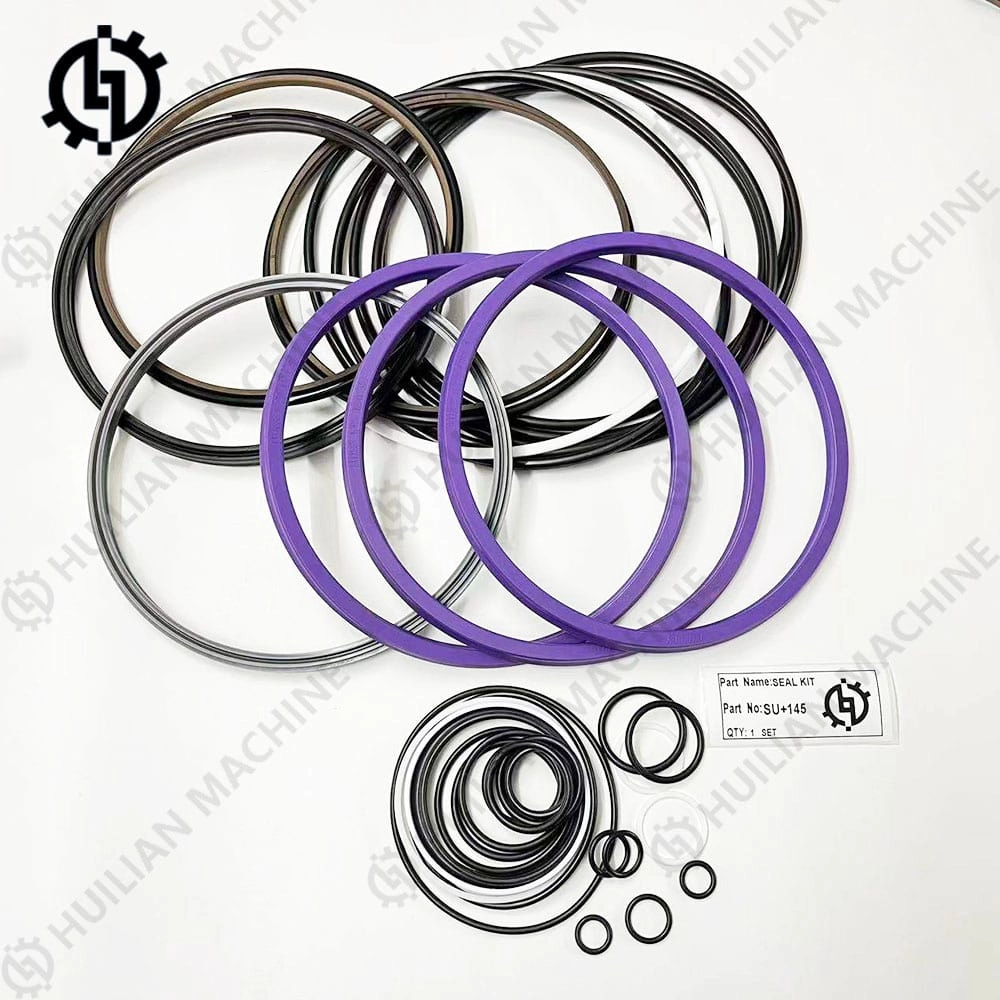
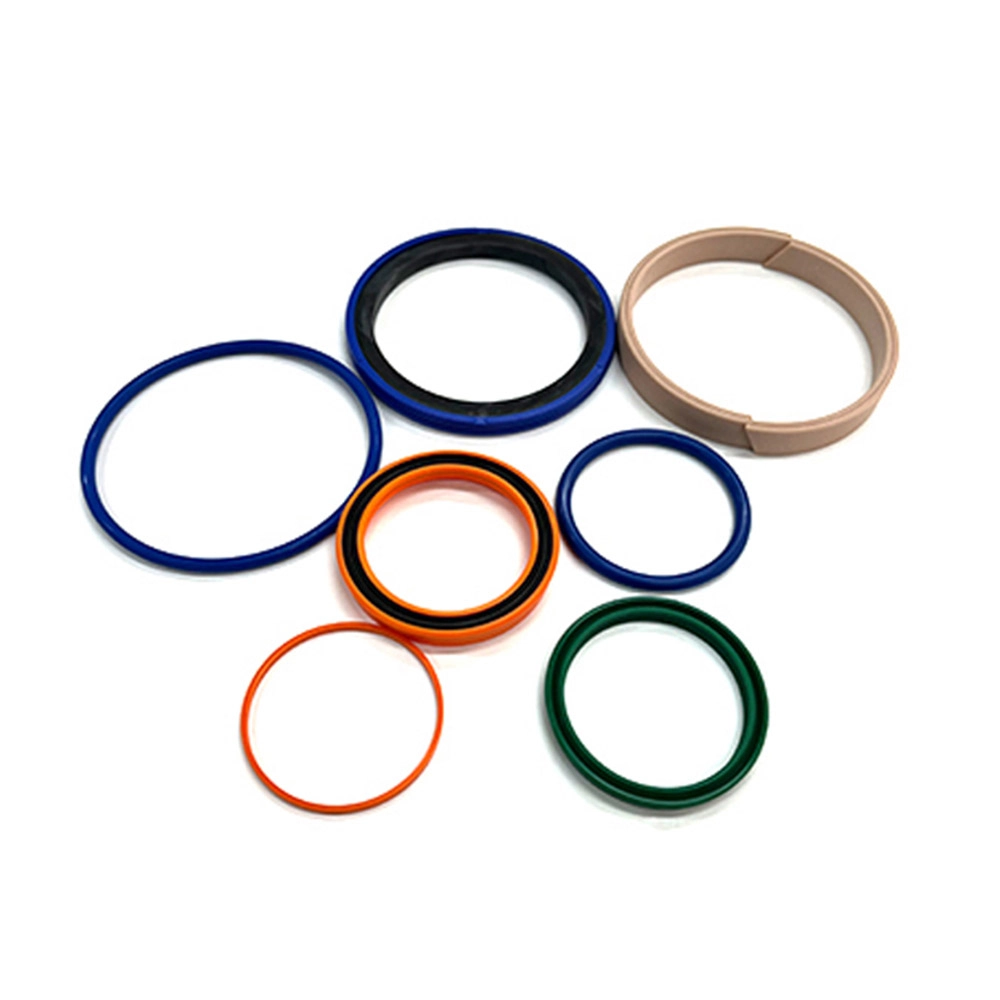
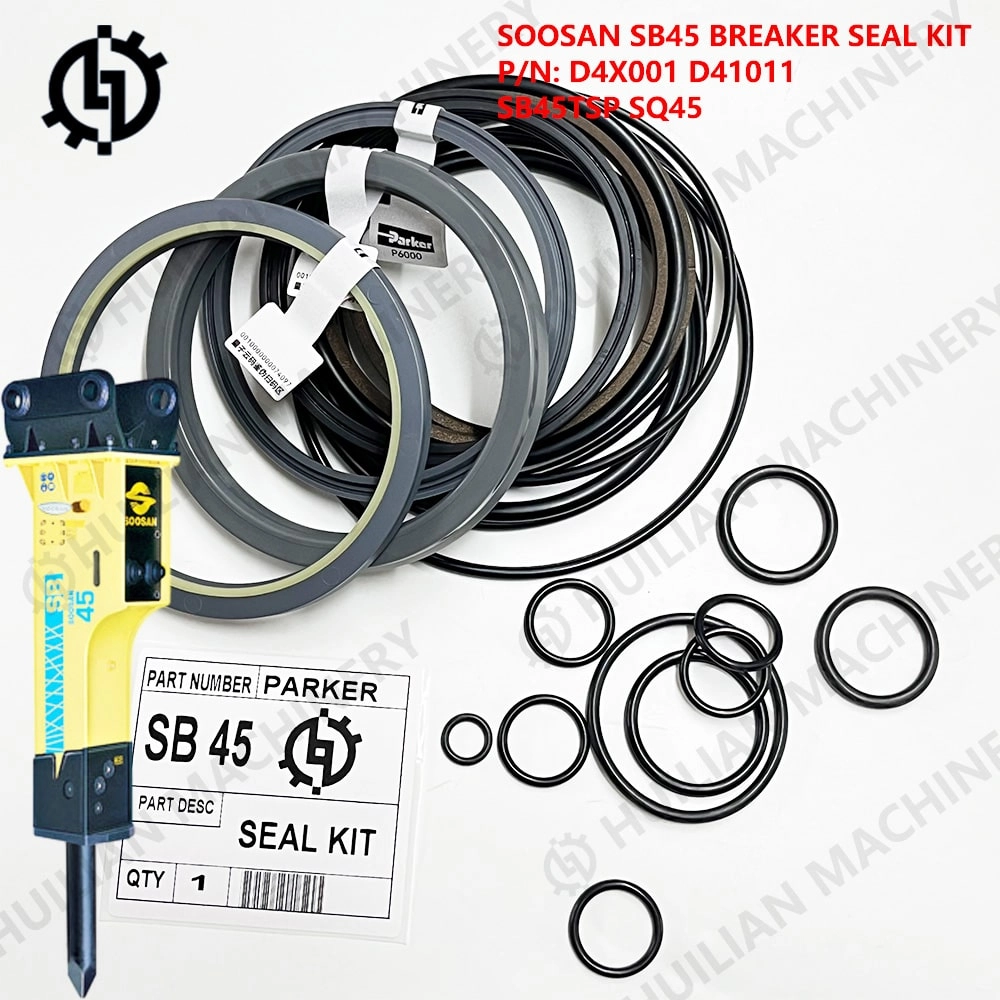
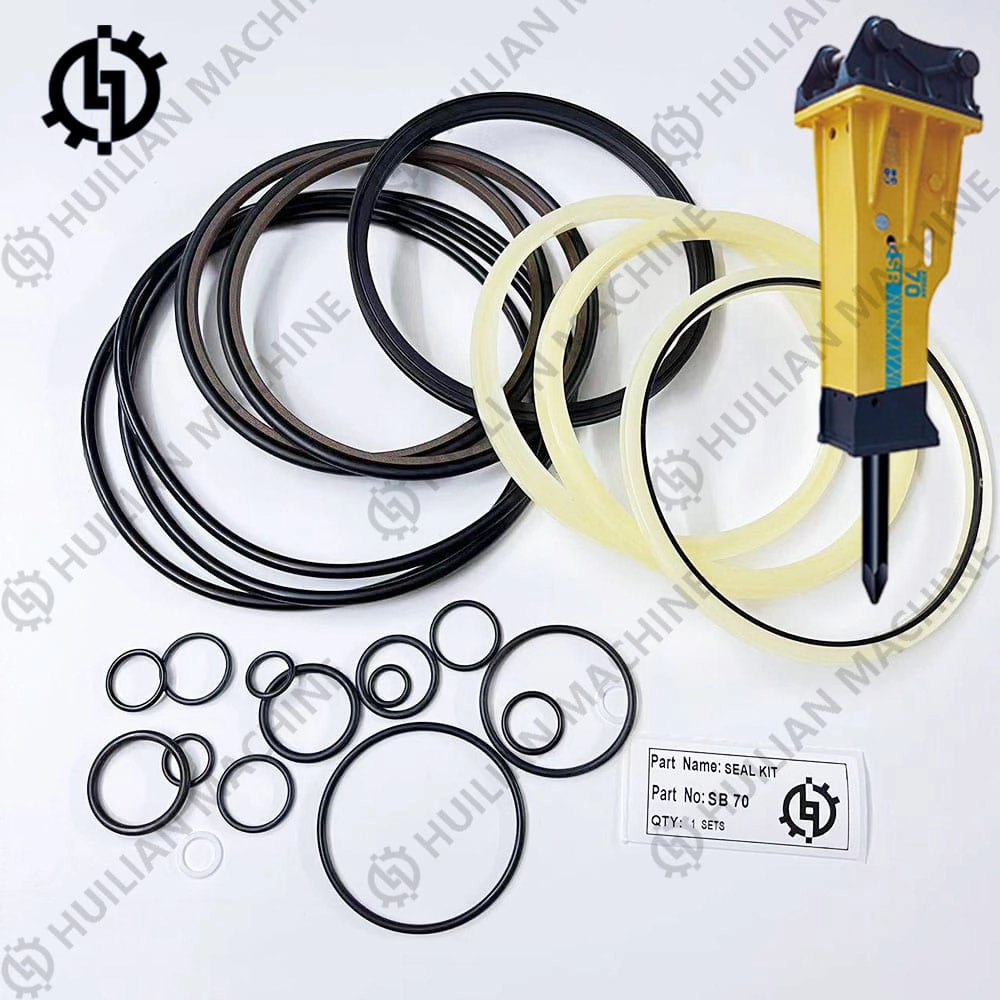
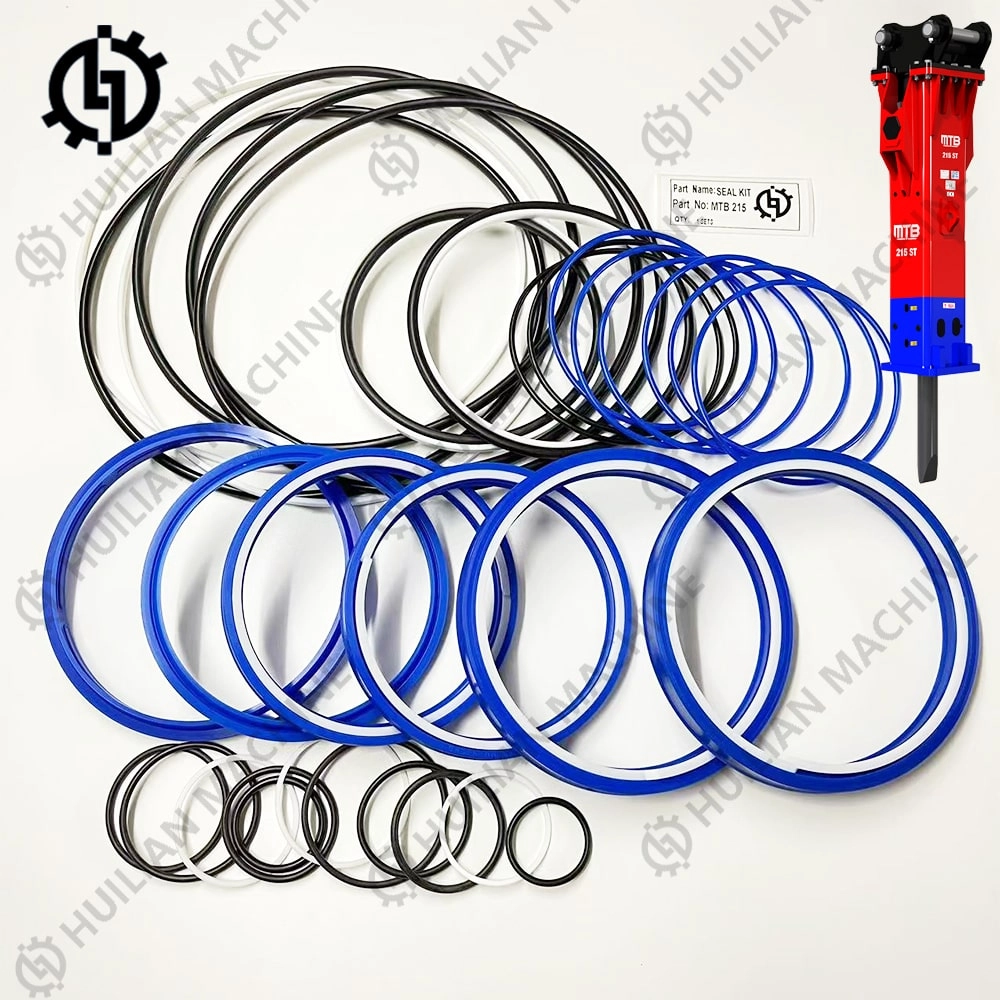
Which hydraulic breaker seal kit materials last longest for heavy use?
- 1. What are the primary materials used in hydraulic breaker seal kits, and how do they affect performance?
- 2. How do operating conditions influence the selection of materials for hydraulic breaker seal kits?
- 3. What are the signs that a hydraulic breaker seal kit needs replacement?
- 4. How can proper maintenance extend the lifespan of hydraulic breaker seal kits?
- 5. What are the potential consequences of using low-quality or incorrect seal materials in hydraulic breakers?
- 6. How can operators ensure they are selecting the appropriate seal kit for their specific hydraulic breaker model?
1. What are the primary materials used in hydraulic breaker seal kits, and how do they affect performance?
Hydraulic breaker seal kits are integral to the efficient operation of breakers, preventing oil leaks and protecting internal components from contaminants. The choice of materials significantly influences the seal's durability and performance:
Nitrile Rubber (NBR): Known for its excellent resistance to petroleum-based fluids and hydraulic oils, NBR seals operate effectively in temperatures ranging from -30°C to 125°C. They are widely used due to their cost-effectiveness and reliability.
Fluoroelastomer (FKM): Also known as Viton, FKM seals can withstand high temperatures up to 250°C and offer outstanding resistance to chemicals and ozone. This makes them ideal for heavy-duty applications where the breaker hammers generate significant heat.
Silicone Rubber (VMQ): Silicone seals maintain their properties over a wide temperature range from -60°C to 225°C. They are known for their flexibility and good sealing performance, especially in applications requiring tight seals.
Ethylene Propylene Rubber (EPDM): EPDM seals are excellent for applications involving water, air, and ozone, operating effectively in temperatures from -50°C to 150°C.
Perfluoroelastomer (FFKM): FFKM seals can operate in temperatures ranging from -42°C to 327°C, offering long-term, proven performance. They are suitable for applications requiring less frequent seal changes and repairs.
Neoprene Rubber (CR): Neoprene seals are used in oil and water resistance situations, operating effectively in temperatures from -30°C to 125°C.
2. How do operating conditions influence the selection of materials for hydraulic breaker seal kits?
Operating conditions play a crucial role in selecting the appropriate material for hydraulic breaker seal kits:
Temperature Extremes: High temperatures can cause seals to harden, crack, or lose elasticity, while low temperatures can make them brittle. Selecting materials with suitable temperature resistance ensures seal longevity.
Chemical Exposure: Exposure to aggressive chemicals can degrade seals. Materials like FKM offer superior chemical resistance, making them suitable for harsh environments.
Pressure Variations: High-pressure operations require seals that can maintain integrity under stress. Materials like FFKM are designed to withstand extreme pressures.
Contaminant Presence: Dust, water, and abrasive particles can damage seals. Materials like EPDM offer excellent resistance to ozone and water vapor, providing additional protection.
3. What are the signs that a hydraulic breaker seal kit needs replacement?
Recognizing early signs of seal failure can prevent further damage and downtime:
Hydraulic Oil Leaks: Visible leaks on the breaker body indicate compromised seals.
Reduced Breaking Power: A decrease in impact force may result from hydraulic pressure loss due to seal failure.
Abnormal Noise or Vibration: Unusual sounds or vibrations during operation can signal internal issues caused by damaged seals.
Overheating: Excessive heat buildup can be a consequence of seal failure, leading to further equipment damage.
4. How can proper maintenance extend the lifespan of hydraulic breaker seal kits?
Implementing regular maintenance practices can significantly enhance seal longevity:
Routine Inspections: Conduct daily visual checks to identify signs of wear or damage early.
Correct Lubrication: Use high-quality, temperature-resistant grease and apply it at recommended intervals to reduce friction and wear.
Monitor Hydraulic Oil Quality: Regularly check oil levels and quality, replacing it as needed to prevent contamination and maintain optimal performance.
Avoid Dry Firing: Always operate the breaker against material to prevent damage to seals and other components.
5. What are the potential consequences of using low-quality or incorrect seal materials in hydraulic breakers?
Utilizing subpar or unsuitable seal materials can lead to several issues:
Premature Seal Failure: Inadequate materials may not withstand operational stresses, leading to early breakdowns.
Increased Downtime: Frequent seal replacements disrupt operations, causing productivity losses.
Higher Maintenance Costs: The need for regular repairs and replacements escalates overall maintenance expenses.
Potential Equipment Damage: Seal failures can lead to hydraulic fluid leaks, contaminating other components and causing extensive damage.
6. How can operators ensure they are selecting the appropriate seal kit for their specific hydraulic breaker model?
To select the correct seal kit:
Consult Manufacturer Specifications: Refer to the equipment's manual or contact the manufacturer for recommended seal kits compatible with your breaker model.
Verify Material Compatibility: Ensure the seal material aligns with your operating conditions, including temperature, pressure, and exposure to chemicals.
Consider OEM Parts: Opt for Original Equipment Manufacturer (OEM) seal kits to guarantee quality and compatibility.
Seek Expert Advice: If uncertain, consult with a hydraulic equipment specialist or supplier to assist in selecting the appropriate seal kit.
In conclusion, selecting the right hydraulic breaker seal kit is crucial for maintaining equipment performance and longevity. By understanding the materials, operating conditions, maintenance practices, and potential consequences of improper selection, operators can make informed decisions to ensure optimal operation. For personalized assistance and to obtain a quote, please contact us at service@huilianmachine.com or visit our website at www.huilianmachine.com.


About
Are your parts compatible with all excavator brands?
Yes, our parts are designed to be compatible with major brands like Komatsu, Caterpillar, Hitachi, Hyundai, Doosan, JCB, Kobelco, Sany, and many more.
How can I ensure I’m selecting the right part for my equipment?
Our expert team can assist you in finding the right part based on your machine model, specifications, and requirements. Contact us for personalized support.
What is your shipping and delivery time?
We offer fast and reliable global shipping. Delivery times vary depending on location and order size, but we strive to process and ship orders as quickly as possible.
What types of excavator parts do you offer?
We provide a wide range of high-quality excavator parts, including hydraulic breakers, chisels, seal kits, diaphragms, pistons, wear bushes, retainer bars, through bolts, side bolts, valves, and liners.
Do you offer OEM and aftermarket parts?
Yes, we manufacture high-quality OEM parts and supply aftermarket parts from top brands such as NOK, Parker, SKF, and Hallite to ensure optimal performance.



Getting started is easy 
Contact with our experts to find the best excavator parts solutions for your needs. Discover how Huilian can enhance your equipment's performance and efficiency.


Get in touch
 About us
© 2025 HUILIAN MACHINE. All rights reserved