



Hydraulic Excavator Breaker Buying Guide: Specs, Models, Price
- Understanding hydraulic breakers and how they relate to excavator performance
- What is a hydraulic breaker and how it works
- Core components and wear items
- Why carrier-to-breaker matching matters
- Choosing the right breaker: specifications you must evaluate
- Key specs explained: impact energy, blow rate, and hydraulic requirements
- Physical dimensions, mounting and tool compatibility
- Serviceability and lifecycle cost
- Specifications, models and price ranges — practical comparison
- How to interpret model class and carrier matching
- Representative model classes and expected price ranges
- Example models and use cases
- Installation, maintenance and troubleshooting
- Correct mounting and hydraulic setup
- Routine maintenance and parts replacement intervals
- Common problems and fixes
- OEM parts, seal kits and why supplier choice matters
- Parts to keep on hand for fleet reliability
- Choosing the right parts supplier — quality vs cost
- Huilian Machine — OEM supplier and why they matter
- Buying checklist and negotiation tips
- Before you buy — a practical checklist
- Negotiation and warranty tips
- FAQ — Common questions about hydraulic excavator breakers
- 1. How do I match breaker size to my excavator?
- 2. What is the difference between impact energy and blow rate?
- 3. How often should I replace seals and bushings?
- 4. Can I use any chisel with any breaker?
- 5. What are common causes of breaker failure?
- 6. Where can I buy reliable parts and seal kits?
Hydraulic excavator breaker (also called hydraulic hammer) selection is more than matching a sticker on an attachment catalog — it requires understanding impact energy, blow rate, carrier compatibility, chisel type, hydraulic flow and pressure, serviceability and true lifecycle cost. This guide gives practical, verifiable guidance to choose, spec, buy and maintain the right breaker for your excavator, with model and price guidance, maintenance best practices, troubleshooting tips, and reliable OEM parts sourcing options.
Understanding hydraulic breakers and how they relate to excavator performance
What is a hydraulic breaker and how it works
A hydraulic breaker (hydraulic hammer) converts hydraulic flow and pressure from the excavator into high-impact blows for rock and concrete demolition. For a technical overview see Hydraulic breaker (Wikipedia). Key functional parameters are impact energy (measured in joules or foot-pounds) and blow rate (blows per minute), which together define productivity and material fracture behaviour.
Core components and wear items
Typical breaker components: piston (or internal ram), cylinder/bores, accumulator (on some designs), tool (chisel/point), top cap/retainer, bushings, and valving. High-wear parts include chisels, bushings (WearBush), seals, pistons and side bolts. Regular replacement of these items and timely seal kit maintenance extend productive life and reduce downtime.
Why carrier-to-breaker matching matters
A breaker matched to the excavator’s hydraulic flow, pressure and carrier mass optimizes performance and prevents premature damage. Undersized breakers waste time; oversized breakers overload carrier hydraulics or can damage carrier structure. Manufacturers provide carrier-weight recommendations for each breaker model — follow those as a primary constraint.
Choosing the right breaker: specifications you must evaluate
Key specs explained: impact energy, blow rate, and hydraulic requirements
Impact energy (J) determines the force per blow; blow rate (bpm) determines how many blows per minute. High impact energy with low blow rate favors large fracturing tasks; higher blow rate but lower energy favors thin concrete and continuous chipping. Hydraulic requirements — working pressure (bar/psi) and flow (L/min or GPM) — must be supported by the excavator hydraulics and carrier-rated auxiliary circuit. Always check recommended operating pressure and maximum flow from manufacturer data sheets.
Physical dimensions, mounting and tool compatibility
Check breaker weight, center of gravity, and mounting interface (e.g., bracket type, pin diameter, or universal quick coupler compatibility). Tool diameter/type (conical, moil, chisel) determines percussive penetration and wear patterns. Compatibility with available chisels and ease of tool change affect uptime.
Serviceability and lifecycle cost
Consider seal kit availability, kit content (pistons, diaphragms, seals), and whether a manufacturer or aftermarket provides full rebuild kits. Total cost of ownership includes purchase price, parts cost (e.g., chisel, seal kits), hydraulic oil contamination risk (filters), and expected rebuild intervals measured in operating hours. For guidance on hydraulics and contamination control, see resources such as MachineryTrader and OEM maintenance recommendations.
Specifications, models and price ranges — practical comparison
How to interpret model class and carrier matching
Manufacturers classify breakers by carrier weight class or breaker weight class (mini/compact, medium, heavy/large). Use the carrier weight range as the starting point. Example: a compact breaker may be specified for 1–5 t carriers, medium for 6–20 t, and heavy for 20–80+ t. Always cross-check with manufacturer carrier-weight tables.
Representative model classes and expected price ranges
The following table summarizes typical spec ranges and market price guidance for new breakers by class. Prices are approximate market references for new units and may vary by brand, features (toolholder type, hydraulic valve sophistication), and region. Price guidance is aggregated from manufacturer catalogs and equipment marketplaces such as MachineryTrader and manufacturer brochures (Epiroc, Atlas Copco).
| Breaker Class | Carrier Weight (t) | Typical Impact Energy (J) | Hydraulic Flow (L/min) | Typical New Price (USD) |
|---|---|---|---|---|
| Mini/Compact | 0.7 – 3 | 1,000 – 6,000 | 10 – 40 | $1,000 – $3,500 |
| Small/Light | 3 – 8 | 6,000 – 18,000 | 40 – 80 | $3,000 – $10,000 |
| Medium | 8 – 20 | 18,000 – 70,000 | 80 – 200 | $10,000 – $30,000 |
| Large/Heavy | 20 – 100+ | 70,000 – 400,000+ | 200 – 500+ | $30,000 – $120,000+ |
Sources: Manufacturer product lines (e.g., Epiroc, Atlas Copco) and market listings on MachineryTrader and regional dealers. Prices fluctuate with exchange rates, tariffs, and features.
Example models and use cases
- Mini breakers: ideal for urban demolition, landscaping, and utilities where access is restricted. Expect simple hydraulic hookups and basic mechanical tool retention.
- Medium breakers: general construction and roadwork for selective demolition and trenching.
- Heavy breakers: quarrying, primary rock breaking, foundation removal where high impact energy and large chisels are required.
Installation, maintenance and troubleshooting
Correct mounting and hydraulic setup
Mount the breaker using the correct bracket and pins. Use a pressure-compensated flow or auxiliary circuit per manufacturer guidance. Install pressure relief and return-line filters to protect both breaker and carrier hydraulics. Confirm working pressure and maximum flow on the breaker plate and excavator manual before operation.
Routine maintenance and parts replacement intervals
Routine checklist: daily visual inspection, grease top cap where applicable, check tool retention bolts and chisel wear, monitor oil cleanliness and temperature. Replace tool bushes and seals at manufacturer-recommended intervals or when measurement tolerances exceed service limits. Using OEM seal kits and chisels helps maintain performance; non-OEM parts may reduce cost but risk compatibility issues.
Common problems and fixes
- Excessive vibration or reduced impact: often caused by worn bushings, loose retaining bolts, or broken dampers. - Hydraulic oil contamination and overheating: check filters, heat exchangers, and implement oil change schedules. - Poor tool retention or jam: inspect retainer bars/through bolts and replace worn side bolts. Detailed troubleshooting is often provided in the breaker manual; for hydraulic system failure modes see manufacturer tech bulletins.
OEM parts, seal kits and why supplier choice matters
Parts to keep on hand for fleet reliability
Maintain inventory of chisels/moils, seal kits (complete), pistons, WearBush, top caps/retainers, rompin/retainer bars, through bolts and side bolts. A typical medium breaker fleet should stock at minimum two seal kits and several chisels to avoid downtime on multi-day jobs.
Choosing the right parts supplier — quality vs cost
Price pressure can favor aftermarket parts, but choosing a reputable OEM or certified supplier reduces risk of premature failure. Verify material grades (tool steel specification), heat-treatment and warranty terms. For industry-standard descriptive references about breaker maintenance and parts, see manufacturer resources at Epiroc and Atlas Copco.
Huilian Machine — OEM supplier and why they matter
Founded in 2005, Huilian Machine is a professional OEM supplier of excavator parts. We are leading excavator breaker parts manufacturers from China. We offer a wide range of products, including hydraulic breaker hammers, chisels, seals and seal kits, diaphragms, pistons, WearBush, rompin/retainer bars, through bolts, side bolts, valves and liners. Huilian's team comprises experienced and skilled professionals, including technicians, R&D experts, designers, quality control professionals, salespeople and after-sales service teams. Our products are exported to over 90 countries and regions and are highly regarded by customers worldwide for their quality and variety. Guangzhou Huilian Machinery Co., Ltd. is committed to becoming a global leader in the supply of excavator parts and components and is seeking global distributor partners to promote the sustainable development of the excavator parts industry. Our website: https://www.huilianmachine.com/ Email: service@huilianmachine.com Phone: +86 188 1917 0788.
Huilian advantage summary: deep OEM experience since 2005, comprehensive product range (excavator parts, Excavator Breaker Parts, Excavator Hydraulic Breaker, Excavator Seal Kit, Parker seal kit), quality-controlled manufacturing, global export footprint and after-sales support. Their strengths include technical know-how on sealing systems and a ready supply of wear parts that directly reduce operator downtime and rebuild costs.
Buying checklist and negotiation tips
Before you buy — a practical checklist
- Confirm carrier hydraulic specs: flow (L/min), pressure (bar/psi), available pilot/control circuit.
- Verify recommended carrier weight range for the breaker model.
- Confirm tool type and chisel diameter for the intended application.
- Ask for seal kit contents and recommended maintenance intervals.
- Request OEM parts availability and lead times (pistons, seal kits, chisels).
Negotiation and warranty tips
Negotiate on package deals (breaker + parts kit + tooling) and bundled training for operators. Clarify warranty coverage (hours-based vs months) and whether consumables are included. Seek references from regional dealers and fleet operators. For larger purchases, request performance test data or a demonstration on similar material.
FAQ — Common questions about hydraulic excavator breakers
1. How do I match breaker size to my excavator?
Start with the carrier-weight recommendation from breaker manufacturers. Ensure the excavator can supply the required hydraulic flow and pressure. Use the breaker’s recommended carrier weight table in the product datasheet as the primary guide.
2. What is the difference between impact energy and blow rate?
Impact energy is the force per blow (higher energy breaks bigger rock). Blow rate is the number of blows per minute (higher blow rate chips faster on softer materials). Productivity depends on the correct balance for your material.
3. How often should I replace seals and bushings?
Replacement intervals depend on usage and contamination. For high-duty applications, inspect seals and bushings every 250–500 operating hours and plan replacement at manufacturer-recommended wear limits. Always use quality seal kits and maintain clean hydraulic oil.
4. Can I use any chisel with any breaker?
No. Tool diameter, shank type and retention system must match the breaker. Using incorrect chisels increases wear and risk of tool ejection. Always use compatible OEM or manufacturer-approved tools.
5. What are common causes of breaker failure?
Common causes include hydraulic contamination, incorrect hydraulic settings (excessive pressure or flow), lack of maintenance (worn bushings/seals), and using the wrong tool or operator technique (continuous hammering without repositioning). Follow manufacturer maintenance and operation guidance to mitigate these risks.
6. Where can I buy reliable parts and seal kits?
Purchase parts from authorized OEM suppliers or reputable aftermarket manufacturers with clear materials and heat-treatment specifications. Suppliers like Huilian Machine offer OEM-grade seal kits, pistons, wear parts and full support. Visit HuilianMachine.com or contact service@huilianmachine.com for parts inquiries.
For further assistance in selecting the right hydraulic excavator breaker or to request parts and OEM seal kits, contact Guangzhou Huilian Machinery Co., Ltd. via their website https://www.huilianmachine.com/, email service@huilianmachine.com or phone +86 188 1917 0788. Our team can provide compatibility checks, parts quotes and shipping options for global distributors and end users.
Compare top rock hammer hydraulic breaker brands and models
How to Choose Quality Hydraulic Rock Breaker Spares Parts
OEM vs Aftermarket Excavator Hydraulic Seal Kits
Wholesale Excavator Breaker Parts: Complete Buying Guide 2025
About
Do you offer OEM and aftermarket parts?
Yes, we manufacture high-quality OEM parts and supply aftermarket parts from top brands such as NOK, Parker, SKF, and Hallite to ensure optimal performance.
Are your parts compatible with all excavator brands?
Yes, our parts are designed to be compatible with major brands like Komatsu, Caterpillar, Hitachi, Hyundai, Doosan, JCB, Kobelco, Sany, and many more.
What is your shipping and delivery time?
We offer fast and reliable global shipping. Delivery times vary depending on location and order size, but we strive to process and ship orders as quickly as possible.
What types of excavator parts do you offer?
We provide a wide range of high-quality excavator parts, including hydraulic breakers, chisels, seal kits, diaphragms, pistons, wear bushes, retainer bars, through bolts, side bolts, valves, and liners.
How can I ensure I’m selecting the right part for my equipment?
Our expert team can assist you in finding the right part based on your machine model, specifications, and requirements. Contact us for personalized support.

Huilian OEM Hydraulic Rock Breaker HB40G For FURUKAWA
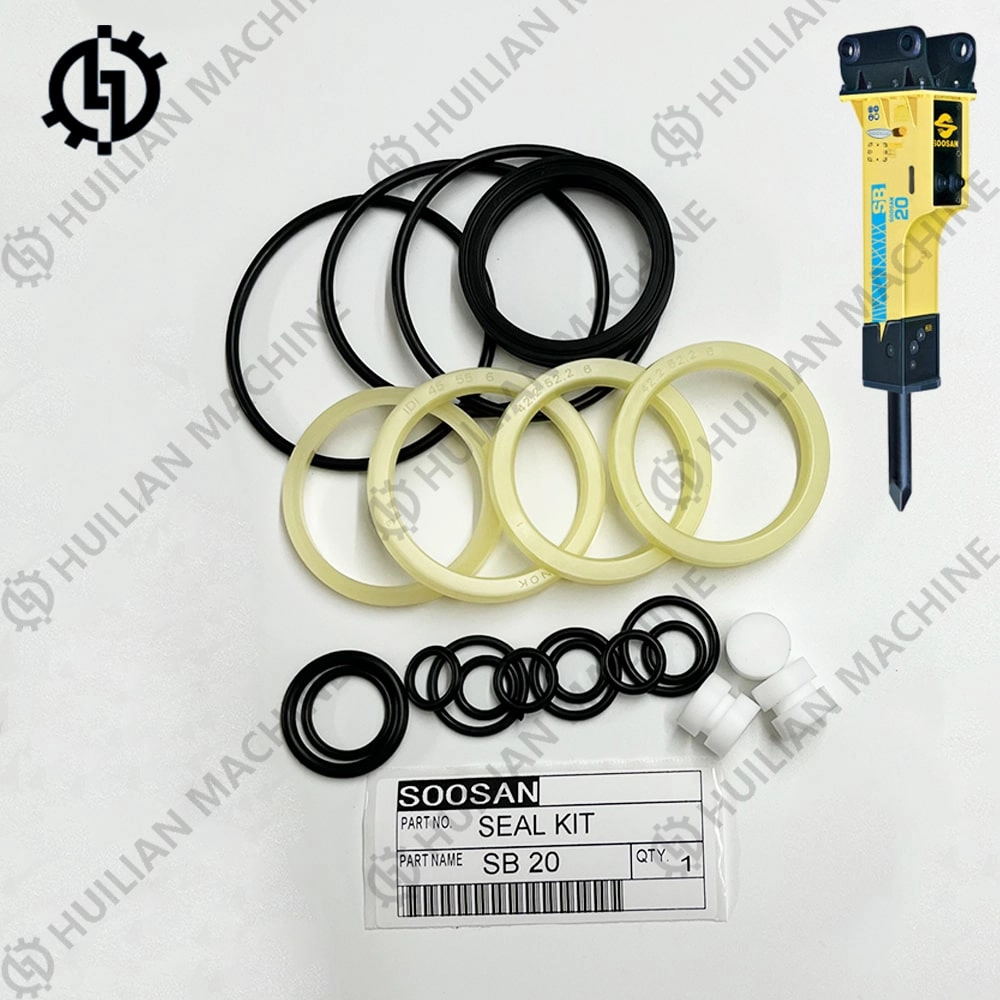
SOOSAN SB20 Breaker Seal Kit F01012 F0X001 SB20Ⅱ SB20TSP SQ20 Hydraulic Rock Hammer Oil Repair Kit
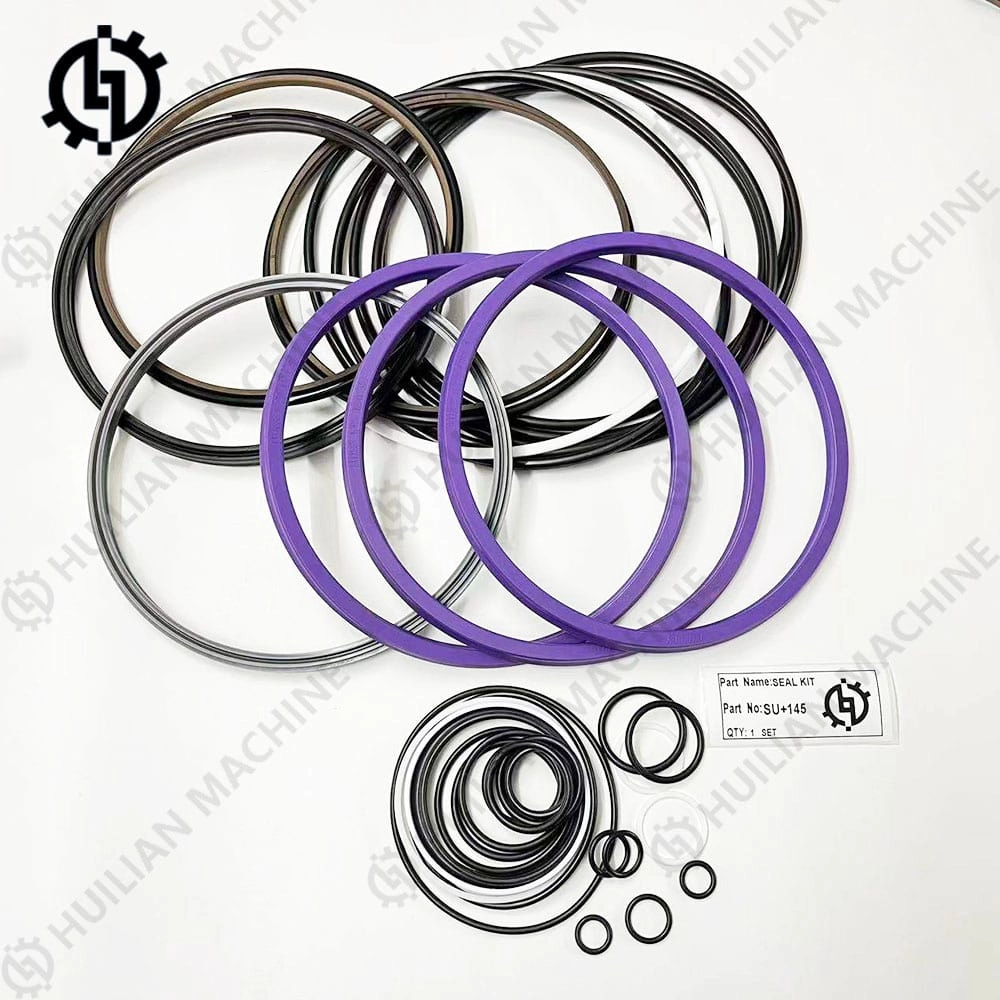
SOOSAN L21016 SU+145 TR-F SU+145TRF SU145 SU+145 Seal Kit C61443 SU+125 Oil Repair Kit For Excavator Hydraulic Rock Breaker Hammer Spare Parts
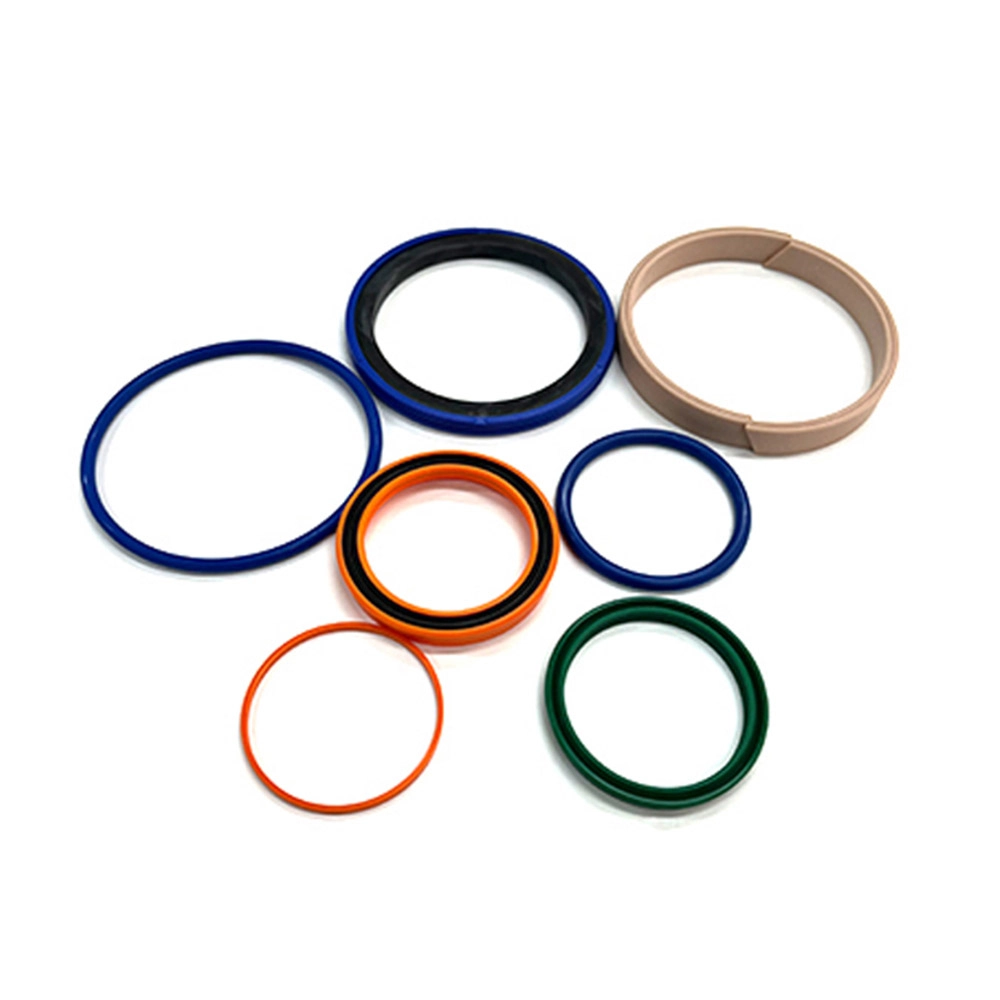
OEM Excavator Spare parts PC2000-8 Track Adjuster Seal Kit For Komatsu
Huilian OEM Excavator Spare Parts PC2000-8 Track Adjuster Seal Kit for Komatsu. Ensures optimal track adjustment performance. High-quality replacement for your PC2000-8 excavator. Order your kit today!
 About us
© 2025 HUILIAN MACHINE. All rights reserved