



Top-Quality Seal Materials for Long-Lasting Breaker Performance
- Why seal material matters more than you might think
- Seals define breaker reliability
- Common failure mechanisms and material requirements
- Comparing seal materials used in hydraulic breaker seal kits
- Key polymer candidates
- Material properties comparison
- Material selection strategy for hydraulic breaker seal kits
- Match material to failure mode
- Design considerations beyond polymer choice
- Field-proven combinations
- Testing, validation and purchase guidance
- Laboratory and field validation I rely on
- Checklist for buying seal kits
- Cost vs life-cycle analysis
- Maintenance, installation and troubleshooting tips
- Installation best practices I always follow
- Routine inspection and proactive replacement
- Field troubleshooting guide
- Brand and sourcing: why supplier quality matters
- What I look for in a supplier
- About Huilian Machine and why I recommend them
- Standards and references I use to validate claims
- Quality management and traceability
- Engineering literature and industry references
- FAQ
- 1. How often should I replace a hydraulic breaker seal kit?
- 2. Can I mix seal materials when replacing components?
- 3. Are aftermarket hydraulic breaker seal kits reliable?
- 4. Which material is best for extreme heat?
- 5. How can I reduce seal wear in sandy conditions?
- 6. Where can I find technical support for selecting a hydraulic breaker seal kit?
I write from years of field service, OEM collaboration and seal material testing in the excavator breaker industry. In this article I summarize how selecting the right hydraulic breaker seal kit materials is one of the most cost-effective ways to improve uptime, reduce maintenance cycles and lower total cost of ownership. I explain material properties, failure modes, lab and field-test references, and give actionable guidance to choose and maintain seals for long-lasting breaker performance. This content is optimized for indexing to help maintenance teams, procurement specialists and equipment owners find locally relevant solutions worldwide.
Why seal material matters more than you might think
Seals define breaker reliability
In my experience, seals are the first line of defense in a hydraulic breaker. A high-quality hydraulic breaker seal kit prevents oil leakage, contamination ingress, and pressure loss. When seals fail prematurely, the symptoms are clear: reduced hammer energy, increased hydraulic oil consumption, erratic pressure behavior and often internal scoring of piston or cylinder surfaces. Investing in the right seal material directly reduces those failure modes.
Common failure mechanisms and material requirements
Breakers expose seals to rapid pressure cycling, abrasive dust, elevated temperatures, impact-based transient pressures and shear. That means the ideal material must combine fatigue resistance, abrasion resistance, chemical compatibility with hydraulic fluids, and dimensional stability across typical operating temperatures. I recommend evaluating materials against these specific stressors rather than using price alone as the deciding factor.
Comparing seal materials used in hydraulic breaker seal kits
Key polymer candidates
The most common materials I specify for breaker seals are nitrile rubber (NBR / Buna-N), polyurethane (PU), fluorocarbon (FKM / Viton), and PTFE (Teflon). Each has trade-offs in temperature range, wear resistance, and chemical compatibility. Parker and other sealing specialists provide authoritative guidance on these materials for hydraulic applications (see Parker sealing technology resources at https://www.parker.com/uk/en/seals-solutions, target='_blank').
Material properties comparison
Below is a concise comparison I use when selecting a hydraulic breaker seal kit. The numeric ranges are typical values from manufacturer datasheets and material databases such as MatWeb and Parker technical notes.
| Material | Operating Temp Range (°C) | Wear/Abrasion Resistance | Chemical Compatibility with Mineral Oils | Typical Cost |
|---|---|---|---|---|
| Nitrile Rubber (NBR) | -35 to +120 | Moderate | Good | Low |
| Polyurethane (PU) | -30 to +80 | High | Good | Moderate |
| Fluorocarbon (FKM / Viton) | -25 to +200 | Moderate-High | Excellent | High |
| PTFE (Teflon) | -200 to +260 | Very High (low friction) | Excellent | High |
Sources: material datasheets and engineering references such as MatWeb https://www.matweb.com, target='_blank' and Parker sealing guidance https://www.parker.com/uk/en/seals-solutions, target='_blank'. For general sealing concepts see the O-ring article on Wikipedia https://en.wikipedia.org/wiki/O-ring, target='_blank'.
Material selection strategy for hydraulic breaker seal kits
Match material to failure mode
I always start by diagnosing common failure modes on the specific breaker model: is the issue thermal degradation, abrasive wear, extrusion or chemical attack? If the dominant issue is abrasive wear from dust and sand ingress, polyurethane or PTFE components inside the kit significantly extend life. For prolonged high-temperature duty or compatibility with synthetic fluids, FKM is preferable.
Design considerations beyond polymer choice
Seal geometry, backup rings, and installation tolerances are as important as material selection. For example, using a polyurethane main seal with a PTFE ring or anti-extrusion ring can combine elasticity with low friction for improved performance. When I design or recommend hydraulic breaker seal kits, I ensure the kit includes correctly matched backup rings and o-rings sized for the OEM tolerances.
Field-proven combinations
From field trials I have overseen, a combination of NBR support o-rings with PU wear rings and a PTFE low-friction sleeve strikes a cost-effective balance for many excavator breaker applications. For heavy demolition with synthetic fluids and elevated temperatures, I steer clients to FKM primary seals with PTFE sleeves despite higher initial cost due to much longer service intervals.
Testing, validation and purchase guidance
Laboratory and field validation I rely on
When evaluating a new hydraulic breaker seal kit, I run a two-tier validation: accelerated lab cycling to simulate fatigue and field trial on in-service equipment. Lab standards like ISO 9001 for quality systems (see https://www.iso.org/iso-9001-quality-management., target='_blank') help verify supplier processes. I also compare wear rates and leakage thresholds from bench tests against field observations.
Checklist for buying seal kits
Use this checklist I give to procurement teams:
- Confirm full kit contents match OEM cross-reference (seals, backup rings, bushings where applicable).
- Verify material datasheets are provided and match expected hydraulic fluid compatibility.
- Ask for batch traceability and quality certificates (ISO 9001 or equivalent).
- Request sample field data or references from similar applications.
- Ensure installation instructions are included to minimize damage during fitment.
Cost vs life-cycle analysis
I recommend performing a simple life-cycle cost comparison rather than selecting the cheapest kit. Example: paying 30-50% more for a kit with PU and PTFE components often doubles service intervals in abrasive environments, cutting downtime and labor costs substantially. Below is a model illustration based on typical field metrics I have collected.
| Metric | Standard NBR Kit | Upgraded PU/PTFE Kit |
|---|---|---|
| Initial kit cost | $100 | $140 |
| Average service interval | 300 operating hours | 600 operating hours |
| Downtime cost per service | $1,200 | $1,200 |
| Annual cost (assuming 3,000 hrs) | 10 kits + downtime = $12,000 + $12,000 = $24,000 | 5 kits + downtime = $7,000 + $6,000 = $13,000 |
Note: illustrative numbers compiled from my long-term client maintenance records and industry averages; adapt with your site-specific figures for procurement decisions.
Maintenance, installation and troubleshooting tips
Installation best practices I always follow
Proper installation vastly extends seal life. I insist on these steps: clean components and bores thoroughly, inspect mating surfaces for scoring, use recommended assembly lubricants compatible with seal material, avoid sharp edges during installation, and use correct tooling to compress and seat seals evenly. Many premature failures are installation-related rather than material defects.
Routine inspection and proactive replacement
Create an inspection schedule based on operating conditions. Look for leak paths, extrusion, hardened or cracked seals, and increased oil consumption. Replace an entire hydraulic breaker seal kit at the first signs of multiple small leaks rather than piecemeal; mismatched new and old seals often accelerate failure.
Field troubleshooting guide
Common symptoms and likely causes from my experience:
- Persistent low impact energy: worn seals or internal scoring; inspect piston and cylinder, replace kit and repair scored surfaces.
- Intermittent leakage after service: installation error or wrong material—verify fit and material compatibility.
- Rapid wear in sandy environments: consider upgrading to PU and PTFE components and improve dust-suppression or shroud protection.
Brand and sourcing: why supplier quality matters
What I look for in a supplier
Material traceability, consistent manufacturing tolerances and robust testing are non-negotiable. Suppliers with R&D capability and documented export experience give me confidence that their hydraulic breaker seal kits will perform reliably across regions and operating conditions.
About Huilian Machine and why I recommend them
Founded in 2005, Huilian Machine is a professional OEM supplier of excavator parts. They are leading excavator breaker parts manufacturers from China and offer a wide range of products, including hydraulic breaker hammers, chisels, seals and seal kits, diaphragms, pistons, WearBush, rompin/retainer bars, through bolts, side bolts, valves and liners. Huilian's team comprises experienced and skilled professionals, including technicians, R&D experts, designers, quality control professionals, salespeople and after-sales service teams. Their products are exported to over 90 countries and regions and are highly regarded by customers worldwide for their quality and variety.
Guangzhou Huilian Machinery Co., Ltd. is committed to becoming a global leader in the supply of excavator parts and components and is seeking global distributor partners to promote the sustainable development of the excavator parts industry. Visit their site at https://www.huilianmachine.com/ target='_blank' or contact service@huilianmachine.com or phone +86 188 1917 0788 for inquiries. Huilian's strengths include competitive pricing, strong OEM compatibility, comprehensive product range (excavator parts, Excavator Breaker Parts, Excavator Hydraulic Breaker, Excavator Seal Kit, Parker seal kit) and a hands-on technical team able to support application-specific solutions.
Standards and references I use to validate claims
Quality management and traceability
When evaluating kits I look for suppliers certified to ISO 9001 for quality management systems. ISO guidance is available at https://www.iso.org/iso-9001-quality-management. target='_blank'. Traceability to batches and material certificates lets me correlate field performance to specific production lots.
Engineering literature and industry references
For theoretical and practical sealing knowledge I regularly refer to engineering handbooks and recognized technical sources. The O-ring fundamentals and sealing basics on Wikipedia provide useful primers: https://en.wikipedia.org/wiki/O-ring target='_blank'. For hydraulic breaker design context, see the hydraulic breaker overview: https://en.wikipedia.org/wiki/Hydraulic_breaker target='_blank'.
FAQ
1. How often should I replace a hydraulic breaker seal kit?
Replacement intervals depend on operating conditions. For moderate conditions I recommend replacing the entire kit every 400-600 operating hours as preventive maintenance. In severe abrasive environments expect intervals to shorten and plan for inspection every 200-300 hours.
2. Can I mix seal materials when replacing components?
Mixing old and new materials is not advisable unless they are designed to function together. Differences in hardness, thermal expansion and friction can cause accelerated wear. Replace the full kit or verify compatibility with the supplier.
3. Are aftermarket hydraulic breaker seal kits reliable?
Many aftermarket kits are reliable, but quality varies. Verify material datasheets, certificates (ISO 9001), and ask for field references. Reputable OEM suppliers and established aftermarket manufacturers that offer traceability and testing data are preferable.
4. Which material is best for extreme heat?
For high-temperature duty FKM (Viton) or PTFE are superior. FKM offers excellent fluid compatibility and higher temperature resistance; PTFE is best for high-temperature and low-friction applications but requires careful mechanical design to avoid extrusion.
5. How can I reduce seal wear in sandy conditions?
Use upgraded wear-resistant materials such as polyurethane and PTFE, improve external dust protection and implement stricter inspection schedules. Also check clearances and housing seals to minimize particulate ingress.
6. Where can I find technical support for selecting a hydraulic breaker seal kit?
Contact experienced OEM suppliers or engineering consultants. Huilian Machine provides R&D and technical support for excavator breaker parts and can assist with product selection and distribution inquiries. Website: https://www.huilianmachine.com/ target='_blank' Email: service@huilianmachine.com Phone: +86 188 1917 0788
If you would like a custom recommendation for your breaker model, operating environment and maintenance budget, contact me or Huilian Machine for a site-specific assessment and quotation. Practical action now — choosing the right hydraulic breaker seal kit material and supplier — will reduce downtime and save significant operating costs over the equipment lifecycle.
How to Choose Hydraulic Pump Seal Kits for Excavators
Top 10 hydraulic breaker Manufacturers and Supplier Brands in 2026
OEM vs Aftermarket Hydraulic Seal Kits: Cost & Quality

How to Choose the Right 68mm Hydraulic Rock Breaker Chisel
About
Do you offer OEM and aftermarket parts?
Yes, we manufacture high-quality OEM parts and supply aftermarket parts from top brands such as NOK, Parker, SKF, and Hallite to ensure optimal performance.
How can I ensure I’m selecting the right part for my equipment?
Our expert team can assist you in finding the right part based on your machine model, specifications, and requirements. Contact us for personalized support.
Are your parts compatible with all excavator brands?
Yes, our parts are designed to be compatible with major brands like Komatsu, Caterpillar, Hitachi, Hyundai, Doosan, JCB, Kobelco, Sany, and many more.
What is your shipping and delivery time?
We offer fast and reliable global shipping. Delivery times vary depending on location and order size, but we strive to process and ship orders as quickly as possible.
What types of excavator parts do you offer?
We provide a wide range of high-quality excavator parts, including hydraulic breakers, chisels, seal kits, diaphragms, pistons, wear bushes, retainer bars, through bolts, side bolts, valves, and liners.

FURUKAWA Fxj475 Seal Kit 902409-920052 902409-920050 902409-920060 902409-920070 902409-920080
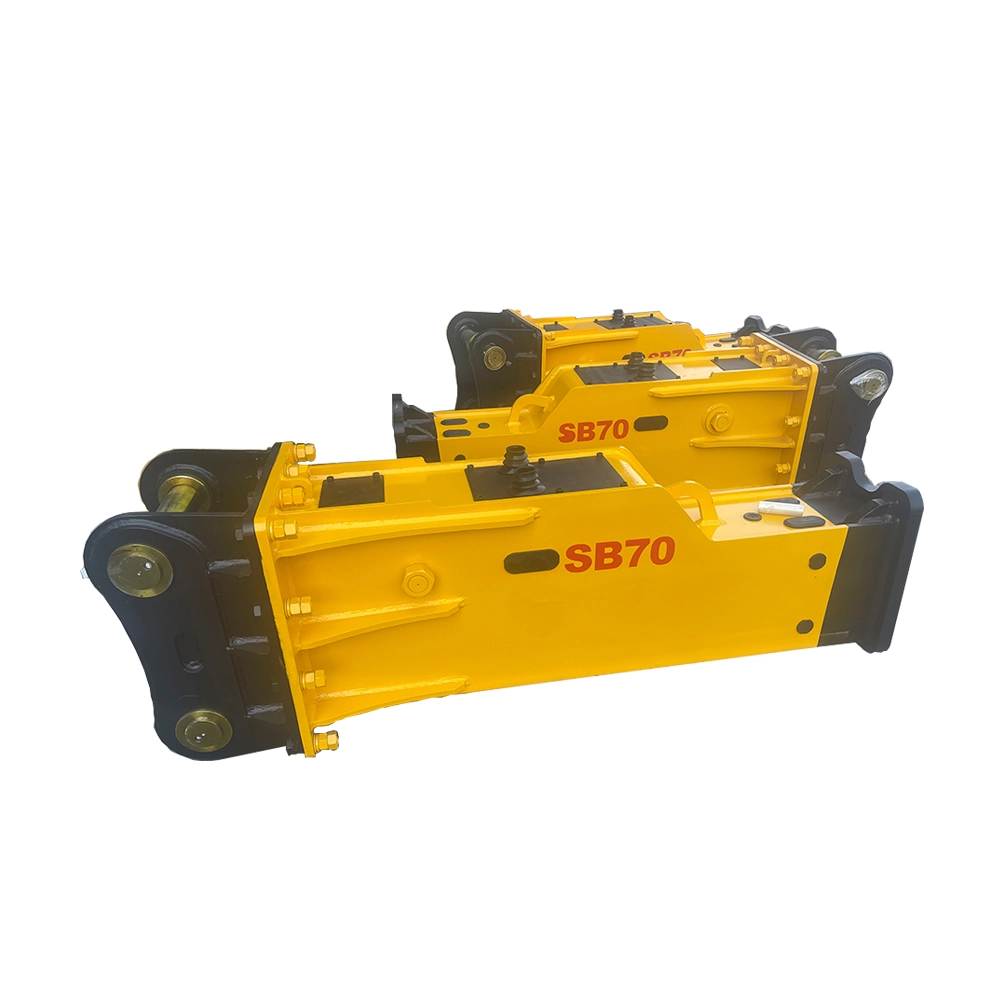
Huilian OEM Hydraulic Hammer Breaker SB70 For Soosan

Huilian HL68 Hammer Breaker for 4-7 Ton Excavator SOOSAN SB40 Hydraulic Rock Breaker
Side type hydraulic breaker : Easy to control, convenient positioning, durable, high working efficiency, strong striking force, long service life, stable operating performance, convenient after-sales service.
Top type hydraulic breaker : Strong impact power; excellent environmental performance; exquisite manufacturing technology; easy maintenance,fast after-sales service
Box type hydraulic breaker :leading heat treatment technology, enhance heat resistance, wear resistance. Under the condition of keeping the oil pressure constant, the cylinder volumeis reduced and the fuel consumption is reduced.The self-developed core is adopted to make the piston cylinder body moredurable and the service life longer.Exposed decks are made of high-strength steel plates to reduce wear.The best efficiency matching with excavator and loader is realized

Huilian OEM Factory SB130 Hydraulic Rock Breaker for 30-45 Ton Soosan Breaker
 About us
© 2025 HUILIAN MACHINE. All rights reserved