



Comparing the Best Hydraulic Concrete Breakers for Excavators: A Performance & ROI Deep Dive
- Quick Summary: The Executive Overview
- What Defines the "Best" Hydraulic Concrete Breaker?
- Performance Metrics: Hydraulic Breaker Impact Energy vs Frequency
- The Physics of Demolition
- Breaker Body Styles Compared: Box vs. Side vs. Top
- 1. Side Type (Open Bracket)
- 2. Top Type (Open Bracket)
- 3. Box / Silenced Type
- The ROI Deep Dive: Calculating Heavy Equipment Attachment Total Cost of Ownership
- Essential Features for 2026 and Beyond
- Expert Tips: Preventing Failure & Extending Life
- Operational Best Practices
- Conclusion
Quick Summary: The Executive Overview
The best hydraulic concrete breaker balances impact energy (Joules) with frequency (BPM) while strictly matching the carrier's hydraulic flow (GPM) and weight class. Choosing the right tool prevents excavator overheating and maximizes demolition speed.
For most modern urban construction projects, the trade-off is clear:
- Carrier Weight Matching: The single most critical factor; an oversized breaker damages the arm, while an undersized one fails to break material.
- Flow & Pressure: You must operate within the manufacturer's specified GPM range to avoid seal failure.
- Body Style: Box (silenced) brackets are now the industry standard for concrete demolition equipment selection due to noise regulations and internal protection.
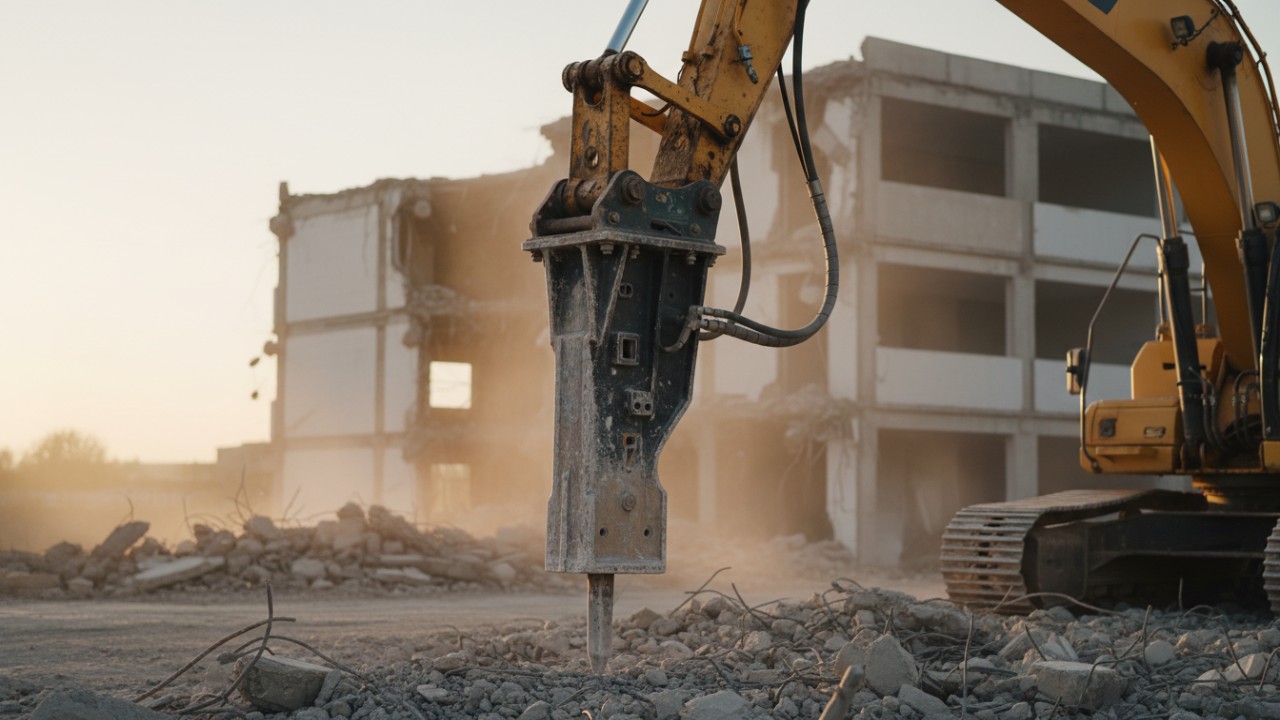
What Defines the "Best" Hydraulic Concrete Breaker?
A top-tier hydraulic breaker is defined by its ability to transfer maximum destructive energy into the material without exceeding the hydraulic cooling capacity of the host excavator. It is not simply the heaviest or loudest tool, but the one that offers the highest power-to-weight ratio compatible with your specific machine.
To ensure you are choosing a tool that delivers long-term value, look for these core attributes:
- Thermal Stability: High-quality breakers use optimized piston designs to reduce heat generation.
- Vibration Damping: Superior polymer buffers between the power cell and housing to protect the excavator boom.
- Serviceability: Easy access to nitrogen ports and grease nipples to reduce daily downtime.
Performance Metrics: Hydraulic Breaker Impact Energy vs Frequency
Impact Energy (Joules) determines the hardness of rock the tool can fracture per blow, while Impact Frequency (BPM) determines how fast the tool can reduce that material into manageable rubble. Understanding the inverse relationship between hydraulic breaker impact energy vs. frequency is the key to tuning your machine for specific jobs.
The Physics of Demolition
Operators often fall for the "bigger is better" myth, assuming higher impact energy always yields faster results. However, for reinforced concrete, a balance is required:
- Hard Rock/Thick Concrete: Requires high impact energy (low frequency) to create the initial fracture.
- Softer Rock/Thin Concrete: Benefits from high frequency (high BPM) to rapidly pulverize the material.
- The Sweet Spot: Modern variable-speed breakers automatically adjust parameters, delivering hard hits for the first few seconds and then speeding up as the material yields.
Case Study: In a recent field test involving standard reinforced bridge decking, switching from a static heavy-blow hammer to a variable-speed unit increased demolition throughput by 20%.
Breaker Body Styles Compared: Box vs. Side vs. Top
The "box type" (silenced) breaker is the superior choice for urban environments and rental fleets because its fully enclosed housing dampens noise and protects the power cell from dust ingress. While open designs like side and top types have their niche, the box type vs. side type hydraulic breaker debate is largely settled for city work.
1. Side Type (Open Bracket)
- Pros: Lower initial purchase cost; easier access for maintenance; shorter overall length allows for work in tight overhead spaces (like tunnels).
- Cons: Noisiest option; uneven stress distribution on the chassis can lead to faster wear; exposed tie rods are vulnerable to damage.
2. Top Type (Open Bracket)
- Pros: Direct vertical downward force maximizes impact gravity; excellent for open-pit mining.
- Cons: Transfers the highest amount of recoil shock directly to the excavator arm; high noise levels.
3. Box / Silenced Type
- Pros: Noise Compliance: According to OSHA, permissible noise exposure limits (PEL) are strictly enforced at 90 dBA. Silenced brackets are often required to meet site regulations.
- Durability: The enclosed shell prevents dust and debris from entering the piston area, significantly extending seal life.
- ROI: Higher resale value due to the protected power cell.
The ROI Deep Dive: Calculating Heavy Equipment Attachment Total Cost of Ownership
True Return on Investment (ROI) is calculated by dividing the total revenue generated by the breaker by the sum of its purchase price, maintenance costs, and downtime losses over its lifecycle. A cheap breaker often has a poor excavator hammer attachment ROI due to frequent seal failures and lower resale value.
When analyzing TCO, consider these hidden financial factors:
- Purchase Price vs. Lifecycle Cost: A premium breaker might cost 15% more upfront but lasts 2,000 hours longer.
- Fuel Consumption: Inefficient hydraulic energy conversion forces the excavator engine to work harder, burning more diesel per hour.
- Resale Value: Branded breakers like Huilian retain value significantly better than generic "white label" units.
- Wear Parts: The cost of replacing chisels, bushings, and seal kits over 2,000 hours of operation can exceed the initial purchase price if the unit requires frequent servicing.
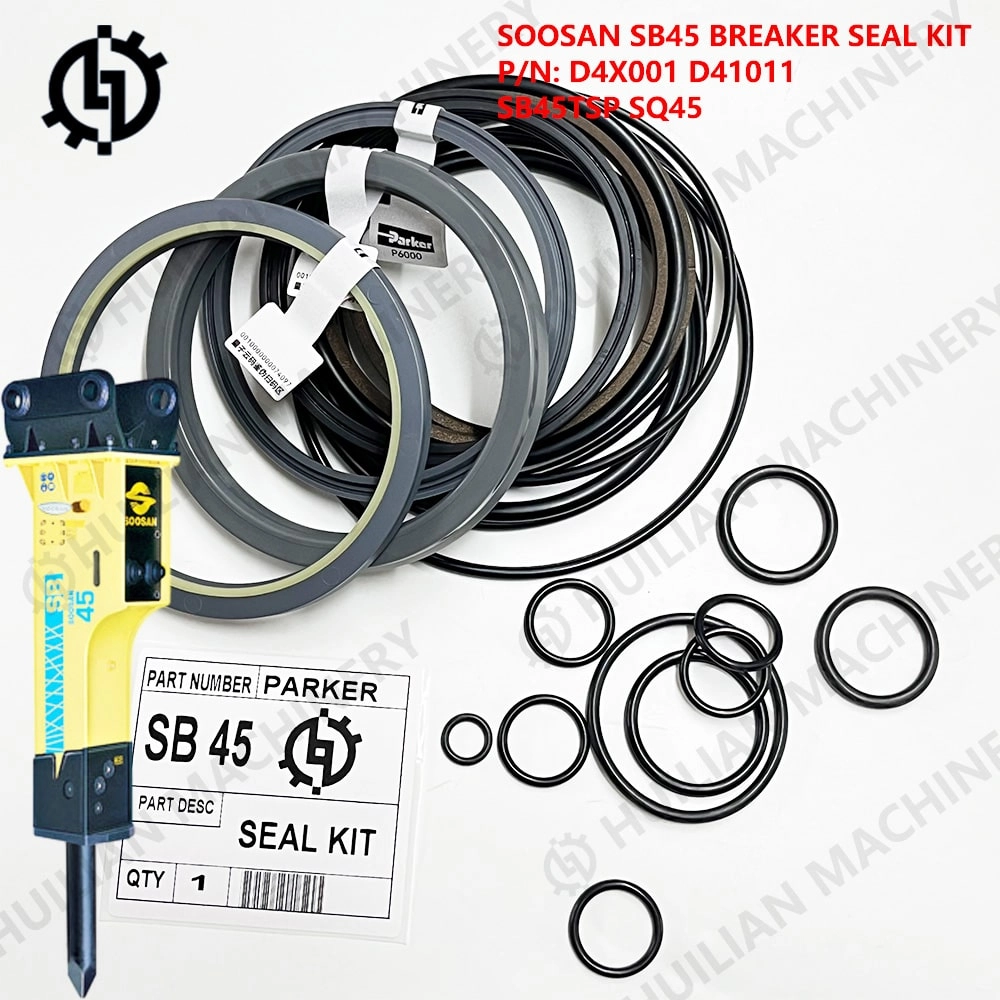
At Guangzhou Huilian Machines Co., Ltd., we have seen that using high-quality Parker seal kits and properly heat-treated pistons can reduce annual maintenance costs by up to 30%, directly improving your bottom line.
Essential Features for 2026 and Beyond
Modern hydraulic breakers must include "smart" protection systems like Anti-Blank Firing (ABF) and automatic lubrication to minimize operator error and extend component life. As we move into 2026, these features are shifting from luxury add-ons to essential requirements.
- Anti-Blank Firing (ABF): Hydraulically cushions the piston if the tool bit is not pressed against rock, preventing internal destruction.
- Auto-Greasing Systems: A dry tool bushing is the #1 cause of premature failure. Auto-lube systems ensure consistent greasing every few hours without human intervention.
- Energy Recovery: Advanced hydraulic circuits capture the recoil energy from the piston's rebound and use it to amplify the next strike, increasing efficiency without extra fuel usage.
- Underwater Capabilities: Sealed air ports allow for an air compressor connection, enabling underwater demolition work.
Expert Tips: Preventing Failure & Extending Life
The single most effective way to extend breaker life is strictly adhering to the "90-Degree Rule" and ensuring nitrogen gas pressure is checked weekly. Improper angle of operation is the leading cause of snapped chisels and worn bushings.
Operational Best Practices
Safety and longevity go hand-in-hand. The Association of Equipment Manufacturers (AEM) emphasizes that operators must be trained to recognize the limits of their attachments.
- The 90-Degree Rule: Always hammer perpendicular to the surface. Striking at an angle creates shear force that snaps the tool bit.
- Avoid Prying: Never use the hydraulic breaker hammer as a lever to move rocks. This bends the housing and damages the excavator boom.
- Nitrogen Pressure: Low nitrogen in the backhead accumulator causes the hydraulic hoses to "jump" violently, signaling a loss of impact power.
- Grease Correctly: Use high-temperature molybdenum (moly) paste. Standard chassis grease melts and runs out, leaving the steel-on-steel friction to destroy your bushings.
With over 18 years of experience, Huilian technicians recommend a preventative maintenance schedule that includes replacing the diaphragm and checking through-bolt torque every 500 hours to prevent catastrophic failure.
Conclusion
To select the best hydraulic concrete breaker, you must look beyond the sticker price and prioritize specifications that drive long-term profitability. By matching the correct impact energy to your carrier, selecting a silenced box type for urban compliance, and adhering to strict maintenance protocols, you maximize your excavator hammer attachment ROI.
Whether you need robust excavator hydraulic breakers, durable seal kits, or replacement parts, choosing a reputable OEM supplier is critical for minimizing downtime.
Contact Guangzhou Huilian Machines Co., Ltd. today to discuss your specific needs and find the perfect match for your excavator fleet.


About
What is your shipping and delivery time?
We offer fast and reliable global shipping. Delivery times vary depending on location and order size, but we strive to process and ship orders as quickly as possible.
How can I ensure I’m selecting the right part for my equipment?
Our expert team can assist you in finding the right part based on your machine model, specifications, and requirements. Contact us for personalized support.
Are your parts compatible with all excavator brands?
Yes, our parts are designed to be compatible with major brands like Komatsu, Caterpillar, Hitachi, Hyundai, Doosan, JCB, Kobelco, Sany, and many more.
What types of excavator parts do you offer?
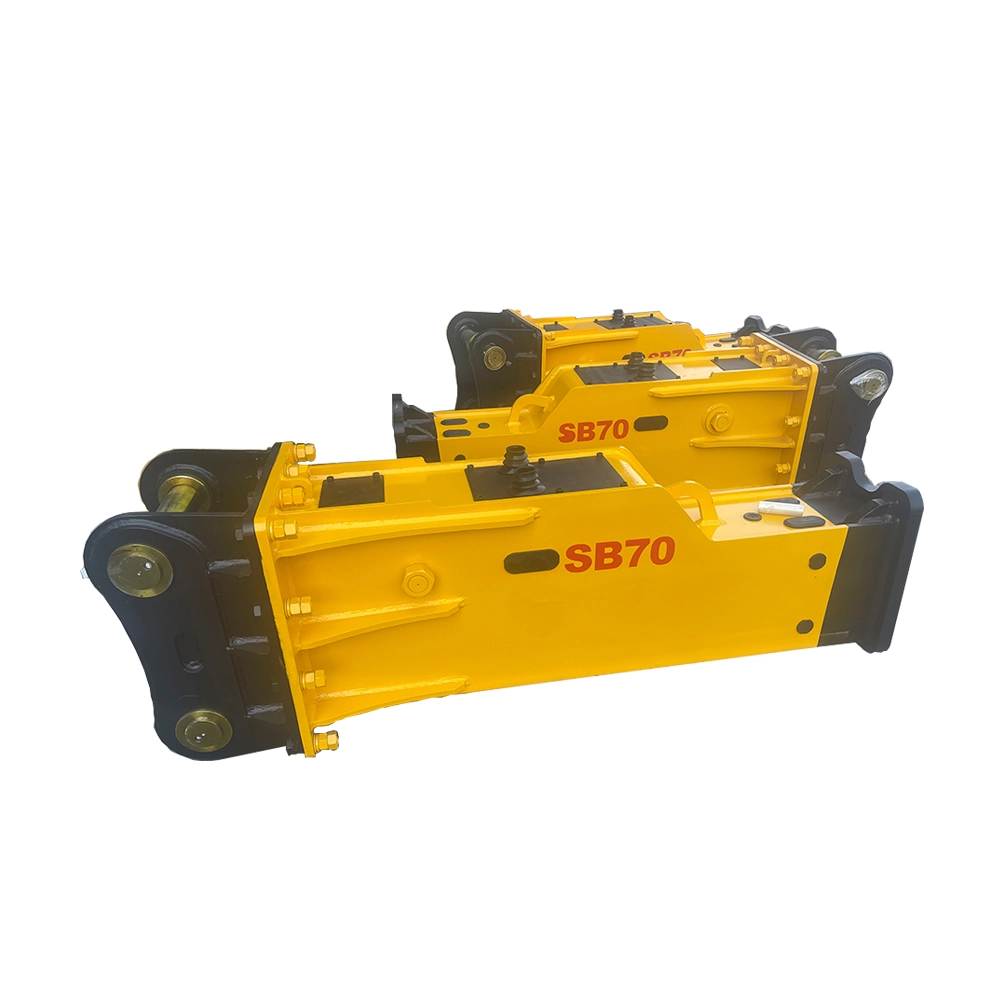
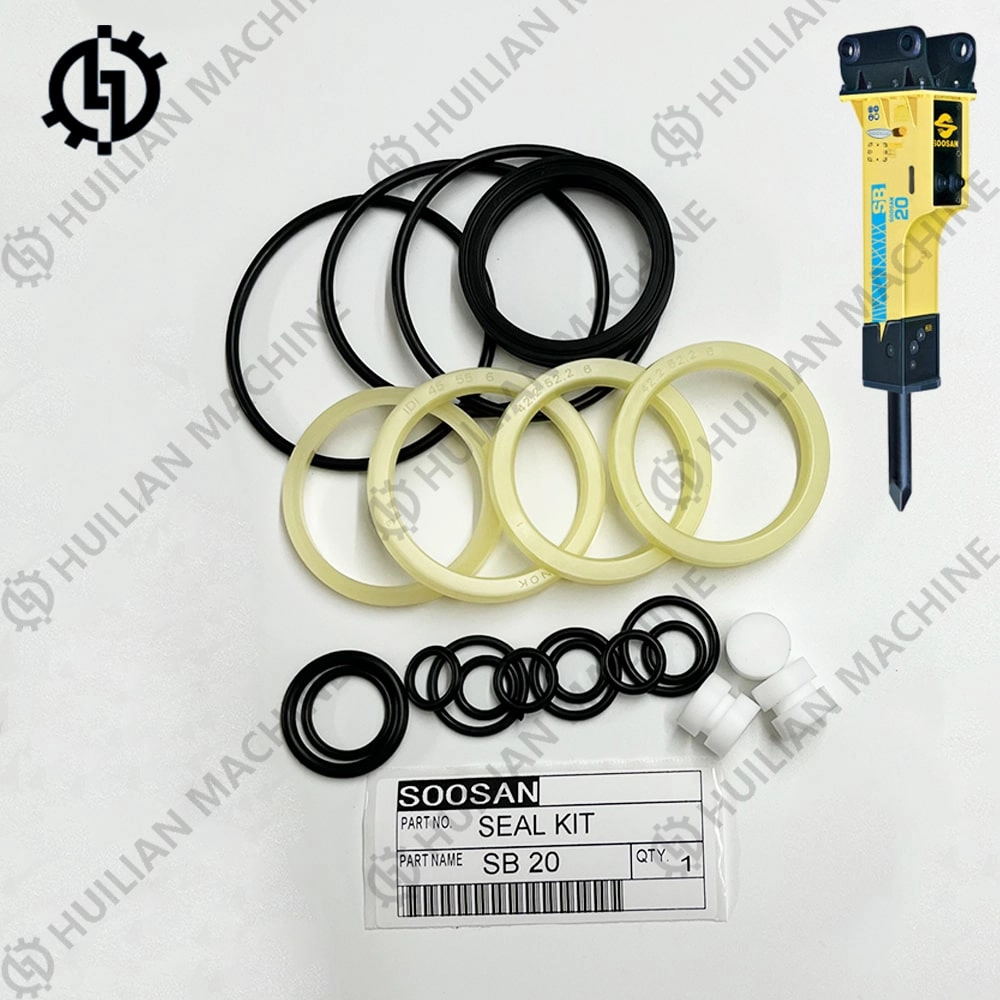
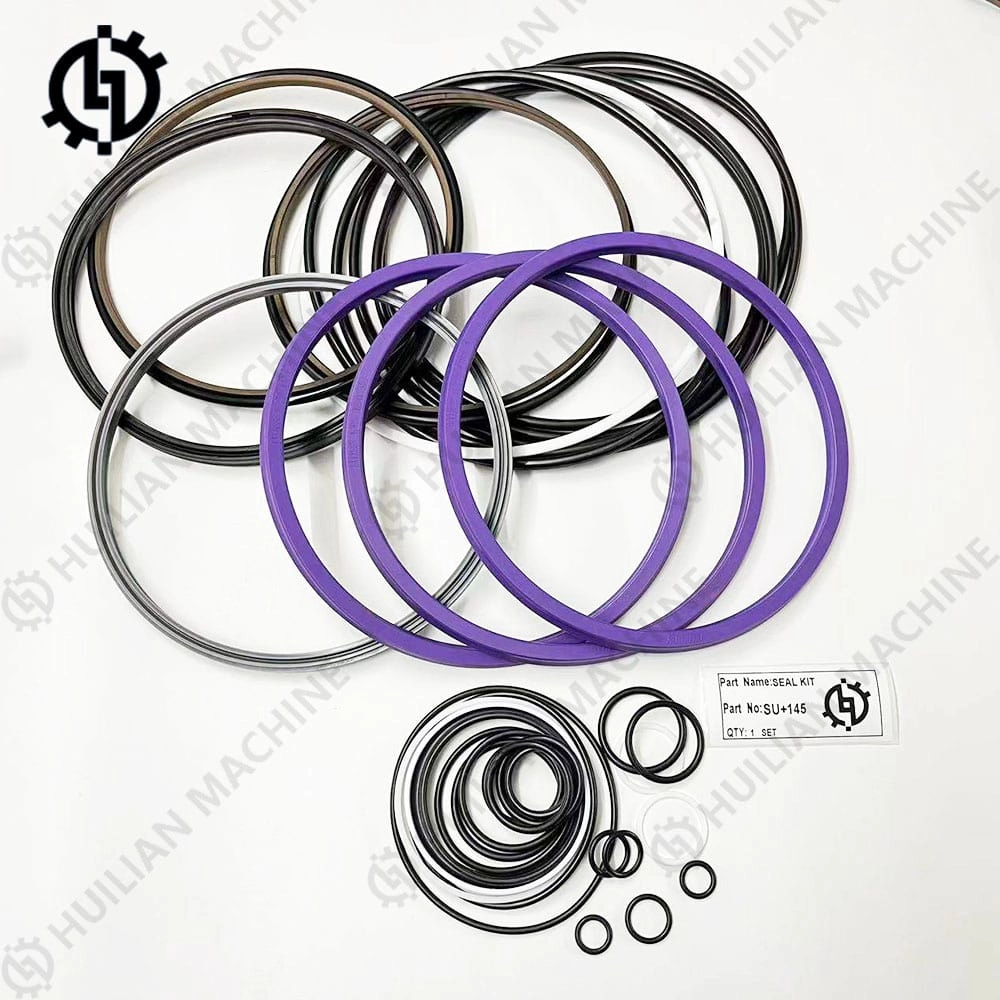
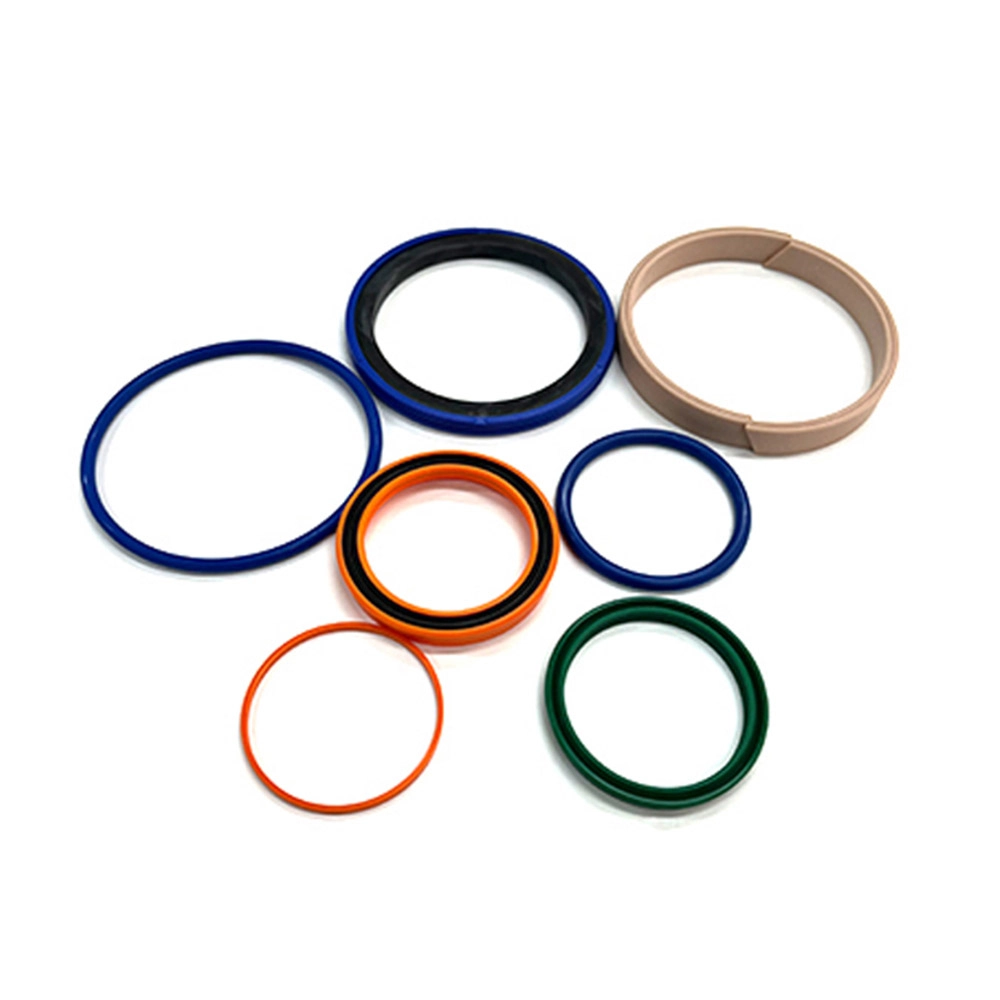
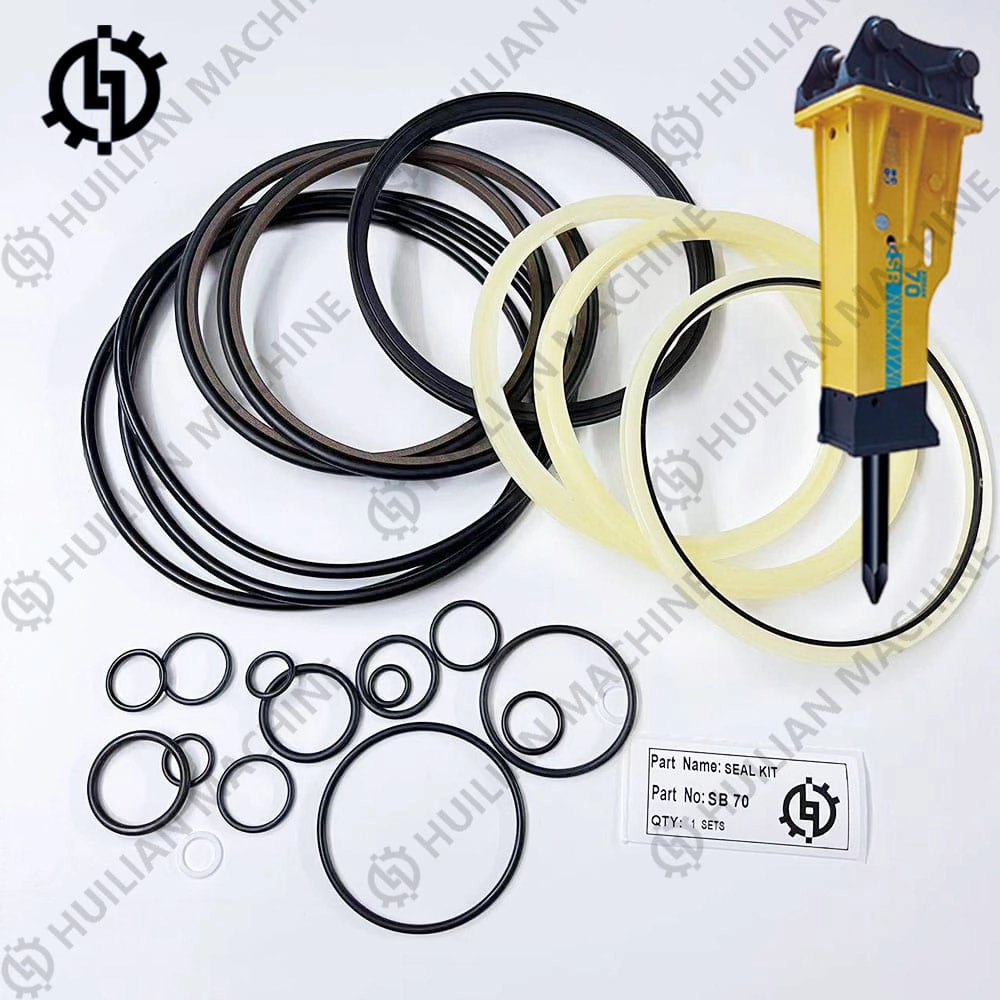
We provide a wide range of high-quality excavator parts, including hydraulic breakers, chisels, seal kits, diaphragms, pistons, wear bushes, retainer bars, through bolts, side bolts, valves, and liners.
Do you offer OEM and aftermarket parts?
Yes, we manufacture high-quality OEM parts and supply aftermarket parts from top brands such as NOK, Parker, SKF, and Hallite to ensure optimal performance.


Getting started is easy 
Contact with our experts to find the best excavator parts solutions for your needs. Discover how Huilian can enhance your equipment's performance and efficiency.


Get in touch
 About us
© 2025 HUILIAN MACHINE. All rights reserved