



Choosing the Perfect Hydraulic Breaker Hammer for Your Excavator: A Performance Comparison
- Key Takeaways: The 30-Second Summary
- How Do I Choose the Right Hydraulic Breaker for My Excavator?
- The Science of Excavator Attachment Compatibility
- The Golden Rule: Hydraulic Flow and Pressure Compatibility
- Why "Back Pressure" Kills Performance
- Performance Metrics: Rock Breaker Impact Energy vs Frequency
- Hard Hitting vs. Fast Hitting
- Tool Bit Selection: Matching the Steel to the Stone
- The Three Primary Tool Types
- Avoid These 5 Common Selection Mistakes
- The High Cost of "Blank Firing"
- Maintenance: The Lifeblood of Your Breaker
- Routine Checklist
- Future of Demolition: Smart Breakers & Trends (2026+)
- Conclusion
Key Takeaways: The 30-Second Summary
- Match the Carrier: Ensure your excavator's weight, hydraulic flow (GPM), and relief pressure (PSI) align perfectly with the breaker's specifications.
- Select the Right Tool: Use moil points for sedimentary rock, chisels for trenching, and blunt tools for igneous boulders.
- Prevent Failure: Avoid "blank firing" and adhere to a strict hydraulic hammer maintenance schedule to extend asset life.
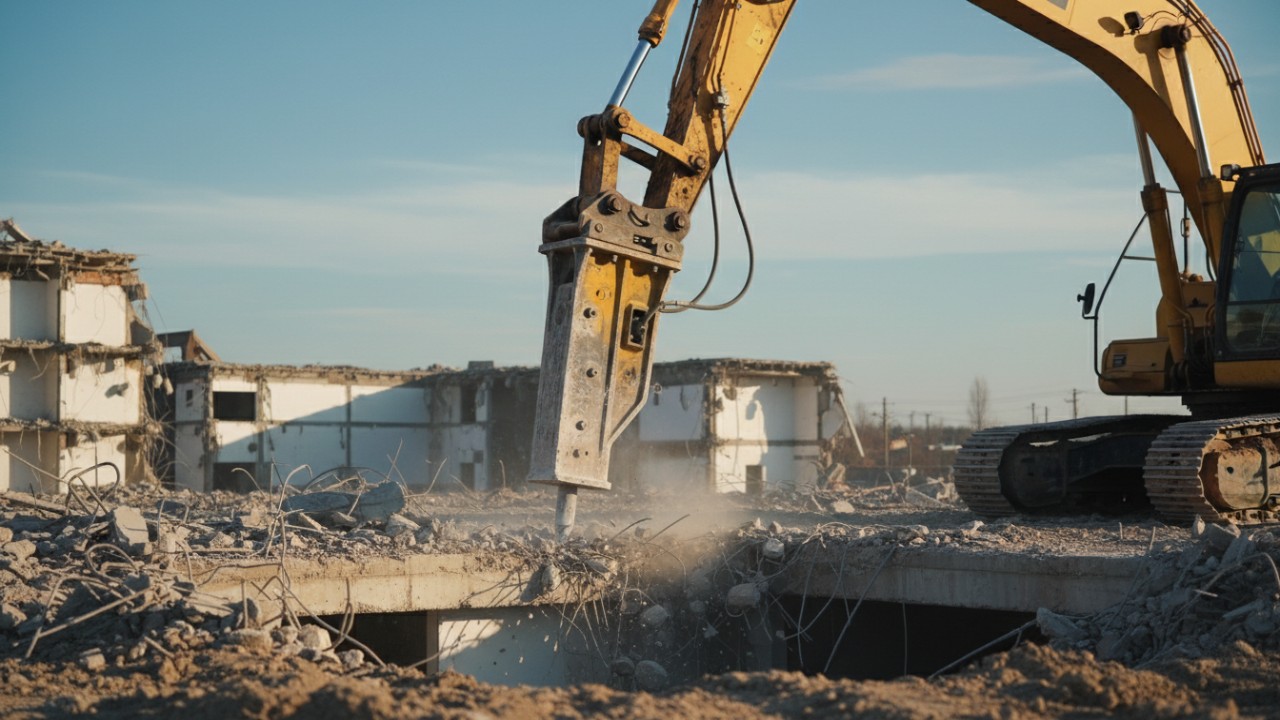
How Do I Choose the Right Hydraulic Breaker for My Excavator?
To choose the right hydraulic breaker, you must match the breaker's operating weight to your excavator's lifting capacity and ensure the hydraulic flow (GPM) and relief pressure (PSI) fall within the carrier's auxiliary circuit specifications to prevent pump damage and ensure maximum impact efficiency.
The Science of Excavator Attachment Compatibility
Selecting a breaker isn't just about size; it's about hydraulic harmony. If a breaker is too heavy, it creates instability, potentially tipping the machine during full extension. Conversely, a breaker that is too light will bounce off the rock, transmitting destructive vibrations back into the excavator's boom and arm.
Critical Matching Criteria:
- Carrier Weight Class: The breaker usually weighs 4-10% of the carrier's operating weight.
- Hydraulic Flow: The volume of oil the excavator pumps (measured in gallons per minute or LPM).
- Operating Pressure: The force of the oil (measured in PSI or bar).
The Golden Rule: Hydraulic Flow and Pressure Compatibility
Hydraulic flow (GPM) dictates the speed of the breaker's strike (BPM), while operating pressure (PSI) determines the force of each blow; incorrectly setting these parameters is the leading cause of premature seal failure and overheating.
Why "Back Pressure" Kills Performance
One of the most overlooked aspects of installation is back pressure—the resistance oil faces when returning to the tank. High back pressure slows down the piston's return stroke, reducing the frequency of blows and causing the hydraulic fluid to overheat. At Guangzhou Huilian Machines Co., Ltd., our technicians often find that customers neglect the return line size, leading to avoidable seal failures.
Optimization Steps:
- Measure: Use a flow meter to verify the excavator's actual output.
- Adjust: Set the relief valve 15-20% higher than the breaker's operating pressure.
- Monitor: Ensure return line pressure stays below the manufacturer's limit (typically <15-20 bar).
Performance Metrics: Rock Breaker Impact Energy vs Frequency
"Rock breaker impact energy vs frequency" refers to the trade-off between the power of a single blow (Joules) and the number of blows delivered per minute (BPM); hard rock requires high impact energy, while soft material benefits from high frequency.
Hard Hitting vs. Fast Hitting
Understanding this trade-off is vital for job site efficiency.
- High Impact Energy (High Joules): Best for primary breaking of hard, dense rock like granite or basalt. You need a heavy, slow strike to fracture the material.
- High Frequency (High BPM): Ideal for breaking concrete, sedimentary rock, or trenching. A faster rate of fire pulverizes softer material more quickly.
According to the Association of Equipment Manufacturers, relying solely on marketing claims for "foot-pounds" can be misleading. They recommend looking at certified test results (AEM ratings) to compare the actual energy delivered to the tool bit, ensuring you aren't comparing "apples to oranges" when analyzing different brands.
Tool Bit Selection: Matching the Steel to the Stone
Heavy-duty breaker tool selection involves choosing the correct bit geometry—moil, chisel, or blunt—to maximize the transfer of shockwaves into the specific material being demolished, preventing energy from reflecting back into the hammer housing.
The Three Primary Tool Types
- Moil Point (Pyramid):
- Application: Soft-to-medium abrasive rock, concrete reinforcement.
- Mechanism: Penetrates like a wedge.
- Chisel Tool (Flat/Wedge):
- Application: Trenching, general excavation, cutting asphalt.
- Mechanism: Cuts and splits material with line force.
- Blunt Tool (Flat Face):
- Application: Igneous rock (granite), secondary breaking of boulders.
- Mechanism: Delivers a crushing shockwave; does not penetrate.
Avoid These 5 Common Selection Mistakes
Failing to conduct a proper demolition equipment ROI analysis often leads buyers to choose the cheapest unit upfront, ignoring the Total Cost of Ownership (TCO) driven by fuel consumption, maintenance downtime, and lifespan.
The High Cost of "Blank Firing"
One of the most destructive operational errors is "blank firing"—engaging the breaker when the tool is not firmly pressed against the rock.
According to Construction Equipment Guide, blank firing causes the piston to strike the retainer pins rather than the tool, sending a massive shockwave back into the breaker housing. This can fracture the piston and destroy the tie rods instantly.
Common Pitfalls:
- Oversizing: Buying a breaker too big for the carrier, causing instability.
- Ignoring Auto-Lube: Forgetting that manual greasing breaks focus and reduces uptime.
- Price Fixation: Ignoring the availability of spare parts (like seals and pistons).
- Nitrogen Neglect: Failing to check gas pressure, which cushions the blow.
- Wrong Mode: Using high frequency on hard rock (causes overheating).
Maintenance: The Lifeblood of Your Breaker
A strict hydraulic hammer maintenance schedule requires greasing the tool bushing every 2 hours of operation, checking nitrogen pressure weekly, and inspecting retainer pins for wear to prevent catastrophic housing damage.
Routine Checklist
- Every 2 Hours: Grease the tool and bushings. Use high-temp moly paste (chisel paste), not standard bearing grease, which melts too fast.
- Daily: Inspect hydraulic hoses for leaks and check the tool retainer pins.
- Weekly: Check nitrogen gas pressure in the backhead.
- Annually: Inspect internal seals and diaphragms.
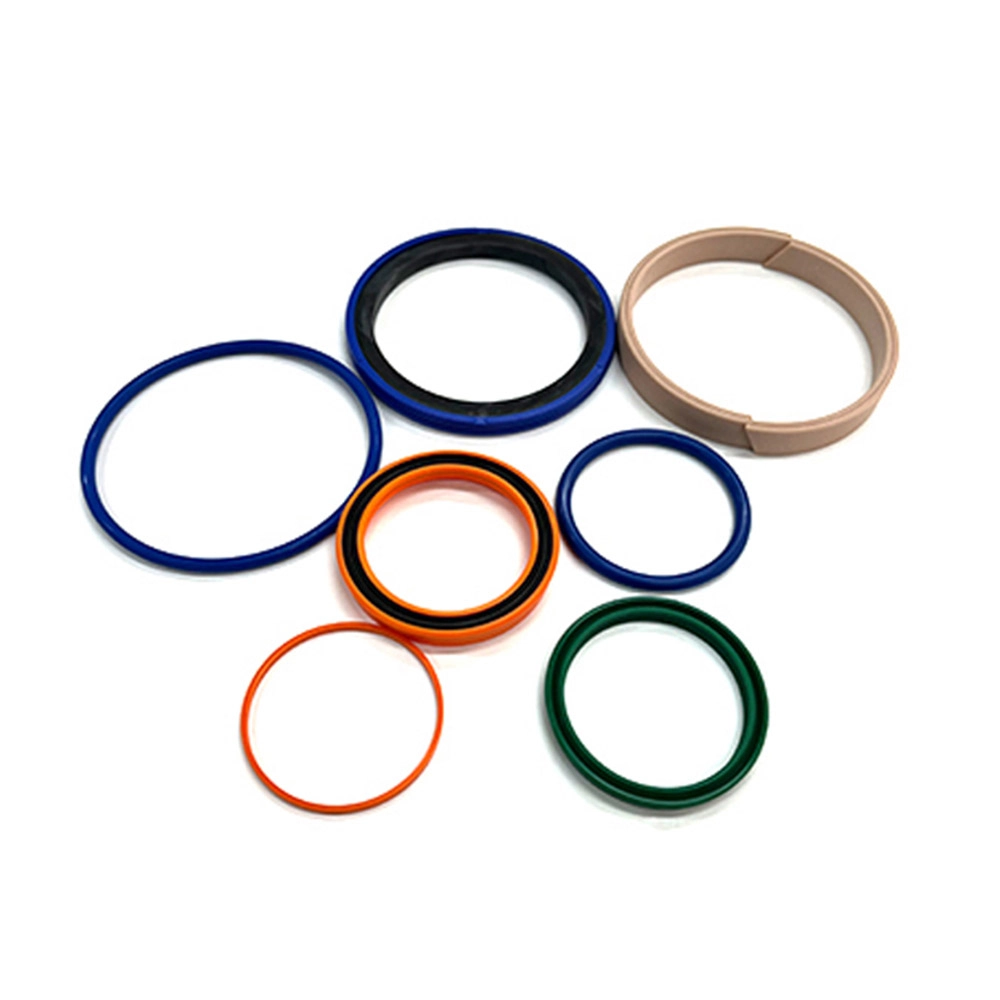
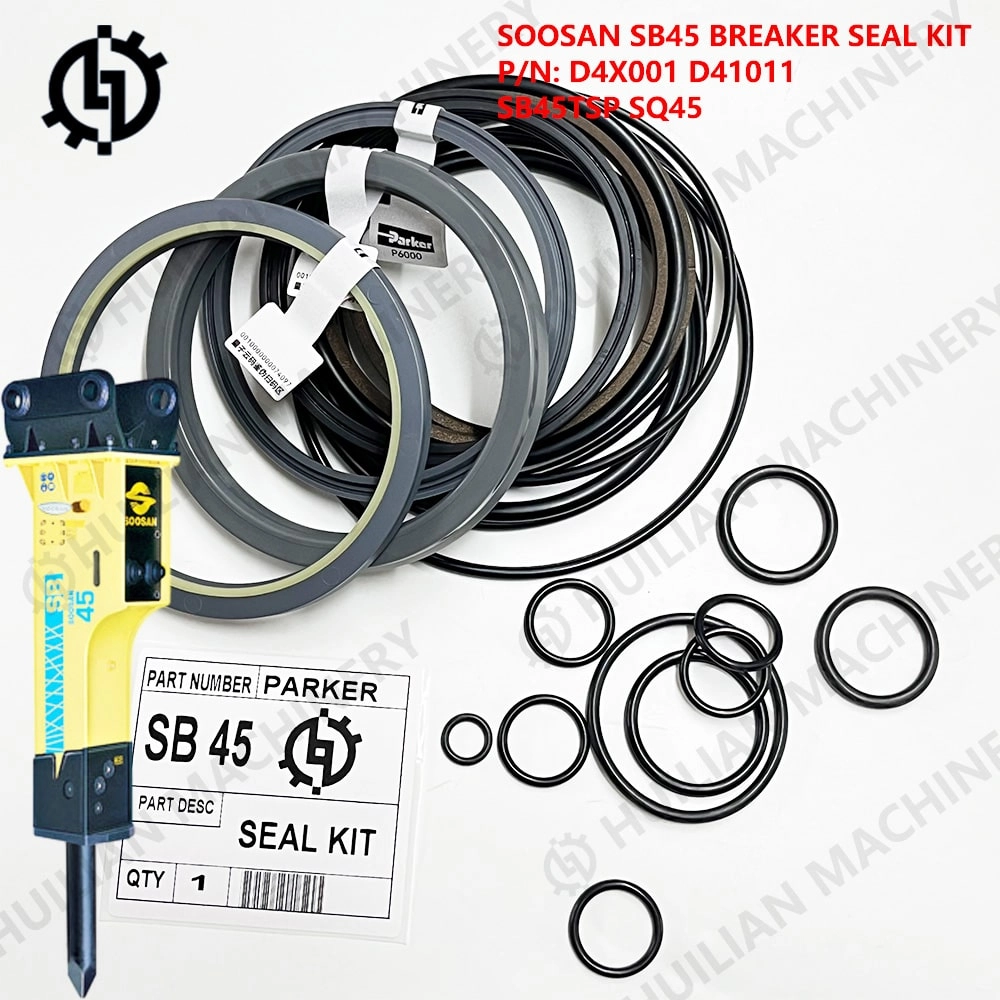
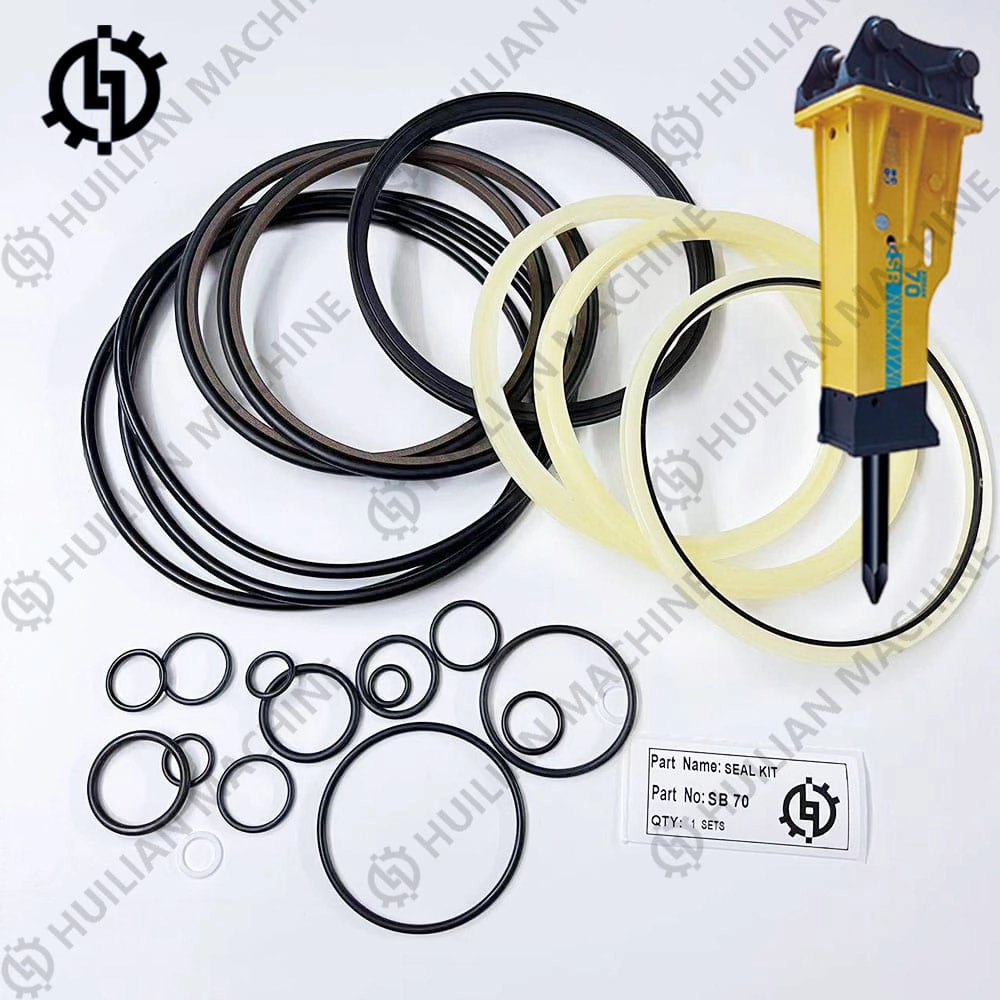
At Huilian, we specialize in manufacturing high-quality replacement parts, including seal kits, pistons, and wear bushings. We have seen that using premium aftermarket parts, like our Parker seal kits, can significantly extend the intervals between major services.
Future of Demolition: Smart Breakers & Trends (2026+)
The future of demolition lies in "Smart Breakers" equipped with telematics that automatically adjust impact energy based on rock hardness and alert operators to maintenance needs in real-time.
Emerging Technologies:
- Auto-Power Adjustment: Sensors detect material density and switch between high energy/low frequency and low energy/high frequency automatically.
- Noise Suppression: Fully enclosed housings to meet strict urban noise regulations.
- Remote Monitoring: GPS tracking of hours and location to prevent theft and schedule servicing.
Conclusion
Choosing the perfect hydraulic breaker requires balancing the raw power of the tool with the hydraulic capabilities of your excavator. By focusing on flow compatibility, selecting the right tool bit, and adhering to a strict maintenance schedule, you ensure a high Return on Investment (ROI) and project success.
Guangzhou Huilian Machines Co., Ltd. has been a leader in excavator breaker parts since 2005, exporting to over 90 countries. Whether you need a new hydraulic breaker, a durable chisel, or a precision-engineered seal kit, our team helps you keep your equipment running at peak performance.
Contact us today to discuss your specific needs and find the perfect match for your machinery.


About
What types of excavator parts do you offer?
We provide a wide range of high-quality excavator parts, including hydraulic breakers, chisels, seal kits, diaphragms, pistons, wear bushes, retainer bars, through bolts, side bolts, valves, and liners.
Do you offer OEM and aftermarket parts?
Yes, we manufacture high-quality OEM parts and supply aftermarket parts from top brands such as NOK, Parker, SKF, and Hallite to ensure optimal performance.
How can I ensure I’m selecting the right part for my equipment?
Our expert team can assist you in finding the right part based on your machine model, specifications, and requirements. Contact us for personalized support.
Are your parts compatible with all excavator brands?
Yes, our parts are designed to be compatible with major brands like Komatsu, Caterpillar, Hitachi, Hyundai, Doosan, JCB, Kobelco, Sany, and many more.
What is your shipping and delivery time?
We offer fast and reliable global shipping. Delivery times vary depending on location and order size, but we strive to process and ship orders as quickly as possible.


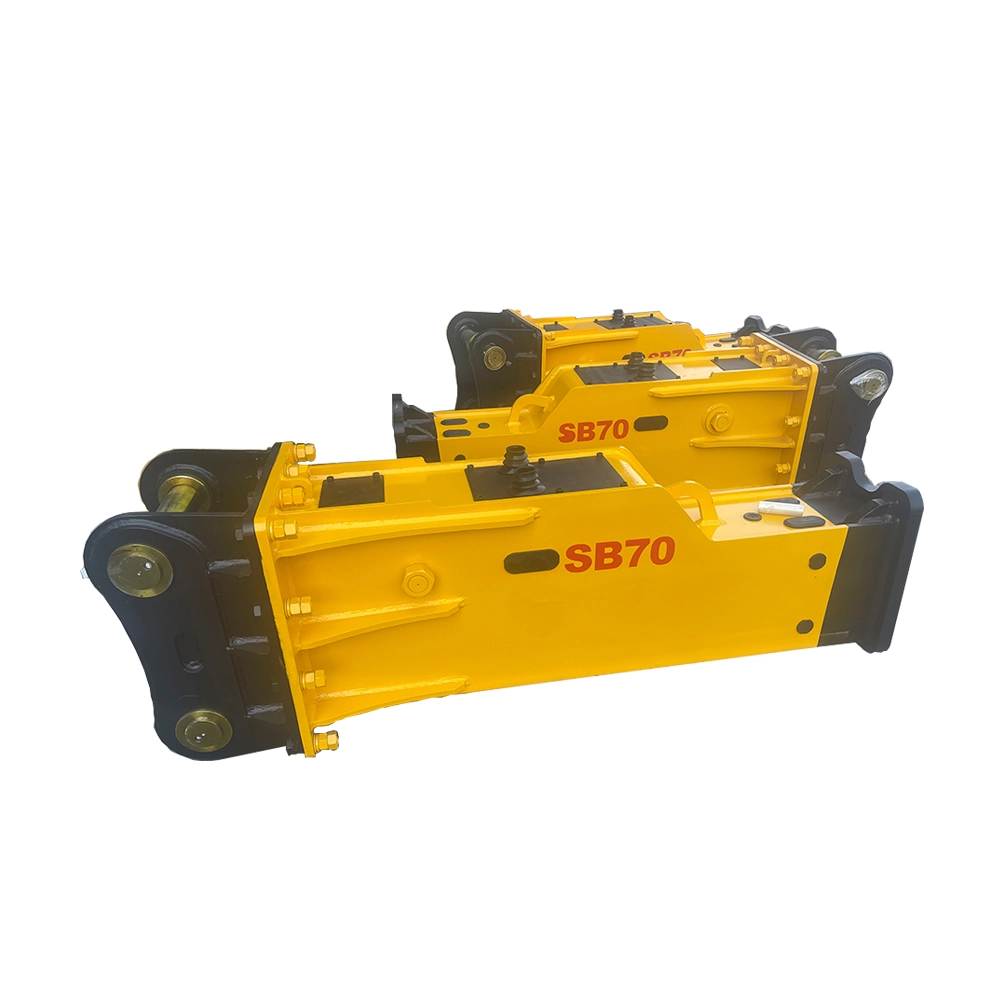
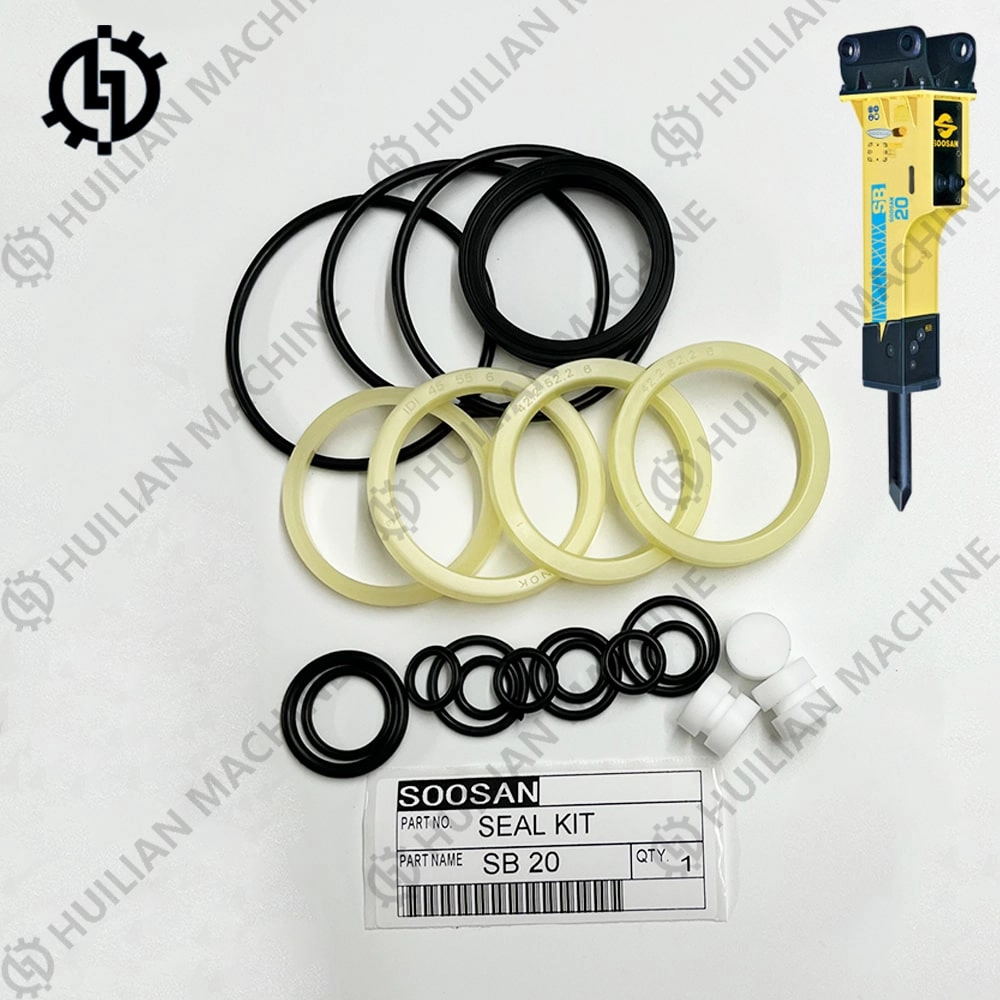
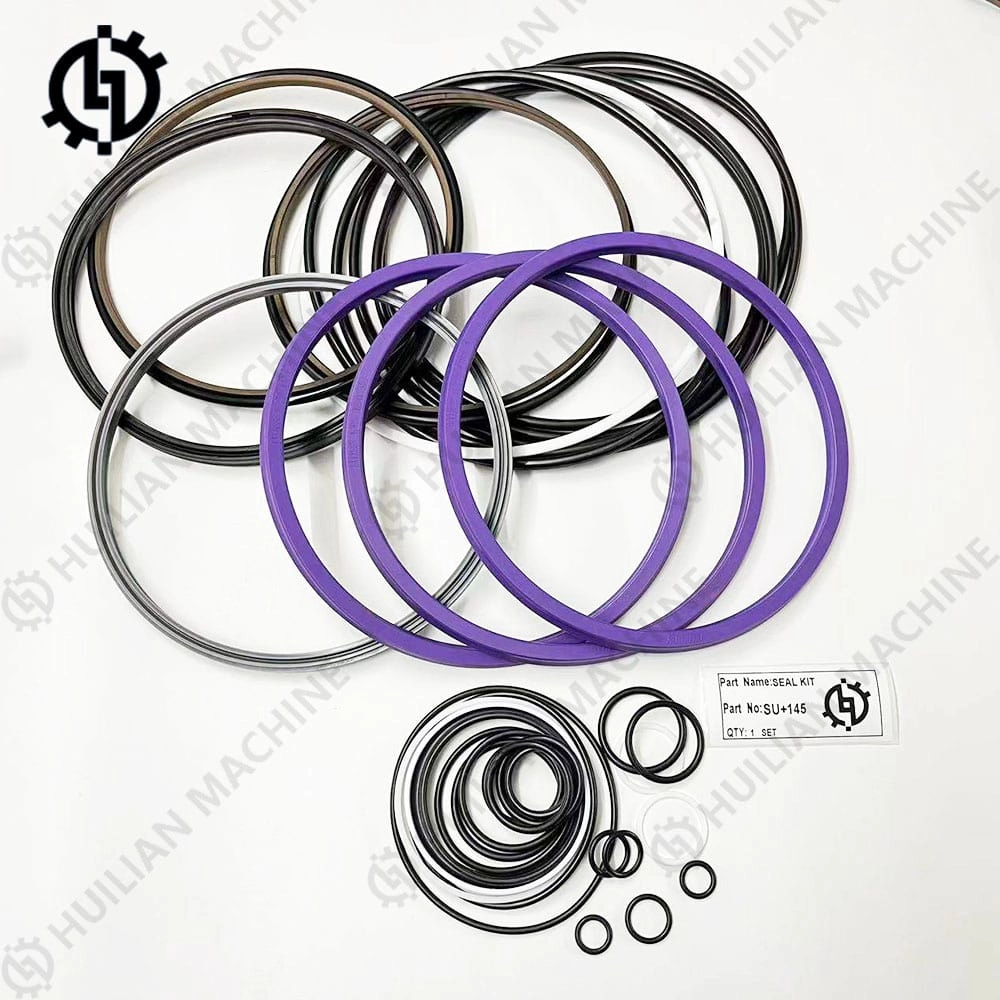
Getting started is easy 
Contact with our experts to find the best excavator parts solutions for your needs. Discover how Huilian can enhance your equipment's performance and efficiency.


Get in touch
 About us
© 2025 HUILIAN MACHINE. All rights reserved