



Heavy-Duty Mining: Choosing Breakers for Granite & Hard Rock Extraction
- What Are Mining & Quarrying Breakers?
- Key Takeaways: Quick Summary
- Understanding Rock Hardness: Granite and Compressive Strength
- Data Comparison Table: Secondary Blasting vs. Hydraulic Breakers
- Innovations and 2026 Future Trends in Quarrying Breakers
- Common Mistakes When Selecting Mining Breakers
- Case Study: Industry-Leading Solutions by Guangzhou Huilian Machines Co., Ltd
- Conclusion & Call to Action
- Frequently Asked Questions
- How do you choose the right breaker for granite?
- What is the difference between primary and secondary breaking?
- How often should mining breakers be lubricated?
- What is the impact of blank firing on hydraulic breakers?
- Are hydraulic breakers more cost-effective than blasting?
- What size excavator do I need for a heavy-duty mining breaker?
- How does rock compressive strength affect tool wear?
- What are the latest technological trends in quarry breakers for 2026?
What Are Mining & Quarrying Breakers?
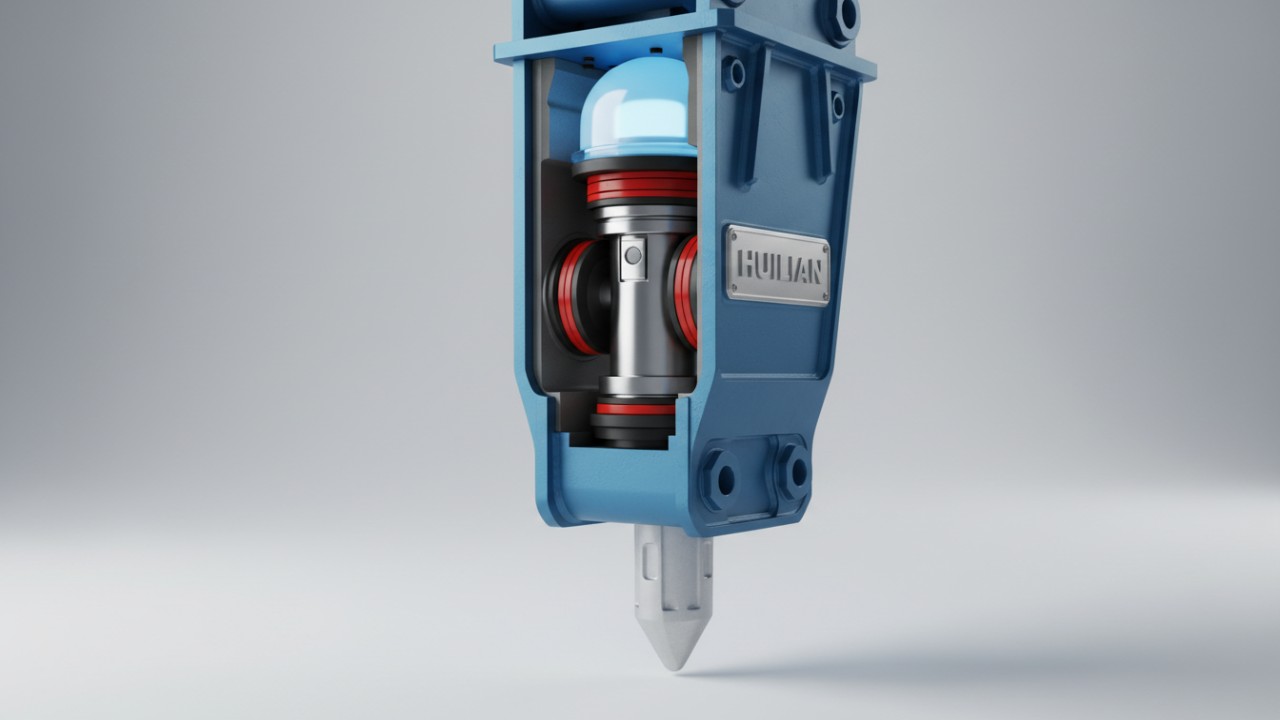
Mining & quarrying breakers are heavy-duty hydraulic excavator attachments engineered for primary and secondary rock excavation, utilizing highly calibrated hydraulic breaker impact energy and frequency to safely fracture dense materials, effectively replacing hazardous explosives while ensuring maximum site productivity and strict compliance with environmental noise regulations.
In the modern mining sector, the shift away from traditional pneumatic systems to advanced hydraulic power has revolutionized how operations approach hard rock extraction. These attachments rely on a sophisticated internal mechanism—comprising a precision-machined piston, heavy-duty seals, and a pressurized nitrogen gas chamber—to deliver devastating blows to the rock face. When the carrier machine pumps hydraulic fluid into the breaker, it forces the piston upward against the gas chamber. As the valve shifts, the trapped gas expands instantly, driving the piston down onto the chisel with immense force.
This mechanical process is highly efficient and controllable, allowing operators to target specific fault lines in the rock. By utilizing these advanced tools, modern operations can maintain continuous production cycles without the costly downtime associated with clearing a site for blasting. Furthermore, the localized nature of hydraulic breaking drastically reduces the environmental footprint of a quarry, mitigating the spread of silica dust and structural vibrations that often lead to regulatory fines.
Key Takeaways: Quick Summary
A quick summary of essential factors reveals that successful hard rock extraction relies on matching equipment capabilities to geological realities, ensuring that by balancing impact energy, automated maintenance, and carrier size, mining operations can maximize uptime, safety, and long-term profitability.
- Geological Assessment: Rock compressive strength UCS is the primary metric dictating the required impact energy and chisel type of your hydraulic breaker.
- Preventative Maintenance: Automated breaker lubrication systems are no longer optional for heavy-duty granite extraction; they are mandatory to prevent catastrophic bushing failure under extreme friction and heat.
- Equipment Synergy: Proper excavator carrier matching ensures the breaker's hydraulic flow requirements align with the exact specifications of the carrier, preventing overheating and destructive blank firing.
- Operational Safety: Transitioning to mechanical breaking methods significantly reduces the safety hazards and environmental liabilities associated with traditional explosives.
Understanding Rock Hardness: Granite and Compressive Strength
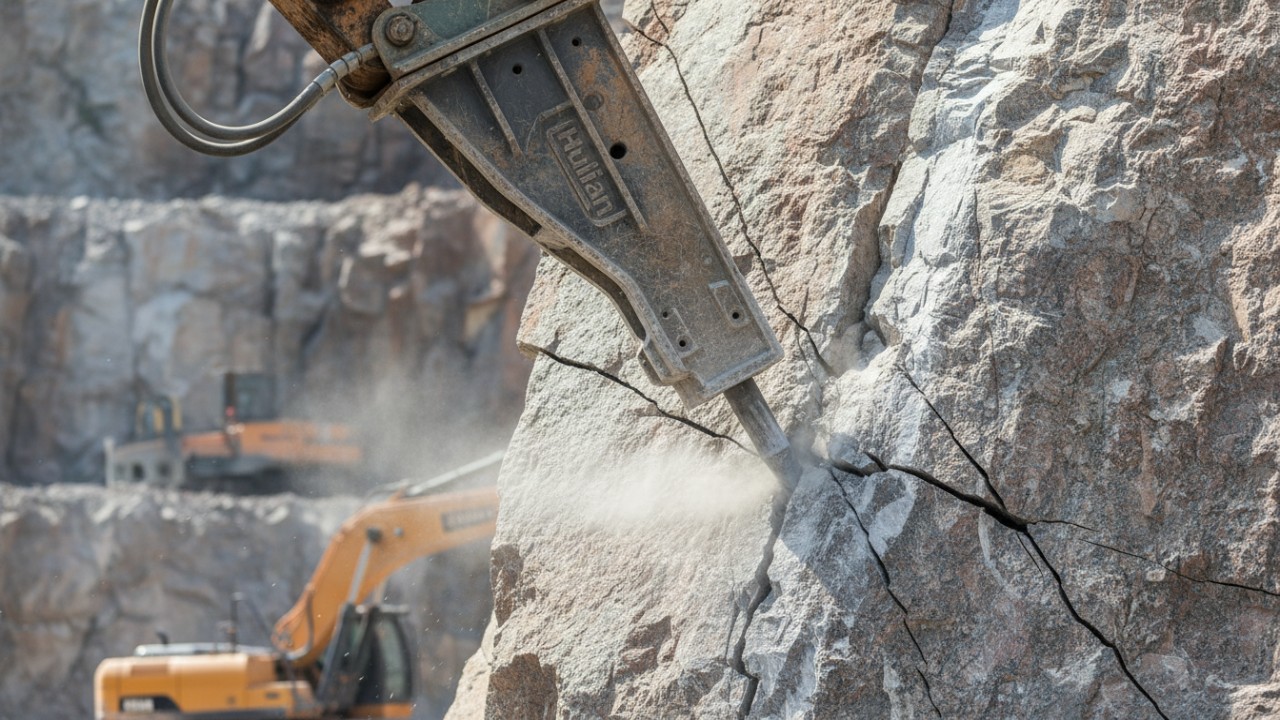
Granite hardness is defined by its extreme abrasiveness and exceptionally high rock compressive strength UCS, which dictates the required breaking force, meaning operations must carefully evaluate these geological metrics to choose between constant or variable energy breakers to maximize continuous output.
Granite is an igneous rock composed primarily of quartz and feldspar, giving it an interlocking crystalline structure that resists fracturing. According to geotechnical engineering data, the Unconfined Compressive Strength (UCS) of solid granite typically ranges from 100 to 250 MPa, making it one of the most challenging materials to excavate Geoengineer.org. When a hydraulic breaker strikes a material with a UCS exceeding 200 MPa, the immense shockwaves must be effectively transferred into the rock rather than bouncing back into the attachment.
Operations must choose their tools wisely based on geological fracturing patterns. For solid, unyielding granite, a blunt tool is often preferred. Unlike a moil point that attempts to penetrate the rock (which can cause the tool to get stuck or snap in high-UCS materials), a blunt tool delivers massive, concussive impact energy spread over a wider surface area, shattering the rock through sheer blunt force. Conversely, if the granite is heavily stratified or features existing fault lines, a chisel point can be used to wedge and split the material along its natural weaknesses.
Data Comparison Table: Secondary Blasting vs. Hydraulic Breakers
Secondary breaking alternatives are essential methods for reducing oversized boulders, with hydraulic breakers offering a vastly superior, mechanical alternative to traditional explosives that eliminates the safety risks of blasting while providing controlled environmental impact, high-precision sizing, and highly optimized long-term costs.
Historically, when primary blasting left behind massive boulders too large for the crusher, operations relied on secondary blasting (pop-shooting or plastering) to reduce them. However, industry publications highlight that replacing explosives with heavy-duty mobile breakers significantly increases productivity due to greater control over the quarried material and the elimination of site evacuation protocols Aggregates Business.
| Operational Metric | Secondary Blasting | Hydraulic Breakers |
|---|---|---|
| Safety Risks | High: Involves explosives handling, misfire risks, and unpredictable flyrock hazards. | Minimal: Mechanical operation conducted from a reinforced, enclosed excavator cab. |
| Environmental Impact | Severe: Generates unpredictable noise pollution, massive dust clouds, and seismic vibrations. | Controlled: Localized noise, easily suppressed dust, and minimal ground vibrations. |
| Precision & Sizing | Low: Results in unpredictable fragmentation, often causing downstream crusher jams. | High: Allows targeted breaking for optimal, uniform crusher sizing. |
| Cost Efficiency | Unpredictable: High recurring costs for explosives, specialized labor, and regulatory permits. | Highly Optimized: Predictable, low cost per ton over the lifecycle of the attachment. |
Innovations and 2026 Future Trends in Quarrying Breakers
The 2026 future of quarrying breakers is defined by the integration of AI-driven predictive maintenance telematics and advanced energy recovery systems that capture recoil energy to increase the next blow's impact without requiring additional hydraulic flow, keeping workers out of hazardous zones.
Filling a significant industry gap, the latest telematics systems monitor wear parts in real-time. Sensors embedded within the breaker housing track piston stroke rates, hydraulic fluid temperatures, and nitrogen gas pressure. This AI-driven predictive maintenance alerts operators to potential bushing failures or seal leaks days before they result in catastrophic breakdowns.
Furthermore, energy recovery valves are becoming standard in premium models. When the chisel strikes a particularly hard piece of granite, the natural recoil energy is captured and redirected into the pressurized nitrogen chamber, amplifying the force of the subsequent strike. This technology allows a 28-35 Ton Excavator Hydraulic Rock Breaker to punch well above its weight class, delivering the impact energy of a much larger attachment while maintaining the agility of a mid-sized carrier.
Common Mistakes When Selecting Mining Breakers
Selecting the wrong mining breaker often results from mismatching the attachment weight to the carrier, ignoring the catastrophic risks of blank firing, or relying on manual greasing, which leads to machine instability, premature internal failure, and excessive downtime in demanding extraction environments.
Excavator carrier matching is the most critical step in procurement. A frequent error is mounting a heavy-duty breaker on an undersized excavator. This not only creates severe tipping hazards but also means the carrier's hydraulic pump cannot supply the necessary flow (L/min) and pressure (bar) to cycle the breaker efficiently. Conversely, mounting a small breaker on a massive carrier can overpower the attachment, blowing out seals and fracturing tie rods. It is crucial to verify impact energy output using established metrics, such as those standardized by the Association of Equipment Manufacturers (AEM), to ensure accurate carrier-to-breaker compatibility Demolition & Recycling International.
Another critical mistake is ignoring the risks of blank firing. Blank firing occurs when the piston strikes the chisel, but the chisel is not firmly pressed against the rock. The immense kinetic energy has nowhere to go and is absorbed entirely by the breaker's internal components, destroying retaining pins and sending shockwaves back into the carrier's hydraulic system. Finally, relying on manual greasing schedules in 24/7 environments is a recipe for disaster. The intense friction of granite extraction requires continuous, automated lubrication tailored for high heat to maintain the protective film between the chisel and the wear bushings.
Case Study: Industry-Leading Solutions by Guangzhou Huilian Machines Co., Ltd
Guangzhou Huilian Machines Co., Ltd provides industry-leading hydraulic breaker solutions engineered specifically for high-UCS granite quarry operations, matching precise hydraulic flow with proprietary automated lubrication systems to reduce oversize boulders by forty percent while completely eliminating unplanned downtime through real-time diagnostic telematics.
Founded in 2005, Huilian Machine has established itself as a premier OEM supplier of excavator parts and hydraulic breakers. With products exported to over 90 countries, the Huilian team comprises experienced R&D experts and quality control professionals who understand the brutal realities of hard rock mining. In a recent high-UCS granite quarry operation, the site was struggling with excessive wear on their secondary breaking attachments and frequent crusher jams.
Huilian intervened by implementing a fleet of heavy-duty, variable-energy breakers. For their primary large-scale secondary breaking, the quarry deployed the 40-55 Ton Rock Breaker, which provided the massive concussive force required to shatter 200+ MPa granite boulders. For more versatile, targeted extraction along the quarry face, they integrated the 30-45 Ton OEM Hydraulic Breaker. By outfitting these attachments with Huilian's premium wear bushes, durable seals, and continuous automatic lubrication systems, the operation achieved a 40 percent reduction in oversize boulders and completely eliminated unplanned downtime over a 12-month period.
Conclusion & Call to Action
Selecting the proper hydraulic breaker requires carefully balancing rock hardness, carrier capacity, and operational demands to maximize efficiency, while strategically investing in advanced telematics and automated maintenance systems will ensure your attachment withstands the rigorous, round-the-clock demands of extreme granite extraction.
Contact Guangzhou Huilian Machines Co., Ltd today to discuss your specific needs.
Frequently Asked Questions
How do you choose the right breaker for granite?
Evaluate the Unconfined Compressive Strength (UCS) of the granite, select a breaker with high impact energy and a blunt tool chisel, and ensure the carrier machine can handle the required hydraulic flow and weight.
What is the difference between primary and secondary breaking?
Primary breaking involves extracting raw rock directly from the earth's face. Secondary breaking reduces oversized boulders left over from primary blasting into manageable sizes for the crusher. Hydraulic breakers excel in secondary breaking due to their precision.
How often should mining breakers be lubricated?
In heavy-duty applications, breakers require lubrication every two hours. Manual greasing is prone to human error and operational delays. Automated lubrication systems are highly recommended to provide a continuous flow of specialized high-heat grease.
What is the impact of blank firing on hydraulic breakers?
Blank firing occurs when the tool piston strikes without the chisel being pressed against the rock. It causes massive internal stress, sending destructive shockwaves through the breaker body. Frequent blank firing leads to cracked tie rods, damaged bushings, and carrier hydraulic issues.
Are hydraulic breakers more cost-effective than blasting?
While upfront attachment costs are high, hydraulic breakers eliminate the recurring costs of explosives. They reduce crusher jams and streamline the downstream processing. Breakers also avoid costly regulatory delays associated with environmental noise and vibration limits.
What size excavator do I need for a heavy-duty mining breaker?
The excavator must match the weight and hydraulic flow specifications of the breaker. Typically, heavy-duty mining breakers require carriers ranging from 30 to 100+ tons. Consult the manufacturer's specific carrier weight guidelines to prevent tipping hazards.
How does rock compressive strength affect tool wear?
Higher compressive strength rock creates greater friction and heat upon impact. This accelerates the wear on the chisel point and internal bushings. Using variable impact energy technology helps mitigate unnecessary wear when fracturing dense materials.
What are the latest technological trends in quarry breakers for 2026?
Integration of IoT telematics for live performance tracking. AI-driven predictive maintenance to signal bushing or gas pressure failures before they happen. Advanced energy recovery valves that recycle recoil for greater impact efficiency.


About
What types of excavator parts do you offer?
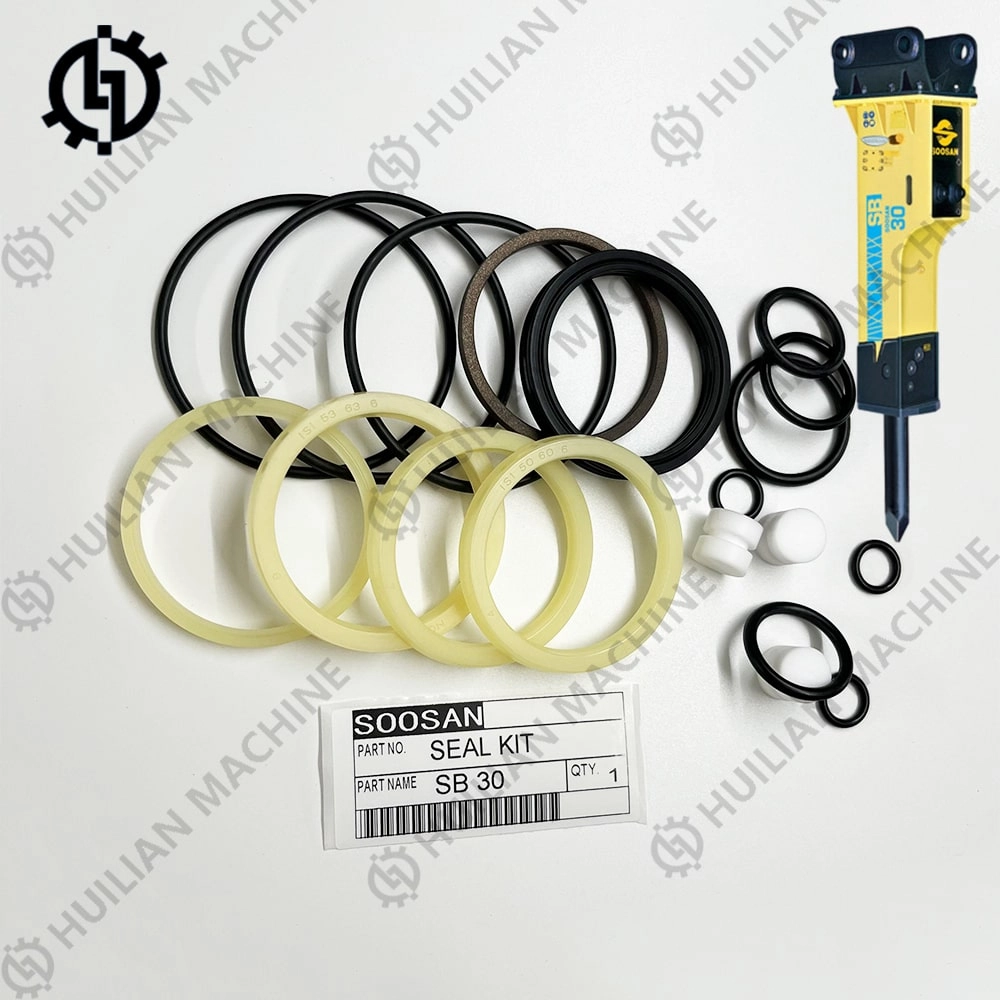
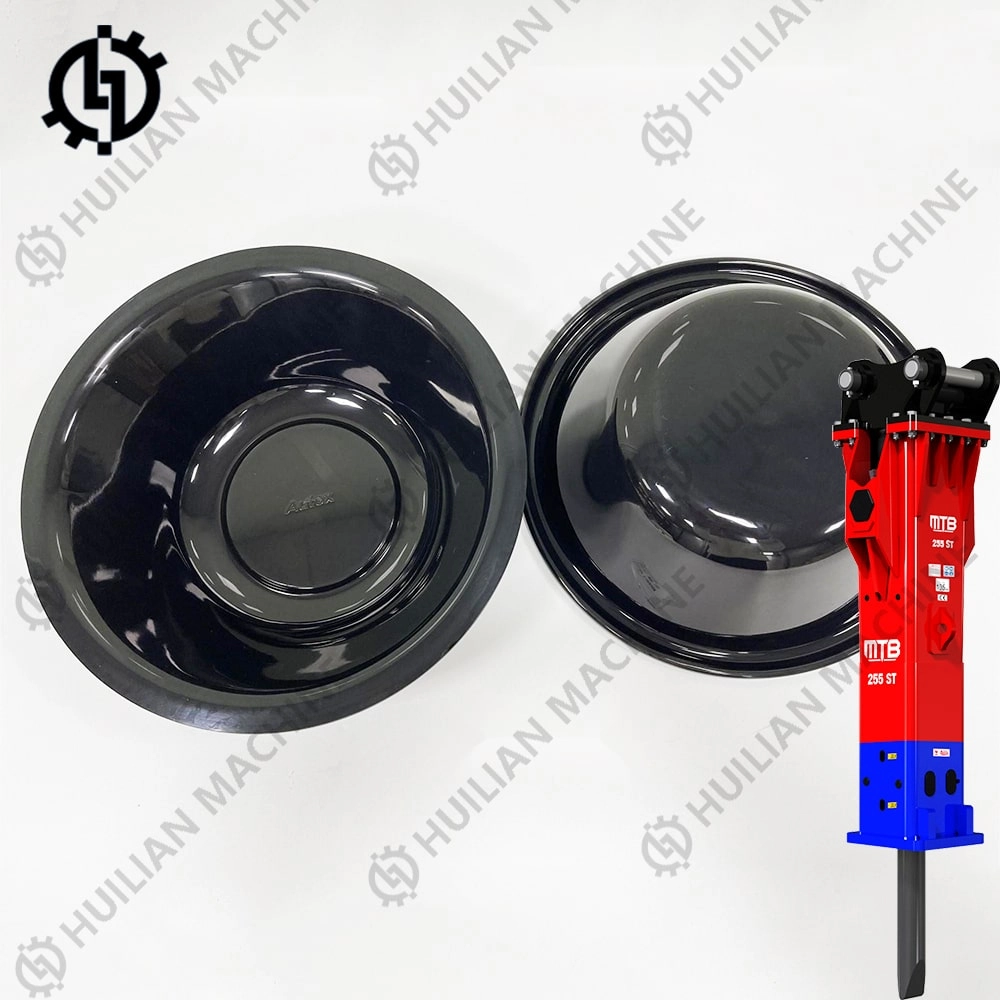
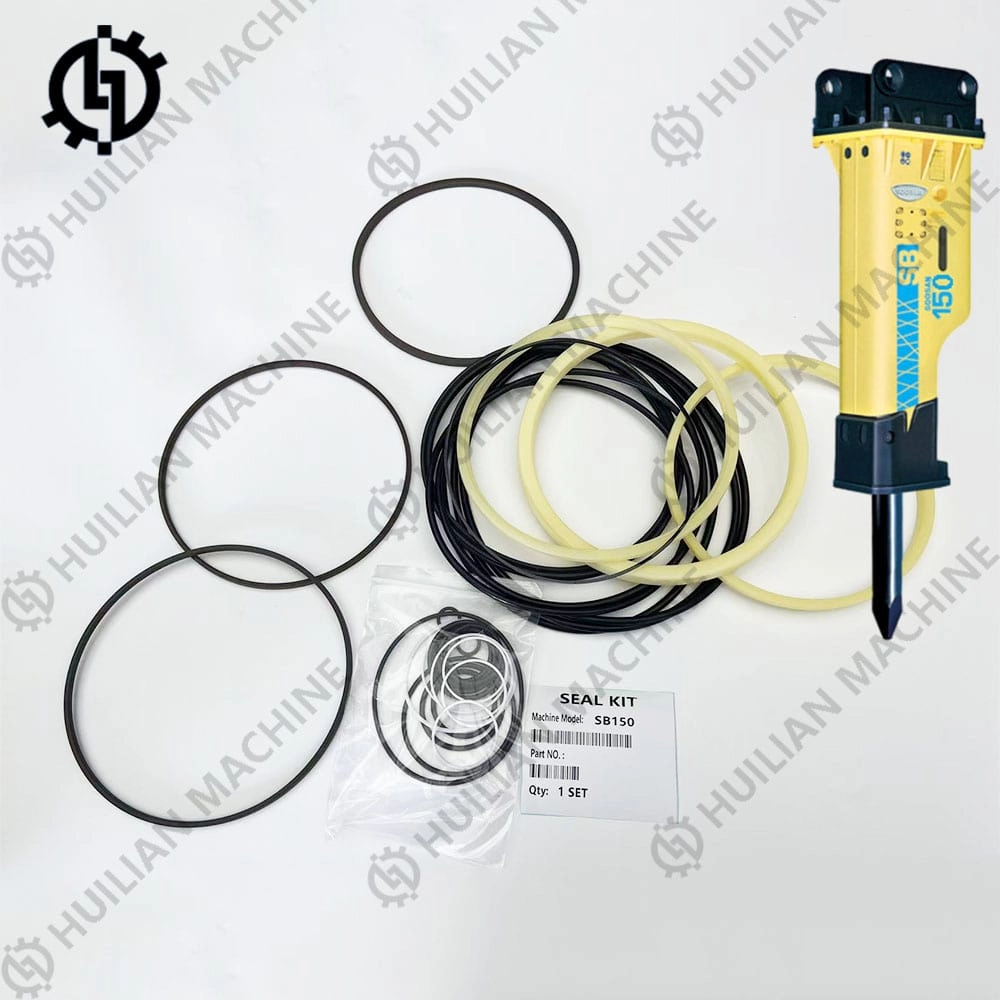
We provide a wide range of high-quality excavator parts, including hydraulic breakers, chisels, seal kits, diaphragms, pistons, wear bushes, retainer bars, through bolts, side bolts, valves, and liners.
What is your shipping and delivery time?
We offer fast and reliable global shipping. Delivery times vary depending on location and order size, but we strive to process and ship orders as quickly as possible.
How can I ensure I’m selecting the right part for my equipment?
Our expert team can assist you in finding the right part based on your machine model, specifications, and requirements. Contact us for personalized support.
Do you offer OEM and aftermarket parts?
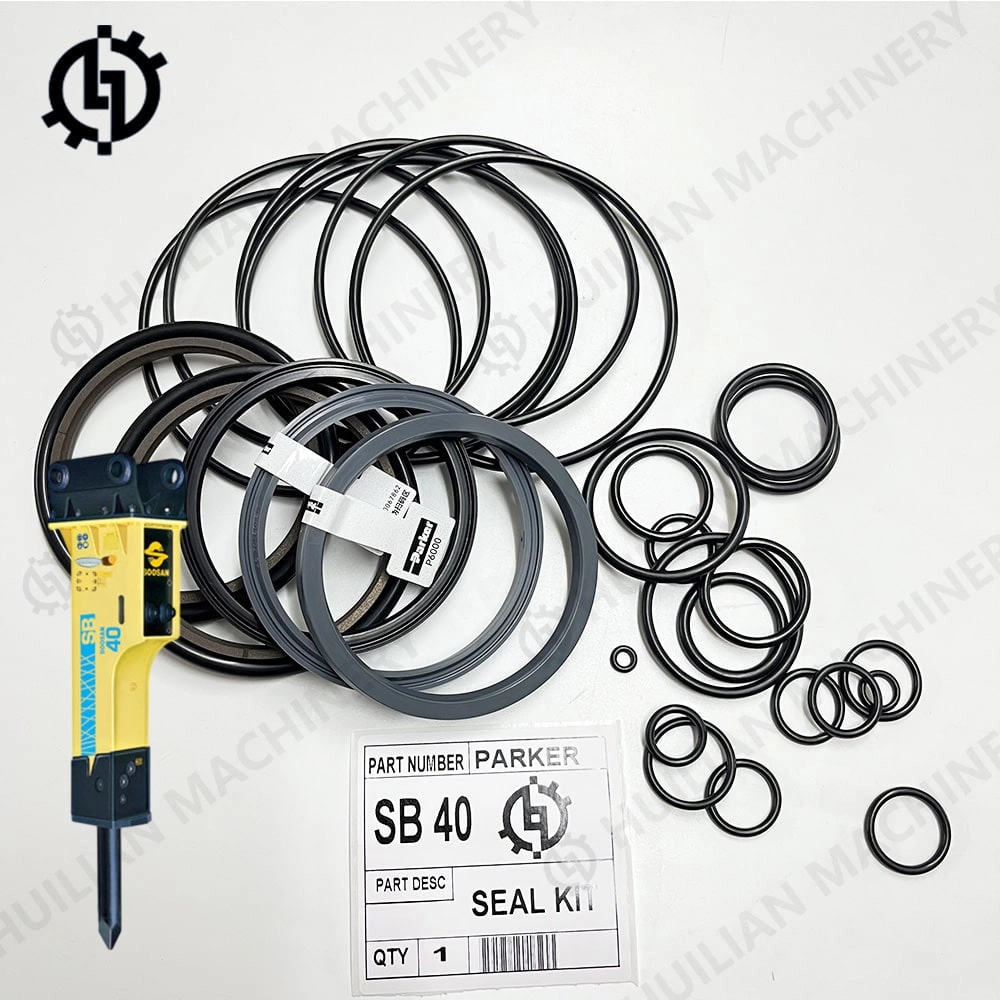
Yes, we manufacture high-quality OEM parts and supply aftermarket parts from top brands such as NOK, Parker, SKF, and Hallite to ensure optimal performance.
Are your parts compatible with all excavator brands?
Yes, our parts are designed to be compatible with major brands like Komatsu, Caterpillar, Hitachi, Hyundai, Doosan, JCB, Kobelco, Sany, and many more.




Getting started is easy 
Contact with our experts to find the best excavator parts solutions for your needs. Discover how Huilian can enhance your equipment's performance and efficiency.


Get in touch
 About us
© 2025 HUILIAN MACHINE. All rights reserved