



Demolition Guide: How to Efficiently Break Concrete & Asphalt Roads
- What are the Best Breakers for Road Demolition?
- Key Takeaways: Quick Summary for 2026
- Understanding Carrier Compatibility and Breaker Sizing
- Concrete vs. Asphalt: Selecting the Right Tool Bit
- Pneumatic vs. Hydraulic Breakers: Data Comparison Table
- Expert Tips and Common Demolition Mistakes
- 2026 Road Demolition Trends & Cost Analysis
- Industry Leading Solutions: Maximizing Efficiency with Guangzhou Huilian Machines Co., Ltd
- Conclusion & Call to Action
- Frequently Asked Questions
- What size breaker do I need for road demolition?
- How do you break concrete vs asphalt?
- What is blank firing in hydraulic breakers?
- How much hydraulic flow is required for an excavator hammer?
- Which tool bit is best for cutting asphalt?
- How often should a demolition breaker be greased?
- Are pneumatic or hydraulic breakers better for roads?
- How does an auto-lube system extend breaker life?
Road demolition is a high-stakes operation that demands precision, power, and the right machinery. Whether you are tearing up a deteriorating city street or removing an old highway, selecting the correct breakers for road demolition is the difference between a profitable project and costly downtime. In this comprehensive guide, we will explore everything from excavator hammer sizing to the crucial balance of impact energy vs blow rate.
What are the Best Breakers for Road Demolition?
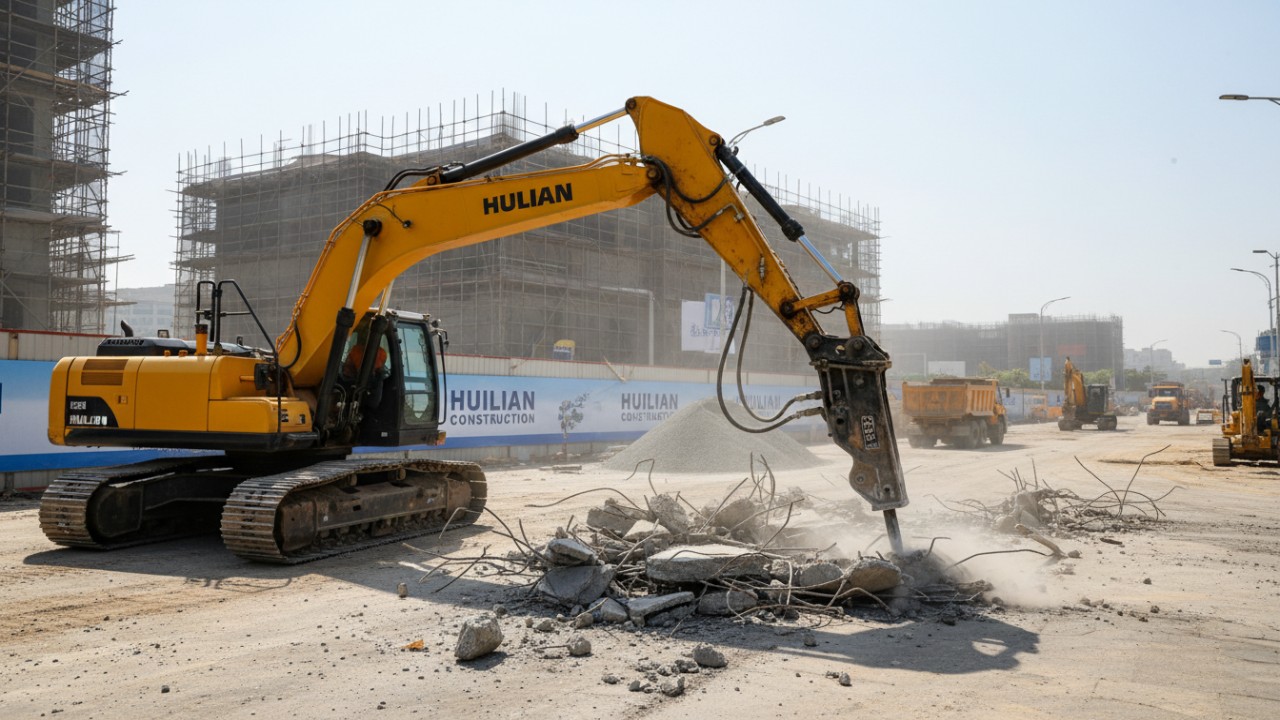
Breakers for road demolition are specialized heavy-duty attachments powered by hydraulic or pneumatic systems, designed to fracture dense materials like reinforced concrete and asphalt. The best breakers match the carrier machine's hydraulic flow, utilizing optimal tool bits like chisels or blunt points to maximize impact energy and demolition efficiency.
To achieve maximum productivity on the job site, contractors must look beyond sheer size and consider the engineering behind the tool. Since the first hydraulic breaker was invented in 1967, according to Wikipedia, these attachments have evolved into highly sophisticated machines. Today, hydraulic breaker attachments are the industry standard for large-scale infrastructure removal.
Here are the critical factors that make a breaker ideal for road work:
- Carrier Compatibility: The breaker must align perfectly with the operating weight of your excavator or skid steer.
- Internal Mechanics: High-quality pistons and nitrogen gas chambers ensure consistent striking force.
- Durability: Premium seals and wear bushings prevent premature failure in harsh, dusty environments.
Key Takeaways: Quick Summary for 2026
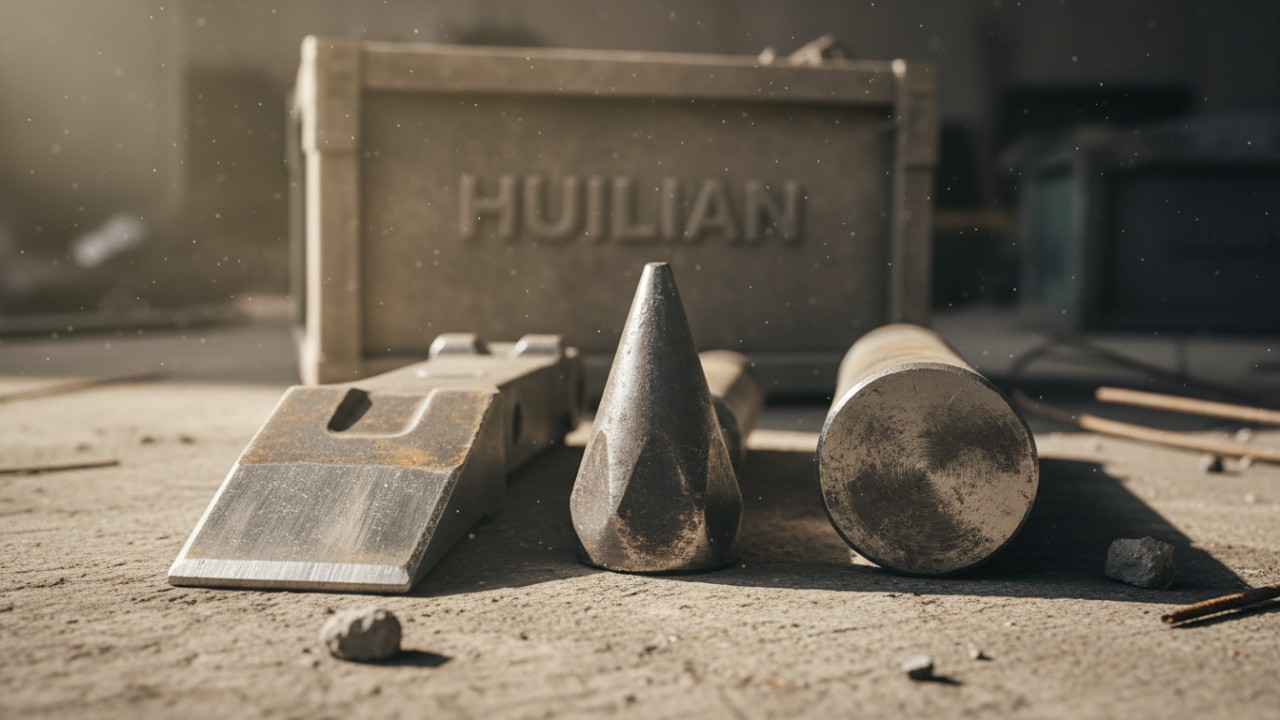
To succeed in modern demolition, contractors must adopt the latest operational standards and equipment strategies. The key to efficiency lies in precise equipment matching, proper tool selection, and rigorous preventative maintenance to protect your carrier and attachment.
Here is a quick summary of essential best practices for 2026:
- Match Hydraulic Flow: Always match the hydraulic flow and operating pressure precisely to prevent catastrophic carrier damage.
- Select the Right Bit: Choose chisel bits for precise asphalt cutting and trenching, while reserving blunt bits for heavy concrete slabs.
- Upgrade Safety Systems: Modern auto-lube systems and integrated dust suppression drastically improve tool lifespan and operator safety, keeping you compliant with strict Occupational Safety and Health Administration regulations regarding respirable crystalline silica dust.
- Prevent Blank Firing: Avoid blank firing at all costs, as it transfers damaging shockwaves directly into the breaker housing.
Understanding Carrier Compatibility and Breaker Sizing
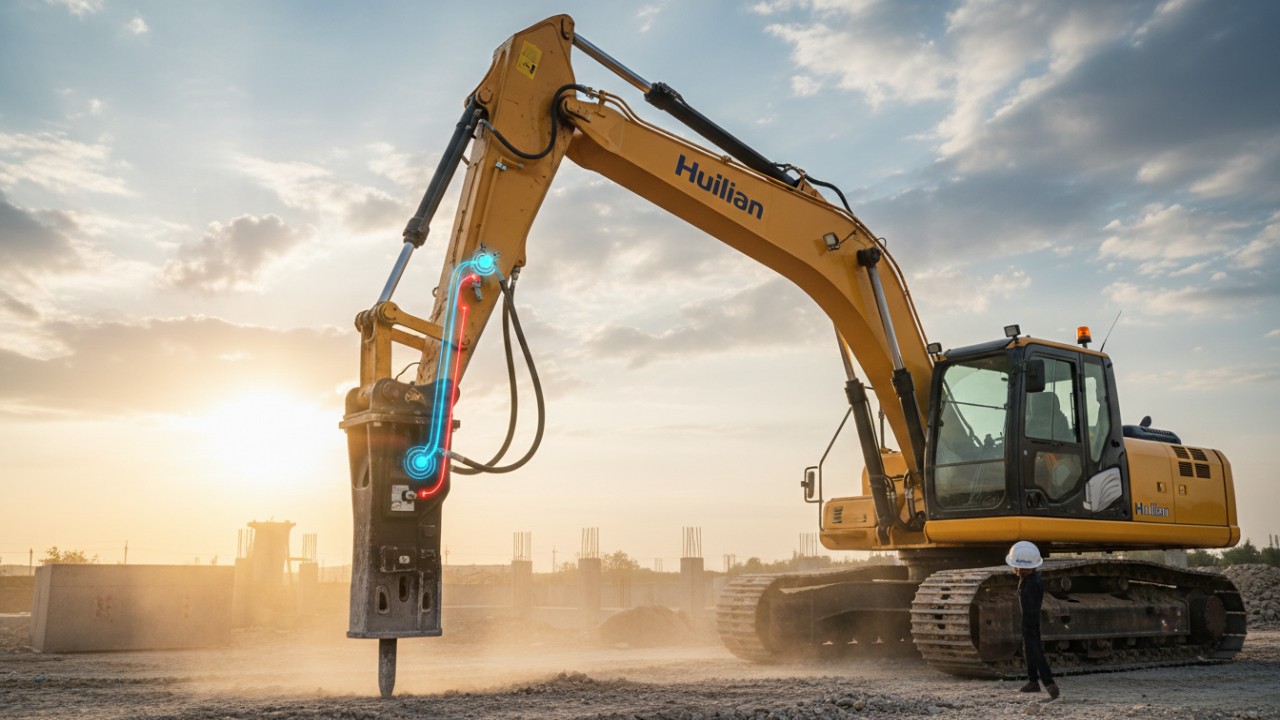
Excavator hammer sizing is the process of matching a hydraulic breaker's weight, hydraulic flow (GPM), and operating pressure (PSI) to the specific capabilities of your carrier machine. Getting this right ensures safe operation, prevents hydraulic overheating, and guarantees maximum demolition power.
When sizing your equipment, you must evaluate several technical metrics to ensure seamless integration. A mismatched breaker will either stall your machine's hydraulic pump or fail to deliver enough force to break the road surface.
Consider these sizing guidelines:
- Selecting the Correct Weight Class: You must match mini excavators, skid steers, or heavy-duty track machines to the right breaker weight. A breaker that is too heavy can tip the machine, while one that is too light will be shaken apart by the carrier's power.
- Balancing Impact and Speed: You must balance impact energy vs blow rate based on the road material density. Harder materials require higher impact energy, while softer materials benefit from a faster blow rate.
- Hydraulic Flow and Pressure: Evaluate the hydraulic flow (GPM) and pressure (PSI) specifications to ensure efficient power transfer without overheating the system.
- Mounting Systems: Pay attention to mounting systems, pin configurations, and quick couplers for rapid job site deployment.
Concrete vs. Asphalt: Selecting the Right Tool Bit
Selecting the correct breaker tool bits is essential because concrete and asphalt possess entirely different material densities and fracture properties. Using the wrong bit will drastically slow down your demolition progress, cause excessive wear on the breaker, and flatten the tool point.
Reinforced concrete demolition requires sheer brute force to shatter the material and separate it from the internal steel rebar. Conversely, asphalt is softer and more pliable, requiring a cutting action rather than a shattering one.
Here is a breakdown of the most effective tool bits:
- Moil Points: The industry standard for general-purpose concrete breaking, offering multi-directional fracturing.
- Chisel Bits: Highly effective for trenching, cutting straight lines in asphalt, and preparing precise road edges.
- Blunt Tools: Essential for maximizing direct impact energy transfer when breaking oversized, heavily reinforced concrete bridge decks.
- Pyramid Points: Best suited for highly abrasive environments where rapid penetration is required.
If you are maintaining a fleet, sourcing high-quality replacement parts is vital. For heavy-duty applications, utilizing premium 175mm Rock Breaker Parts ensures that your equipment can withstand the punishing environment of continuous road demolition.
Pneumatic vs. Hydraulic Breakers: Data Comparison Table
Pneumatic breakers are powered by external air compressors and are ideal for light, handheld tasks, whereas hydraulic breakers are powered by carrier machines and deliver massive impact energy for heavy-duty demolition. Choosing between them depends on the scale of your road project.
To help you make an informed decision for your next project, review the structured comparison below.
Expert Tips and Common Demolition Mistakes
The most common and destructive mistake in road demolition is blank firing, which occurs when the breaker operates without making contact with the material. This error destroys internal tie rods and pistons by sending the massive shockwave back into the breaker housing instead of the ground.
Even experienced operators can fall into bad habits that degrade equipment over time. By adhering to strict operational protocols, you can extend the life of your breaker and maintain peak efficiency.
Common Mistakes and Expert Solutions:
- Mistake: Blank firing (operating the breaker without material contact).
- Expert Tip: Always maintain proper down-pressure and keep the breaker strictly at a 90-degree angle to the road surface to prevent tool snapping.
- Mistake: Neglecting daily grease points or ignoring empty auto-lube cartridges during continuous operation.
- Expert Tip: Reposition the breaker every 15 to 30 seconds; if the material does not break, move the tool to avoid overheating and flattening the bit.
When parts do wear out, replacing them with durable components like a Rock Hammer Parts Rod Bits Tool will restore your hammer's original breaking power without requiring a full unit replacement.
2026 Road Demolition Trends & Cost Analysis
The defining trend for road demolition in 2026 is the widespread integration of Intelligent Protection Systems (IPS) that automatically detect and prevent blank firing. These advanced systems protect the internal mechanics of the breaker, significantly reducing maintenance costs and unexpected downtime.
As the industry moves toward smarter, more efficient job sites, contractors must adapt to new technologies and economic realities. The landscape of road demolition is shifting rapidly toward sustainability and automation.
Key 2026 Industry Trends:
- Intelligent Protection Systems (IPS): Auto-shutoff mechanisms that stop the hammer from firing when it slips off the material.
- Energy Recovery Technology: Advanced hydraulic attachments now feature energy recovery valves that lower carrier fuel consumption by up to 15%.
- Urban Noise Reduction: Strict city mandates are driving the adoption of silenced breaker box enclosures for street repairs in densely populated areas.
- Cost Breakdown Metrics: Contractors are increasingly evaluating the ROI of renting versus purchasing high-end attachments based on project scale, duration, and long-term fleet utilization.
Industry Leading Solutions: Maximizing Efficiency with Guangzhou Huilian Machines Co., Ltd
Guangzhou Huilian Machines Co., Ltd is a global leader in excavator parts, providing advanced hydraulic breaker hammers, chisels, and seal kits engineered to withstand the harshest road demolition environments. Founded in 2005, we deliver proven solutions that reduce downtime and maximize operational efficiency.
As a professional OEM supplier exporting to over 90 countries, the Huilian brand is synonymous with quality and reliability. Our deep industry experience allows us to support contractors with top-tier equipment designed for the rigors of modern construction.
Why Partner with Huilian?
- Advanced Engineering: We deploy advanced hydraulic attachments specifically engineered to withstand harsh road demolition environments.
- Proven Reliability: Our products feature integrated dust suppression and premium seals, demonstrating reduced operational downtime and enhanced environmental compliance.
- End-to-End Support: We offer comprehensive support, from precise carrier matching to preventative maintenance schedules that protect your investment.
Whether you need replacement pistons, wear bushes, or complete hydraulic breaker units, our skilled R&D experts and technicians ensure that every part meets the highest global standards.
Conclusion & Call to Action
Efficient road demolition requires the perfect synchronization of carrier size, optimal impact energy, and specialized tool bits tailored to concrete or asphalt. By understanding the mechanics of your equipment and avoiding common pitfalls like blank firing, you can execute projects faster and safer.
By leveraging modern hydraulic breaker technology and adhering to expert maintenance protocols, contractors can significantly reduce project downtime, mitigate equipment wear, and improve overall profitability. Equipping your fleet with the right tools is an investment that pays dividends on every job site.
Contact Guangzhou Huilian Machines Co., Ltd today to discuss your specific needs.
Frequently Asked Questions
What size breaker do I need for road demolition?
The size of the breaker depends entirely on your carrier machine (excavator, skid steer, or backhoe). You must match the breaker's operating weight and hydraulic flow requirements to the carrier's specifications to ensure safety and efficiency.
How do you break concrete vs asphalt?
Concrete requires high impact energy and blunt or moil points to fracture the dense material. Asphalt is softer and more flexible, so it is typically cut and broken using chisel bits that allow for precise trenching and edge creation.
What is blank firing in hydraulic breakers?
Blank firing occurs when the breaker is fired without the tool bit pressing against a solid surface. This sends the massive shockwave back into the breaker housing, causing severe damage to the piston, tie rods, and internal mechanics.
How much hydraulic flow is required for an excavator hammer?
Hydraulic flow requirements vary by breaker size. Small skid steer breakers may require 10-20 GPM, while heavy-duty excavator breakers for road demolition can require upwards of 40-60 GPM. Always consult the manufacturer's spec sheet.
Which tool bit is best for cutting asphalt?
The inline chisel bit is the best tool for cutting asphalt. It concentrates the breaker's energy into a straight line, allowing operators to cut clean trenches through asphalt layers without excessive collateral damage.
How often should a demolition breaker be greased?
Manual breakers should be greased every 2 hours of continuous operation using specialized high-temperature molybdenum grease. Many modern breakers feature auto-lube systems that automatically supply grease to the tool bushing.
Are pneumatic or hydraulic breakers better for roads?
Hydraulic breakers attached to excavators are far superior for large-scale road demolition due to their massive impact energy. Pneumatic (air-powered) handheld breakers are better suited for localized patch work and small-scale surface repairs.
How does an auto-lube system extend breaker life?
An auto-lube system provides a continuous, measured amount of grease to the moving parts of the breaker. This prevents metal-on-metal friction, reduces overheating, and prevents the tool bit from seizing during intense demolition tasks.


About
Do you offer OEM and aftermarket parts?
Yes, we manufacture high-quality OEM parts and supply aftermarket parts from top brands such as NOK, Parker, SKF, and Hallite to ensure optimal performance.
What is your shipping and delivery time?
We offer fast and reliable global shipping. Delivery times vary depending on location and order size, but we strive to process and ship orders as quickly as possible.
What types of excavator parts do you offer?
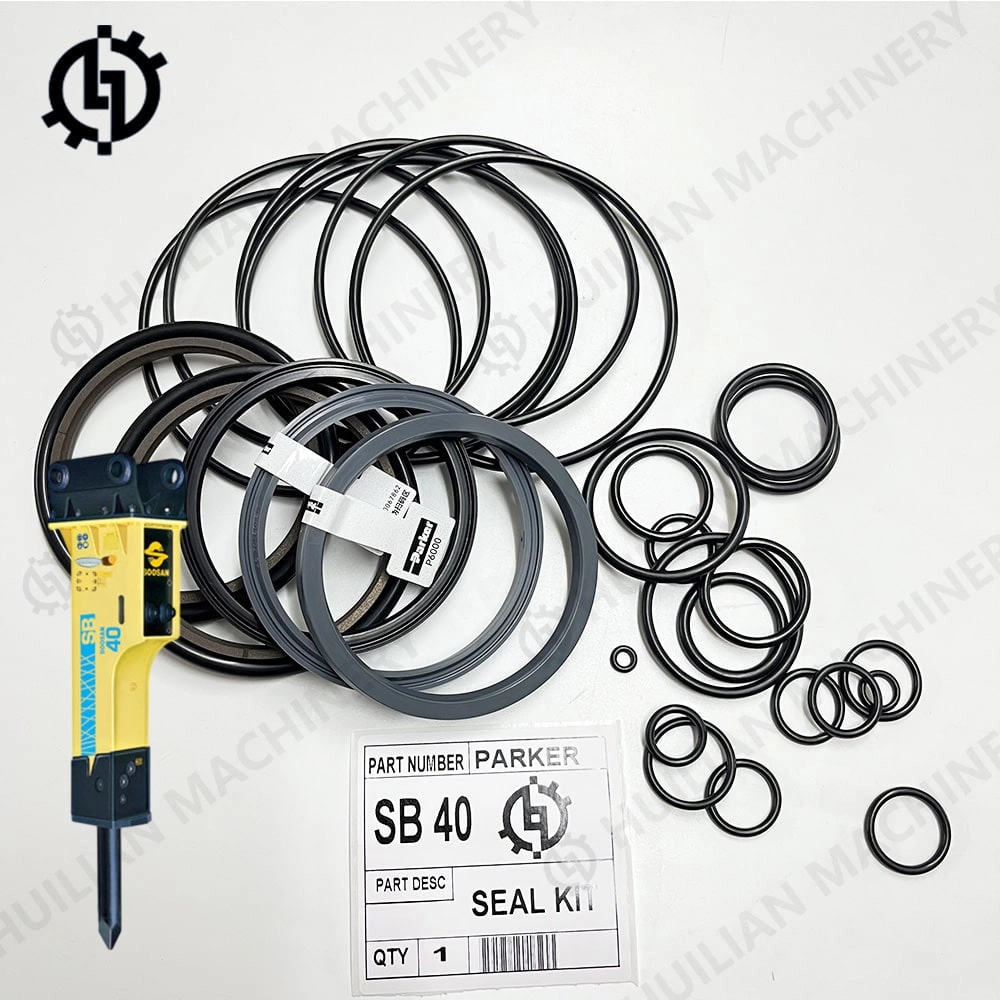
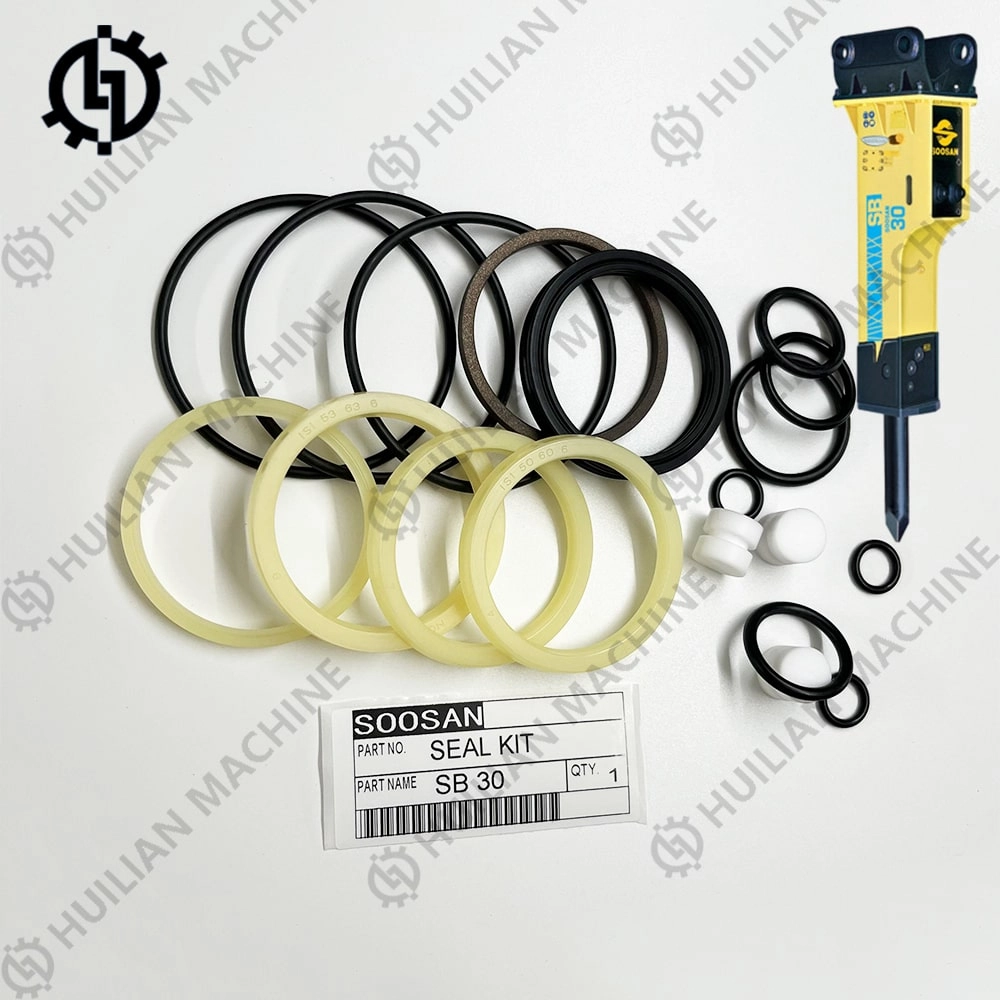
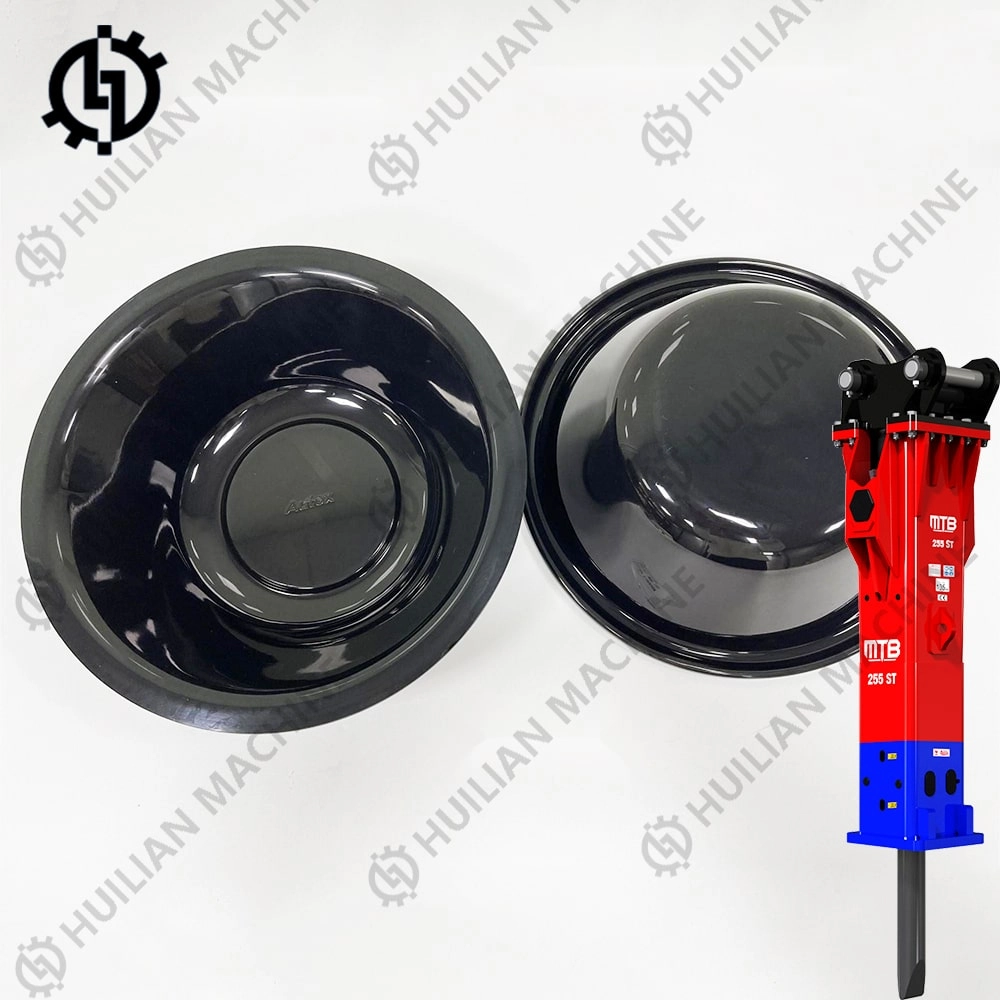
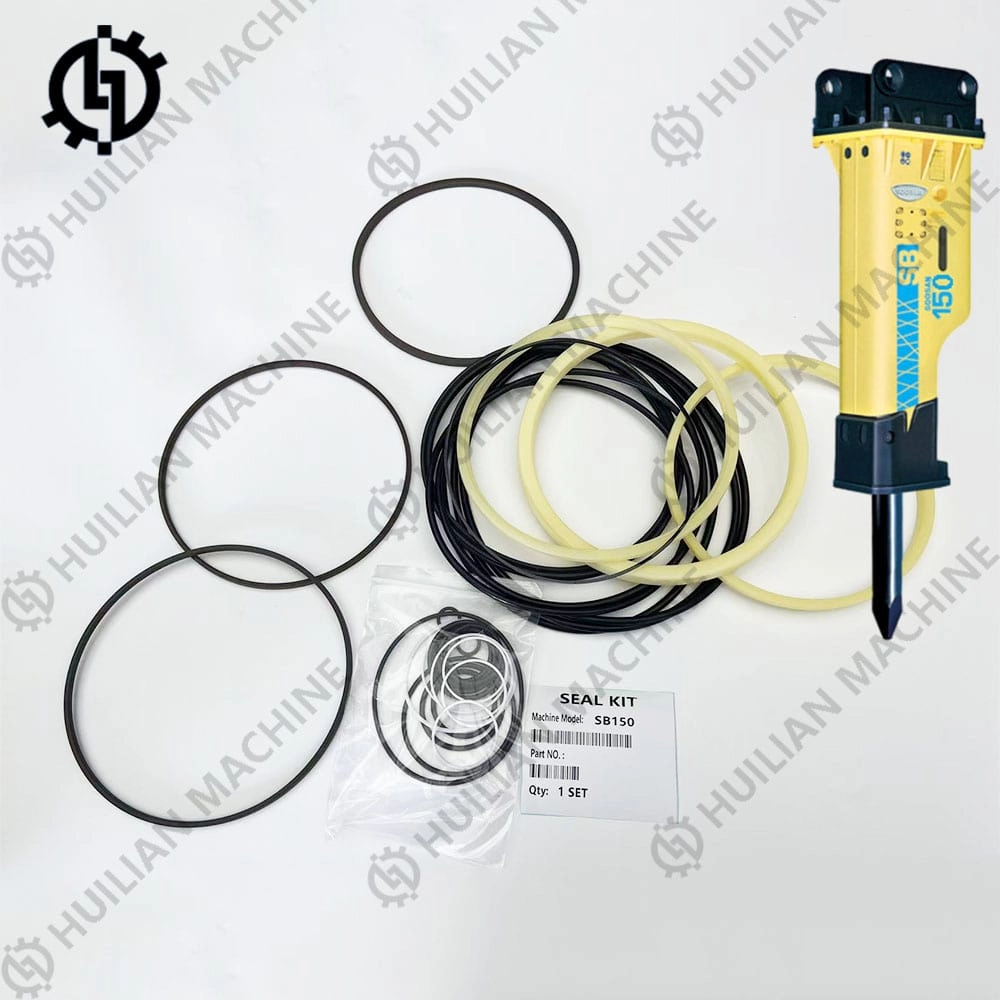
We provide a wide range of high-quality excavator parts, including hydraulic breakers, chisels, seal kits, diaphragms, pistons, wear bushes, retainer bars, through bolts, side bolts, valves, and liners.
Are your parts compatible with all excavator brands?
Yes, our parts are designed to be compatible with major brands like Komatsu, Caterpillar, Hitachi, Hyundai, Doosan, JCB, Kobelco, Sany, and many more.
How can I ensure I’m selecting the right part for my equipment?
Our expert team can assist you in finding the right part based on your machine model, specifications, and requirements. Contact us for personalized support.




Getting started is easy 
Contact with our experts to find the best excavator parts solutions for your needs. Discover how Huilian can enhance your equipment's performance and efficiency.


Get in touch
 About us
© 2025 HUILIAN MACHINE. All rights reserved