



Mastering Hydraulic Breaker Chisels: Your Essential Guide to Selection, Use, and Maintenance for Peak Performance
Hydraulic breaker chisels are the tip of the spear in demolition and construction, yet they are often overlooked until failure occurs. This comprehensive guide explores the essential types of chisels—from moil points to blunt tools—and details how to select the perfect match for your specific application. Learn expert operating techniques to prevent breakage, master maintenance routines like proper greasing and bushing care, and discover how premium materials like 42 CrMoA steel can significantly extend tool life and project efficiency.
- Introduction: Unlocking the Power of Hydraulic Breaker Chisels
- Exploring the Different Types of Hydraulic Breaker Chisels and Their Applications
- Moil Point Chisel
- Chisel (Wedge/Flat Point)
- Blunt Tool
- Conical Point
- Wide Chisel
- Key Factors in Selecting the Optimal Hydraulic Breaker Chisel
- Matching Chisel Type to Application
- Material Hardness and Composition
- Breaker Machine Compatibility
- Chisel Material and Manufacturing Quality
- Best Practices for Operating Your Hydraulic Breaker Chisel
- Essential Maintenance and Care for Extended Chisel Lifespan
- Lubrication and Greasing
- Bushing Replacement
- Daily Inspection Routines
- The Huilian Advantage: Superior Hydraulic Breaker Chisels for Every Job
- Safety First: Handling and Replacing Hydraulic Breaker Chisels Safely
- Conclusion: Maximizing Your Investment in Hydraulic Breaker Chisels
- FAQ
- What are the primary types of hydraulic breaker chisels available?
- How do I choose the correct hydraulic breaker chisel for my specific application?
- What is the recommended maintenance schedule for a hydraulic breaker chisel?
- Can using unapproved aftermarket chisels affect my hydraulic breaker's warranty?
- What are the common signs that a hydraulic breaker chisel needs to be replaced?
- How does the material composition of a chisel impact its performance and durability?
- What is the importance of using clean hydraulic oil for the breaker system?
- Why is it important to vary the hitting point when operating a hydraulic breaker chisel?
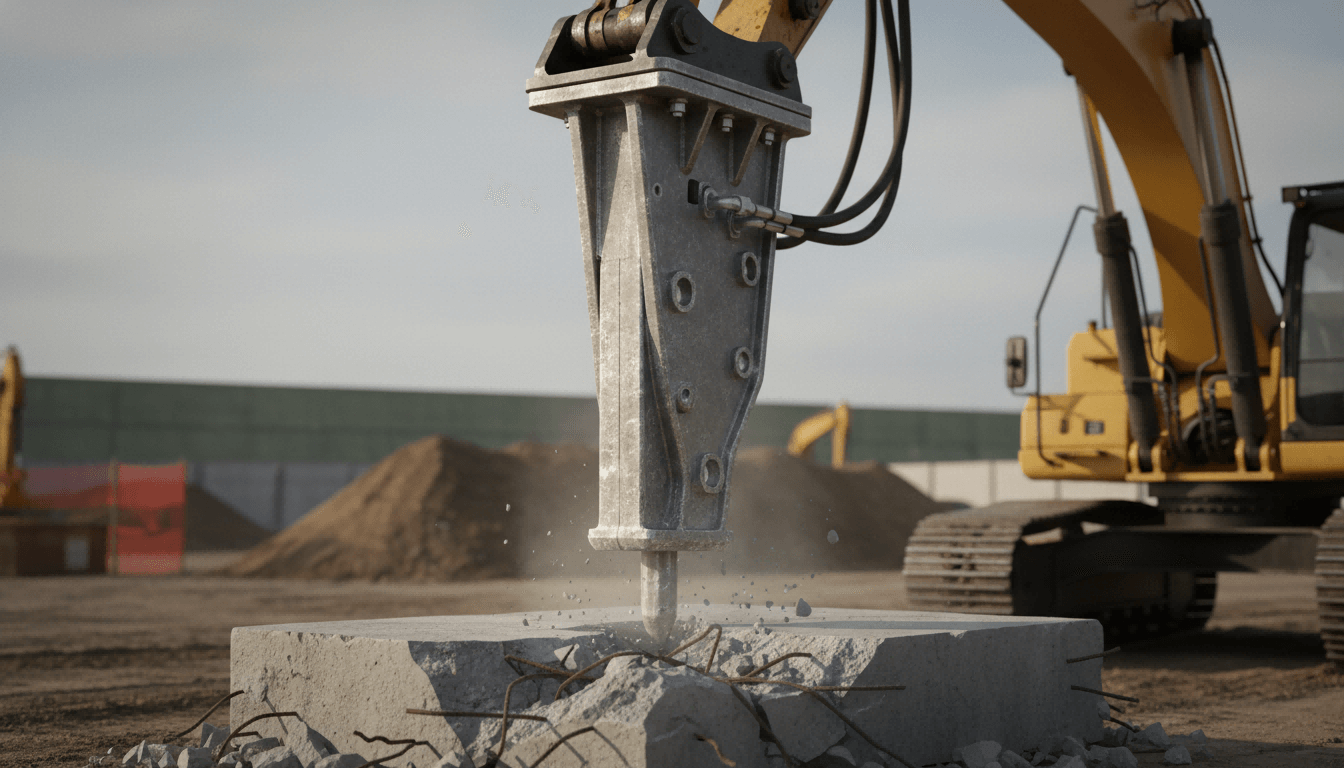
Introduction: Unlocking the Power of Hydraulic Breaker Chisels
In the demanding worlds of demolition, mining, and construction, the hydraulic breaker is the heavy hitter, but the chisel is the fist that delivers the blow. Often viewed as a simple consumable, the hydraulic breaker chisel (or tool bit) is actually a precision-engineered component that dictates the efficiency, speed, and safety of your operations.
Choosing the wrong tool for the job—or neglecting its care—can lead to catastrophic equipment failure, costly downtime, and safety hazards. Conversely, mastering the selection and maintenance of these tools unlocks peak performance, ensuring your equipment hits harder and lasts longer. Whether you are breaking reinforced concrete in an urban center or trenching through granite in a quarry, this guide covers everything you need to know to maximize the lifespan and ROI of your hydraulic breaker chisels.
Exploring the Different Types of Hydraulic Breaker Chisels and Their Applications
Not all breaking tasks are created equal, and neither are the tools designed to handle them. Selecting the correct chisel profile is the first step toward efficiency. According to industry experts like Stewart-Amos Equipment Co., using the wrong tip can drastically reduce energy transmission and increase wear.
Moil Point Chisel
Recognizable by its conical shape tapering to a sharp point, the Moil Point is the "Swiss Army Knife" of breaker tools. It is designed for maximum penetration, making it ideal for:
· General Demolition: Breaking reinforced concrete and road surfaces.
· Hard Rock: Penetrating sedimentary rock where a wedge effect is needed to split the material.
Chisel (Wedge/Flat Point)
The Wedge or Flat Chisel features a flat tip that concentrates force along a line rather than a single point. This design provides excellent cutting action and is best suited for:
· Trenching and Excavation: Creating clean lines in ground work.
· Soft to Neutral Rock: Breaking layered sedimentary rock or asphalt where the tool needs to "cut" rather than just shatter.
· Slope Breaking: Effective for leveling operations.
Blunt Tool
Unlike penetrating tools, the Blunt Tool has a flat, broad face. It operates by transferring impact energy as a shockwave, shattering material from the inside out. It is the heavy-hitter for:
· Secondary Breaking: Smashing large boulders or "oversize" in quarries.
· Igneous Rock: Crushing hard, abrasive materials where a sharp point would wear down instantly.
Conical Point
Similar to the Moil Point but often with a more robust geometry, the Conical Point is engineered for the toughest environments. It offers deep penetration for:
· Hard Stone: Tackling granite, quartzite, and other high-compressive-strength rocks.
· Heavy Concrete: piercing thick slabs.
Wide Chisel
Sometimes referred to as an asphalt cutter or spade, the Wide Chisel is specialized for softer materials. Its broad blade is perfect for:
· Road Construction: Cutting blacktop and asphalt cleanly.
· Foundry Work: Shaking out ladles.
· Demolition: Knocking down large sections of brick or thin concrete.
Key Factors in Selecting the Optimal Hydraulic Breaker Chisel
Selecting the right tool goes beyond just picking a shape. It requires a deep understanding of your equipment and the material you are facing.
Matching Chisel Type to Application
Your job site conditions dictate your choice. For example, using a Moil Point on abrasive granite may lead to rapid tip wear, whereas a Blunt Tool would effectively shatter the rock through impact energy transfer (JIANGTU). Conversely, trying to cut a precise trench with a Blunt tool is inefficient; a Wedge Chisel is required for that level of control.
Material Hardness and Composition
The hardness of the target material largely determines the necessary tool hardness.
· Soft/Abrasive Material: Requires wear-resistant tools.
· Hard/Compact Material: Requires high-impact toughness to prevent snapping.
Breaker Machine Compatibility
A chisel must match the specific make, model, and tonnage of your hydraulic hammer. Whether you are running an ALLIED, ATLAS COPCO, CATERPILLAR, NPK, or RAMMER breaker, the shank dimensions and weight class must be exact. Mismatched tools can damage the piston or tool bushings.
Chisel Material and Manufacturing Quality
This is where durability is defined. High-quality chisels are typically forged from heat-treated high-alloy steel, such as 42 CrMoA. This material is favored for its balance of hardness (reaching HRC 52–58) and impact toughness. Industry certifications like BS EN ISO9001:2008 ensure that the heat treatment process is consistent, preventing brittle tools that snap under pressure.
Best Practices for Operating Your Hydraulic Breaker Chisel
Even the best tool can fail if operated incorrectly. Adhering to proper techniques is critical for safety and longevity.
· Apply Proper Downward Force: The operator must apply enough down pressure to keep the tool firmly against the material so the breaker's internal piston strikes the tool, not the retainer pins (blank firing). However, lifting the machine off the ground (excessive force) can damage the excavator boom.
· Adjust the Hitting Point: Never hammer in the same spot for more than 15-30 seconds. If the material doesn't break, move the tool slightly. Continuous impact in one spot creates excessive heat, which softens the steel and leads to "mushrooming" of the tip.
· Correct Operating Angles: Always operate the tool at a 90-degree angle to the surface. Striking at an oblique angle causes side-loading, which can snap the tool or damage the breaker bushings.
· Never Use as a Lever: This is the #1 cause of tool breakage. Never use the chisel to pry, leverage, or move rocks. The tool is designed for axial impact, not lateral bending force.
· Avoid Blank Firing: engaging the hammer when the tool is not pressed against rock causes the piston to strike the tool retention mechanism, causing severe internal damage.
Essential Maintenance and Care for Extended Chisel Lifespan
Routine maintenance is not optional—it is an investment.
Lubrication and Greasing
Friction is the enemy. According to maintenance guides from manufacturers like Beilite and Nors, you should grease the tool bushing every 2 hours during manual operation, or ensure your auto-lube system is functioning.
· Use Chisel Paste: Standard chassis grease melts too fast. Use high-temperature molybdenum disulfide ("moly") paste (often rated for >500°F) to maintain a barrier between the steel tool and the bushings.
Bushing Replacement
The bushings (upper and lower) hold the tool in alignment. As they wear, the gap increases, allowing the tool to tilt. This misalignment causes the piston to strike the tool at an angle, leading to piston damage or tool failure. Check bushing limits weekly.
Daily Inspection Routines
Before every shift, inspect the tool for:
· Cracks: Hairline cracks can propagate quickly.
· Wear: Check the retainer pins and the tool shank.
· Oil: Ensure hydraulic oil is clean; contamination accelerates internal seal wear.
The Huilian Advantage: Superior Hydraulic Breaker Chisels for Every Job
When your project demands reliability, Huilian delivers the industry's benchmark for durability and performance.
· Unmatched Material Quality: We utilize premium 42 CrMoA Excavator Breaker Chisel material. This high-grade alloy offers superior wear resistance and impact strength compared to standard 40Cr steel options.
· Certified Manufacturing: Our production facilities strictly adhere to BS EN ISO9001:2008 standards. Every chisel undergoes advanced heat treatment to achieve the precise hardness required for mining and demolition.
· Extensive Inventory: We understand that downtime is lost revenue. That’s why we stock over 200 models covering all major brands like Allied, Rammer, and NPK. Whether you need a moil point, wedge, or specialized blunt tool, we have it ready to ship.
· Expert Solutions: Our team doesn't just sell parts; we provide solutions. We assist you in matching the exact tool to your hydraulic carrier's tonnage and your specific application, ensuring you get the maximum life out of every purchase.
Safety First: Handling and Replacing Hydraulic Breaker Chisels Safely
Changing a breaker tool involves heavy steel components and hydraulic pressure. Follow these safety protocols (Source: Huilian Machine/Beilite):
1. Positioning: Lay the breaker horizontally on stable ground. Never attempt to change a tool while the breaker is vertical or unsupported.
2. Depressurize: Shut off the excavator and relieve hydraulic pressure before disconnecting any lines.
3. Use Approved Tools: Use the correct punch and hammer size for retainer pins. Never use makeshift tools that could shatter.
4. PPE is Mandatory: Steel chips can fly during pin removal. Always wear safety glasses, gloves, and steel-toed boots.
5. Watch Your Feet: Breaker tools are deceptively heavy. Ensure lifting straps or hoists are rated for the weight of the chisel.
Conclusion: Maximizing Your Investment in Hydraulic Breaker Chisels
The difference between a profitable project and a costly one often comes down to your tools. By selecting the right chisel type—be it a moil point for concrete or a blunt tool for boulders—and committing to a rigorous maintenance schedule, you ensure your hydraulic breaker operates at peak efficiency. Partnering with a supplier like [Company Name] guarantees you are equipped with high-performance, 42 CrMoA steel tools designed to withstand the harshest conditions. Treat your chisels with respect, grease them often, and they will break through any obstacle in your path.
FAQ
What are the primary types of hydraulic breaker chisels available?
The most common types are Moil Point (universal use), Chisel/Wedge (trenching/cutting), Blunt Tool (crushing hard rock), Conical Point (penetrating hard stone), and Wide Chisel (asphalt/soil).
How do I choose the correct hydraulic breaker chisel for my specific application?
Start by identifying the material (concrete vs. granite vs. asphalt) and the action required (shattering vs. cutting). Then ensure the chisel shank matches your breaker's model and tonnage specifications.
What is the recommended maintenance schedule for a hydraulic breaker chisel?
Inspect the tool daily for cracks. Grease the tool manually every 2 hours of operation using high-temp moly paste. Check bushing wear limits weekly or every 50 hours of use.
Can using unapproved aftermarket chisels affect my hydraulic breaker's warranty?
Yes. Using ill-fitting or low-quality chisels can damage the breaker's piston and bushings. Many manufacturers will void warranties if failure is traced to non-approved tools.
What are the common signs that a hydraulic breaker chisel needs to be replaced?
Replace the chisel if you see cracks, severe mushrooming at the tip, excessive wear on the retaining pin area, or if the breaking efficiency drops significantly despite good hydraulic pressure.
How does the material composition of a chisel impact its performance and durability?
Materials like 42 CrMoA are heat-treated to offer a specific balance of hardness (HRC 52-58) and toughness. This prevents the tool from being too brittle (snapping) or too soft (wearing out quickly).
What is the importance of using clean hydraulic oil for the breaker system?
Dirty oil acts like sandpaper inside the hydraulic system, destroying seals and valves. It can also cause the breaker to overheat, reducing impact power and damaging the internal components.
Why is it important to vary the hitting point when operating a hydraulic breaker chisel?
Hammering in one spot generates intense friction heat (over 1000°F/500°C), which can ruin the heat treatment of the steel, making the tip soft and prone to deformation. Moving the tool helps dissipate heat and improves breaking efficiency.


About
Are your parts compatible with all excavator brands?
Yes, our parts are designed to be compatible with major brands like Komatsu, Caterpillar, Hitachi, Hyundai, Doosan, JCB, Kobelco, Sany, and many more.
Do you offer OEM and aftermarket parts?
Yes, we manufacture high-quality OEM parts and supply aftermarket parts from top brands such as NOK, Parker, SKF, and Hallite to ensure optimal performance.
What types of excavator parts do you offer?
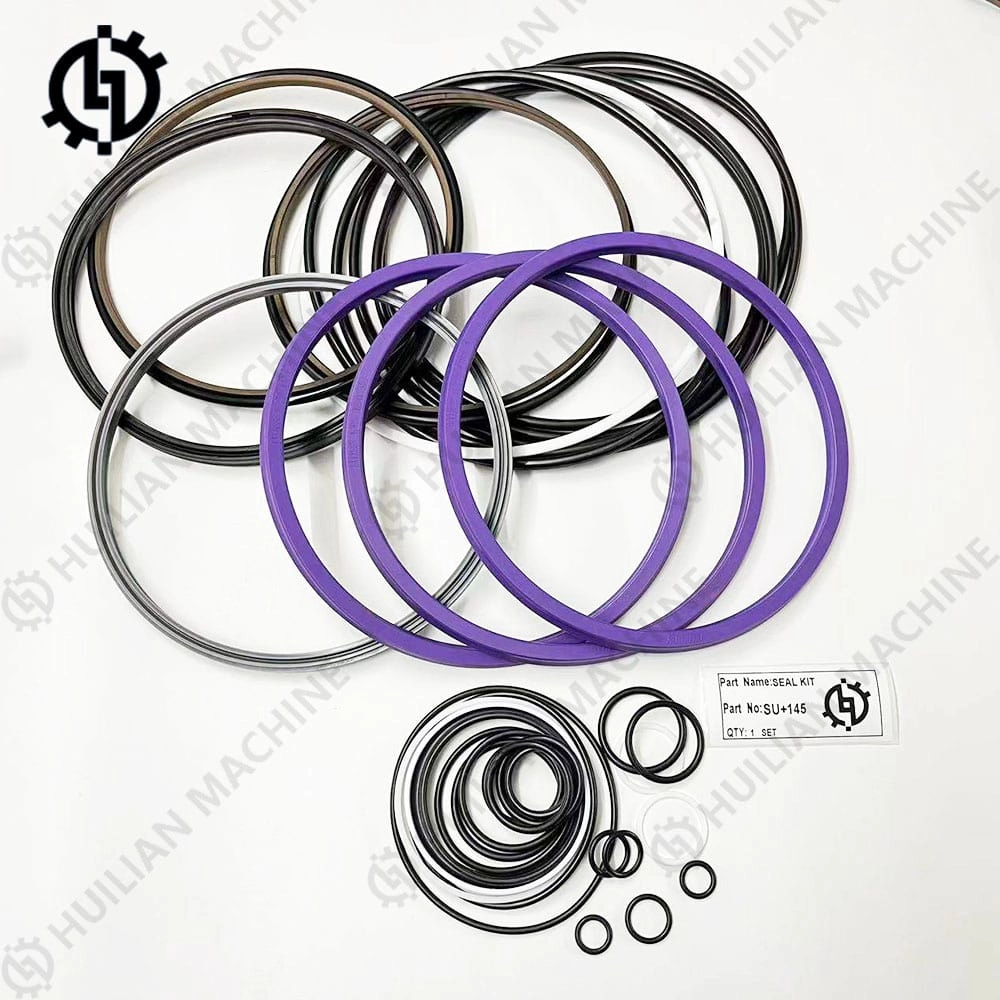
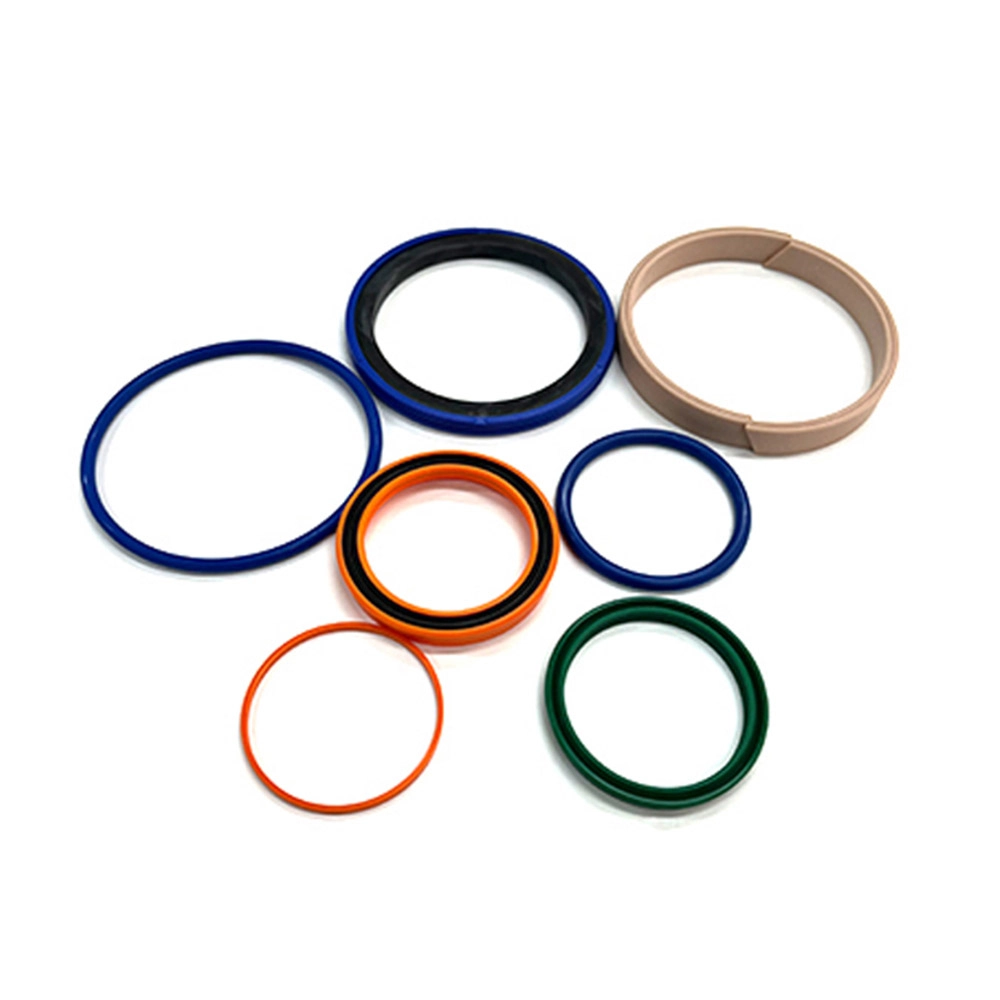
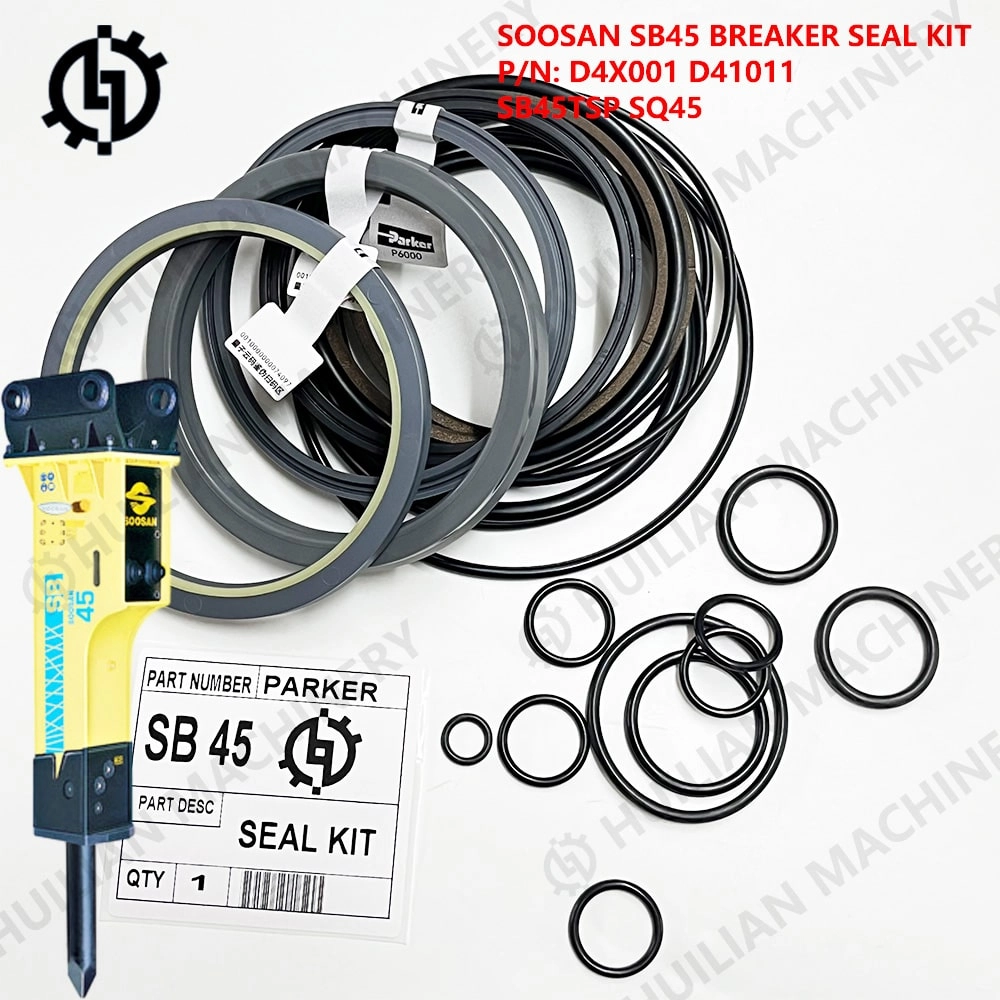
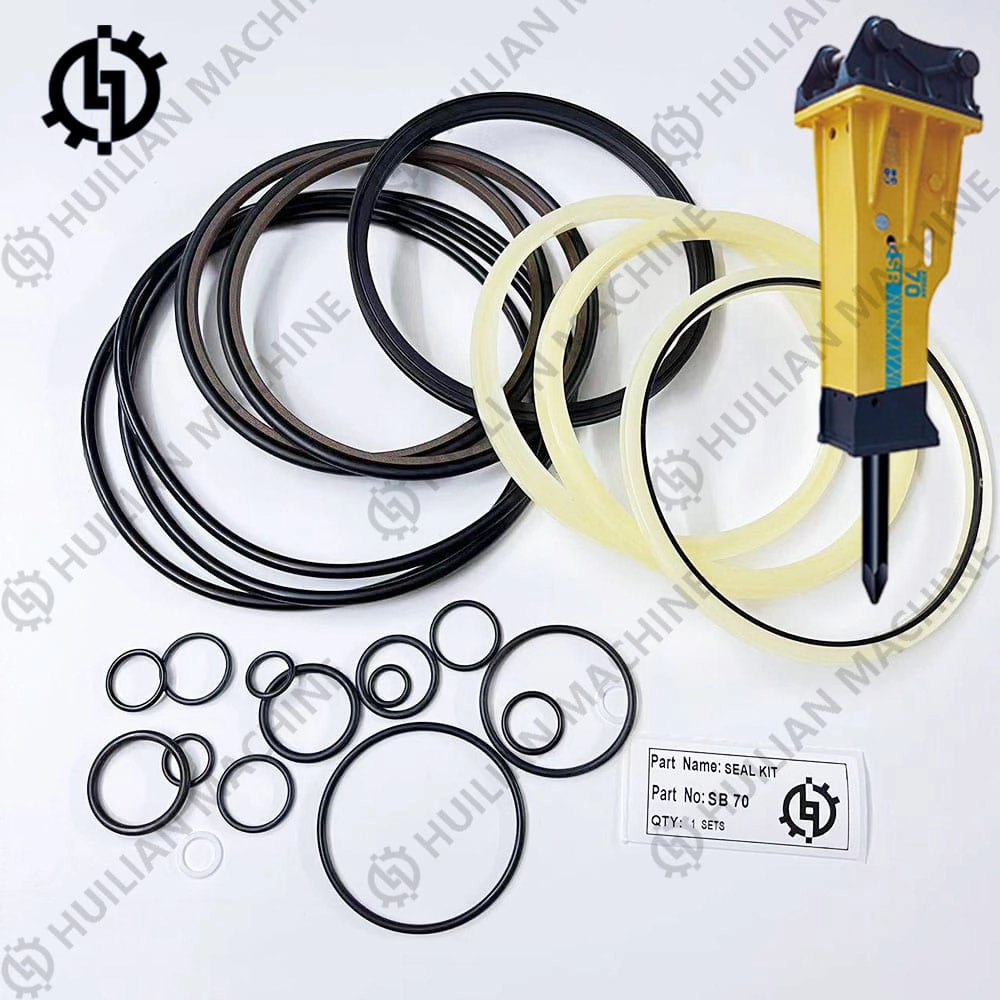
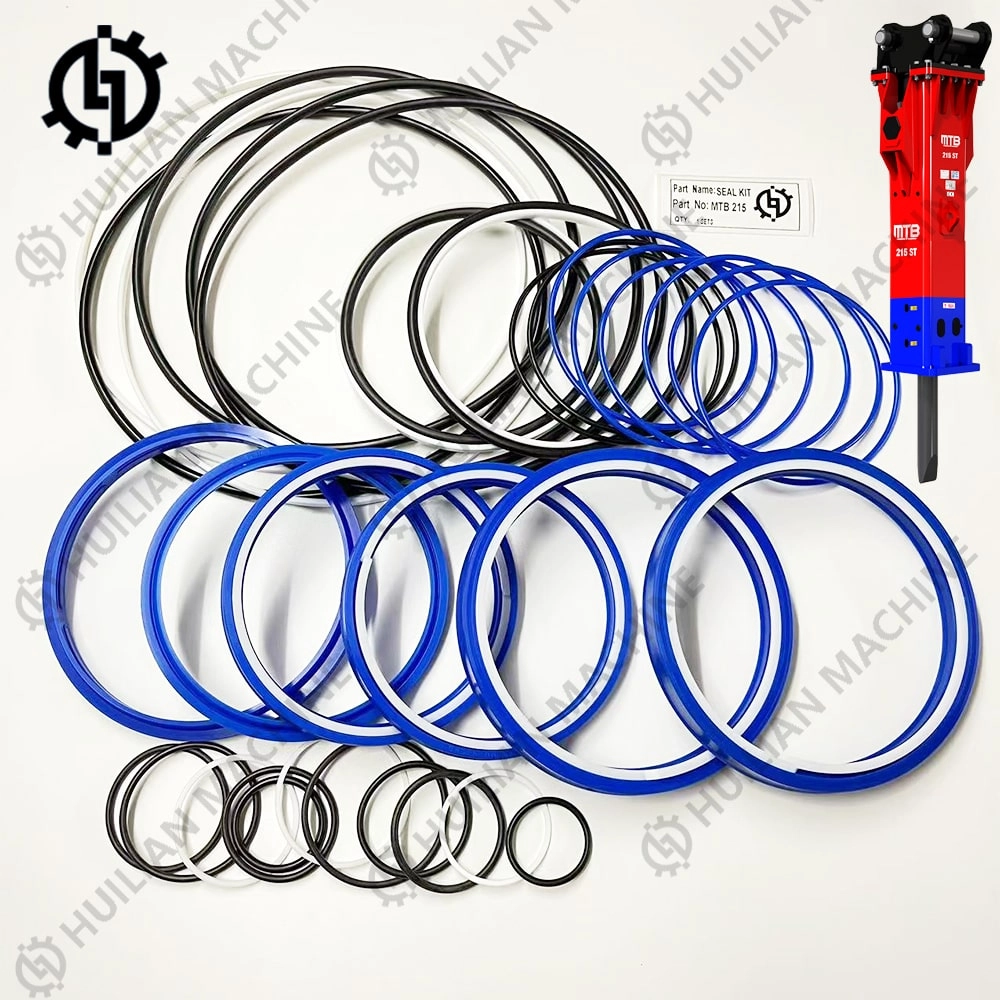
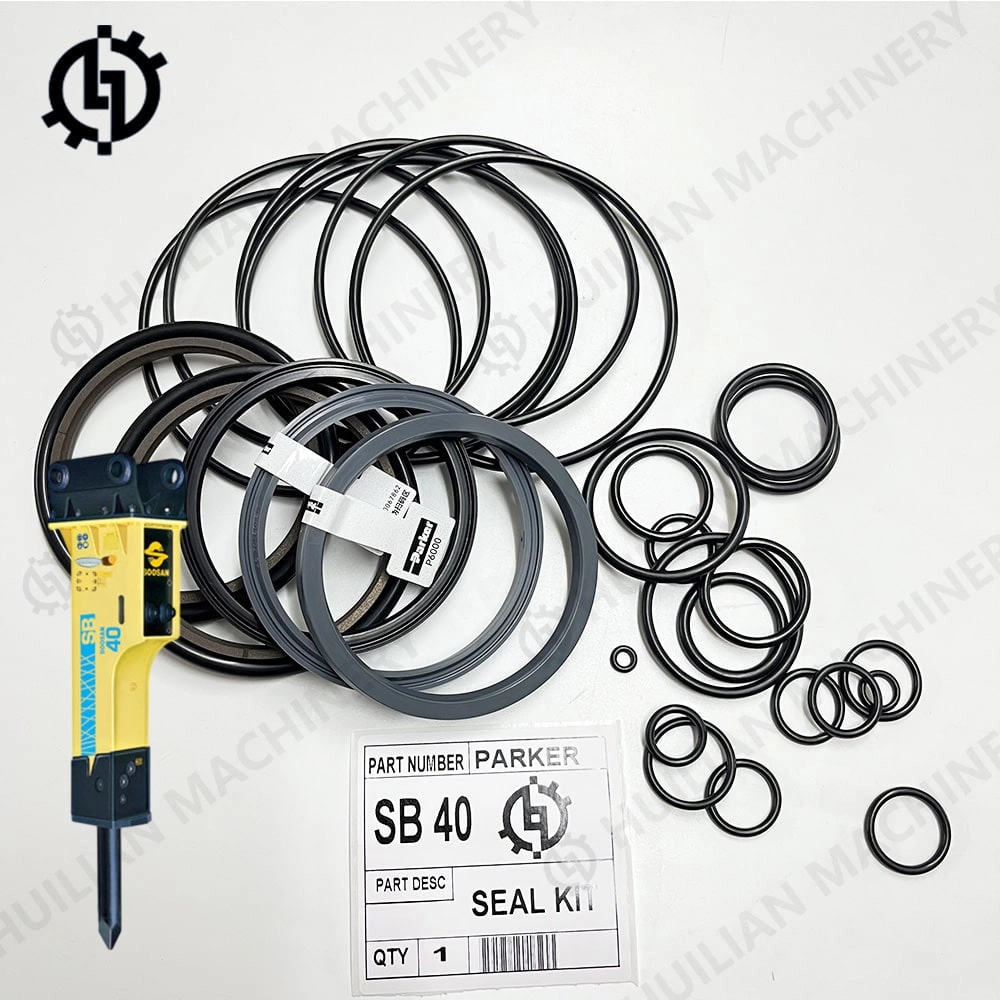
We provide a wide range of high-quality excavator parts, including hydraulic breakers, chisels, seal kits, diaphragms, pistons, wear bushes, retainer bars, through bolts, side bolts, valves, and liners.
What is your shipping and delivery time?
We offer fast and reliable global shipping. Delivery times vary depending on location and order size, but we strive to process and ship orders as quickly as possible.
How can I ensure I’m selecting the right part for my equipment?
Our expert team can assist you in finding the right part based on your machine model, specifications, and requirements. Contact us for personalized support.


Getting started is easy 
Contact with our experts to find the best excavator parts solutions for your needs. Discover how Huilian can enhance your equipment's performance and efficiency.


Get in touch
 About us
© 2025 HUILIAN MACHINE. All rights reserved