



The Ultimate Guide to Hydraulic Excavator Breakers: 2026 Selection and Performance Manual
A comprehensive 2026 manual for project managers on selecting, maintaining, and optimizing hydraulic excavator breakers. Covers sizing, smart technology, and critical maintenance protocols.
- What is a hydraulic excavator breaker and how does it function?
- How It Works
- Key Components
- Quick Summary: Key Takeaways for Project Managers
- Matching Your Machine: Sizing, Flow, and Pressure Requirements
- Understanding Flow and Pressure
- The Sizing Formula
- The 2026 Innovation Gap: Smart Breakers and Predictive Maintenance
- The Rise of Smart Attachments
- Benefits of Modern Tech
- Comprehensive Maintenance: Nitrogen & Lubrication
- Nitrogen Gas Charging
- Maintenance Schedule
- Expert Tips: 5 Critical Mistakes to Avoid
- FAQ
- What is the difference between a hydraulic hammer and a breaker?
- How often should a hydraulic breaker be greased?
- Can I use a standard hydraulic breaker underwater?
- What causes a hydraulic breaker to lose power?
- References
Equipping an excavator with hydraulic breaker attachments effectively transforms a standard digging machine into a high-performance demolition rig. As we approach 2026, the industry is shifting toward intelligent, data-driven attachments that maximize uptime and fuel efficiency.
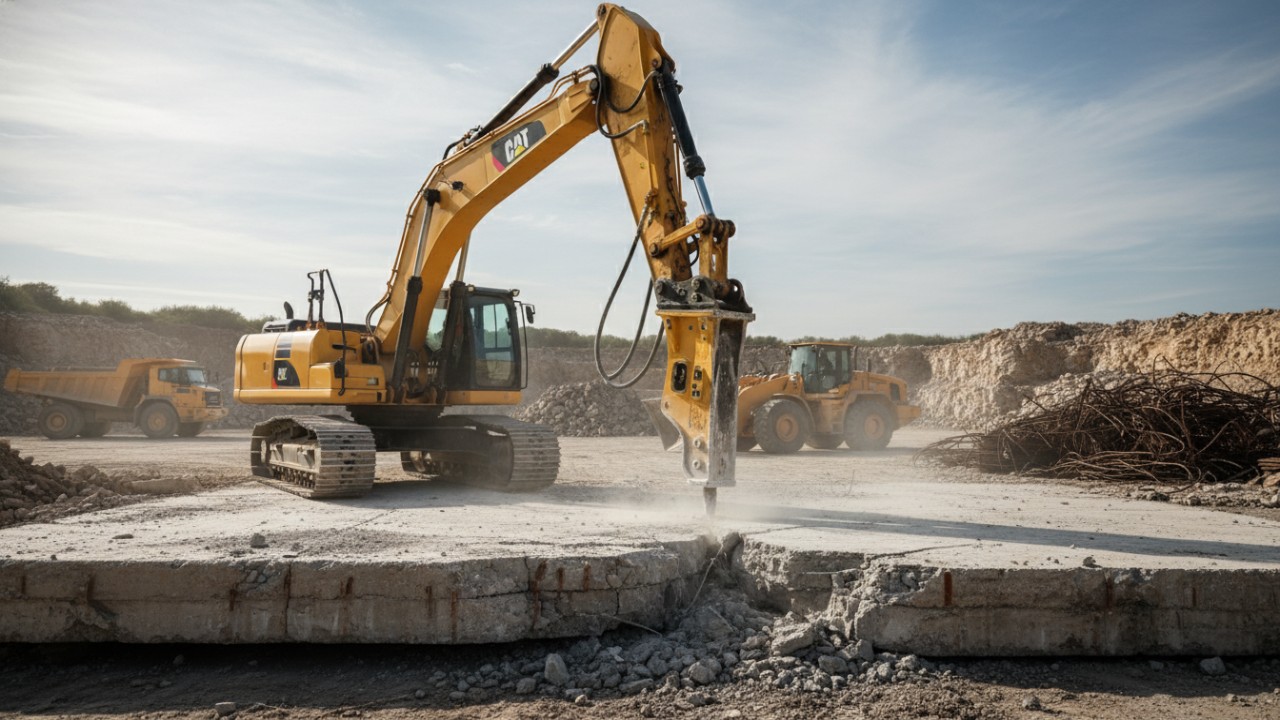
What is a hydraulic excavator breaker and how does it function?
A hydraulic excavator breaker, frequently referred to as a hydraulic hammer, is a percussion attachment that converts the carrier's hydraulic fluid pressure into mechanical hydraulic hammer impact energy to demolish concrete, rock, and asphalt.
How It Works
The core mechanism relies on a piston-and-valve system. High-pressure hydraulic oil enters the cylinder, pushing the piston upward and compressing nitrogen gas in the accumulator. When the valve releases the oil, the stored energy drives the piston down onto the tool (chisel) with immense force. This cycle repeats hundreds of times per minute (BPM).
Key Components
- Cylinder & Piston: The heart of the percussion mechanism.
- Accumulator: Stores nitrogen gas to absorb shockwaves and boost impact power.
- Tool (Chisel): The replaceable steel bit that makes contact with the material.
- Tie Rods: High-strength bolts that hold the breaker assembly together.
Quick Summary: Key Takeaways for Project Managers
Successful deployment of hydraulic breakers in 2026 requires balancing raw power with smart technology to minimize total cost of ownership.
- Proper Sizing: The breaker should weigh between 8% and 12% of the excavator's operating weight to ensure stability.
- Energy Class: Select impact energy (Joules) based on material hardness; undersized breakers lead to overheating, while oversized units cause structural damage.
- Efficiency Trends: 2026 models increasingly feature "Smart-Valve" technology that automatically adjusts frequency based on rock hardness, reducing fuel consumption.
- Safety Compliance: New noise regulations, such as the EU's Directive applying from late 2025, mandate stricter decibel limits for urban construction sites.
Matching Your Machine: Sizing, Flow, and Pressure Requirements
Carrier-to-breaker compatibility is the single most critical factor in preventing catastrophic failure of both the attachment and the excavator's hydraulic pump.
Understanding Flow and Pressure
Mounting a breaker isn't just about weight; you must match the excavator attachment flow rate (Gallons Per Minute or LPM) and operating pressure (PSI/Bar). If the carrier delivers too much flow, the breaker will operate at excessive speeds, overheating the seals and destroying the piston. Conversely, insufficient flow results in low impact frequency and poor productivity.
The Sizing Formula
- Weight Ratio: Ensure the breaker acts as a proper counterweight. A 20-ton excavator typically requires a 1.5 to 2.5-ton breaker.
- Hydraulic Output: Verify the excavator's auxiliary circuit can deliver the required GPM at the specified pressure relief setting.
- Mounting Bracket: Check pin diameter and ear width for a precise fit to avoid "slop" that accelerates wear.
The 2026 Innovation Gap: Smart Breakers and Predictive Maintenance
The integration of IoT sensors and telematics is revolutionizing how fleets manage hydraulic attachments, moving from reactive repairs to predictive maintenance.
The Rise of Smart Attachments
According to recent market analysis by Intel Market Research, the integration of IoT technology is a primary growth driver for 2025-2026. Smart breakers equipped with internal sensors can now transmit real-time data regarding impact frequency, oil temperature, and vibration levels directly to a fleet manager's mobile app.
Benefits of Modern Tech
- Predictive Maintenance: Algorithms analyze vibration patterns to forecast bushing wear before failure occurs.
- Automated Greasing ROI: Data from SKF suggests that automatic lubrication systems can extend equipment lifespan by up to 30% and reduce maintenance interventions by 50% compared to manual greasing.
- Eco-Mode Compatibility: New hydraulic systems are designed to interface seamlessly with electric excavators, optimizing flow to preserve battery life.
Comprehensive Maintenance: Nitrogen & Lubrication
Routine maintenance, specifically nitrogen gas charging and lubrication, is non-negotiable for preserving the breaker's warranty and performance lifespan.
Nitrogen Gas Charging
The nitrogen accumulator acts as a shock absorber. According to manufacturer guidelines, typical backhead pressure ranges between 150 to 250 PSI (10-17 bar), though this varies by model. Low pressure causes the hoses to whip violently and reduces impact power, while excessive pressure can prevent the breaker from firing altogether.
Maintenance Schedule
- Daily: Visual inspection for leaks, loose bolts, and manual greasing (every 2 hours if no auto-lube).
- Weekly: Check tool retainer pins for wear and inspect the chisel for "mushrooming."
- Monthly: Verify nitrogen pressure and check hydraulic oil for contamination.
- Yearly: Replace all internal seals and inspect the piston for scoring.
Expert Tips: 5 Critical Mistakes to Avoid
To maximize ROI, operators must avoid common operational errors that lead to immediate and costly downtime.
- Blank-Firing: Operating the hammer when the tool is not pressed firmly against the material causes the piston to strike the retainer pins, sending damaging shockwaves back into the housing.
- Submerged Operations: Standard breakers cannot work underwater. You must use specialized underwater demolition breakers equipped with a compressed air kit to prevent water from entering the percussion chamber, which would cause hydraulic lock and seal failure.
- Prying: Using the tool point to leverage or move rocks bends the tool and misaligns the piston, leading to catastrophic cylinder damage.
- Inadequate Down-Pressure: The operator must apply enough down-pressure to lift the excavator tracks slightly (about 2-4 inches) off the ground to ensure solid contact.
- Ignoring Heat: If hydraulic oil temperatures exceed 176°F (80°C), seal degradation accelerates rapidly. Ensure the carrier's cooling system is functioning correctly.
FAQ
What is the difference between a hydraulic hammer and a breaker?
Technically, they are the same tool. "Breaker" is the formal industry term used in technical manuals, while "hammer" or "hoe ram" are common colloquial nicknames used on job sites.
How often should a hydraulic breaker be greased?
If greasing manually, the tool should be lubricated every two hours of continuous operation. For high-intensity applications, automatic lubrication systems are recommended to provide a continuous supply of chisel paste.
Can I use a standard hydraulic breaker underwater?
No. Using a standard breaker underwater will suck water into the cylinder on the return stroke, contaminating the hydraulic system and destroying the breaker. You must use an underwater-ready model with a compressed air line connected.
What causes a hydraulic breaker to lose power?
The most common causes are low nitrogen pressure in the accumulator, worn internal seals allowing oil bypass, or insufficient hydraulic flow from the carrier machine.
References


About
What is your shipping and delivery time?
We offer fast and reliable global shipping. Delivery times vary depending on location and order size, but we strive to process and ship orders as quickly as possible.
Do you offer OEM and aftermarket parts?
Yes, we manufacture high-quality OEM parts and supply aftermarket parts from top brands such as NOK, Parker, SKF, and Hallite to ensure optimal performance.
Are your parts compatible with all excavator brands?
Yes, our parts are designed to be compatible with major brands like Komatsu, Caterpillar, Hitachi, Hyundai, Doosan, JCB, Kobelco, Sany, and many more.
How can I ensure I’m selecting the right part for my equipment?
Our expert team can assist you in finding the right part based on your machine model, specifications, and requirements. Contact us for personalized support.
What types of excavator parts do you offer?
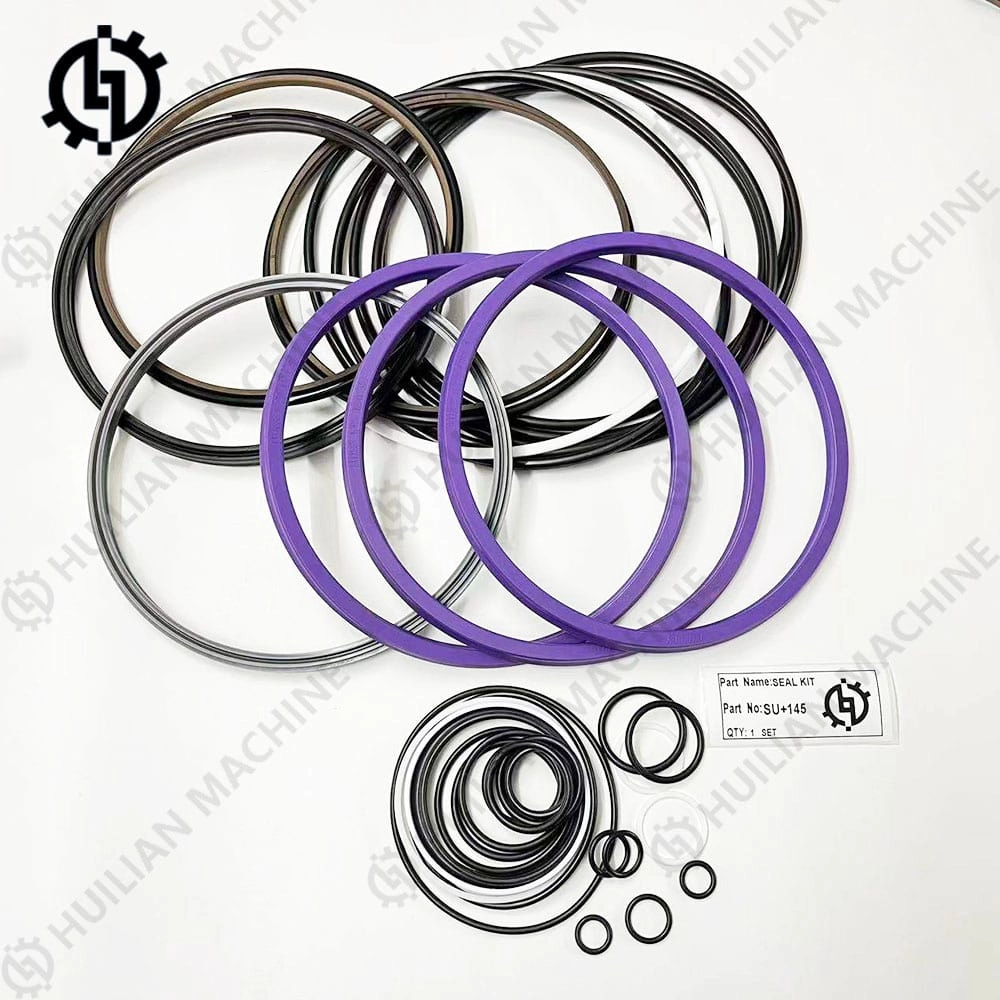
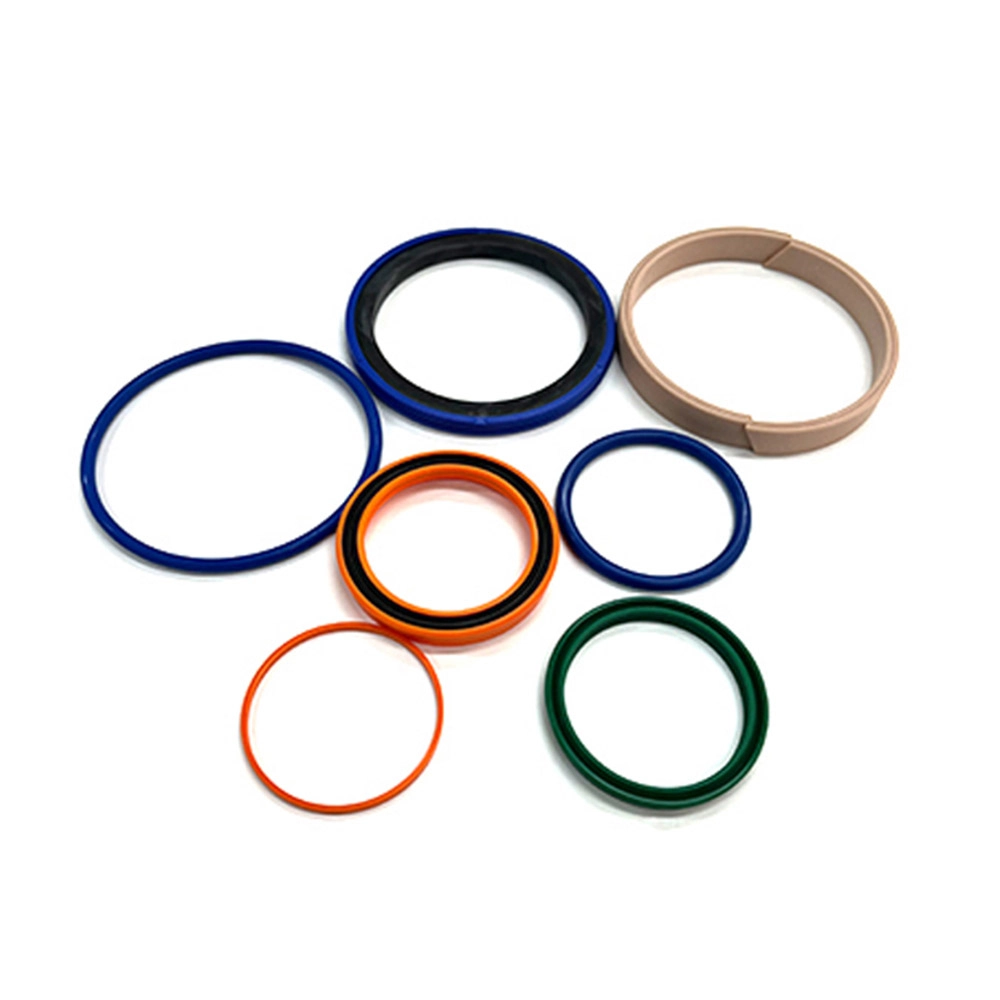
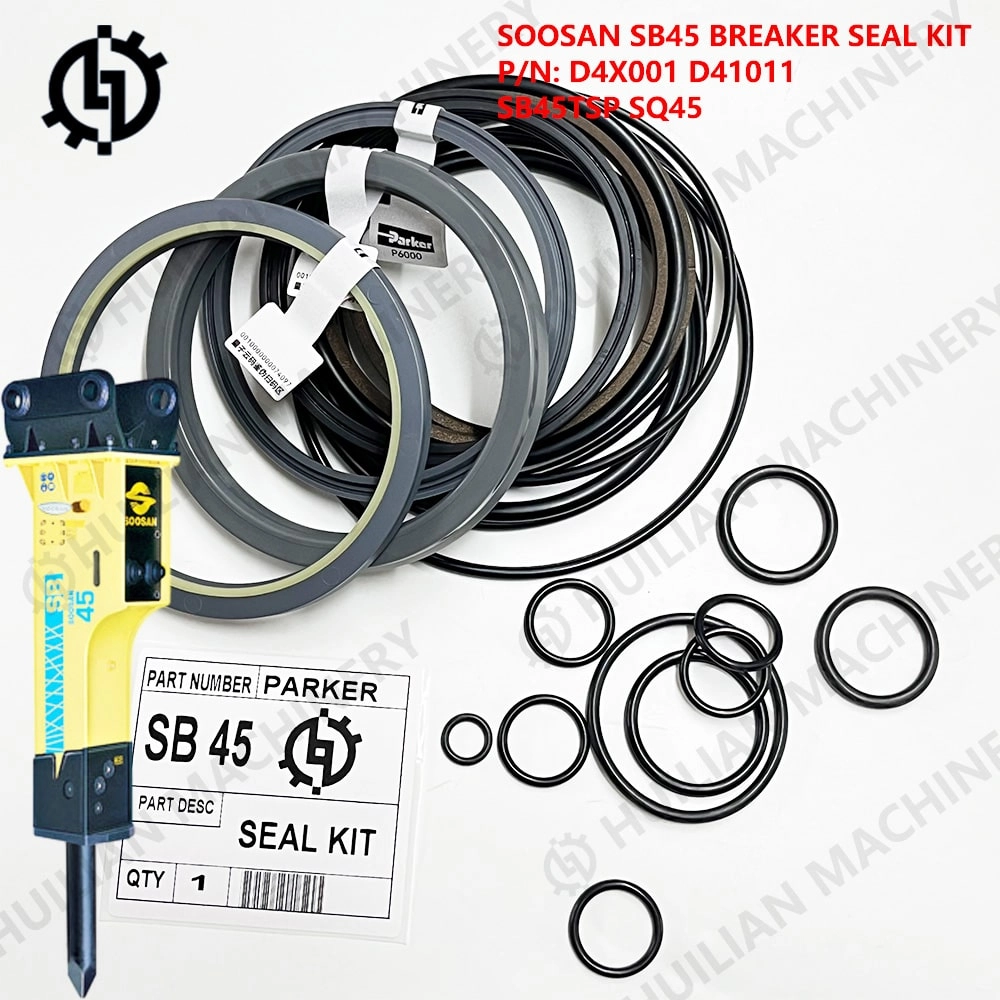
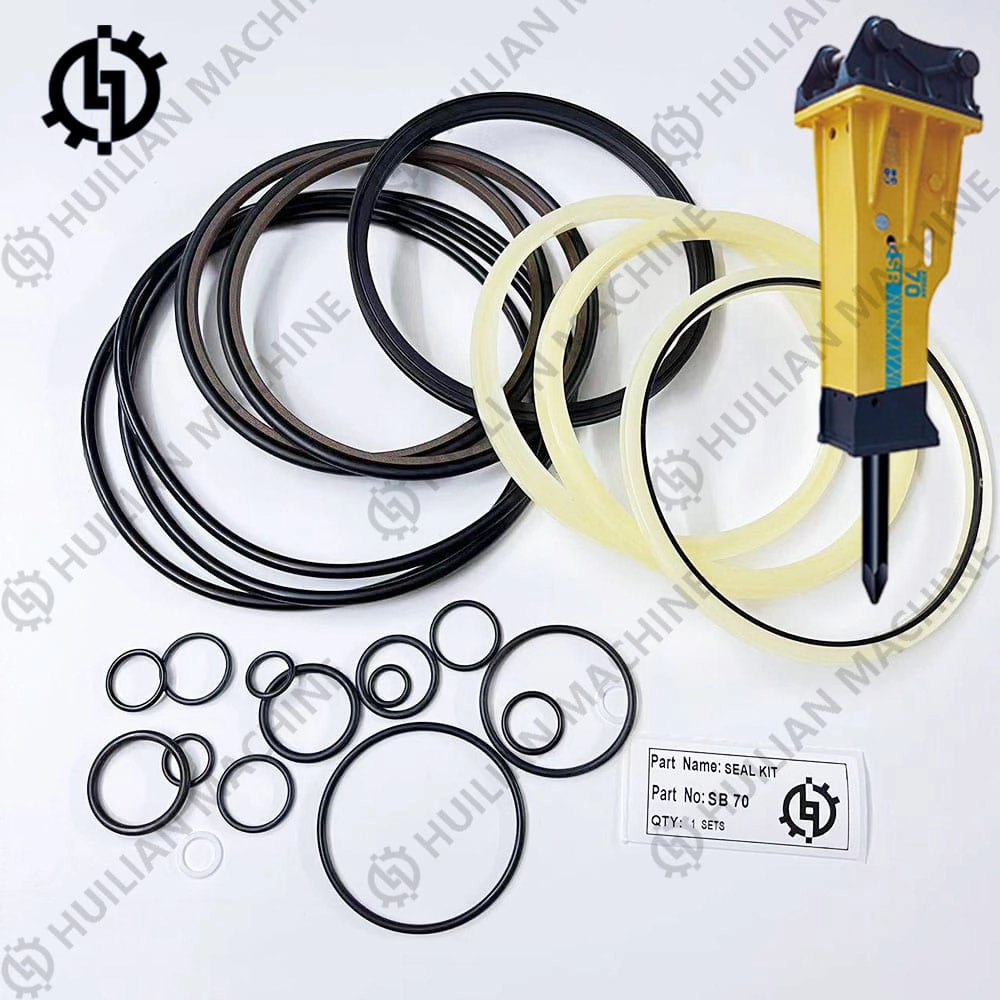
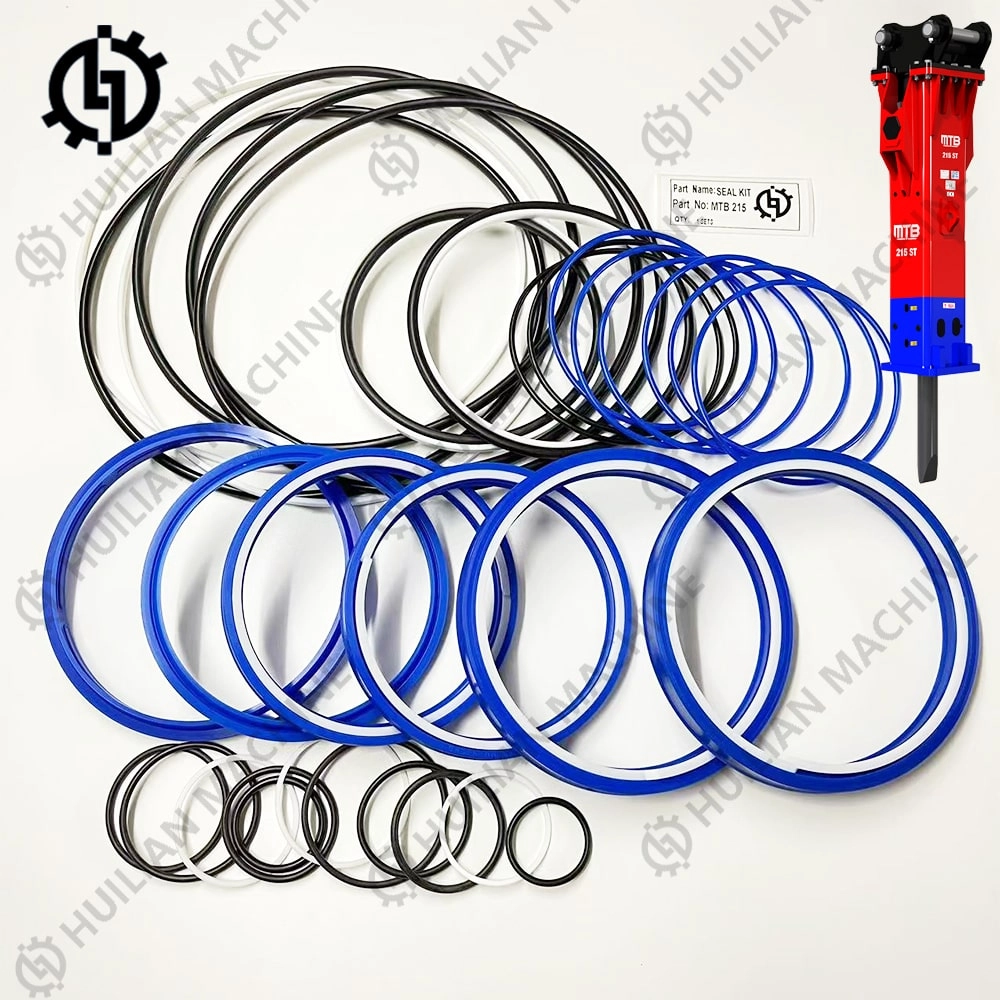
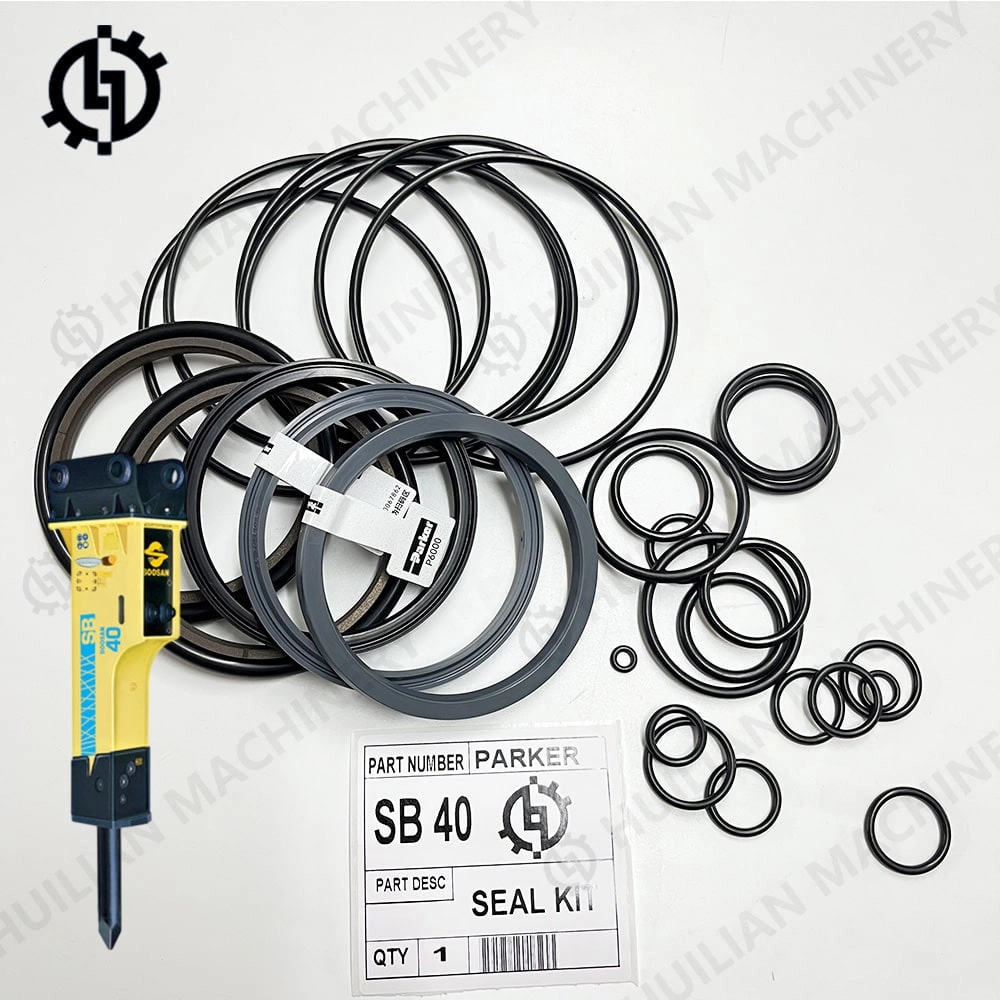
We provide a wide range of high-quality excavator parts, including hydraulic breakers, chisels, seal kits, diaphragms, pistons, wear bushes, retainer bars, through bolts, side bolts, valves, and liners.


Getting started is easy 
Contact with our experts to find the best excavator parts solutions for your needs. Discover how Huilian can enhance your equipment's performance and efficiency.


Get in touch
 About us
© 2025 HUILIAN MACHINE. All rights reserved