


The Ultimate 2026 Guide to Hydraulic Cylinder Seal Kits: Selection, Maintenance, and Next-Gen Materials
A comprehensive 2026 guide to selecting and maintaining hydraulic cylinder seal kits, covering material science (PU vs. PTFE), ISO 4406 maintenance standards, and smart seal technology.
- What are Hydraulic Cylinder Seal Kits?
- Core Components: Anatomy of a Professional Seal Kit
- Material Science: Comparing Polyurethane, PTFE, and Nitrile
- 1. Polyurethane (PU)
- 2. PTFE (Teflon)
- 3. Nitrile (Buna-N)
- Precision Measurement: How to Identify the Correct Kit Size
- 2026 Maintenance Trends: Smart Seals and Predictive Analytics
- Expert Tips: Common Installation Mistakes to Avoid
- Frequently Asked Questions (FAQ)
- How do I know which hydraulic seal kit I need?
- Are hydraulic seal kits universal?
- What causes hydraulic seals to fail prematurely?
- Can I replace just one seal instead of the whole kit?
- How long do hydraulic cylinder seals typically last?
- What is the difference between a rod seal and a piston seal?
- Is it worth buying premium PTFE seal kits?
- References
Hydraulic systems are the muscle behind modern industry, yet their performance hinges on components often smaller than a coin: hydraulic seal kits. As we move into 2026, the demand for reliability is higher than ever, with the global hydraulic seals market projected to exceed $5 billion by 2025 according to recent industry reports. Whether you are managing heavy construction machinery or precision manufacturing arms, understanding the nuances of these kits is critical to preventing costly downtime.

This guide explores the anatomy of hydraulic cylinder repair kits, compares advanced materials like Polyurethane and PTFE, and introduces the latest preventive hydraulic maintenance standards that define the future of the industry.
What are Hydraulic Cylinder Seal Kits?
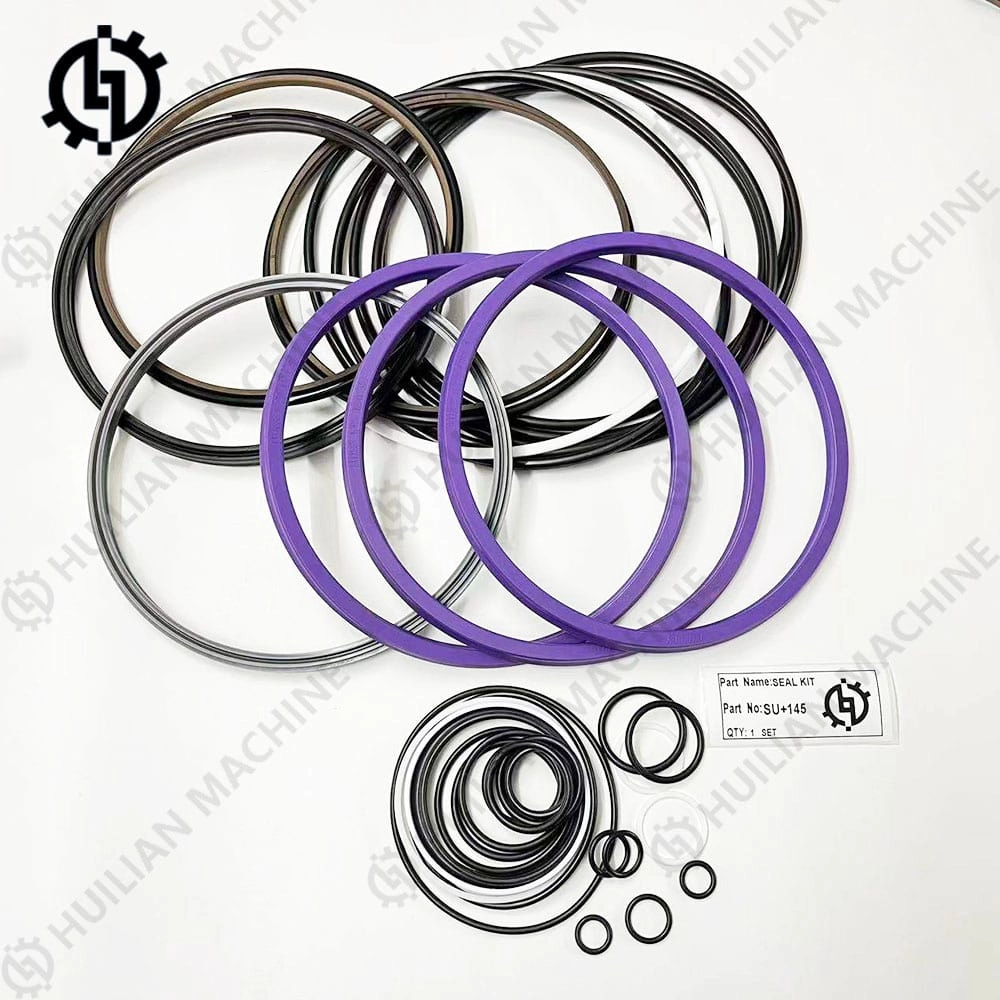
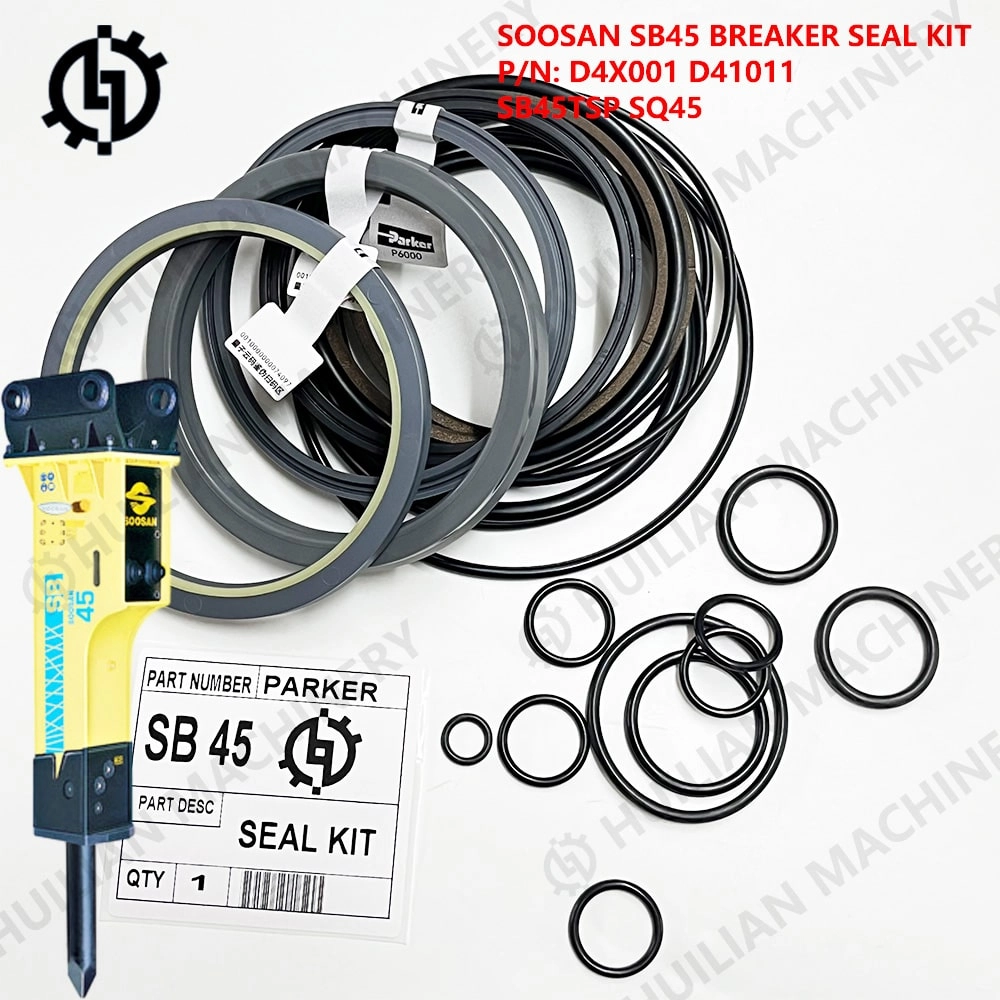
A hydraulic cylinder seal kit is a pre-packaged collection of specialized sealing components—including rod seals, piston seals, wipers, and O-rings—engineered to contain high-pressure fluids and prevent contamination within a hydraulic system. These kits are the primary defense against fluid leakage and pressure loss, ensuring that the cylinder creates the necessary force to move heavy loads.
By bridging the gap between static housing and dynamic moving parts, these kits perform three critical functions:
- Fluid Containment: Preventing hydraulic fluid from leaking internally (bypassing the piston) or externally (leaking onto the ground).
- Contamination Exclusion: Using wiper seals to stop dust, mud, and metal shavings from entering the system.
- Pressure Maintenance: Ensuring the system maintains the bar/psi required for operation.
Core Components: Anatomy of a Professional Seal Kit
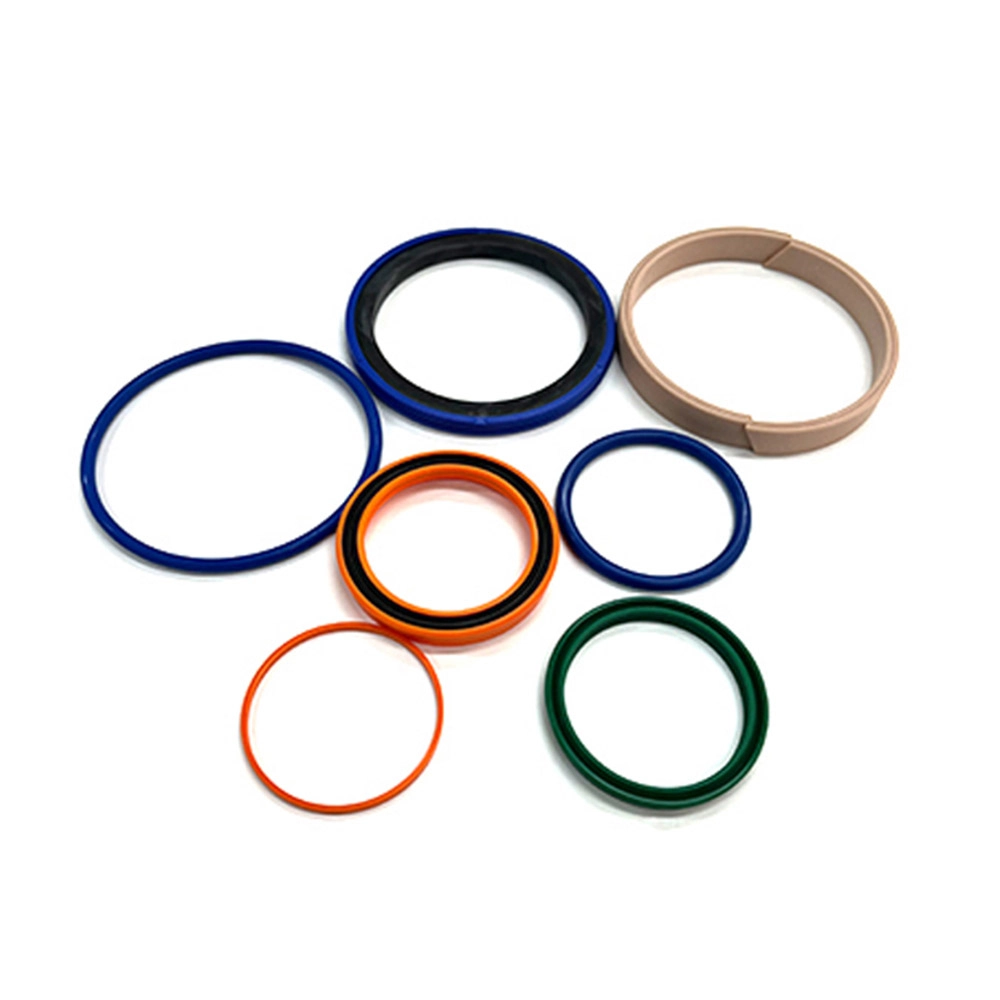
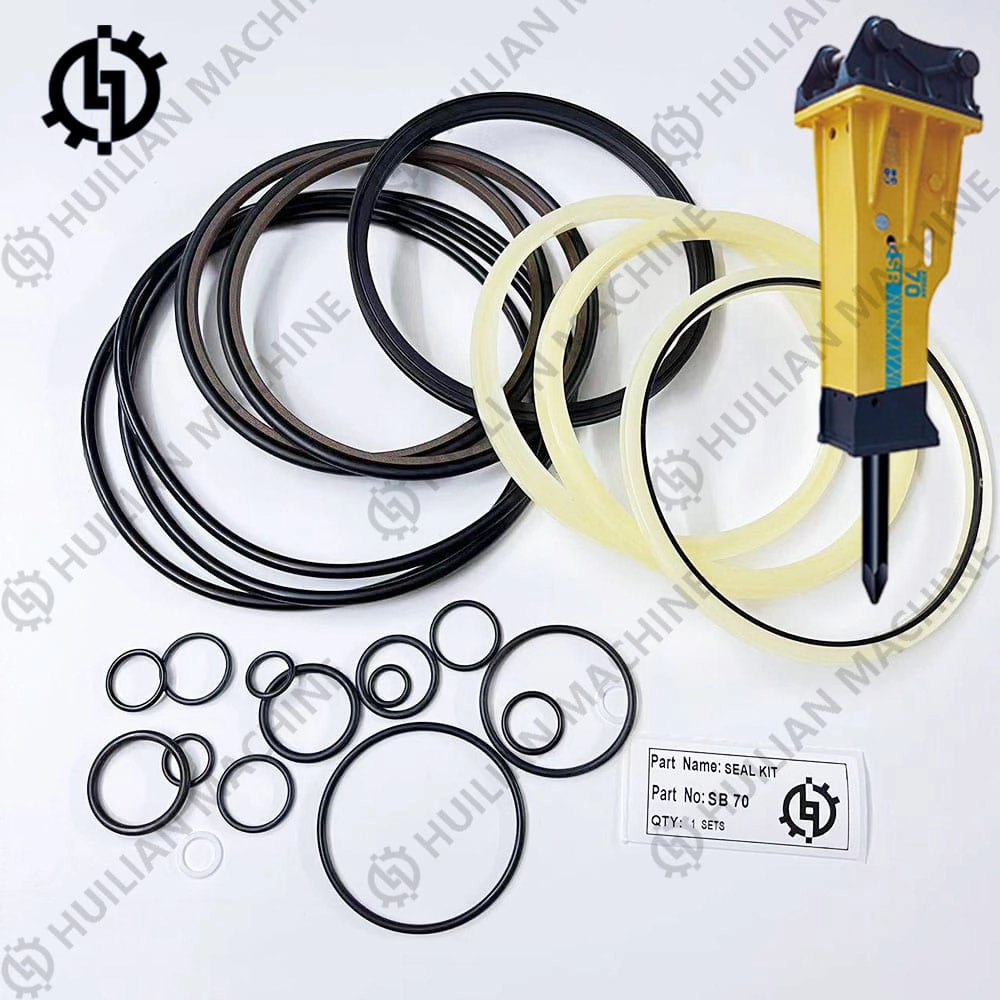
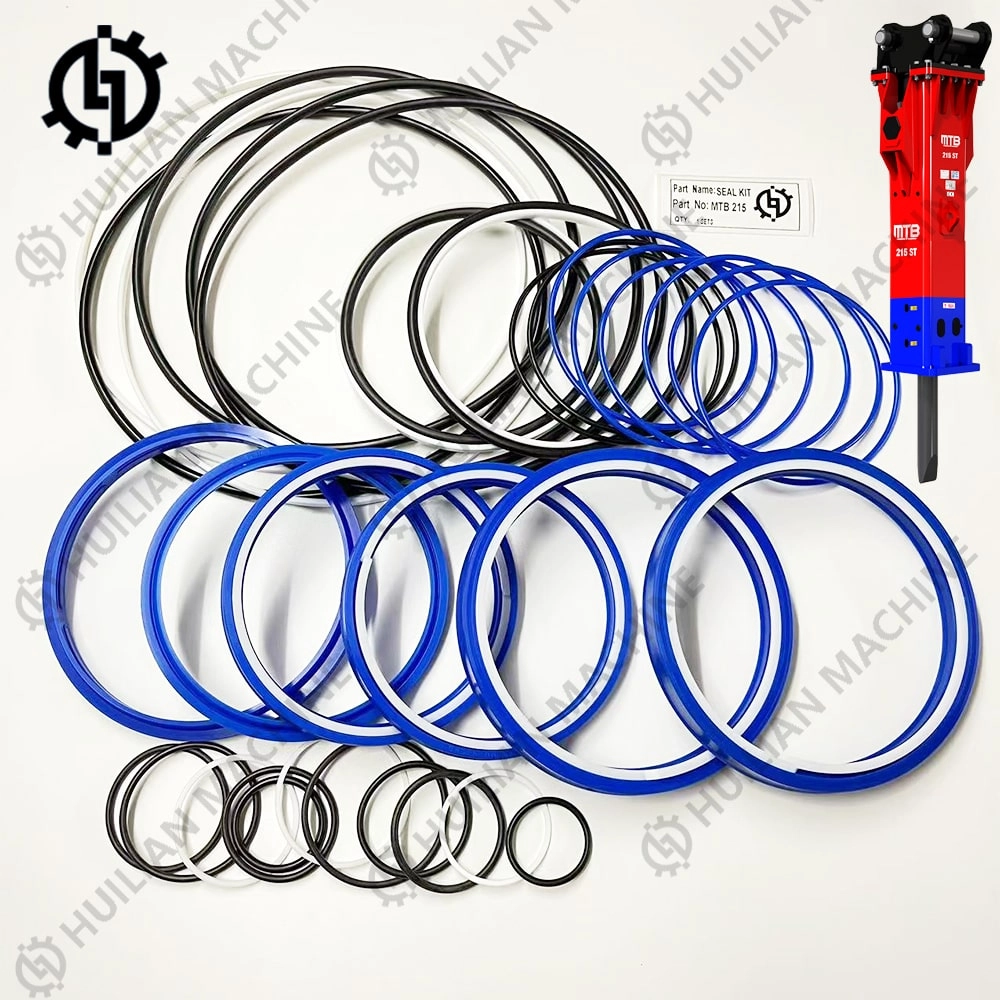
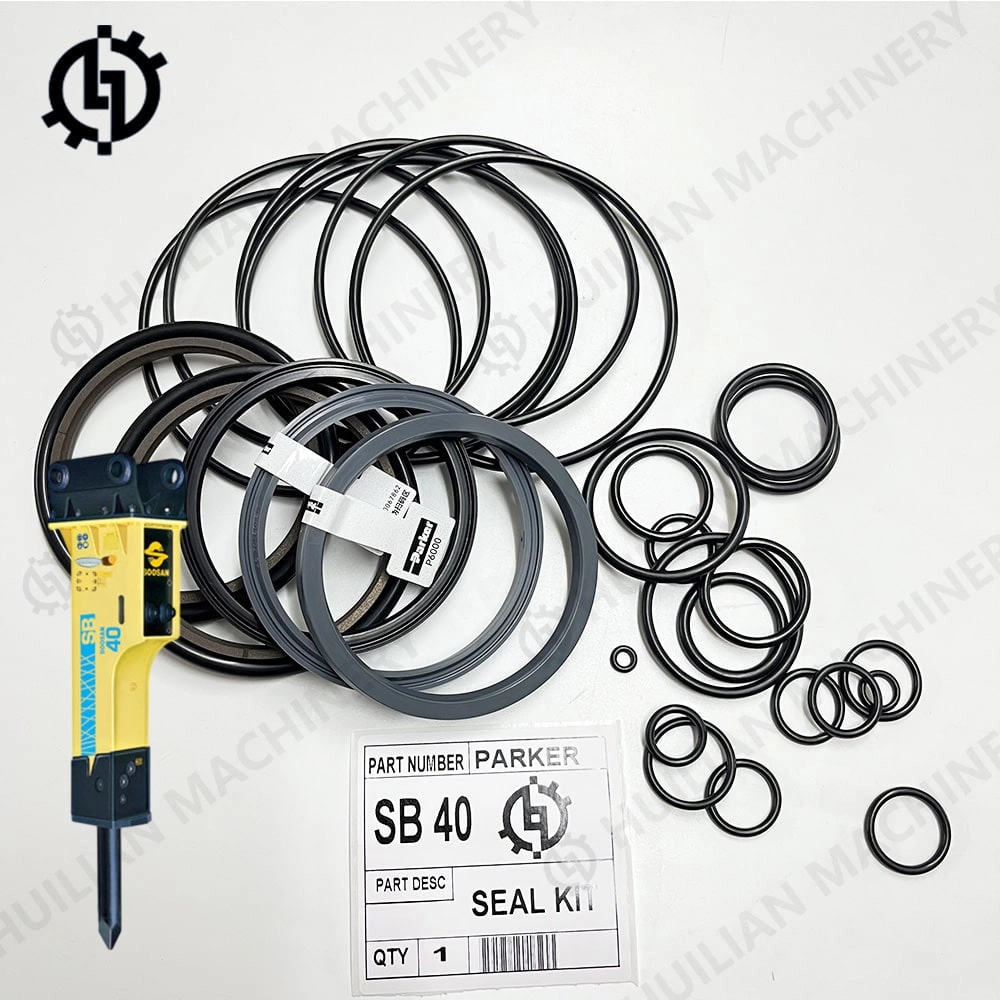
A professional seal kit is not just a bag of rubber rings; it is a precisely matched set of high-pressure rod and piston seals designed to work in unison. Understanding the role of each component is the first step in effective repair.
- Dynamic Piston Seals: Located on the piston head, these seals must withstand pressure from both sides (double-acting) to prevent fluid bypass.
- Dynamic Rod Seals: These are critical for preventing fluid from leaking out of the cylinder and into the environment.
- Exclusion (Wiper) Seals: Installed at the external end of the cylinder head, they scrape debris off the rod as it retracts.
- Static O-Rings: These seals sit between non-moving parts, such as the cylinder head and the barrel, ensuring a leak-proof assembly.
- Wear Bands (Guide Rings): Made from materials like phenolic resin or bronze-filled PTFE, these prevent metal-to-metal contact between the rod and the cylinder bore.
Material Science: Comparing Polyurethane, PTFE, and Nitrile
Selecting the correct material is the single most important factor in seal longevity, especially given the 2026 trend toward higher operating pressures and temperatures. Manufacturers now offer distinct material profiles for different applications.
1. Polyurethane (PU)
Best For: High pressure, abrasion resistance, and heavy-duty applications. Polyurethane is the industry leader for high-pressure rod and piston seals. Recent data suggests PU seals offer superior tear strength compared to traditional rubber, making them ideal for earthmoving equipment where shock loads are common.
2. PTFE (Teflon)
Best For: Extreme temperatures, low friction, and chemical resistance. PTFE seals can operate in temperature ranges from -200°C to +260°C. While they lack the elasticity of rubber, their low coefficient of friction makes them indispensable for high-speed applications or systems using aggressive fire-resistant fluids.
3. Nitrile (Buna-N)
Best For: General-purpose oil resistance and cost-efficiency. Nitrile remains the standard for everyday hydraulic applications operating between -40°C and +120°C. However, it is susceptible to hardening if exposed to temperatures above 180°F (82°C).
Precision Measurement: How to Identify the Correct Kit Size
Failed seal replacements are often caused by incorrect sizing rather than material failure. To ensure a perfect fit, you must measure the cylinder components with a caliper, not a tape measure.
- Measure the Cylinder Bore: Determine the internal diameter of the cylinder tube to ensure the piston seal fits tight against the wall.
- Verify Rod Diameter: Measure the chrome rod diameter to select a rod seal that provides a precise, leak-free interface.
- Check Gland Depth and Groove Width: These technical calculations are vital to prevent seal "extrusion," where the seal is forced into the gap between metal parts under high pressure.
- Cross-Reference OEM Numbers: Always check the OEM part number against aftermarket compatibility charts to guarantee the kit matches your specific cylinder model.
2026 Maintenance Trends: Smart Seals and Predictive Analytics
The future of hydraulics lies in data-driven reliability. Adhering to modern preventive hydraulic maintenance standards, such as ISO 4406 for fluid cleanliness, is now a baseline requirement.
- Smart Seals: New "Smart Seal" technology integrates IoT sensors directly into the seal architecture. These sensors transmit real-time data on temperature, pressure, and wear, alerting maintenance teams before a failure occurs.
- ISO 4406 Compliance: Contamination is the #1 cause of seal failure. Standards now dictate strict particle count limits (e.g., 18/16/13) to extend component life.
- Eco-Friendly Materials: With the rise of biodegradable hydraulic fluids, manufacturers are shifting toward seal materials compatible with vegetable-based oils to prevent swelling and degradation.
- Predictive Maintenance: Using AI-driven thermal imaging to detect heat signatures caused by friction, allowing for replacement during scheduled downtime rather than emergency repairs.
Expert Tips: Common Installation Mistakes to Avoid
Even the highest quality hydraulic cylinder repair kits will fail if installed incorrectly. Experienced technicians use specific techniques to protect the delicate sealing lips during assembly.
- The "Kidney Bean" Technique: When installing rod seals into a small gland, fold the seal into a kidney bean shape. This allows it to snap into the groove without over-stretching.
- Lubrication Compatibility: Always lubricate the new seals with the same hydraulic fluid used in the system. Using incompatible grease (e.g., silicone grease on silicone seals) can cause immediate swelling.
- Orientation Errors: Hydraulic seals are directional. Ensure the "lip" of the seal faces the high-pressure fluid. Installing it backward will result in an immediate leak.
- Environmental Hygiene: A single grain of sand can score a piston rod. Perform all seal replacements in a clean room environment or a designated clean bench.
Frequently Asked Questions (FAQ)
How do I know which hydraulic seal kit I need?
Identify the equipment make and model first. Then, measure the rod diameter, cylinder bore, and gland dimensions. Finally, check the operating temperature and fluid type to select the right material (e.g., Viton for high heat).
Are hydraulic seal kits universal?
No, hydraulic seal kits are highly specific to the cylinder's design. While some O-ring sizes are standard, rod and piston seals vary significantly in profile and material composition between manufacturers.
What causes hydraulic seals to fail prematurely?
The most common causes are fluid contamination (dirt/metal), extreme heat (hardening the seal), and improper installation (nicking the seal lip). Chemical incompatibility with the hydraulic fluid can also cause the seal to dissolve or swell.
Can I replace just one seal instead of the whole kit?
It is strongly discouraged. If one seal has failed due to wear or age, the others are likely near the end of their lifespan. Replacing the full kit ensures consistent performance and reduces the risk of having to disassemble the cylinder again shortly.
How long do hydraulic cylinder seals typically last?
Lifespans vary from 1,000 to 5,000+ hours depending on the duty cycle and environment. High-heat and high-contamination environments significantly reduce lifespan, while adherence to fluid cleanliness standards extends it.
What is the difference between a rod seal and a piston seal?
A rod seal is a dynamic seal that prevents fluid from leaking out of the cylinder around the shaft. A piston seal is a dynamic seal inside the cylinder that prevents fluid from bypassing the piston, allowing pressure to build up.
Is it worth buying premium PTFE seal kits?
Yes, for high-cycle or high-temperature applications. While the initial cost is higher, premium PTFE kits reduce friction and wear, lowering the Total Cost of Ownership (TCO) by preventing expensive downtime.
References


About
What is your shipping and delivery time?
We offer fast and reliable global shipping. Delivery times vary depending on location and order size, but we strive to process and ship orders as quickly as possible.
Do you offer OEM and aftermarket parts?
Yes, we manufacture high-quality OEM parts and supply aftermarket parts from top brands such as NOK, Parker, SKF, and Hallite to ensure optimal performance.
How can I ensure I’m selecting the right part for my equipment?
Our expert team can assist you in finding the right part based on your machine model, specifications, and requirements. Contact us for personalized support.
What types of excavator parts do you offer?
We provide a wide range of high-quality excavator parts, including hydraulic breakers, chisels, seal kits, diaphragms, pistons, wear bushes, retainer bars, through bolts, side bolts, valves, and liners.
Are your parts compatible with all excavator brands?
Yes, our parts are designed to be compatible with major brands like Komatsu, Caterpillar, Hitachi, Hyundai, Doosan, JCB, Kobelco, Sany, and many more.


Getting started is easy 
Contact with our experts to find the best excavator parts solutions for your needs. Discover how Huilian can enhance your equipment's performance and efficiency.


Get in touch
 About us
© 2025 HUILIAN MACHINE. All rights reserved