



Hydraulic Excavator Breaker Selection Guide 2026: How to Choose the Right Model Based on Working Conditions
- How Do You Choose the Best Hydraulic Breaker for Your Excavator?
- Critical Selection Criteria:
- Quick Summary: The 2026 Breaker Selection Checklist
- Key Takeaways for Project Managers:
- Phase 1: Analyzing Carrier Compatibility and Hydraulic Limits
- Matching Breaker Weight to Excavator Tipping Load
- Oil Flow (GPM) vs. Impact Rate (BPM)
- Back Pressure Constraints
- Phase 2: Matching the Breaker to Working Conditions and Material Type
- Soft Material (Concrete/Sedimentary)
- Hard Material (Granite/Basalt)
- Smart-City Standards: Noise Abatement
- Tool Bit Selection Matrix: Chisel, Moil, or Blunt?
- 2026 Technological Gaps: What Most Guides Miss
- Auto-Variable Speed Technology
- Integrated Telematics
- Electric Carrier Integration
- Automated Lubrication Systems
- Expert Insights: Common Selection Mistakes to Avoid
- The "Bigger is Better" Myth
- Ignoring the Nitrogen Charge
- Blank Firing Neglect
- FAQ
- What happens if I put a breaker that is too heavy on my excavator?
- How do I determine if my excavator’s hydraulic flow is compatible?
- Which tool bit is best for breaking oversized boulders in a quarry?
- Do I need a special kit for underwater breaker operation?
- What is "Blank Firing" and why is it dangerous?
- How often should I grease my hydraulic breaker?
- What is the importance of the nitrogen gas charge?
- Can I use the same breaker for both concrete and hard rock?
- References
How Do You Choose the Best Hydraulic Breaker for Your Excavator?
To choose the best hydraulic breaker, you must primarily match the carrier’s operating weight to the hammer’s energy class and ensure the auxiliary hydraulic circuit meets the required flow (GPM) and pressure (PSI) specifications. Hydraulic breaker carrier weight compatibility is the foundational metric for preventing structural failure.
Selecting the wrong attachment is the most common cause of excavator downtime. A breaker that is too heavy can destabilize the machine, while one that is too light will fail to fracture the material efficiently.
Critical Selection Criteria:
- Carrier Weight Compatibility: The breaker should typically weigh between 8% and 12% of the excavator's operating weight.
- Hydraulic Flow (GPM) & Pressure (PSI): Your excavator’s auxiliary pump must deliver oil flow within the breaker's "sweet spot." Excess flow causes overheating; insufficient flow causes low impact frequency.
- Material Hardness: Soft rock requires higher frequency (blows per minute), while hard rock demands higher material hardness impact energy ratio (Joules per blow).
- Tipping Load: Ensure the breaker weight does not exceed the carrier's safe lifting capacity at full reach.
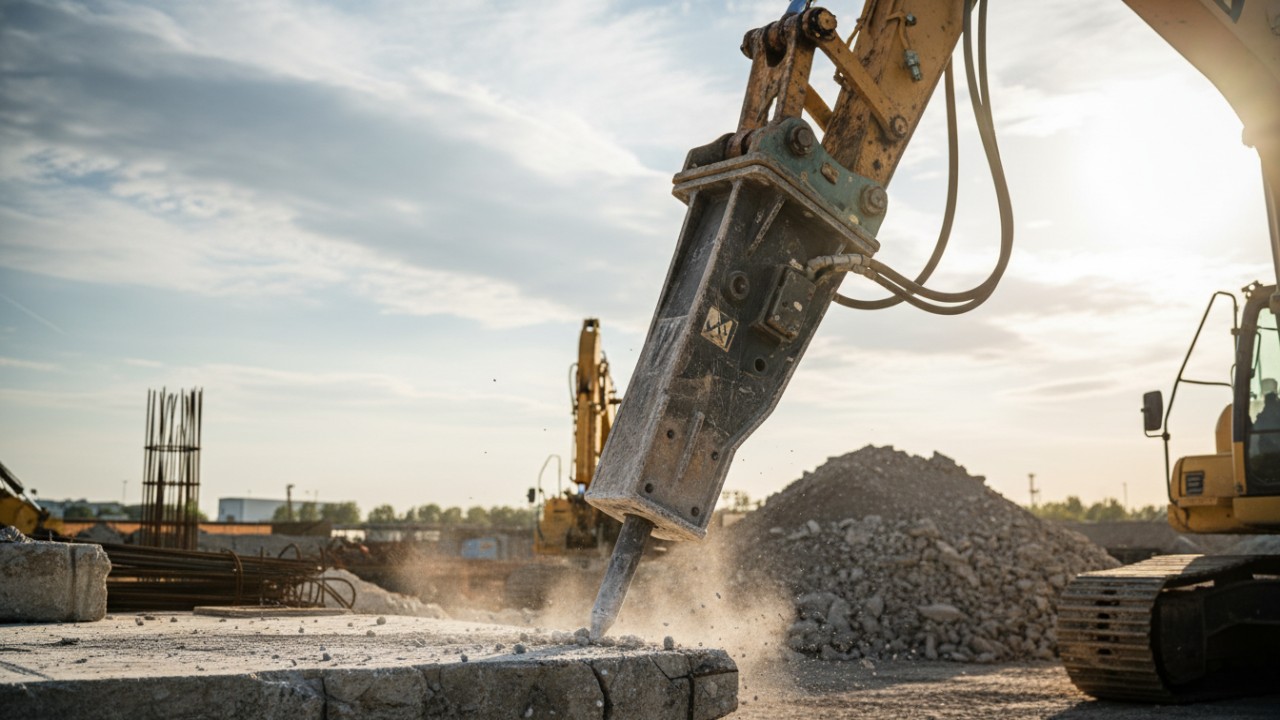
Quick Summary: The 2026 Breaker Selection Checklist
Successful deployment of hydraulic breakers in 2026 requires balancing raw power with smart technology to minimize total cost of ownership.
Key Takeaways for Project Managers:
- Carrier Weight Rule: The breaker should generally be 10% of the carrier weight for stability.
- Hydraulic Harmony: Over-pressurizing leads to seal failure; under-pressurizing reduces productivity.
- Environment Matters: Select sound-suppressed housings for urban demolition and underwater kits for marine work.
- Advanced Connectivity: Look for IoT-enabled breakers that track "blank firing" events in real-time.
Phase 1: Analyzing Carrier Compatibility and Hydraulic Limits
Excavator auxiliary hydraulic requirements determine whether your machine can physically power the attachment without damaging its internal pumps. You must verify that the return line pressure does not create a "hydraulic dam" that stalls the piston.
Matching Breaker Weight to Excavator Tipping Load
Using a breaker that exceeds the carrier's lifting capacity places immense stress on the boom pins and slewing ring. According to 2025 industry safety reports, structural fatigue from oversized attachments accounts for 15% of premature boom failures.
Oil Flow (GPM) vs. Impact Rate (BPM)
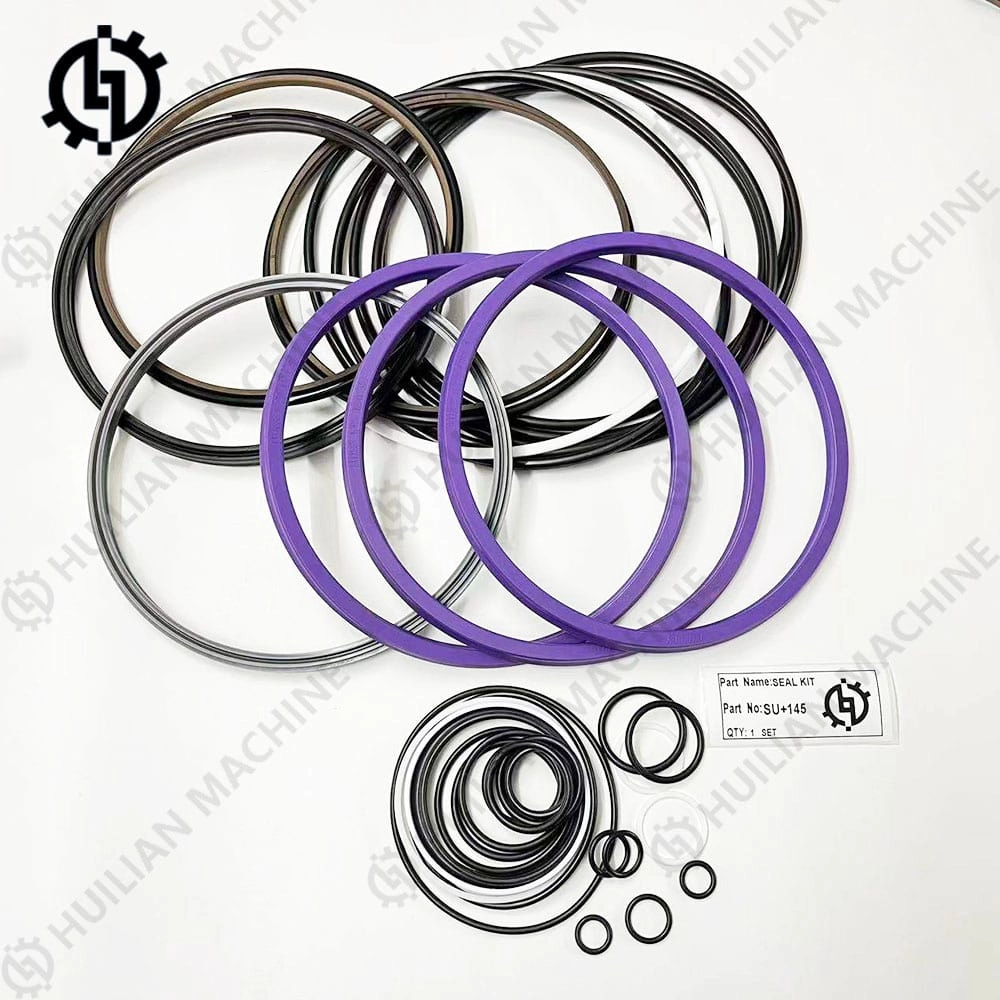
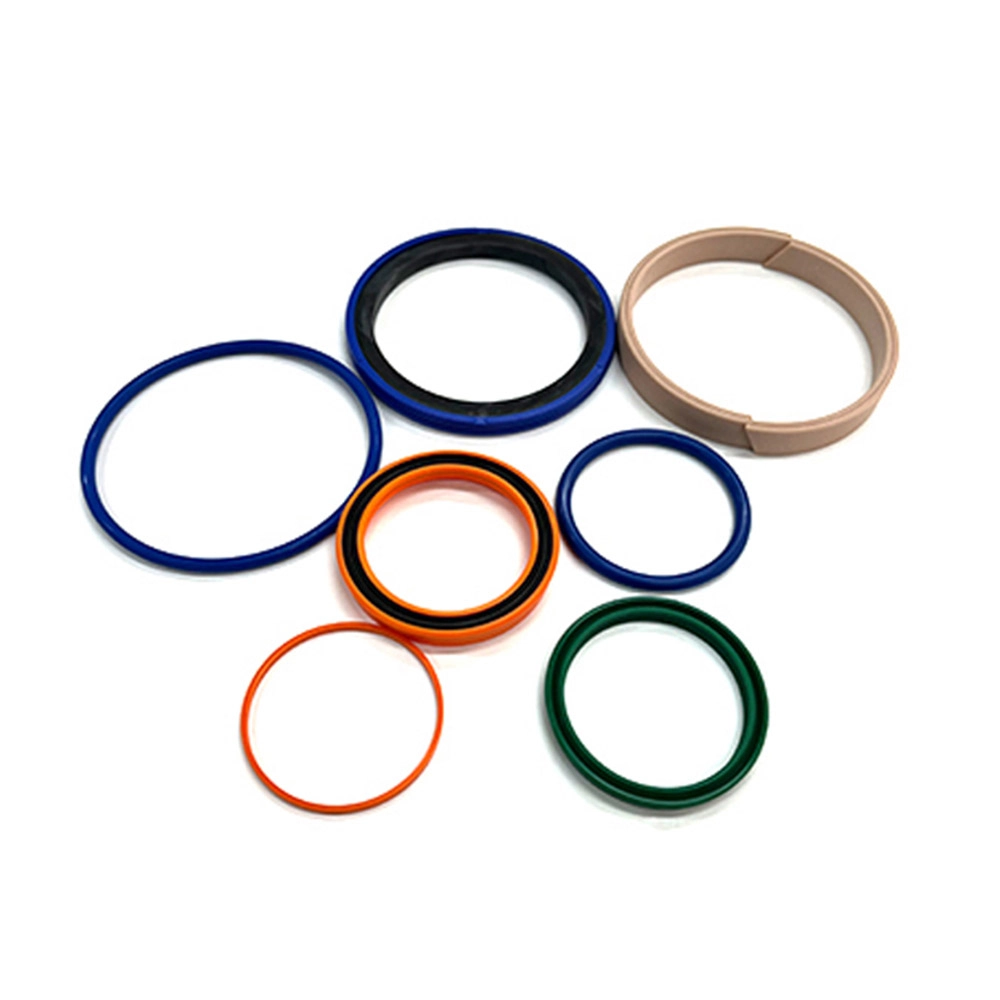
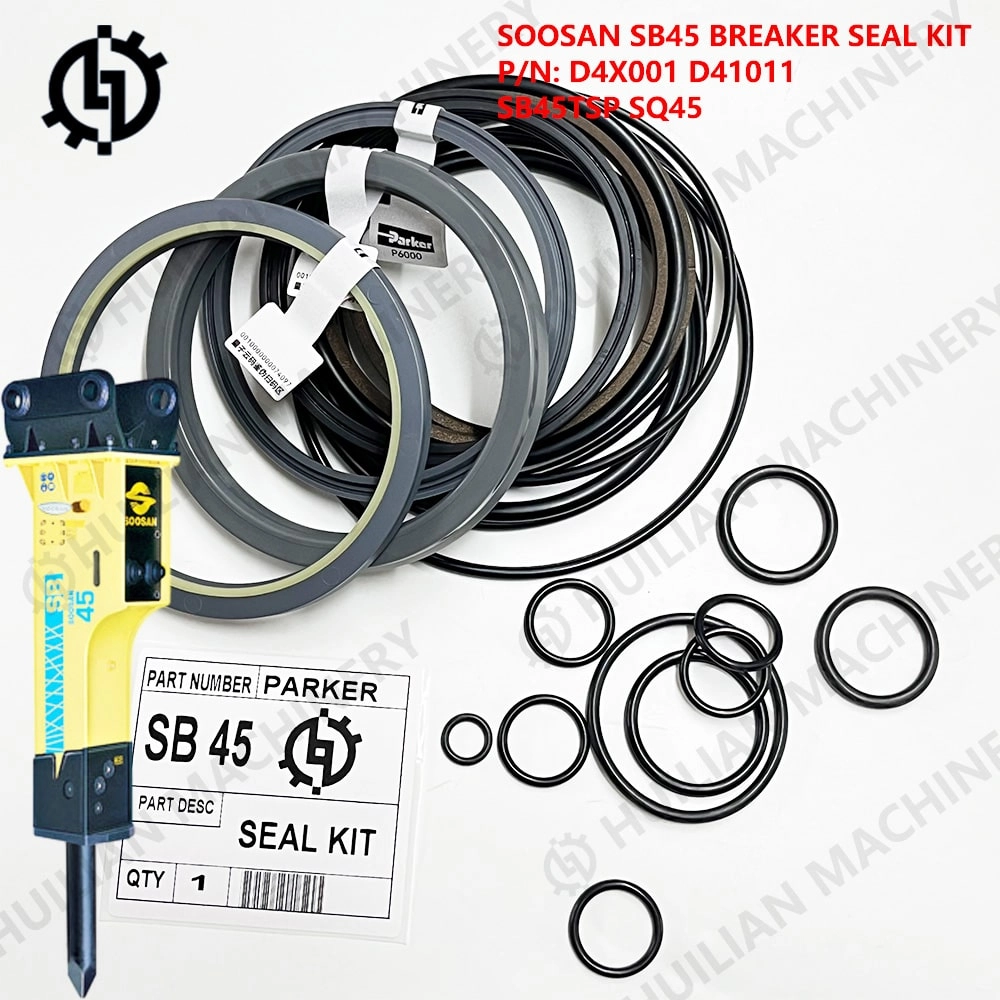
Higher flow does not always equate to better performance. If the flow rate exceeds the breaker's relief valve setting, the oil bypasses the piston completely, generating heat instead of kinetic energy. This heat destroys seals—a problem Guangzhou Huilian Machines Co., Ltd has addressed by developing high-temp resistance seal kits specifically for these high-stress environments.
Back Pressure Constraints
The hydraulic return line must be large enough to evacuate oil quickly. High back pressure reduces the impact power of the piston stroke, similar to trying to run underwater.
Phase 2: Matching the Breaker to Working Conditions and Material Type
Calculating the correct material hardness impact energy ratio allows you to fracture rock with the fewest number of blows, preserving fuel and bushing life.
Soft Material (Concrete/Sedimentary)
For materials like limestone or non-reinforced concrete (Mohs hardness 3-4), you need a breaker with high frequency (800+ BPM). The goal is to create rapid micro-fractures rather than a single massive blow.
Hard Material (Granite/Basalt)
For igneous rock (Mohs hardness 6-7), you need high impact energy (Joules). Variable speed excavator hammers excel here by allowing the operator to lower the frequency but increase the power per blow, shattering the rock structure effectively.
Smart-City Standards: Noise Abatement
With new 2025 noise ordinances in cities like New York and Portland limiting construction noise to 85 dBA, standard open-bracket breakers are becoming obsolete. Box-type (silenced) breakers, which use polyurethane buffers to dampen vibration, are now a requirement for urban permits.
Tool Bit Selection Matrix: Chisel, Moil, or Blunt?
The breaker tool bit selection matrix is your guide to applying force correctly. Using the wrong tool bit is akin to using a screwdriver to hammer in a nail—it might work eventually, but you'll break the tool.
- Moil Point: The "Swiss Army Knife" of bits. Best for reinforced concrete and general demolition where the point needs to penetrate and wedge the material apart.
- Chisel Point (Flat/Wedge): Ideal for trenching and directional rock breaking. The flat edge allows the operator to control the split line.
- Blunt Tool: The superior choice for secondary breaking in quarries and crushing boulders. It transmits shockwaves rather than penetrating, pulverizing the rock structure without getting stuck.
- Pyramidal/Asphalt Tools: Specialized applications for roadwork and frozen ground where cutting speed is prioritized over shattering power.
2026 Technological Gaps: What Most Guides Miss
As we approach 2026, the industry is shifting toward intelligent, data-driven attachments that maximize uptime. Companies like Huilian, with over two decades of R&D experience since 2005, are seeing a surge in demand for components that support these advanced systems.
Auto-Variable Speed Technology
Modern 2026 models feature "Smart-Valve" technology that automatically adjusts the energy per blow based on rock hardness. If the piston encounters soft resistance, it short-strokes for speed; if it hits hard rock, it long-strokes for power. This variable speed excavator hammer technology reduces fuel consumption by up to 15%.
Integrated Telematics
New breakers are equipped with sensors that report to the cloud. They track duty cycles and warn operators of "blank firing" (striking without resistance)—the #1 killer of tie rods and pistons.
Electric Carrier Integration
Electric excavators, while emission-free, have instant torque delivery that can spike hydraulic pressure. 2026 breakers are being designed with updated dampening systems to match the unique hydraulic curves of these zero-emission machines.
Automated Lubrication Systems
Manual greasing is prone to human error. The shift to built-in "Auto-Lube" cartridges ensures a constant film of paste protects the bushing. Since Huilian specializes in manufacturing robust WearBush and retainer bars, we recommend auto-lube systems to extend the lifespan of these critical wear parts by 30%.
Expert Insights: Common Selection Mistakes to Avoid
The "Bigger is Better" Myth
An oversized breaker doesn't just damage the carrier; it is often less effective. If the breaker is too heavy, the excavator cannot position it accurately, leading to glancing blows that damage the tool bit.
Ignoring the Nitrogen Charge
The nitrogen gas in the backhead acts as a spring. If the pressure is low, the breaker loses up to 40% of its impact power, and the hydraulic hoses absorb the violent recoil. This mimics hydraulic failure but is actually a maintenance oversight.
Blank Firing Neglect
Blank firing occurs when the operator continues to fire the piston after the material has broken. The piston strikes the retainer pins (or rompin pins) instead of the rock. This metal-on-metal impact snaps bolts instantly.
FAQ
What happens if I put a breaker that is too heavy on my excavator?
It can lead to premature wear on the boom and arm pins, causing the excavator to tip forward when the attachment is fully extended, and significantly reduces the overall fuel efficiency of the carrier.
How do I determine if my excavator’s hydraulic flow is compatible?
Check the machine’s service manual for auxiliary hydraulic GPM/LPM ratings. Ensure the flow falls within the middle range of the breaker’s required specifications and consult a technician to test the actual flow at the end of the stick.
Which tool bit is best for breaking oversized boulders in a quarry?
The Blunt tool is best because it delivers a shatter effect through shockwaves, whereas Moil or chisel points are prone to breaking or getting stuck in hard rock applications.
Do I need a special kit for underwater breaker operation?
Yes, you must use an underwater kit that includes an air compressor line. Operating without this kit allows water into the strike chamber, causing catastrophic damage to the piston and seals.
What is "Blank Firing" and why is it dangerous?
Blank firing occurs when the piston strikes the tool bit without it being pressed against a surface. It causes internal metal-to-metal fatigue and can snap the tie rods and side bolts.
How often should I grease my hydraulic breaker?
Manually grease every two hours of continuous operation using high-temp chisel paste. Alternatively, use an auto-greasing system to ensure a constant film of lubricant.
What is the importance of the nitrogen gas charge?
The nitrogen acts as a cushion and an energy accumulator for the piston stroke. Low nitrogen pressure results in weak impact power and excessive vibration transferred to the excavator.
Can I use the same breaker for both concrete and hard rock?
Yes, but you should change the tool bit to match the material (Moil for concrete, Blunt for rock). For optimal efficiency, use a variable speed excavator hammer that can adjust its impact energy.
References


About
Are your parts compatible with all excavator brands?
Yes, our parts are designed to be compatible with major brands like Komatsu, Caterpillar, Hitachi, Hyundai, Doosan, JCB, Kobelco, Sany, and many more.
What types of excavator parts do you offer?
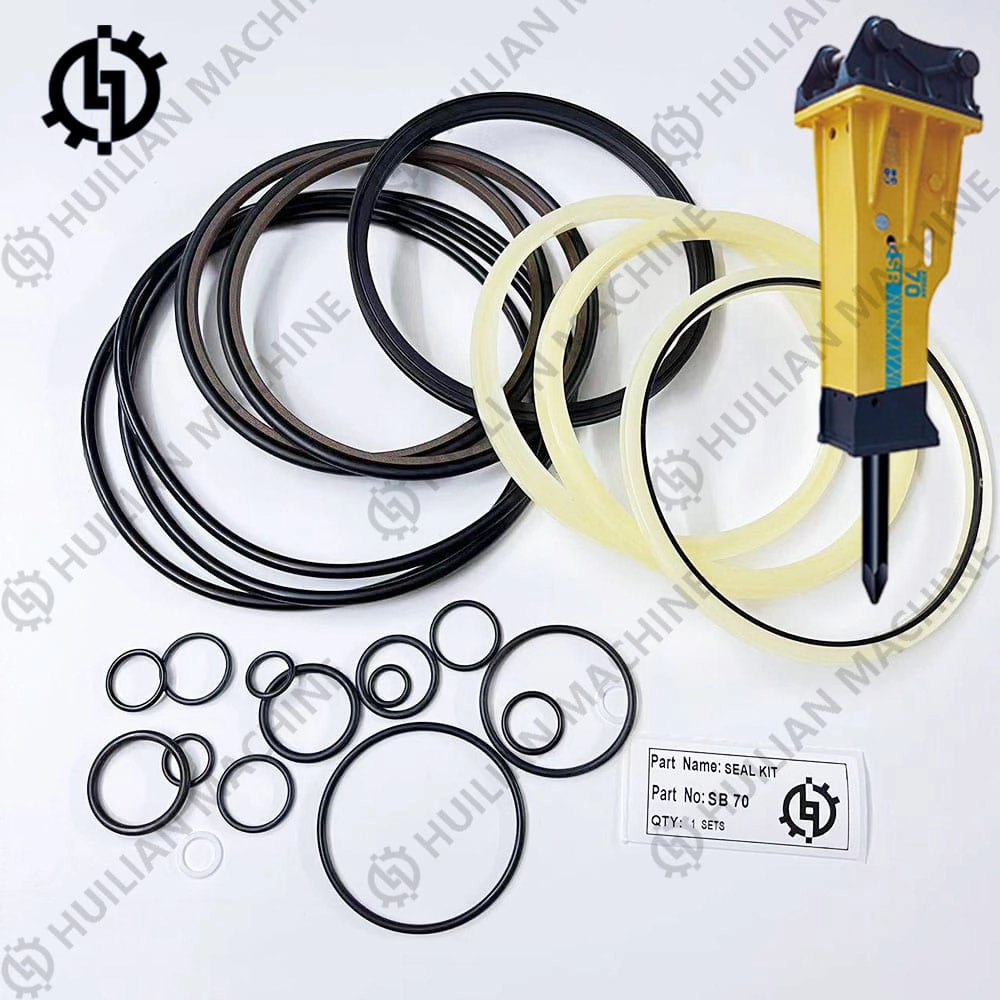
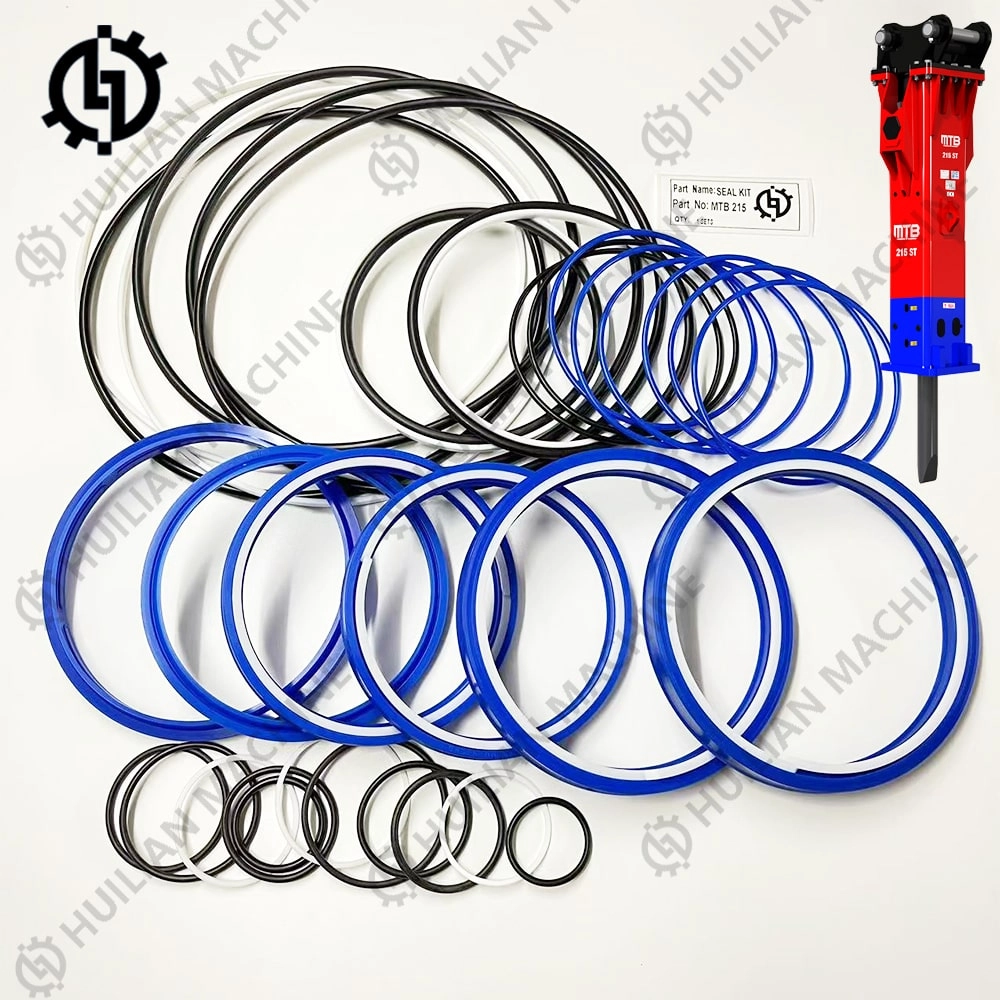
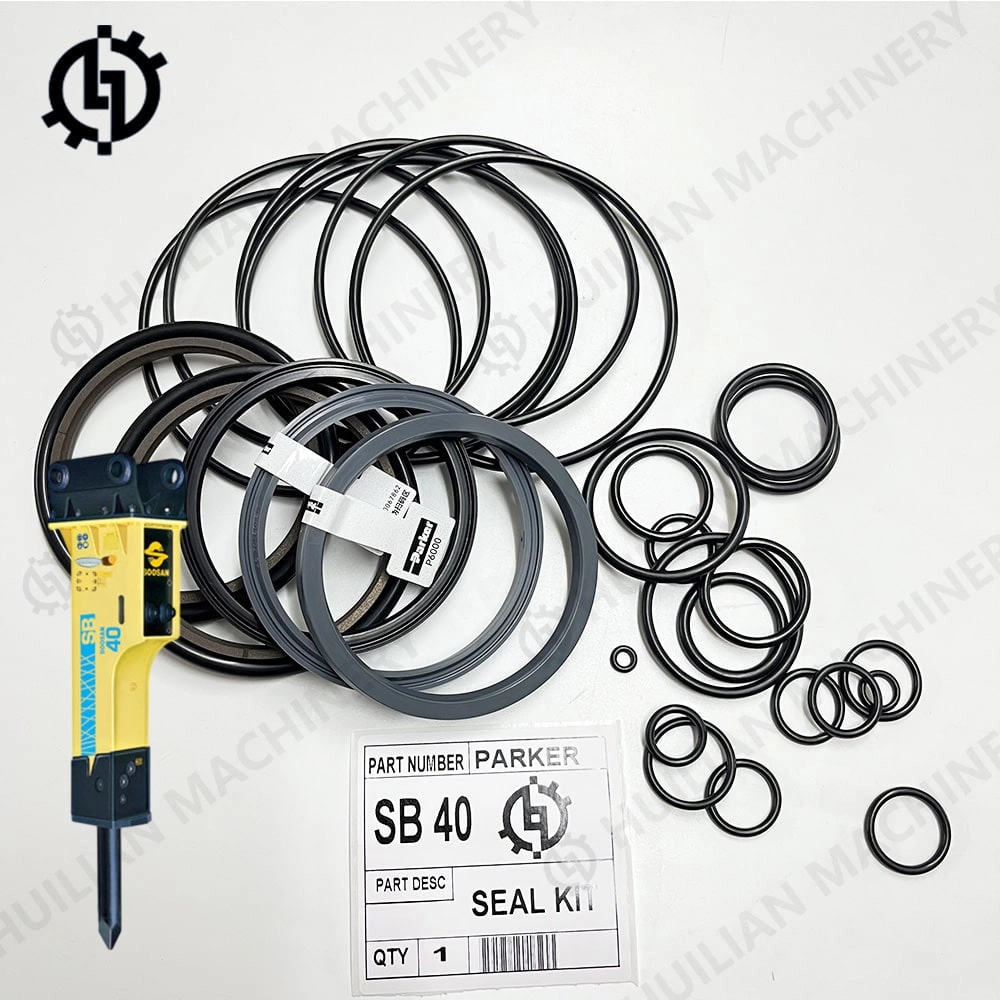
We provide a wide range of high-quality excavator parts, including hydraulic breakers, chisels, seal kits, diaphragms, pistons, wear bushes, retainer bars, through bolts, side bolts, valves, and liners.
Do you offer OEM and aftermarket parts?
Yes, we manufacture high-quality OEM parts and supply aftermarket parts from top brands such as NOK, Parker, SKF, and Hallite to ensure optimal performance.
What is your shipping and delivery time?
We offer fast and reliable global shipping. Delivery times vary depending on location and order size, but we strive to process and ship orders as quickly as possible.
How can I ensure I’m selecting the right part for my equipment?
Our expert team can assist you in finding the right part based on your machine model, specifications, and requirements. Contact us for personalized support.


Getting started is easy 
Contact with our experts to find the best excavator parts solutions for your needs. Discover how Huilian can enhance your equipment's performance and efficiency.


Get in touch
 About us
© 2025 HUILIAN MACHINE. All rights reserved