


From Chisel to Seal: How to Source High-Performance Components from Leading Rock Breaker Parts Manufacturers in 2026
- What Are Hydraulic Rock Breaker Parts Manufacturers?
- Key Takeaways: Sourcing Strategies for 2026
- The Anatomy of a High-Performance Breaker: Chisels, Seals, and Pistons
- Data Comparison Table: OEM vs. Premium Aftermarket Parts
- Sourcing Gaps: Evaluating Metallurgy and Manufacturing Standards
- Expert Tips: Common Mistakes When Sourcing Hydraulic Hammer Parts
- How Guangzhou Huilian Machines Co., Ltd Delivers Industry-Leading Solutions
- Conclusion & Call to Action
- Frequently Asked Questions
- How often should hydraulic rock breaker seal kits be replaced?
- What is the difference between OEM and aftermarket hydraulic hammer parts?
- How do I choose the right chisel for my hydraulic rock breaker?
- What causes a hydraulic breaker piston to fail?
- Why is nitrogen pressure important for rock breaker parts?
- How can I verify the steel quality of aftermarket breaker components?
- What are the signs of tool bushing wear in a hydraulic hammer?
- Can low-quality replacement parts damage my excavator's hydraulic system?
Operating heavy demolition equipment in 2026 requires more than just skilled operators; it demands superior hardware. To maintain peak operational efficiency, fleets must partner with top-tier hydraulic rock breaker parts manufacturers capable of delivering parts that endure extreme shockwaves and harsh terrain. Whether you are replacing a shattered chisel or undertaking routine seal maintenance, understanding the engineering behind these components is critical to extending the life of your machinery. In this comprehensive guide, we will explore advanced material science, evaluate aftermarket versus OEM returns, and provide an actionable sourcing blueprint for fleet managers.
What Are Hydraulic Rock Breaker Parts Manufacturers?
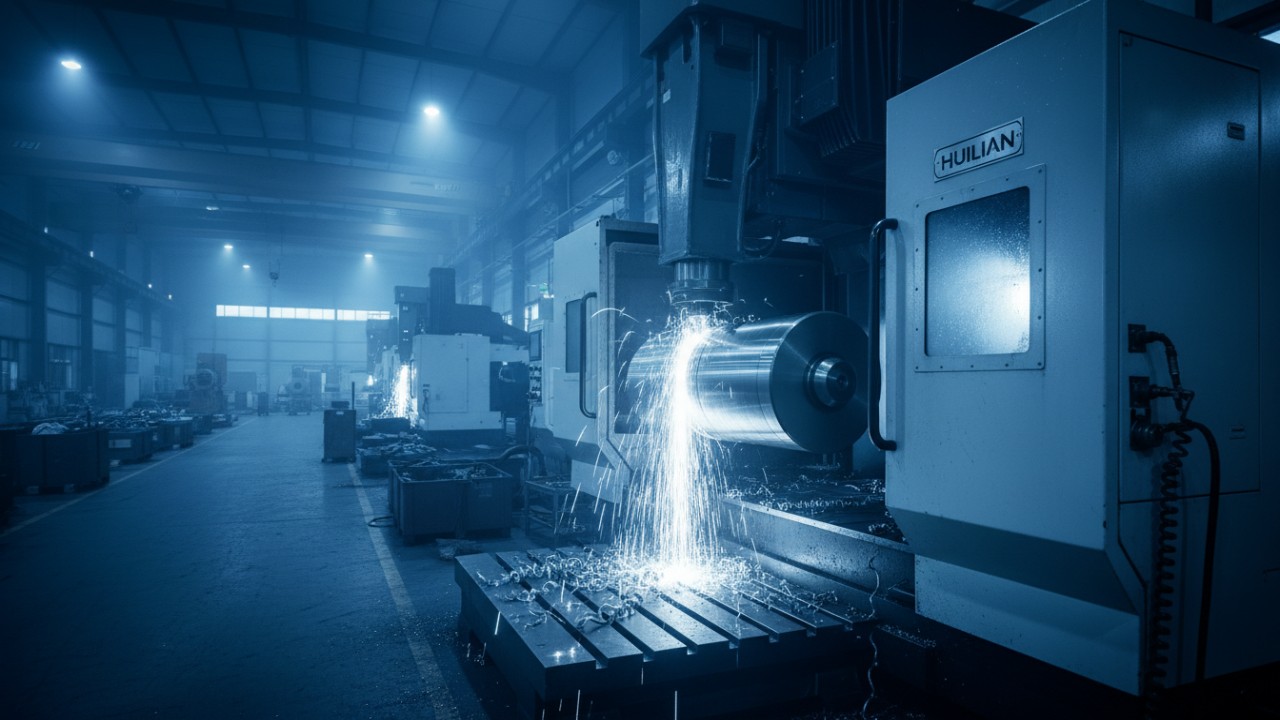
Hydraulic rock breaker parts manufacturers are specialized engineering companies that design and produce critical replacement components like pistons, chisels, and seal kits for heavy demolition equipment. These firms use advanced machining to ensure attachments withstand extreme pressure and impact forces.
Understanding the role of these manufacturers is the first step in successful heavy equipment maintenance. High-quality production involves an intricate balance of metallurgical science and mechanical engineering.
Leading manufacturers focus on the following core production areas:
- CNC Precision Machining: Utilizing computer numerical control (CNC) systems to cut raw steel into precise internal parts, ensuring perfect fluid dynamics within the breaker housing.
- Advanced Metallurgy: Applying specific forging and casting techniques to increase the tensile strength and impact resistance of high-wear items.
- Polymer Engineering: Developing synthetic materials for seals and diaphragms that can survive continuous friction, high heat, and intense hydraulic pressure without degrading.
Key Takeaways: Sourcing Strategies for 2026
Sourcing strategies for 2026 prioritize validating steel quality, verifying polymer material science for seals, and proactively replacing wear components. Partnering with vetted manufacturers guarantees compatibility with major carrier machines and significantly extends the operational lifespan of your heavy equipment.
When fleet managers undertake rock breaker seal kits sourcing or bulk component purchasing, they must adopt a strict, data-driven evaluation framework:
- Evaluate Steel Quality: Always request material test reports to confirm that the manufacturer utilizes high-grade forged alloy steel rather than standard, low-carbon variants.
- Assess Polymer Science: Seal kit longevity is directly tied to the manufacturer's chosen polymer materials. High-grade polyurethanes offer superior resistance to extrusion and hydrolysis.
- Proactive Replacement: Waiting for parts to break causes collateral damage. Proactively replacing wear bushings and retainer pins prevents catastrophic piston misalignment.
- Manufacturer Vetting: Ensure that the supplier can prove compatibility with top global brands like Epiroc, Montabert, and Rammer to avoid voiding warranties.
The Anatomy of a High-Performance Breaker: Chisels, Seals, and Pistons
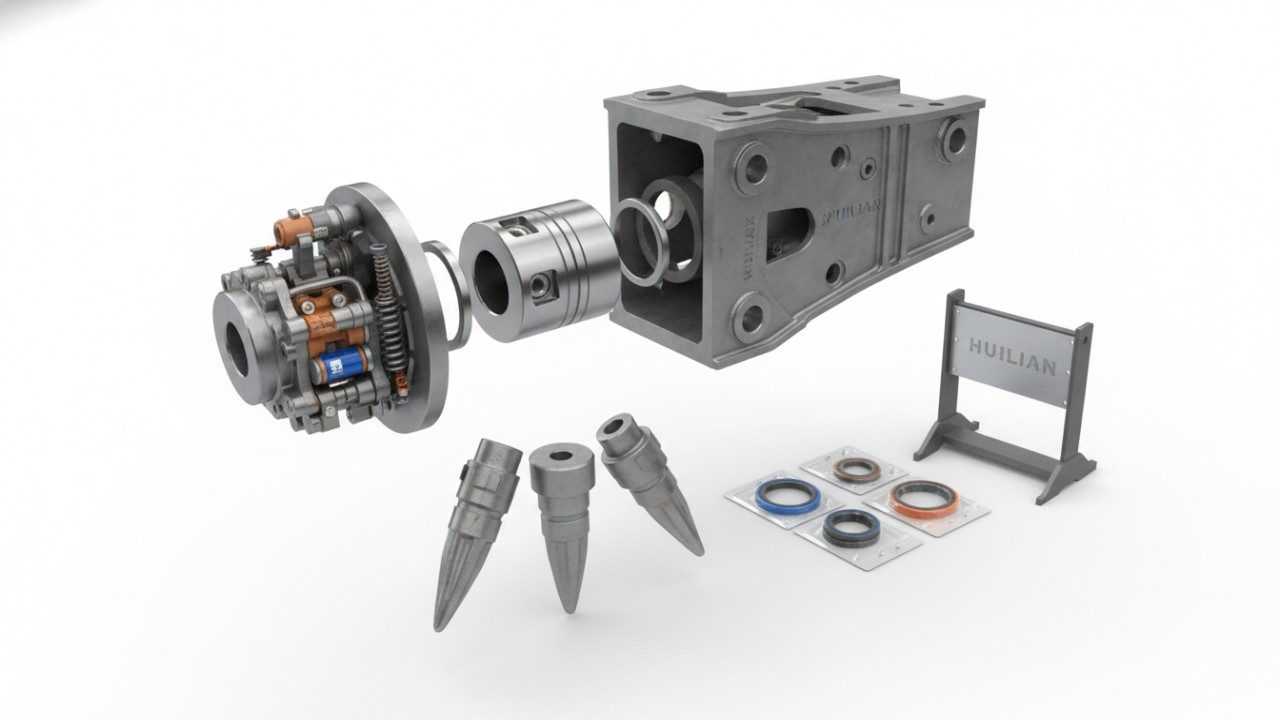
A high-performance breaker relies on specialized hydraulic hammer chisels for impact, heavy-duty seal kits to maintain fluid pressure, precise pistons to deliver kinetic energy, and wear bushings to protect internal housings. Together, these elements dictate the attachment's demolition power.
To maximize the efficiency of your equipment, you must understand how each critical component functions under stress:
- The Chisel (Tool): Exploring moil, blunt, and wedge designs matched to rock hardness. Using a blunt tool on highly abrasive rock limits penetration, while using a moil point on soft concrete can cause the tool to become trapped. Aligning the geometry is vital.
- The Seal Kit: Maintaining optimal hydraulic flow and pressure to prevent power loss. According to fluid power experts detailing the benefits of urethane seals, modern polyurethane formulations can endure pressures exceeding 5,000 psi and resist hydrolysis, making them the superior choice for high-pressure systems.
- The Piston and Cylinder: CNC machining tolerances dictate impact force synchronization. If the piston is poorly machined, the energy transfer into the chisel will be flawed, leading to severe internal reverberations.
- Wear Bushings: Protecting the main structural housing from friction. Worn bushings allow the chisel to move laterally, which ultimately destroys the piston.
Data Comparison Table: OEM vs. Premium Aftermarket Parts
Comparing OEM vs aftermarket breaker components reveals that premium aftermarket parts offer identical material grades and manufacturing tolerances but provide a 30% to 40% cost reduction. This creates a superior return on investment without sacrificing equipment reliability or impact force.
Fleet managers frequently debate the value of original equipment manufacturer (OEM) parts versus aftermarket alternatives. Modern CNC advancements mean that premium aftermarket suppliers now routinely match or exceed OEM specifications. Below is a comprehensive data comparison evaluating the return on investment (ROI):
Sourcing Gaps: Evaluating Metallurgy and Manufacturing Standards
Evaluating breaker wear parts metallurgy involves analyzing heat treatment processes, fatigue resistance, and steel forging methods. Proper metallurgical testing ensures that replacement parts resist cracking and structural failure when exposed to the continuous shockwaves of daily demolition tasks.
To close the sourcing gap, purchasing agents must learn to scrutinize the foundational science behind the parts they buy:
- Heat Treatment Verification: The process of heating and cooling metal is what gives chisels their strength. According to the Wikipedia page on Heat Treating, techniques like quenching and tempering manipulate the microstructure of metallic alloys, drastically altering their hardness and toughness to prevent brittle fractures.
- Identifying Genuine Castings: High-quality castings undergo rigorous ultrasonic testing to detect internal air pockets. Cheap, low-tolerance imports often skip this step, resulting in tools that snap unexpectedly under pressure.
- Factory Testing Protocols: The importance of factory testing for nitrogen accumulators and diaphragm elasticity cannot be overstated. A ruptured diaphragm leads to immediate energy loss and potential damage to internal tie rods.
Expert Tips: Common Mistakes When Sourcing Hydraulic Hammer Parts
The most common sourcing mistakes include prioritizing low upfront prices over verified material science, ignoring exact dimensional tolerances for tool shanks, and failing to request official material certifications. Avoiding these errors prevents catastrophic internal damage to your excavator's system.
Industry experts consistently highlight a few critical errors that buyers make during the procurement process:
- Mistake 1: Prioritizing cheap generic parts over verified metallurgy. A low-cost chisel that breaks inside the housing can cost tens of thousands of dollars in secondary repairs.
- Mistake 2: Ignoring exact dimensional tolerances. Even a millimeter of deviance in tie rods and tool shanks can cause catastrophic misalignments during operation.
- Mistake 3: Failing to request material certifications from the parts manufacturer. If a supplier cannot provide data on their steel's Rockwell hardness, they should not be trusted.
- Expert Advice: Always align chisel profiles with the specific geological terrain of the job site to maximize tool lifespan and productivity.
How Guangzhou Huilian Machines Co., Ltd Delivers Industry-Leading Solutions
Founded in 2005, Guangzhou Huilian Machines Co., Ltd is a professional OEM supplier delivering premium Excavator Breaker Parts globally. By combining experienced R&D teams with advanced CNC precision, we provide high-performance chisels, pistons, and seal kits to over 90 countries.
Our extensive manufacturing capabilities make us the premier choice for fleet managers looking to optimize their heavy equipment. We understand that downtime destroys profitability, which is why we engineer parts that go the distance.
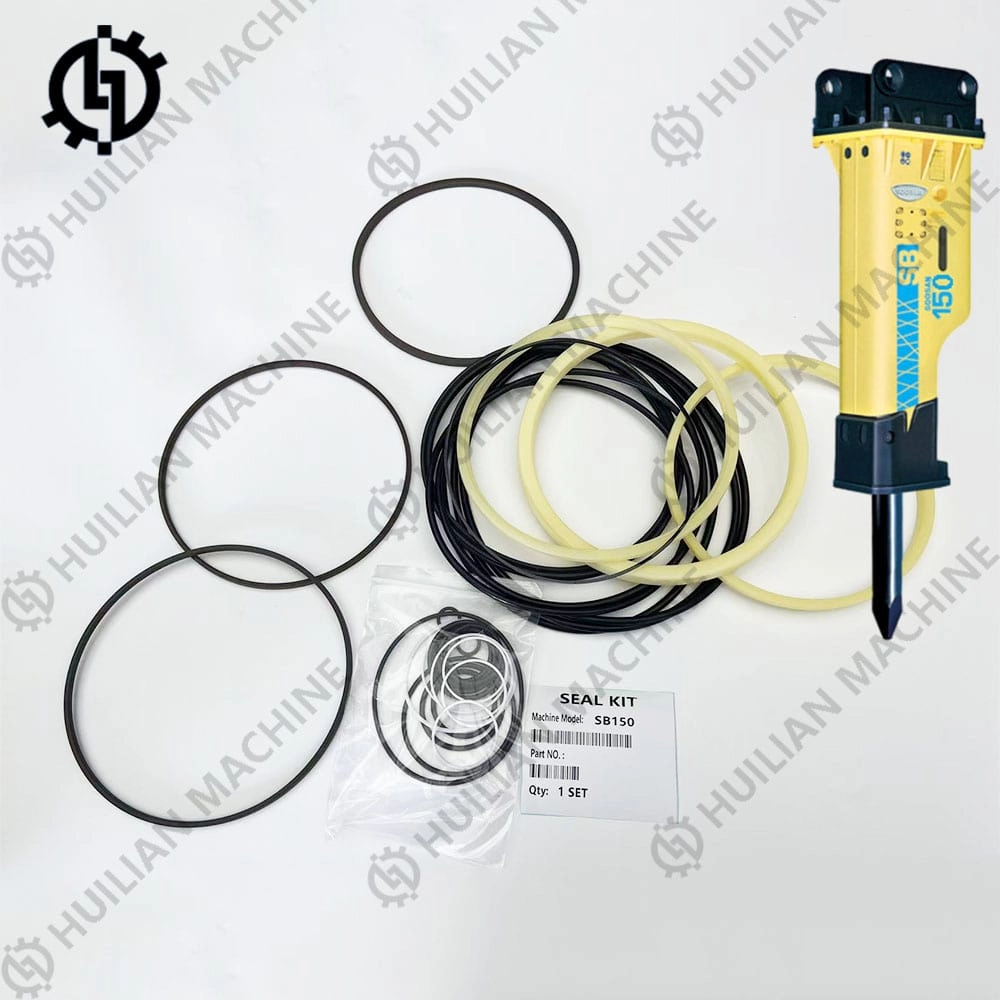
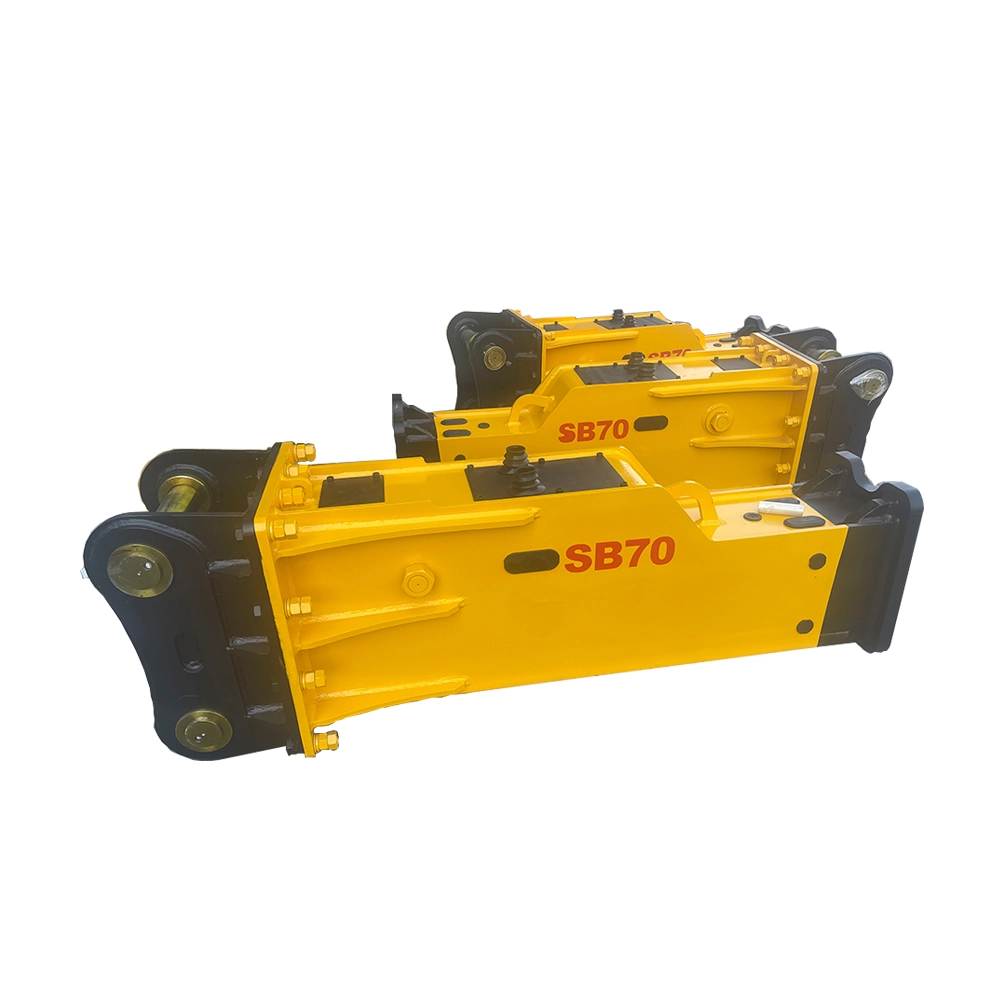
- Comprehensive Inventory: We offer a vast range of products, including hydraulic breaker hammers, chisels, seals and seal kits, diaphragms, pistons, WearBush, rompin/retainer bars, through bolts, side bolts, valves, and liners.
- Global Market Leadership: When researching Manufacturers and Supplier Brands, buyers consistently find that the Huilian brand provides exceptional reliability. We proudly export to over 90 regions.
- Dedicated R&D: Our team comprises highly experienced technicians, R&D experts, designers, and quality control professionals who ensure every component meets strict global standards.
- Partnership Opportunities: Guangzhou Huilian Machinery Co., Ltd. is committed to becoming a global leader in the supply of excavator parts and is actively seeking global distributor partners to promote sustainable industry development.
Conclusion & Call to Action
Sourcing optimal breaker components requires balancing metallurgical validation, strict engineering tolerances, and dedicated supplier reliability. Investing in premium replacement parts effectively reduces job site downtime, protects your main hydraulic systems, and maximizes the profitability of your heavy equipment operations.
Whether you need standard replacement items or specialized aftermarket upgrades to handle aggressive terrain, aligning with an experienced, transparent manufacturer is non-negotiable for operational success. By prioritizing quality over initial cost savings, you secure the future of your fleet.
Contact Guangzhou Huilian Machines Co., Ltd today to discuss your specific needs and secure the best components for your fleet.
Frequently Asked Questions
How often should hydraulic rock breaker seal kits be replaced?
Seal kits should generally be replaced every 600 to 1,000 operating hours, depending on the manufacturer's specifications and operating environment. Signs of failure include hydraulic fluid leaks and a noticeable drop in breaker impact power.
What is the difference between OEM and aftermarket hydraulic hammer parts?
OEM parts are made by the original equipment manufacturer, ensuring an exact fit but usually at a premium price. Premium aftermarket parts are engineered by specialized third-party manufacturers to meet or exceed OEM specifications, often providing better ROI.
How do I choose the right chisel for my hydraulic rock breaker?
Use a moil point for trenching and general demolition, a blunt tool for breaking oversized boulders, and a wedge point for cutting rock lines. Always match the tool geometry to the hardness and abrasiveness of the material you are breaking.
What causes a hydraulic breaker piston to fail?
Piston failure is primarily caused by blank firing, improper lubrication, or operating the breaker with worn tool bushings. Contaminated hydraulic oil can also cause scoring on the piston and cylinder walls.
Why is nitrogen pressure important for rock breaker parts?
Nitrogen gas acts as a shock absorber and energy storage mechanism, amplifying the downward strike force of the piston. Incorrect nitrogen levels can lead to sluggish performance, ruptured diaphragms, or severe damage to internal tie rods.
How can I verify the steel quality of aftermarket breaker components?
Request material test reports and verify that the manufacturer uses high-grade forged alloy steel. Inquire about their heat treatment processes, which are critical for preventing premature fatigue cracking.
What are the signs of tool bushing wear in a hydraulic hammer?
Excessive side-to-side play of the chisel, unusual grinding noises, and frequent breaking of retainer pins indicate bushing wear. Operating with worn bushings will eventually misalign the piston stroke, causing catastrophic internal damage.
Can low-quality replacement parts damage my excavator's hydraulic system?
Yes, poorly machined parts or failing cheap seals can introduce metal shavings and debris into the hydraulic fluid. This contamination travels back into the carrier machine, potentially ruining the excavator's main hydraulic pumps.


About
How can I ensure I’m selecting the right part for my equipment?
Our expert team can assist you in finding the right part based on your machine model, specifications, and requirements. Contact us for personalized support.
What is your shipping and delivery time?
We offer fast and reliable global shipping. Delivery times vary depending on location and order size, but we strive to process and ship orders as quickly as possible.
Do you offer OEM and aftermarket parts?
Yes, we manufacture high-quality OEM parts and supply aftermarket parts from top brands such as NOK, Parker, SKF, and Hallite to ensure optimal performance.
What types of excavator parts do you offer?
We provide a wide range of high-quality excavator parts, including hydraulic breakers, chisels, seal kits, diaphragms, pistons, wear bushes, retainer bars, through bolts, side bolts, valves, and liners.
Are your parts compatible with all excavator brands?
Yes, our parts are designed to be compatible with major brands like Komatsu, Caterpillar, Hitachi, Hyundai, Doosan, JCB, Kobelco, Sany, and many more.




Getting started is easy 
Contact with our experts to find the best excavator parts solutions for your needs. Discover how Huilian can enhance your equipment's performance and efficiency.


Get in touch
 About us
© 2025 HUILIAN MACHINE. All rights reserved