



Excavator Breaker vs. Pneumatic Hammer: Which Heavy-Duty Attachment Wins in 2026?
- What is the Difference Between an Excavator Breaker and a Pneumatic Hammer?
- Key Takeaways: 2026 Demolition Trends at a Glance
- How an Excavator Breaker Outperforms Compressed Air
- Data Comparison Table: Excavator Breaker vs. Pneumatic Hammer Specs
- 2026 Industry Trends: Why Hydraulic Systems are Winning
- Expert Tips & Common Mistakes in Rock Breaking
- Choosing the Right Attachment with Guangzhou Huilian Machines Co., Ltd
- Conclusion & Call to Action
- How long does an excavator breaker last?
- Can you use a pneumatic hammer on a mini excavator?
- Why do hydraulic breakers hit harder than pneumatic ones?
- What is the 15-second rule for excavator breakers?
- Are silenced hydraulic breakers worth the investment in 2026?
- How do I match a breaker to my excavator?
- Can an excavator breaker be used underwater?
- What is the difference between moil and chisel tool bits?
When it comes to breaking through reinforced concrete, thick asphalt, and solid rock, choosing the right excavator breaker is critical for operational efficiency and project profitability. Contractors often debate the merits of a hydraulic breaker vs pneumatic hammer. In this comprehensive guide, we will explore why hydraulic attachments are dominating the heavy construction landscape in 2026, offering superior power, better environmental compliance, and long-term cost savings.
What is the Difference Between an Excavator Breaker and a Pneumatic Hammer?
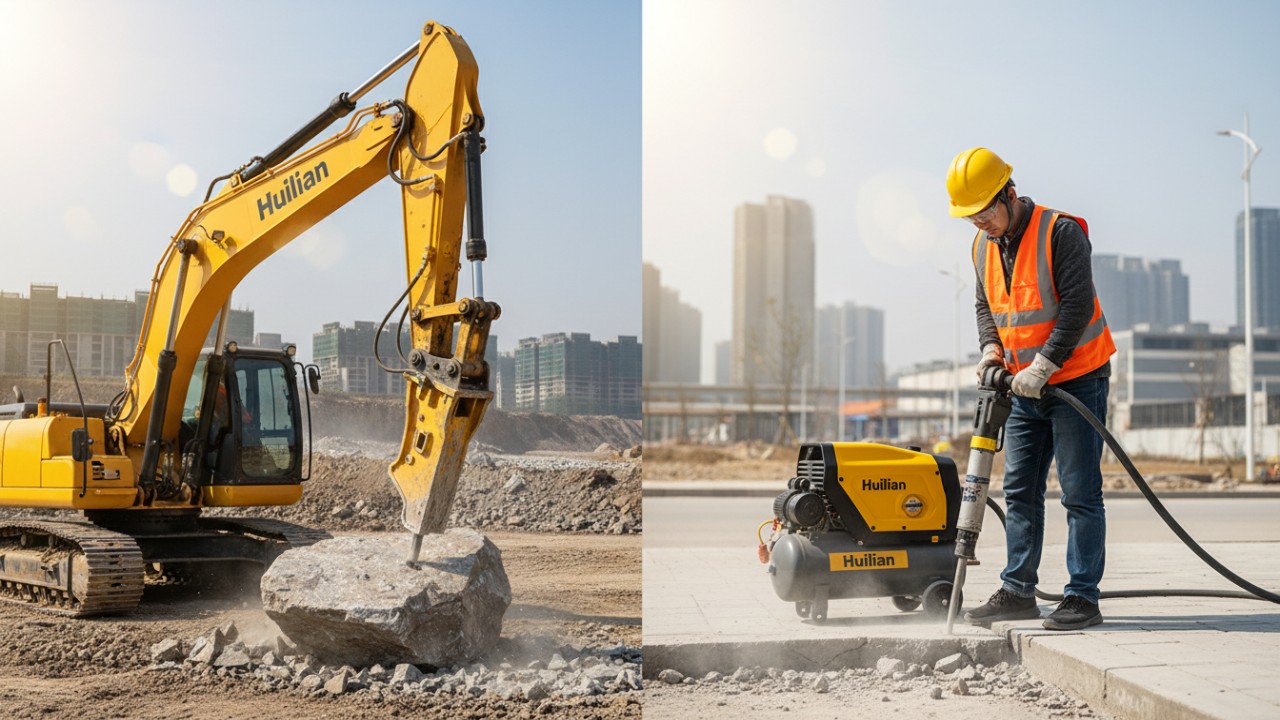
The main difference is that an excavator breaker uses high-pressure, incompressible hydraulic fluid from a carrier machine to deliver massive kinetic energy, while a pneumatic hammer relies on an external compressor to force compressible air for lighter, localized surface breaking.
Both systems serve specific demolition purposes, but their underlying mechanical differences drastically alter their capabilities on the job site. Hydraulics transfer unyielding fluid pressure, making them the superior choice for heavy carrier attachments. Conversely, pneumatics are generally reserved for hand-held operations or light-duty tools.
To better understand their distinct roles in modern construction, consider these primary operational differences:
- Power Source: Excavator breakers tap directly into the carrier machine's internal hydraulic pump, whereas pneumatic tools require a bulky, towed external air compressor.
- Energy Transfer: Hydraulic fluid cannot be compressed, ensuring a direct 1:1 energy transfer. Air compresses, which inevitably results in a measurable loss of kinetic force before the strike occurs.
- Scale of Demolition: Hydraulic tools excel in large-scale quarrying, trenching, and massive foundation removal. Pneumatic systems are preferred for indoor concrete patching, light surface asphalt removal, or tight, confined manual labor.
Key Takeaways: 2026 Demolition Trends at a Glance
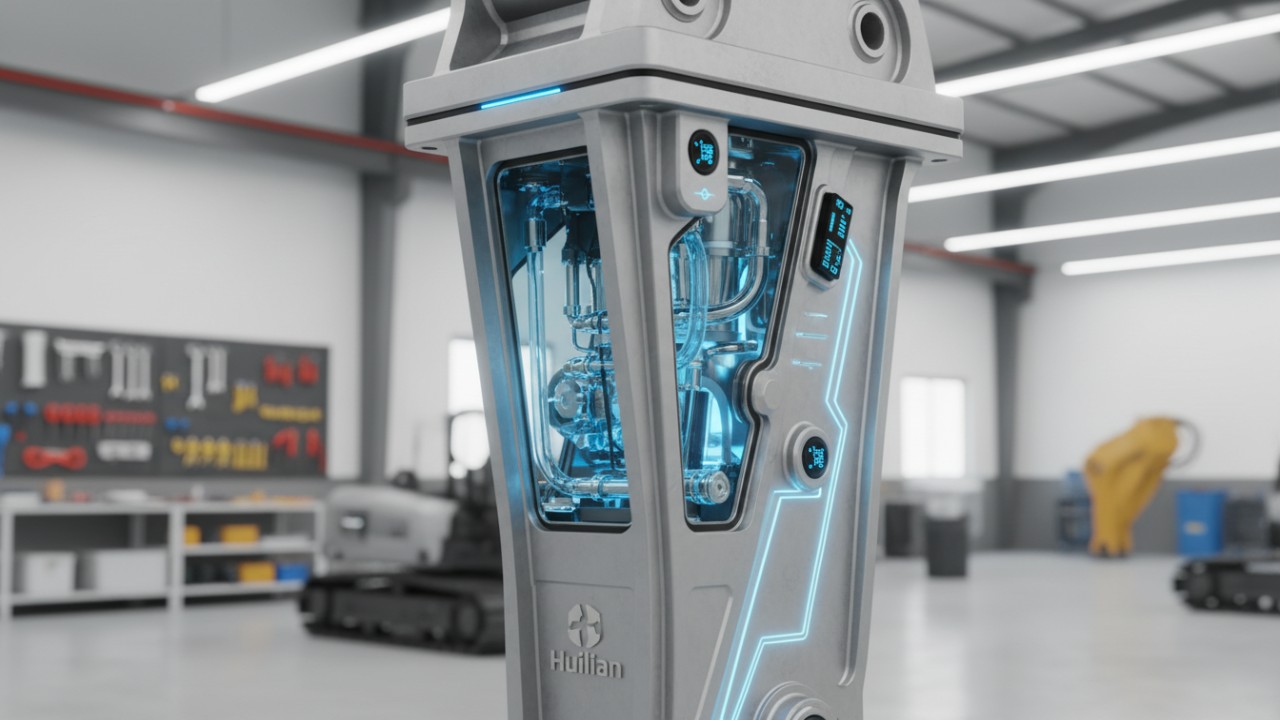
In 2026, the dominant trend is the near-total shift toward smart, auto-lubricated excavator breaker attachments for heavy construction, leaving pneumatic hammers for niche, small-scale, or highly confined manual jobs where massive impact energy is not the primary requirement.
This industry evolution is driven by technological advancements that vastly improve return on investment (ROI) and reduce machine downtime. At Guangzhou Huilian Machines Co., Ltd, an industry-leading OEM supplier of excavator parts founded in 2005, we have observed a massive global shift across the 90+ countries we serve. Modern demolition crews require attachments that offer raw power combined with intelligent efficiency.
Here are the most significant trends reshaping the heavy equipment industry this year:
- Superior Efficiency: Modern hydraulic systems now feature advanced anti-blank firing mechanisms, dramatically extending the lifespan of the tool by preventing internal piston damage when the bit is not pressed against rock.
- Automated Maintenance: Auto-lube technologies eliminate the need for manual two-hour greasing intervals, significantly reducing operator error, labor costs, and friction-related breakdowns.
- Smart Analytics: The newest hydraulic breakers are equipped with Internet of Things (IoT) sensors that monitor gallons per minute (GPM), pounds per square inch (PSI), and bushing wear in real-time.
How an Excavator Breaker Outperforms Compressed Air
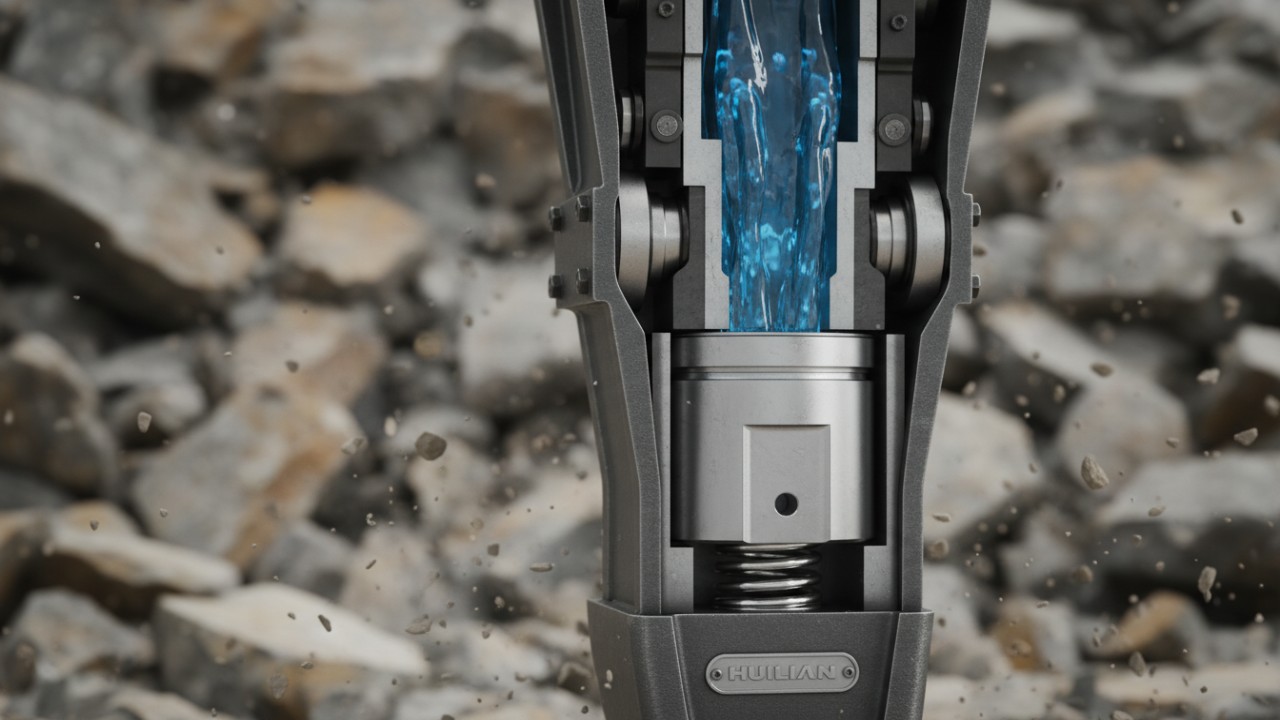
An excavator breaker outperforms compressed air by utilizing incompressible fluid dynamics to generate thousands of foot-pounds of impact energy, far exceeding the limited force multiplier of any standard pneumatic compressor by providing a direct, 1:1 transfer of operational power.
The core reason for this performance gap lies in elementary physics. As outlined by the National Aeronautics and Space Administration (NASA), Pascal's Law dictates that pressure applied to an enclosed incompressible fluid is transmitted equally in all directions. This allows hydraulic fluid to translate 100% of the pump's force directly into piston movement.
When you evaluate a hydraulic breaker vs pneumatic system side-by-side, the advantages of fluid power become obvious:
- Nitrogen Accumulators: Modern hydraulic breakers use specialized nitrogen gas chambers to multiply the downward strike force, creating explosive kinetic energy that air compressors simply cannot match. The nitrogen acts as a shock absorber during the upstroke and a powerful spring during the downstroke.
- Carrier Weight Utilization: Hydraulic attachments use the sheer mass of the excavator—from nimble skid steers to massive 50-ton heavy excavators—for stabilization. This absorbs recoil, prevents operator fatigue, and ensures the maximum amount of energy is driven straight into the rock.
- Consistent Strike Force: Because fluid does not compress, every strike delivers uniform power, ensuring highly efficient operation of your heavy-duty demolition tools.
For a deeper dive into fluid mechanics, pump requirements, and optimal attachment matching, read our comprehensive Hydraulic Breaker Guide.
Data Comparison Table: Excavator Breaker vs. Pneumatic Hammer Specs
To objectively compare these two systems, the data clearly shows that excavator breakers deliver exponentially higher impact energy ratings and greater overall efficiency for large-scale earthmoving operations when directly compared to the limited output of traditional pneumatic tools.
Below is a direct data comparison of the specifications and optimal use cases for both heavy-duty attachments in 2026. This side-by-side breakdown illustrates why hydraulic power scales better for industrial projects.
2026 Industry Trends: Why Hydraulic Systems are Winning
Hydraulic systems are winning the 2026 heavy construction market because they integrate automated IoT maintenance sensors and silenced box frames that seamlessly meet strict modern urban noise regulations and environmental compliance laws much better than loud air-based systems.
Noise regulation is a massive factor driving this shift in urban development. According to the Occupational Safety and Health Administration (OSHA), workplace noise exposure must remain below an average of 85 decibels (dBA) over an 8-hour shift. Older pneumatic hammers frequently exceed 110 dBA due to the violent, high-speed release of compressed air exhaust.
Modern rock breaking equipment has rapidly adapted to these stringent regulations through several key engineering innovations:
- Silenced Box-Style Frames: These fully enclosed hydraulic breaker frames utilize high-density polyurethane dampeners and shock absorbers to isolate vibration and drastically reduce acoustic output, making them legally viable for inner-city residential demolition.
- Elimination of Exhaust Hiss: Because hydraulic systems operate in a closed fluid loop, they do not expel high-pressure gas into the atmosphere, instantly removing one of the primary sources of worksite noise.
- Vibration Reduction: Advanced hydraulic attachments protect the carrier boom from structural fatigue by absorbing shock waves internally, which also significantly improves the comfort and safety of the operator inside the cab.
Expert Tips & Common Mistakes in Rock Breaking
To maximize the lifespan of your heavy-duty demolition attachments, operators must meticulously match the carrier's hydraulic flow to the breaker and strictly adhere to the 15-second continuous firing rule to prevent catastrophic internal seal blowouts and tool warping.
Even the most advanced, high-tech hydraulic systems will fail if operated incorrectly. Drawing from over two decades of OEM manufacturing experience, the engineers at Guangzhou Huilian Machines Co., Ltd frequently encounter equipment failures that are entirely preventable through proper operator education.
To protect your capital investment, ensure your crews avoid these common operational mistakes:
- The 15-Second Rule: Never fire an excavator breaker continuously in one exact spot for more than 15 seconds. If the rock does not fracture, stop and reposition the tool. Continuous firing in a single spot will overheat the tool bit, causing the metal to mushroom, lose its temper, and permanently warp.
- Do Not Pry: Never use the chisel or moil point as a pry bar to lever and move massive boulders. This puts immense, unintended lateral stress on the tool, leading to rapid tie bolt snapping, side rod failure, and piston misalignment.
- Exact Carrier Matching: Always verify that the carrier machine's auxiliary hydraulic flow (GPM) and operating pressure (PSI) perfectly match the breaker's engineered requirements. Excessive flow will blow the internal seals and cause overheating, while insufficient flow leads to damaging cavitation (the formation of vacuum bubbles that cause micro-explosions against internal metal surfaces).
Choosing the Right Attachment with Guangzhou Huilian Machines Co., Ltd
Selecting the optimal attachment involves matching your specific geological profile, from soft shale to ultra-hard diabase, with a high-quality, carrier-matched hydraulic breaker sourced from an experienced, globally recognized OEM manufacturer like Guangzhou Huilian Machines Co., Ltd.
Founded in 2005, Guangzhou Huilian Machines Co., Ltd (brand name: Huilian) has grown into one of the premier excavator breaker parts manufacturers in China. With a dedicated team of R&D experts, technicians, and quality control professionals, we offer highly durable products and elite aftermarket support to global distributor partners across over 90 countries worldwide.
Partnering with a dedicated manufacturer guarantees you access to:
- Comprehensive Carrier-Matching Services: We work with your specific fleet data to ensure your excavator provides the exact hydraulic flow and pressure required for optimal impact energy.
- Geology-Specific Tools: Whether you are trenching through soft sandstone or breaking dense, abrasive granite, we supply the exact moil points, blunt tools, and chisels needed to maximize fracturing efficiency.
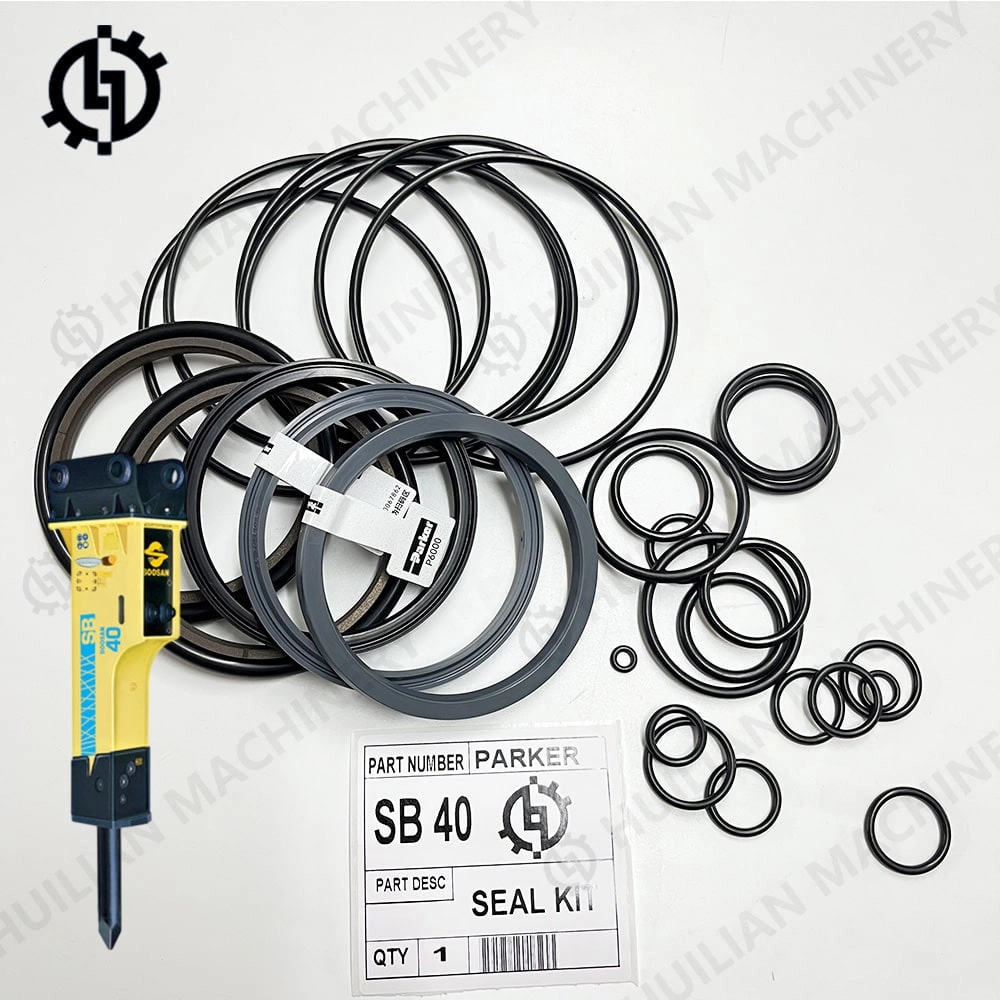
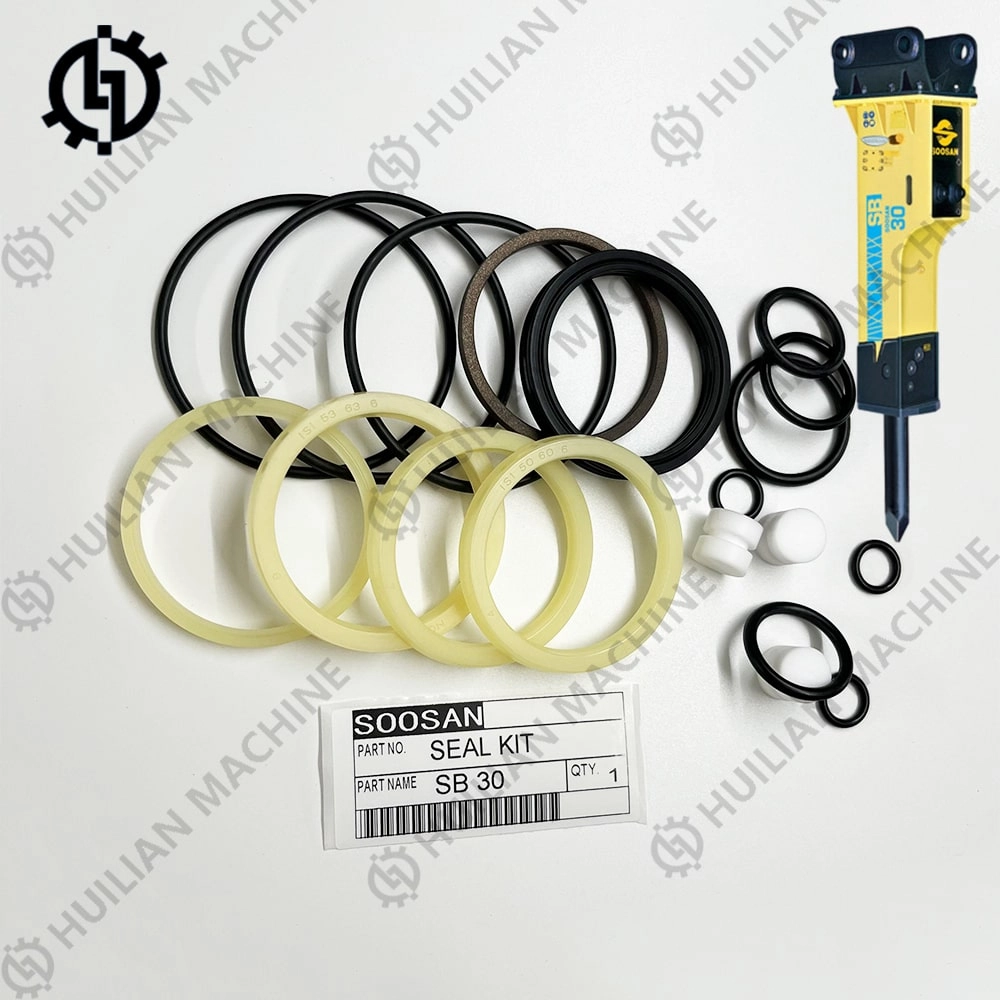
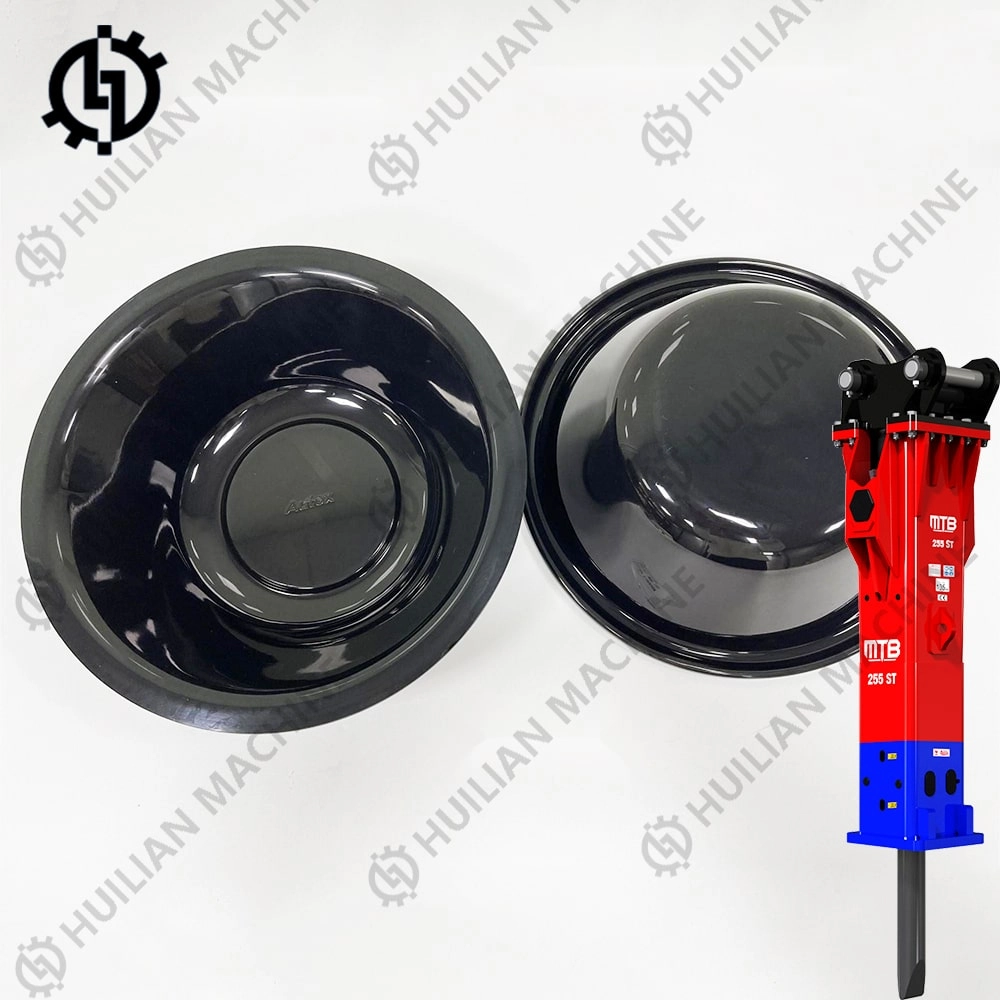
- Complete Aftermarket Support: From wear bushes and specialized Parker seal kits to diaphragms, pistons, and through-bolts, we stock everything you need to keep your fleet operational and profitable. Explore our full catalog of HUILIAN Hydraulic Breaker Parts to find the exact specifications required for your machinery.
Conclusion & Call to Action
In the 2026 heavy construction landscape, excavator breakers decisively beat pneumatic hammers by delivering superior impact energy, unmatched mechanical efficiency, and significantly higher long-term operational ROI for large-scale demolition, making hydraulic attachments the undisputed standard for modern contractors.
While pneumatic air hammers will always maintain a specialized, highly useful niche for light, precise surface work and confined spaces, hydraulic attachments stand as the undisputed kings of heavy-duty rock breaking. Upgrading to modern, silenced, and auto-lubricated hydraulic systems ensures that your fleet remains compliant with environmental laws, highly efficient on the job site, and consistently profitable over the long term.
Contact Guangzhou Huilian Machines Co., Ltd today to discuss your specific needs and request a free consultation.
How long does an excavator breaker last?
With rigorous daily maintenance, a high-quality hydraulic breaker can last 3 to 5 years under heavy use. Lifespan is significantly extended by strictly following auto-lube greasing schedules, utilizing the correct tool bits for the geology, and regularly checking nitrogen pressure to prevent internal metal-on-metal impacts.
Can you use a pneumatic hammer on a mini excavator?
While most excavators use hydraulic breakers, some specialized pneumatic conversions exist for light carriers. However, hydraulic options are almost universally preferred for mini excavators due to the convenience of utilizing the machine's existing hydraulic pump, eliminating the need to tow a separate, bulky air compressor to the job site.
Why do hydraulic breakers hit harder than pneumatic ones?
Hydraulic systems use fluid, which cannot be compressed, allowing for a 1:1 transfer of force directly into kinetic energy. Pneumatic systems rely on air, which compresses and naturally loses a significant fraction of its kinetic energy before the piston ever strikes the tool bit.
What is the 15-second rule for excavator breakers?
Operators should never fire the breaker continuously in a single spot for more than 15 seconds. If the rock does not break within that timeframe, stop and reposition the tool to prevent the tip from rapidly overheating, losing its metallurgical temper, and mushrooming.
Are silenced hydraulic breakers worth the investment in 2026?
Yes, silenced box frames significantly reduce noise and harmful vibrations. They are increasingly mandatory for urban demolition projects due to stricter 2026 environmental and noise regulations, protecting operators and keeping contractors legally compliant.
How do I match a breaker to my excavator?
Calculate the excavator's operating weight to ensure the boom can safely support the attachment without tipping. Verify that the carrier's hydraulic auxiliary flow (Gallons Per Minute) and pressure (PSI) fall exactly within the breaker's required operating range to avoid seal blowouts or cavitation.
Can an excavator breaker be used underwater?
Yes, but it requires a specialized underwater kit and an external air compressor. The compressor forces air into the breaker's strike chamber to create a barrier, preventing water from entering the housing and destroying the internal piston.
What is the difference between moil and chisel tool bits?
Moil points (pyramid shape) are best for general demolition, multi-directional fracturing, and standard concrete removal. Chisels (flat blade) are designed specifically for cutting clean lines, precise trenching, and splitting specific rock veins evenly.


About
How can I ensure I’m selecting the right part for my equipment?
Our expert team can assist you in finding the right part based on your machine model, specifications, and requirements. Contact us for personalized support.
Are your parts compatible with all excavator brands?
Yes, our parts are designed to be compatible with major brands like Komatsu, Caterpillar, Hitachi, Hyundai, Doosan, JCB, Kobelco, Sany, and many more.
What types of excavator parts do you offer?
We provide a wide range of high-quality excavator parts, including hydraulic breakers, chisels, seal kits, diaphragms, pistons, wear bushes, retainer bars, through bolts, side bolts, valves, and liners.
Do you offer OEM and aftermarket parts?
Yes, we manufacture high-quality OEM parts and supply aftermarket parts from top brands such as NOK, Parker, SKF, and Hallite to ensure optimal performance.
What is your shipping and delivery time?
We offer fast and reliable global shipping. Delivery times vary depending on location and order size, but we strive to process and ship orders as quickly as possible.




Getting started is easy 
Contact with our experts to find the best excavator parts solutions for your needs. Discover how Huilian can enhance your equipment's performance and efficiency.


Get in touch
 About us
© 2025 HUILIAN MACHINE. All rights reserved