



Complete Guide to Investing in Excavator Breakers in 2026: Prices, Maintenance, and Service Life
Comprehensive assessment of excavator breaker investment, covering price estimation, Total Cost of Ownership (TCO) analysis, and maintenance strategies to maximize equipment lifespan and ROI.
- What Is the Price of an Excavator Breaker and Why Is Calculating TCO (Total Cost of Ownership) So Important?
- Executive Summary (Key Takeaways)
- Main Factors Determining Excavator Breaker Prices in 2026
- Comparison Table of Data: Specifications and Price Estimates by Excavator Class
- Anatomy of Circuit Breaker Components and Maintenance Cost Analysis
- Expert Tips & Common Mistakes in Breaker Investment
- Leading Industrial Solutions: Maximizing Productivity with Guangzhou Huilian Machines Co., Ltd.
- Conclusion
- What is the average price of a PC200-class excavator breaker in 2026?
- Why is the price of a Box-type (Silenced Type) breaker higher than that of a Side or Top-type breaker?
- What are the hydraulic breaker components that are most frequently replaced and incur the highest costs?
- Is buying a used excavator breaker a wise investment?
- How can you effectively extend the service life of a hydraulic breaker?
- What are the risks of using a low-cost, low-quality excavator breaker?
- What is the ideal interval for replacing the breaker seal kit?
- Is the cost of piping installation included in the price of the breaker unit?
Investing in heavy equipment requires a well-thought-out strategy—especially when considering the cost of excavator breakers to support construction and mining operational needs. A profitable purchasing decision is not determined solely by how low the initial purchase price is, but rather by the hydraulic system’s reliability, component durability, and the long-term maintenance costs involved. This article provides a comprehensive breakdown of your investment guide—from cost calculations and maintenance strategies to the best methods for maximizing equipment service life.
What Is the Price of an Excavator Breaker and Why Is Calculating TCO (Total Cost of Ownership) So Important?
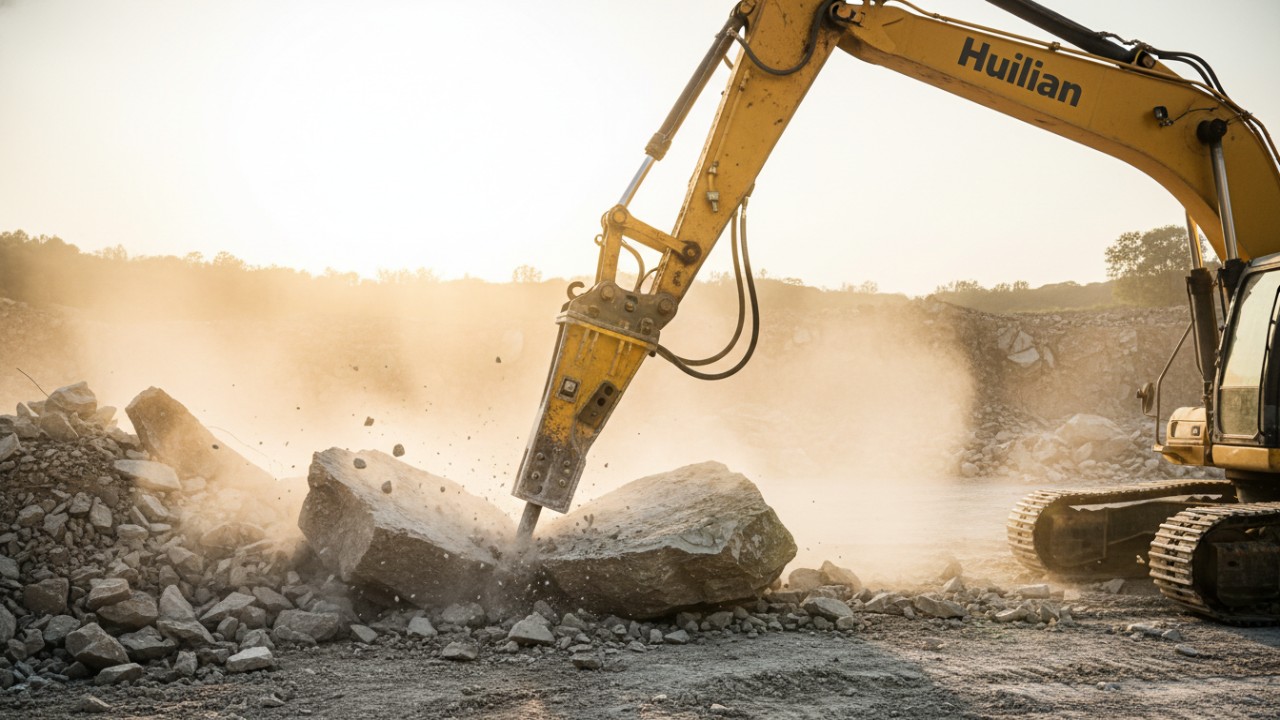
Excavator breaker prices vary widely depending on the machine’s tonnage, mounting configuration (Side, Top, or Box), and the quality of internal components from each manufacturer. Calculating TCO (Total Cost of Ownership) is essential because total expenses will inevitably exceed the initial purchase price of the unit.
Calculating TCO helps you prevent future financial losses due to unexpected breakdowns and equipment downtime. According to an industry analysis published by experts at Construction Executive, accurate TCO visibility requires contractors to evaluate depreciation, fuel costs, insurance, and all parts costs over the equipment’s lifespan. Therefore, you must consider several key aspects of this investment:
Installation Costs: Includes the installation of hydraulic piping and adjustment of the oil flow rate from the main excavator to ensure optimal performance.
Spare Parts Procurement: Accounts for the cost of hydraulic chisel parts, seal kits, and other fast-moving components.
Routine Maintenance: Daily service and preventive maintenance that will ensure your 2026 heavy equipment ROI is achieved in line with planned targets.
Executive Summary (Key Takeaways)
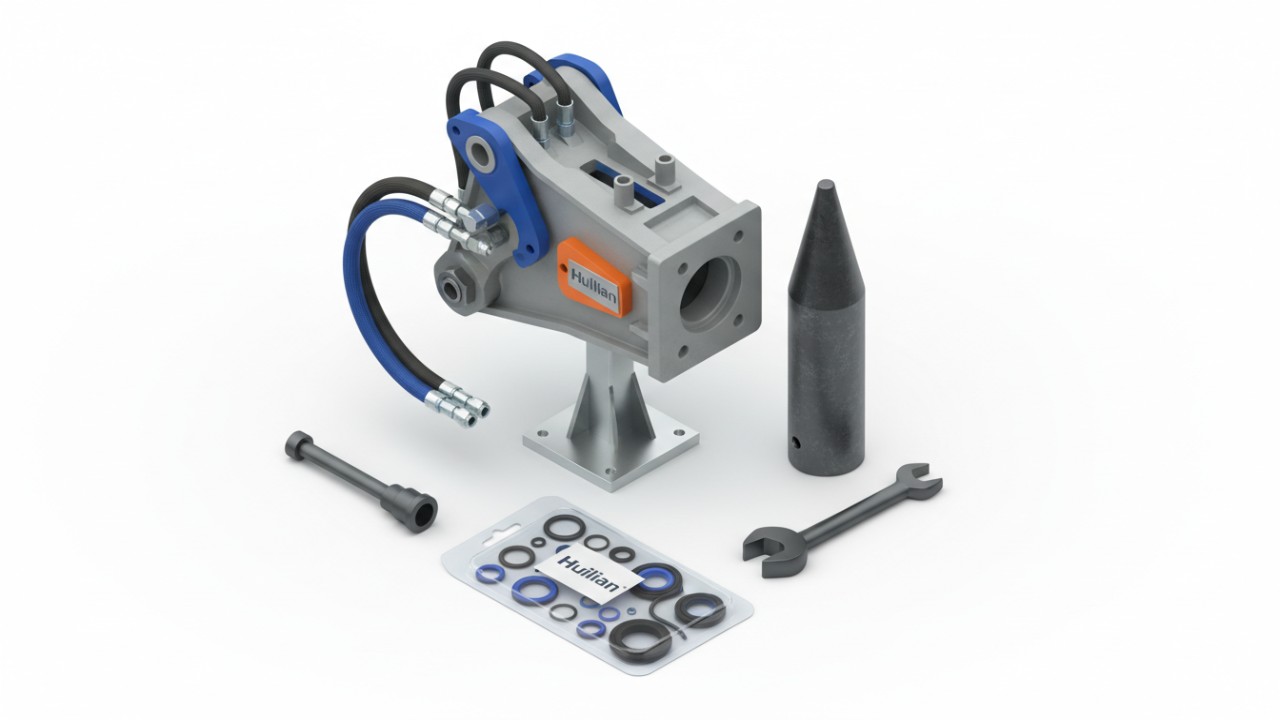
The executive summary of this investment guide highlights the importance of understanding projected price fluctuations, selecting specifications that align with the excavator’s capacity, and not simply being tempted by a low initial price. A holistic approach will directly impact on-site work efficiency.
To ensure a successful breaker purchase, here are the key points that should be your primary focus:
Trend Projections: Understand the price fluctuations of excavator breakers and begin adopting the latest hydraulic efficiency technologies for infrastructure projects in the coming years.
Avoid the Low-Price Trap: Never settle on a unit solely because of the lure of a very low initial purchase price without verifying the warranty, spare part availability, and durability of internal materials.
Cost Determining Factors: The largest cost components are determined by the breaker’s capacity matching the excavator, the type of body protection (such as Side, Top, or Box types that can dampen noise), and local technical support.
Main Factors Determining Excavator Breaker Prices in 2026
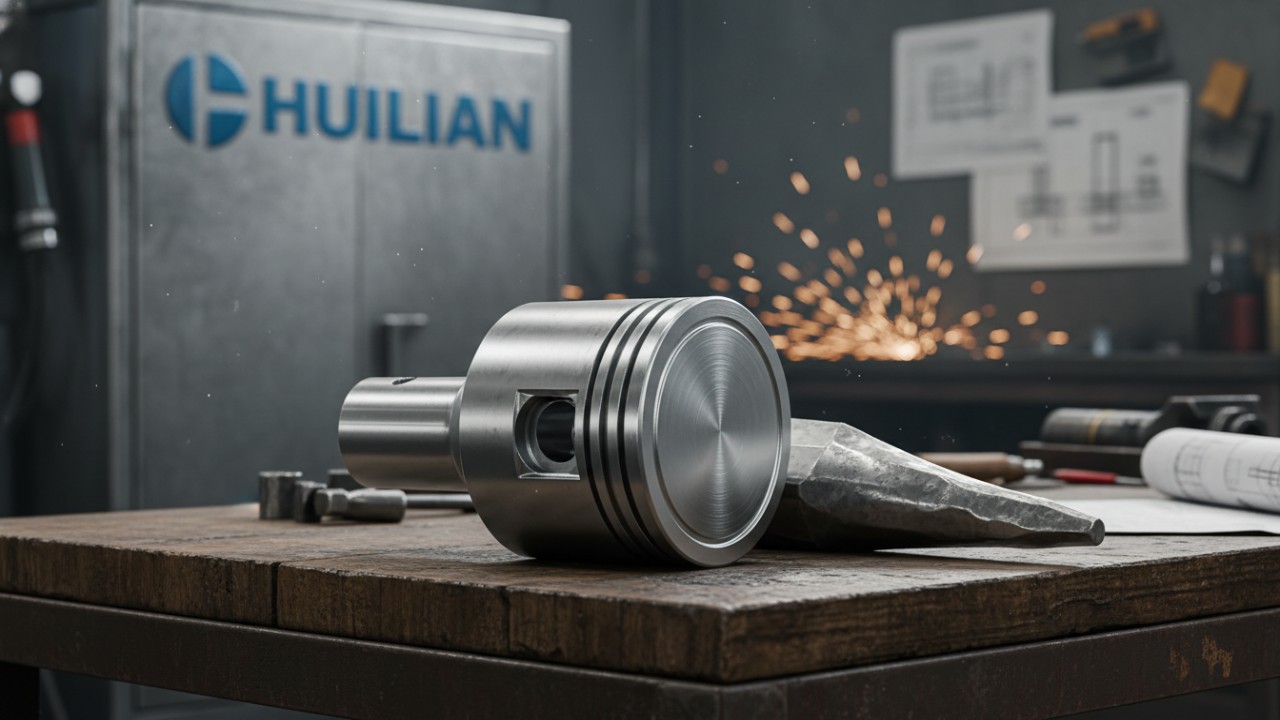
The main factors influencing the pricing of hydraulic breakers include currency exchange rate fluctuations, inflation in high-quality steel materials, current heavy equipment import policies, and the integration of modern hydraulic circuit technology. The added value of official warranties and distributor after-sales support systems also contribute to the final pricing.
Understanding these economic and technical factors will help you allocate your budget with high precision. Some of these determining variables include:
Inflation and Raw Materials: The price of high-strength alloy steel—the material used to manufacture chisels and pistons—is susceptible to fluctuations in the global commodities market.
Hydraulic Technology Innovations: As explained by the technical encyclopedia Wikipedia, hydraulic machine systems utilize the law of pressurized fluids to drastically multiply the torque force, so innovations in control valves that enhance crushing power while reducing fuel consumption will increase the unit’s market value. If you want to learn about the differences in their mechanisms, you can read the technical guide on Hydraulic vs. Pneumatic Excavator Breakers.
After-Sales Support: Excellent post-sales technical service and official warranties are clear distinguishing factors in determining the best excavator breaker brand amidst the flood of generic products.
Comparison Table of Data: Specifications and Price Estimates by Excavator Class
The following comparison table presents estimated unit purchase price ranges, average chisel service life expectations, and estimated operational expenses per 1,000 operating hours. This comparative data is specifically designed to facilitate the calculation of your operational cost structure.
| Excavator Class | Machine Tonnage | Estimated Unit Purchase Price (IDR) | Chisel Life Expectancy | Estimated Operating Costs per 1000 Hours |
|---|---|---|---|---|
| Mini Class | PC50 - PC75 | 50 Million - 85 Million | 300 - 500 Working Hours | 12 Million - 18 Million |
| Middle Class | PC130 - PC200 | 120 Million - 260 Million | 500 - 800 Working Hours | 25 Million - 45 Million |
| Big Class | PC300 - PC400 | 320 Million - 580 Million | 600 - 1000 Working Hours | 55 Million - 80 Million |
(Note: The prices of the PC200 breaker and other models listed in the table above are indicative only and may fluctuate dynamically based on exchange rates, country of manufacture, body type, and negotiations with the supplier.)
Anatomy of Circuit Breaker Components and Maintenance Cost Analysis
The operational anatomy of a hydraulic breaker consists of key fast-moving components such as seal kits, through bolts, pistons, and chisels, where the material specifications of the initial assembly significantly determine the rate of wear and the magnitude of hydraulic breaker maintenance costs. Implementing preventive maintenance procedures is the key to achieving unmatched service life.
Neglecting to replace small parts can lead to total failure of the hydraulic system in your heavy equipment. It is crucial to recognize that Excavator Parts Matter in stabilizing operational costs. Details of these components include:
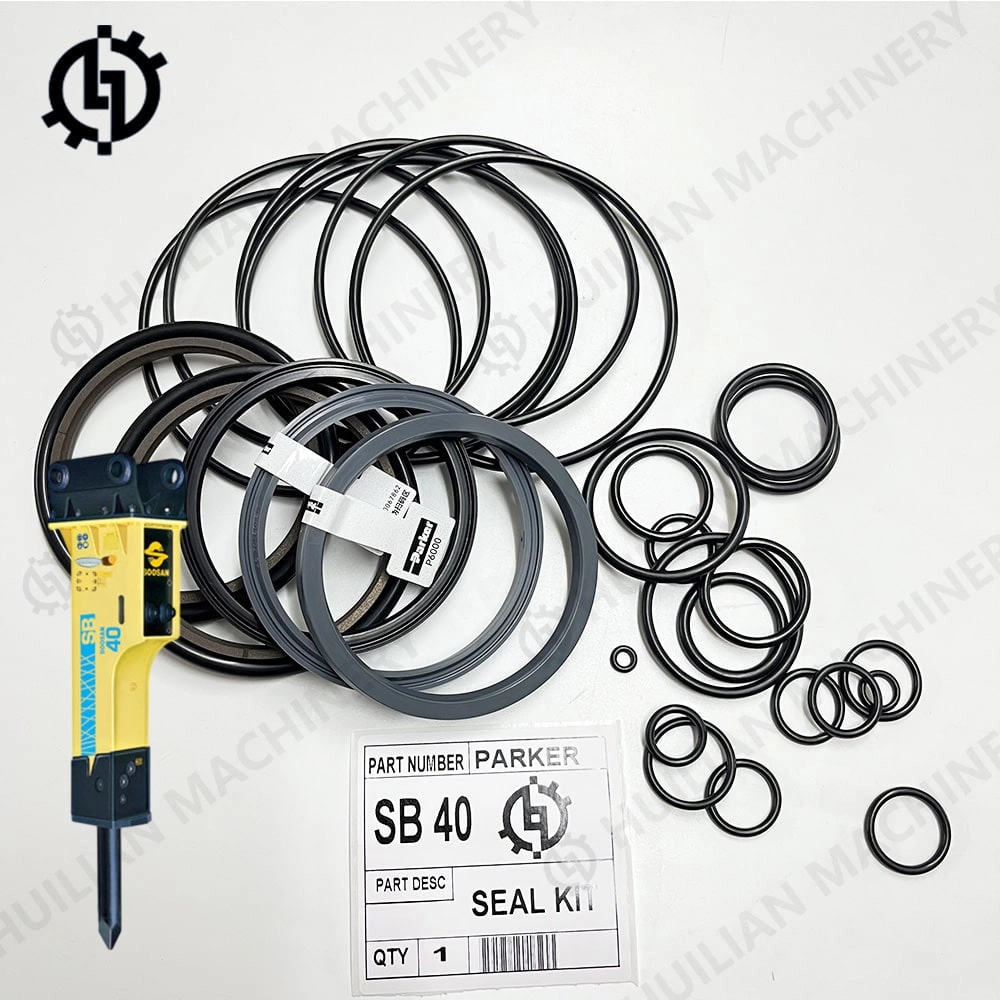
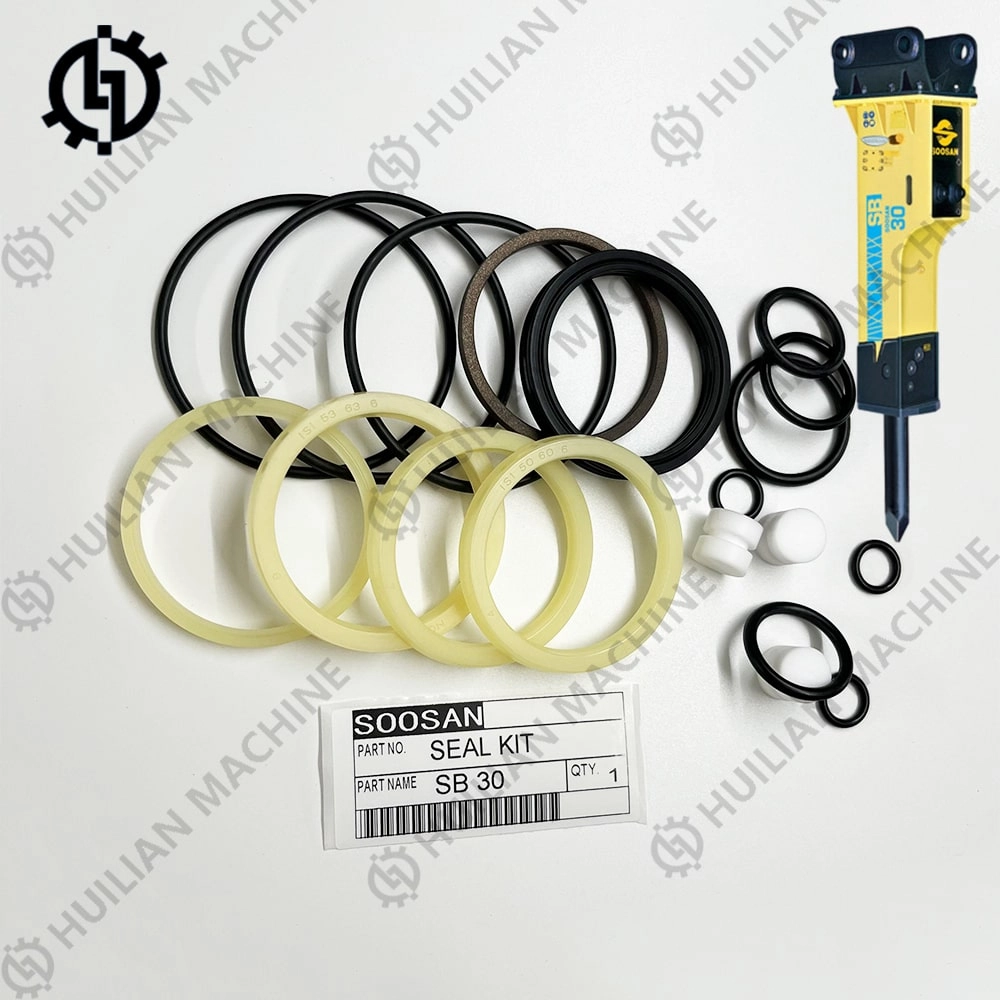
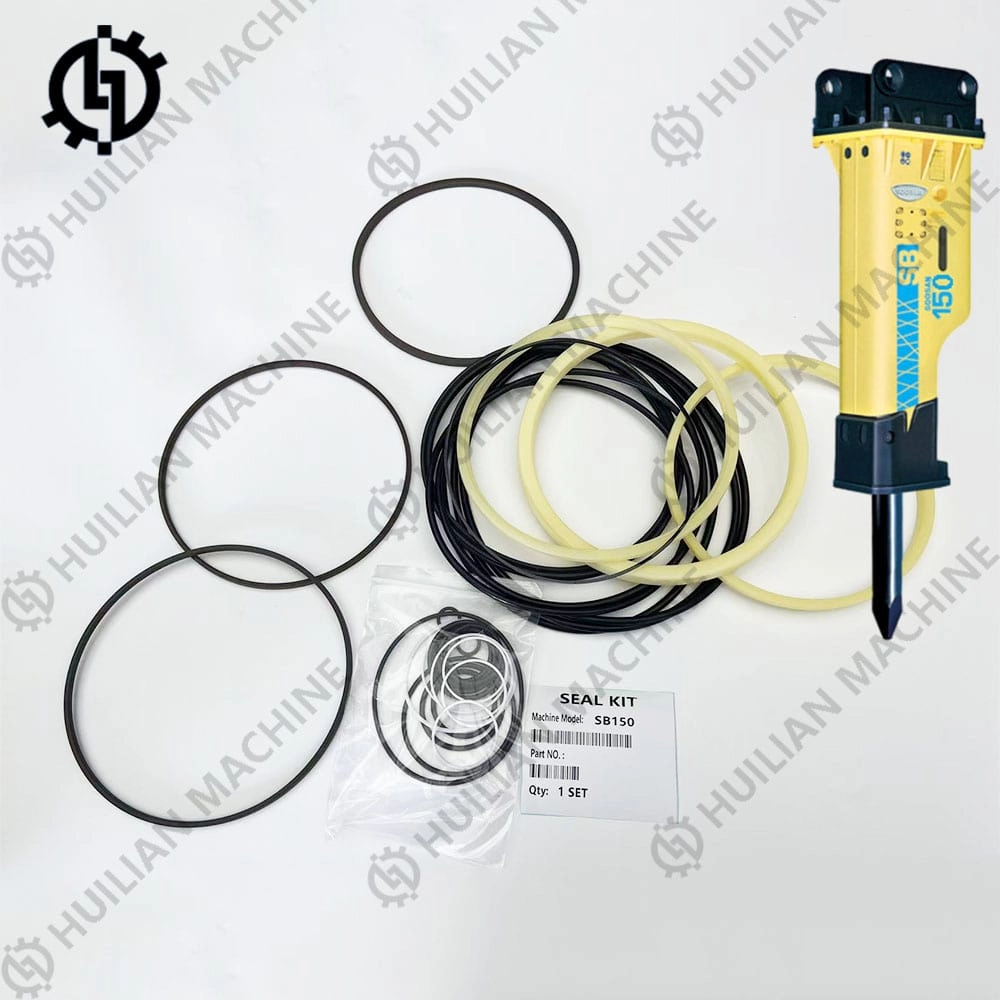
Seal Kit: A component made of heat-resistant rubber (such as polyurethane) designed to prevent leaks of nitrogen gas and hydraulic fluid.
Chisel (Cutting Edge): The cutting edge used to break hard materials. Knowing the price of hydraulic chisel parts is essential because this is the component that wears out the fastest due to the intensity of impacts.
Piston and Through Bolt: Internal components that generate impact energy and maintain the structural integrity of the body under extreme vibrations.
Daily Preventive Maintenance vs. Major Overhaul: Performing daily inspection and greasing routines is far more cost-effective compared to the necessity of a complete overhaul caused by a seized piston resulting in cylinder scoring.
Expert Tips & Common Mistakes in Breaker Investment
The most common mistake in breaker investments is prioritizing extremely low purchase prices without considering the risk of hydraulic pump damage on the main excavator. Ensure that your heavy equipment’s oil flow rate and pressure specifications are always set according to the manufacturer’s manual to prevent premature failure.
Understanding operational pitfalls can save the company’s budget. Here is a compilation of field errors and expert tips:
Fatal Mistake - Using the Breaker as a Lever: Operators often use the breaker like a crowbar to pry up large rock material. This poor practice creates extreme lateral pressure that can instantly snap the chisel.
Critical Error - Ignoring Noise Regulations: Non-soundproofed Side-type models produce ear-splitting decibel levels. According to data from the Occupational Safety and Health Administration (OSHA), worker noise exposure is limited to a maximum of 90 dBA for 8 hours a day; therefore, choosing a closed Box-type model in dense construction areas is a rational investment for worker safety.
Expert Tip - Oil Flow Calibration: The key to longevity lies in hydraulic balance. Ensure mechanics always check the excavator’s pressure and flow to prevent over-speed, which can prematurely damage seals.
Leading Industrial Solutions: Maximizing Productivity with Guangzhou Huilian Machines Co., Ltd.
Guangzhou Huilian Machines Co., Ltd has been a leading manufacturer of OEM excavator parts since 2005, producing high-performance breakers and world-class hydraulic components for mining and heavy construction sites. Choosing to partner with a trusted manufacturer is a crucial step toward ensuring your heavy equipment ROI doubles by 2026.
Recognizing the significant risks of machine downtime in the field, we are committed to being the backbone of your operations by delivering superior-quality parts to over 90 countries worldwide.
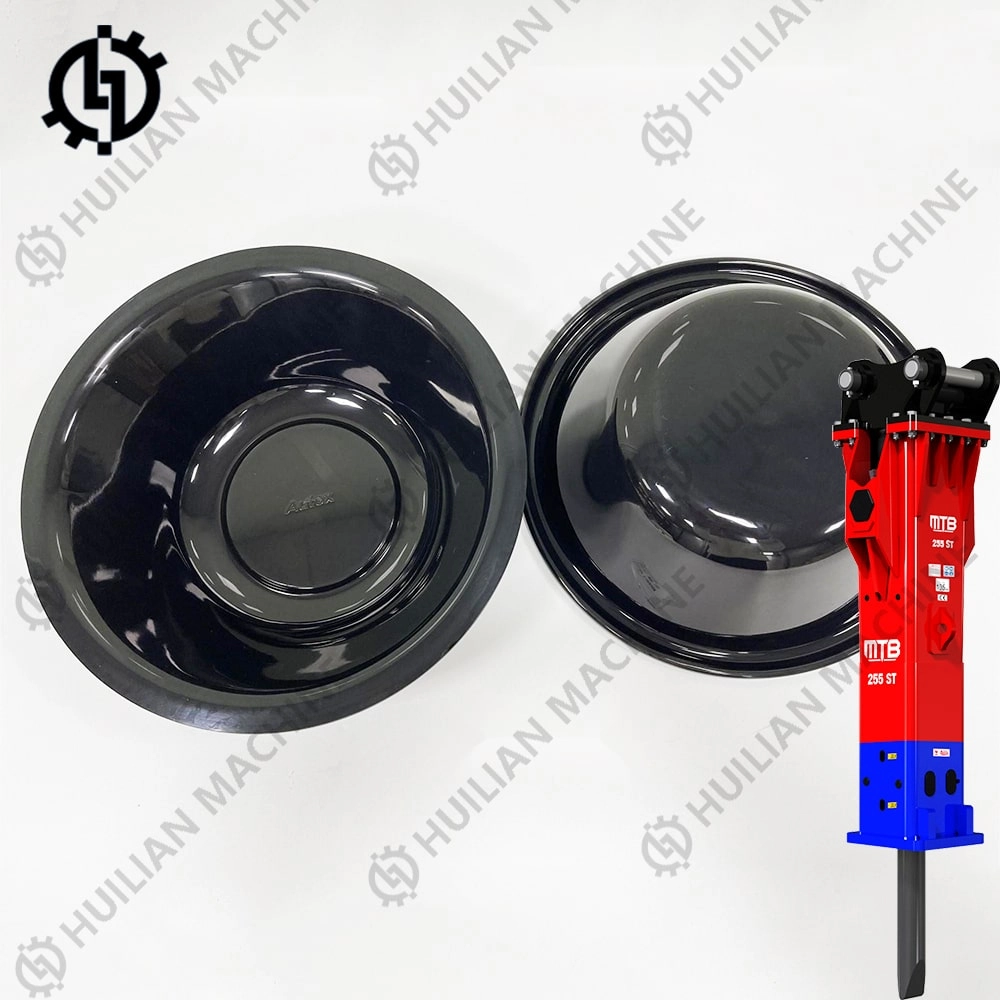
Proven Component Quality: Our flagship product line includes hydraulic breaker hammers, chisels, Parker seal kits, diaphragms, pistons, and valve plates. To demonstrate the performance of heavy-duty products, you can see the ruggedness of the SOOSAN Rock Breaker, designed for the most extreme working conditions.
Case Study on Reducing Downtime: Utilizing premium parts from Guangzhou Huilian Machines Co., Ltd. has proven successful in reducing heavy equipment downtime by up to 30% in various large-scale infrastructure excavation projects. The use of top-tier materials prevents sudden breakdowns during peak operational hours.
Expertise & R&D Capabilities: Our professional team consists of R&D specialists, expert technicians, design engineers, Quality Control professionals, and an experienced after-sales service team dedicated to providing the best excavator breaker brand with the most optimal price-to-performance ratio in the industry.
Conclusion
Investing in precision hydraulic breaker equipment in 2026 requires a comprehensive evaluation of initial purchase price dynamics, the reliability of logistics for fast-moving spare parts, and an accurate assessment of projected periodic maintenance costs. Visibility into the Total Cost of Ownership will protect businesses from the risk of hidden losses.
By aligning unit specifications with excavator tonnage classes—such as matching the price of a PC200 breaker with utility loads at the project site—construction contractors can substantially extend the lifespan of their investment. Strategic data analysis combined with top-tier manufacturer support will guide you toward maximum operational profitability.
What is the average price of a PC200-class excavator breaker in 2026?
Prices vary significantly depending on the brand and country of origin. Generally, they range in the hundreds of millions of rupiah, with premium brands from Japan or Korea at the higher end, while economical brands are slightly more affordable.
Why is the price of a Box-type (Silenced Type) breaker higher than that of a Side or Top-type breaker?
Box-type breakers are equipped with a full-coverage casing made of sound-dampening material that reduces noise and vibration. This is not only environmentally friendly for urban projects but also protects internal components from debris.
What are the hydraulic breaker components that are most frequently replaced and incur the highest costs?
Components that are considered fast-moving and require routine replacement include the chisel, seal kit, rod pin, and nitrogen gas. The cost of procuring these components must be included in the annual maintenance budget.
Is buying a used excavator breaker a wise investment?
It can be profitable if the unit has a clear service history and the internal piston is undamaged. However, it can result in significant losses if the used unit requires major spare part replacements shortly after purchase.
How can you effectively extend the service life of a hydraulic breaker?
The key is to perform regular greasing with the breaker in the compressed position, ensure the striking angle is a straight 90 degrees relative to the material, and avoid firing into empty space (blank firing).
What are the risks of using a low-cost, low-quality excavator breaker?
Low-quality breakers often suffer from seal leaks and extreme reverse vibration, which poses a high risk of damaging the excavator’s main hydraulic pump—a repair that is extremely costly.
What is the ideal interval for replacing the breaker seal kit?
Generally, replacing the seal kit is recommended every 600 to 1,000 operating hours, though this interval may be shorter depending on the hardness of the material being worked on in the field.
Is the cost of piping installation included in the price of the breaker unit?
This depends on the agreement with the distributor. Some distributors offer a complete package that includes hydraulic piping and installation services, while others sell the unit separately (as a bare unit).
Contact Guangzhou Huilian Machines Co., Ltd. today for a free consultation on technical solutions and the best heavy equipment quotes for your business.


About
Do you offer OEM and aftermarket parts?
Yes, we manufacture high-quality OEM parts and supply aftermarket parts from top brands such as NOK, Parker, SKF, and Hallite to ensure optimal performance.
What types of excavator parts do you offer?
We provide a wide range of high-quality excavator parts, including hydraulic breakers, chisels, seal kits, diaphragms, pistons, wear bushes, retainer bars, through bolts, side bolts, valves, and liners.
How can I ensure I’m selecting the right part for my equipment?
Our expert team can assist you in finding the right part based on your machine model, specifications, and requirements. Contact us for personalized support.
Are your parts compatible with all excavator brands?
Yes, our parts are designed to be compatible with major brands like Komatsu, Caterpillar, Hitachi, Hyundai, Doosan, JCB, Kobelco, Sany, and many more.
What is your shipping and delivery time?
We offer fast and reliable global shipping. Delivery times vary depending on location and order size, but we strive to process and ship orders as quickly as possible.




Getting started is easy 
Contact with our experts to find the best excavator parts solutions for your needs. Discover how Huilian can enhance your equipment's performance and efficiency.


Get in touch
 About us
© 2025 HUILIAN MACHINE. All rights reserved