



The Ultimate 2026 Guide to Komatsu Excavator Breakers: Maximize Your Breaking Power
- What is a Komatsu Excavator Breaker?
- Key Takeaways: Maximizing Your Breaking Power in 2026
- Understanding the Komatsu JTHB Series: Hybrid Technology Explained
- How to Correctly Size Your Breaker: Matching Carrier Weight and Hydraulic Flow
- 2026 Komatsu Breaker Model Comparison
- Expert Tips and Common Mistakes in Breaker Maintenance
- 2026 Industry Trends: AI Diagnostics and iMC Integration
- Conclusion & Call to Action: Upgrade Your Excavator Fleet Today
- How much does a Komatsu excavator breaker cost?
- What causes a hydraulic breaker to lose impact power?
- How often should I grease my Komatsu breaker?
- What is blank firing and how do I prevent it?
- How do you check the nitrogen pressure on a hydraulic hammer?
- Can I use a Komatsu breaker on other excavator brands?
- What is the lifespan of a Komatsu JTHB breaker chisel?
- How do I match hydraulic flow to my excavator attachment?
What is a Komatsu Excavator Breaker?
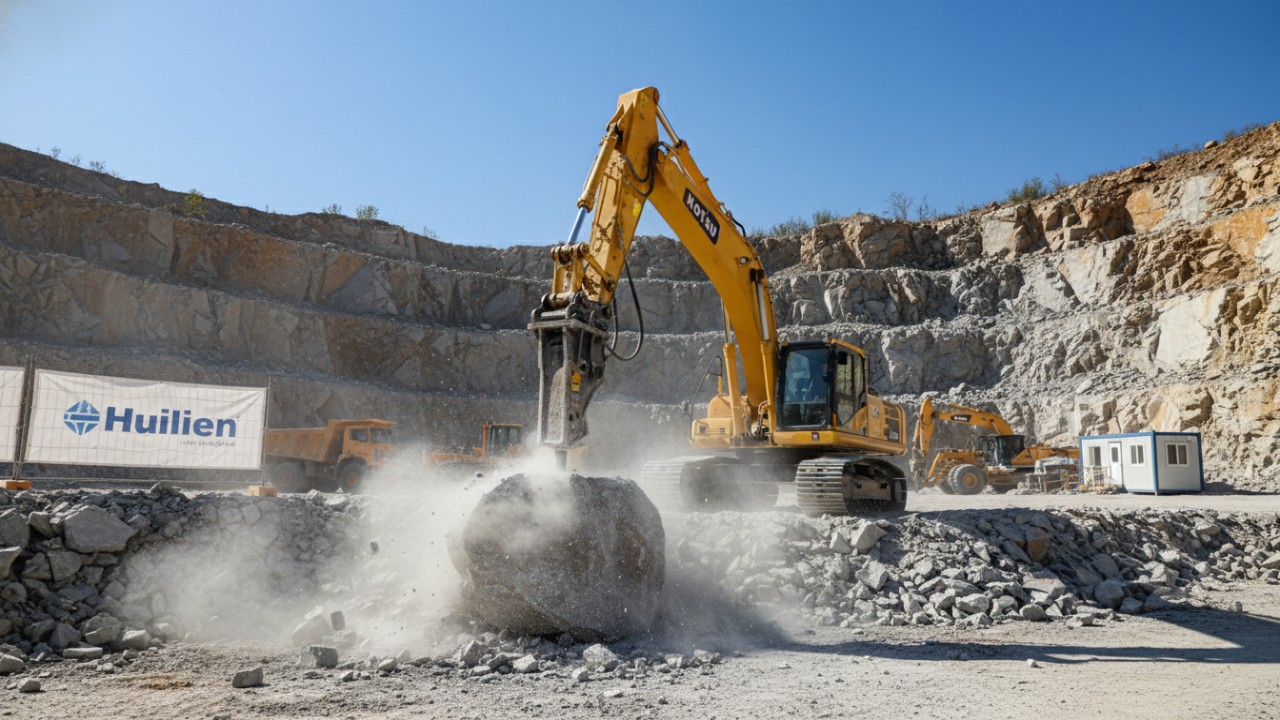
A komatsu excavator breaker is a heavy-duty hydraulic attachment engineered for high-impact demolition, mining, and quarrying [1]. Utilizing advanced hybrid technology that combines pressurized hydraulic oil and nitrogen gas, these breakers maximize destructive power while minimizing internal moving parts.
When you equip a standard excavator with a dedicated breaker, you transform it into an unstoppable force on the job site. The design philosophy behind these tools prioritizes maximum impact energy delivered directly to the material, rather than wasting kinetic energy as heat or damaging vibration. This results in an attachment that works harder and lasts longer under extreme stress.
At Guangzhou Huilian Machines Co., Ltd, an industry-leading Hydraulic Breaker & Parts Manufacturer founded in 2005, we have spent nearly two decades supplying premium OEM replacement components. Through our extensive global experience exporting to over 90 countries, we understand exactly why these attachments excel in the field:
- Unmatched Durability: Fewer moving internal components drastically reduce the likelihood of mechanical failure, keeping your projects on schedule.
- Application Versatility: These tools are capable of handling everything from primary rock breaking in quarries to intricate trenching in urban environments.
- High Efficiency: Advanced power-to-weight ratios mean even smaller carriers can deliver massive breaking force without compromising stability.
Key Takeaways: Maximizing Your Breaking Power in 2026
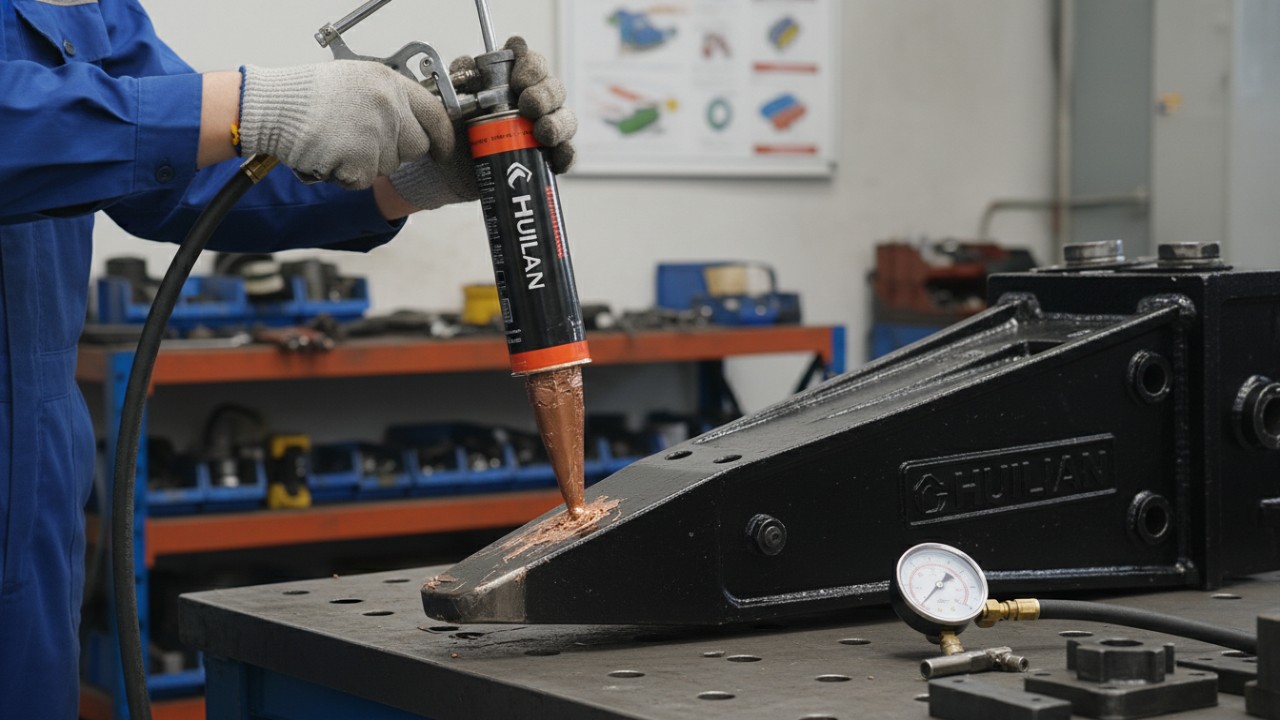
Maximizing your breaking power requires matching hydraulic flow to the carrier, utilizing oil-nitrogen hybrid technology, and adopting stringent preventative maintenance. Proper operation combined with intelligent machinery integrations guarantees higher productivity and extends the lifespan of the attachment [7].
To ensure your heavy equipment fleet operates at peak profitability this year, you must focus on the core elements of breaker management. Understanding the technological shifts and structural requirements of modern attachments will save you thousands of dollars in premature wear and tear.
Here are the critical focal points for 2026:
- Hybrid Power Utilization: The combination of hydraulic oil and nitrogen gas drastically increases impact energy while simultaneously reducing internal component wear.
- Strict Sizing Protocols: Matching your attachment to your carrier's specific weight class and hydraulic output is absolutely non-negotiable for safe and efficient operation.
- Proactive Upkeep: Preventative maintenance, specifically using high-temperature grease and monitoring nitrogen levels, is the key to longevity.
- Smart Technology: The integration of intelligent Machine Control (iMC) is revolutionizing how operators handle demolition, automating performance and reducing human error.
Understanding the Komatsu JTHB Series: Hybrid Technology Explained
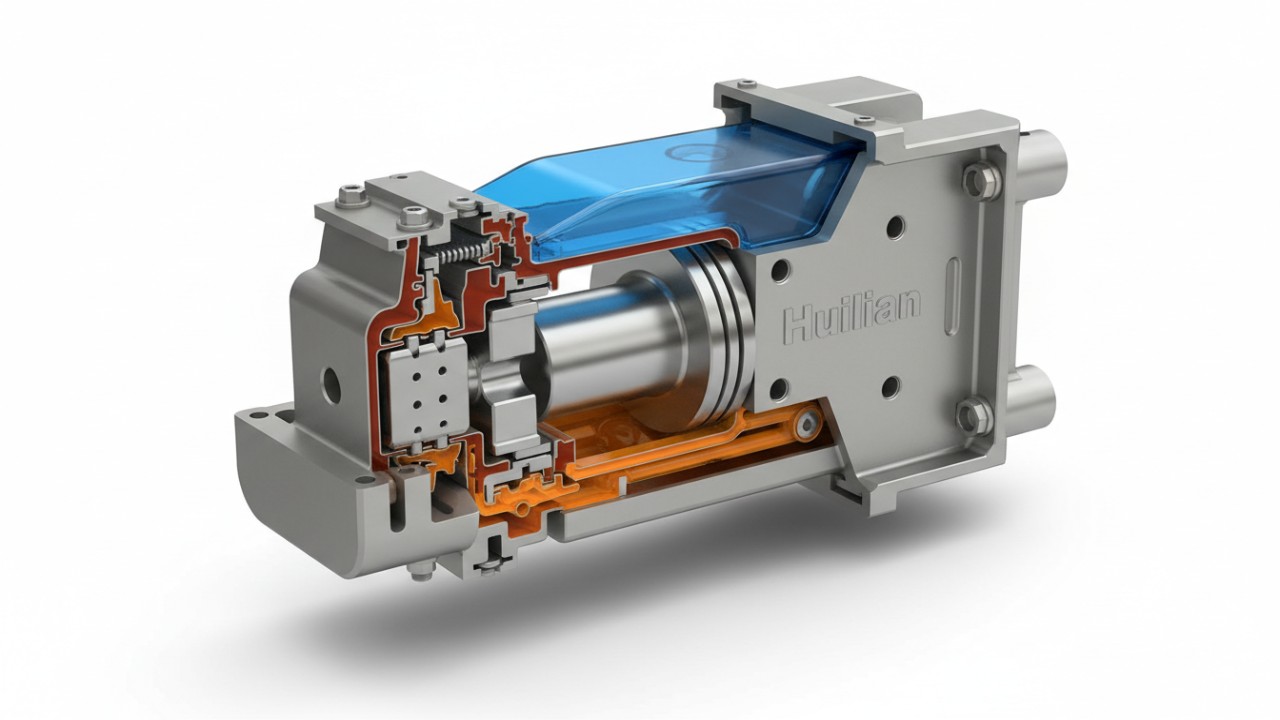
The komatsu JTHB series hydraulic hammer operates on a hybrid power design that utilizes both hydraulic flow from the carrier and a compressed nitrogen gas chamber [7]. This combination delivers superior kinetic impact energy while dampening vibrations that could damage the excavator boom.
The engineering behind the JTHB series is a masterclass in simplistic, effective design. Traditional purely hydraulic breakers rely solely on fluid dynamics, which can lead to sluggish performance and excessive heat generation. By incorporating a nitrogen gas accumulator, the breaker essentially stores energy during the upstroke and unleashes it explosively on the downstroke.
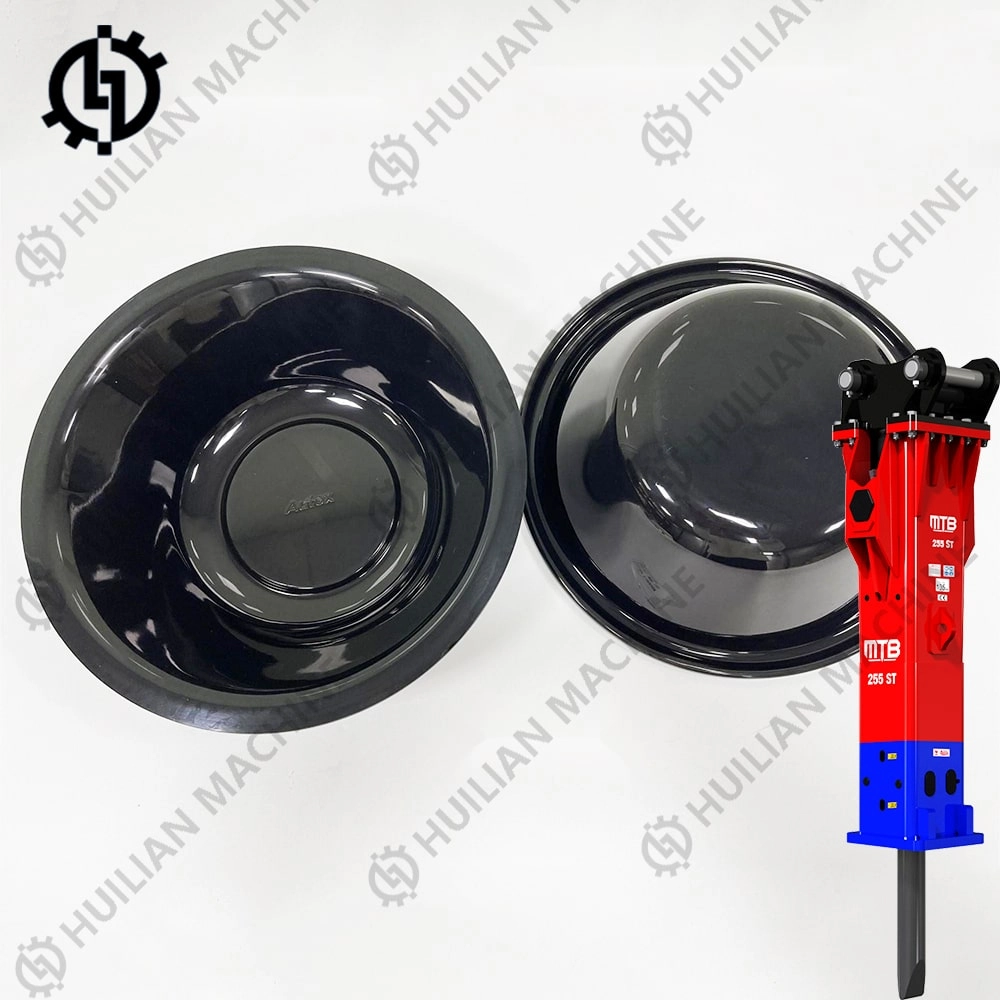
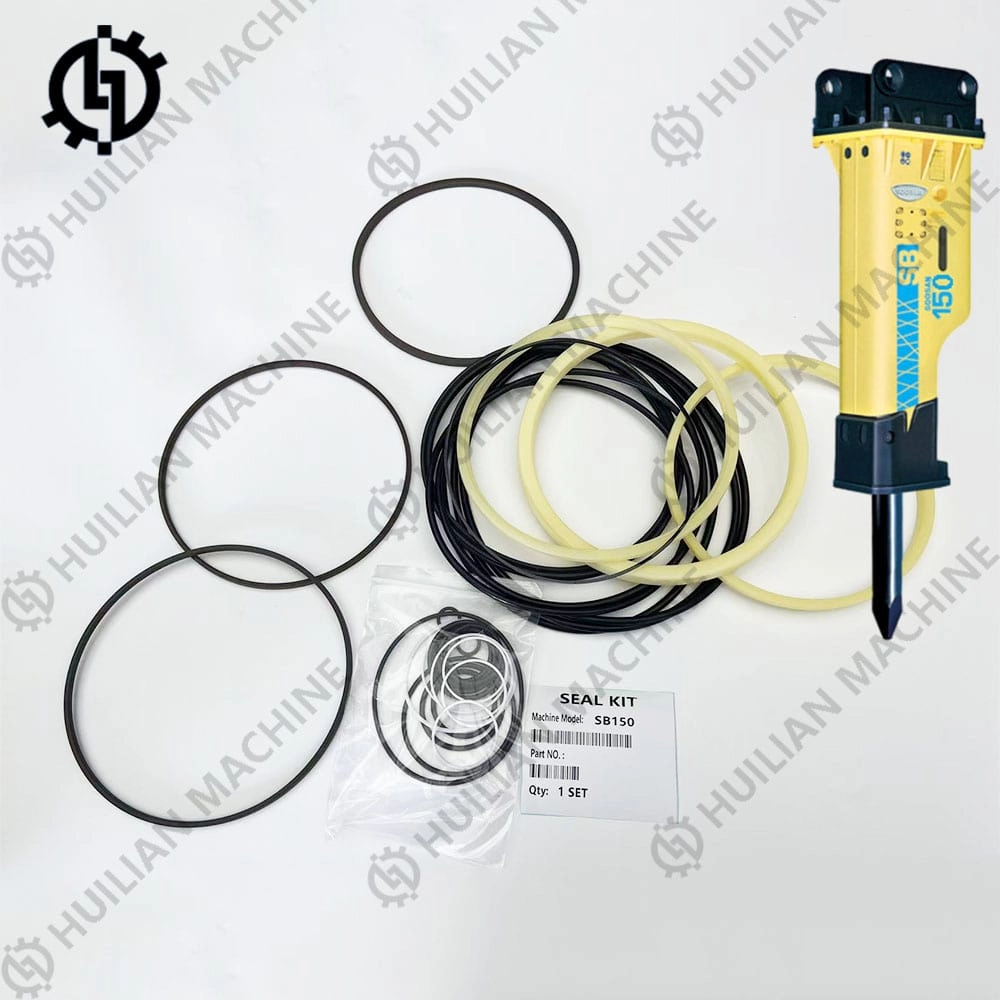
Our R&D experts at Guangzhou Huilian Machines Co., Ltd frequently analyze these hybrid systems to produce superior replacement parts like diaphragms, pistons, and seal kits. We have identified several distinct advantages of this technology:
- Maximized Striking Force: Pressurized nitrogen acts as a gas spring, multiplying the force generated by the hydraulic oil to crush the hardest rock.
- Vibration Dampening: The gas cushion absorbs the shock recoil that would otherwise travel back up the boom, protecting the excavator's structural integrity and improving operator comfort.
- Reduced Moving Parts: A simpler valve and piston arrangement minimizes the points of failure, ensuring less downtime and lower maintenance costs.
How to Correctly Size Your Breaker: Matching Carrier Weight and Hydraulic Flow
Correctly sizing your breaker means selecting a model whose operating weight and excavator breaker hydraulic flow requirements perfectly match the host machine [5]. Failing to synchronize the Gallons Per Minute (GPM) and Pounds Per Square Inch (PSI) leads to catastrophic internal failure.
The most common mistake contractors make is purchasing a breaker based solely on its impact energy rating without verifying carrier compatibility. If an excavator delivers too much hydraulic flow, the breaker will over-speed, leading to severe overheating and the destruction of internal seals. Conversely, insufficient flow results in weak, ineffective strikes.
Data from the Association of Equipment Manufacturers emphasizes that ensuring strict compatibility between attachments and carriers is critical for both performance and job site safety [10]. To achieve the perfect match, you must evaluate the following criteria:
- Carrier Weight Class: A breaker that is too heavy will cause the excavator to become front-heavy, risking tipping and instability. A breaker that is too light will be overpowered and quickly destroyed.
- Optimal Hydraulic Flow (GPM): You must measure the auxiliary hydraulic output of your excavator and compare it to the acceptable operating range of the breaker.
- Operating Pressure (PSI): Ensure the carrier's pressure relief valves are set correctly to prevent pressure spikes from blowing out the breaker's internal diaphragms.
- Installation Protocols: Always consult a comprehensive Install Hydraulic Breaker Guide for proper mounting, plumbing, and flow-testing procedures.
2026 Komatsu Breaker Model Comparison
To select the best attachment, you must compare carrier weight, operating weight, impact rates, and ideal applications. The table below outlines the primary specifications for top JTHB models to ensure you match the tool to your exact demolition requirements.
Expert Tips and Common Mistakes in Breaker Maintenance
Proper nitrogen charged breaker maintenance involves greasing the tool bit every two hours, routinely checking nitrogen accumulator pressure, and conducting visual inspections [5]. Failing to perform these daily checks drastically reduces the lifespan of the piston and seals.
Maintenance is where profitability is either secured or lost. At Guangzhou Huilian Machines Co., Ltd, our after-sales service teams handle countless inquiries from contractors who neglected basic upkeep. We supply top-tier WearBush components, retainer bars, and chisels, but even the best materials cannot withstand operator abuse or a lack of lubrication.
One of the most destructive operational errors is running the tool without material resistance. To properly troubleshoot komatsu breaker blank firing, operators must understand how shockwaves travel. When a breaker fires without the chisel pressed firmly against rock, the massive impact energy has nowhere to go but back into the breaker housing, instantly damaging tie rods, through bolts, and the piston.
According to safety protocols from the Occupational Safety and Health Administration, poorly maintained heavy equipment poses significant safety hazards on demolition sites [1, 2, 8, 9]. To maintain a safe and productive environment, implement these expert practices:
- Correct Greasing Technique: Use high-temperature molybdenum grease. Crucially, only pump grease into the fitting while the tool bit is pushed completely up inside the housing. If greased while suspended in the air, grease will fill the strike chamber and blow the main seals upon the first impact.
- Preventing Blank Firing: Train operators to stop engaging the auxiliary hydraulics the exact millisecond the rock fractures.
- Nitrogen Management: Use a calibrated charging kit to verify the nitrogen pressure weekly. A drop in pressure is the leading cause of weak impact power.
- Visual Checklists: Inspect side bolts, bracket pins, and hydraulic hoses for leaks or loosening at the start of every shift.
2026 Industry Trends: AI Diagnostics and iMC Integration
The future of demolition relies on komatsu iMC demolition attachments that feature intelligent Machine Control (iMC) and AI-driven diagnostics. These smart systems automate impact power based on material hardness, reducing operator fatigue and preventing structural damage to the carrier.
As we move deeper into 2026, the era of analog attachments is ending. The competitive gap in the construction industry is now being bridged by data. Modern fleet managers require real-time insights into attachment health to predict failures before they happen, saving massive amounts of money on emergency repairs.
Guangzhou Huilian Machinery Co., Ltd is committed to the sustainable development of the excavator parts industry, and we are closely monitoring these technological advancements to ensure our OEM replacement parts remain perfectly compatible with next-generation smart breakers. The major trends defining 2026 include:
- Automated Impact Adjustment: New iMC systems sense the density of the rock being broken and automatically adjust the breaker's hydraulic flow and impact rate (BPM) to optimize efficiency without wasting fuel.
- Predictive Maintenance IoT: Embedded sensors track operating hours, temperature, and vibration anomalies, sending alerts to a fleet management dashboard when a tool bushing needs replacement or nitrogen is low.
- Advanced Materials Science: Innovations in metallurgy are extending the life of moil points and chisels, allowing them to withstand extreme stress and heat without shattering.
Conclusion & Call to Action: Upgrade Your Excavator Fleet Today
Maximizing your demolition or quarrying output requires not just the right Komatsu breaker, but proper sizing, diligent maintenance, and an understanding of 2026 hybrid technologies. Partnering with an industry-leading supplier ensures you get the exact model matched to your carrier's specifications.
Contact Guangzhou Huilian Machines Co., Ltd today to discuss your specific needs.
How much does a Komatsu excavator breaker cost?
Pricing for Komatsu breakers varies significantly based on the size, model (such as the JTHB series), and impact energy rating. Smaller utility breakers may start around a few thousand dollars, while heavy-duty mining breakers can exceed tens of thousands. It is highly recommended to request a customized quote to factor in mounting brackets and hydraulic plumbing.
What causes a hydraulic breaker to lose impact power?
The most common cause of power loss is low nitrogen gas pressure in the accumulator. Other potential issues include internal hydraulic oil leaks, worn tool bushings, or incorrect hydraulic flow from the excavator carrier. Regular diagnostic checks can easily identify and resolve these pressure drops.
How often should I grease my Komatsu breaker?
Heavy-duty breakers require frequent lubrication, typically every 2 hours of continuous operation. Using an auto-lube system can automate this process, ensuring the tool bit and bushings remain perfectly lubricated without manual downtime.
What is blank firing and how do I prevent it?
Blank firing occurs when the breaker strikes but the tool is not pressed firmly against a solid object, sending the impact force back into the breaker housing. This causes severe internal damage to the piston and tie rods. Operators must ensure the chisel is firmly planted and stop engaging the hydraulics the moment the material breaks.
How do you check the nitrogen pressure on a hydraulic hammer?
Checking nitrogen pressure requires a specialized charging kit with a pressure gauge. The breaker must be positioned correctly (usually lying flat or securely mounted) before attaching the gauge to the charge valve. Always consult the operational manual for exact pressure specifications based on ambient temperature.
Can I use a Komatsu breaker on other excavator brands?
Yes, Komatsu breakers can be mounted on various brands of excavators. However, you must ensure the attachment bracket fits and that the carrier's hydraulic flow (GPM) and pressure settings strictly match the breaker's requirements.
What is the lifespan of a Komatsu JTHB breaker chisel?
The lifespan of a tool bit depends entirely on the application, the hardness of the material being broken, and operator technique. Avoiding blank firing, refraining from using the breaker as a pry bar, and maintaining proper greasing schedules will significantly extend the chisel's life.
How do I match hydraulic flow to my excavator attachment?
Matching hydraulic flow involves checking your excavator's auxiliary hydraulic output specifications. Compare the carrier's GPM (Gallons Per Minute) and PSI (Pounds per Square Inch) against the breaker's acceptable operating range. Installing flow control valves may be necessary to prevent over-speeding and damaging the breaker.


About
How can I ensure I’m selecting the right part for my equipment?
Our expert team can assist you in finding the right part based on your machine model, specifications, and requirements. Contact us for personalized support.
What types of excavator parts do you offer?
We provide a wide range of high-quality excavator parts, including hydraulic breakers, chisels, seal kits, diaphragms, pistons, wear bushes, retainer bars, through bolts, side bolts, valves, and liners.
What is your shipping and delivery time?
We offer fast and reliable global shipping. Delivery times vary depending on location and order size, but we strive to process and ship orders as quickly as possible.
Do you offer OEM and aftermarket parts?
Yes, we manufacture high-quality OEM parts and supply aftermarket parts from top brands such as NOK, Parker, SKF, and Hallite to ensure optimal performance.
Are your parts compatible with all excavator brands?
Yes, our parts are designed to be compatible with major brands like Komatsu, Caterpillar, Hitachi, Hyundai, Doosan, JCB, Kobelco, Sany, and many more.




Getting started is easy 
Contact with our experts to find the best excavator parts solutions for your needs. Discover how Huilian can enhance your equipment's performance and efficiency.


Get in touch
 About us
© 2025 HUILIAN MACHINE. All rights reserved