



The Ultimate Guide to Excavator Breakers: How They Work and How to Choose the Right One
- Introduction
- What is an excavator breaker and what is it used for?
- How does a hydraulic excavator breaker work?
- How do I choose the right excavator breaker for my machine?
- Why is it important to match the breaker size to the excavator?
- Can you use the same hydraulic breaker on different excavators?
- What are the key components of an excavator breaker?
- How often should you grease and maintain an excavator breaker?
- What are the common mistakes to avoid when operating an excavator breaker?
- Conclusion
- Call to Action
Introduction
When it comes to breaking through the toughest materials on a job site, standard digging buckets simply won't cut it. Whether you are tackling a major demolition, trenching through solid rock, or clearing reinforced concrete, you need a specialized tool that delivers raw, concentrated power. This is where an excavator breaker—often referred to as a hydraulic hammer or rock breaker—becomes an indispensable asset. This comprehensive guide will walk you through exactly how these powerful attachments function, the critical factors to consider when purchasing one, and the best practices for maintenance and safe operation to maximize your investment.
What is an excavator breaker and what is it used for?
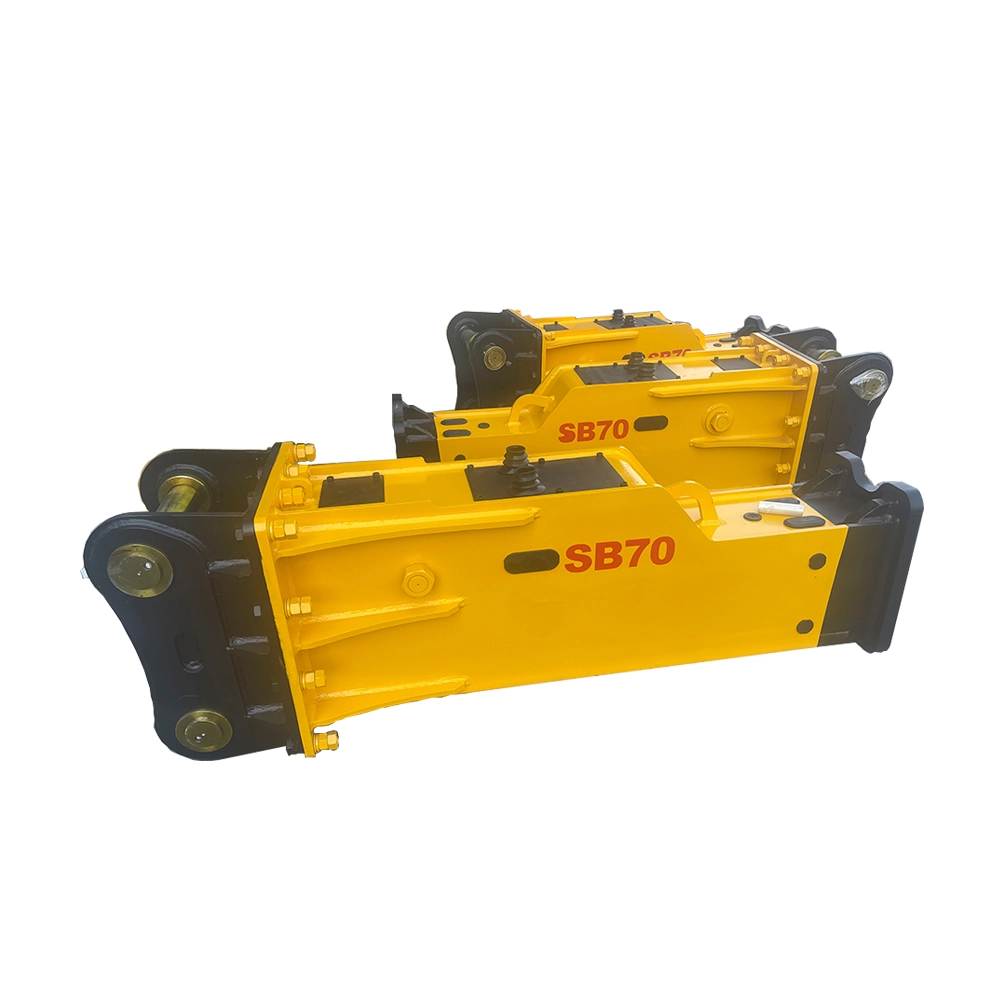
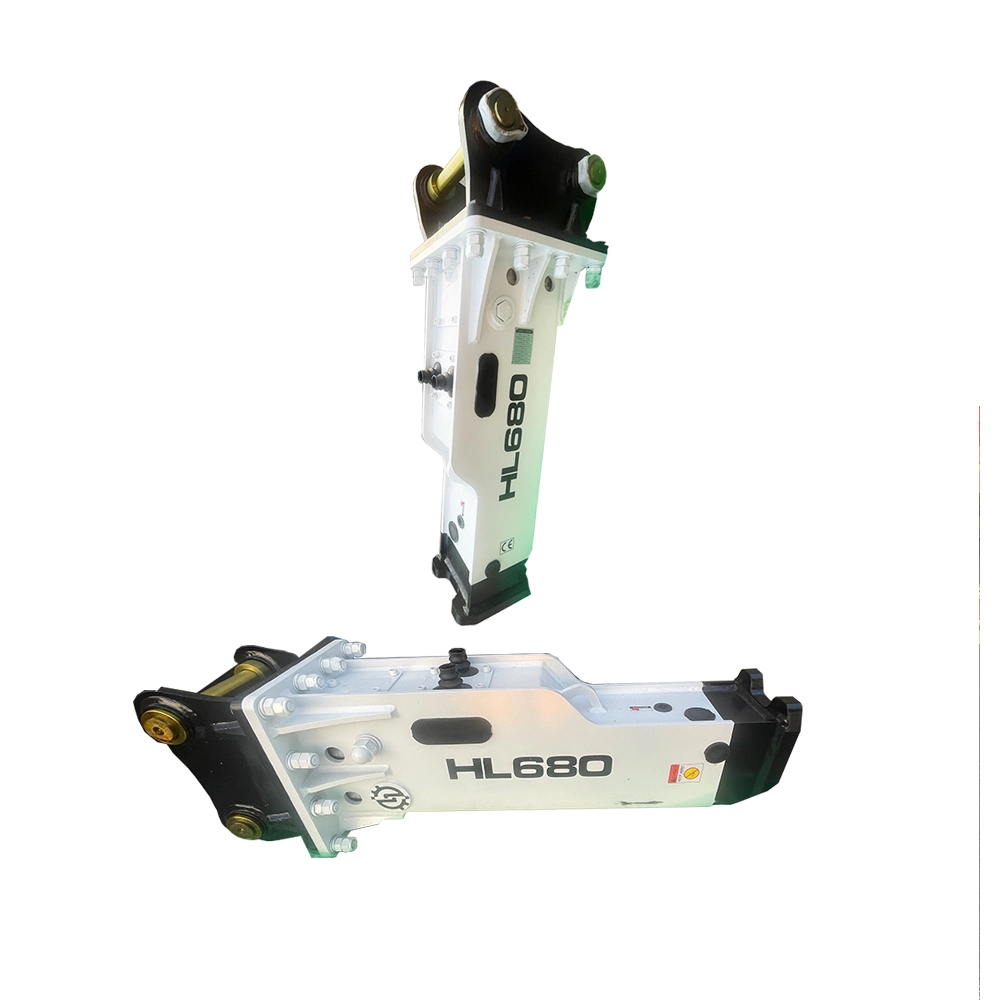
An excavator breaker is a heavy-duty percussion attachment that mounts directly to the end of an excavator's stick. Replacing the traditional bucket, this powerful demolition attachment is engineered to fracture hard, unyielding materials that are otherwise impossible to dig.
These attachments are primarily used in construction, mining, quarrying, and demolition operations. Typical applications include tearing down reinforced concrete walls, breaking up asphalt during road repairs, trenching through bedrock, and reducing large boulders into manageable pieces.
By delivering localized, high-impact energy, an excavator breaker allows operators to work with precision. Instead of relying on brute lifting force, the breaker shatters the structural integrity of the material, making it easier to clear away and process.
How does a hydraulic excavator breaker work?
A hydraulic breaker converts hydraulic power supplied by the excavator into controlled, mechanical impact energy. According to industry pioneers at Epiroc, pressurized hydraulic oil from the carrier machine drives an internal piston, which strikes the working tool with tremendous, consistent force.
This internal piston cycles rapidly, striking the tool (such as a chisel or moil point) hundreds of times per minute. The impact energy transfers downward through the tool and directly into the material. This repeated, intense striking creates stress fractures that cause the rock or concrete to rapidly break apart.
Modern breakers also utilize a nitrogen gas chamber, or accumulator. This gas chamber acts as a shock absorber for the carrier machine, reducing violent recoil while simultaneously storing and releasing energy to increase the downward impact force of every piston strike.
How do I choose the right excavator breaker for my machine?
Choosing the correct excavator breaker requires a careful evaluation of both your carrier machine and the specific materials you intend to demolish. Your first consideration must be the operating weight of your excavator. You must select a breaker that falls within the safe lifting and operating capacity of your machine to prevent structural strain or tipping hazards.
Equally important is matching the hydraulic flow rate (measured in gallons per minute, or GPM) and operating pressure. Every breaker requires a specific flow range to operate effectively. Providing too little flow results in weak, inefficient impacts, while forcing too much flow into the breaker will cause it to overheat, blow seals, and suffer catastrophic internal failure.
Lastly, consider the nature of your projects. If you are doing precision trenching, a slimmer breaker body with a chisel tool might be ideal. For massive quarry boulders, a heavier breaker equipped with a blunt tool will provide the best fracturing results. Always consult both the breaker and excavator manufacturer specifications before finalizing a purchase.
Why is it important to match the breaker size to the excavator?
Matching the breaker size to the excavator is a fundamental safety and performance requirement. If a breaker is too heavy for the carrier machine, it severely destabilizes the excavator. This increases the risk of dangerous rollovers and places excessive, premature wear on the boom, stick, and mounting pins.
Conversely, mounting a small breaker on a massive excavator is equally dangerous. The high hydraulic output and immense downward pressure of a heavy excavator can easily overpower a small breaker, snapping the tool or destroying the internal piston components almost instantly.
Furthermore, as highlighted by Bobcat, matching the hydraulic capacity of the carrier to the breaker guarantees maximum efficiency and consistent machine-to-breaker performance. Proper sizing ensures the ideal balance of physical weight and hydraulic pressure, thereby maximizing productivity on the job site while drastically reducing the risk of unplanned downtime.
Can you use the same hydraulic breaker on different excavators?
Yes, you can use the same hydraulic breaker across different excavators, provided that both machines share highly compatible specifications. The excavators must belong to the same operating weight class and be capable of producing the appropriate hydraulic flow and pressure required by the breaker.
If you plan to swap a breaker between machines, you must also verify that the physical mounting connections match. This includes the pin diameters, pin center distances, and stick widths, or ensuring that both machines utilize a compatible quick coupler system.
Before firing the breaker on a new machine, always perform a hydraulic flow test. If the secondary excavator outputs a higher hydraulic flow, you will need to adjust the machine's auxiliary flow settings downward to protect the breaker's internal seals and accumulator from over-pressurization.
What are the key components of an excavator breaker?
An excavator breaker is a highly engineered attachment comprised of several vital components designed to withstand extreme stress:
- The Housing / Cradle: The heavy-duty outer shell that protects the internal mechanisms, dampens noise, and provides the mounting point for the excavator.
- The Piston: The primary moving internal part that relies on hydraulic pressure to strike the top of the working tool.
- The Working Tool: The actual tip (chisel, moil, blunt) that makes direct contact with the rock or concrete.
- Nitrogen Accumulator: A pressurized chamber that absorbs hydraulic pressure spikes, reduces recoil, and amplifies the downward striking force.
- Tie Rods: High-strength, specialized bolts that hold the main cylinder and breaker body sections tightly together.
- Bushings: Replaceable metal sleeves that guide the working tool and reduce friction as it moves up and down.
How often should you grease and maintain an excavator breaker?
Consistent and proper maintenance is non-negotiable when operating heavy demolition equipment. As a general industry rule, you should manually grease an excavator breaker every two hours of continuous operation. You must use high-quality, high-temperature molybdenum disulfide (moly) grease specifically formulated to withstand the extreme friction generated during rock breaking.
As noted by construction equipment manufacturer Komatsu, proper lubrication is absolutely essential to avoid devastating steel-on-steel contact, galling, and corrosion within the housing. Some modern setups utilize an auto-lube system mounted on the cradle, ensuring a steady supply of grease without manual intervention.
In addition to greasing, operators should perform daily visual walk-arounds. You should check for loose or broken tie rods, inspect hydraulic hoses for leaks, and verify that the tool shank and lower bushings are not excessively worn.
What are the common mistakes to avoid when operating an excavator breaker?
To maximize the lifespan of your rock breaker and maintain a safe job site, operators must avoid several common, yet highly destructive, mistakes:
- Blank Firing: This occurs when the breaker is fired in mid-air or slips off the material. Without the rock to absorb the impact, the piston's extreme energy is absorbed by the breaker itself, quickly destroying tool retainers and snapping tie rods.
- Prying: Using the breaker's working tool as a crowbar to pry materials apart applies extreme lateral stress and will inevitably snap the tool.
- Continuous Firing: Operating the breaker in a single spot for more than 15 to 30 seconds. If the material does not fracture, you must reposition the tool; otherwise, the tip will overheat and warp.
- Working Underwater: Submerging a standard breaker without installing a specialized underwater air compressor kit. Doing so will draw water and debris into the hydraulic system, causing catastrophic machine failure.
Conclusion
Investing in the right hydraulic hammer and understanding its mechanical principles will significantly boost your job site's efficiency. By matching the breaker to your excavator's specifications, committing to strict maintenance and greasing intervals, and avoiding bad operational habits, you protect your equipment and guarantee long-term performance in the toughest demolition environments.
Call to Action
If you need expert assistance selecting the perfect hydraulic breaker for your fleet, contact our team today for a personalized consultation.


About
Are your parts compatible with all excavator brands?
Yes, our parts are designed to be compatible with major brands like Komatsu, Caterpillar, Hitachi, Hyundai, Doosan, JCB, Kobelco, Sany, and many more.
How can I ensure I’m selecting the right part for my equipment?
Our expert team can assist you in finding the right part based on your machine model, specifications, and requirements. Contact us for personalized support.
Do you offer OEM and aftermarket parts?
Yes, we manufacture high-quality OEM parts and supply aftermarket parts from top brands such as NOK, Parker, SKF, and Hallite to ensure optimal performance.
What types of excavator parts do you offer?
We provide a wide range of high-quality excavator parts, including hydraulic breakers, chisels, seal kits, diaphragms, pistons, wear bushes, retainer bars, through bolts, side bolts, valves, and liners.
What is your shipping and delivery time?
We offer fast and reliable global shipping. Delivery times vary depending on location and order size, but we strive to process and ship orders as quickly as possible.




Getting started is easy 
Contact with our experts to find the best excavator parts solutions for your needs. Discover how Huilian can enhance your equipment's performance and efficiency.


Get in touch
 About us
© 2025 HUILIAN MACHINE. All rights reserved