



Hydraulic Excavator Breaker Selection Guide 2026: The Ultimate Checklist for Every Carrier Size
- What is a Hydraulic Excavator Breaker?
- Key Takeaways: 2026 Selection Quick Summary
- The Ultimate Sizing Checklist: Matching Breaker to Carrier Size
- Data Comparison Table: Breaker Class vs. Carrier Weight & Flow
- Expert Tips: Common Mistakes in Breaker Selection & Operation
- Future Trends: Smart Breakers and 2026 Innovations
- Industry-Leading Solutions: The Huilian Advantage
- Conclusion
- Frequently Asked Questions
- How do I match a hydraulic breaker to my excavator?
- What is the difference between an excavator hammer and a breaker?
- How often should a hydraulic breaker be greased?
- What causes a hydraulic breaker to lose power?
- Can a mini excavator run a hydraulic breaker?
- What is the 15-second rule for hydraulic breakers?
- How do you check the nitrogen pressure in a breaker?
- What is the average lifespan of a hydraulic excavator breaker?
Finding the right attachment is crucial for any modern demolition, trenching, or quarrying project. A properly matched hydraulic excavator breaker ensures maximum efficiency, protects your carrier machine from severe hydraulic damage, and significantly lowers your overall operating costs. However, with the rapid advancement of attachment technology, selecting the perfect breaker involves far more than simply looking at the physical size of the hammer.
In 2026, fleet managers and heavy equipment operators must navigate complex specifications, including intricate hydraulic curves, advanced energy recovery systems, and stringent environmental regulations. This comprehensive guide provides the ultimate checklist for sizing your breaker, highlighting vital operational metrics, expert maintenance strategies, and the latest technological trends to help you make an informed, ROI-driven decision for your heavy equipment fleet.
What is a Hydraulic Excavator Breaker?
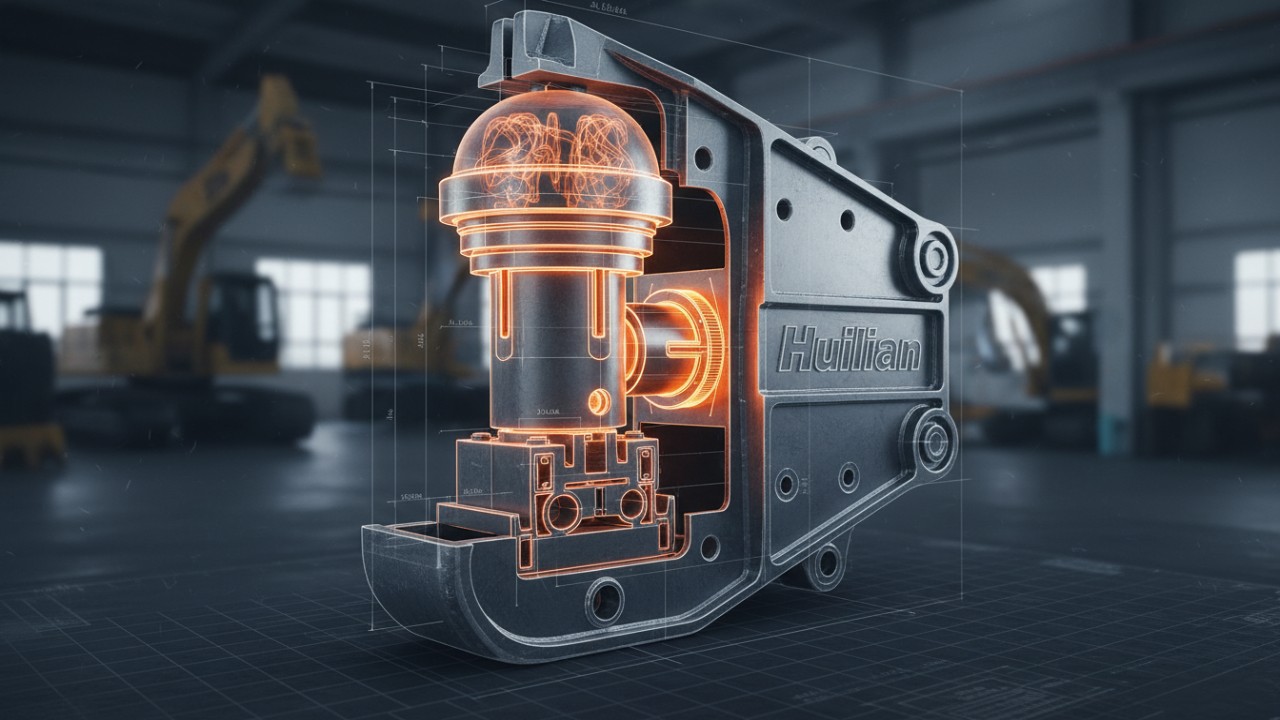
A hydraulic excavator breaker is a heavy-duty percussion hammer attachment fitted to an excavator, engineered to demolish concrete, rock, and other hard structures by converting the carrier machine's hydraulic flow and pressure into extreme kinetic impact energy.
Understanding the internal mechanics of this tool is the foundational step in proper equipment management. The breaker operates as an extension of the excavator's own hydraulic system. The machine's hydraulic fluid drives an internal piston up and down at incredibly high speeds.
Key components that facilitate this destructive power include:
- The Piston: The core moving part that strikes the tool bit to deliver the blow.
- Nitrogen Gas Accumulator: Acts as a shock absorber and a power amplifier, storing energy during the piston's upstroke to release a highly concentrated downward force.
- Main Valve: Controls the directional flow of the high-pressure hydraulic oil to cycle the piston continuously.
- Tool Bit (Chisel): The hardened steel point that makes direct contact with the rock or concrete, transferring the impact energy into the material to fracture it.
Key Takeaways: 2026 Selection Quick Summary
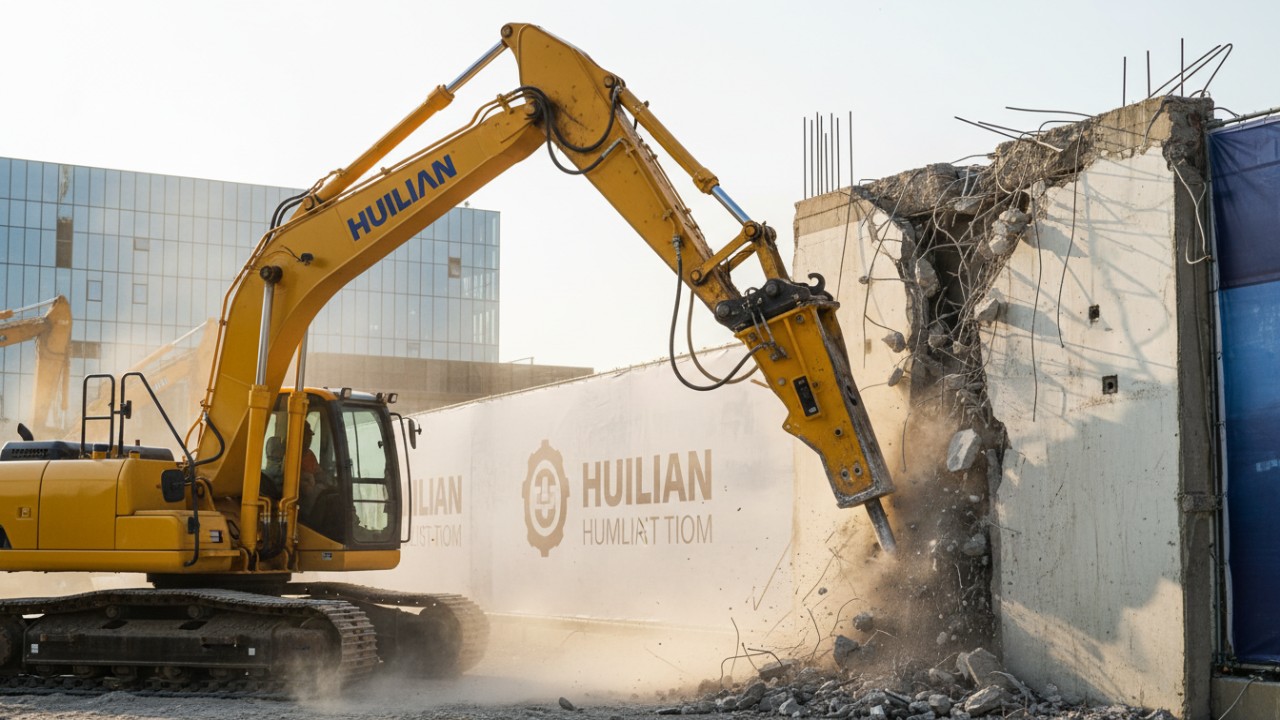
The most critical factors for selecting a breaker in 2026 include strictly matching the attachment's operating weight, required hydraulic flow, and pressure limits to your carrier's lifting capacity to guarantee equipment stability and maximize demolition efficiency.
Before diving into the technical specifications, keep these high-level best practices in mind when evaluating your next attachment:
- Carrier Weight Ratio: Always match the breaker's operating weight to your excavator's lifting capacity to avoid machine instability and tip-overs.
- Hydraulic Synergy: Verify that your carrier's hydraulic flow (Gallons Per Minute or GPM) and operating pressure (PSI) fall strictly within the breaker's required operating range.
- Application Specificity: Consider the specific job site application. Trenching, bulk demolition, or underwater breaking all require specific tool types, specialized enclosed housings, and dedicated waterproof seal kits.
- Smart Technology: Modern 2026 breakers feature energy recovery systems and automated telematics for improved mechanical efficiency, real-time diagnostics, and an extended operational lifespan.
The Ultimate Sizing Checklist: Matching Breaker to Carrier Size
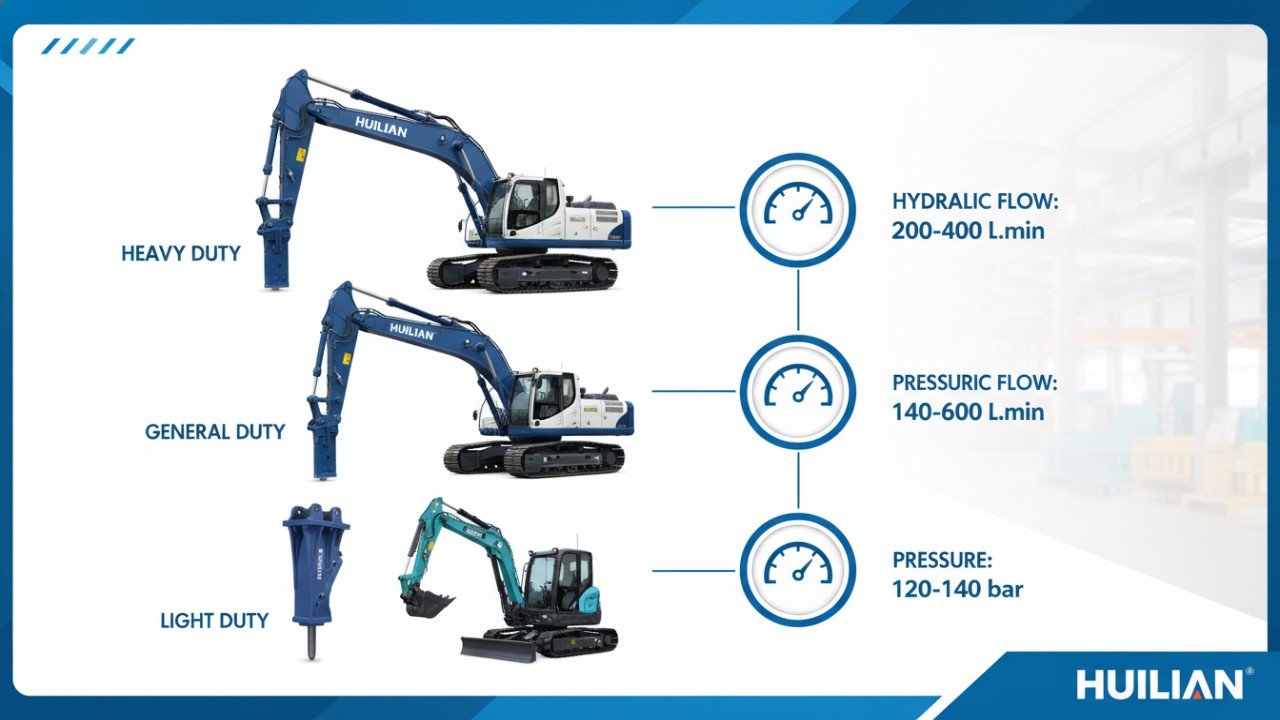
Proper hydraulic breaker sizing requires verifying that the carrier's operating weight, hydraulic flow (GPM), and back pressure precisely align with the breaker's engineered specifications to ensure stable operation and prevent catastrophic damage to the excavator's hydraulic pumps.
Failing to calculate these variables correctly leads to sluggish performance, excessive heat generation, or blown hydraulic seals. To help you select the perfect attachment, follow this rigorous sizing checklist:
- Carrier Weight Ratio Validation: Ensure the breaker weight does not exceed 10% of the excavator's total operating weight. An oversized breaker acts as a dangerous counterweight, causing the excavator to tip during full arm extension.
- Verify Breaker Hydraulic Flow Requirements: Check that the excavator can produce the required Gallons Per Minute (GPM) consistently. Too little flow results in slow strike rates, while excessive flow will bypass the relief valve, generating extreme heat that destroys internal O-rings.
- Operating Pressure & Relief Valve Settings: Ensure the excavator's system pressure matches the breaker's optimal PSI. The carrier's main relief valve must be set roughly 300-500 PSI higher than the breaker's operating pressure to prevent premature fluid bypass.
- Back Pressure Assessment: Measure the system back pressure on the return line. High back pressure creates a cushioning effect against the piston, severely reducing impact power and causing the hydraulic oil to overheat.
- Plumbing and Mounting Configuration: Confirm your excavator is equipped with the necessary auxiliary hydraulic lines, quick couplers, and integrated mounting brackets specific to the breaker's pin-on or quick-attach layout.
Data Comparison Table: Breaker Class vs. Carrier Weight & Flow
This data comparison table outlines the standard correlation between an excavator's operating weight, the required hydraulic flow, and the resulting impact energy rating of the breaker to help operators quickly identify the correct attachment class.
Understanding where your machine falls on this spectrum is critical for setting baseline expectations for demolition output.
(Note: Data reflects 2026 industry standard averages for high-impact demolition tools. Always consult your specific OEM manual for exact tolerances.)
Expert Tips: Common Mistakes in Breaker Selection & Operation
Effective hydraulic hammer maintenance and operation require avoiding critical user errors like blank firing, lateral prying, and prolonged continuous striking, which rapidly overheat the tool tip, destroy internal components, and void manufacturer warranties.
Even the most perfectly sized breaker will suffer catastrophic failure if the operator ignores best practices. Protect your heavy equipment investment by avoiding these common operational mistakes:
- Blank Firing (Dry Firing): Operating the breaker without adequate down-pressure on the material is the number one cause of breaker failure. When the tool fires without resistance, the piston's immense energy is absorbed by the internal tie rods and tool retainers, eventually shattering them.
- Using the Breaker as a Pry Bar: Applying lateral force to the tool shank while trying to pry broken concrete away causes premature bushing wear and can catastrophically snap the tool bit in half.
- Ignoring the 15-Second Rule: Striking one single stubborn spot for more than 15 seconds without penetration overheats the tool tip. This compromises the steel's structural integrity, causing it to mushroom and trap damaging dust inside the housing.
- Improper Lubrication Intervals: Failing to use high-temperature, molybdenum-based (moly) grease every two hours drastically increases friction. Standard chassis grease will melt under the intense heat, ruining the tool bushings.
For a deeper dive into daily operational best practices and preventative care routines, consult our comprehensive Hydraulic Breaker User Guide to keep your fleet running smoothly and efficiently all year long.
Future Trends: Smart Breakers and 2026 Innovations
The 2026 innovations in breaker technology prioritize automated telematics, variable speed auto-adjustments, and advanced dampening housing systems designed to significantly increase strike efficiency while drastically reducing harmful noise and operator vibrations.
As urban demolition regulations become stricter, manufacturers are integrating smart technology to improve both site safety and mechanical output. These forward-looking trends are completely reshaping the heavy machinery industry:
- Automated Telematics & IoT Integration: Next-gen breakers now feature internal sensors that send real-time alerts to fleet managers regarding nitrogen pressure drops, hydraulic fluid temperatures, and exact maintenance intervals based on actual strike counts.
- Variable Speed Technology: Modern smart breakers automatically sense the hardness of the rock. The system adjusts the piston's stroke length and blow rate on the fly—delivering short, fast blows for softer concrete and long, heavy blows for dense granite.
- Advanced Sound and Vibration Suppression: Urban demolition sites now mandate ultra-quiet equipment. According to the Occupational Safety and Health Administration (OSHA), construction environments with noise levels above 85 dBA require strict hearing conservation programs. Modern fully enclosed breaker housings with specialized polyurethane dampeners help contractors easily meet these stringent noise standards. Similarly, these internal dampeners significantly lower the risk of Hand-Arm Vibration Syndrome (HAVS), a debilitating occupational hazard extensively documented by the National Institute for Occupational Safety and Health (NIOSH).
Industry-Leading Solutions: The Huilian Advantage
Partnering with an experienced OEM supplier ensures that your excavator hammer attachment matches your machine's exact hydraulic curve, providing a synergistic solution that prevents premature wear and significantly reduces your overall total cost of ownership.
Selecting the right attachment and sourcing reliable replacement parts can be complex, but working with a globally recognized manufacturer eliminates the guesswork. Founded in 2005, Guangzhou Huilian Machines Co., Ltd (operating under the trusted brand name Huilian) is a professional OEM supplier and one of the leading excavator breaker parts manufacturers in China.
We provide an industry-leading solution by pairing world-class attachments directly to your machine's exact hydraulic requirements. Our comprehensive product lineup includes:
- Complete hydraulic breaker hammers
- High-durability chisels and tool bits
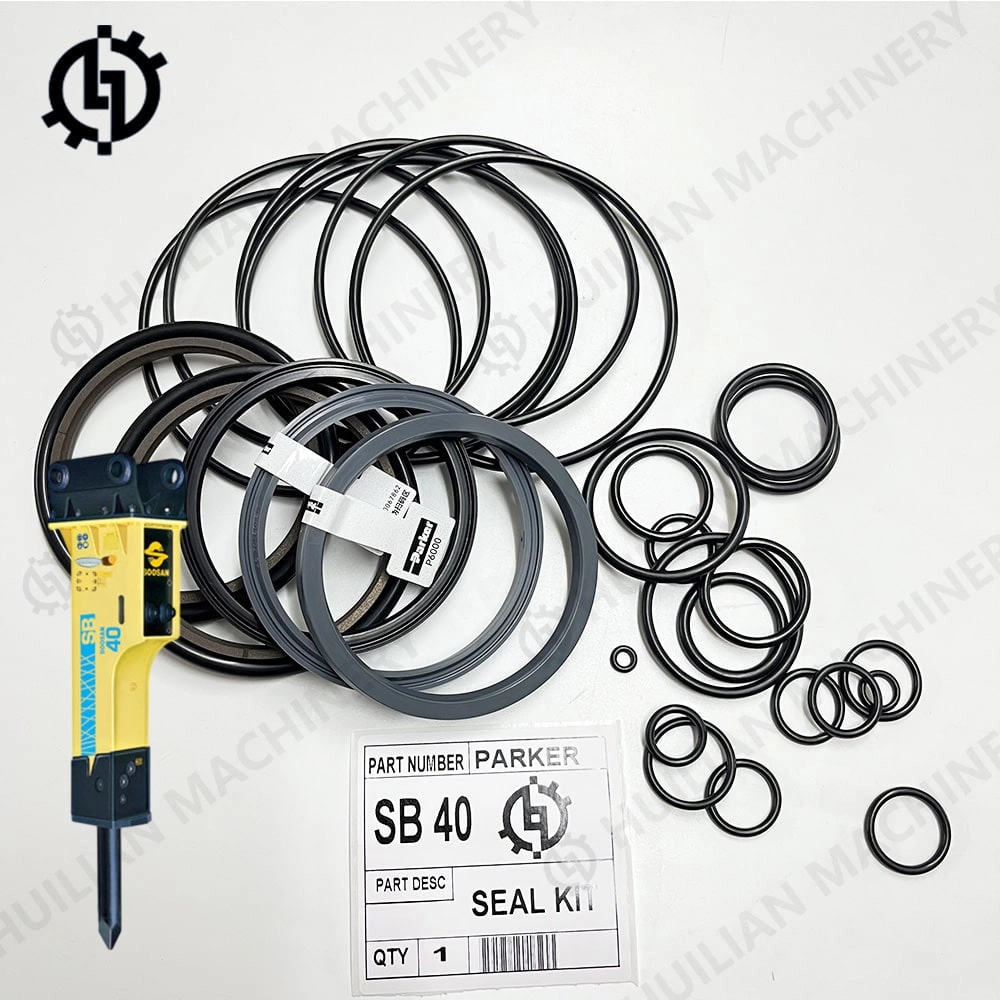
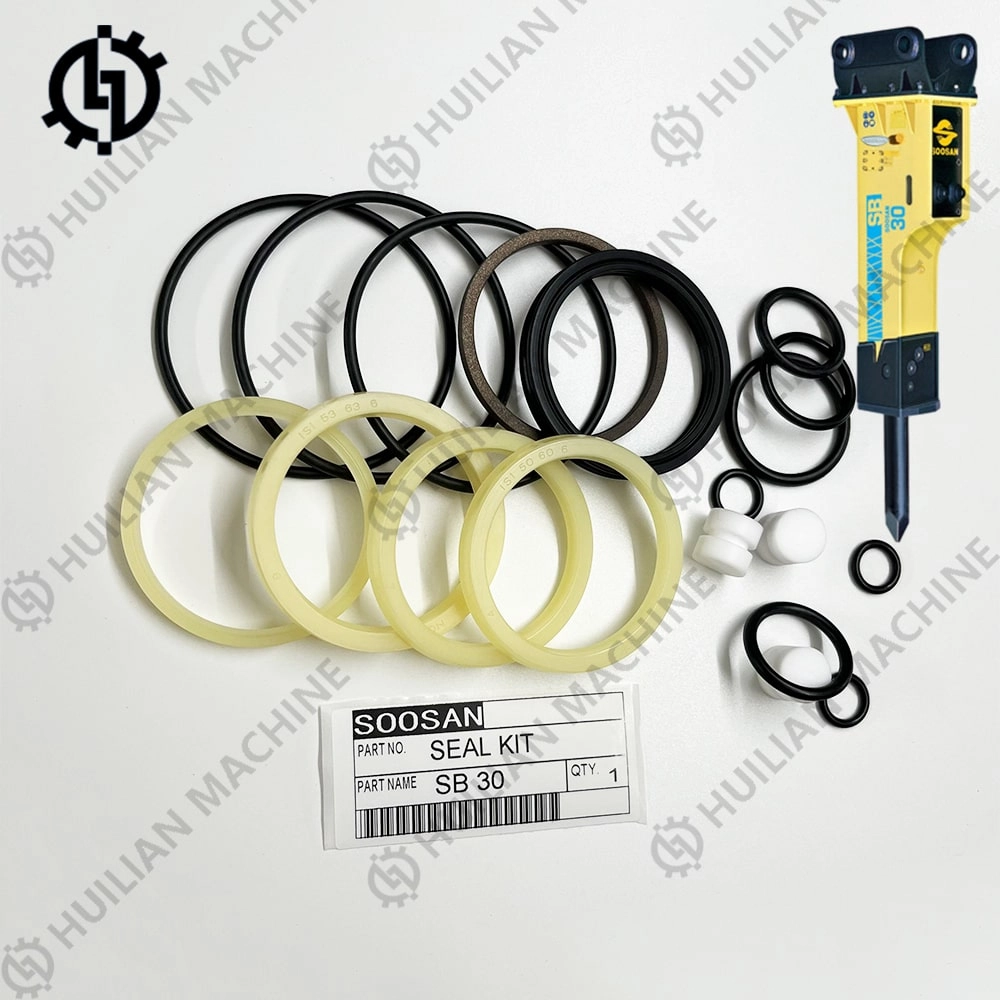
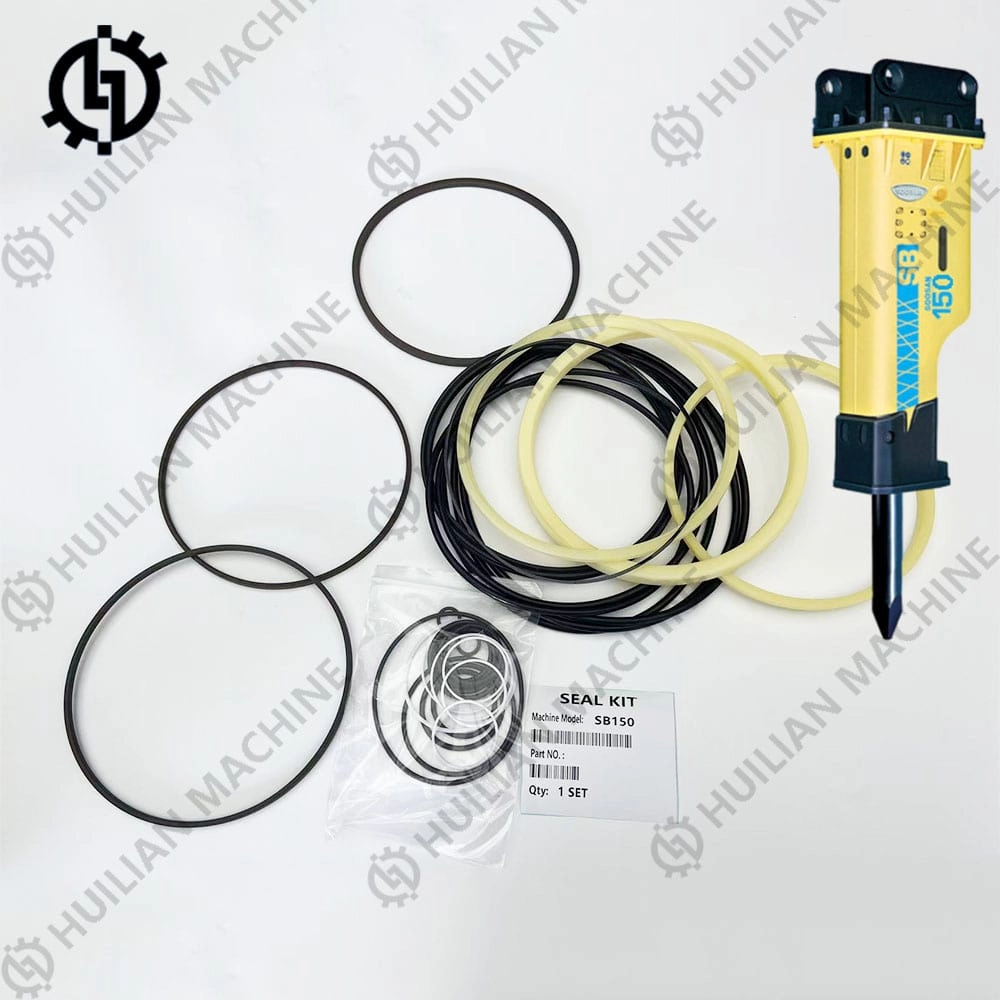
- Premium seals and Parker seal kits
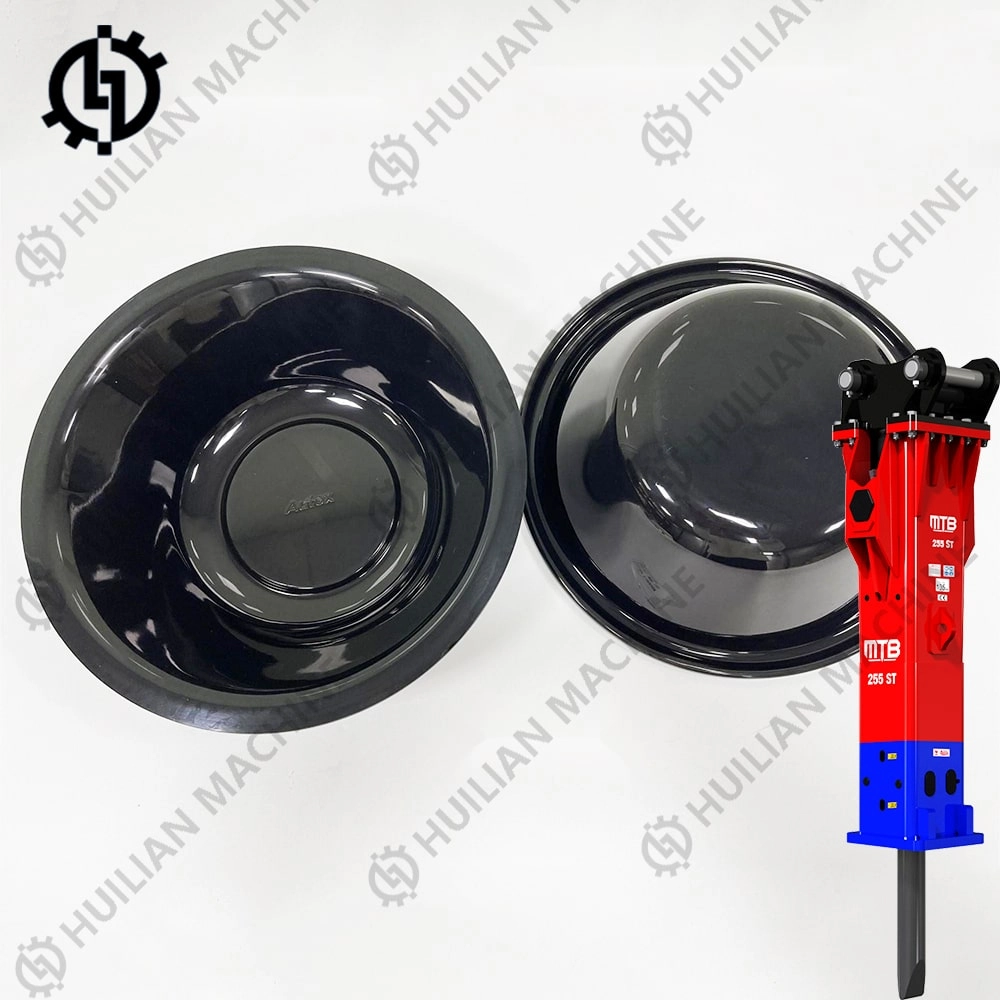
- Diaphragms, pistons, and WearBushes
Huilian's team comprises experienced and skilled professionals, including master technicians, R&D experts, CAD designers, strict quality control professionals, and dedicated after-sales service teams. Because of our commitment to excellence, our products are highly regarded by customers worldwide and are proudly exported to over 90 countries and regions.
By leveraging our proprietary sizing algorithms and premium OEM parts, fleet managers can confidently optimize their Breaker Cost vs Performance, achieving a proven 30% reduction in long-term operating costs. As we continue to innovate, Guangzhou Huilian Machinery Co., Ltd. is committed to becoming a global leader in the supply of excavator parts and is actively seeking global distributor partners to promote the sustainable development of the heavy equipment industry.
Conclusion
Choosing the optimal hydraulic excavator breaker involves balancing your carrier's operating weight, hydraulic flow limits, and job site demands, utilizing modern energy-recovery technologies and strict sizing checklists to maximize your heavy equipment's longevity and daily productivity.
By adhering to strict hydraulic flow validation, leveraging modern telematics, and strictly following the 15-second and proper lubrication rules, you can safeguard your equipment against catastrophic failure. Whether you are outfitting a compact 3-ton mini excavator for residential utility trenching or a heavy-duty 40-ton demolition machine for major urban teardowns, making the right choice ensures maximum returns on your investment.
Contact Guangzhou Huilian Machines Co., Ltd today to discuss your specific needs.
Frequently Asked Questions
How do I match a hydraulic breaker to my excavator?
Match the breaker's operating weight to the excavator's lifting capacity to ensure stability. Additionally, ensure the excavator's hydraulic flow (GPM) and operating pressure (PSI) align perfectly with the breaker's specifications. Finally, verify your machine has the proper auxiliary plumbing and mounting bracket.
What is the difference between an excavator hammer and a breaker?
In the heavy construction industry, the terms 'hammer' and 'breaker' are generally used interchangeably. Both refer to a hydraulic percussion attachment used to fracture hard materials like rock or concrete. Some regional dialects prefer 'hammer' for smaller attachments and 'breaker' for heavy demolition.
How often should a hydraulic breaker be greased?
Manual greasing should occur every two hours of continuous operation. Use only high-temperature, molybdenum-based grease (moly grease) specifically formulated for breakers, as it withstands extreme friction. Alternatively, installing an auto-lube system ensures consistent, continuous lubrication during operation, preventing premature bushing wear.
What causes a hydraulic breaker to lose power?
A sudden loss of power is usually caused by low nitrogen gas pressure in the accumulator. Other common culprits include insufficient hydraulic flow or excessive back pressure from the carrier machine, or worn internal seals causing hydraulic fluid to bypass the main piston.
Can a mini excavator run a hydraulic breaker?
Yes, mini excavators can effectively operate compact hydraulic breakers. They are ideal for light demolition, sidewalk removal, and utility trenching in confined spaces. However, you must ensure the mini excavator has sufficient auxiliary hydraulic flow to meet the small breaker's minimum GPM requirements.
What is the 15-second rule for hydraulic breakers?
The 15-second rule dictates that you should never operate the breaker in one single spot for more than 15 continuous seconds. If the material does not break, reposition the tool tip to a new angle or location. Ignoring this rule leads to extreme heat buildup, mushrooming of the tool tip, and internal dust-clogging.
How do you check the nitrogen pressure in a breaker?
Checking the nitrogen requires a specialized nitrogen charge kit equipped with a pressure gauge. Attach the gauge to the breaker's accumulator charging valve only when the breaker is idle, safely resting on the ground, and fully depressurized. Compare the gauge reading against the manufacturer's specified PSI, adjusting for current ambient temperatures.
What is the average lifespan of a hydraulic excavator breaker?
A well-maintained hydraulic breaker can last between 3 to 5 years under heavy daily use. With meticulous maintenance, timely OEM seal replacements, and proper operator technique, they can easily exceed 10,000 operational hours. However, the lifespan drops significantly if the breaker constantly suffers from blank firing or improper lubrication.


About
How can I ensure I’m selecting the right part for my equipment?
Our expert team can assist you in finding the right part based on your machine model, specifications, and requirements. Contact us for personalized support.
Are your parts compatible with all excavator brands?
Yes, our parts are designed to be compatible with major brands like Komatsu, Caterpillar, Hitachi, Hyundai, Doosan, JCB, Kobelco, Sany, and many more.
Do you offer OEM and aftermarket parts?
Yes, we manufacture high-quality OEM parts and supply aftermarket parts from top brands such as NOK, Parker, SKF, and Hallite to ensure optimal performance.
What is your shipping and delivery time?
We offer fast and reliable global shipping. Delivery times vary depending on location and order size, but we strive to process and ship orders as quickly as possible.
What types of excavator parts do you offer?
We provide a wide range of high-quality excavator parts, including hydraulic breakers, chisels, seal kits, diaphragms, pistons, wear bushes, retainer bars, through bolts, side bolts, valves, and liners.




Getting started is easy 
Contact with our experts to find the best excavator parts solutions for your needs. Discover how Huilian can enhance your equipment's performance and efficiency.


Get in touch
 About us
© 2025 HUILIAN MACHINE. All rights reserved